

Series description
The effort to conserve more than 54 varieties of corn in Peru and 65 varieties in Mexico has endured for more than 7,500 years. The Indigenous Quechua, Wari, Nahua, Otomi and Wanka tend the land with unique traditions, fiercely protecting their corn seeds as a vital link to their spirit. Each variety, which differs in species, size, colour and shape, carries its own story, endowed with personal meaning and purpose. Corn is not only a staple food, but also a precious element in pre-Columbian rites that endure today; an element that is offered to the Earth or used in healing ceremonies. ‘We plant the seeds with the power of the song,’ shares Magdalena, an elder from the Andes. These indigenous communities unveil unique and innovative solutions in response to climate change and the devastating impact of severe droughts. Their tender gestures, songs and poems become a conduit for communicating with nature and healing the Earth.
Biography
Florence Goupil is a Peruvian documentary photographer whose work focuses on human rights, the environment, and Indigenous memory. She has exhibited internationally and published in The New York Times Magazine, BJP, Fisheye, Atmos, and National Geographic. Florence has received numerous awards, including POY Latam Photographer of the Year and the Magnum Foundation "Heat" Fellowship, and is a National Geographic Explorer and Pulitzer Center grantee.
Malinche
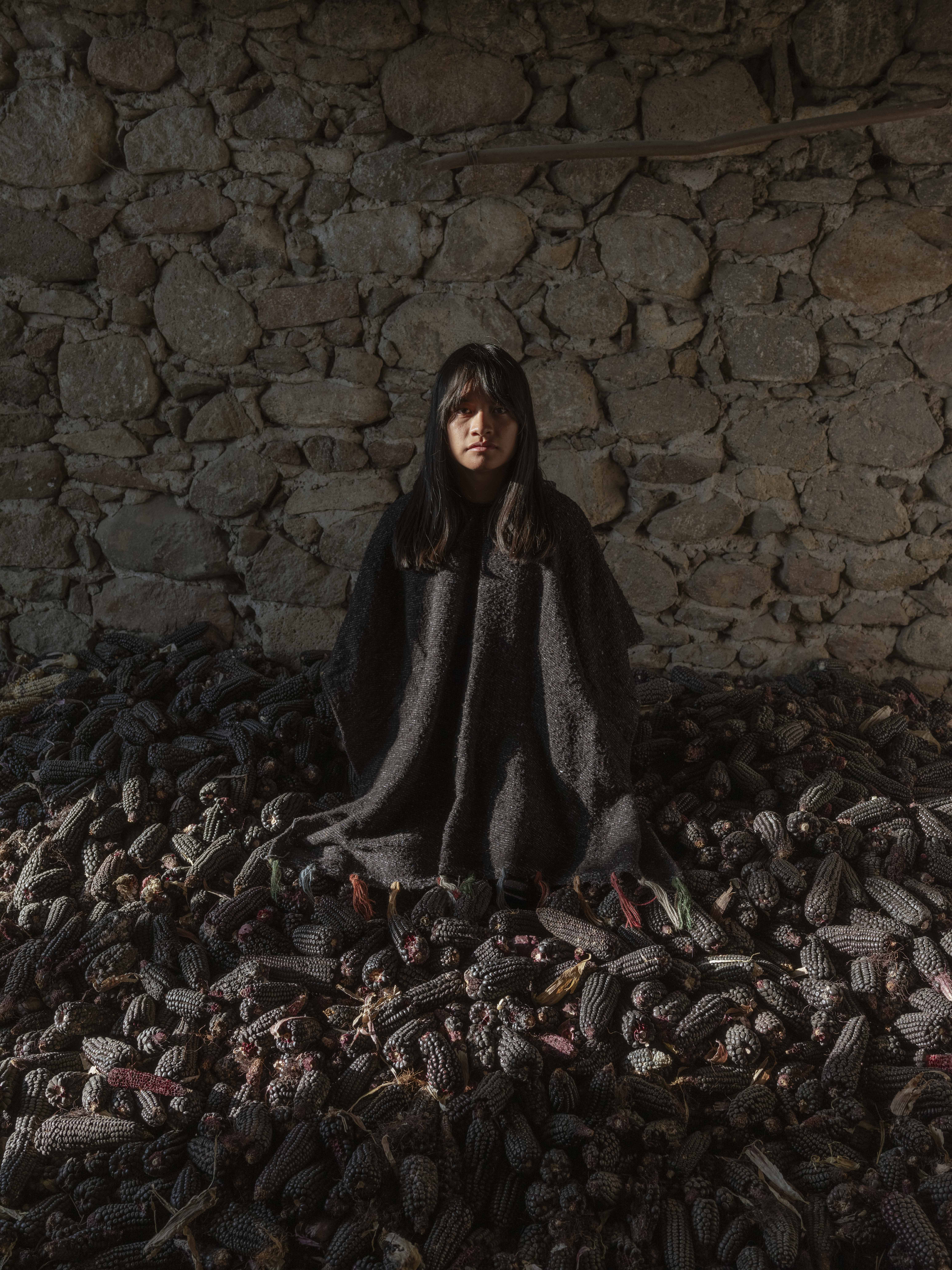
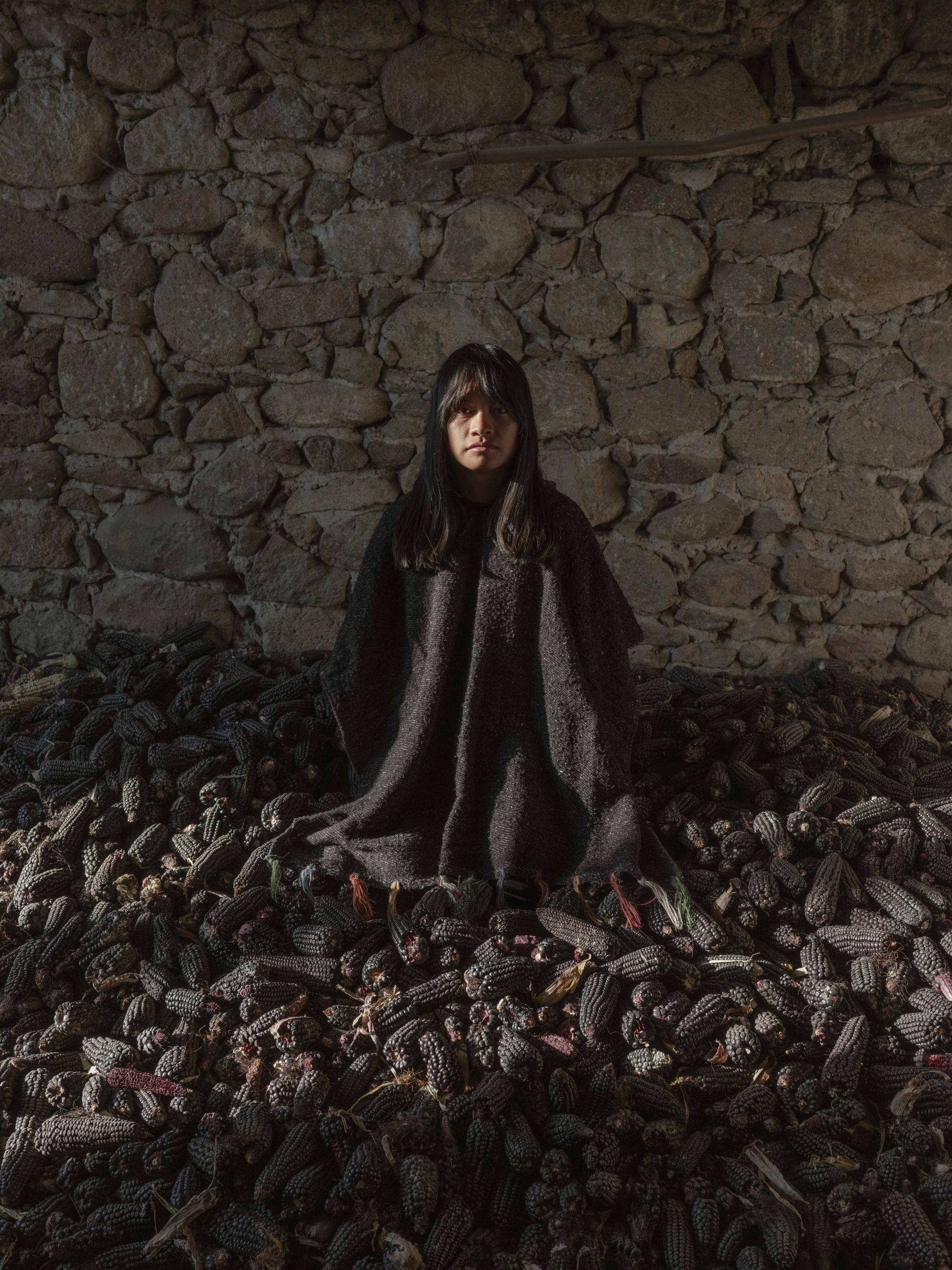
Janeth Vargas, an Indigenous Otomi woman, sitting on her recent harvest of black or purple corn. According to the National Water Commission, a drought has affected over 65 per cent of Mexico since 2022, severely impacting corn crops. Janeth mentioned that their current harvest is only half of what it used to be. In Ixtenco, the growth of corn is related to the Malinche Volcano, which is represented by a woman with long folded skirts. Ixtenco, Tlaxcala, Mexico.
© Florence Goupil, Peru, 1st Place, Latin America Professional Award, 2025 Sony World Photography Awards
Jarawi
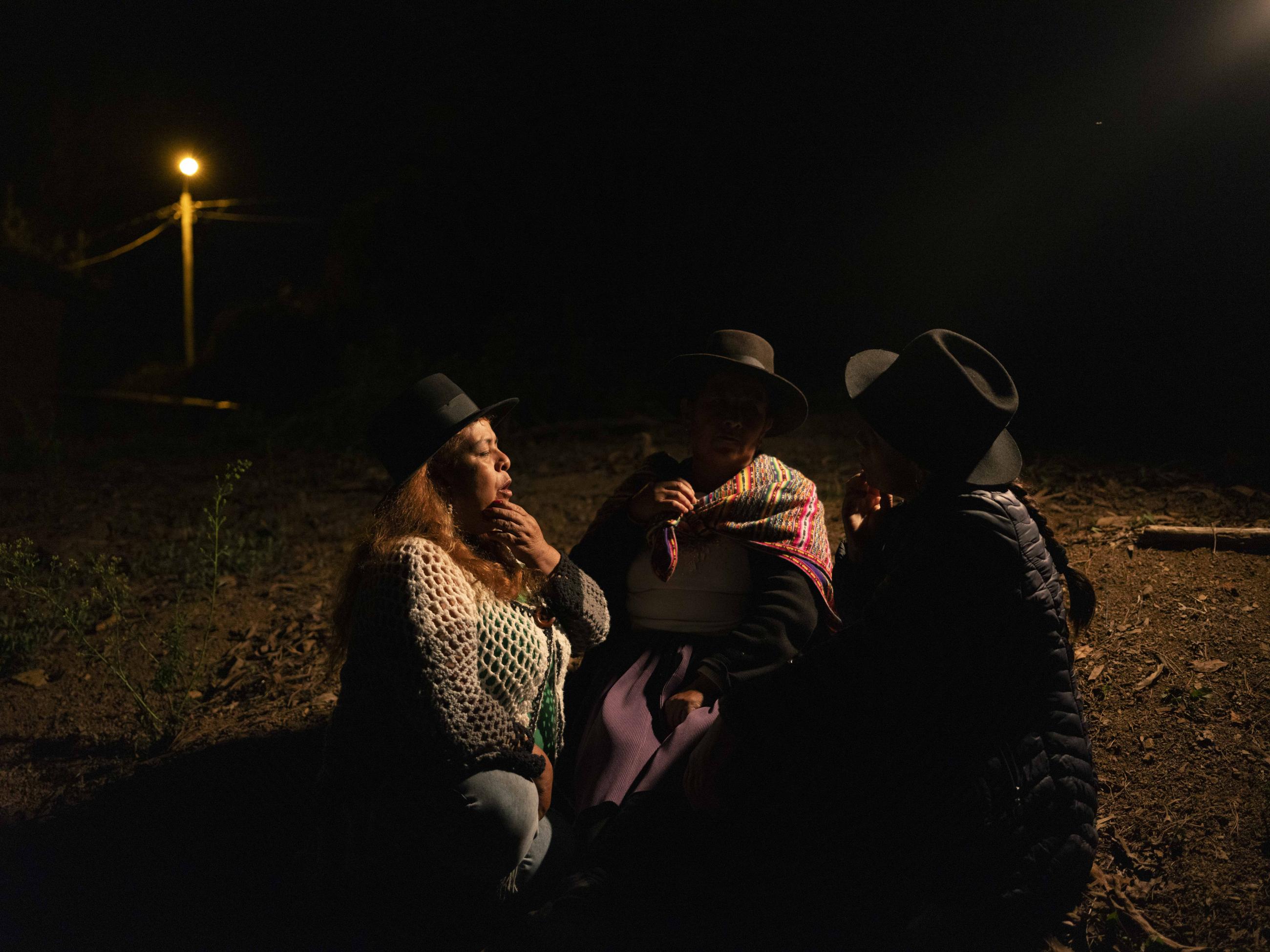
After a severe drought in the Huancavelica region of Peru, Indigenous Quechua singers Magdalena Gamboa, Vilma Espinal and Gloria Espinal performed the ancient Jarawi songs during corn planting to call for rain and heal the land. According to Quechua cosmology, the Jarawi, a pre-Columbian chant from the central Andes of Peru, is dedicated to the sowing and harvesting of corn and helps the seed grow strong. Huaylacucho, Huancavelica, Peru.
© Florence Goupil, Peru, 1st Place, Latin America Professional Award, 2025 Sony World Photography Awards
Minka
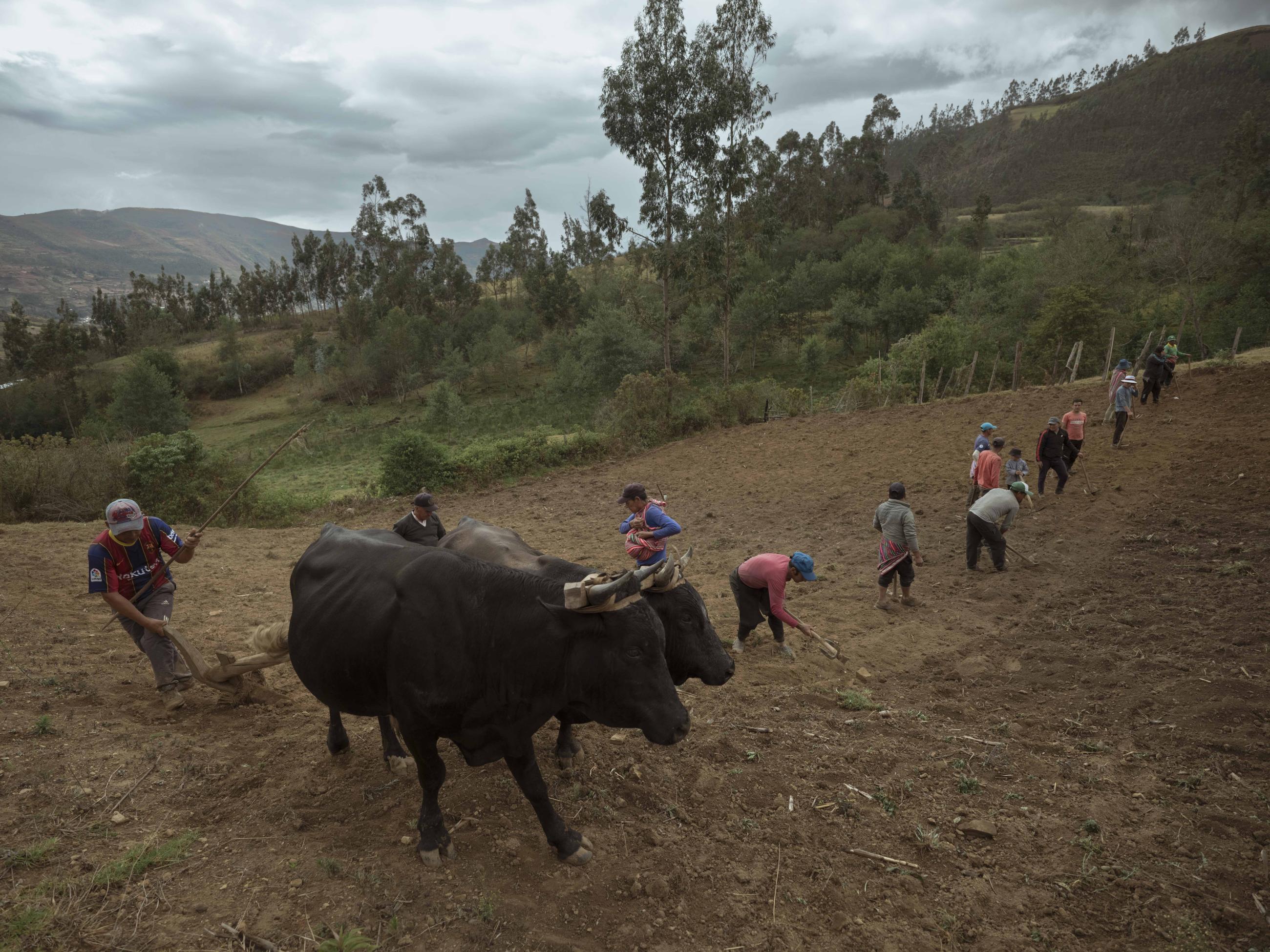
A group of Quechua Indigenous farmers of the central Andes sowing the dry soil using the ‘taki llacta’ technique, which consists of opening the soil with the help of two bulls, before planting the corn seeds. In this town they also maintain the tradition of the ‘minka,’ which involves all of the community members helping to work the land. In 2022, they planted belatedly due to the drought. Huaylacucho, Huancavelica, Peru.
© Florence Goupil, Peru, 1st Place, Latin America Professional Award, 2025 Sony World Photography Awards
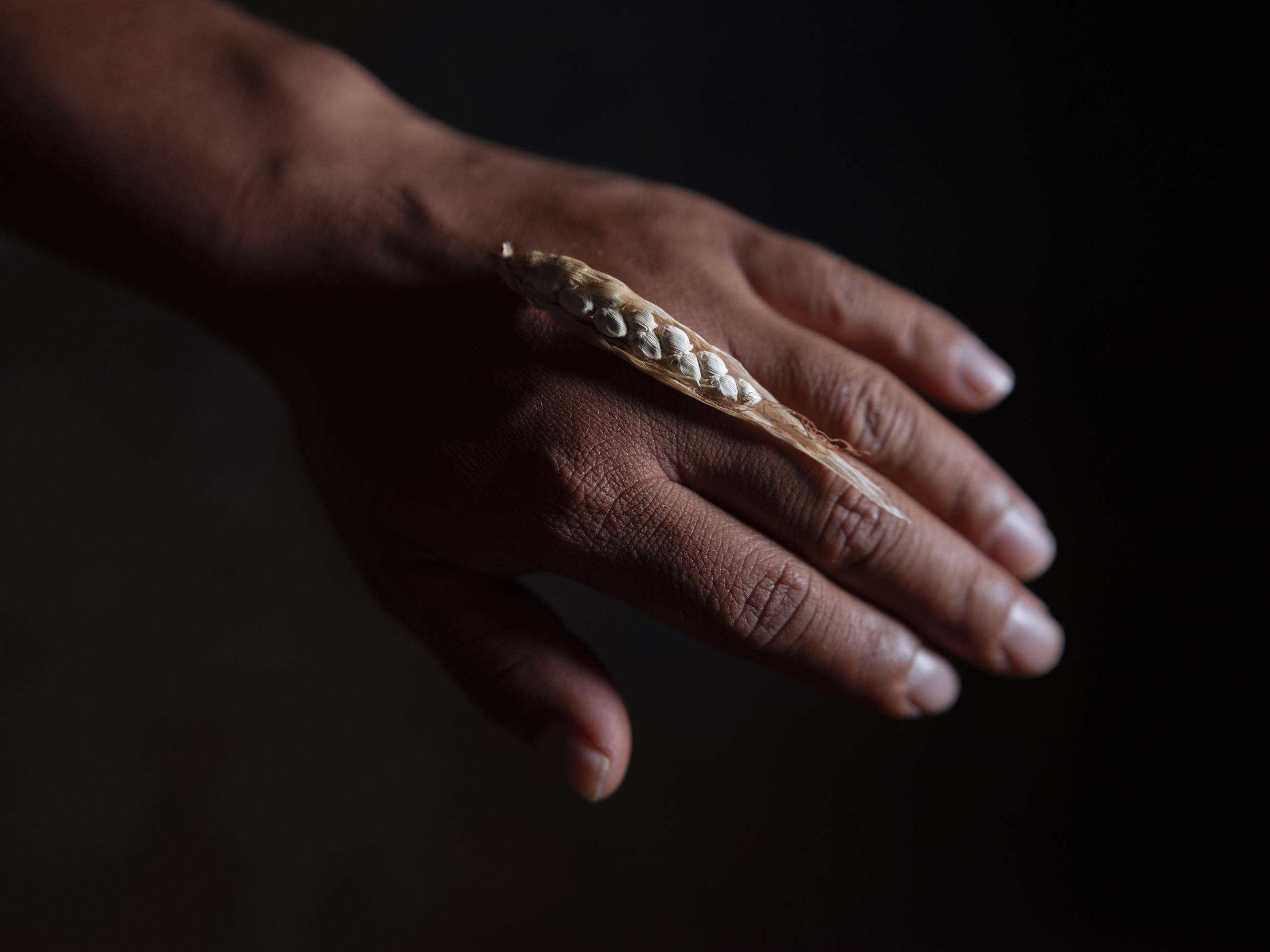
Teocintle
Ulises Hernandez’s hand with teocintle (Zea perennis), the smallest corn cob in existence. Teocintle is considered to be the first wild corn, which was later domesticated into what we know today as maize. The word teocintle comes from the Nahuatl word teocentli or teoxintli, which means ‘God’s corn.’ Ulises grows teocintle on his farm, although it cannot be consumed or sold – he does it for preservation. Ixtenco, Tlaxcala, Mexico.
© Florence Goupil, Peru, 1st Place, Latin America Professional Award, 2025 Sony World Photography Awards
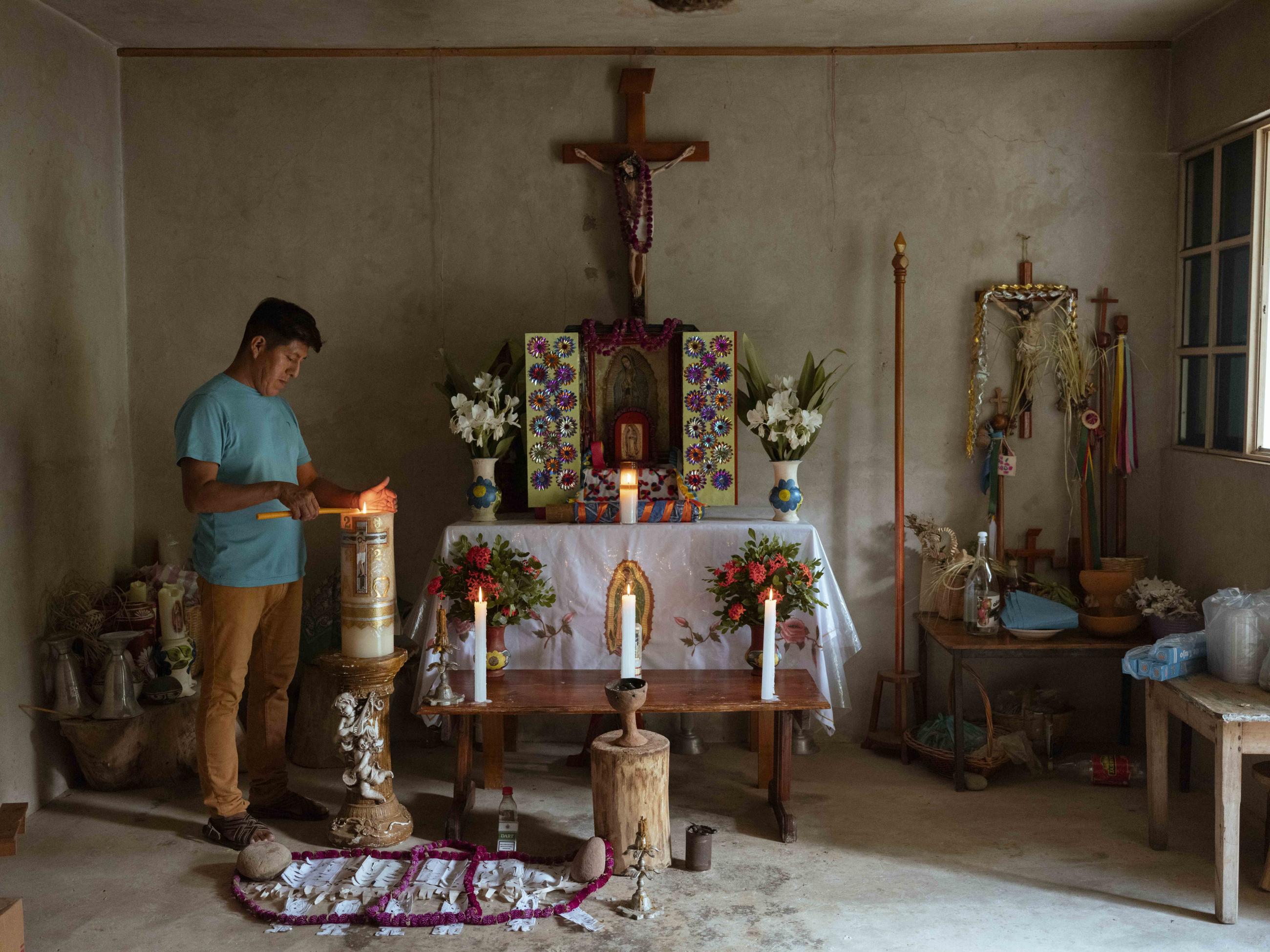
Lorenzo’s Maize Altar
Lorenzo Martin de La Cruz is a Nahua Indigenous priest and protector of native seeds, seen here guarding his deities’ altar. Lorenzo’s deep understanding of nature and spirituality has made him a vital figure in his community, where he performs rain-calling ceremonies rooted in Nahua traditions. According to Lorenzo, his connection to the god of rain, Tlaloc, allows him to channel the power of the rain through sacred rituals, invoking it to restore balance to the land. Tetzacual, Veracruz, Mexico.
© Florence Goupil, Peru, 1st Place, Latin America Professional Award, 2025 Sony World Photography Awards
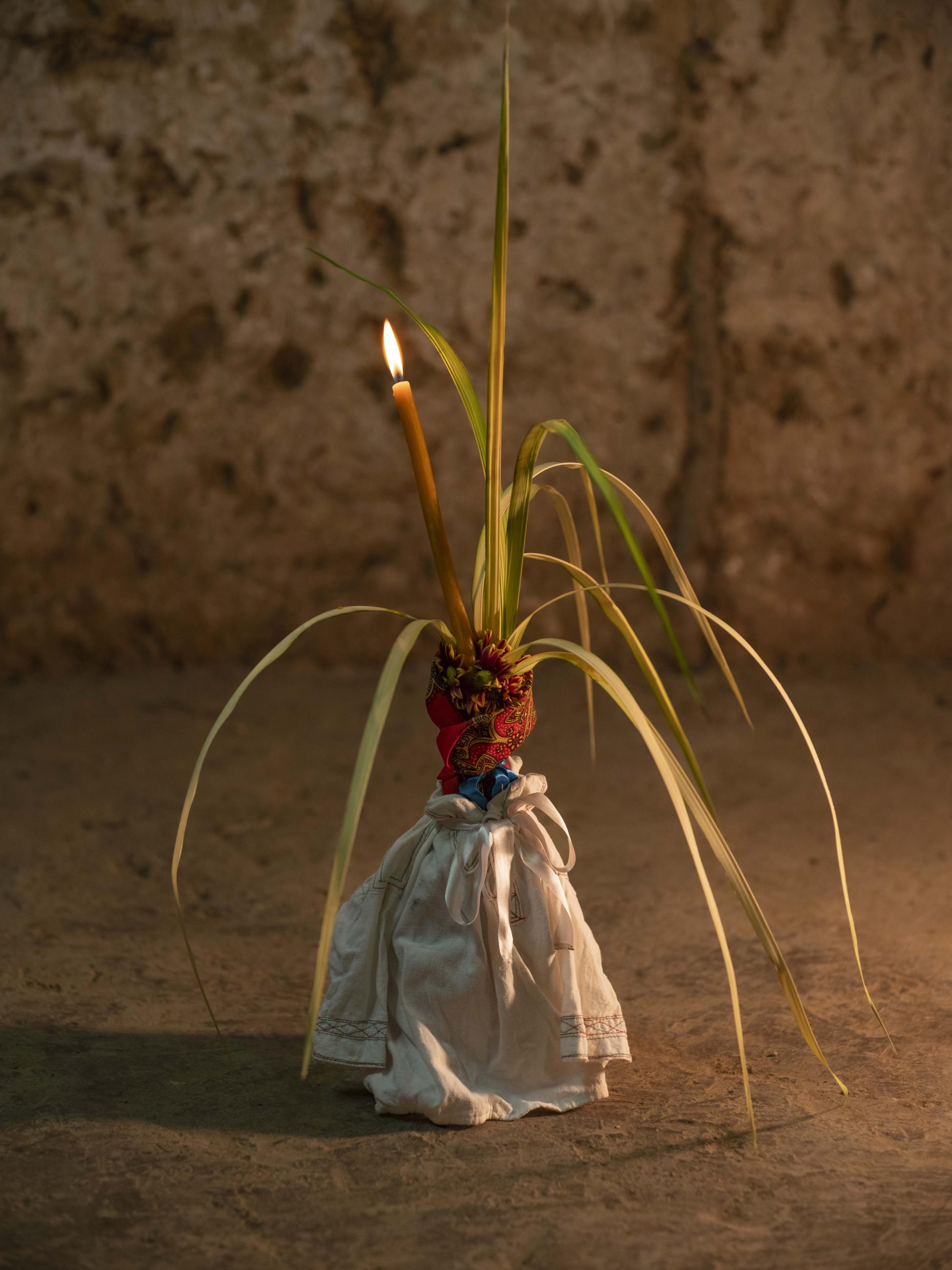
The Maize Child
A portrait of a corn dressed as a child during an Indigenous Nahua ritual called ‘Elotlamanistli,’ in the Huasteca region of Veracruz. According to the local Nahua priest, Lorenzo Martin de la Cruz, the corn’s clothing represents their personality and the light of the candle their spirit. The ritual is performed to start a dialogue with the maize cobs, the children of the Earth. Zontecomatlán, Veracruz, Mexico.
© Florence Goupil, Peru, 1st Place, Latin America Professional Award, 2025 Sony World Photography Awards
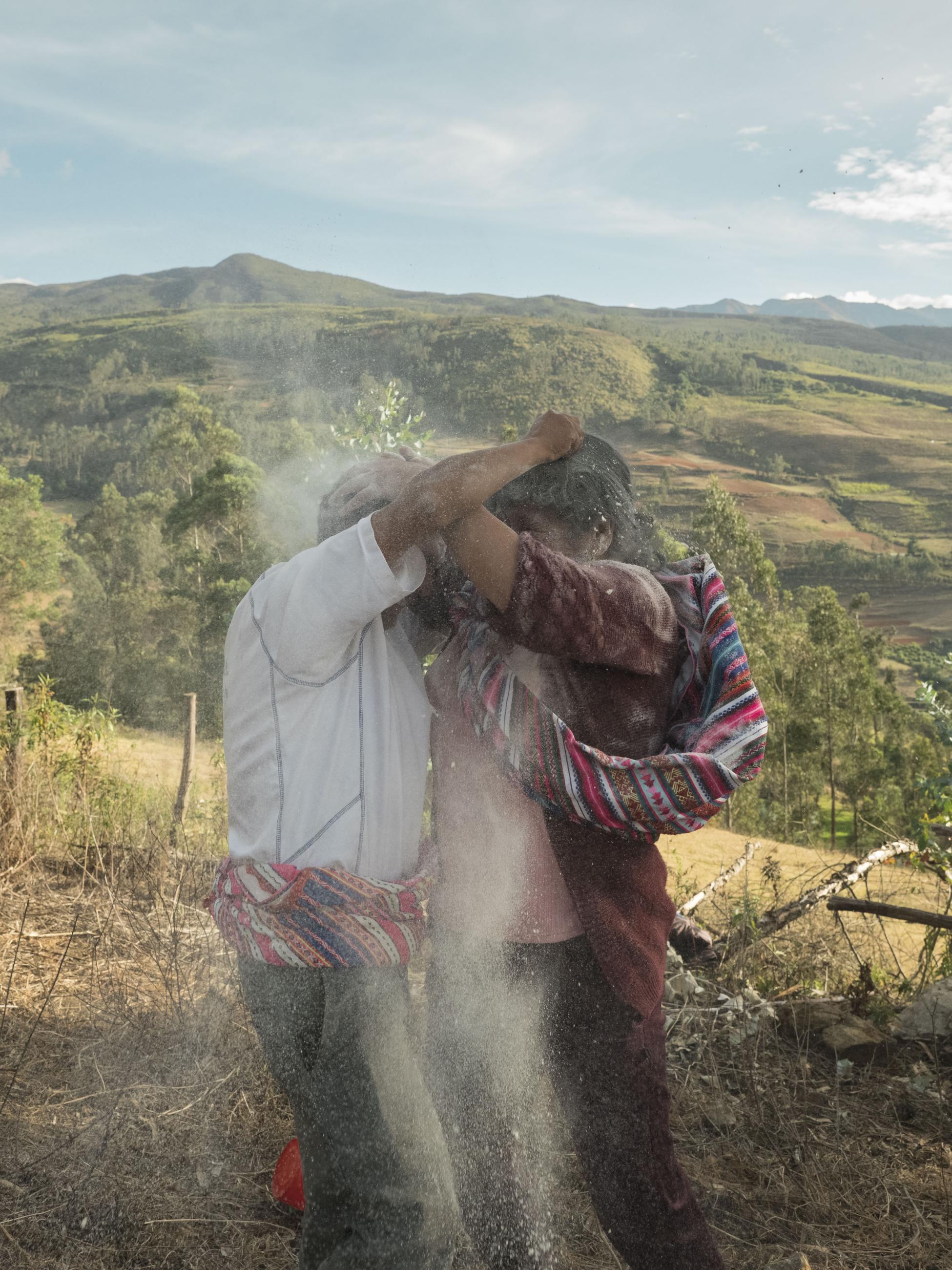
The Since
A group of Quechua farmers in the Andean region celebrate the planting of corn with a duelling ritual between men and women called ‘Since,’ which consists of throwing corn flour over each other's heads. According to Quechua cosmology, the more maize flour that is distributed among all the farmers, the better the harvest will be. Huaylacucho, Huancavelica, Peru.
© Florence Goupil, Peru, 1st Place, Latin America Professional Award, 2025 Sony World Photography Awards
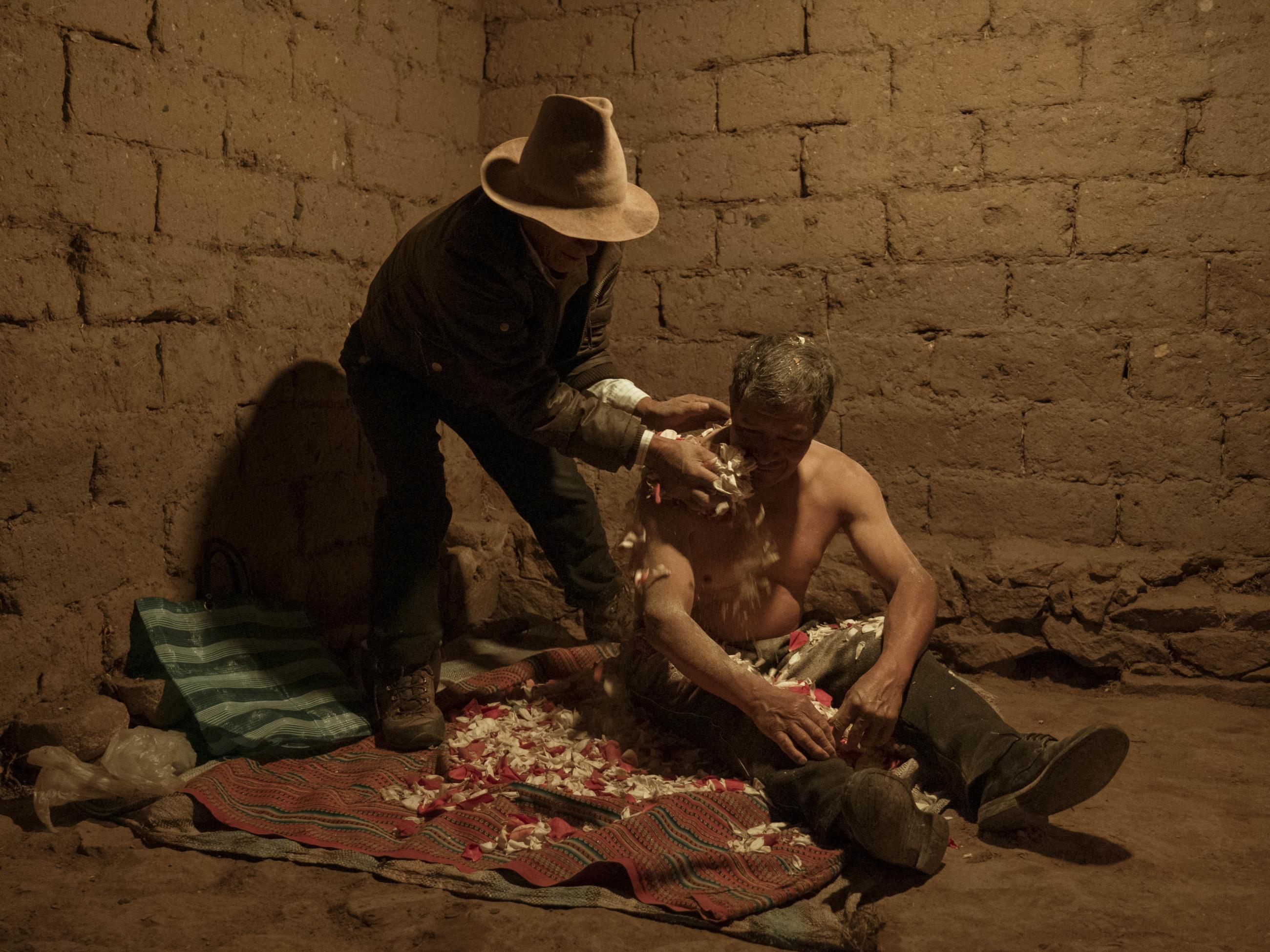
The Healing
Victor Vargas, a Wari medicine man, performs a healing ritual using maize flour and rose petals that he rubs on his patient, Daniel. This will help Daniel overcome his physical weakness and depression, so he can return to work in his fields. According to Wari cosmology, sudden weather changes and damaged agricultural cycles can make people physically and mentally ill. Community of Llupa, Huaraz, Peru.
© Florence Goupil, Peru, 1st Place, Latin America Professional Award, 2025 Sony World Photography Awards