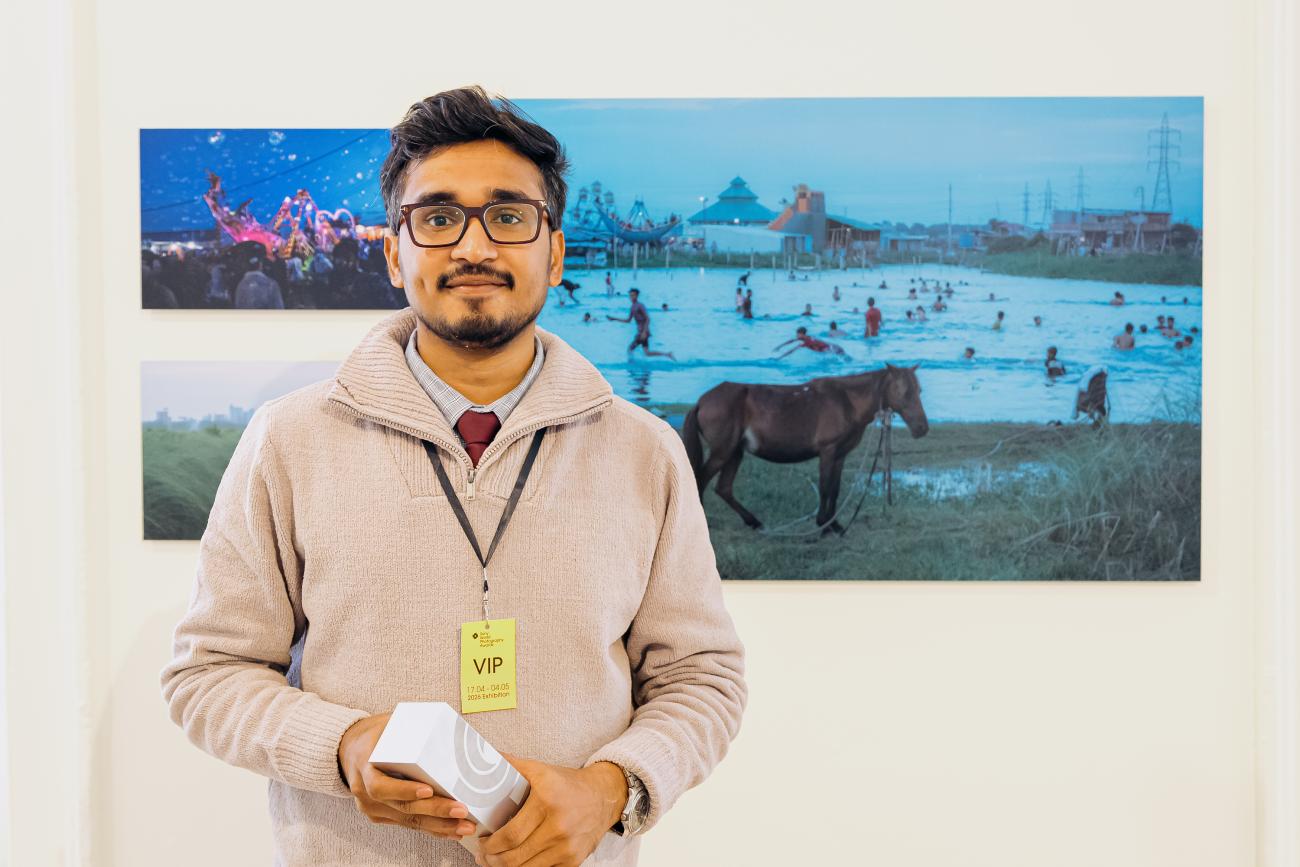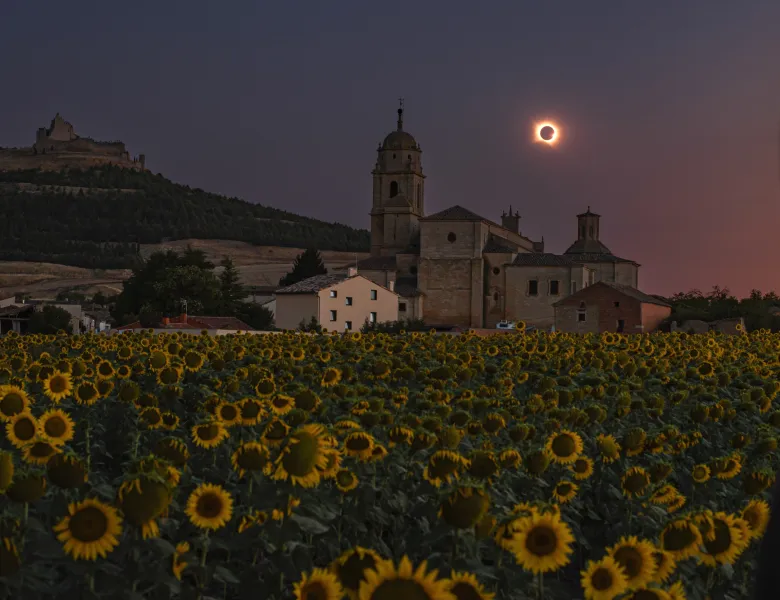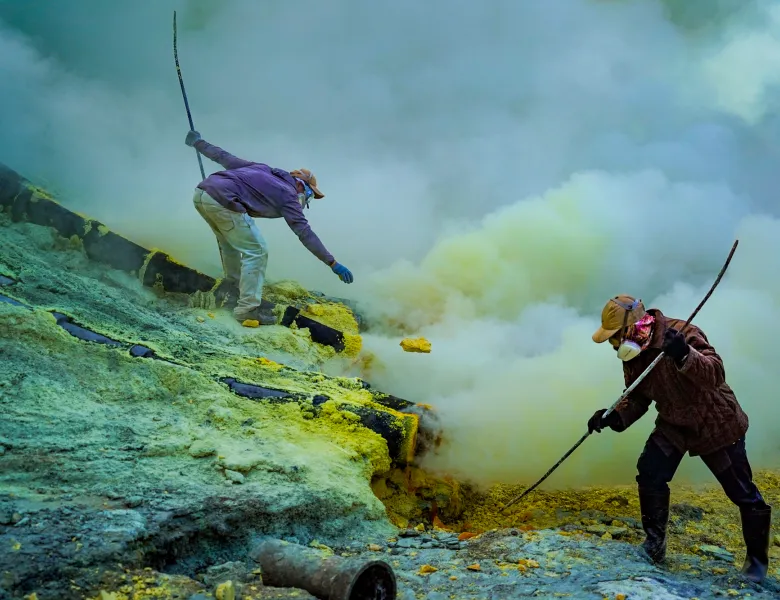
The Place Where I Used to Play: An Interview with the 2026 Student Photographer of the Year, Jubair Ahmed Arnob

Congratulations on winning the Student Competition this April! I know it’s still early days but what has that been like for you?
Thank you so much! Honestly, it still feels a little unreal — in the best possible way. Winning the Student competition has been a truly special experience for me, especially because photography has become the thread I've been weaving my life around for the last few years.
Since the announcement, there have been so many beautiful moments — meeting photographers I've admired for years, getting to share my work with a much wider audience, and receiving messages from people who felt something in the project and reached out to tell me. I carry so much gratitude for all of it. And yet, I try not to see this as a destination — it feels more like a warm hand on my back, encouraging me to keep working, keep learning, and keep believing in where this path can lead.
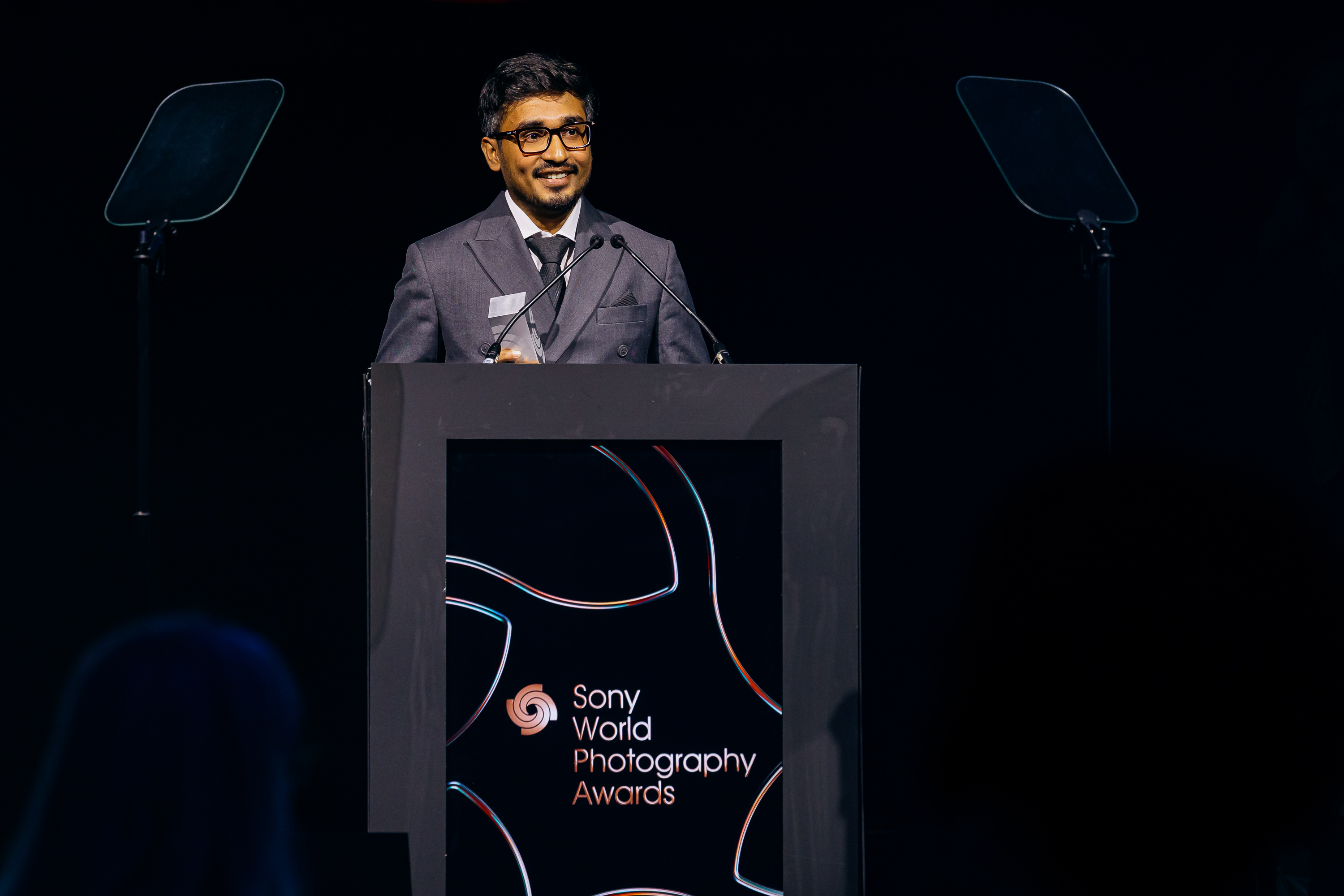
Let's rewind right back to the beginning. Tell us a bit about yourself. What first inspired you to get into photography?
I'm from Bangladesh, and I grew up in Dhaka. My academic background is actually in Mathematics — honestly, none of this was planned. I never set out to become a photographer. Growing up, I was a cricketer, that was the plan. But my guardians didn't let me continue with cricket, and pushed me to focus on studies instead. Years later, I started taking pictures on my phone, just to keep myself busy. I didn't even know back then that photography could be a career — that thought never really crossed my mind.
But looking back, I think the seed was already there. My mother always loved taking pictures at the studio. We'd go together, try different backdrops and styles, and send the photos to my father, who lived abroad. Those studio visits were such a big part of our family.
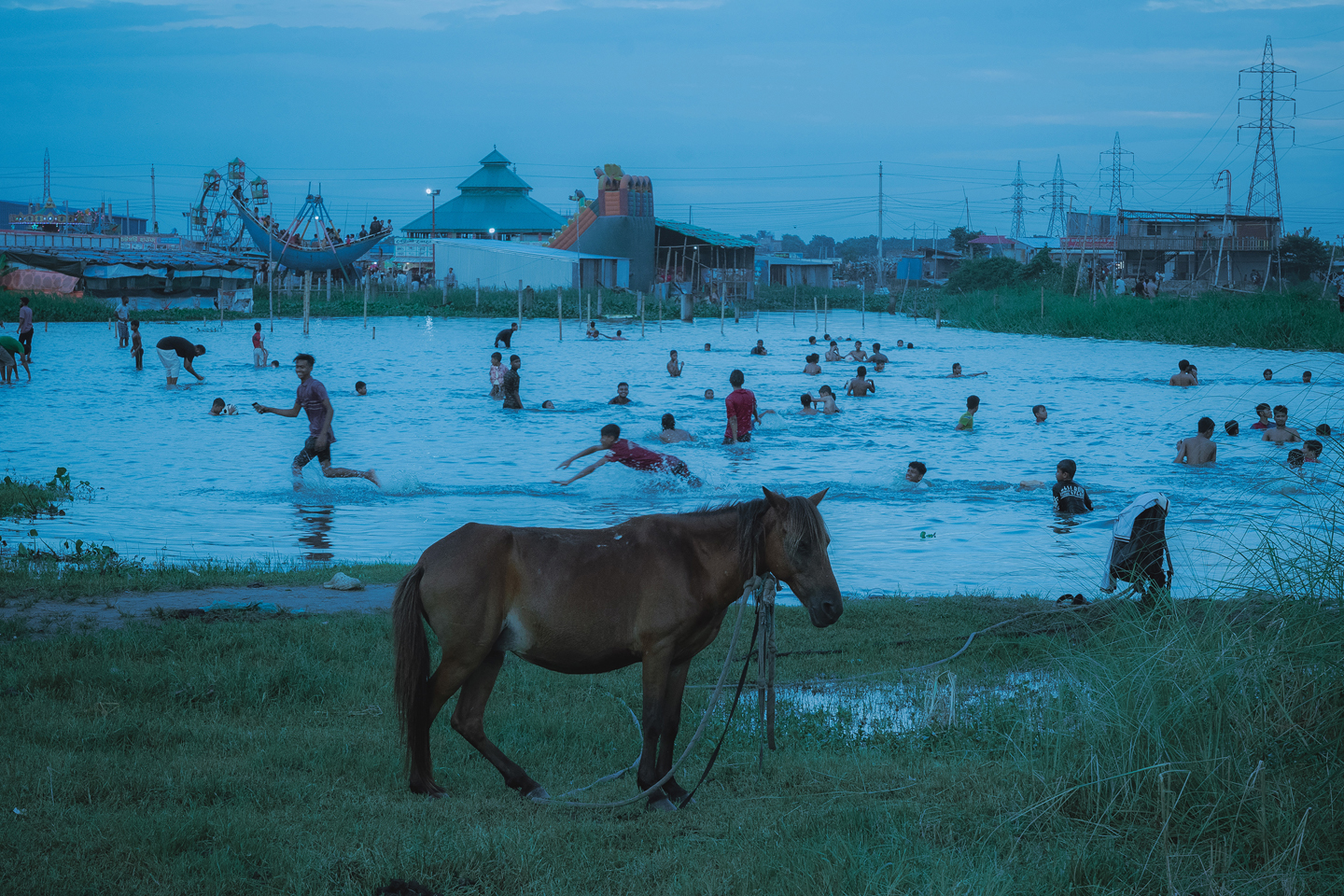
As I grew a little older, I realized, almost without noticing, that I cared about moments — how people live, how they hold on to their lives. And not just in my own family, but in society too — all these different stories, identities, and beliefs quietly changing around us. That's when I started
really paying attention to people, nature, and society, always wondering why things were changing the way they were. And that curiosity is what pulled me into documentary photography. It became a way of understanding my surroundings, and asking questions about the place I call home.
Your winning series The Place Where I Used to Play depicts the disappearing landscapes of Dhaka, Bangladesh in a dreamy, surreal style. What inspired you to tell this story?
The project started from something very personal. When I was a child, I had places where I used to play, explore, and spend time with friends. But as I grew older, I started noticing that many of those spaces were disappearing because of rapid urbanisation. That made me think about how quickly a city can change — quickly enough that the places tied to our childhood memories can vanish almost completely.
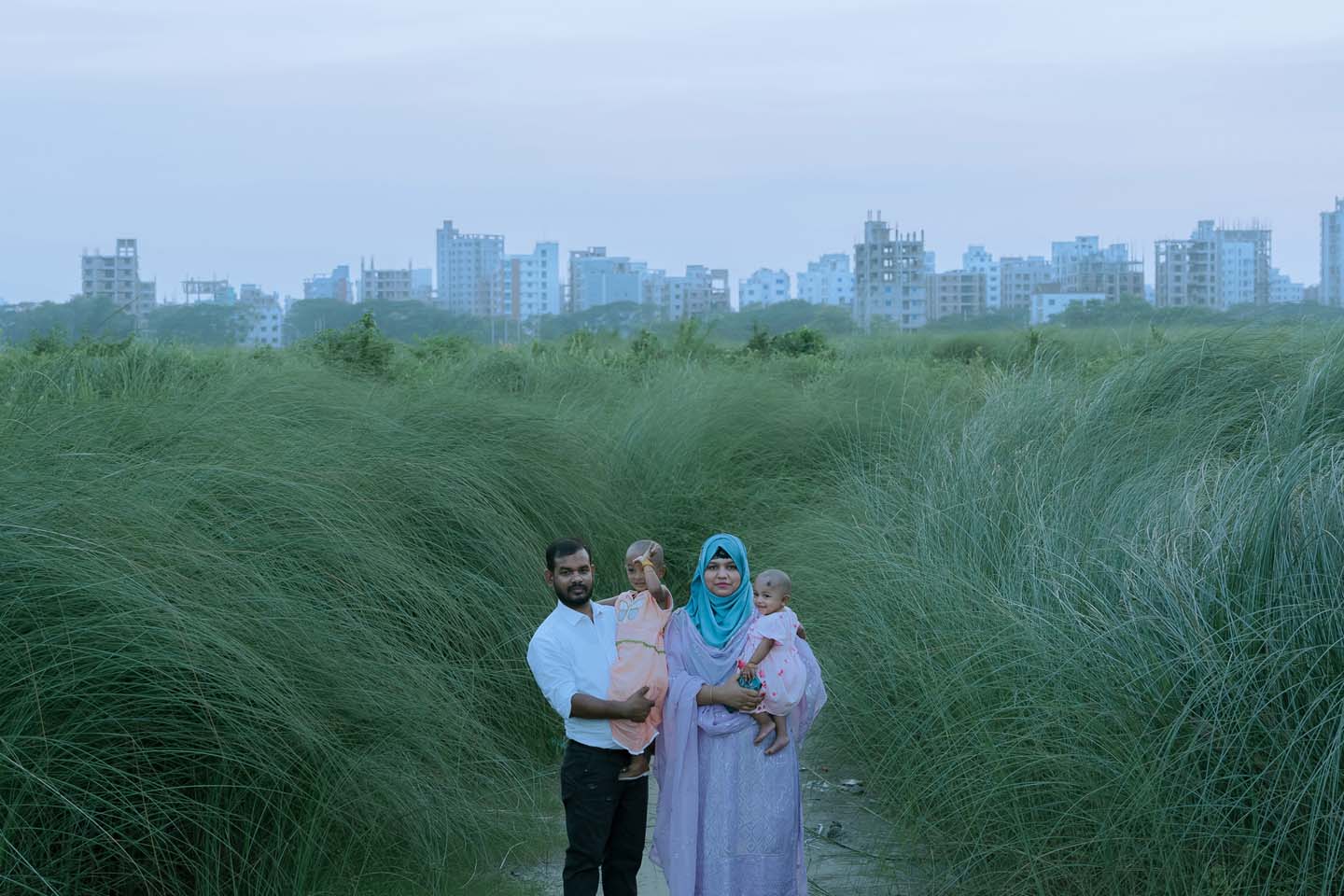
I didn't want to make the project only about urbanisation or construction. I wanted to explore the emotional side of that change — the feeling of remembering a place that no longer exists in the same way it once did. That's why I chose a more dreamlike and surreal visual language. It let me blend memory, reality, and imagination, and build a world that lives somewhere between what I remember and what's actually there today.
Can you explain your creative process behind the project?
For me, the process begins with spending time in the place rather than immediately thinking about making photographs. I walk around, observe, talk to people and try to understand how a place is changing. I often revisit the same location many times because the light, people and atmosphere can completely change. I'm drawn to quieter moments more than dramatic ones. The in-between times, the small gestures, the light just before it fades.
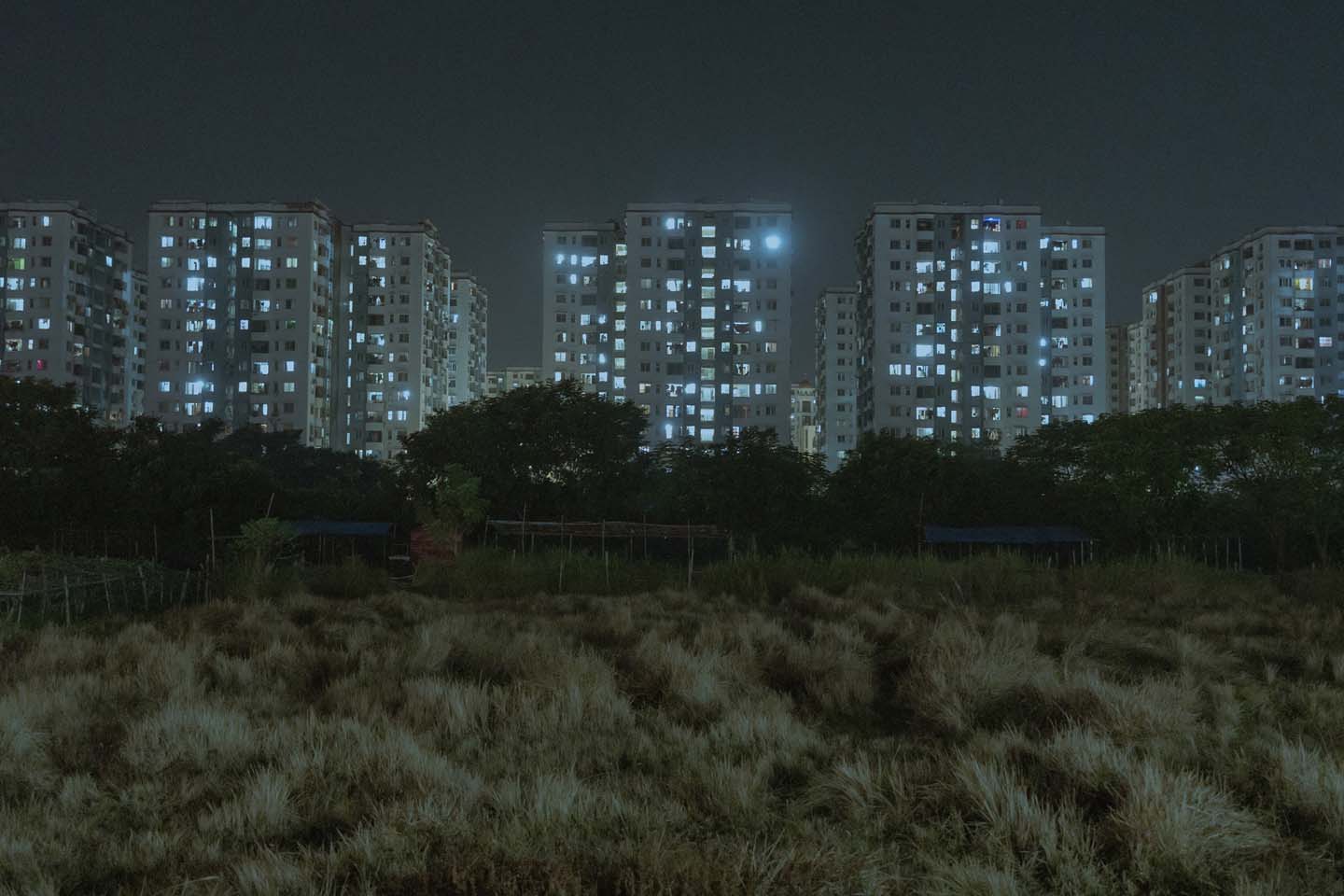
For this project, I was also thinking a lot about my own childhood memories. I tried to connect those memories with what I was seeing in front of me. Once I started photographing, I didn’t want to force everything into a fixed visual style. I allowed the project to develop naturally. Later, while editing, I looked for images that could work together almost like fragments of a memory.
How did you approach light and colour to get that dreamlike quality - how much of it came together in-camera versus in post-production?
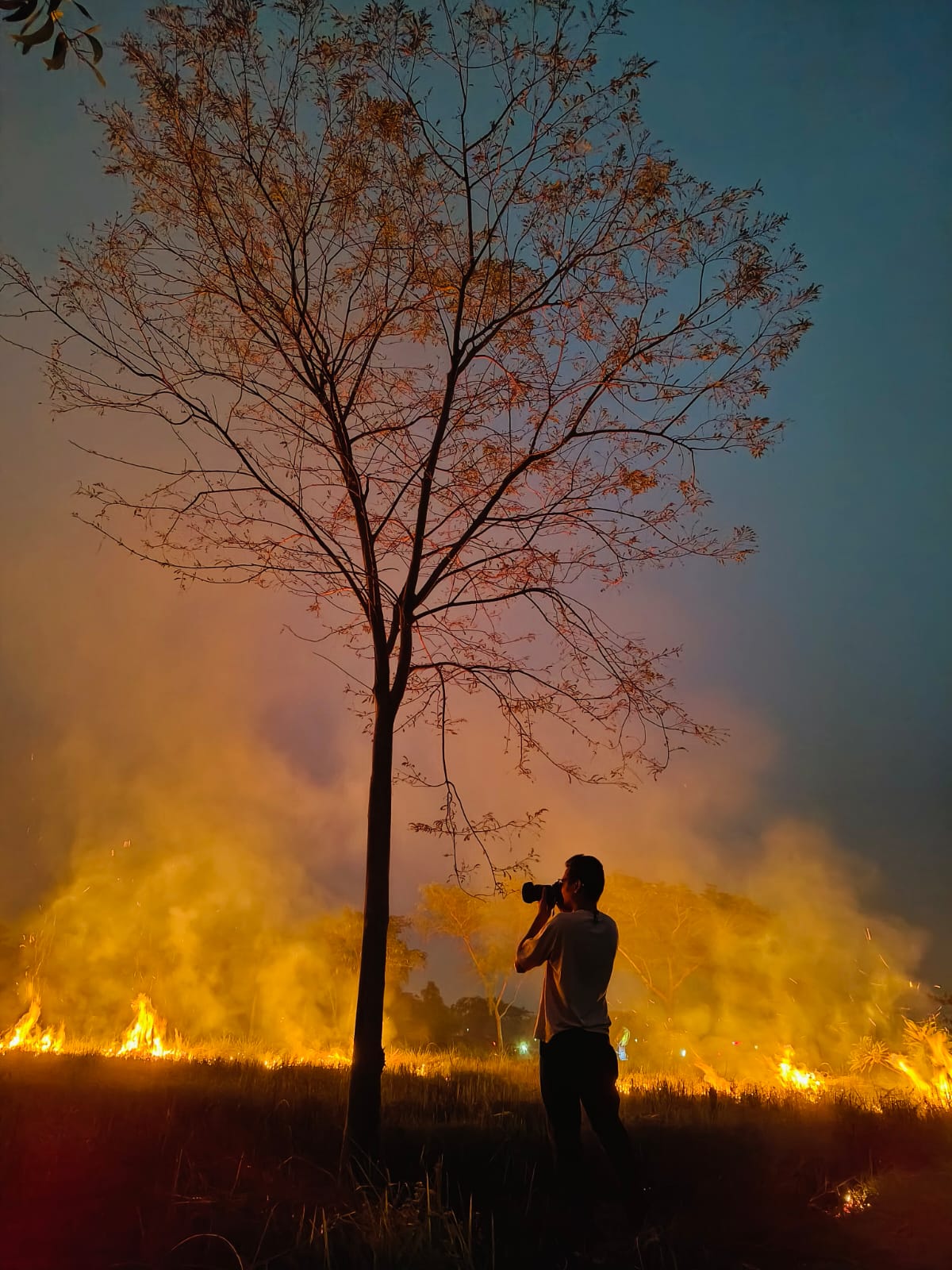
I think the foundation comes from what I find in-camera. I'm always looking for particular light, colours, reflections, shadows, and moments that already carry a slightly unusual or dreamlike feeling. I shoot a lot at blue hour and at night for that reason — there's something about that light that feels closer to how memory actually feels.
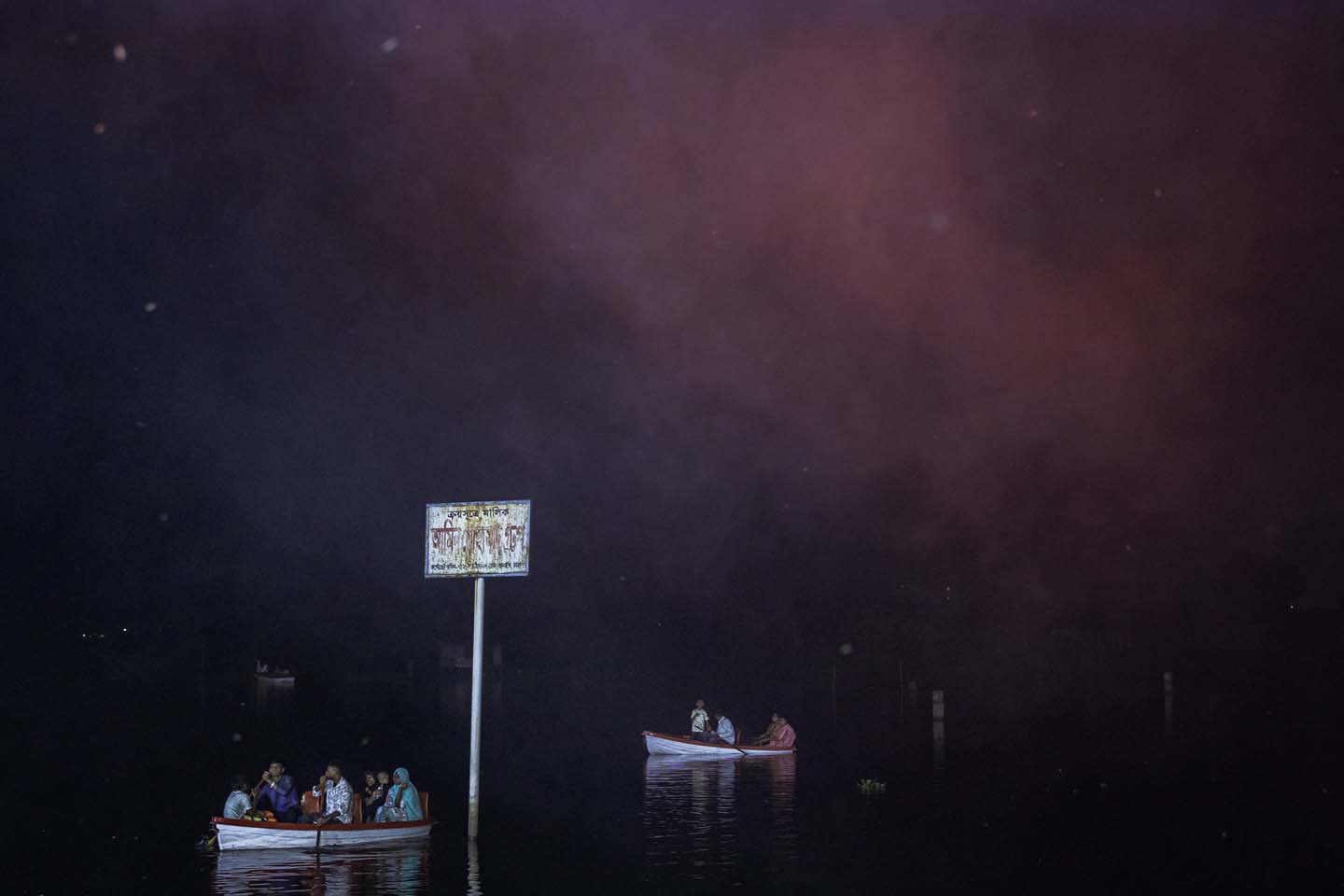
I do use post-production, of course, but I try not to completely transform the photographs. I want the images to still feel connected to the real places where they were made.
For me, editing is more about bringing out the atmosphere I felt when I was there, rather than creating something that wasn't there at all. I want the viewer to feel like they could actually step
into this world.
What do you think students bring to the table that more established photographers might not?
I think students have a certain freedom. We're still learning, experimenting, and trying to figure out what kind of photographers we want to become.
Because we don't necessarily have all the answers, we get to stay open — open to making mistakes, open to trying something completely different. I think that curiosity is really valuable. Also, being a student means you're constantly surrounded by new ideas, new people, and new
ways of seeing. You might not have years of experience behind you, but you have a lot of questions — and sometimes those questions are exactly what lead to the most interesting work.
What do you hope people will take away from seeing your work?
Actually, I don't really hold any expectations. I did what I felt, what felt true to me, and now the work exists on its own. What the audience takes from it — that's entirely up to them.
Of course, the project is rooted in urbanisation and disappearing spaces, but I'm not attached to any single interpretation. If someone looks at the photographs and ends up thinking about a place from their own childhood — a playground, a field, a riverbank, a street that's changed completely — that's their experience to have, not mine to shape.
For me, the act was in the making. What happens after, in someone else's eyes, is out of my hands — and I think that's exactly how it should be.
What tips would you give to students entering the Sony World Photography Awards?
Honestly, I don't have some big secret to it — but I can share what worked for me. I'd been working on this project for about four years, and it happened to align with this year's theme. So, I organized my narrative around that, and thought carefully about how to present the work. I edited carefully, and I trusted my instincts.
My suggestion is: spend time with your subject, and let the project grow on its own. Don't worry about whether your idea feels trendy, or whether someone else is doing something similar — that kind of thinking just holds you back.
And most of all, just keep photographing. You don't need the best camera — just curiosity, patience, and a reason to keep looking.
Do you have any rituals, routines, or small things that help you stay creative?
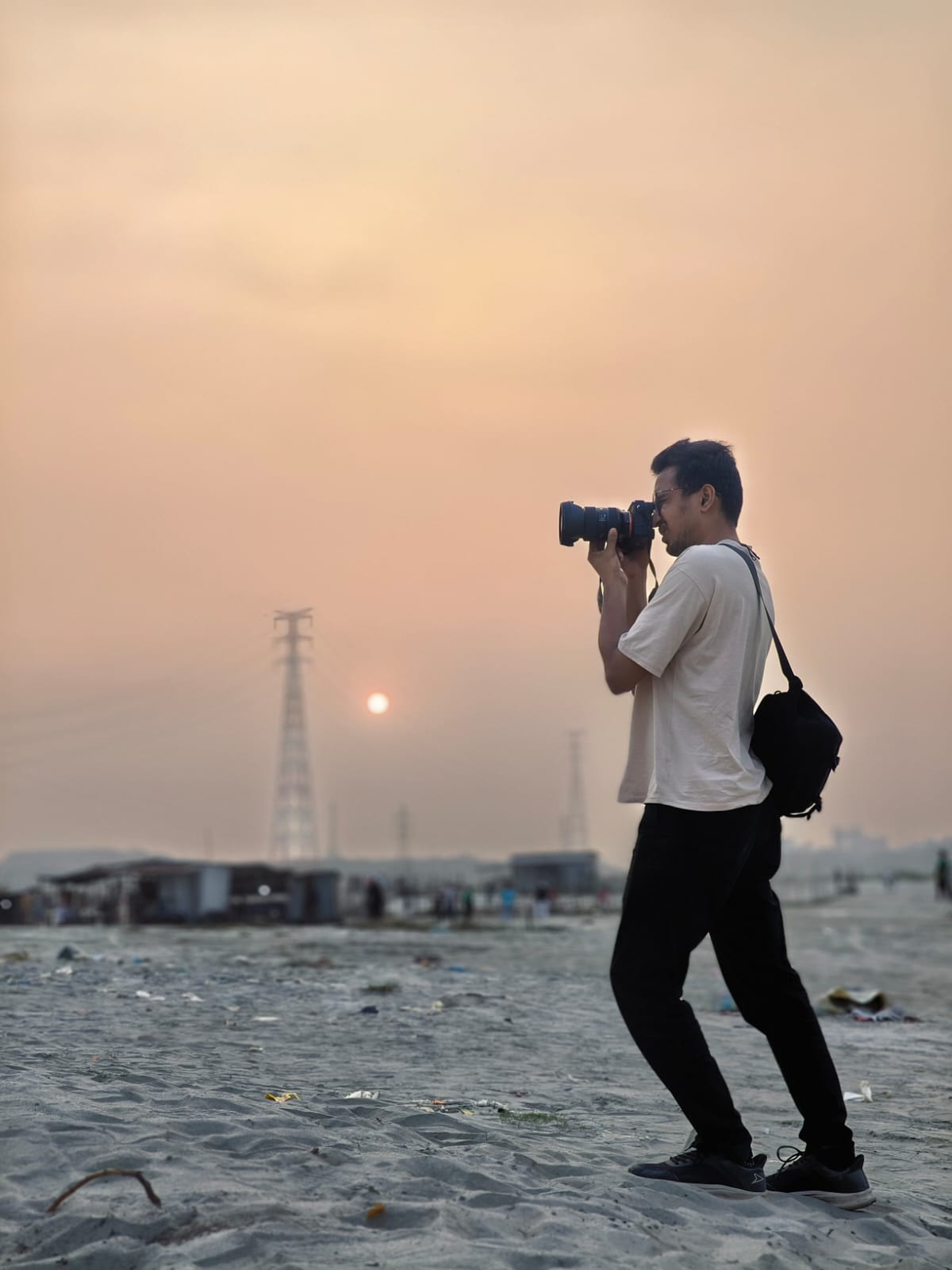
I spend a lot of time walking. Sometimes I don’t even take my camera with me. I just walk around Dhaka and observe what is happening. I also like revisiting places. I think when you return to the same location again and again, you start noticing things that you completely missed the first time.
And I try to give myself some time away from photography too. Sometimes stepping away from the camera is actually what helps me come back with fresh eyes.
What have you been working on since winning the Award, and what are your plans for the future?
Since winning, I’ve been trying to continue working on my existing projects while also exploring new stories. In the future, I’d love to work internationally as well, collaborate with other photographers and organisations, and eventually publish books and create exhibitions around my projects. But honestly, right now I’m trying to focus on the next photograph, the next story and the next thing I can learn.
And, finally - do you listen to music while you edit or shoot? If so, what’s currently on your playlist?
Yes, definitely. For me, every story has its own mood, so when I’m working on a particular story, I try to create an atmosphere that matches that mood through music and light. It helps me get into the emotional space of the story and pre-visualise how I want my photographs and the overall
narrative to feel.
Most of the time, when I’m sequencing my work, I also keep that mood in mind. I often listen to atmospheric music while editing and sequencing, because it helps me maintain the emotional flow of the story.
So, I don’t really have one fixed playlist. The music changes depending on the story I’m working on — the mood of the story usually decides what I listen to.
About Jubair Ahmed Arnob
Jubair Ahmed Arnob is a Bangladeshi documentary photographer exploring overlooked socio-environmental stories through research-driven practice. He creates work that preserves what is fading, questions what is changing, and reveals the emotions shaped by shifting environments.