

Back to Student Competition
Shortlist
Lake Poopó’s Disappearance: The Uru Community’s Tale of Resilience
Gaston Zilberman
Series description
‘The lake was our mother and father, our home. Now, we are orphans,’ said Rufino Choque, whose words echo through the desolate, windswept salt flat that had once been the thriving shore of Lake Poopó, Bolivia. Rufino’s indigenous Uru community had lived in harmony with the waters of this ancient lake for generations, nurturing a profound bond that sustained their lives and preserved their unique cultural identity. Today, however, their way of life is marked by profound transformation, as climate change-induced droughts and industrial contamination caused Lake Poopó to disappear entirely by 2016. Prior to this, the Urus lived in floating houses and spent weeks on their boats in the lake; hunting and fishing was their main source of subsistence. By narrating the Uru community’s loss of their cherished home, my goal is to provoke reflection and raise awareness about the urgent need to address the consequences of climate change and contamination.
Biography
Gastón Zilberman is a 23-year-old photographer and filmmaker based in Buenos Aires, Argentina, passionate about climate storytelling. He works with social and environmental issues, specially with indigenous communities in Latin America struggling with the consequences of the climate crisis. He teaches photography in Escuela Motivarte and also studies Design in Torcuato Di Tella University. He works documenting humanitarian interventions worldwide with CADENA NGO and he has been featured in National Geographic. Passionate about using images and video to capture important social and environmental issues, his work often focuses on humanitarian interventions, and had the privilege of documenting many of these interventions both in Argentina and abroad. He is also a collaborator with Youth for Climate Argentina, with the goal of raising awareness about the urgent need for action on climate change. “Qotzuñi: People of the Lake” is his first short film as director and cinematographer.
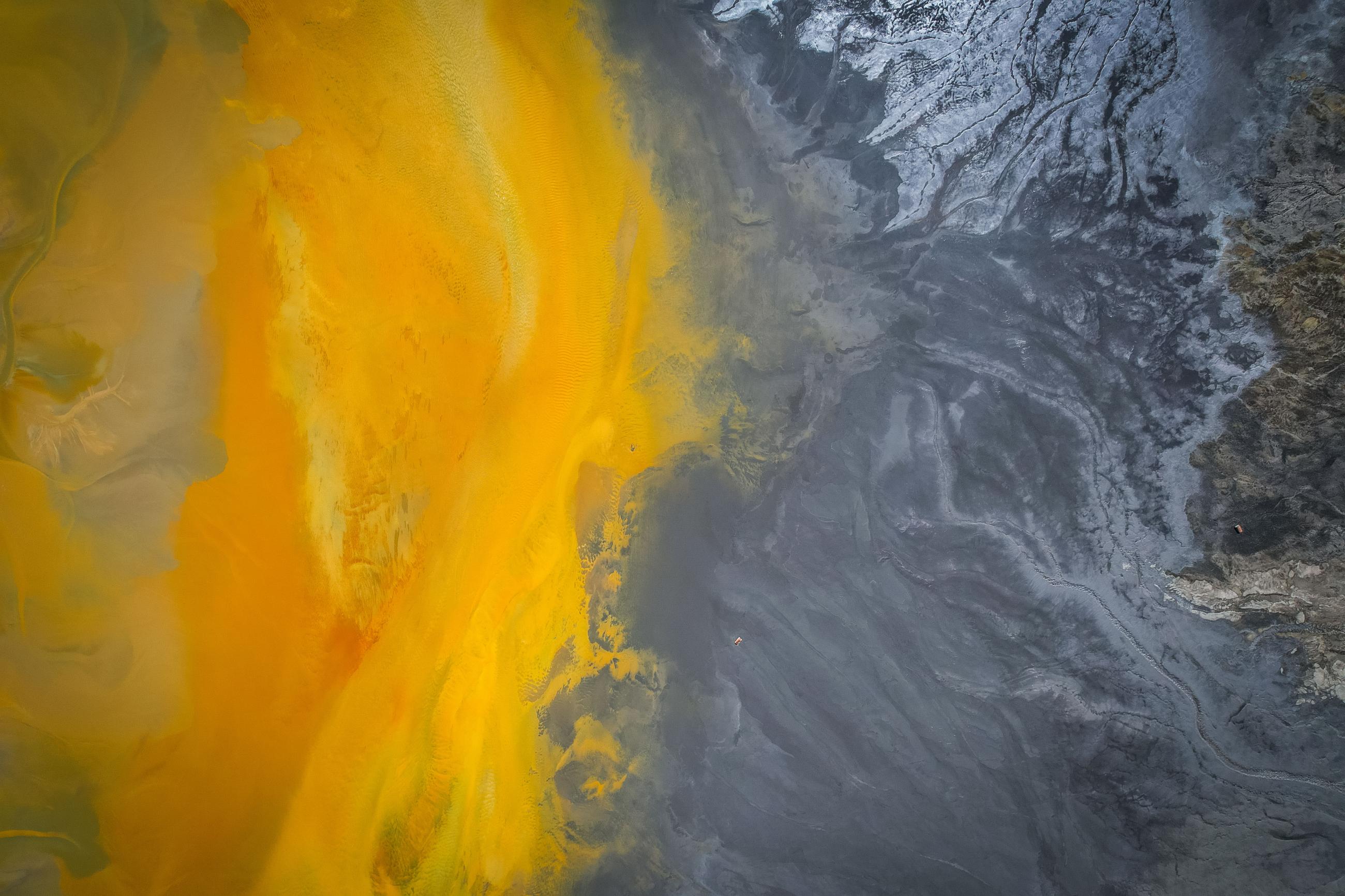
Mineral mining waste pond
An aerial view of mining waste ponds near Lake Poopó. The disappearance of the lake is due in part to mineral mining contamination and the diversion of its headwaters.
© Gaston Zilberman, Argentina, Shortlist, Student Competition, Home, 2024 Sony World Photography Awards
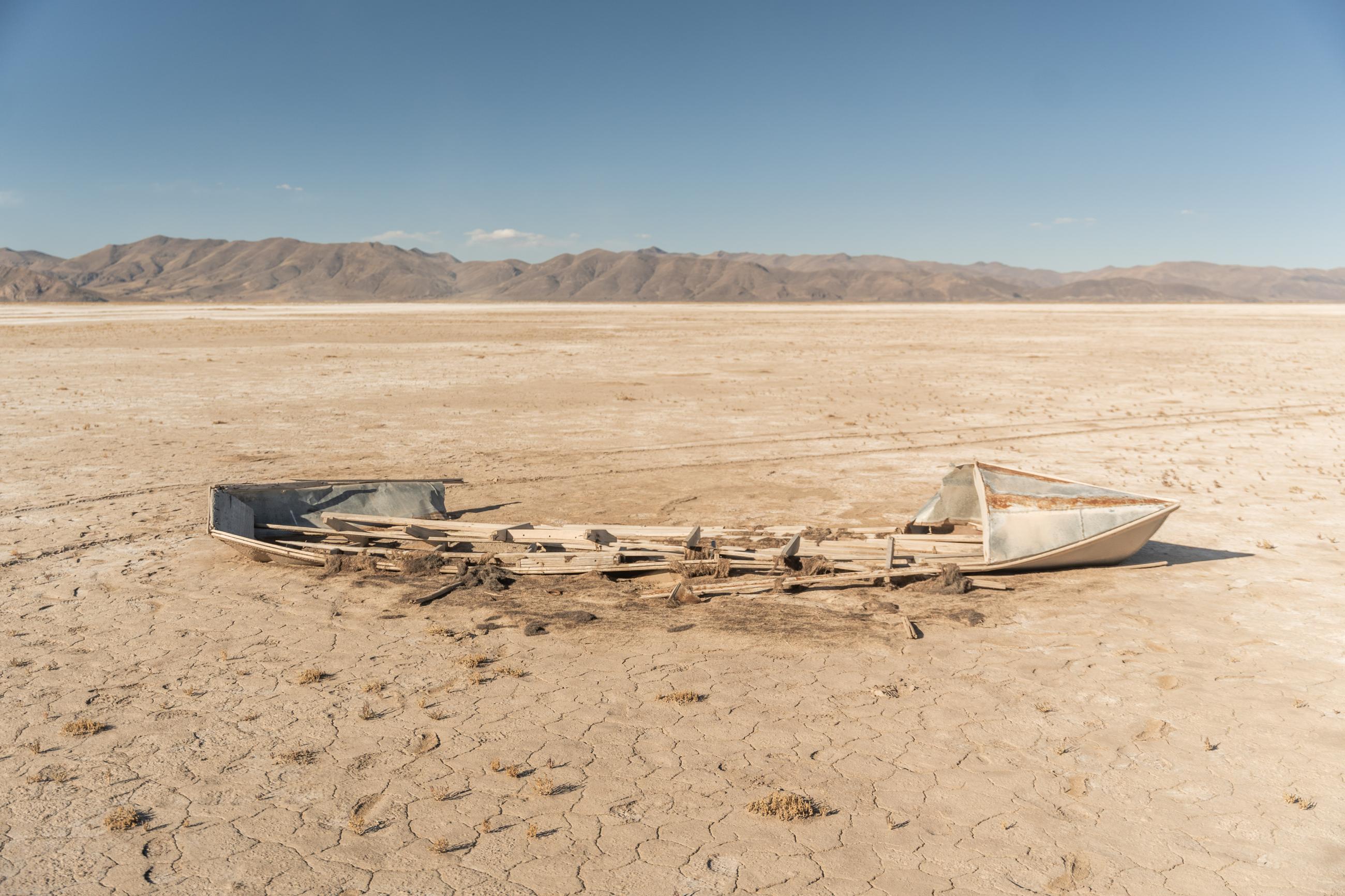
Legacy of abandoned boats
A boat once used by the Uru community sits broken in the dried up bed of Lake Poopó. Before it disappeared, the Uru would spend weeks afloat on the lake, fishing, hunting, cooking and even sleeping in these vessels.
© Gaston Zilberman, Argentina, Shortlist, Student Competition, Home, 2024 Sony World Photography Awards
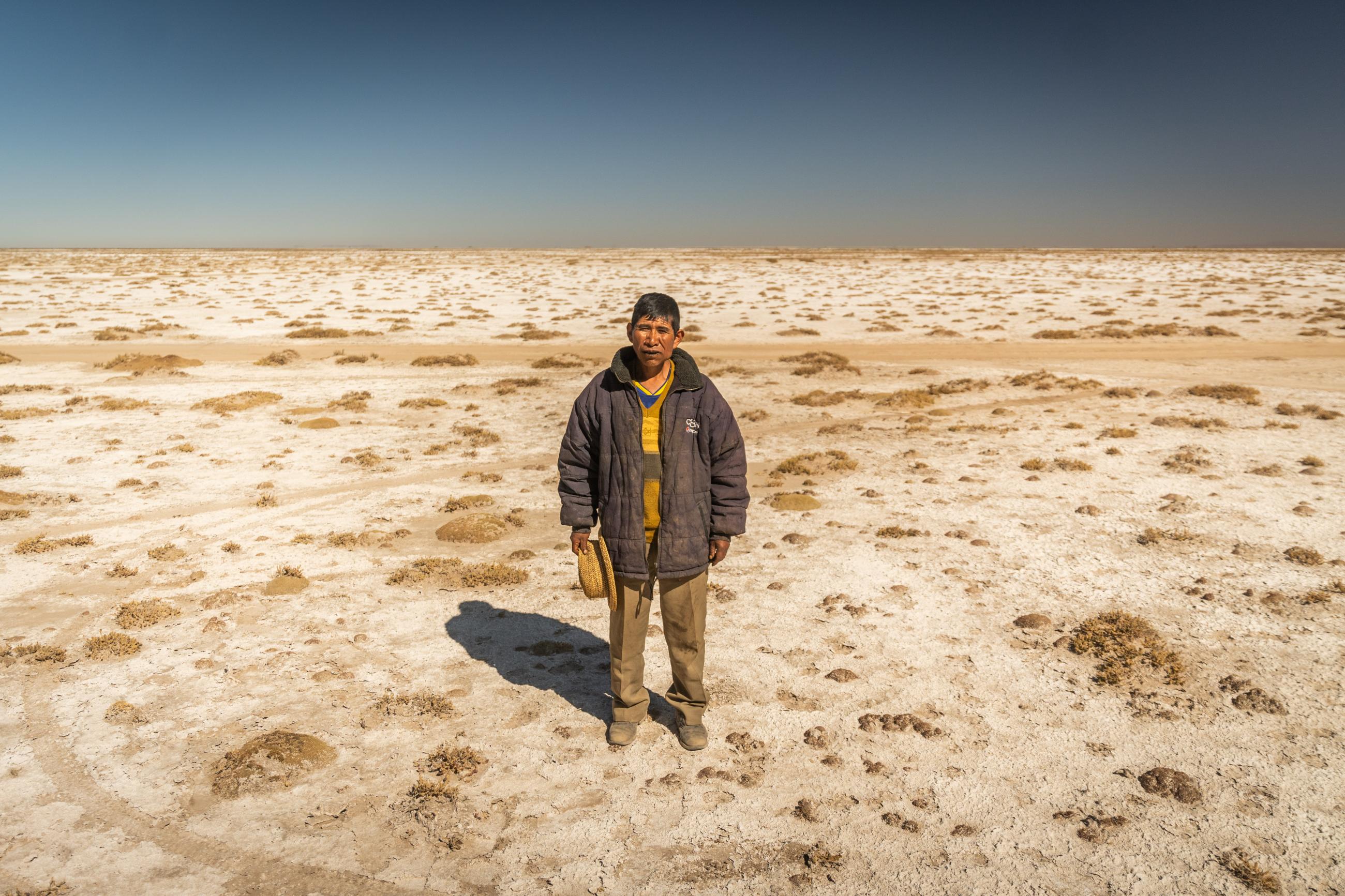
Rufino's resilience
Rufino Choque stands in the middle of what used to be the second largest lake in Bolivia, Lake Poopó, close to his home town of Puñaca Tinta María. Today, only seven families remain in the town; most have migrated to nearby cities in search of work.
© Gaston Zilberman, Argentina, Shortlist, Student Competition, Home, 2024 Sony World Photography Awards
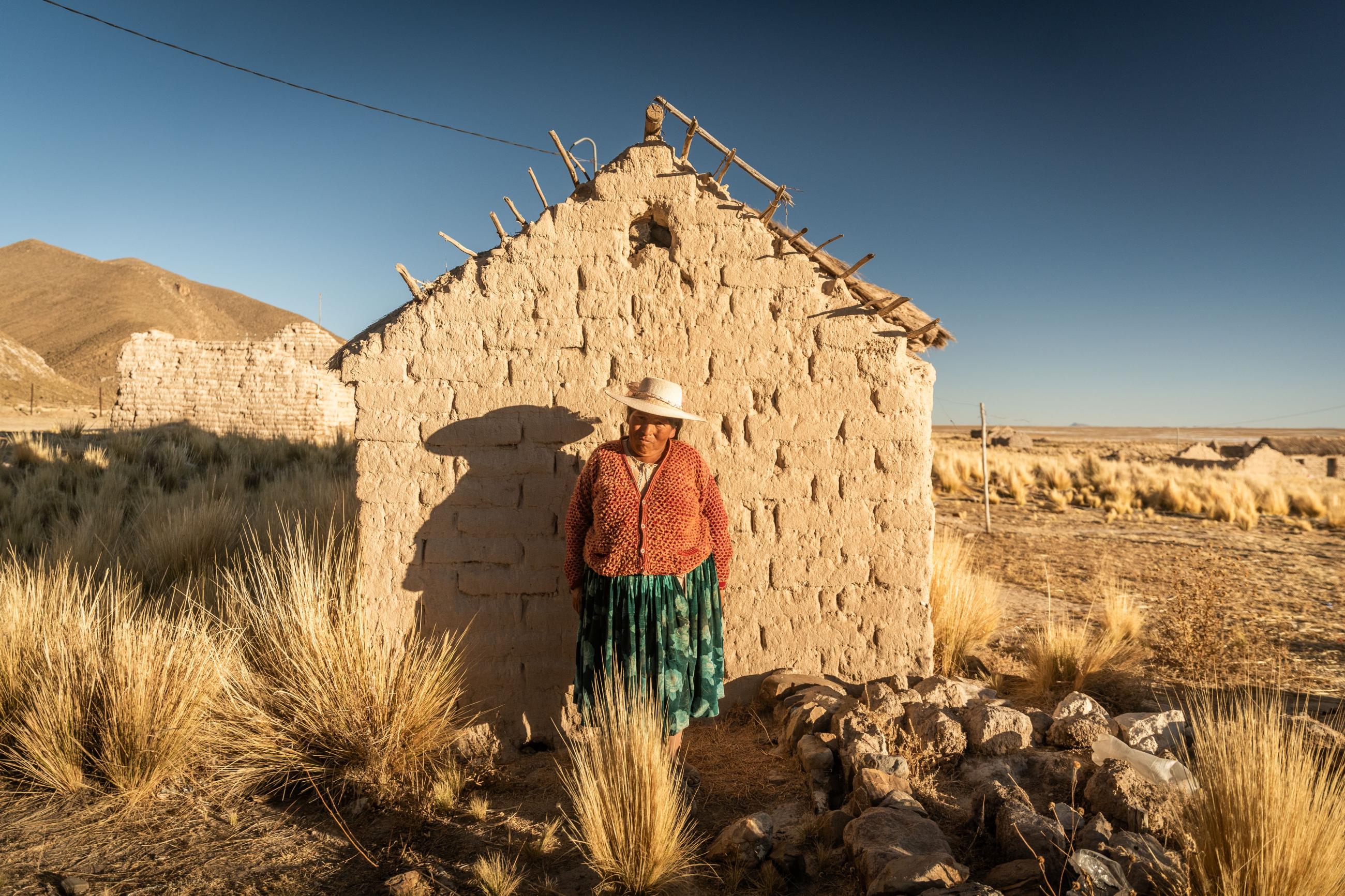
Home traditions
Cipriana stands in front of her adobe home. The Uru community maintains a traditional way of life, although it has been heavily transformed by the loss of their source of livelihood.
© Gaston Zilberman, Argentina, Shortlist, Student Competition, Home, 2024 Sony World Photography Awards
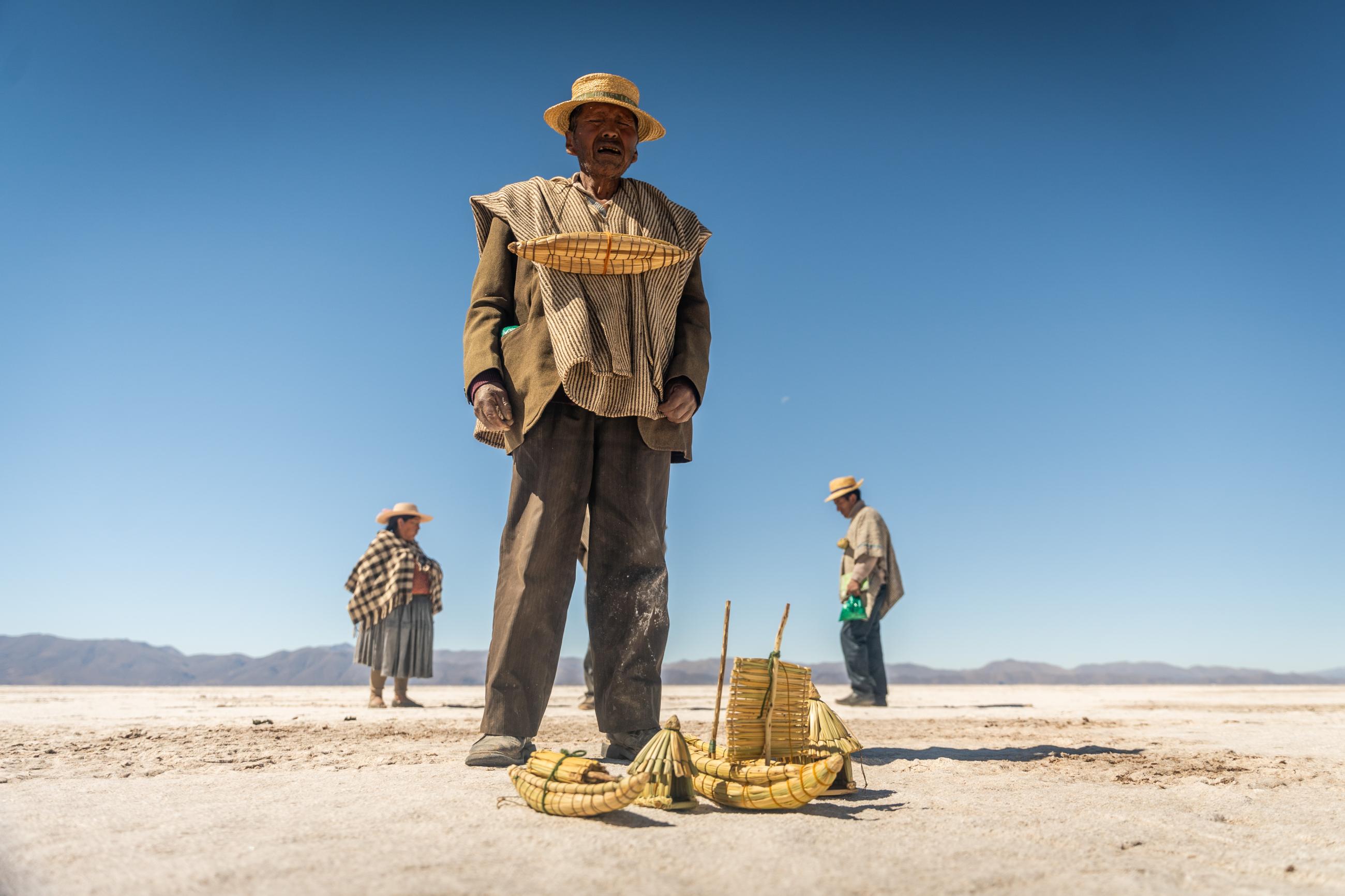
The Urus stand, honoring the legacy of their ancestral way of life
The disappearance of the lake put an end to the possibility of hunting and fishing for the indigenous Uru community. Now, only memories of their ancestral life remain, but they strive to keep alive the memory and essence of being Qotzuñi – ‘people of the lake’.
© Gaston Zilberman, Argentina, Shortlist, Student Competition, Home, 2024 Sony World Photography Awards
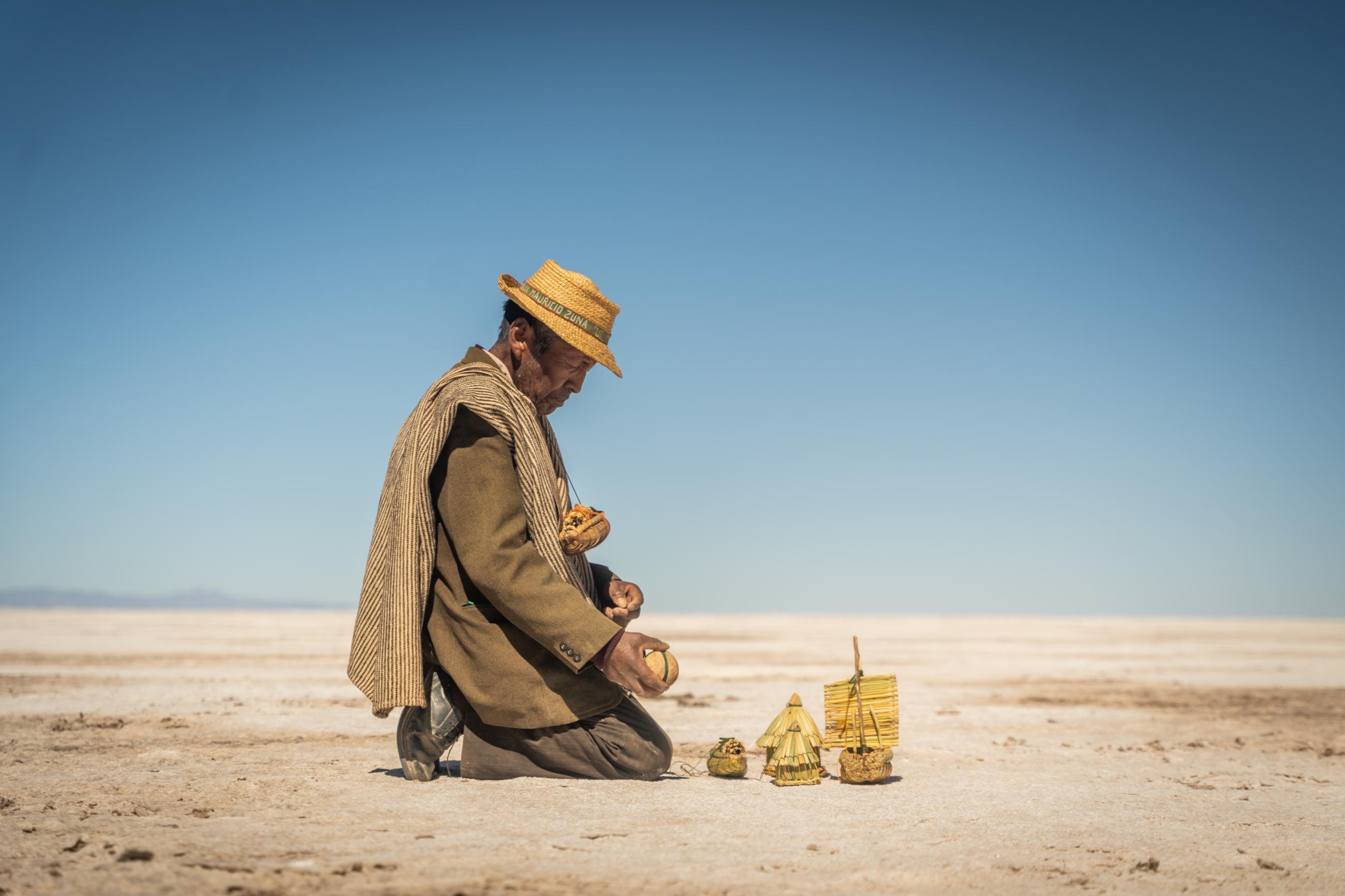
Memories of a floating boat
Félix Mauricio, along with crafting pieces that represent the community’s way of life from decades past when they inhabited floating islands on the lake.
© Gaston Zilberman, Argentina, Shortlist, Student Competition, Home, 2024 Sony World Photography Awards
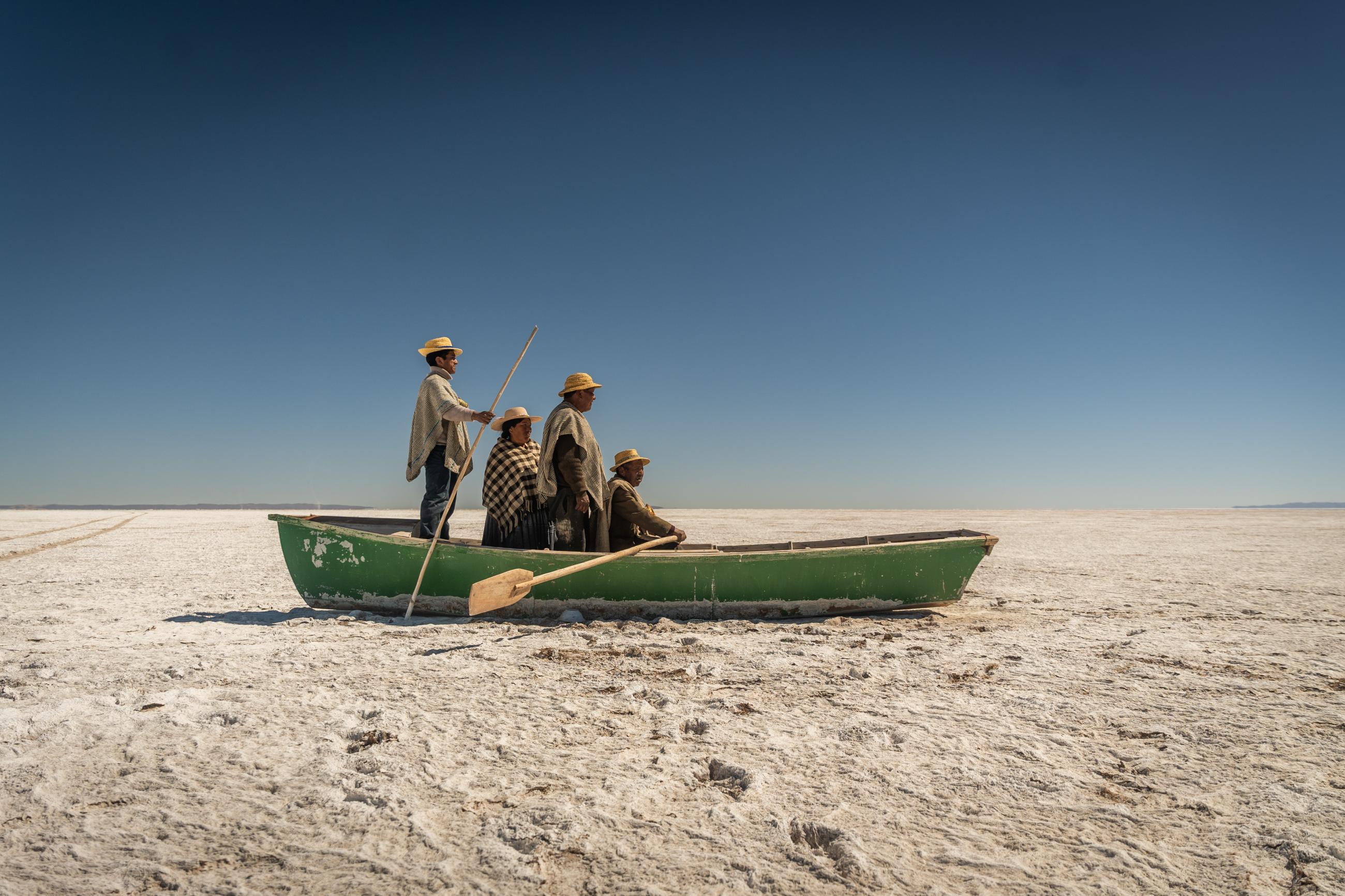
People of the lake
Florencio, Pablo, Cipriana and Félix Mauricio – inhabitants of Puñaca Tinta María from the Uru community – re-enact their ancestral way of life by sitting in the boat that used to be their home.
© Gaston Zilberman, Argentina, Shortlist, Student Competition, Home, 2024 Sony World Photography Awards
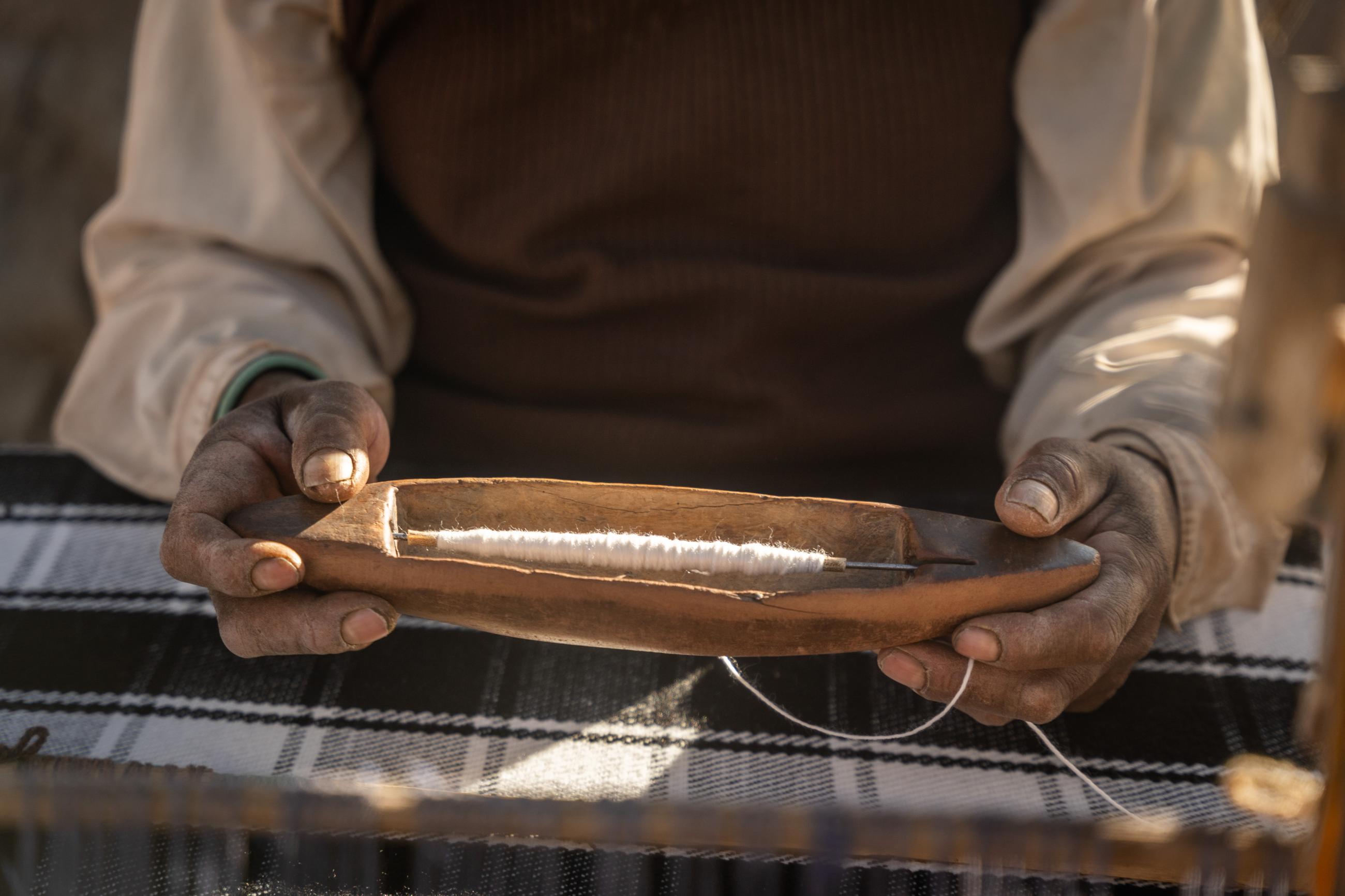
Upholding ancestral memories in transition
Even as the Uru communities transition from subsistence fishing to handicrafts, they still hold close the memories of their past way of life
© Gaston Zilberman, Argentina, Shortlist, Student Competition, Home, 2024 Sony World Photography Awards