

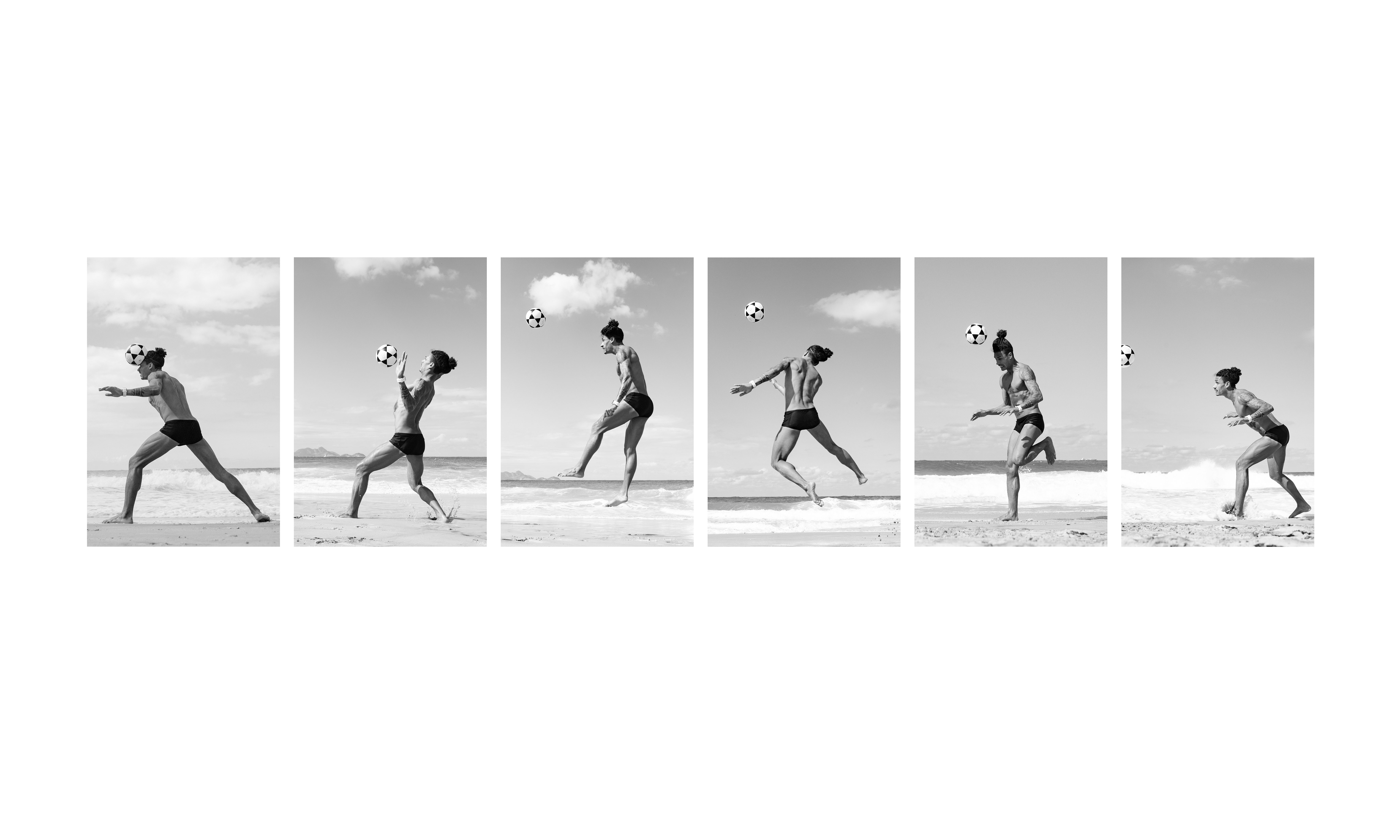
Series description
This series of photographs portrays Altinha, a popular game in Rio de Janeiro that aims to keep the ball in the air, where the players can’t use their hands. A carioca sport par excellence, it emerged in the 1960s and is played at the beach, preferably next to the water, where the players’ feet can’t be burned by the hot sand. Tanara Stuermer started to photograph it for many reasons, but mostly because she found the spirit of cooperation between the players beautiful. The players do not compete, because they all have the same objective: not to let the ball touch the ground.
Biography
It was through studying image theory during her history studies in southern Brazil that I discovered the documentary power of photography. Now I challenge some limits of photography with the materiality of superimposed prints in tracing paper, to examine the movements and their possibilities within Rio's beach football in the series "Altinha".
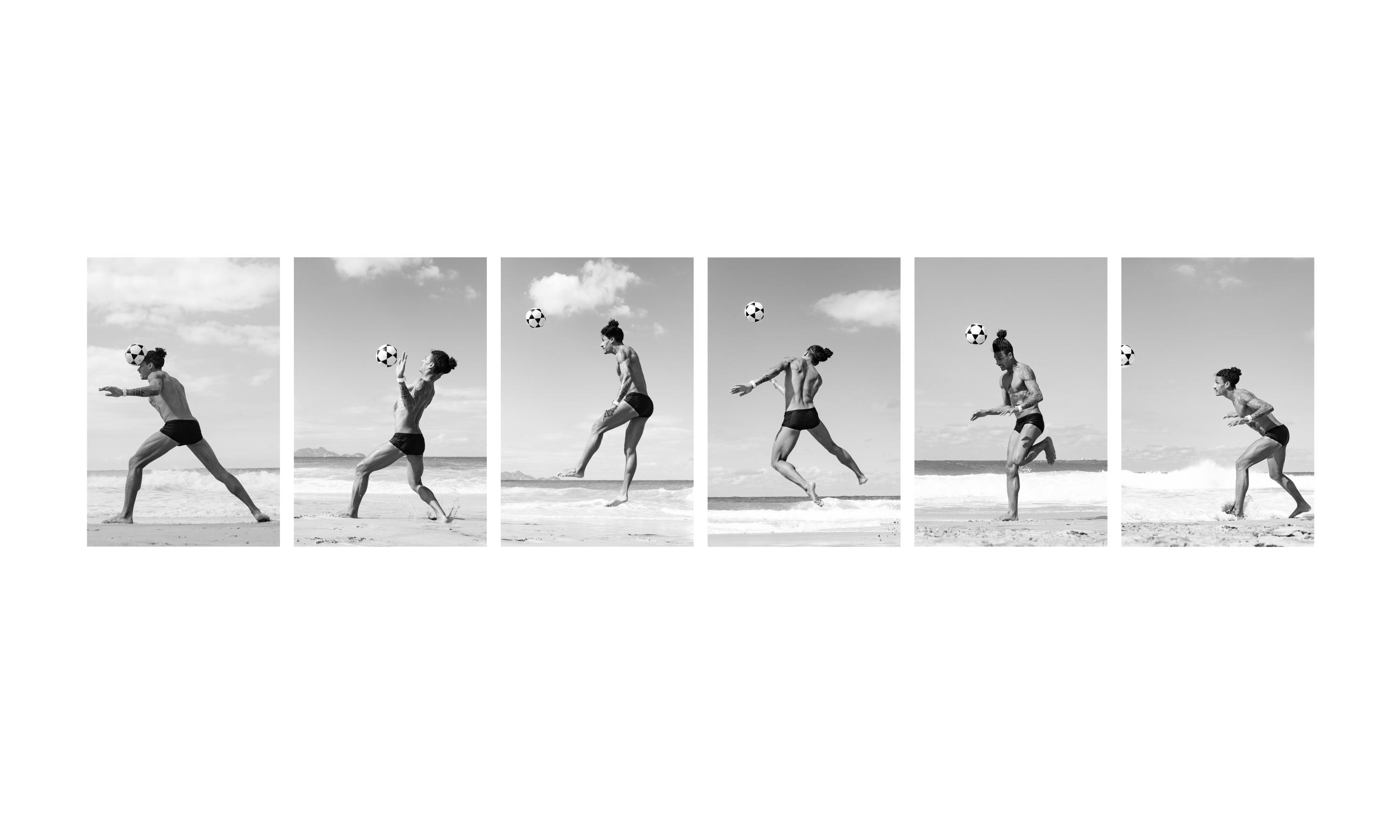
Estudo VIII
The multiplied possibilities led the photographer to do some movement studies, which she sought to break down into sequences inspired by the works of Eadweard Muybridge and Étienne-Jules Marey.
© Tanara Stuermer, Brazil, Shortlist, Professional competition, Sport, 2025 Sony World Photography Awards
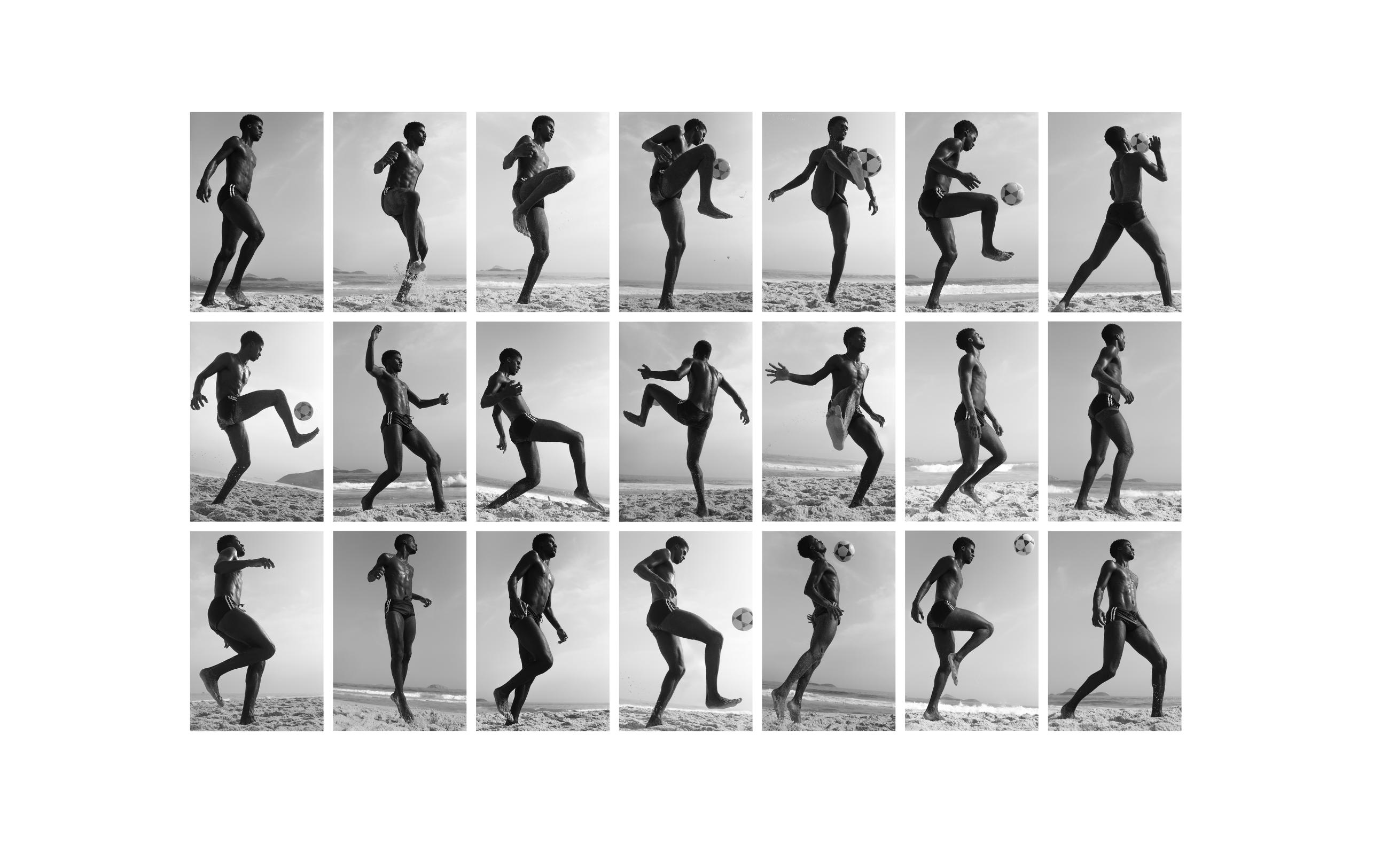
Estudo XIII
When assembling the works with tracing paper and prints, Stuermer sought, beyond rhythm, to understand the nature of movements, where the limits of bodies and their strength are, but always focusing on the gesture, the dance. This study was inspired by the works of Eadweard Muybridge and Étienne-Jules Marey.
© Tanara Stuermer, Brazil, Shortlist, Professional competition, Sport, 2025 Sony World Photography Awards
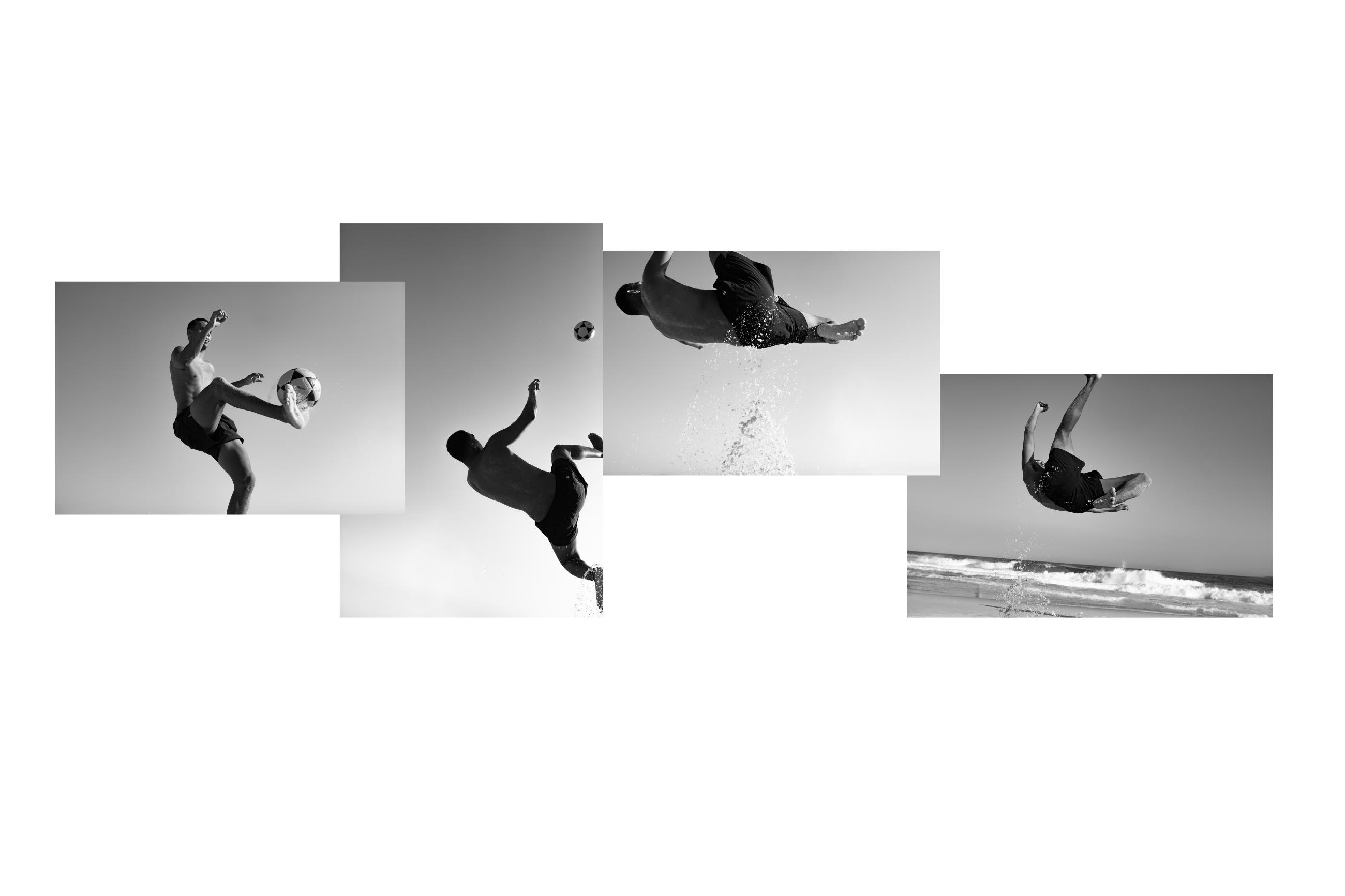
Estudo XVIII
Stuermer’s studies in the field of cinema served as a filter to develop the form of presenting this work: ‘I observed in the pictures a pattern in the players' movements within a certain time and space, which gives rhythm to these scenes.’
© Tanara Stuermer, Brazil, Shortlist, Professional competition, Sport, 2025 Sony World Photography Awards
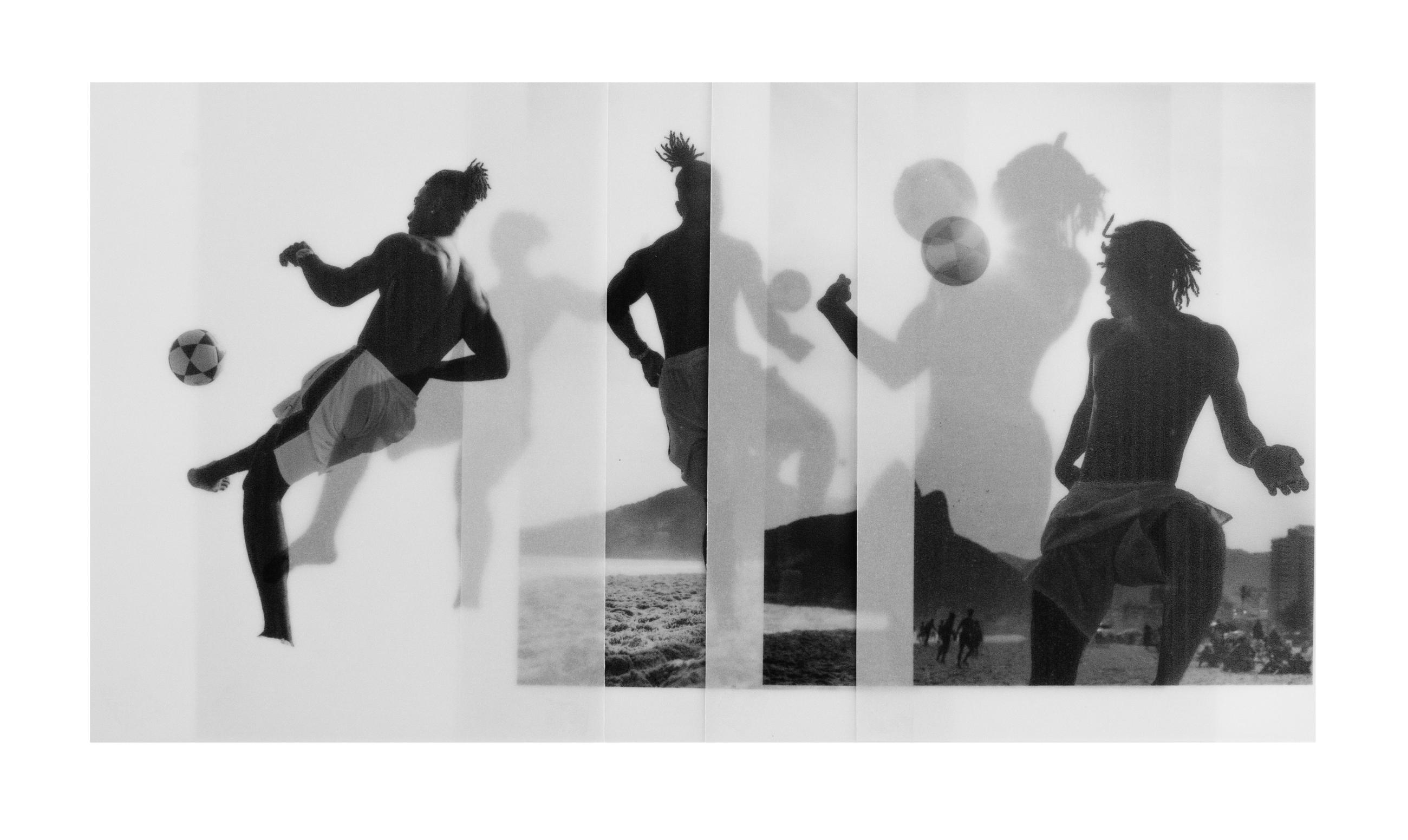
Ginga
Stuermer mixed and superimposed these photographs with prints on tracing paper in cuts that isolate the bodies and movements, and then reconcile all the images in scenes that project a hallucinatory force: ‘I see in a movement the possibilities that can be generated from it. The overlaps showed me something that comes close to portraying the nature of a time that is truncated, interrupted, and then restored and returned to the scene.’
© Tanara Stuermer, Brazil, Shortlist, Professional competition, Sport, 2025 Sony World Photography Awards
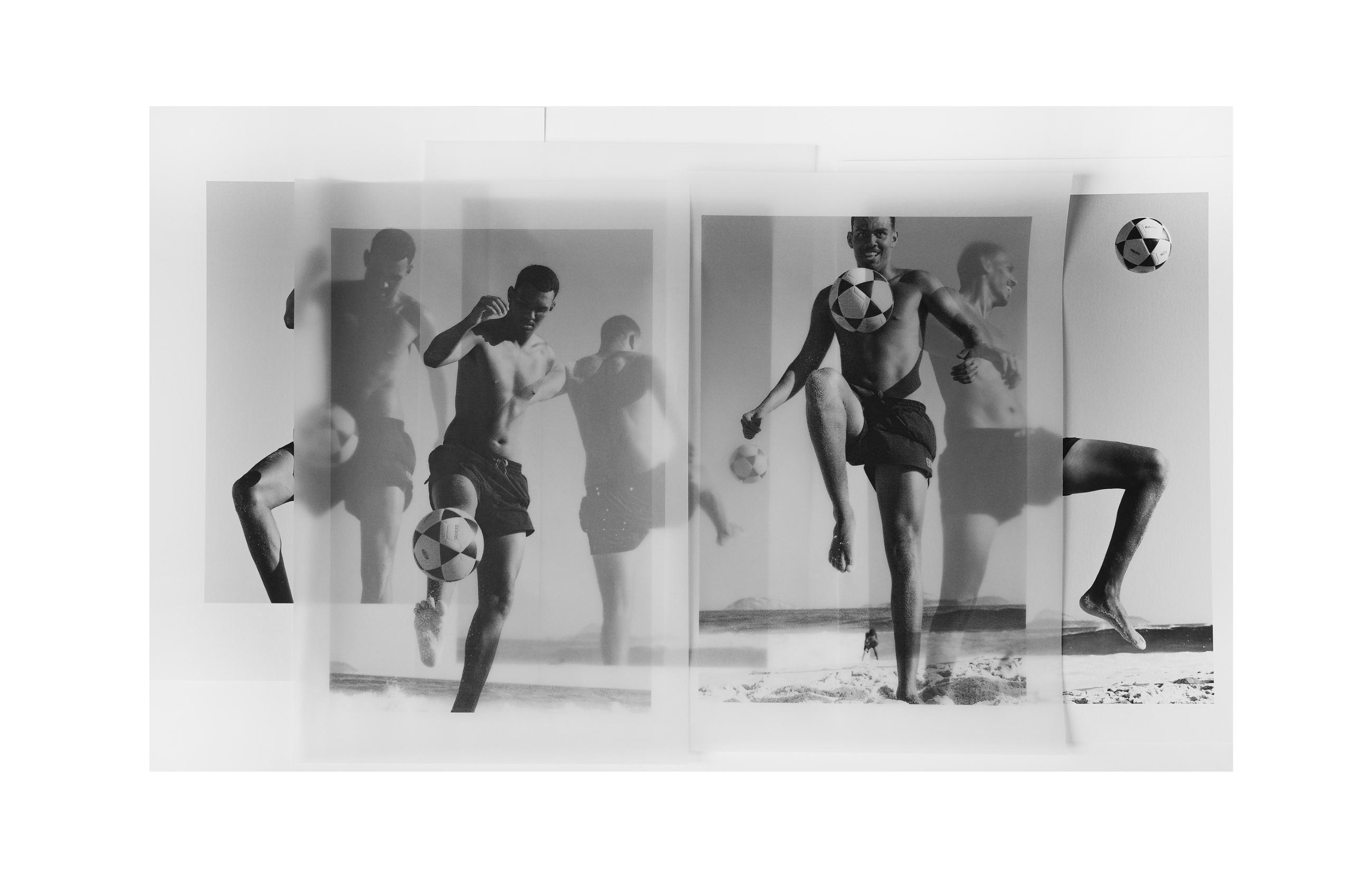
Altinha IV
Diluting the images printed in tracing paper allowed them to be absorbed by the transparency of the paper. In this way, the image has a sense of choreography ‘as if it were on the beat of a drum, in a movement that is multiplied within only one frame. They now seem to hit the ball to the sound of a berimbau or to the cadence of a ladainha, which has the function of leading the dialogue between the players in the Capoeira circle.’
© Tanara Stuermer, Brazil, Shortlist, Professional competition, Sport, 2025 Sony World Photography Awards
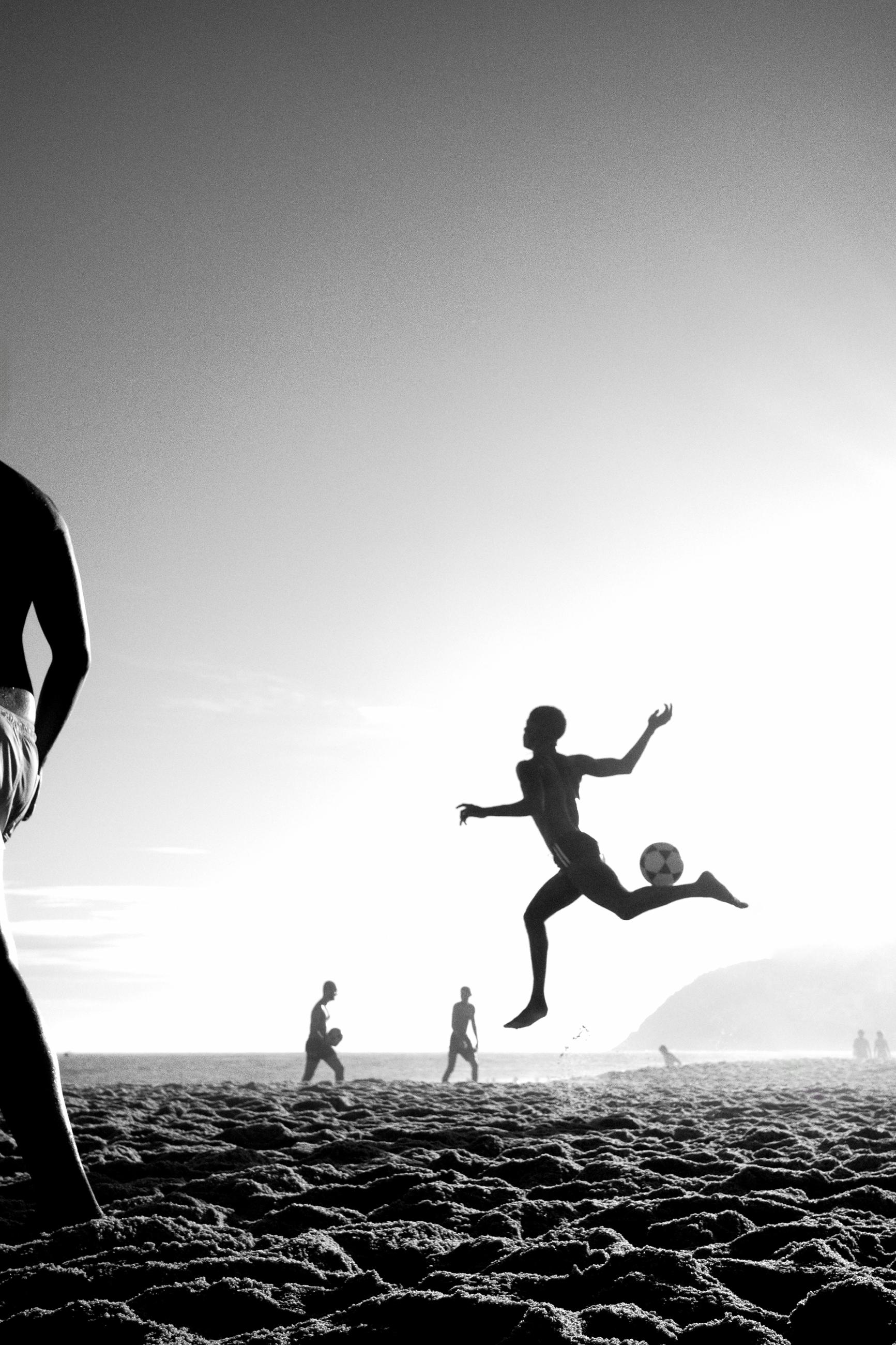
Salto
‘Not only do they always keep the ball in the air, but they also do it in a fascinating way.’
© Tanara Stuermer, Brazil, Shortlist, Professional competition, Sport, 2025 Sony World Photography Awards
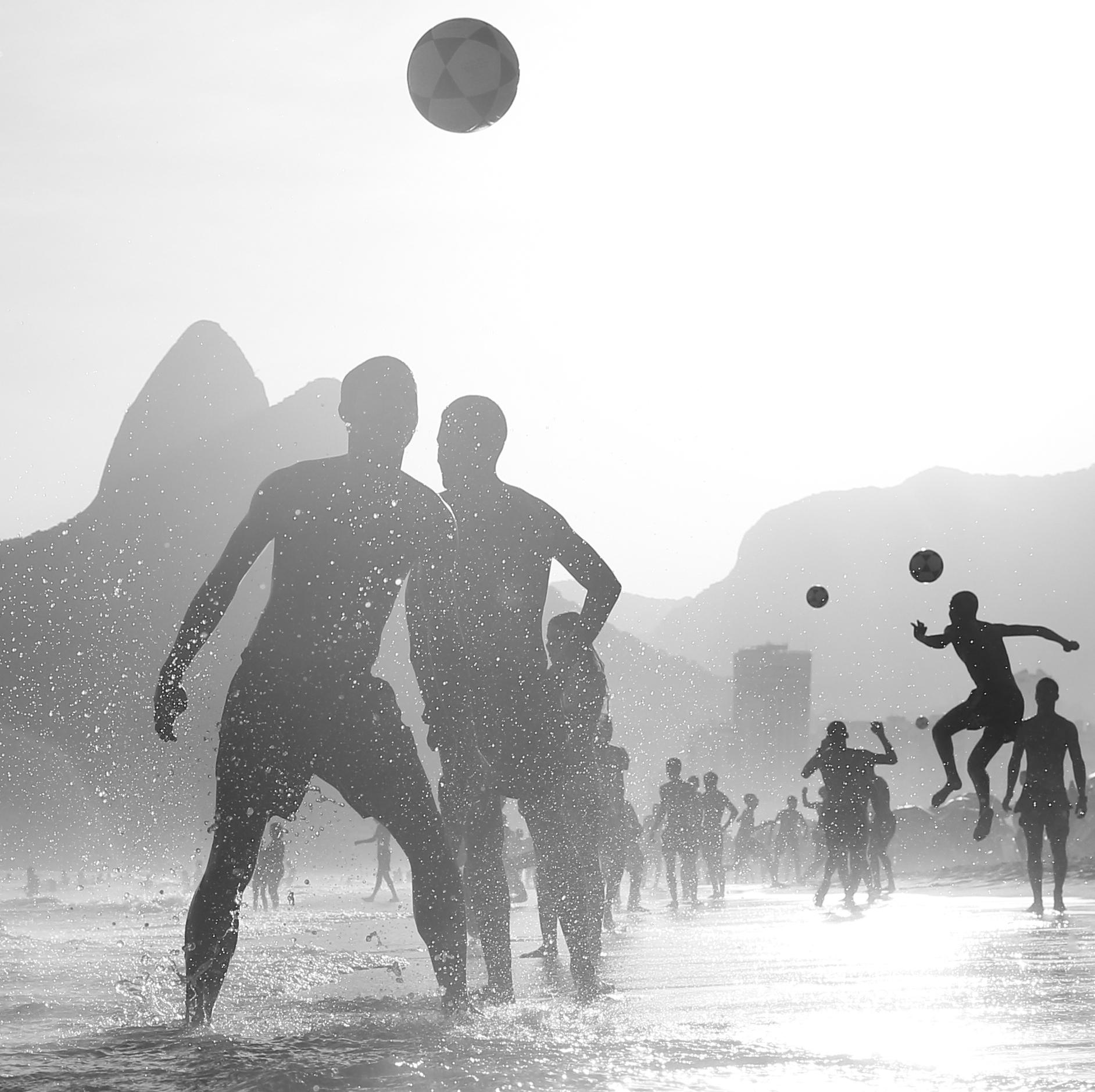
Altinha XXI
A carioca sport par excellence, Altinha emerged in the 1960s and is played at the beach, preferably next to the water, where the players’ feet can’t be burned by the hot sand.
© Tanara Stuermer, Brazil, Shortlist, Professional competition, Sport, 2025 Sony World Photography Awards