

Series description
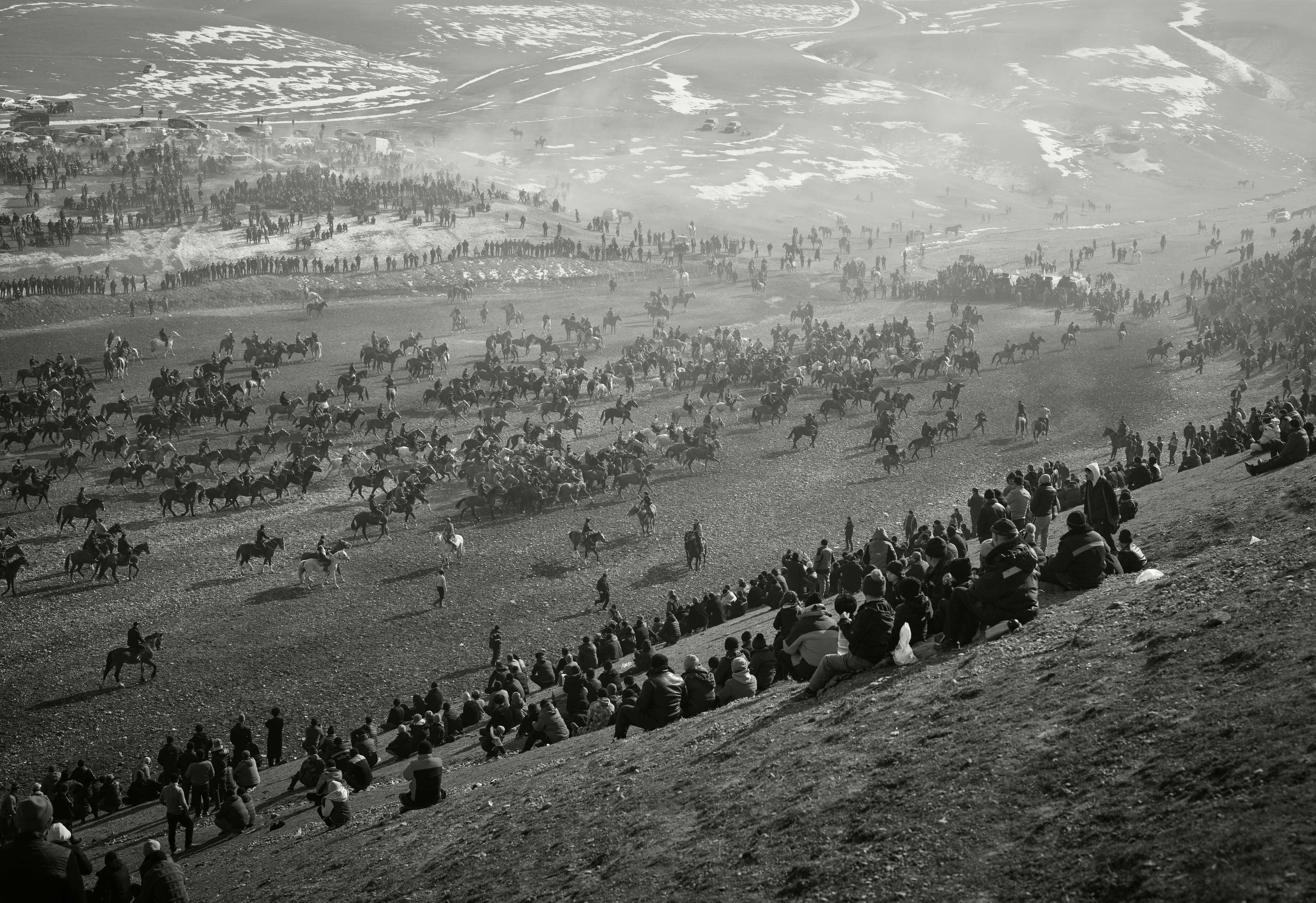
Buzkashi (literally meaning 'goat pulling' in Persian) is the fierce, ancient sport of Tajikistan. It is similar to polo, but there are no teams and no boundaries. The ball is the eviscerated, headless carcass of a goat and the aim is brutally simple: seize it, hold it, break free. The game was born among the nomadic horse cultures of Central Asia, where strength and horsemanship were measures of identity. For centuries, chapandaz (riders) have hurled themselves into this churning mass of hooves and bodies, fighting for honour and a moment of clear sky among the dust.
Biography
Todd Antony is a New Zealand-born, London-based photographer whose work focuses on little-known groups beyond the familiar frame. Blending documentary observation with a considered cinematic approach to light and colour, his work has been recognised internationally, including in the Taylor Wessing Portrait Prize.
Thunder of the Valley
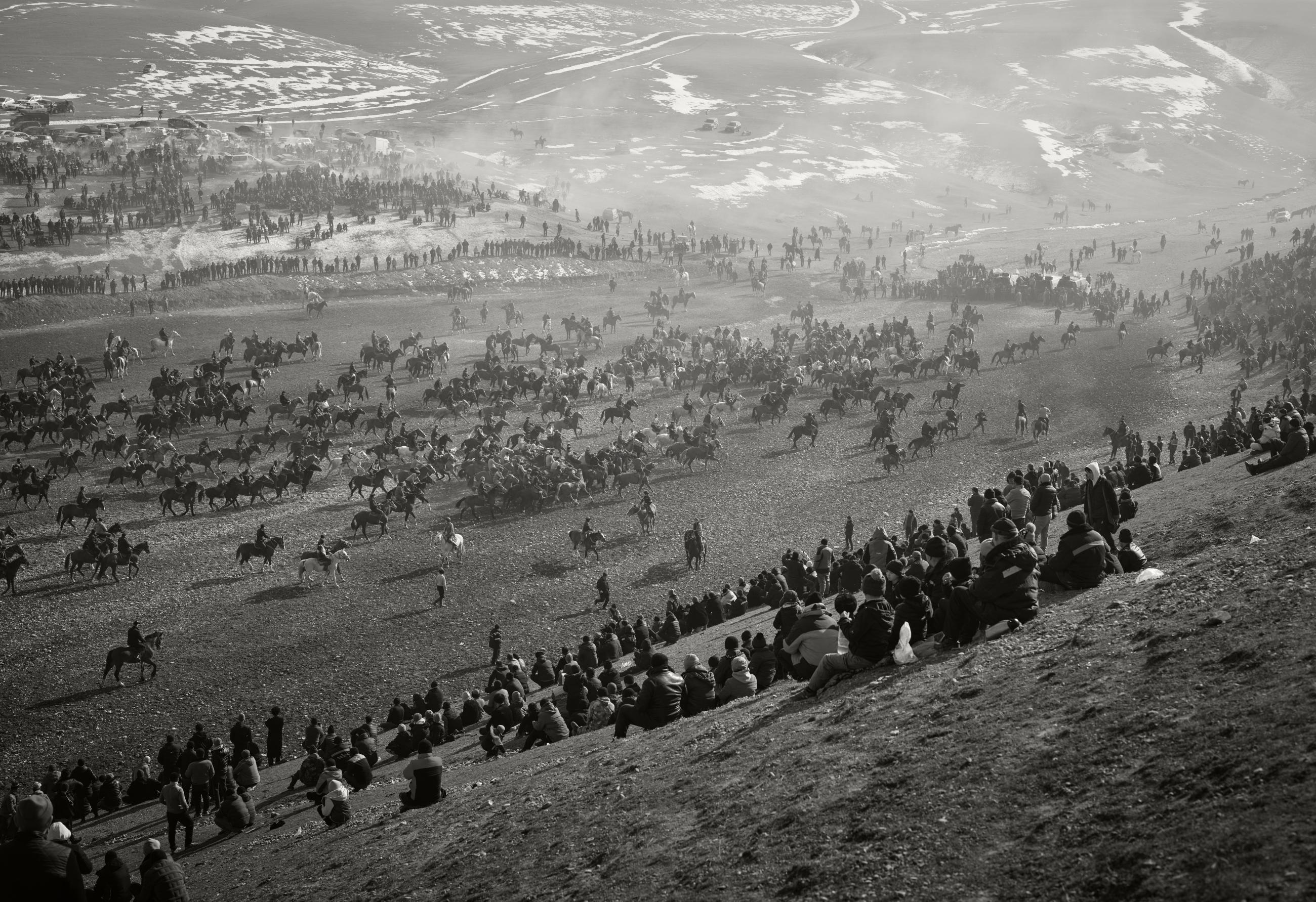
Buzkashi matches play out in the folds of valleys or dried up river beds — anywhere there is a relatively flat expanse of land and the game can be loosely contained by the natural geography. The crowd looks on, bathed in the smoke from charcoal cooking fires, aware that at any moment the match can surge up the hillside and send them scattering.
© Todd Antony, United Kingdom, 1st Place, Professional Competition, Sport, 2026 Sony World Photography Awards
Generations
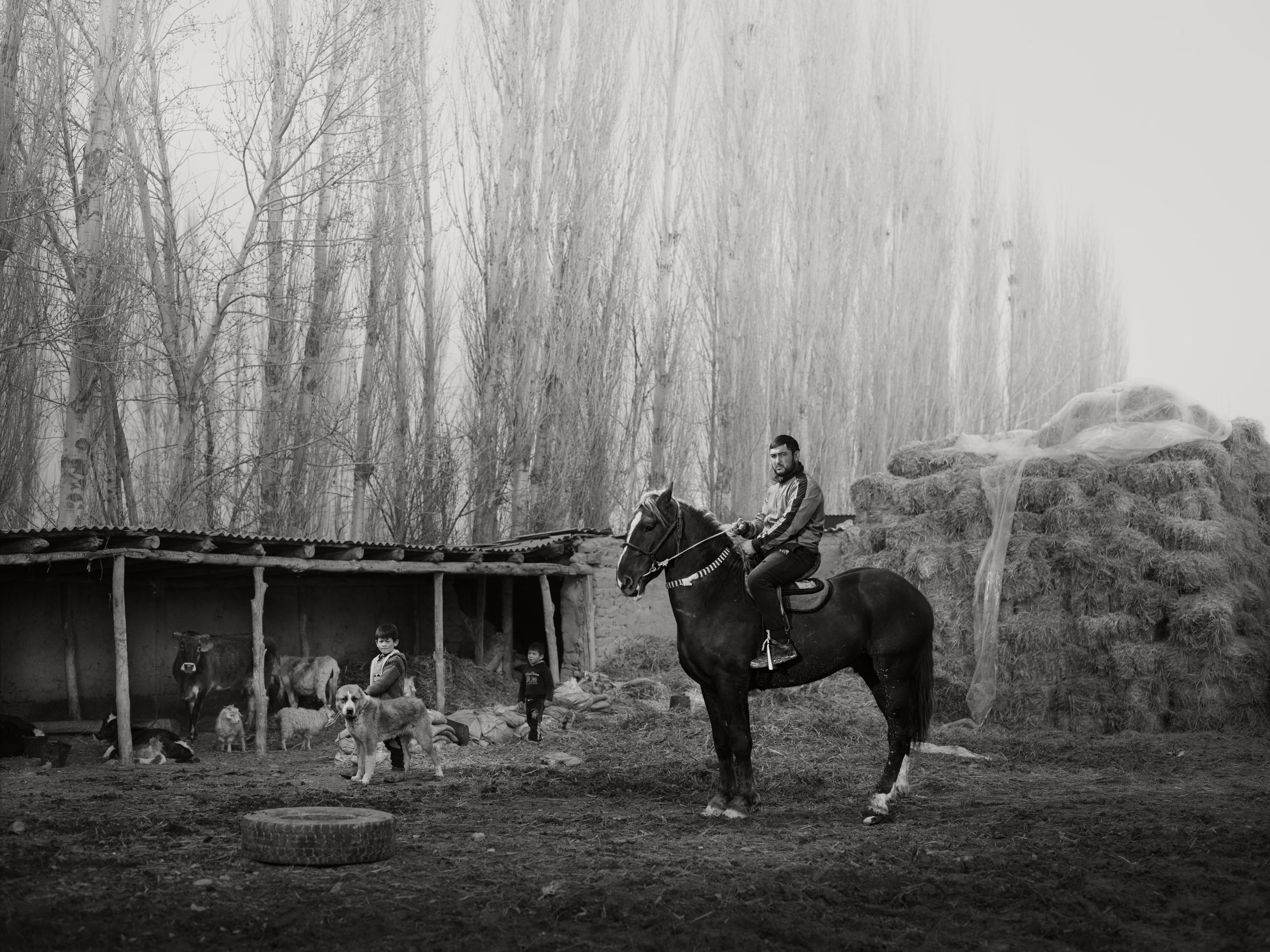
The sport of buzkashi is passed down from generation to generation. You are born into it. Taken on the farm of a buzkashi player in Khujand Province, Tajikistan, three generations posed for this image.
© Todd Antony, United Kingdom, 1st Place, Professional Competition, Sport, 2026 Sony World Photography Awards
The Morass
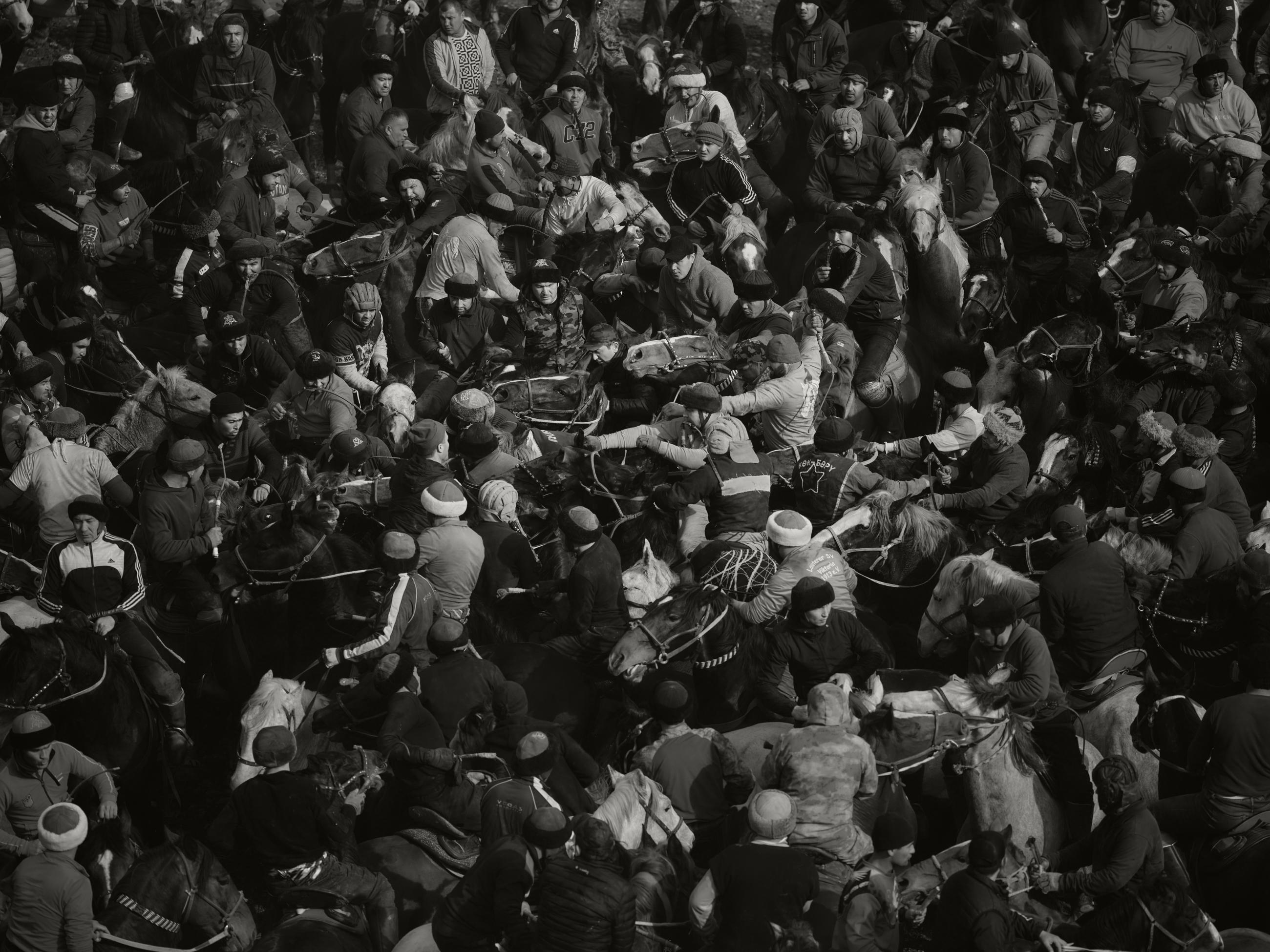
Buzkashi matches can have anywhere from 100–400 players and last 4–5 hours. They conjure up visions of battle paintings from the Napoleonic era, as hundreds of riders converge on the headless goat carcass. The buz (goat) is rarely seen during the course of a match, though, as it is obscured by dust, bodies and hundreds of hooves.
© Todd Antony, United Kingdom, 1st Place, Professional Competition, Sport, 2026 Sony World Photography Awards
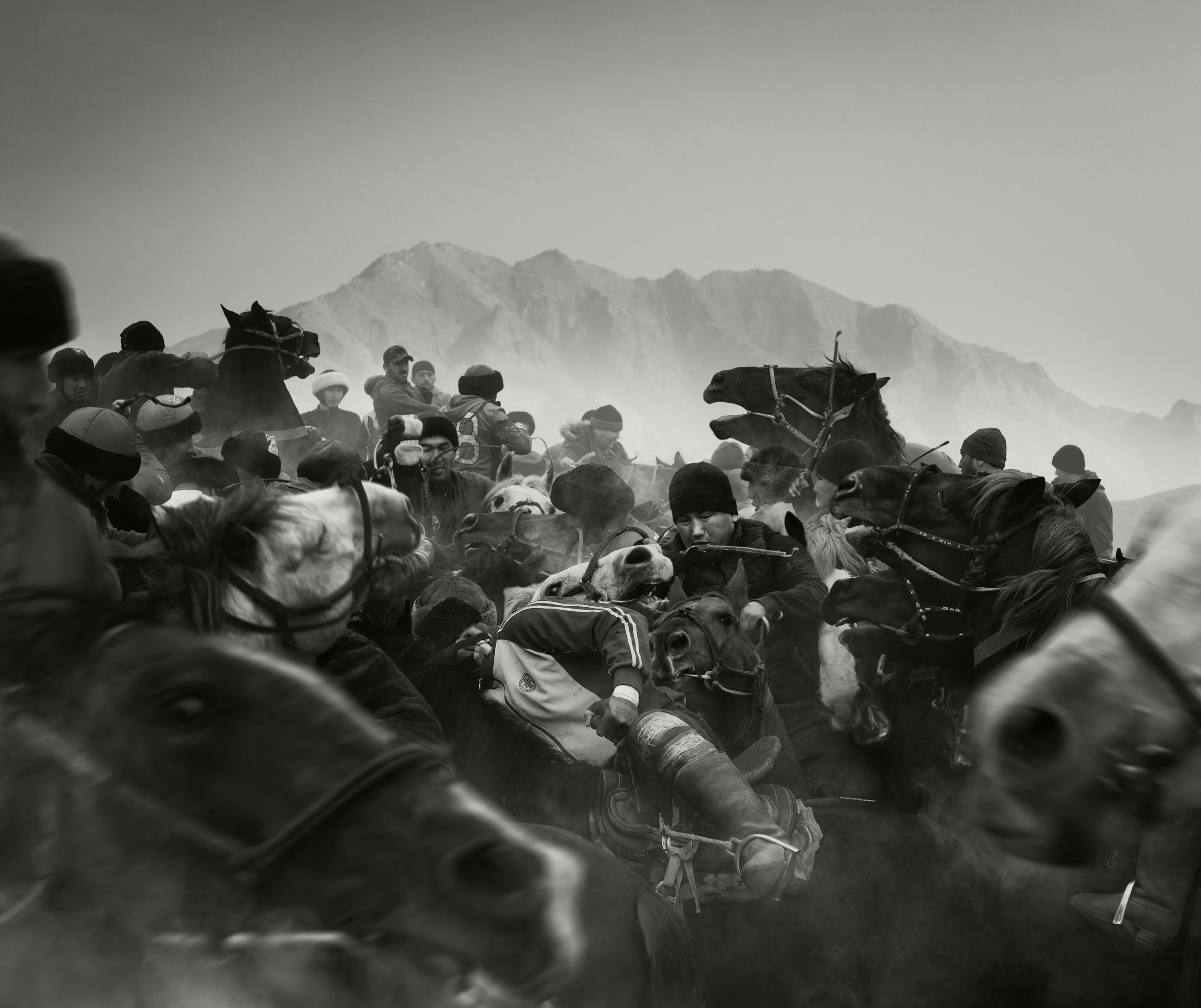
Buzkashi
There are no teams in buzkashi — it's every man for himself. Rules are few and far between. Riders must seize the buz (goat), which can weigh 30–50kg, from the centre of a seething mass of players before breaking free and riding to one of the hay-marked goal lines at either end of the vast field of play.
© Todd Antony, United Kingdom, 1st Place, Professional Competition, Sport, 2026 Sony World Photography Awards
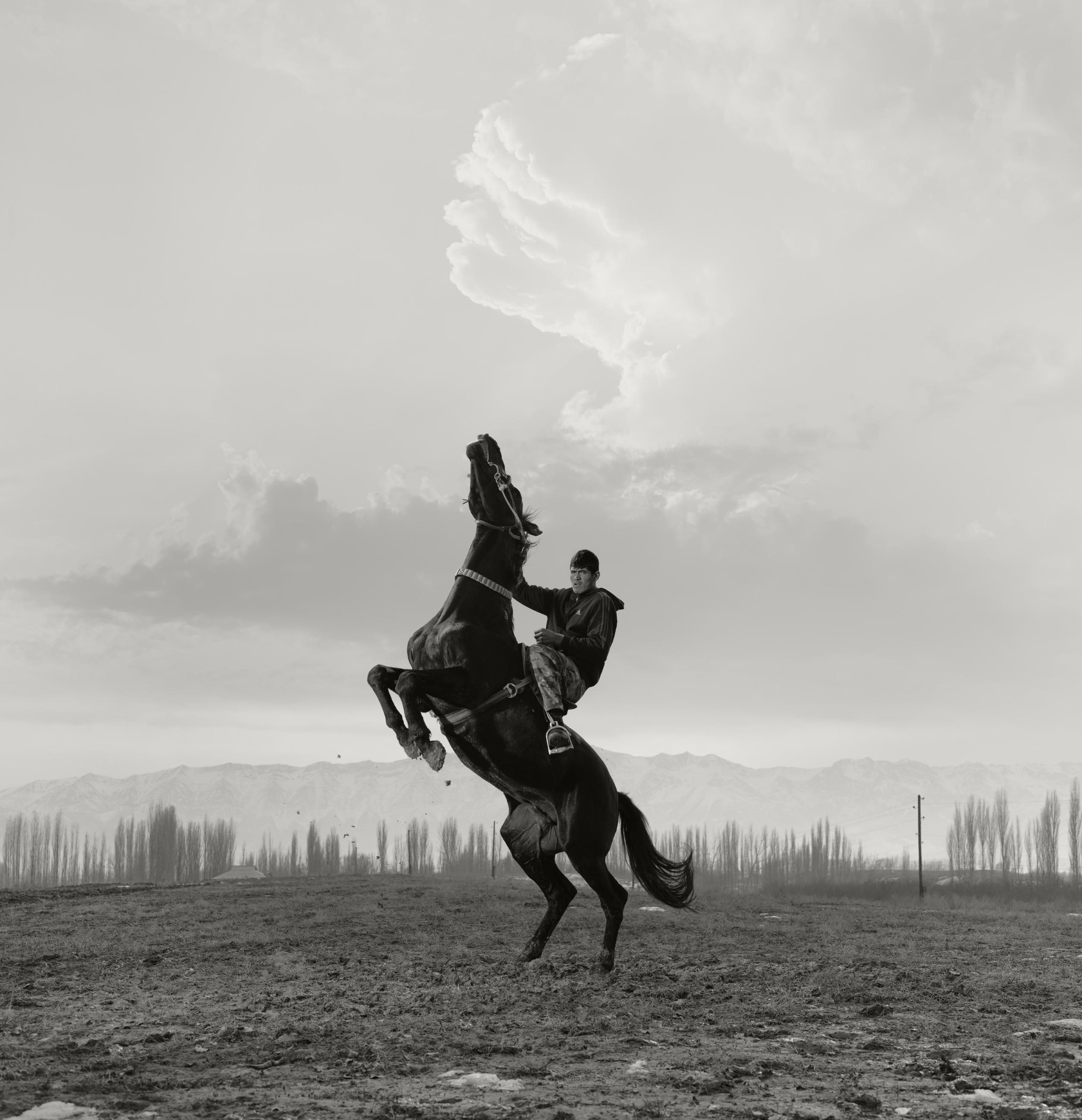
Marengo
Marengo was the name of Napoleon’s horse, as depicted in the 19th century painting Napoleon Crossing the Alps. Buzkashi matches can be reminiscent of the battle paintings of that period, as a seething morass of fighting players and horses kick up clouds of dust and visceral noise.
© Todd Antony, United Kingdom, 1st Place, Professional Competition, Sport, 2026 Sony World Photography Awards
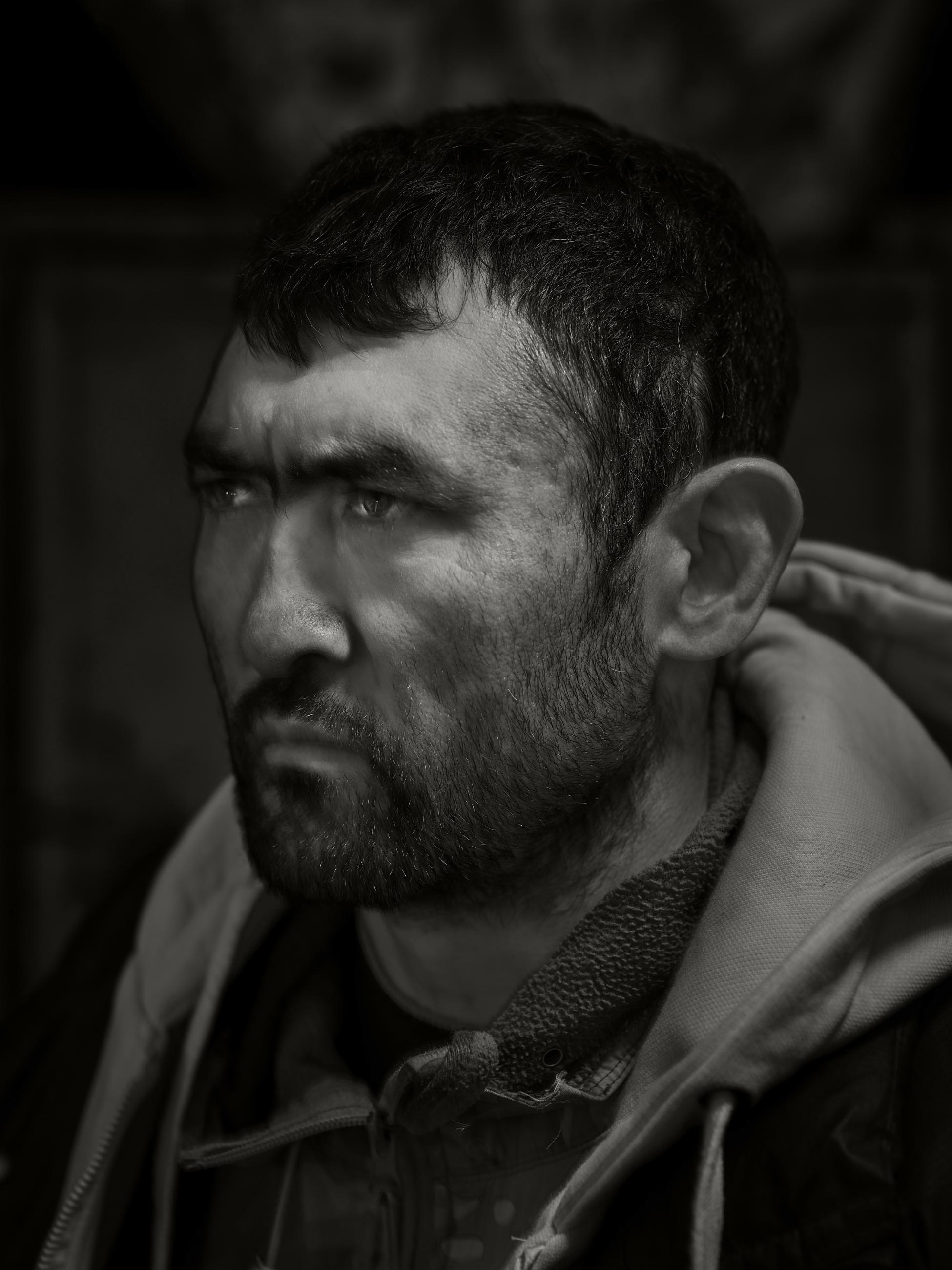
Diyar
Champion buzkashi rider, Diyar, pictured at his farm in Khujand Province, Tajikistan.
© Todd Antony, United Kingdom, 1st Place, Professional Competition, Sport, 2026 Sony World Photography Awards
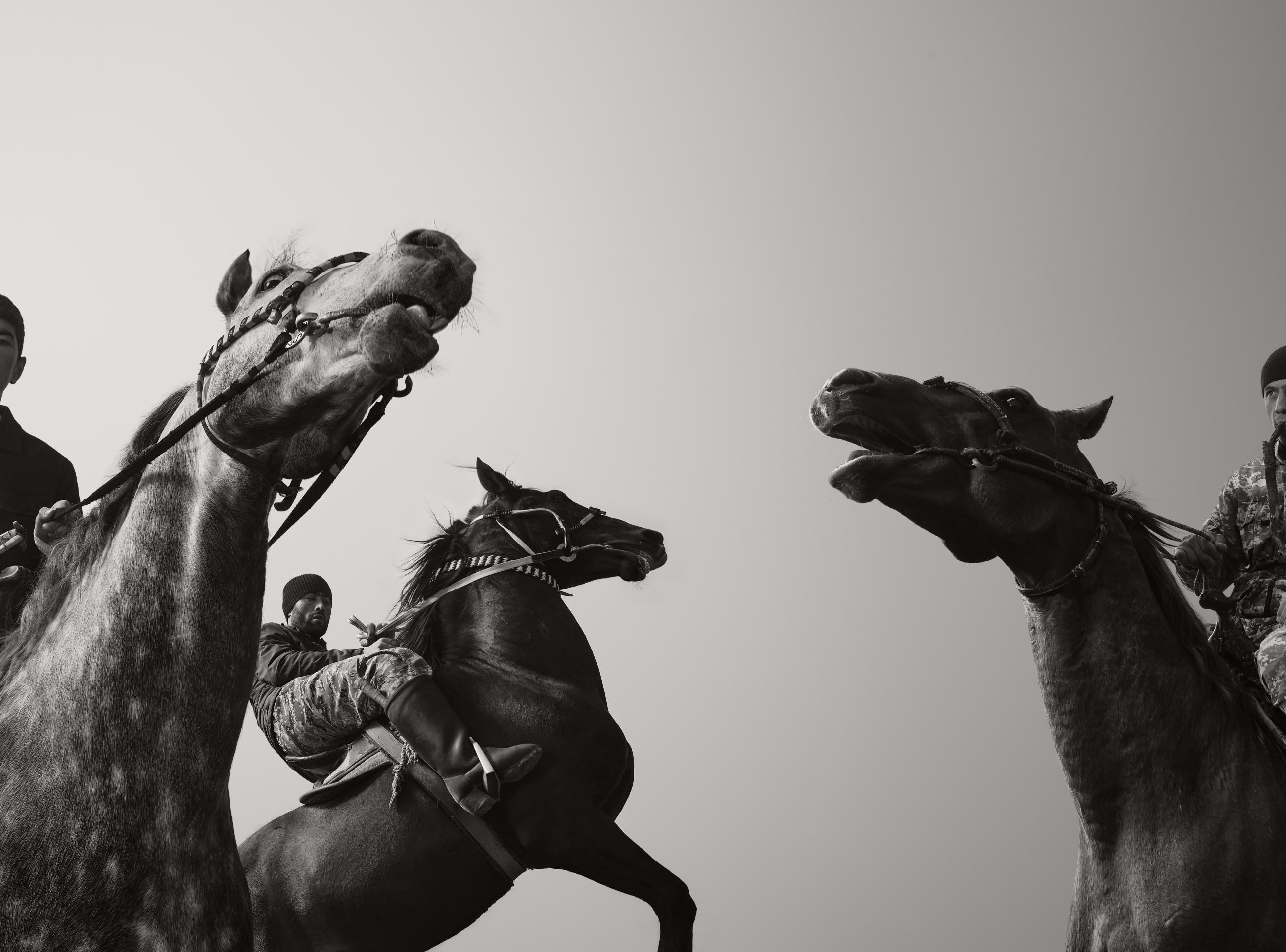
Battle in the Mist
A sudden bank of fog swallowed the surrounding landscape, leaving the horses suspended against an infinite sky. Drawn from moments within the same match, these images intentionally compress time to distil the intensity, strain, distress and explosive energy of the sport.
© Todd Antony, United Kingdom, 1st Place, Professional Competition, Sport, 2026 Sony World Photography Awards
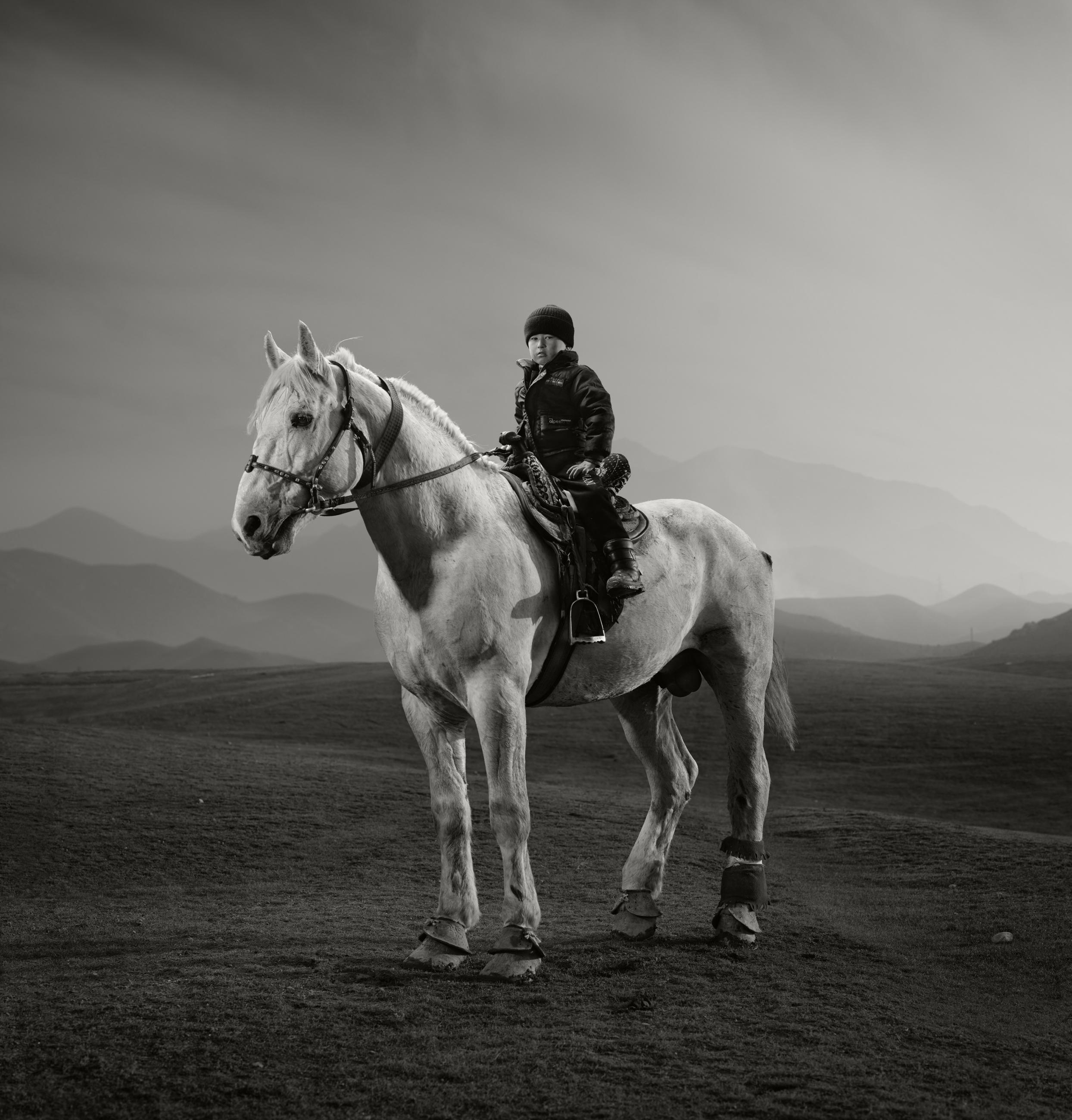
Abdulqadir
Abdulqadir (4), photographed during a quiet hilltop moment while the buzkashi match thundered away in the narrow valley below. The photographer was setting up flash equipment and taking portraits of some of the riders from Abdulqadir’s group when, unprompted, he strolled into the makeshift studio on his large horse, his feet tantalisingly close to actually reaching its stirrups.
© Todd Antony, United Kingdom, 1st Place, Professional Competition, Sport, 2026 Sony World Photography Awards
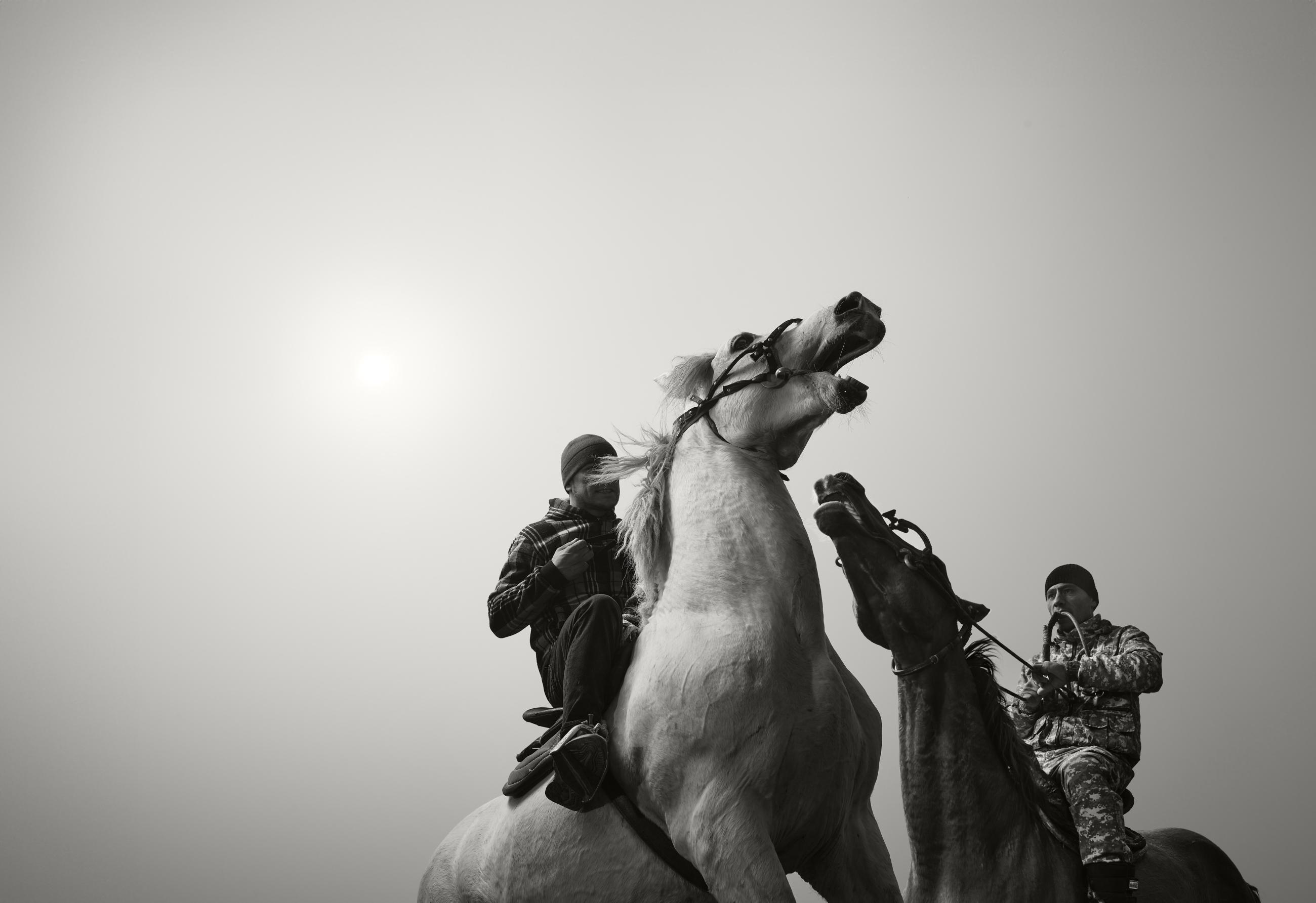
Against the Reins
Taken during the same buzkashi match, this series shifts from a strict documentary approach towards an ‘emotional truth grounded in real events.’
© Todd Antony, United Kingdom, 1st Place, Professional Competition, Sport, 2026 Sony World Photography Awards