

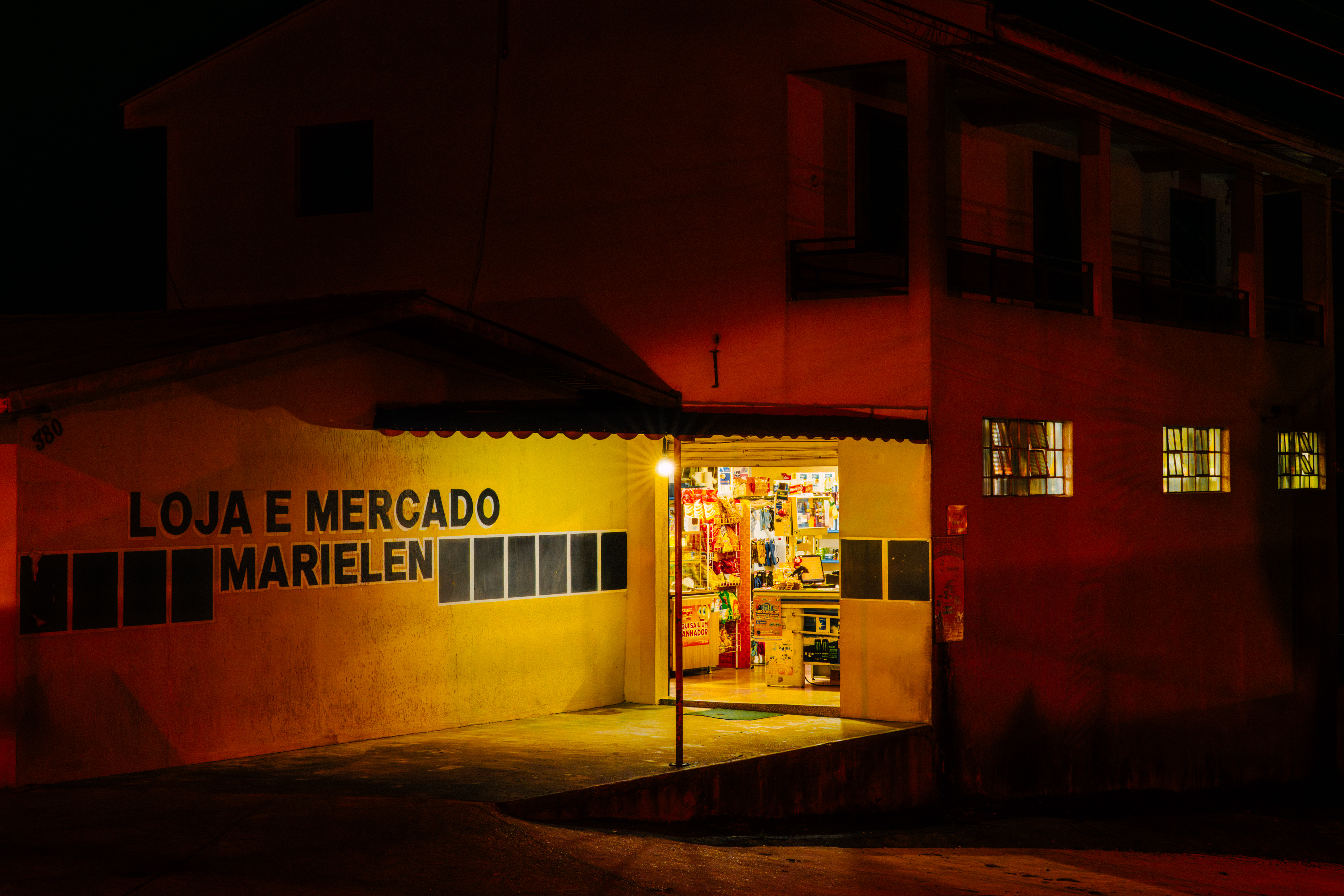
Series description
This ongoing project documents small neighbourhood grocery stores on the outskirts of Curitiba, in southern Brazil. These modest structures form an architecture of resistance that persists even as large retail chains reshape the city. Often family-run and linked to domestic spaces, the stores merge work, memory and dwelling into a single building. While the city centre undergoes gentrification, the periphery remains culturally dense and visually vibrant. This series reflects a belief that architectural beauty exists in ordinary, overlooked places.
Biography
Andre Tezza is a photographer and former university professor based in Curitiba, Brazil. He holds a master’s degree in Philosophy and a PhD in Communication Sciences, and has taught photography in advertising, journalism and design. His work was previously awarded second place in the Sony World Photography Awards 2025
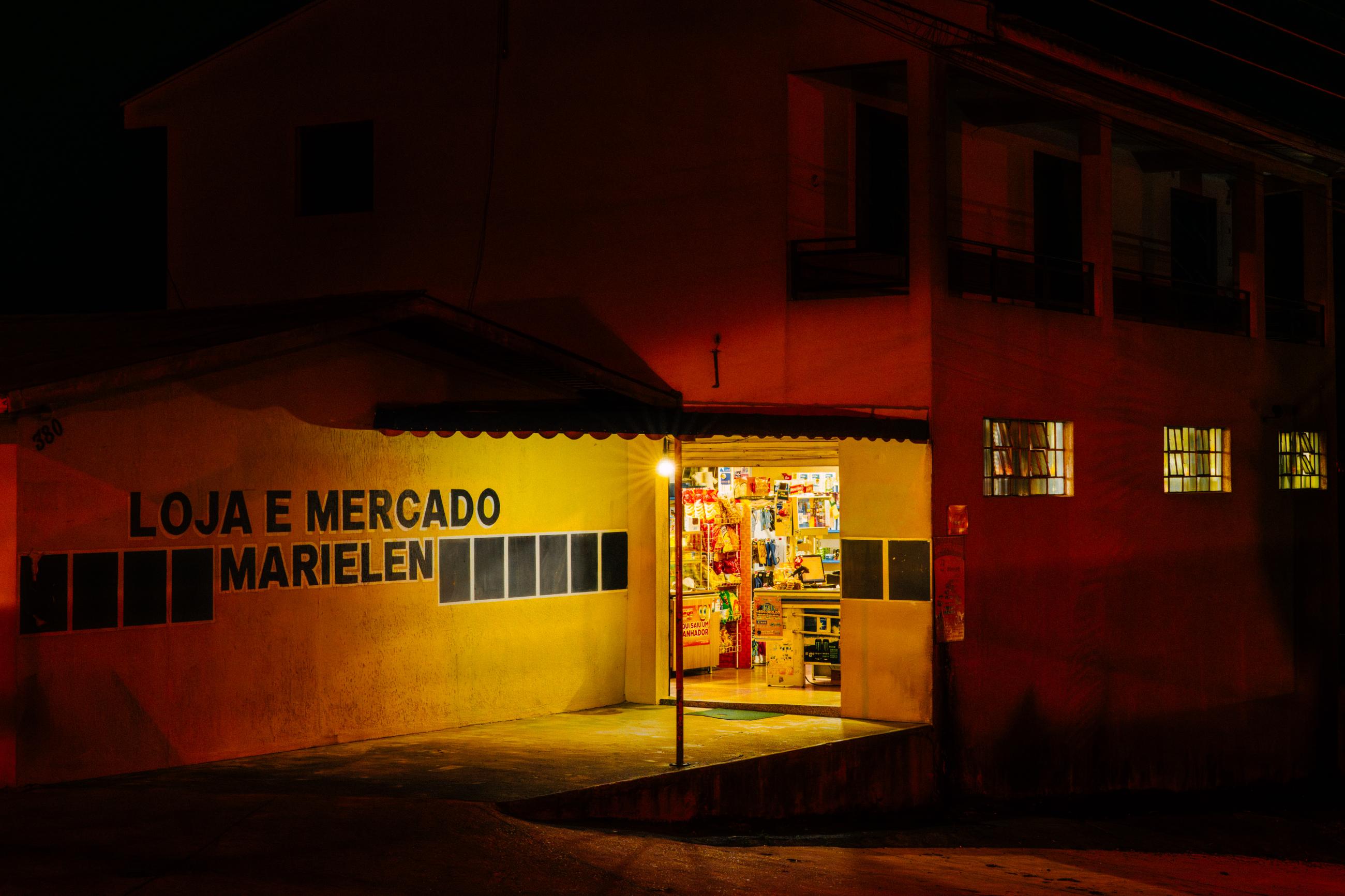
Loja e Mercado Marielen
Named after one of the owner’s daughters, this store in Campo Largo is a family-run business integrated into the same building where the family lives, merging domestic space and commercial architecture into a single, everyday structure.
© André Tezza, Brazil, 2nd Place, Professional Competition, Architecture & Design, 2026 Sony World Photography Awards
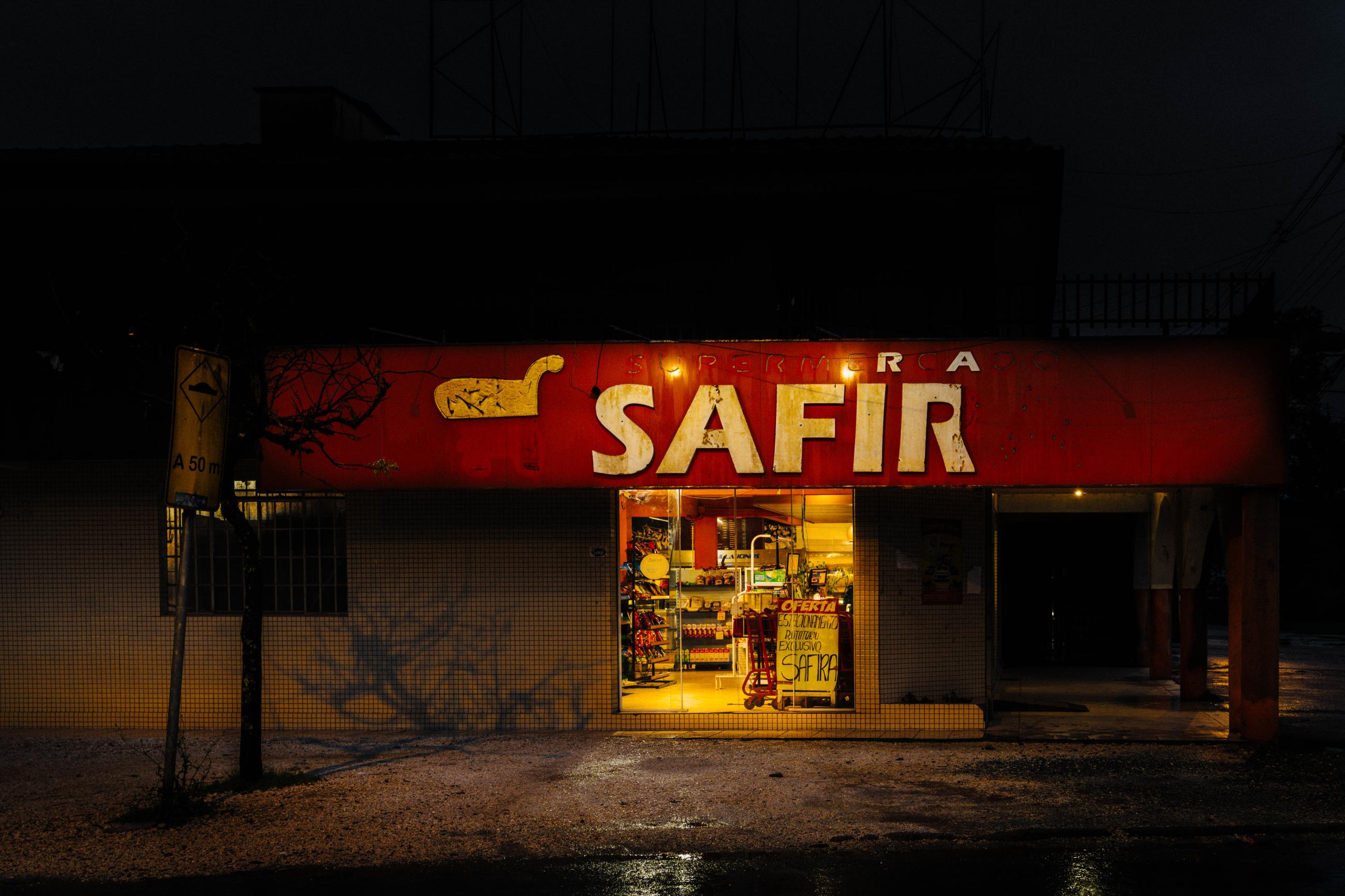
Mercado Safira
This small neighbourhood grocery store in Campo Largo is embedded in the peripheral urban fabric, reflecting the vernacular architecture shaped by local commerce and community life.
© André Tezza, Brazil, 2nd Place, Professional Competition, Architecture & Design, 2026 Sony World Photography Awards
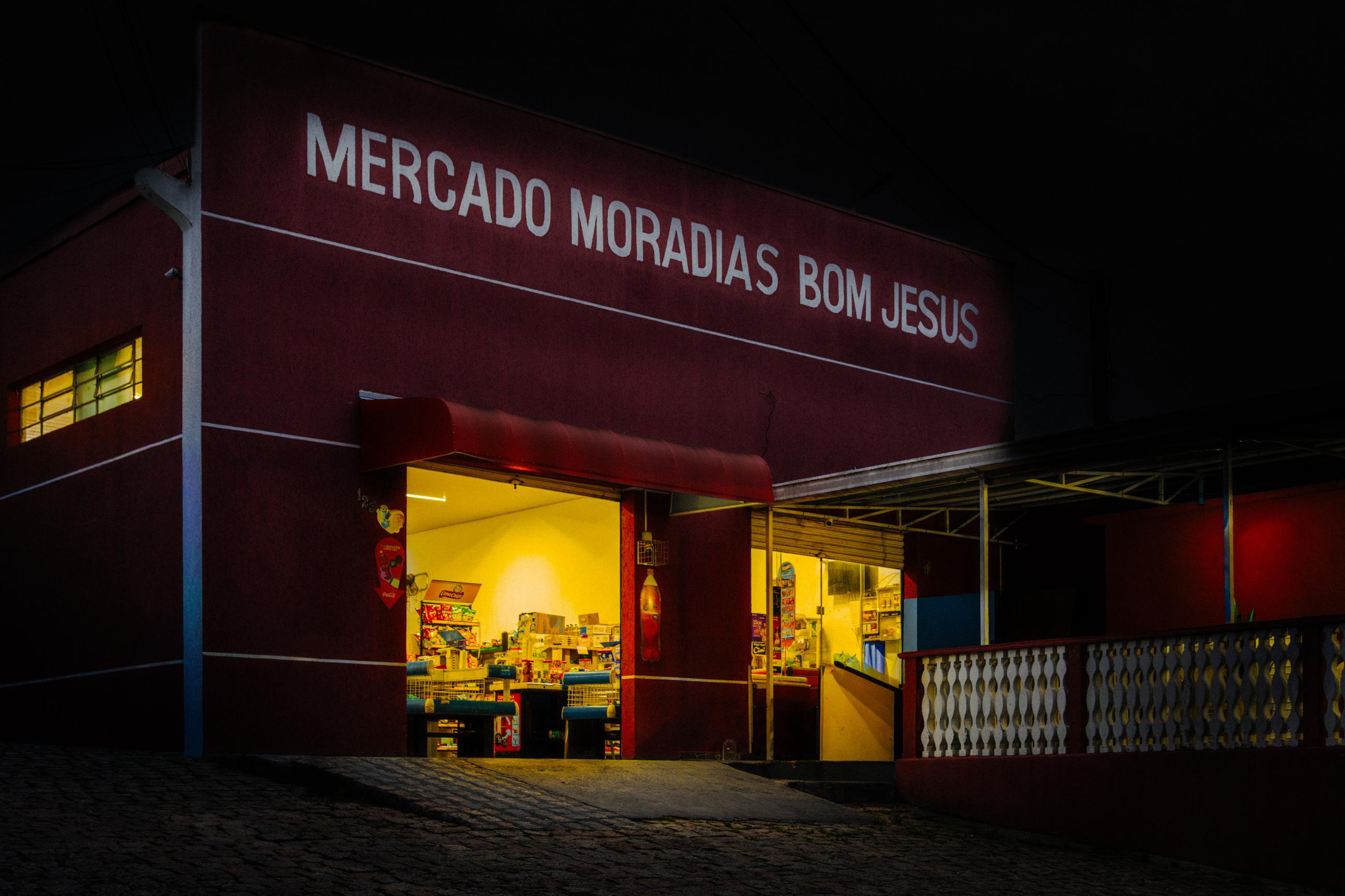
Mercado Moradias Bom Jesus
Religious names are common among small neighbourhood businesses. The family that owns this market in Campo Largo lives in an adjacent building, reinforcing the close relationship between commerce, faith and domestic space in the local architectural landscape.
© André Tezza, Brazil, 2nd Place, Professional Competition, Architecture & Design, 2026 Sony World Photography Awards
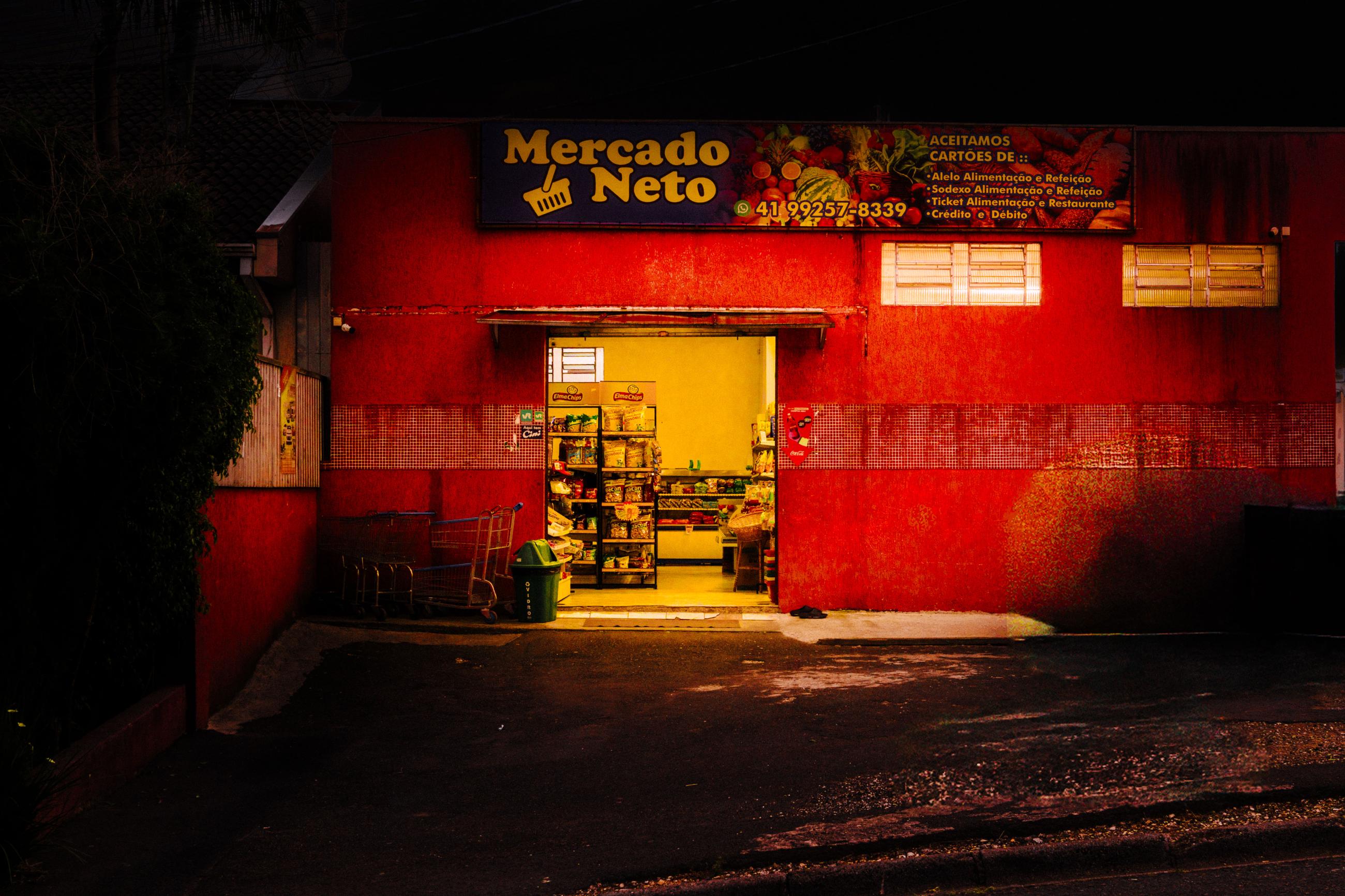
Mercado Neto
Colombo, in Greater Curitiba, has seen the arrival of many immigrants from Latin America, whose presence contributes to the cultural and social fabric.
© André Tezza, Brazil, 2nd Place, Professional Competition, Architecture & Design, 2026 Sony World Photography Awards
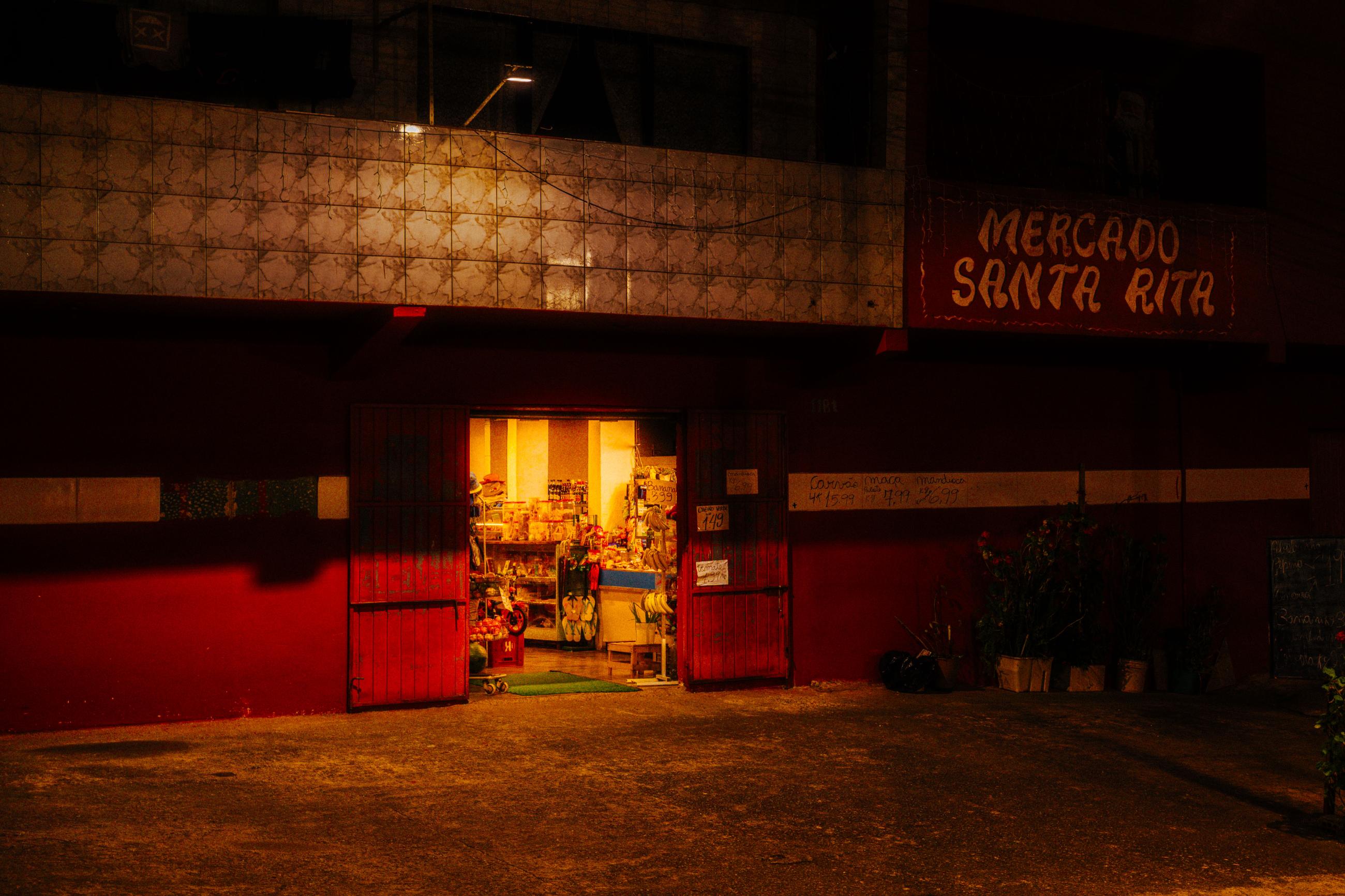
Mercado Santa Rita
The arrival of immigrants from Venezuela, Cuba and Peru shapes the Greater Curitiba area’s vernacular architecture, as demonstrated by this grocery store in Colombo.
© André Tezza, Brazil, 2nd Place, Professional Competition, Architecture & Design, 2026 Sony World Photography Awards