

Series description
Forests have long been narrated as spaces where only vegetation exists. Yet science and history reveal that they have always been cultural territories, inhabited and reshaped by multiple human and non-human groups over time. Notes on How to Build a Forest is a photographic project developed in Ecuador, in the territories of Mache Chindul and Yunguilla — landscapes marked by layered histories of settlement and relationships with the forest. Through documentary and experimental photography that includes infrared, thermal, and pinhole techniques, as well as community archives intervened with fungi, the photographer invites us ‘to imagine how other organisms perceive the forest, and how the forest, in turn, observes us’. In dialogue with scientific knowledge, the work constructs a polyphonic narrative that understands forests as plural, complex, and cultural spaces, expanding the ways in which conservation can be conceived.
Biography
Isadora Romero is an Ecuadorian photographer and visual artist. Her long-term projects focus on social and environmental justice in Latin America, using documentary and experimental photography to explore the relationship between territory, memory and ecology.
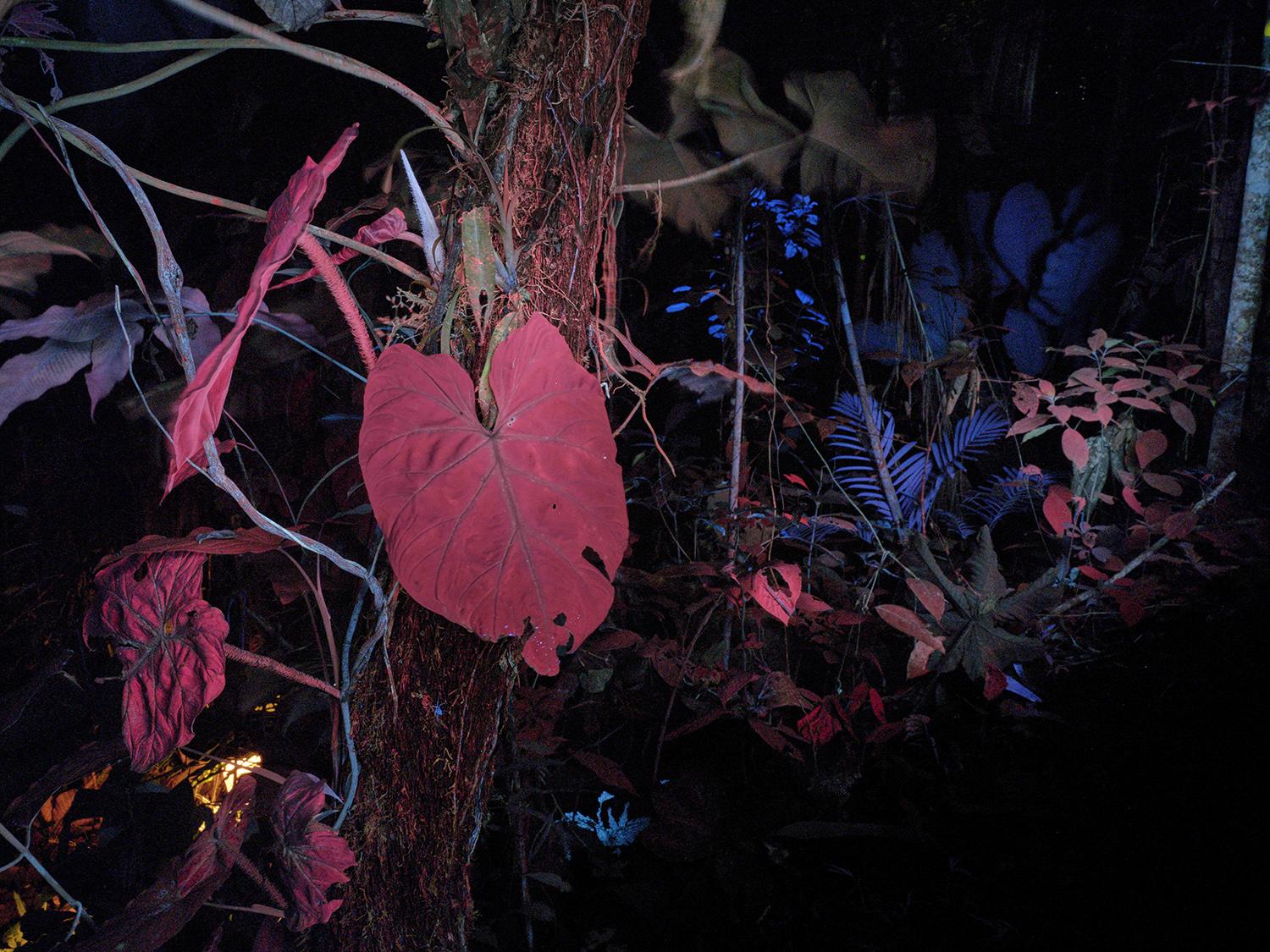
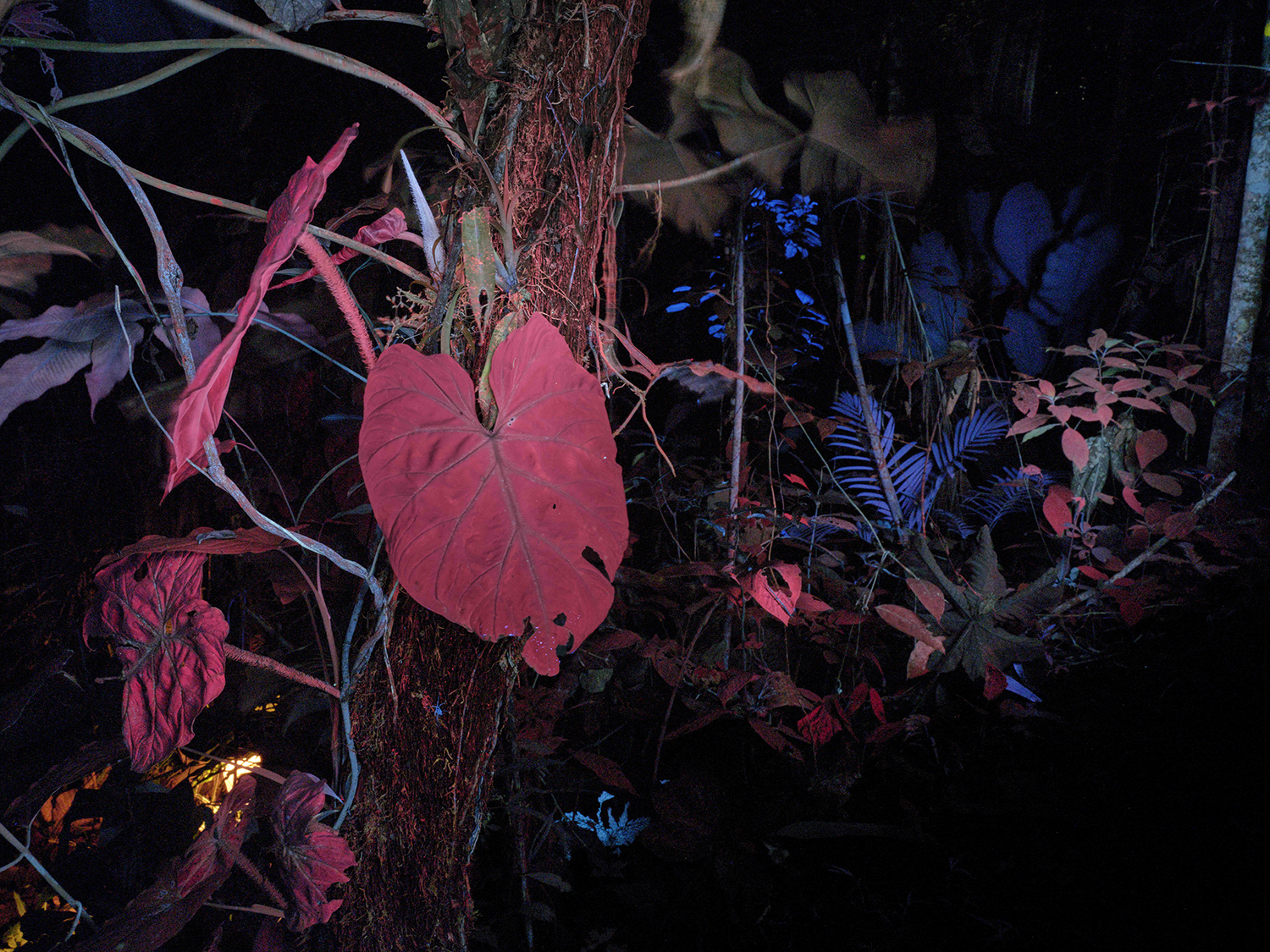
This 8-minute light-painting, made in collaboration with Ailin Blasco, was taken using ultraviolet light. It was inspired by conversations with scientists about speculative ways in which certain non-human species perceive their surroundings and human presence. In this humid tropical forest of Ecuador’s Chocó region, ultraviolet light reveals contrasts invisible to the human eye. Several species, including birds, are able to perceive this spectrum.
© Isadora Romero, Ecuador, 1st Place, Professional Competition, Environment, 2026 Sony World Photography Awards
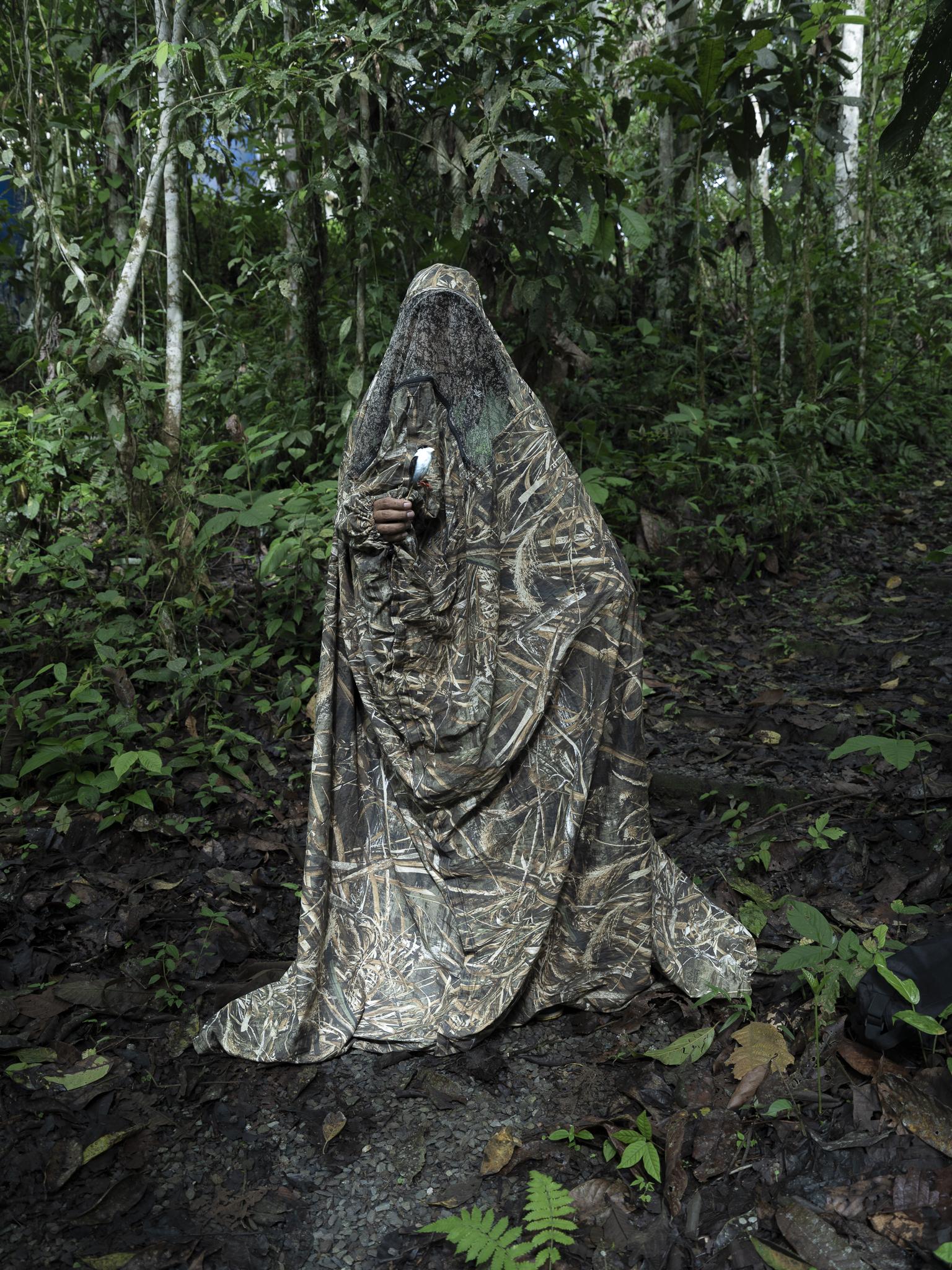
Jairo Cabo is a resident and worker at the Mache Chindul Ecological Reserve in Ecuador. He explains that he began working on conservation projects after feeling an overwhelming emotion when he helped release a bird from a trap. Since then, he has worked with scientists visiting the FCAT (Foundation for the Conservation of the Tropical Andes) research station, supporting studies on the manakin bird. In this image, he holds a taxidermy specimen of a male manakin used in research.
© Isadora Romero, Ecuador, 1st Place, Professional Competition, Environment, 2026 Sony World Photography Awards
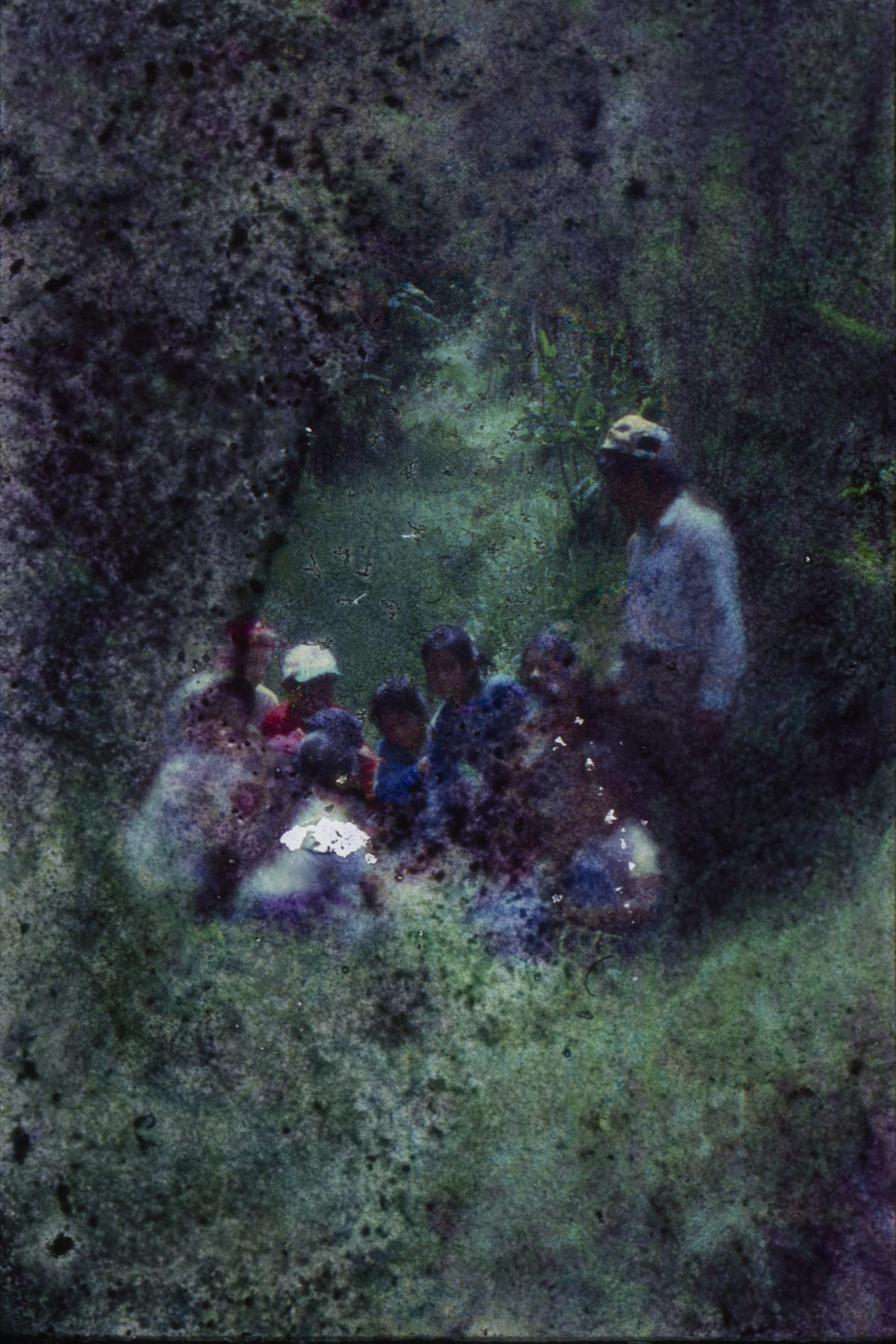
A photograph from the community archive of Yunguilla, documenting early ecological work to restore the forest after it had been cleared for charcoal production. Since the 1980s and 1990s, the community has regenerated the forest and developed sustainable ways of living in coexistence with it. This print was altered by fungi due to the forest’s humidity, turning the microorganisms into collaborators in the creation of this near-abstract image.
© Isadora Romero, Ecuador, 1st Place, Professional Competition, Environment, 2026 Sony World Photography Awards
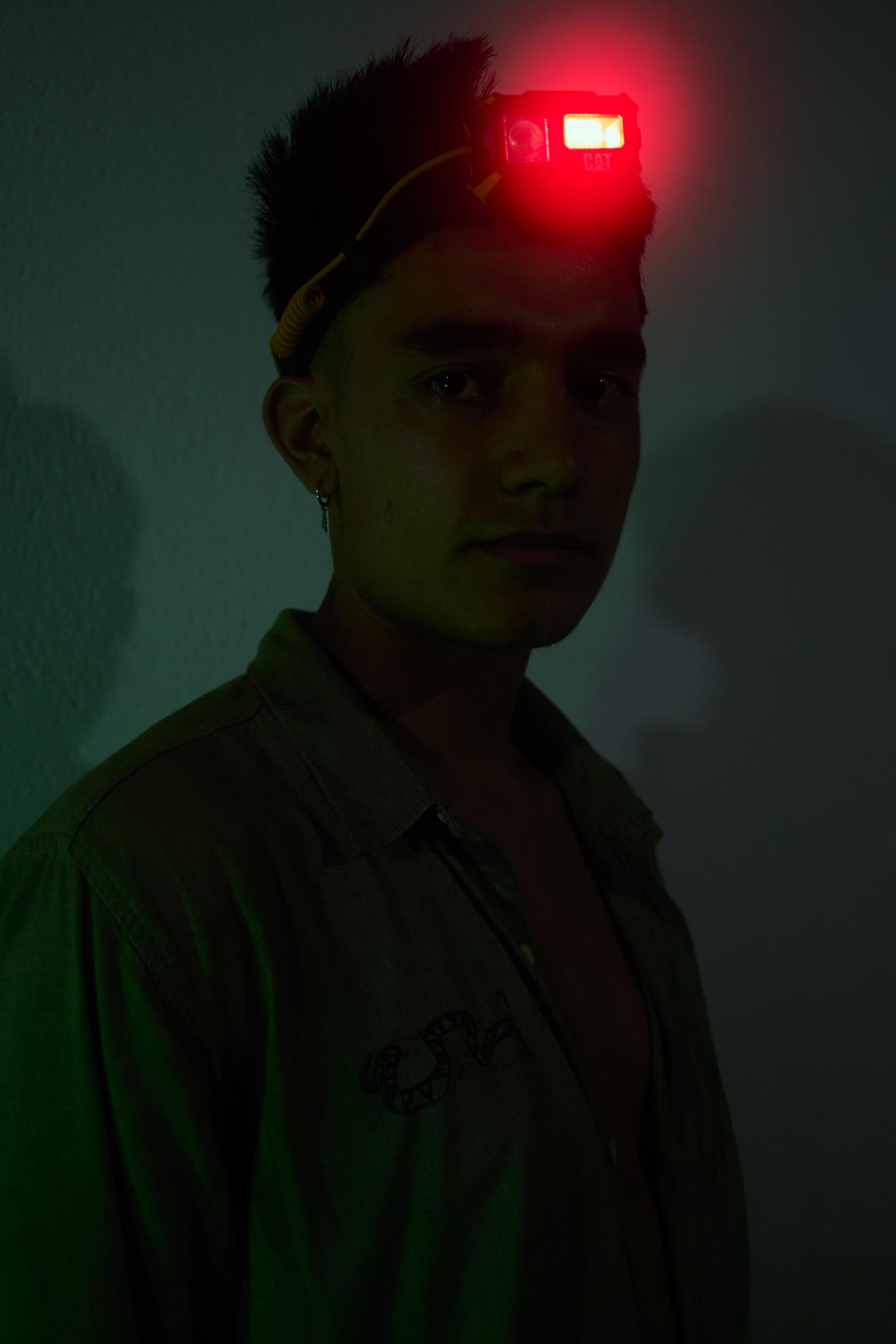
Juan Flores is a herpetologist who studies reptiles such as the Chocó bushmaster, a highly venomous snake that is native to the region.
© Isadora Romero, Ecuador, 1st Place, Professional Competition, Environment, 2026 Sony World Photography Awards
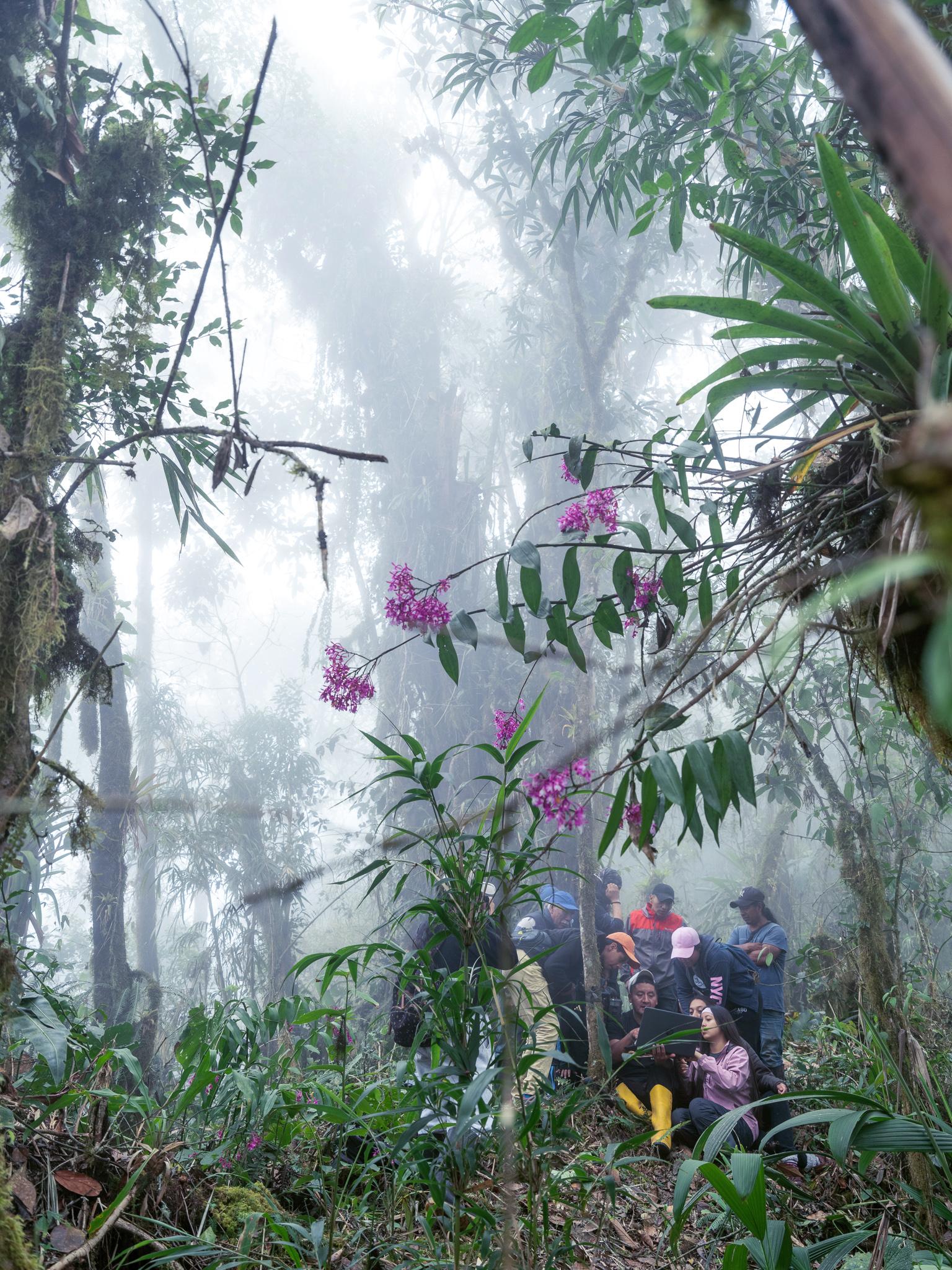
Two generations have passed since the first 18 community members organised to transform both the community and forest into what they are today. Between December 2024 and March 2025, a new generation was trained to become the next guides of the community-led tourism projects. In this image, they are checking camera traps installed in the forest to discover which animals have been moving through these paths.
© Isadora Romero, Ecuador, 1st Place, Professional Competition, Environment, 2026 Sony World Photography Awards
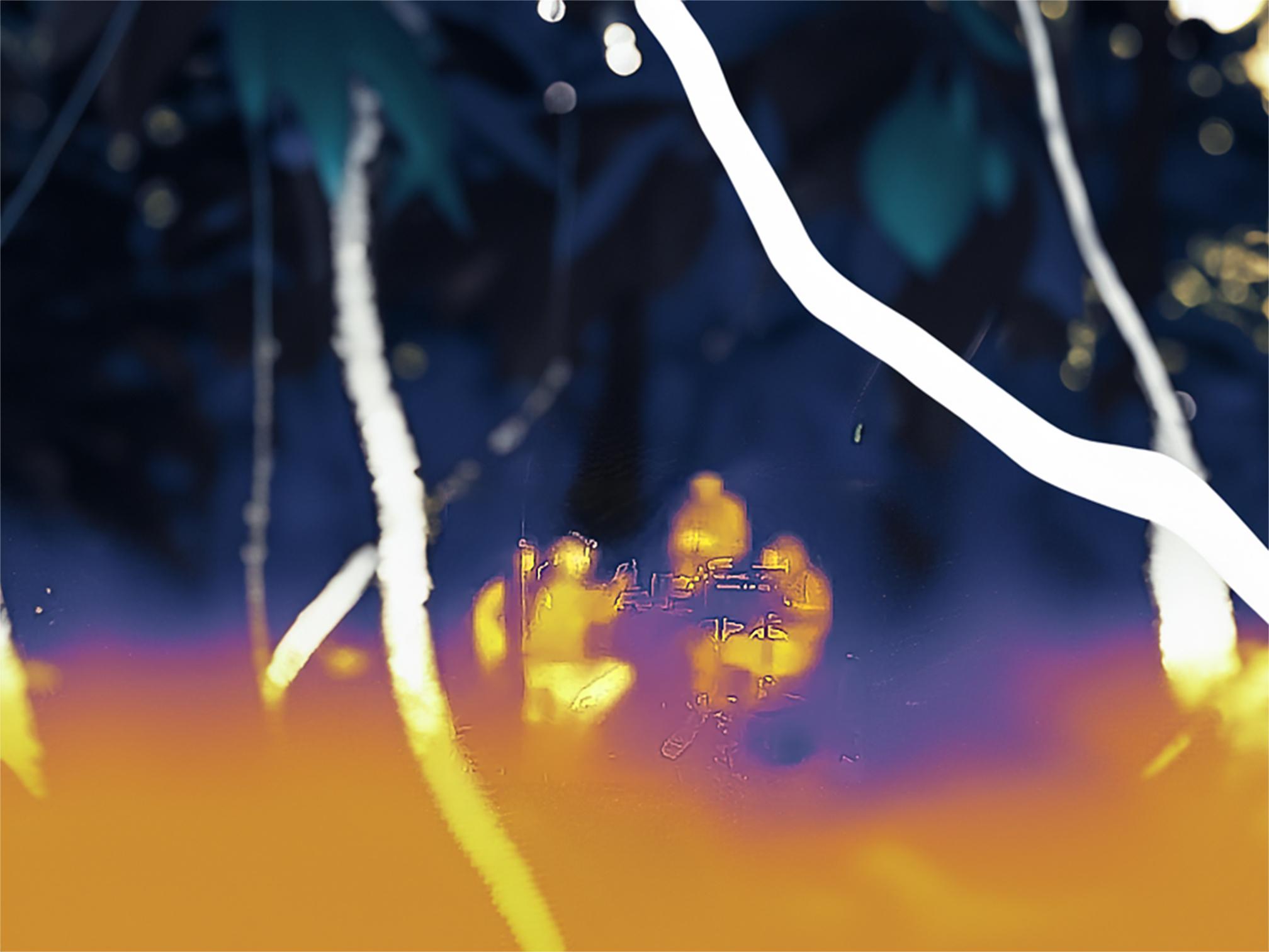
This thermal image was inspired by conversations with scientists about how certain non-human species might perceive their surroundings and human presence. Some forms of life, such as snakes and bats, experience the forest through heat — a perception attuned to living bodies and the nocturnal pulse of the environment.
© Isadora Romero, Ecuador, 1st Place, Professional Competition, Environment, 2026 Sony World Photography Awards
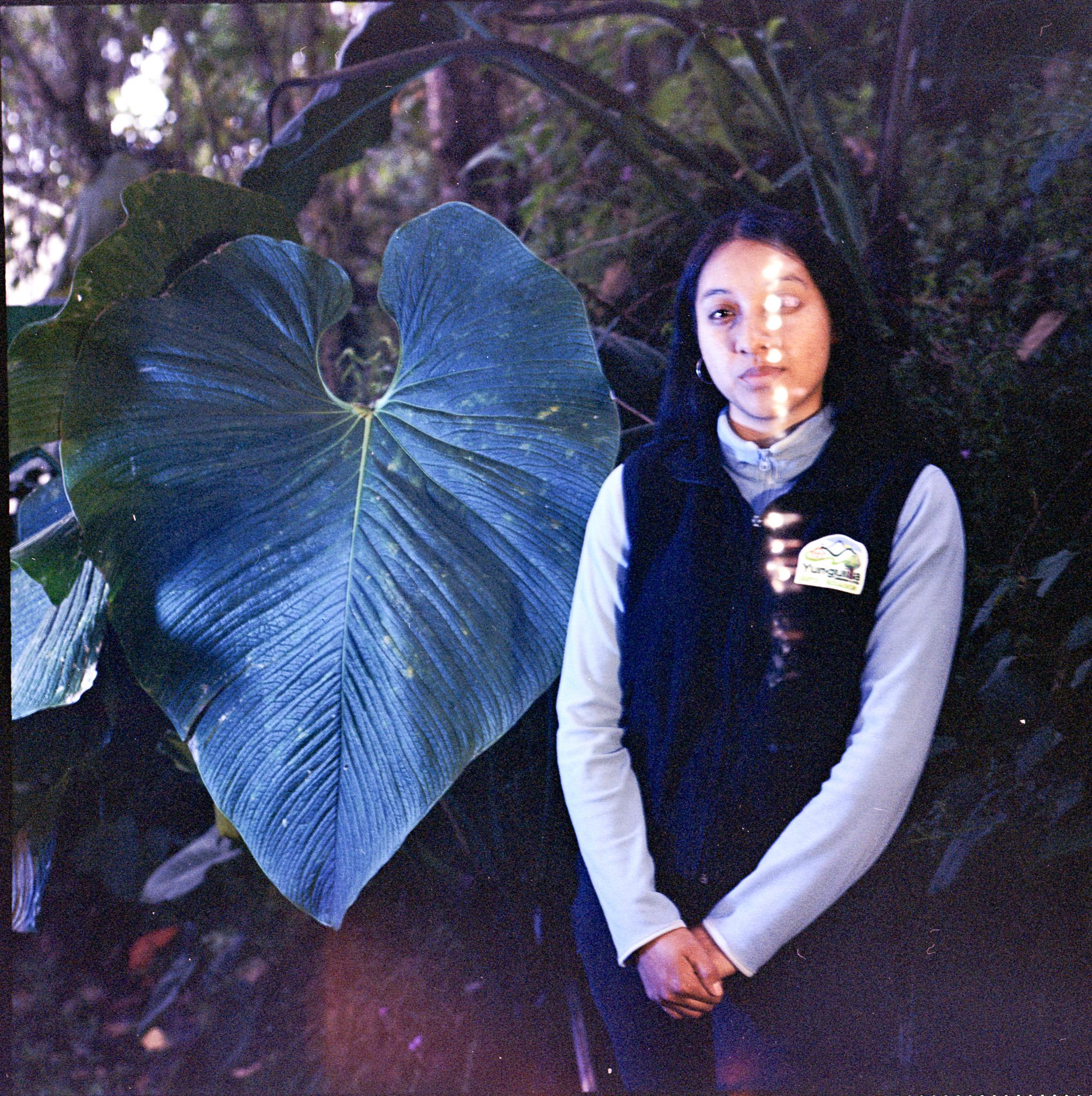
Yessenia Morales is one of the new community leaders of Yunguilla, in the Andean region of the Ecuadorian Chocó.
© Isadora Romero, Ecuador, 1st Place, Professional Competition, Environment, 2026 Sony World Photography Awards
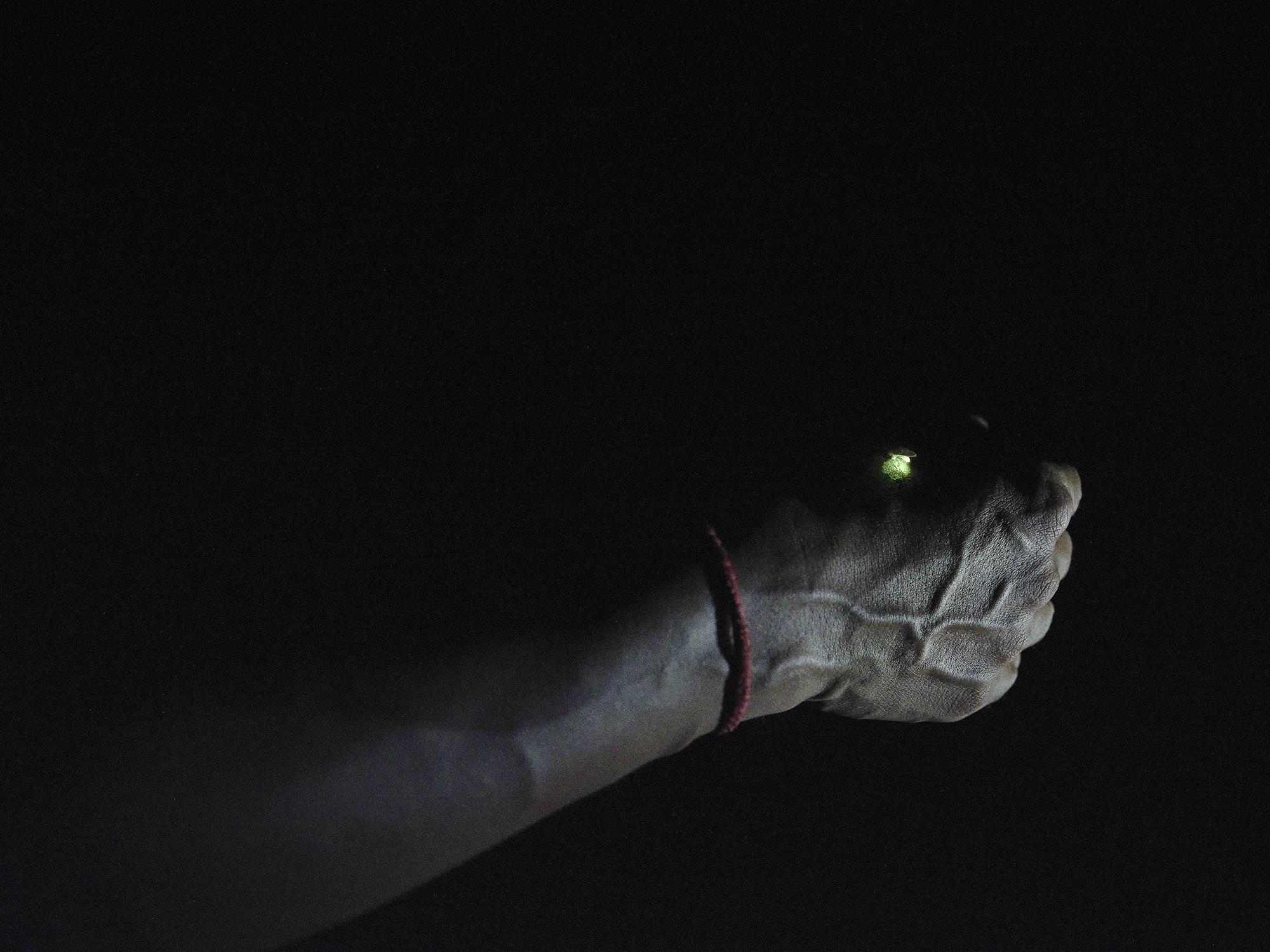
A firefly rests on the hand of Luis Carrasco at the FCAT research station in the Mache Chindul Ecological Reserve. This species is increasingly threatened by the expansion of urban areas.
© Isadora Romero, Ecuador, 1st Place, Professional Competition, Environment, 2026 Sony World Photography Awards
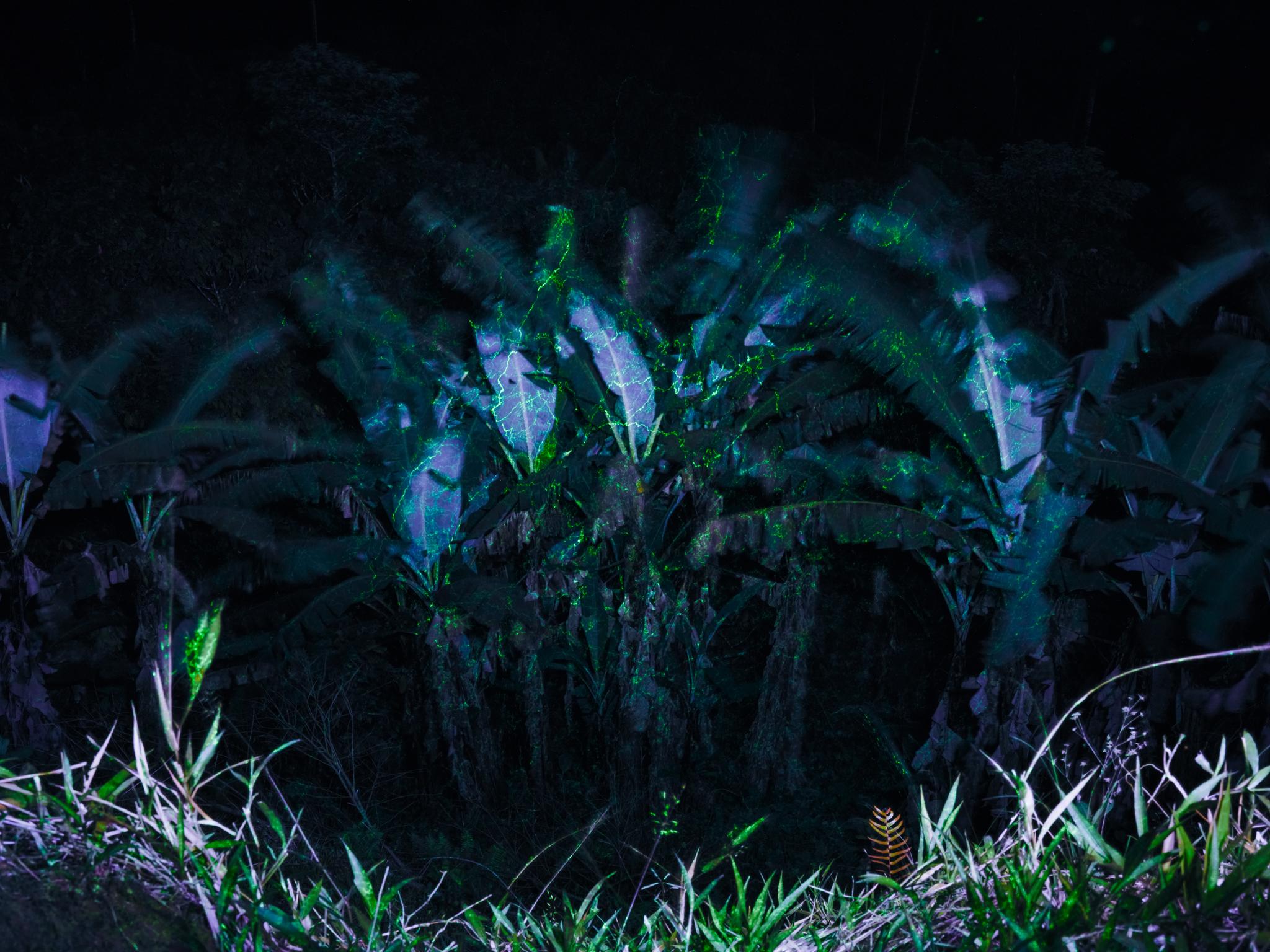
A plantain plantation illuminated with laser light. Within the Mache Chindul Ecological Reserve, agroforestry is being explored as a strategy to ensure social justice without harming the environment. Many of the initiatives developed by the communities who inhabit these forests are driven by the need to imagine and build more conscious and sustainable futures.
© Isadora Romero, Ecuador, 1st Place, Professional Competition, Environment, 2026 Sony World Photography Awards