

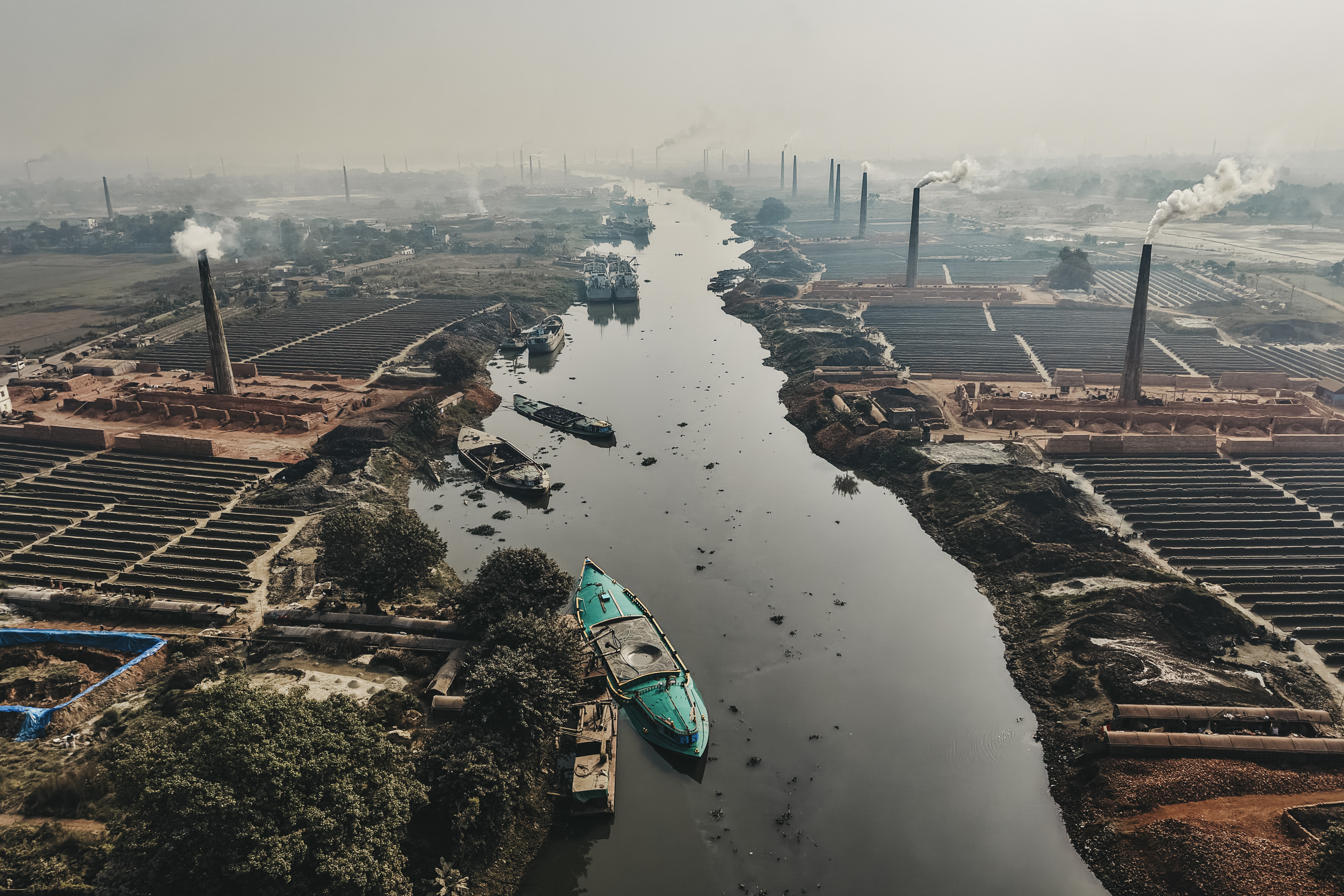
Series description
Once the lifeblood of Dhaka, the Buriganga River now flows as a toxic artery through the capital of Bangladesh. Thousands of factories dump untreated chemical waste into its waters, while residents use the river as an open landfill. Years of pollution have erased its flora and fauna, turning the river into a black, foul-smelling stream. The photographer poses the question: ‘Does Bangladesh have time to reverse this collapse?’
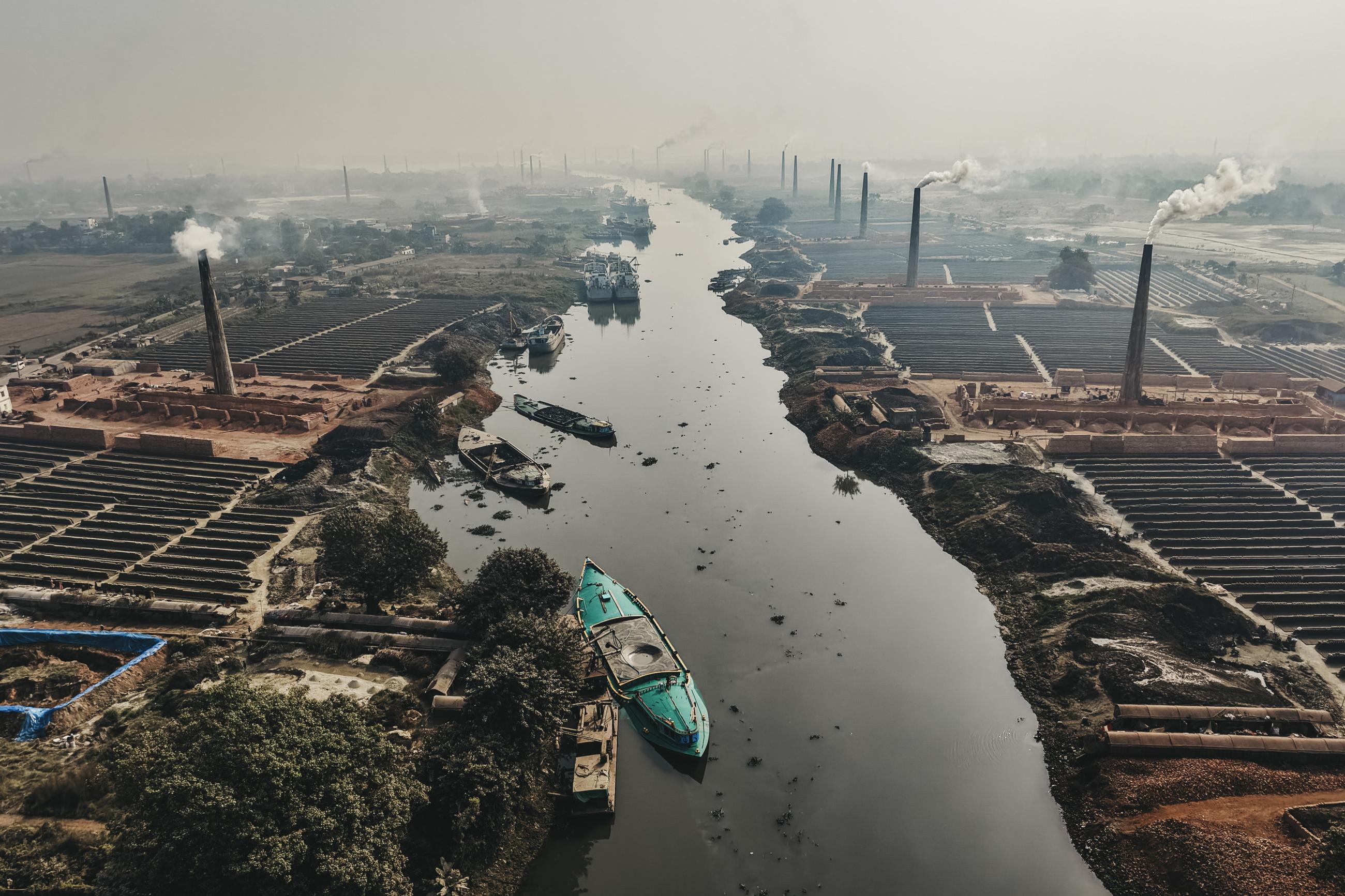
Outside Dhaka, numerous brick factories fill the Buriganga River with particles.
© Borja Abargues, Spain, Shortlist, Professional Competition, Environment, 2026 Sony World Photography Awards
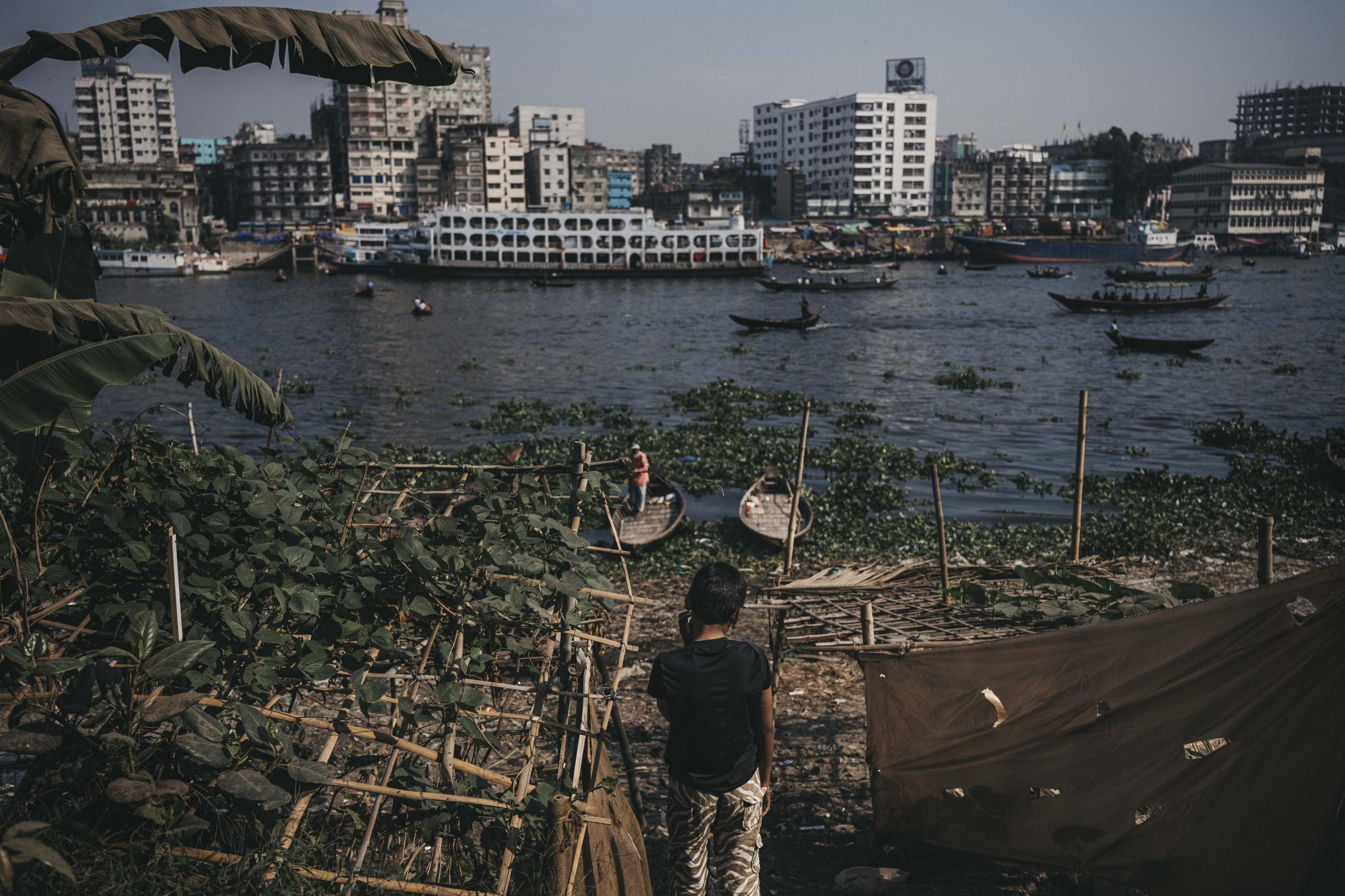
Beham watches the Buriganga River flow near Alam Market. He complains: ‘Before, the water was so clear we could see fish. But nowadays you can’t see anything because of the pollution. It’s black and smelly water.’
© Borja Abargues, Spain, Shortlist, Professional Competition, Environment, 2026 Sony World Photography Awards
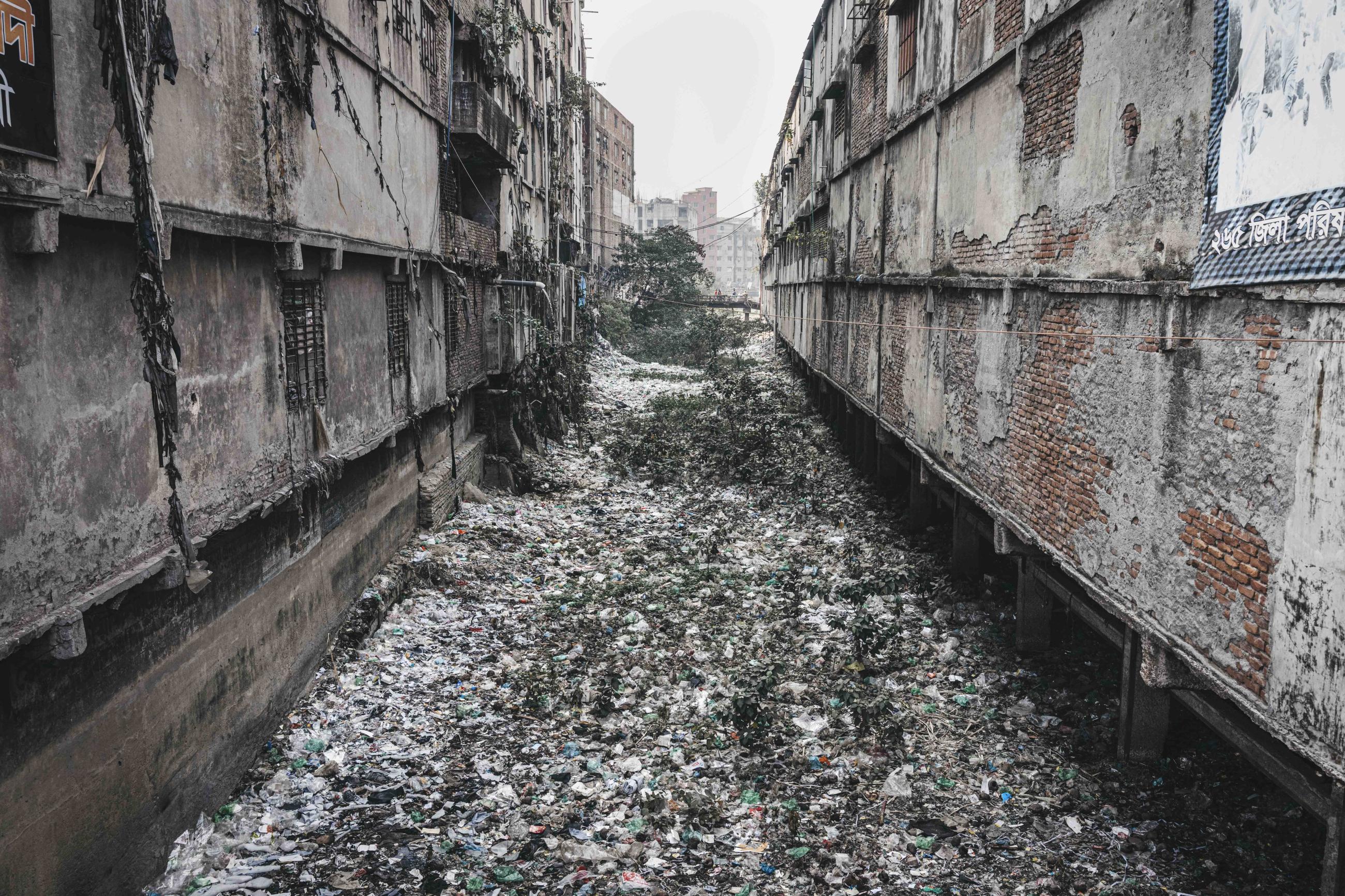
The arteries of the Buriganga River are completely filled with plastic.
© Borja Abargues, Spain, Shortlist, Professional Competition, Environment, 2026 Sony World Photography Awards
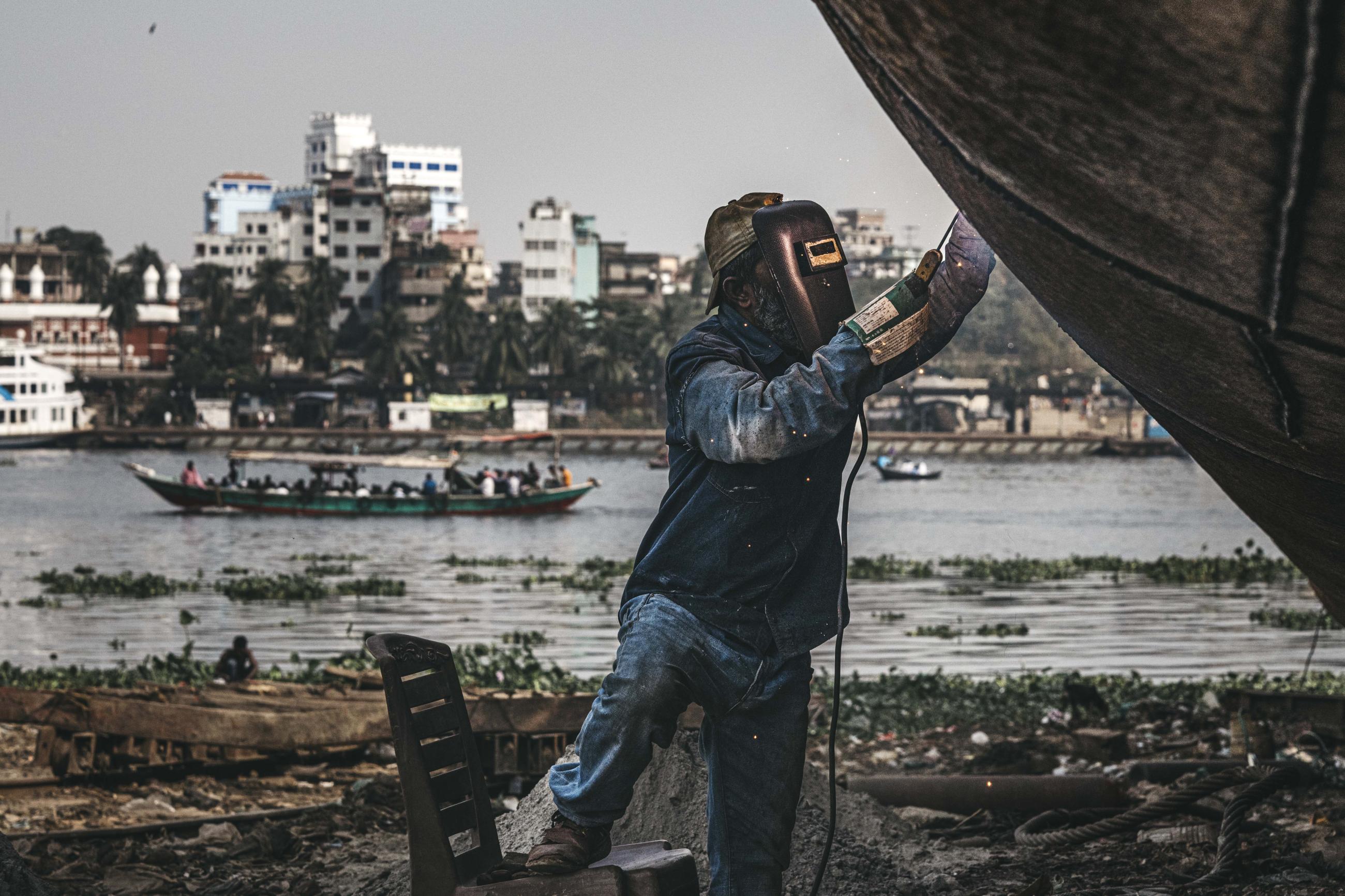
A worker dismantles a huge ship on the riverbank. Shipbreaking yards on the Buriganga River dismantle old vessels to recycle their materials, but face severe criticism from organisations such as Human Rights Watch for their dangerous working conditions and environmental pollution.
© Borja Abargues, Spain, Shortlist, Professional Competition, Environment, 2026 Sony World Photography Awards
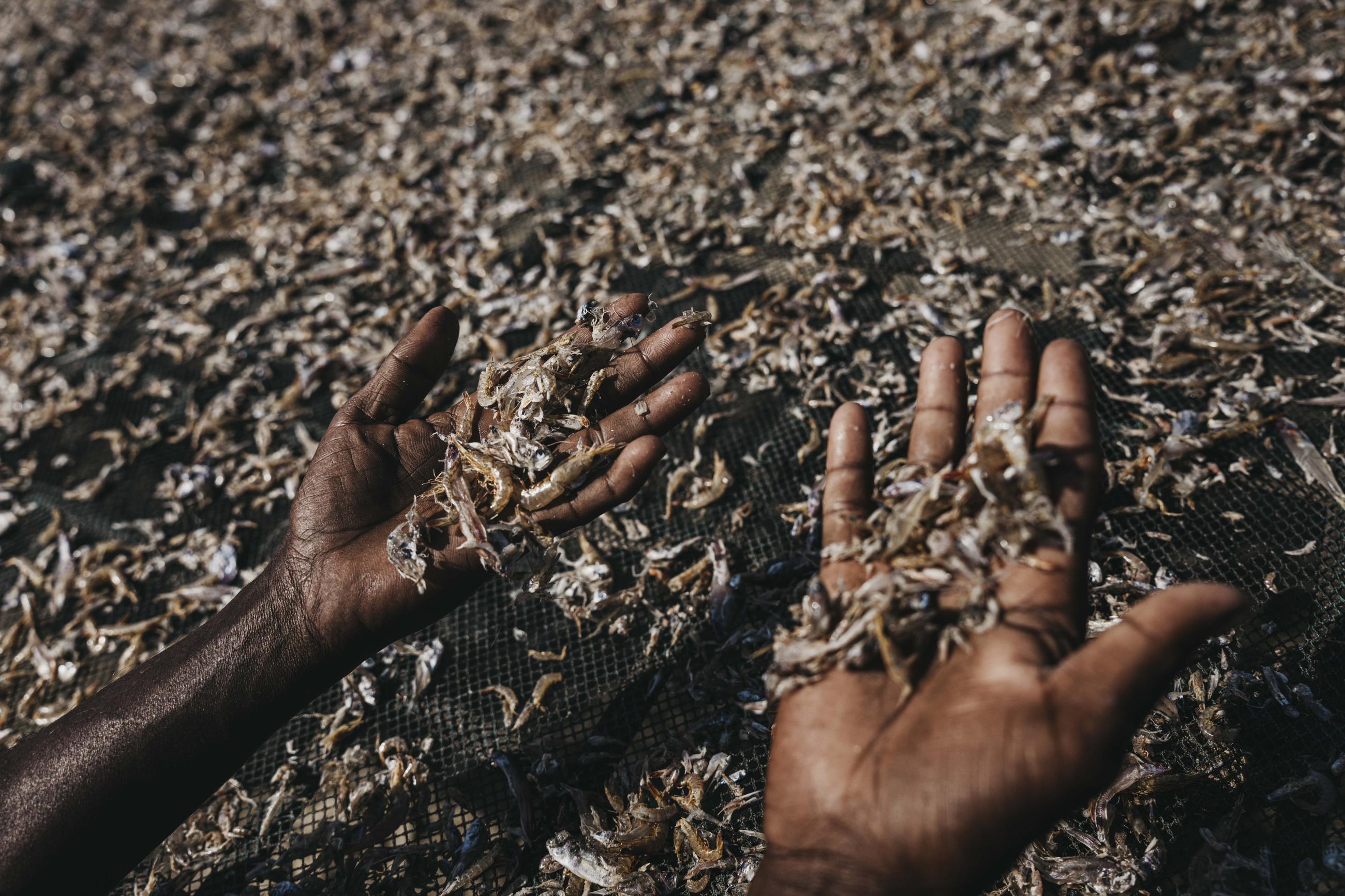
A fisherman displays his meagre catch, the result of seven hours fishing near the river's mouth. Toxic chemicals released from tanneries and textile mills, and untreated sewage create severe pollution in the Buriganga River.
© Borja Abargues, Spain, Shortlist, Professional Competition, Environment, 2026 Sony World Photography Awards
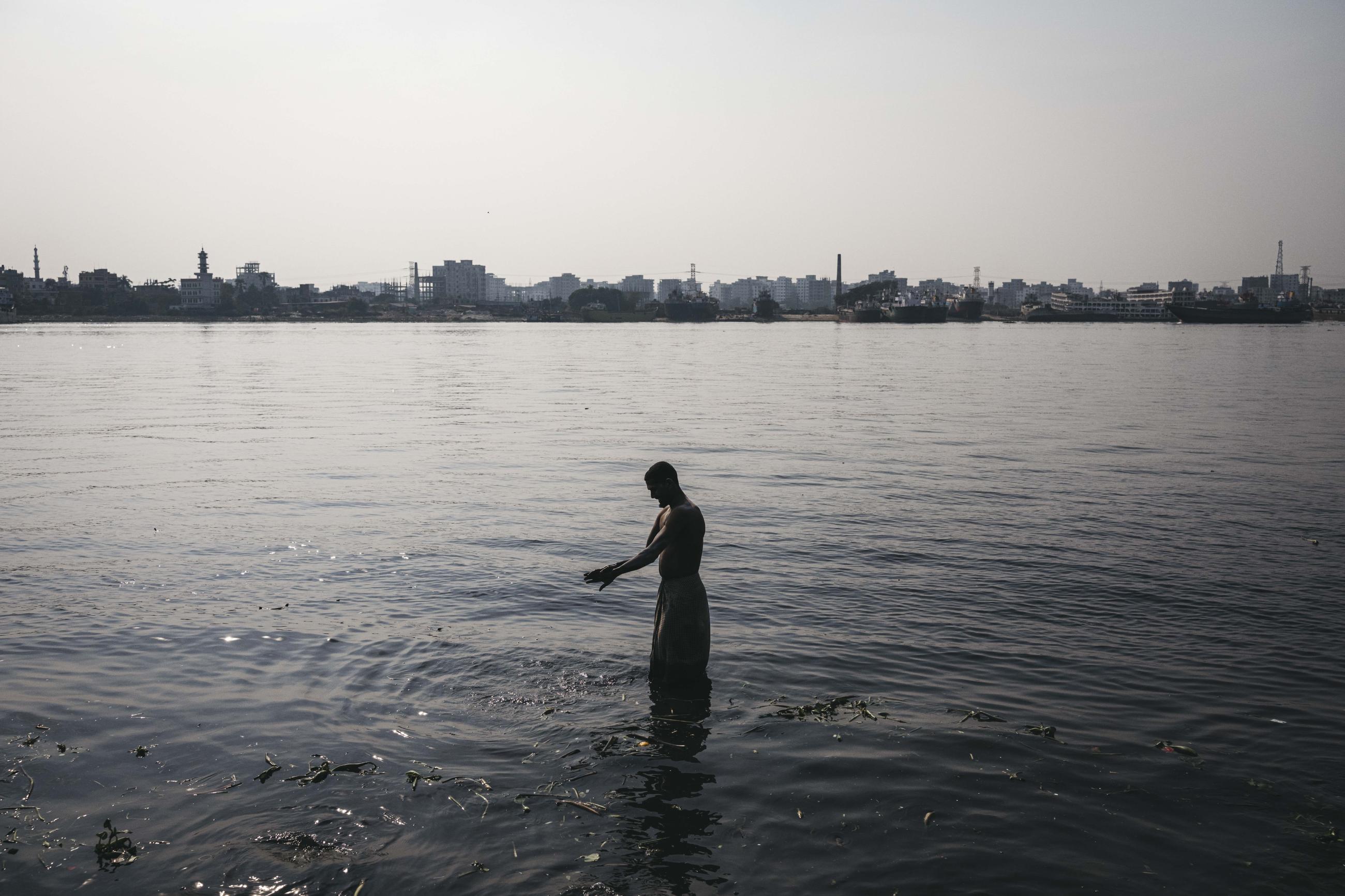
Anjali bathes in the Buriganga River near his home on the riverbank. According to him, the pollution began shortly after garment factories were established in the area. ‘We used to drink this water; we used to bathe here not too long ago. But now it stinks. We can’t use the water,’ he says.
© Borja Abargues, Spain, Shortlist, Professional Competition, Environment, 2026 Sony World Photography Awards