Redux Pictures x Sony World Photography Awards: Tommaso Ausili and Jen Osborne

This interview was written in partnership with Redux Pictures
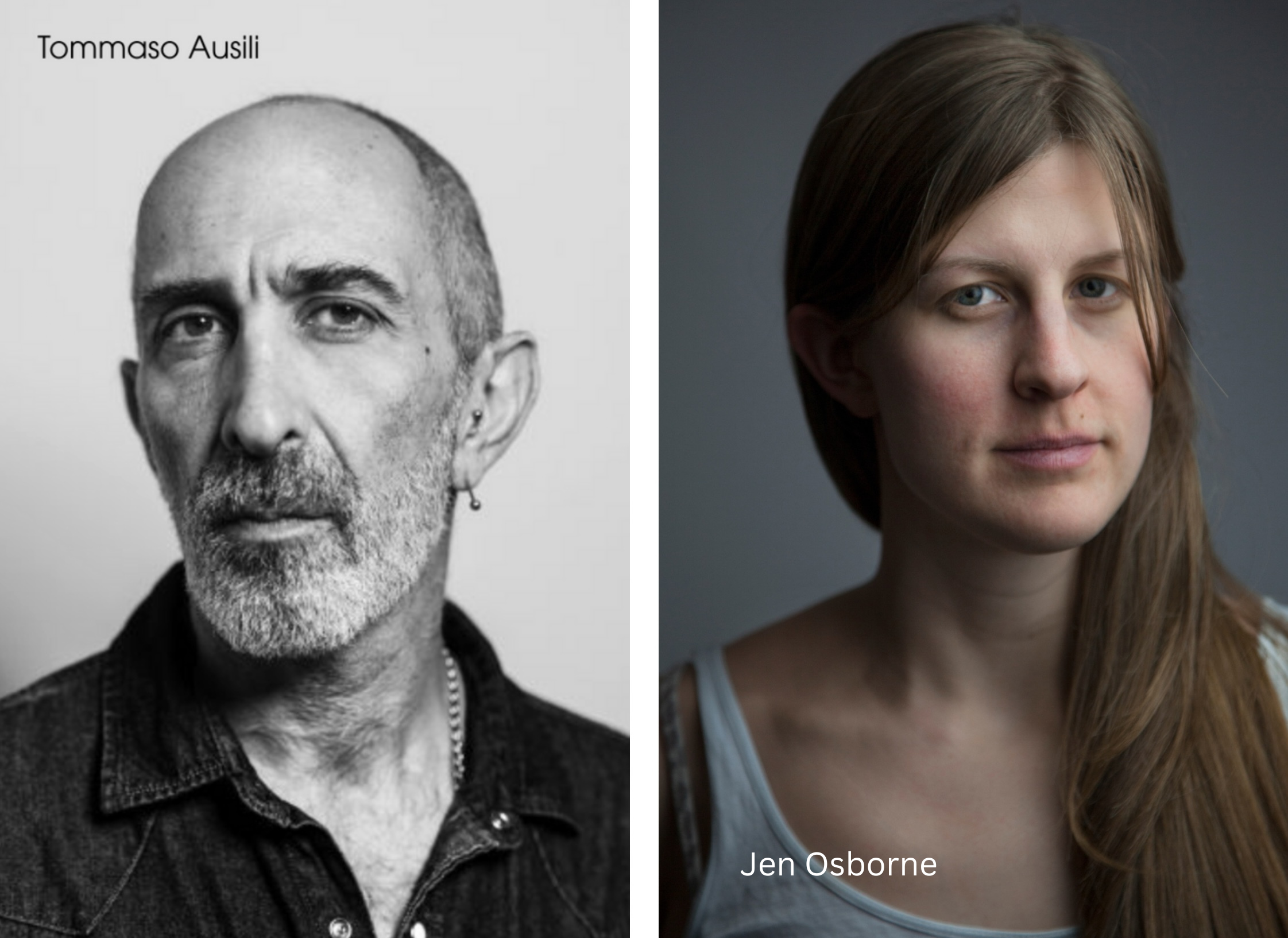
In 2010, Tommaso Ausili won Photographer of the Year in the Sony World Photography Awards for The Hidden Death, a series documenting the final moments of animals in slaughterhouses. Fourteen years later, fellow Redux Pictures photographer Jen Osborne was shortlisted in the Wildlife & Nature category for her wildfire coverage in Alberta.
Redux Pictures is an independent commercial, editorial, and syndication photo agency based in New York. With a diverse and talented international roster of photographers, Redux takes pride in championing the transformative power of modern photography and video, empowering creative individuals to bring about meaningful change. Ausili and Osborne's work both reflect this approach.
We caught up with Tommaso and Jen to see what the've been up to and to see how they reflect on their success in the Sony World Photography Awards.
Tommaso Ausili
It’s a curious coincidence that I find myself sharing my unforgettable experience at the Sony World Photography Awards at the very moment when, after fifteen years since receiving the prize and beginning the project The Hidden Death, I have decided to take it up again and continue its journey. Winning the Iris d’Or and the first prize in the Contemporary Issues category was for me an honor as immense as it was unforeseen.
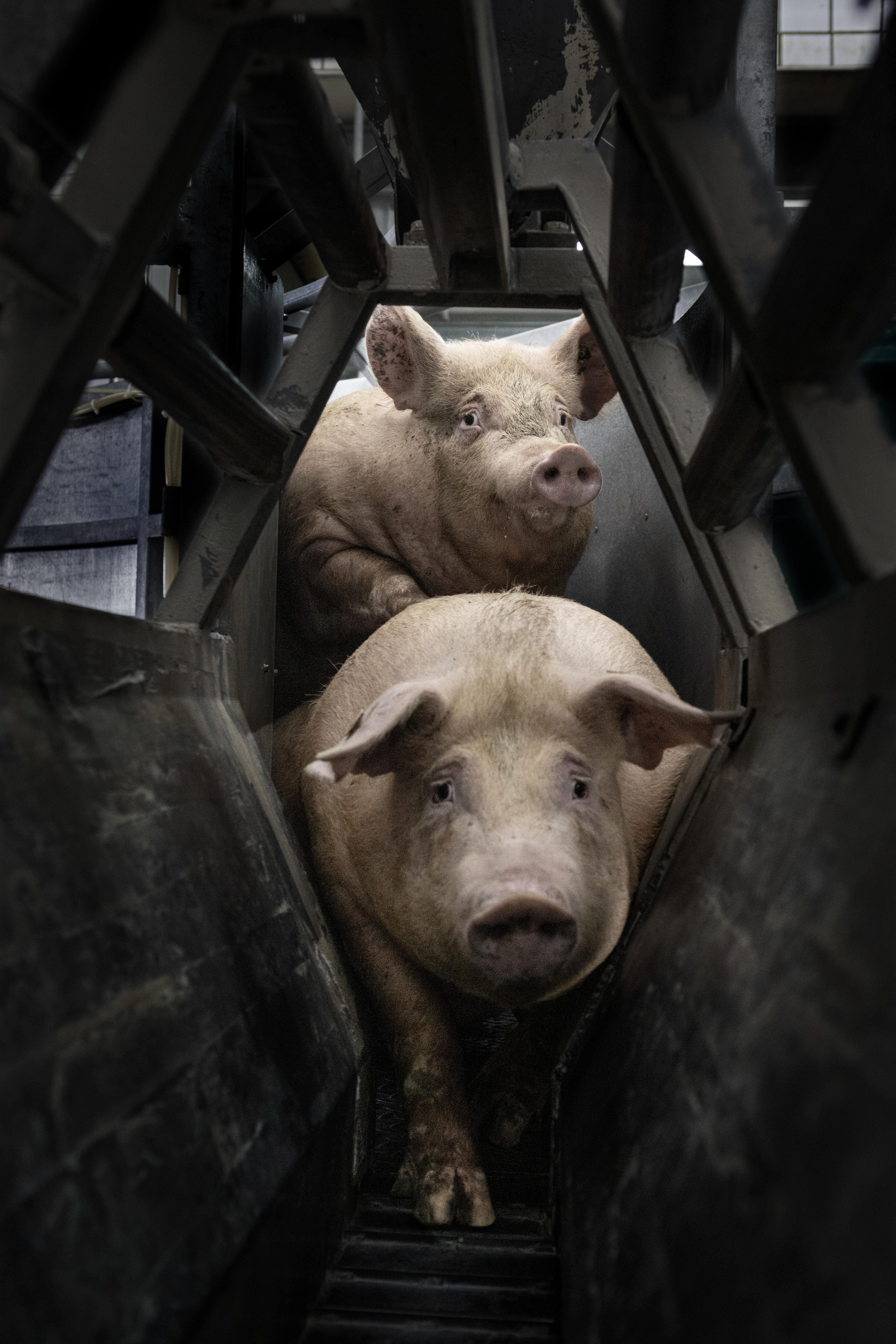
When I presented the project at the 2010 edition of the Sony World Photography Awards, it was still unpublished. Although I was deeply satisfied with the work, I had no idea how it would be received by the public. Would I succeed in conveying the essence of my message? Or would those scenes prove too explicit, crossing the line from truth to repulsion? You can imagine, then, the profound joy and relief I felt in realizing that the outcome had far exceeded my expectations.
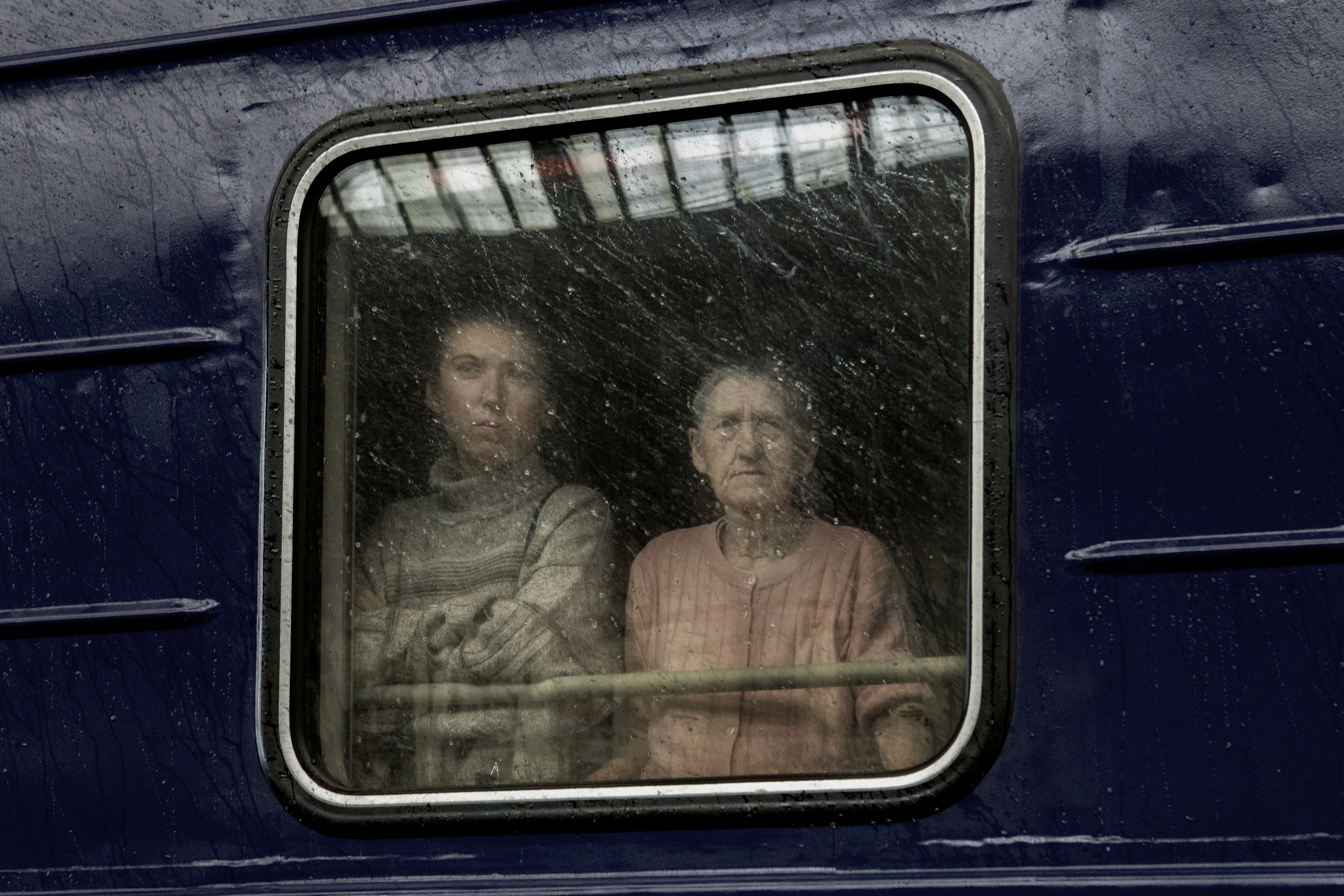
Perhaps this remains my greatest sense of gratitude toward the Sony World Photography Awards: they recognised and legitimised the value of my project — and, more importantly, carried it to a wide and diverse audience who might never otherwise have encountered it.
As so often happens, however, with every great honor comes an equally great responsibility. The unexpected success of a work that was still far from complete instilled in me a kind of reverential fear, one that for years held me back from touching it again. I wondered whether I still had something meaningful to say, or whether any new images would fail to add depth — or worse, diminish the resonance of what had already been achieved.
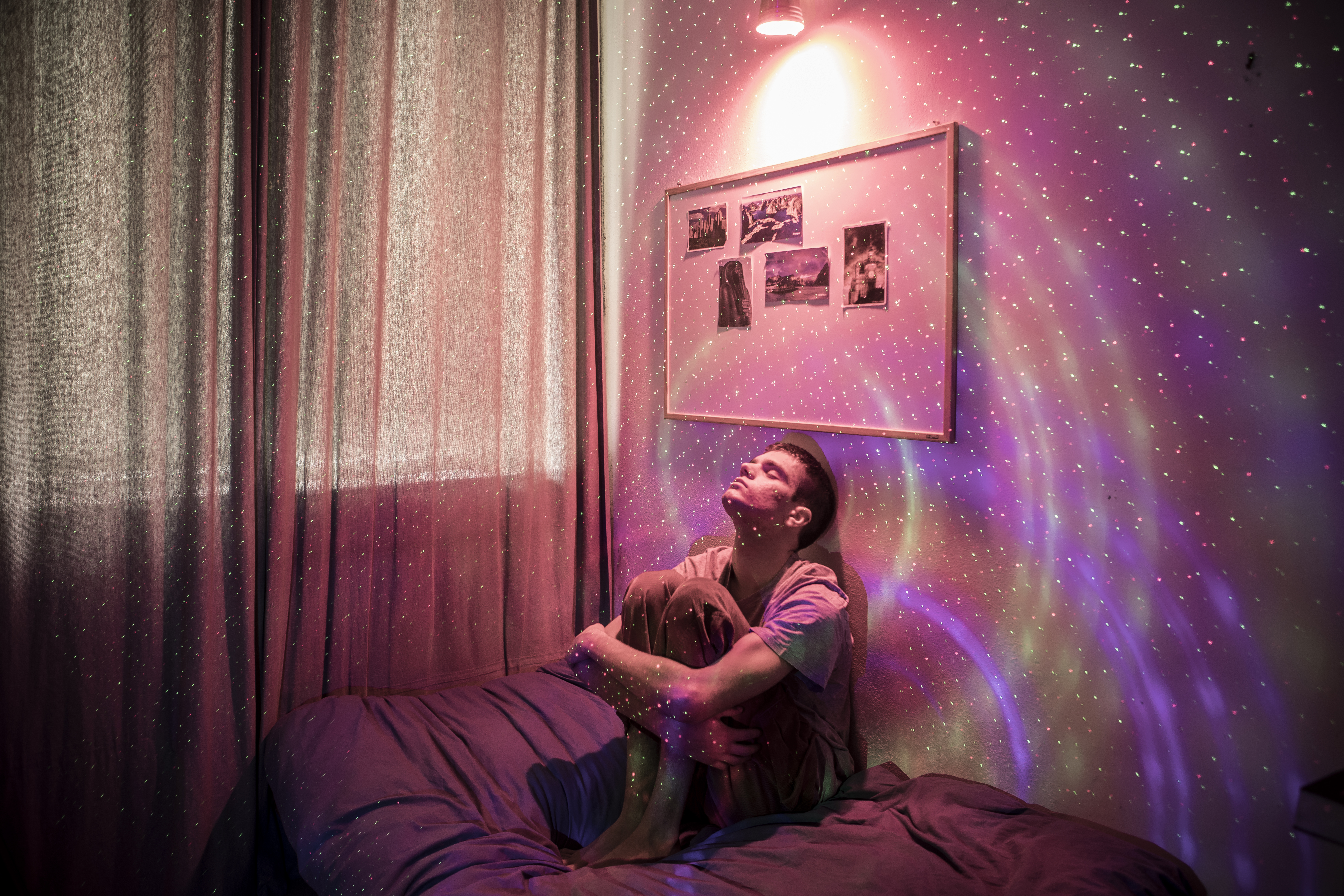
After fifteen years and with the wisdom that time and experience bring, I understood that the moment had finally come: I could reclaim that expressive freedom I once feared had been irretrievably lost. To my delight, I found myself once more immersed in the same thoughts I had back then, observing with the same wonder and the same sense of profound connection. I have since created new images — equally powerful, equally significant — of which I am deeply proud.
At the same time, I am pursuing a long-term research project that has engaged me since the Covid years, focusing on the relationship between younger generations and the spaces they inhabit — the places they live in, traverse, and often resist. My work explores how these environments, both physical and emotional, shape their sense of identity and belonging, while at times amplifying feelings of dislocation, estrangement, or being misplaced and displaced. Through this investigation, I aim to reveal the subtle tensions between individuals and their surroundings, and to understand how the geography of contemporary life — its shifting borders, transient architectures, and unstable meanings — mirrors the restless search for self that defines an entire generation.
Jen Osborne
Fire photography became my journey in December 2019. I previously photographed the Ukraine conflict. Then Australian fires hit Canadian news. Images of fires burning Australian wildlife drove me to visit New South Wales. I caught the remainder of that season. When those fires calmed, I turned my lens towards animal rescues. I’ve since photographed wildfire in Chile, Canada and America.
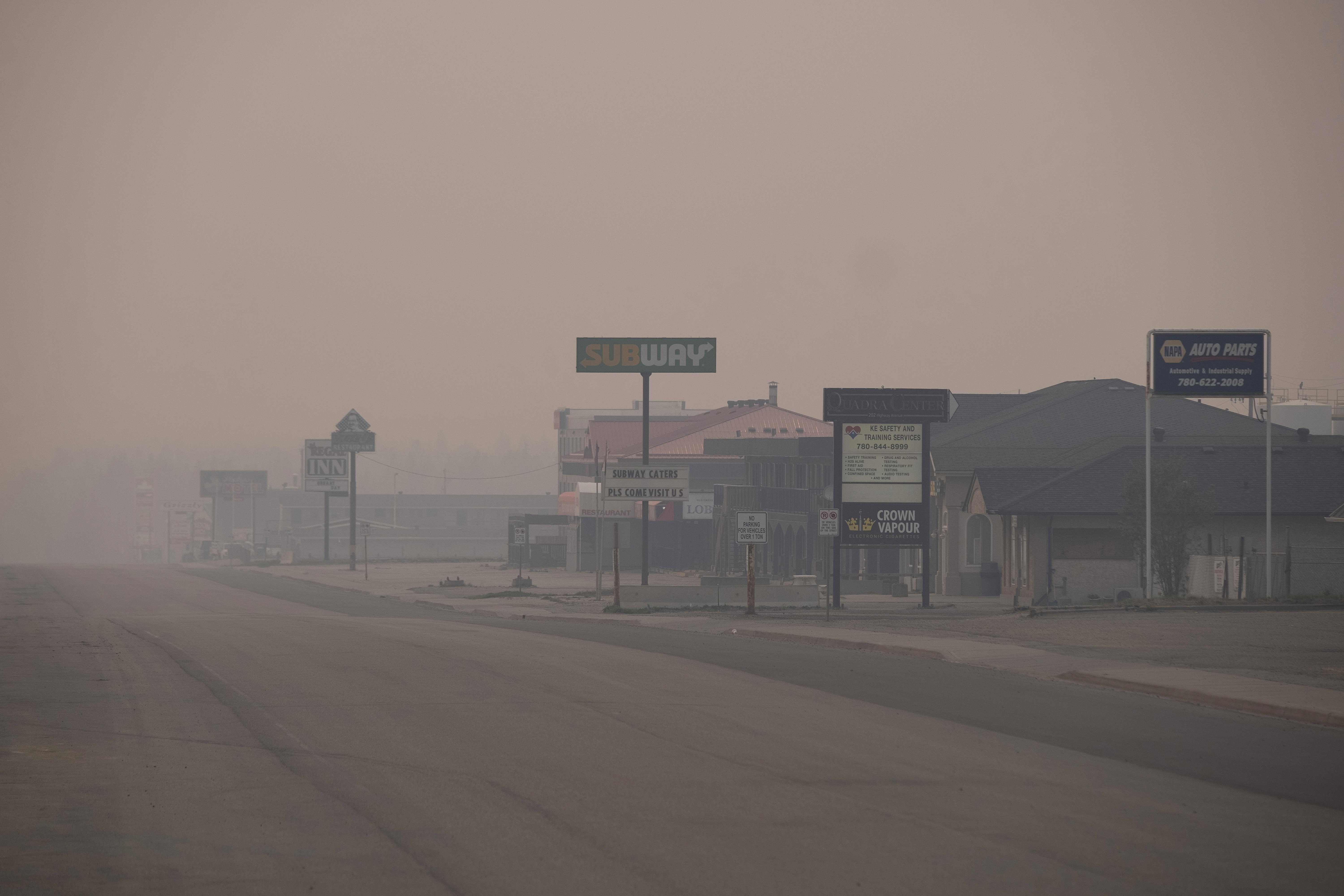
Wildfires aren’t pleasant to photograph. A fire zone feels like being in hell, alive. And it’s certainly abnormal to run towards wildfires. Fire photography is taxing. One must keep a safe distance, while staying close enough to take meaningful pictures. Fire often requires long, gruelling drives. Burned trees may fall and block my escape route. Traffic jams trap panicked people, causing them to escape fire on foot. At night, I sleep in my car because evacuees fill hotels. But sometimes power outages close everything.
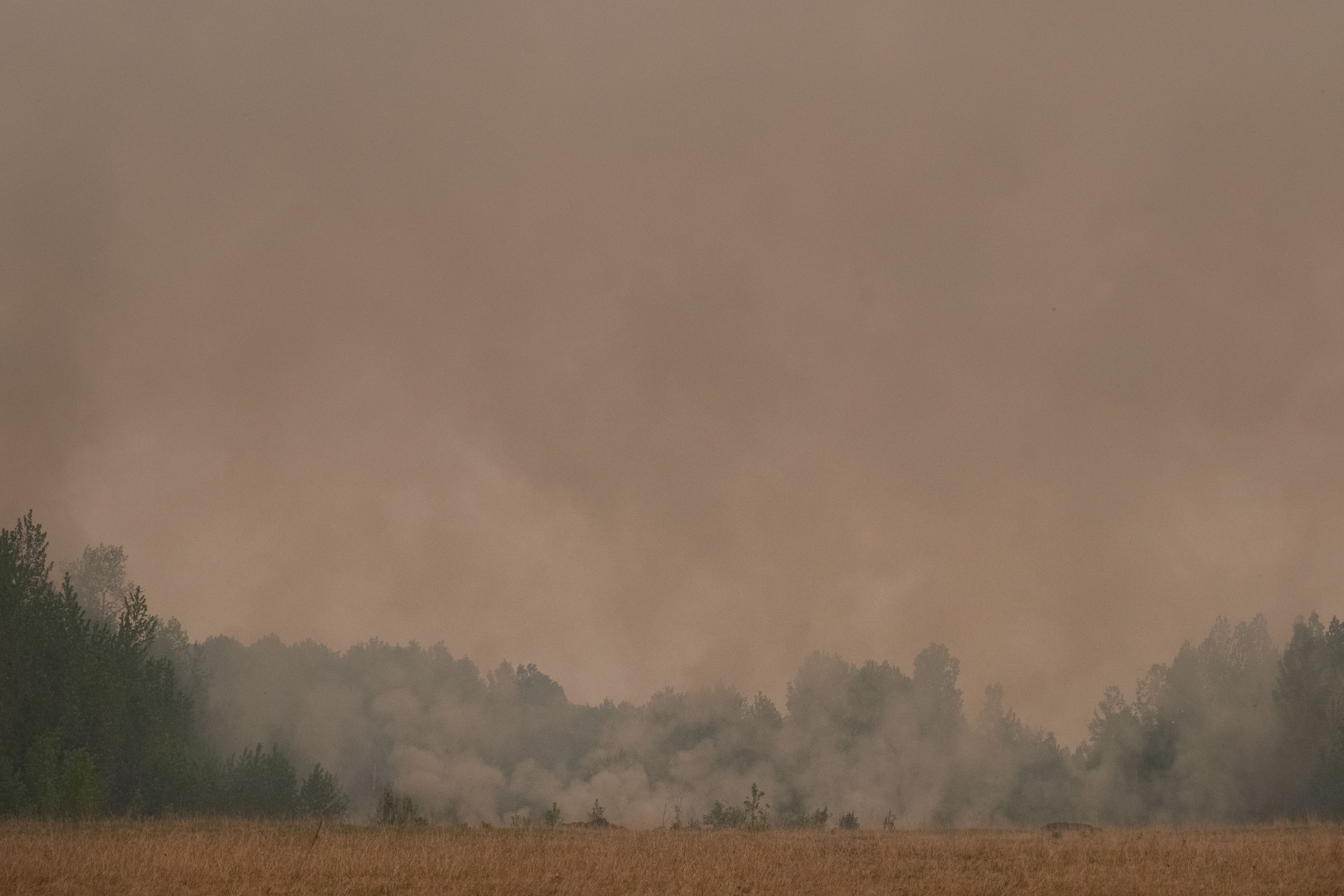
Personal protective equipment is heavy and hot. Fire-retardant clothing, fire boots, leather gloves, goggles, a helmet and a mask – I wear it all. Not only flames, but radiant heat can kill. During the Mosquito Fire in 2022, I had my metal water bottle strapped to my belt. I removed my gloves to drink from it. The bottle burned my bare hand. Toxic smoke exposure is dangerous, too. I give my presence to the victims - whether they be flora or fauna. I take their photos and communicate their courage and struggles to the world.
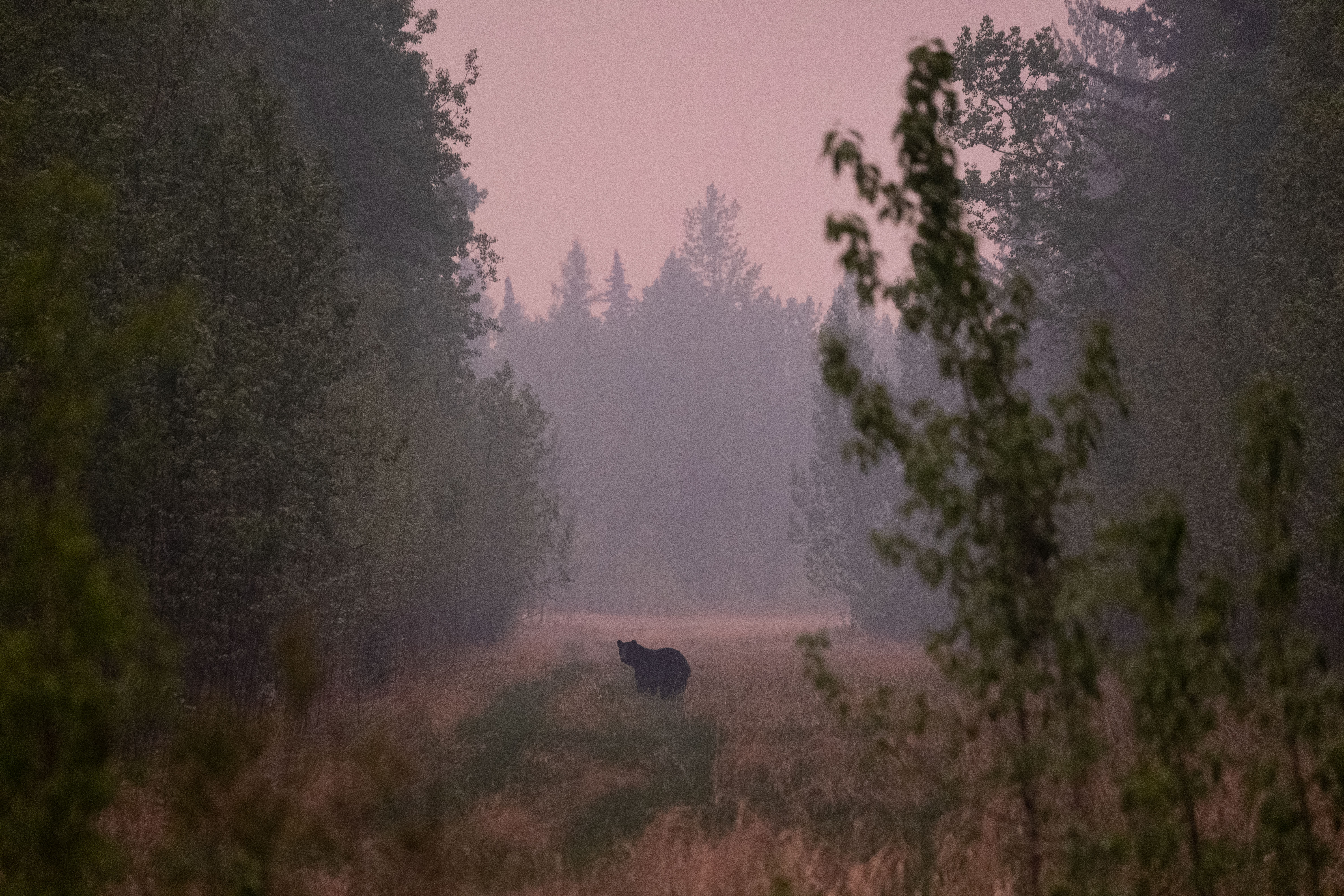
I am thankful to the Sony World Photography Awards for highlighting my work from Alberta’s fire zones of 2023. Access to fire-stricken areas is particularly difficult in Canada due to the immense repression of press around climate disasters. I appreciate my work being shown to the world via Sony because it’s otherwise difficult to get eyes on catastrophic fire zones in my home country.
Visit Jen Osborne's website.