

Series description
At the start of winter I set out on a journey in search of harmony. Driven by instinct, I ventured further and further until I passed the boundaries of rationality. Whether it was fog or snow, frost or thaw, I took to the sky to see if it was possible to fly. When I could, I flew over frozen bodies of water, fascinated by their icy forms. Between January and March I made 76 solo flights in a gyrocopter or a motorised paraglider, covering around 10,000 kilometres (6,200 miles) and spending 200 hours in the air. My photographs were taken from a height of approximately 50-150 metres (165-495 feet) above bodies of water near Tricity in northern Poland.
Biography
Kacper Kowalski (b. 1977, Poland) has been observing and photographing landscapes from aerial perspective for over 27 years. After becoming an architect and having worked in the profession for 4 years, he eventually decided to commit to flying and photography. Kacper would fly into the air with paraglider, and engine strapped to his back to discover the world of forms, shapes, and patterns during lonely flights. He is represented by the Bildhalle Gallery, Atlas Gallery, Panos Pictures agency and Rezo.
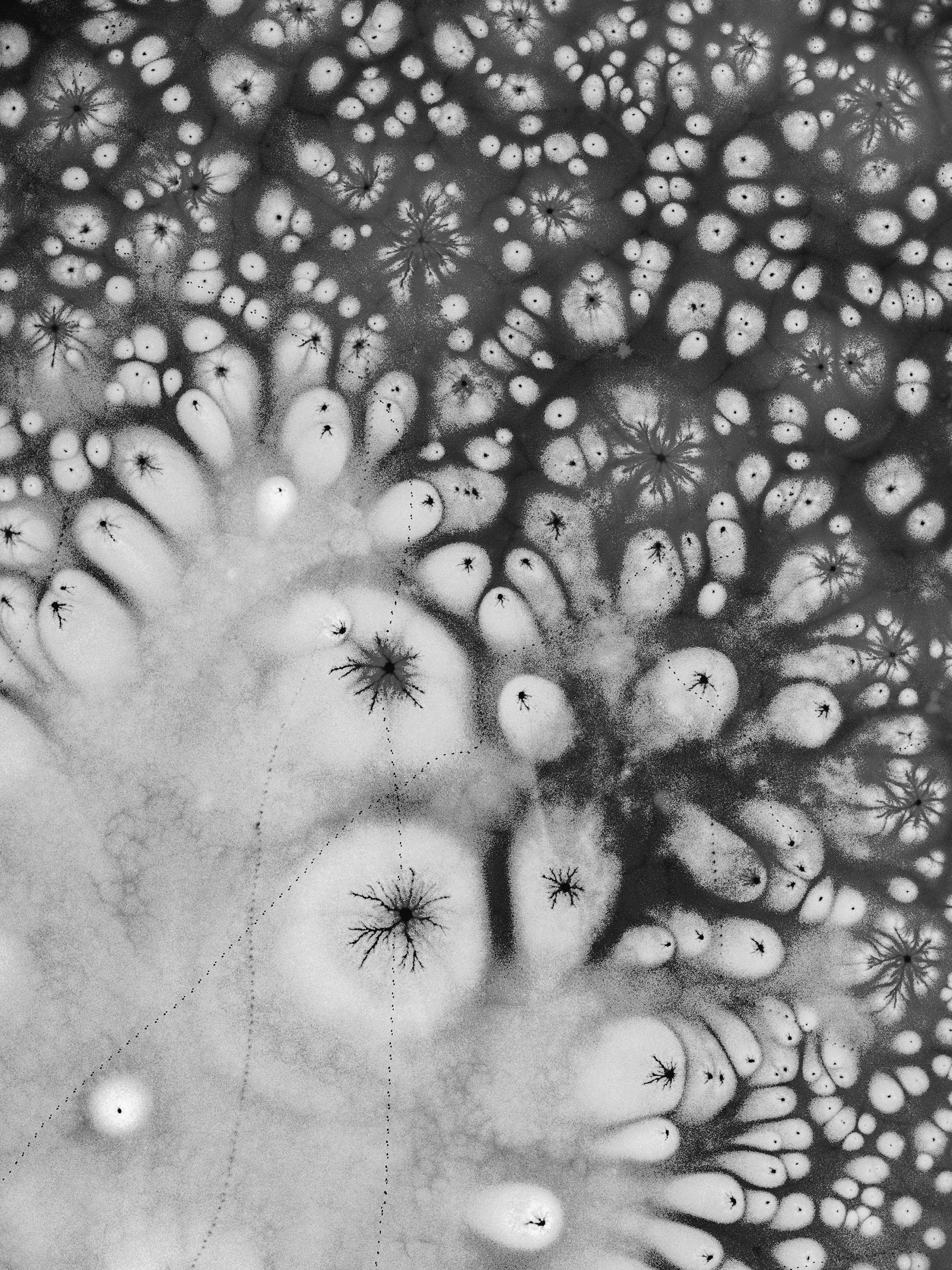
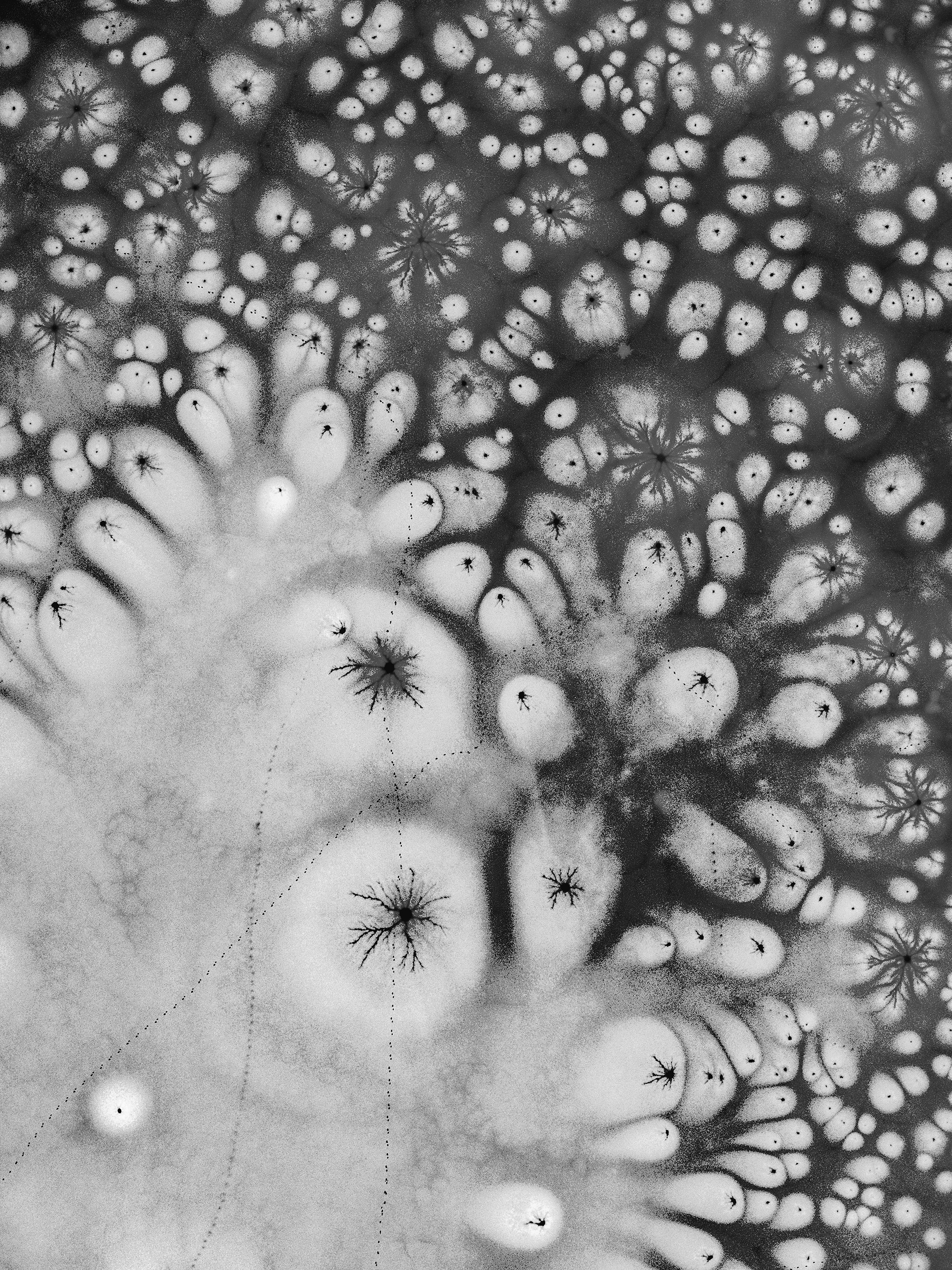
Woodland Kids
From a height of around 100 metres (330 feet), a frozen lake reveals fox tracks, streaks of fresh snow and dark structures of wet ice; the holes and bush-like forms are caused by methane bubbling up.
I didn’t know what I would see when I was flying – I allowed instinct to take over, like a bird taking off from its nest.
© Kacper Kowalski, Poland, 1st Place, Professional competition, Landscape, 2023 Sony World Photography Awards
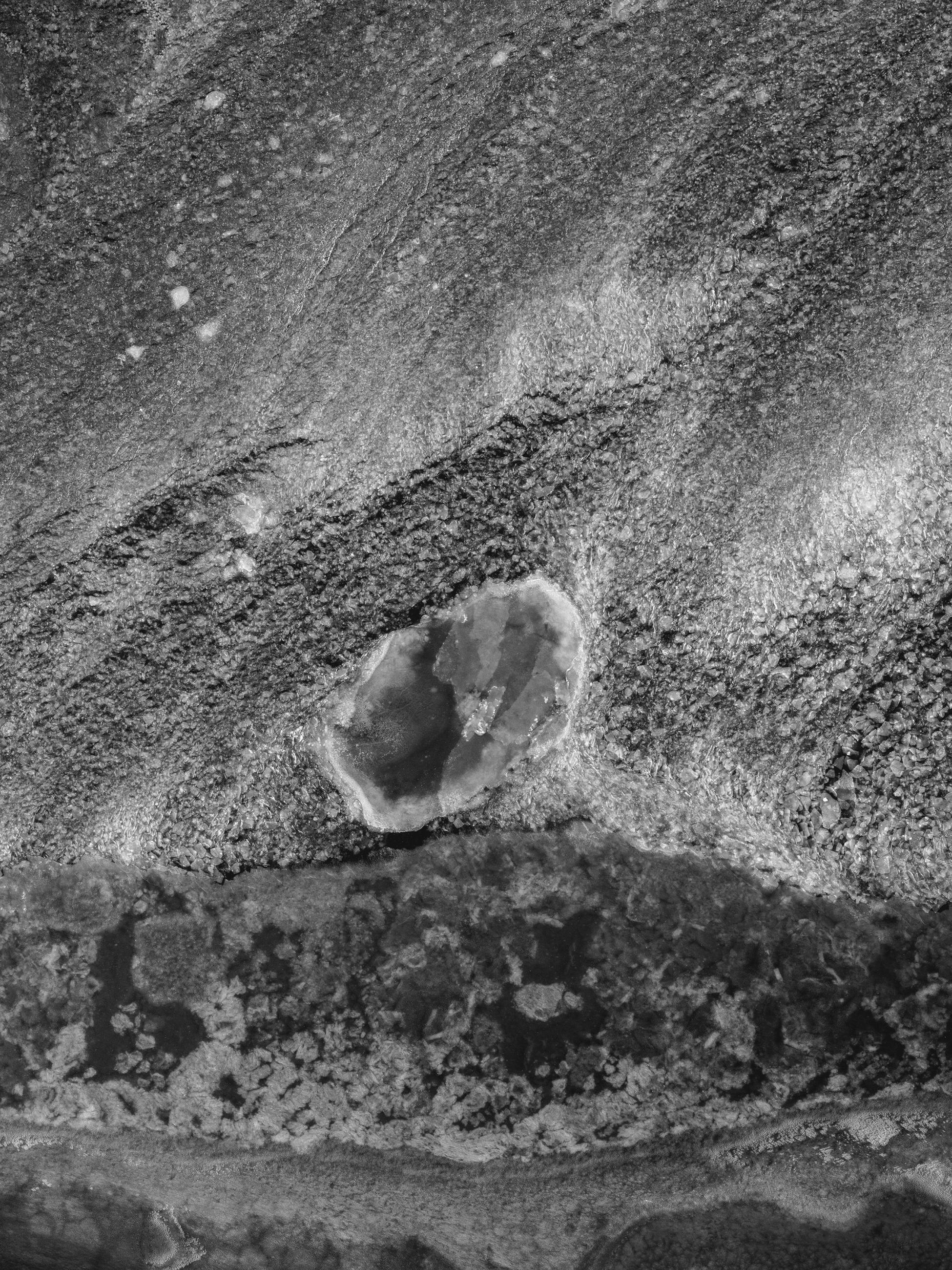
Impact
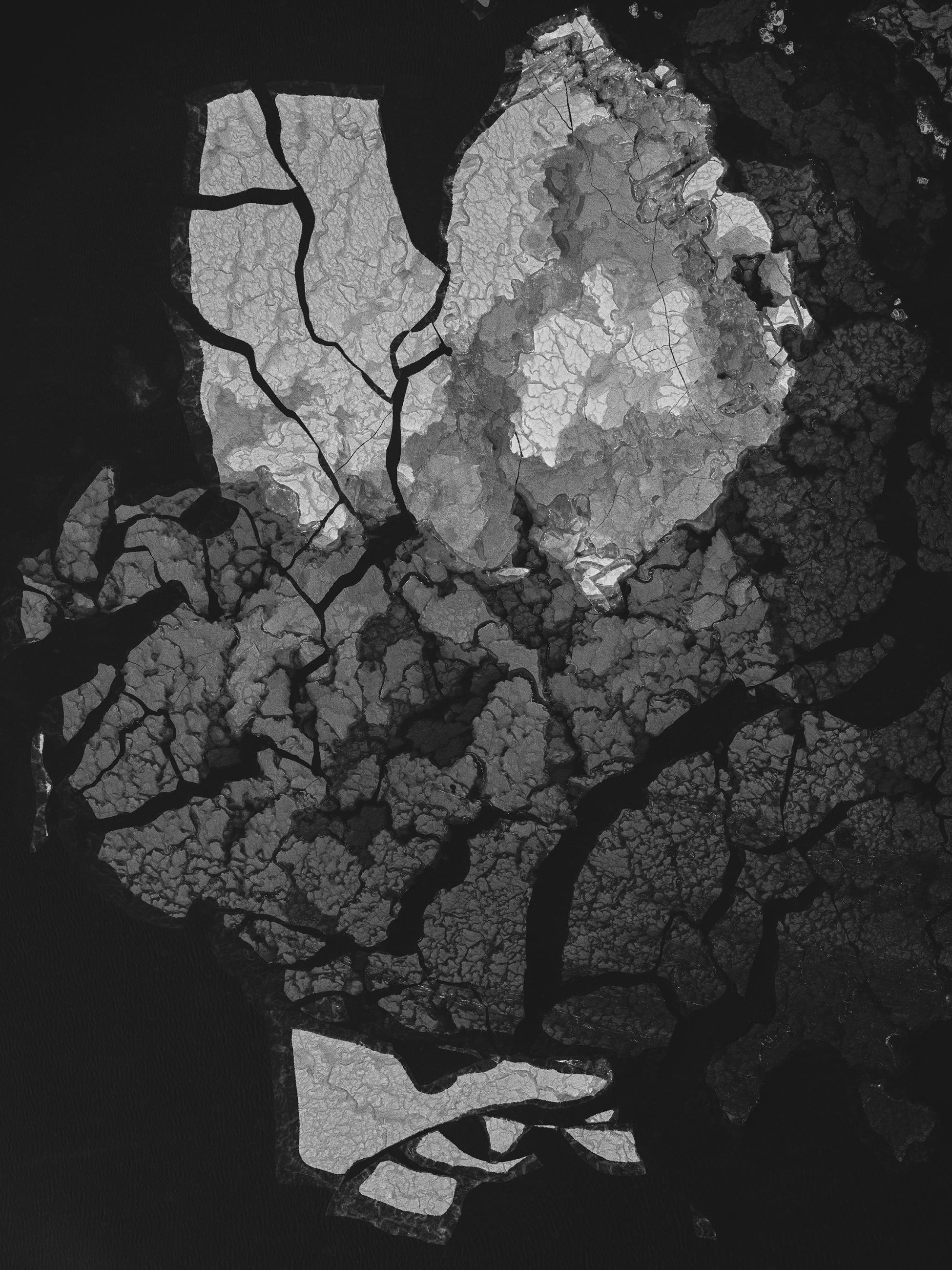
Ice flows on the Vistula Spit, formed by changing winds.
In astrophysics, an event horizon is the border of space-time beyond which the escape speed of any object and wave exceeds the speed of light in a vacuum. No object – not even light emitted from the horizon – is able to leave this area. Everything that passes the event horizon from the observer's side disappears.
© Kacper Kowalski, Poland, 1st Place, Professional competition, Landscape, 2023 Sony World Photography Awards
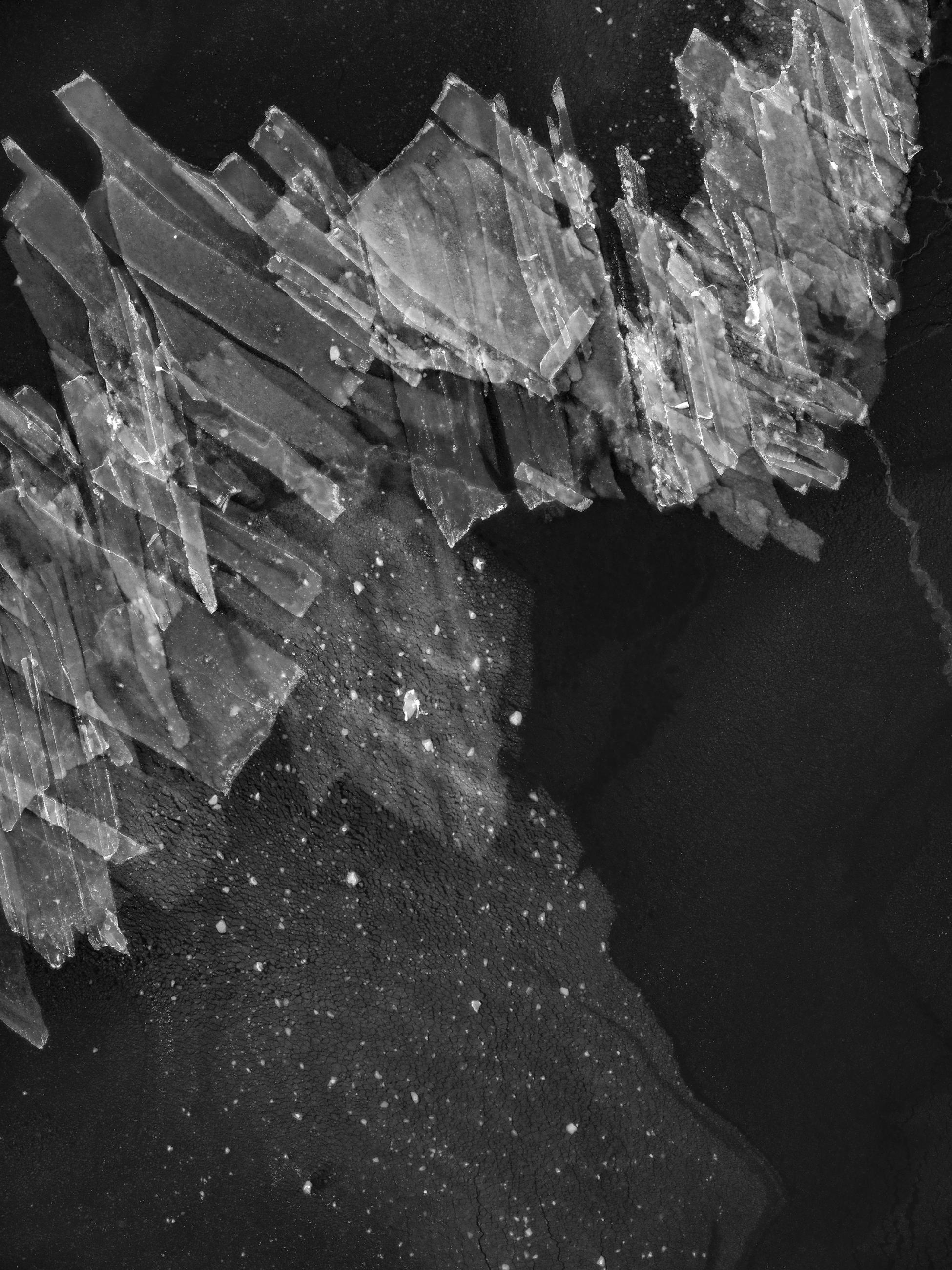
I Believe I Can Fly
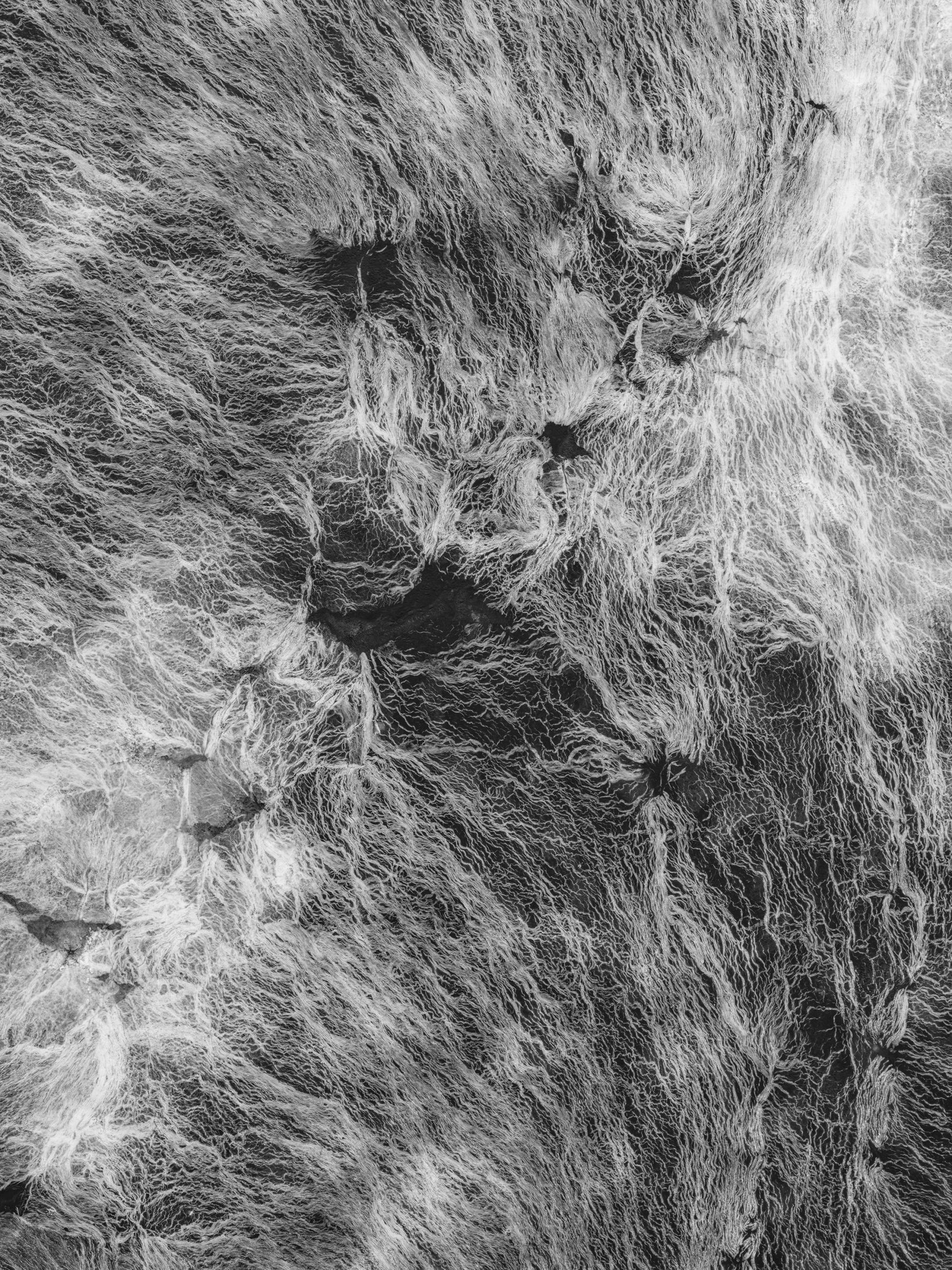
Ice forms on the surface of Vistula Spit.
I was flying into the dark, thinking of all the situations in which we call to the power of the supernatural world. Why do we share them in our collective imagination? How were they created? Was it out of fascination with the outside world, or were the supernatural world’s features used to convey inner emotions?
© Kacper Kowalski, Poland, 1st Place, Professional competition, Landscape, 2023 Sony World Photography Awards
In Raspberries
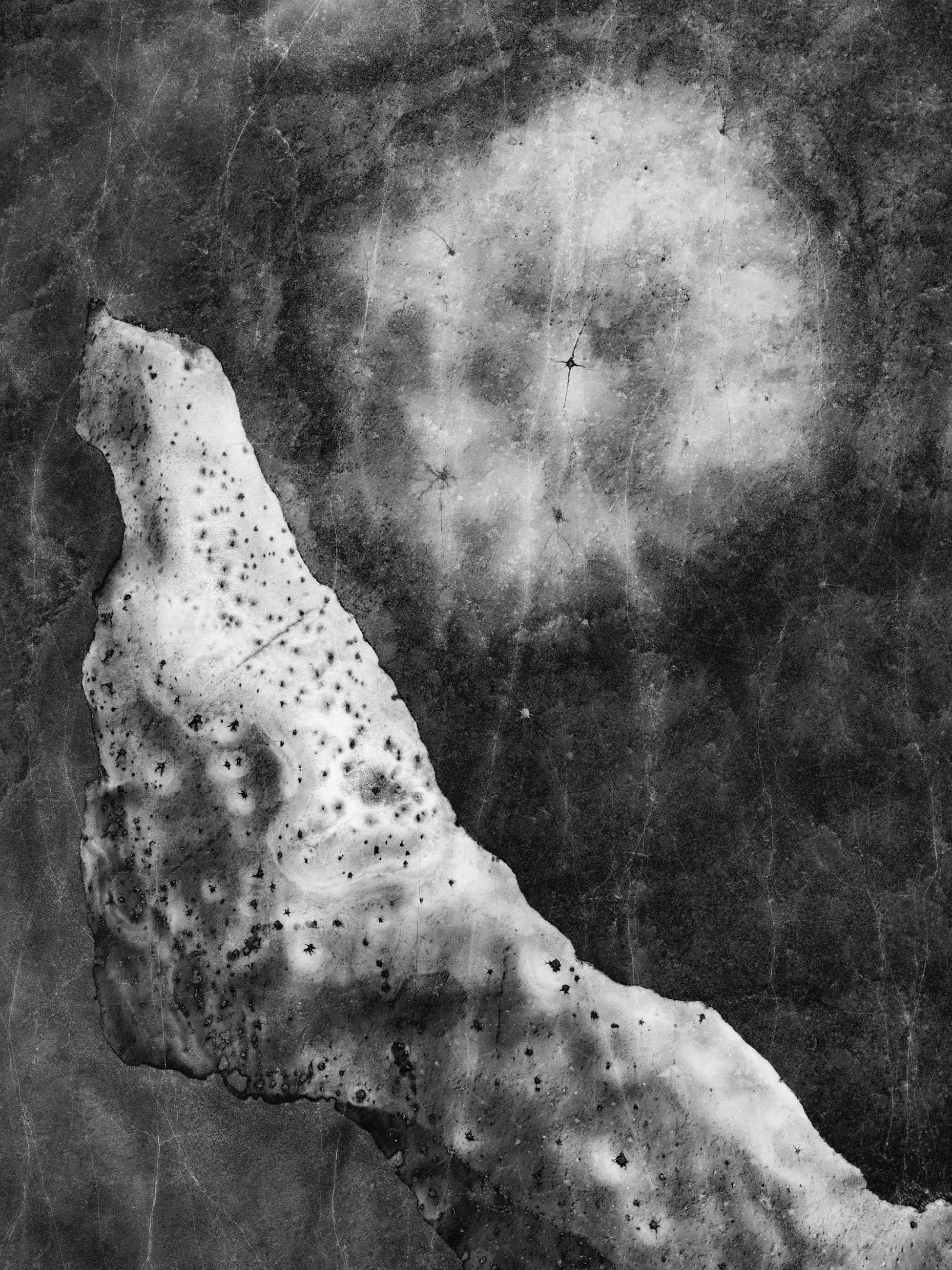
Ice formations on the freezing and melting surface of the Vistula Spit.
I believe I can fly. I go totally, completely into a trance, believing that the eternal human dream is coming true with my participation. It’s a great privilege. I wonder what’s in front of my eyes, and I don’t see it yet.
© Kacper Kowalski, Poland, 1st Place, Professional competition, Landscape, 2023 Sony World Photography Awards
Element
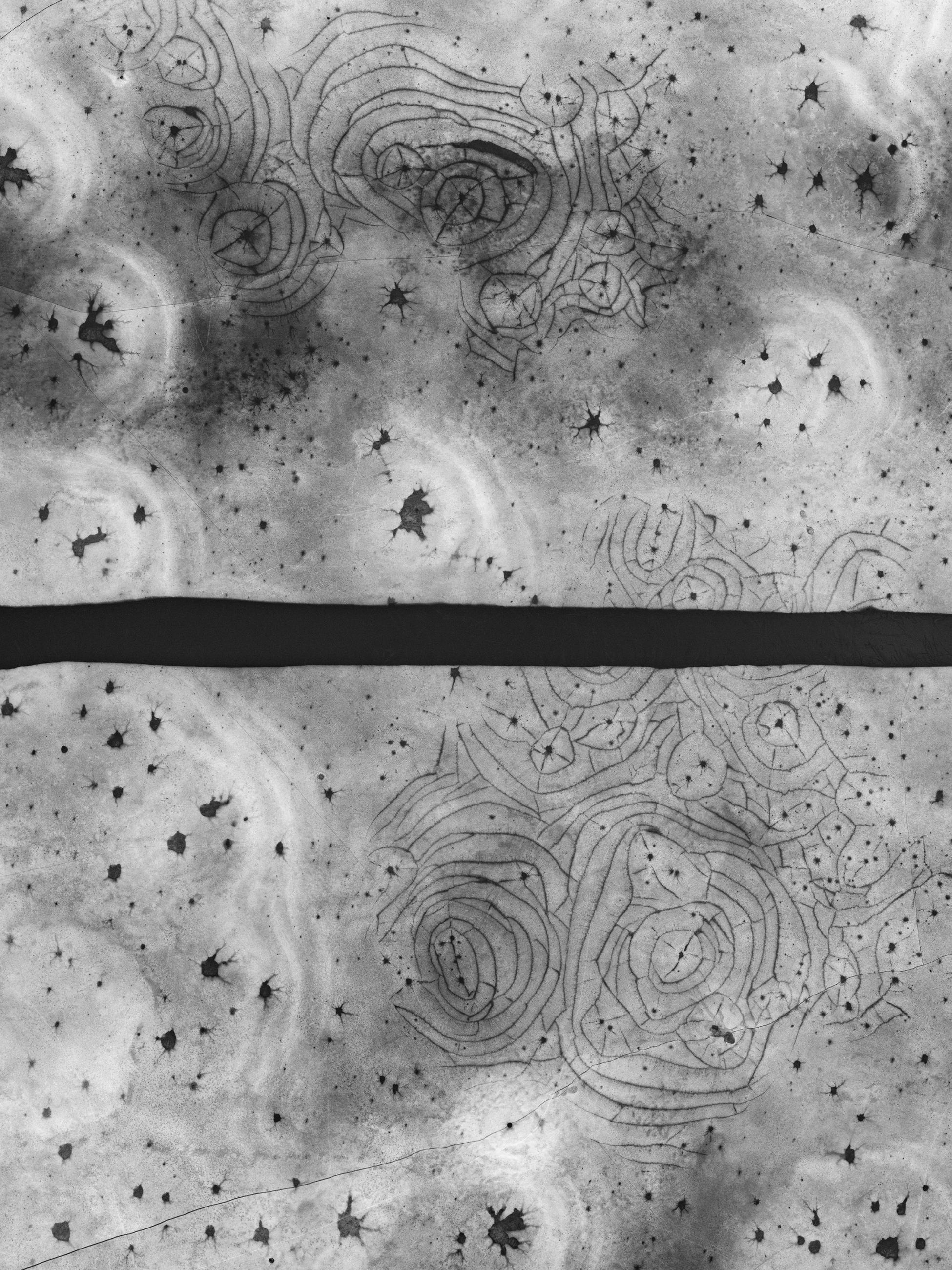
The surface of the ice isn’t flat; the wind ‘paints’ it with snow. Sometimes it creates foam that freezes and thaws. In the structure of the old ice, layers of weather changes are inscribed from the season’s beginning, visible in the spring.
Contemplating the nature of trance and meditation, I find the answer in the landscape.
© Kacper Kowalski, Poland, 1st Place, Professional competition, Landscape, 2023 Sony World Photography Awards
The Sound of the Night
The surface of old ice on a lake in northern Poland.
Sometimes my dog hears the sounds of the forest, pricks up his ears and feels nature’s call. I wonder how much of the wild wolf remains in him. And then I look in the mirror and wonder how much of the natural wildness remains in people?
© Kacper Kowalski, Poland, 1st Place, Professional competition, Landscape, 2023 Sony World Photography Awards
Map of the Stars
A cracked ice sheet on a frozen lake. The centre lines mark cracks in the ice under wind pressure.
For millennia, mankind has been able to read a map of the sky. We lived with our faces turned towards nature. I tried to learn the mechanism of reading nature again, entering a trance, without being aware of the costs involved.
© Kacper Kowalski, Poland, 1st Place, Professional competition, Landscape, 2023 Sony World Photography Awards