

Series description
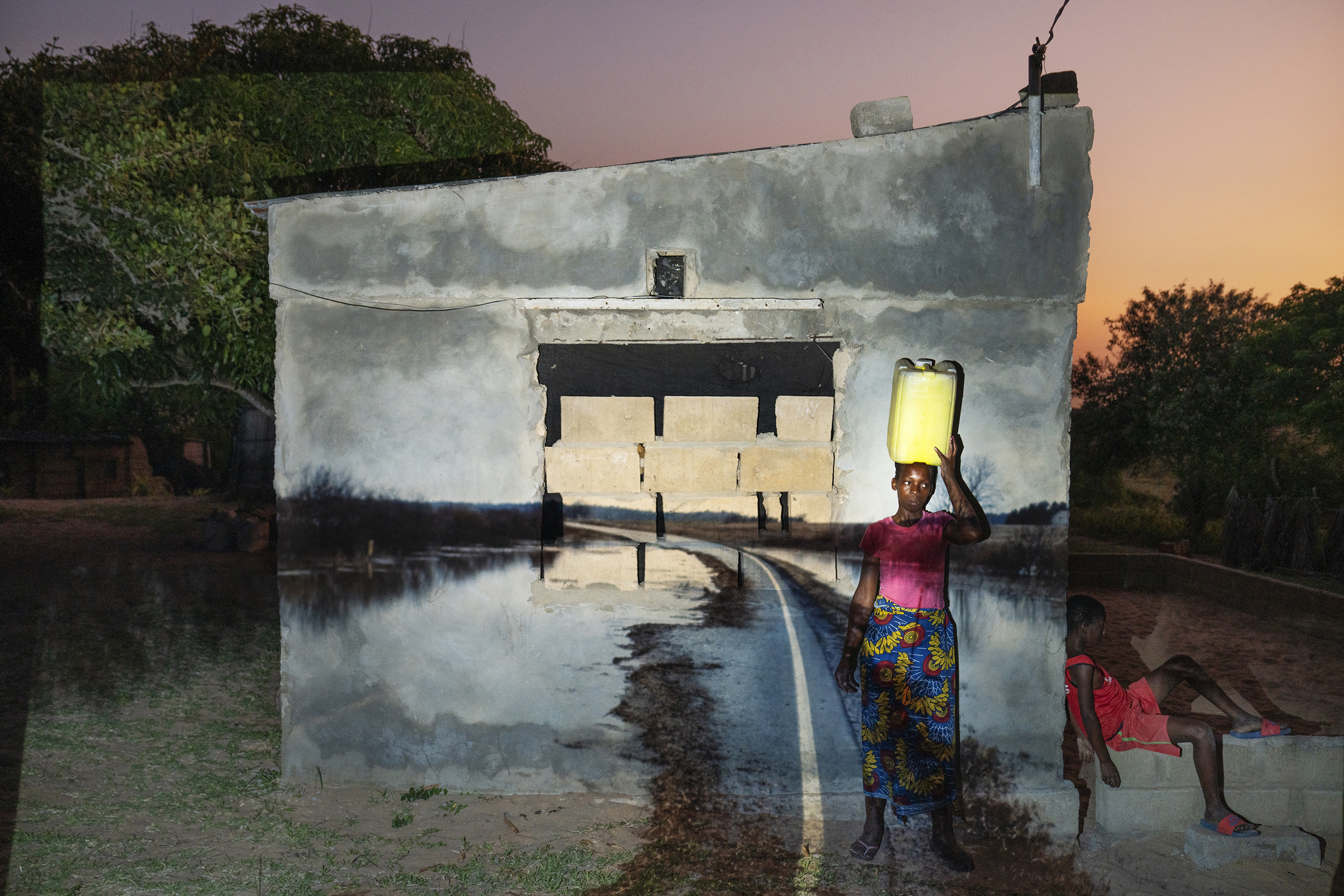
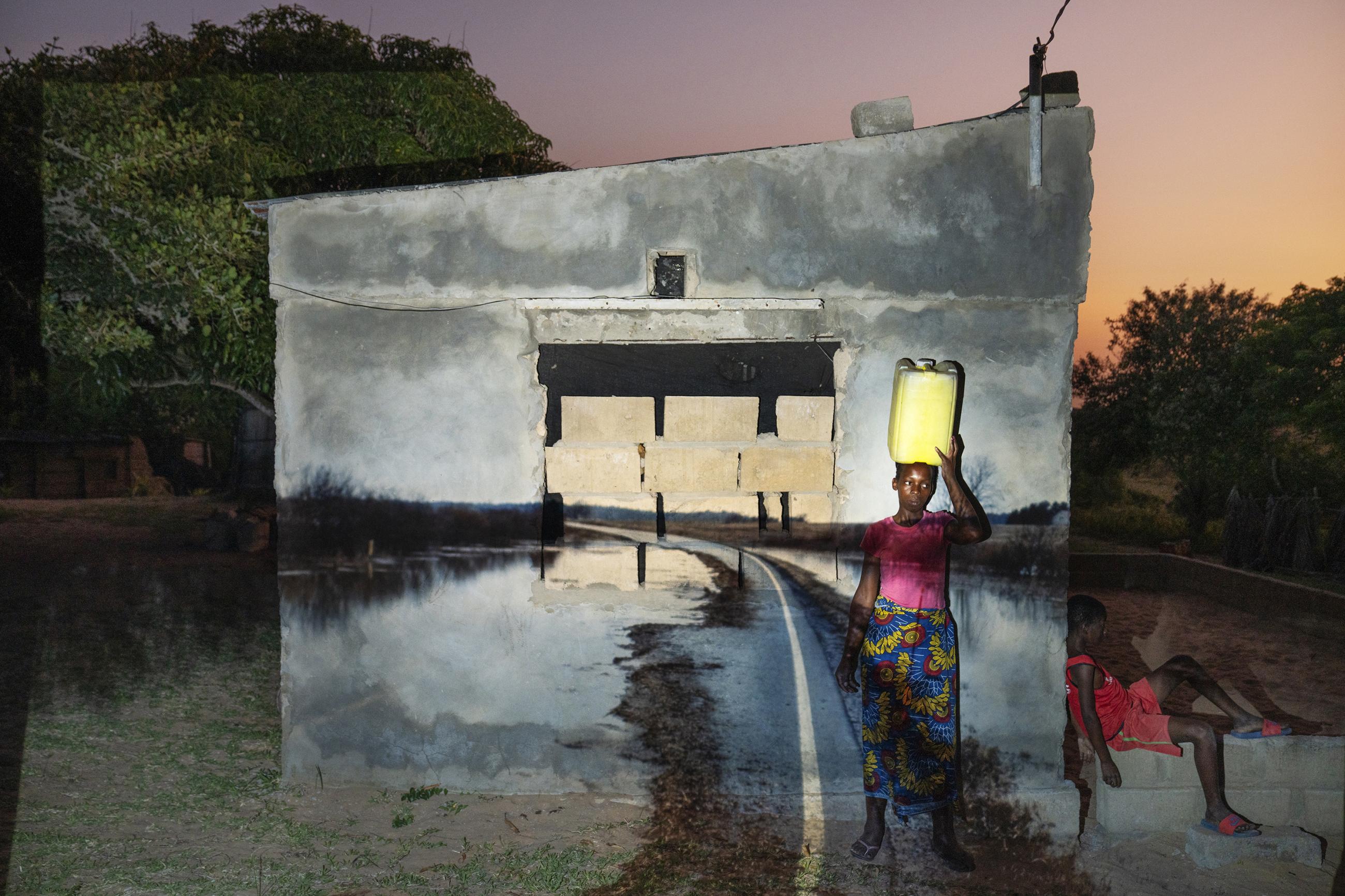
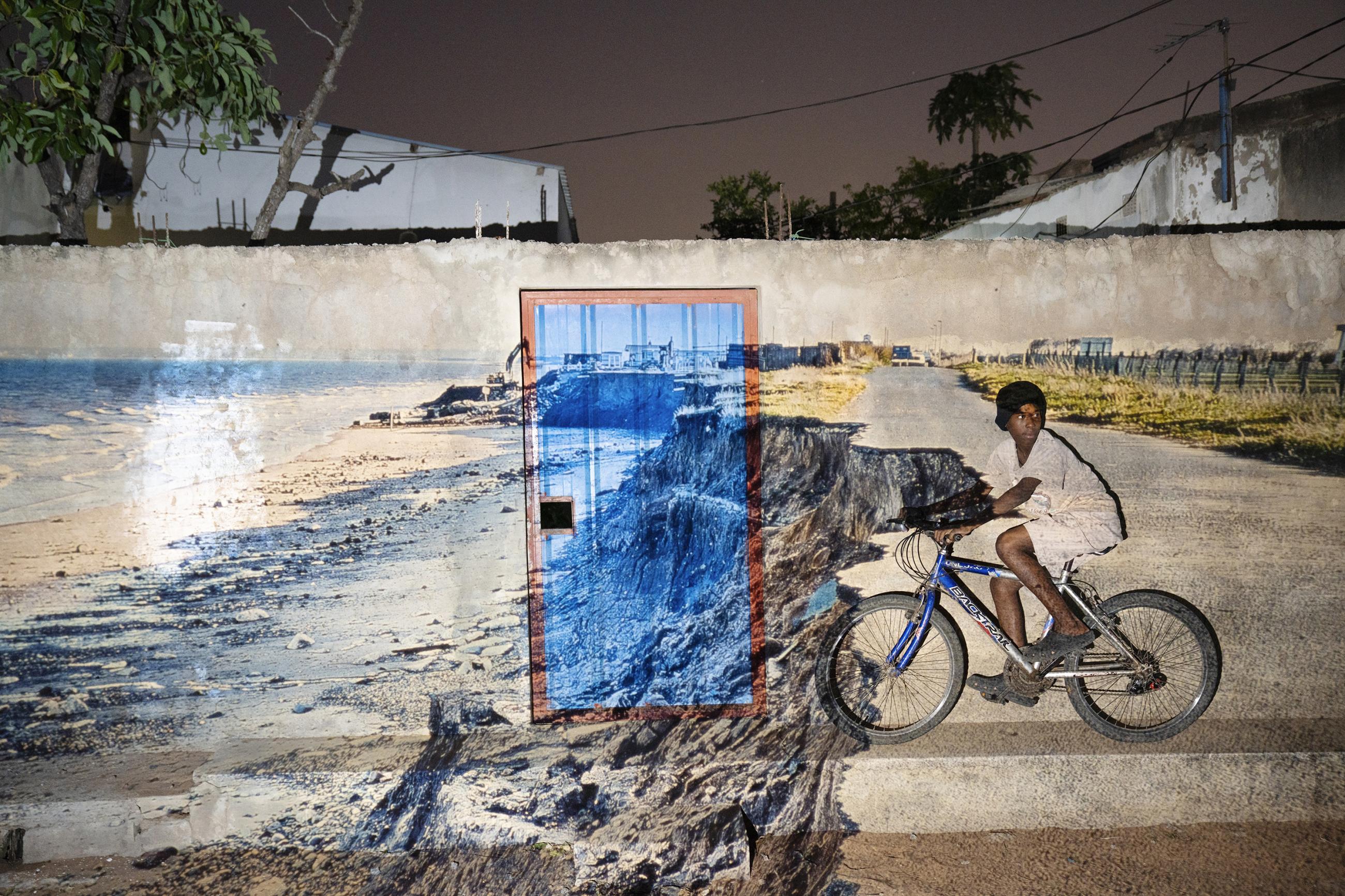
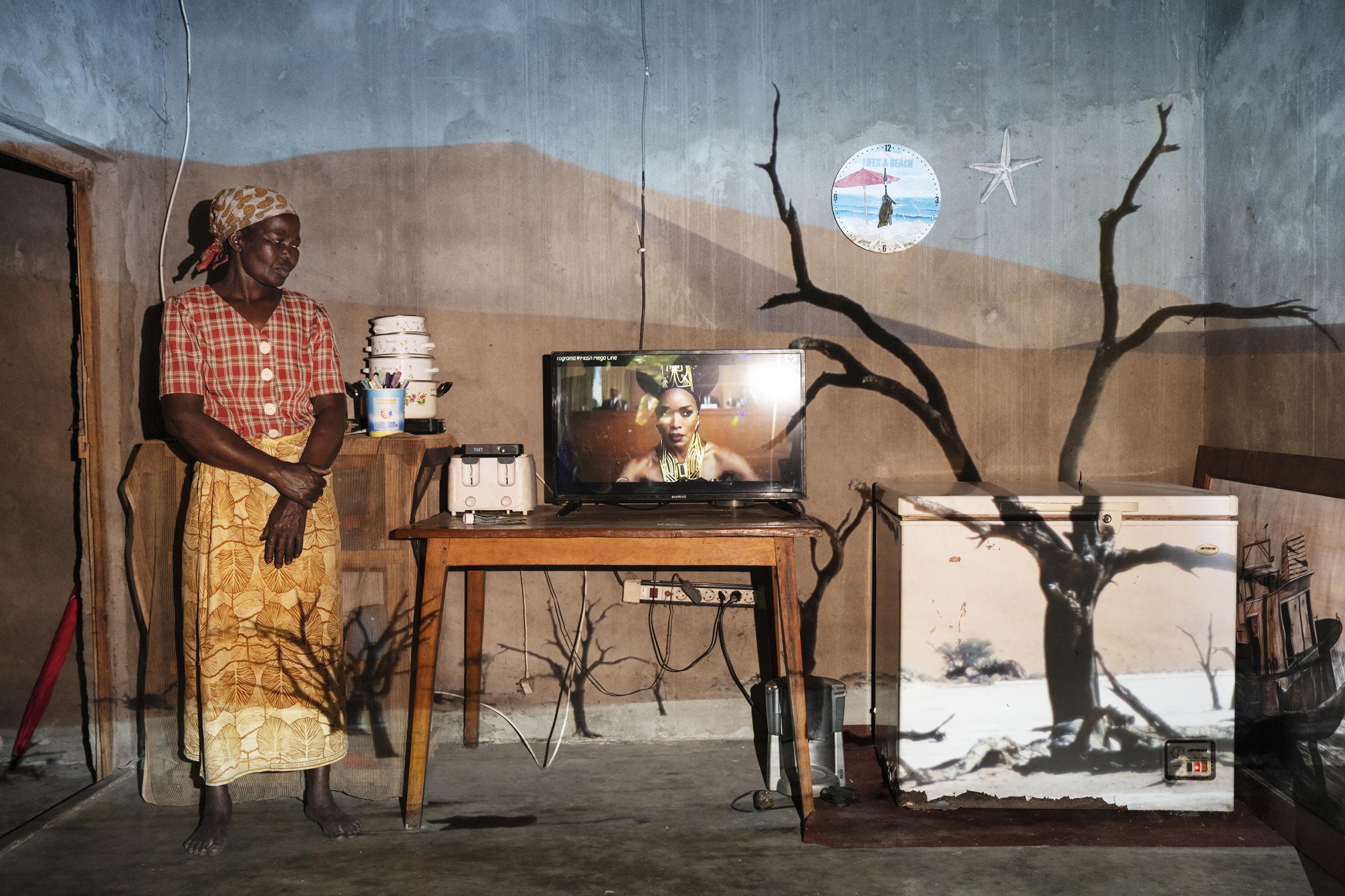
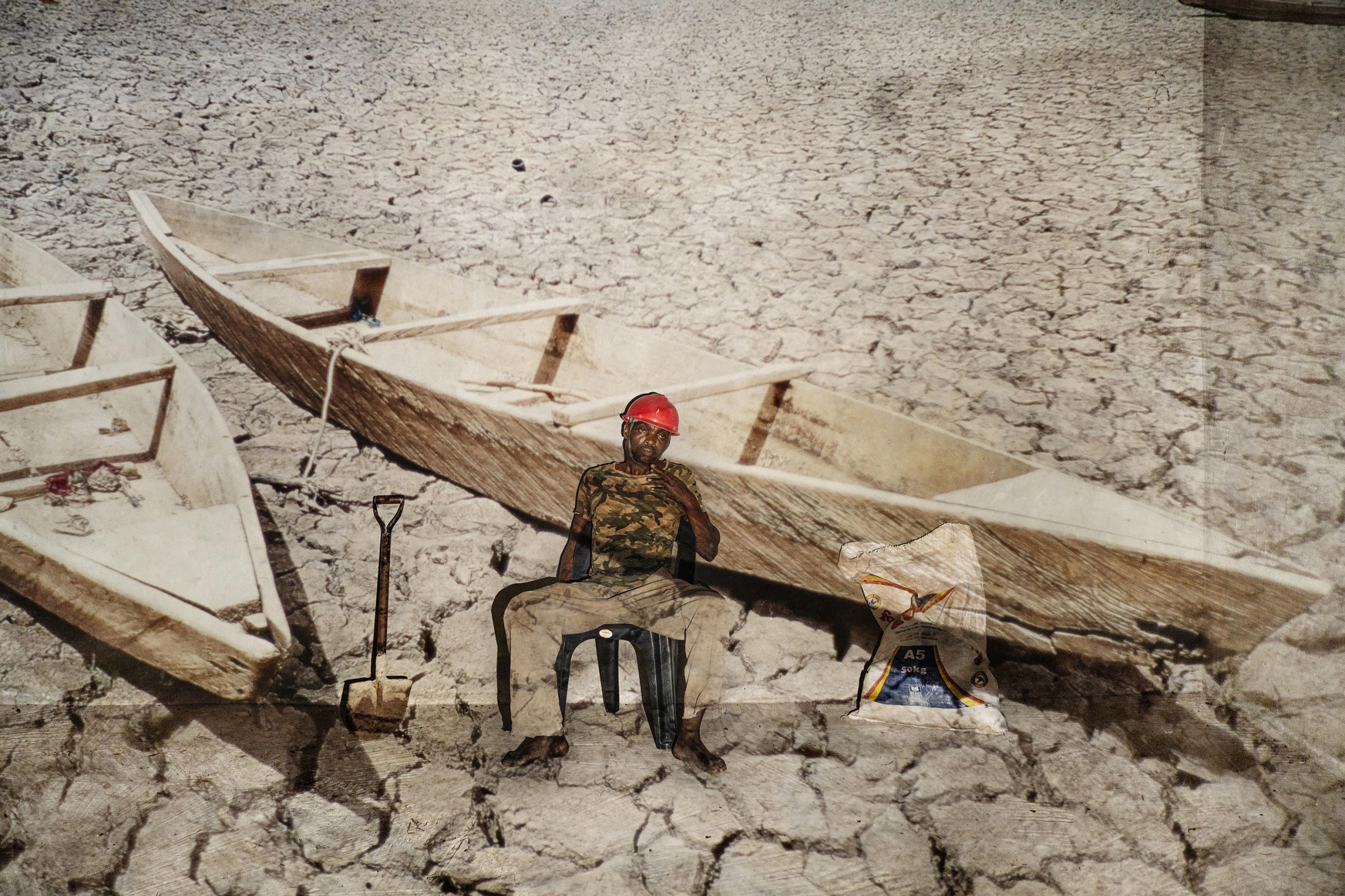
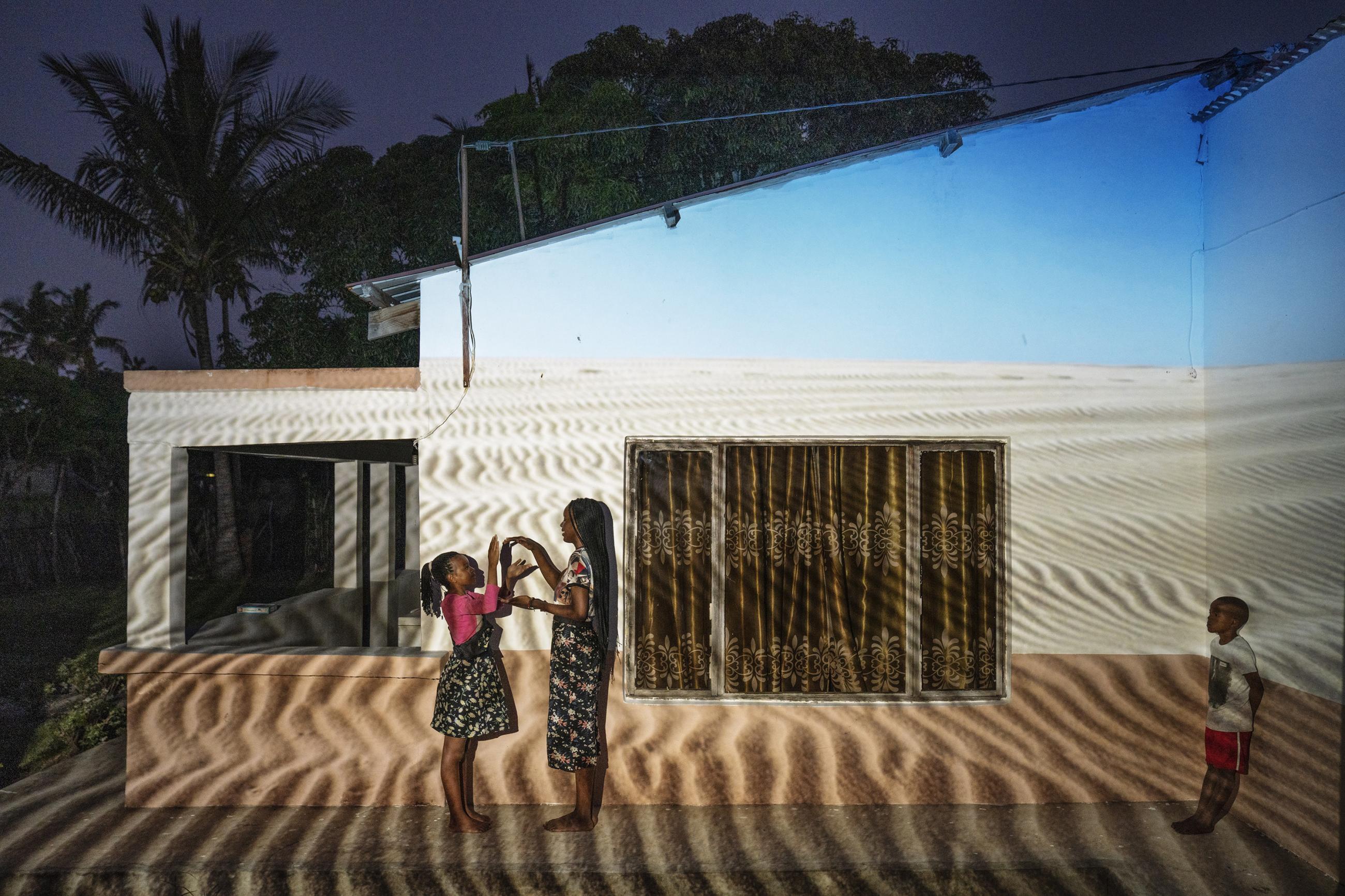
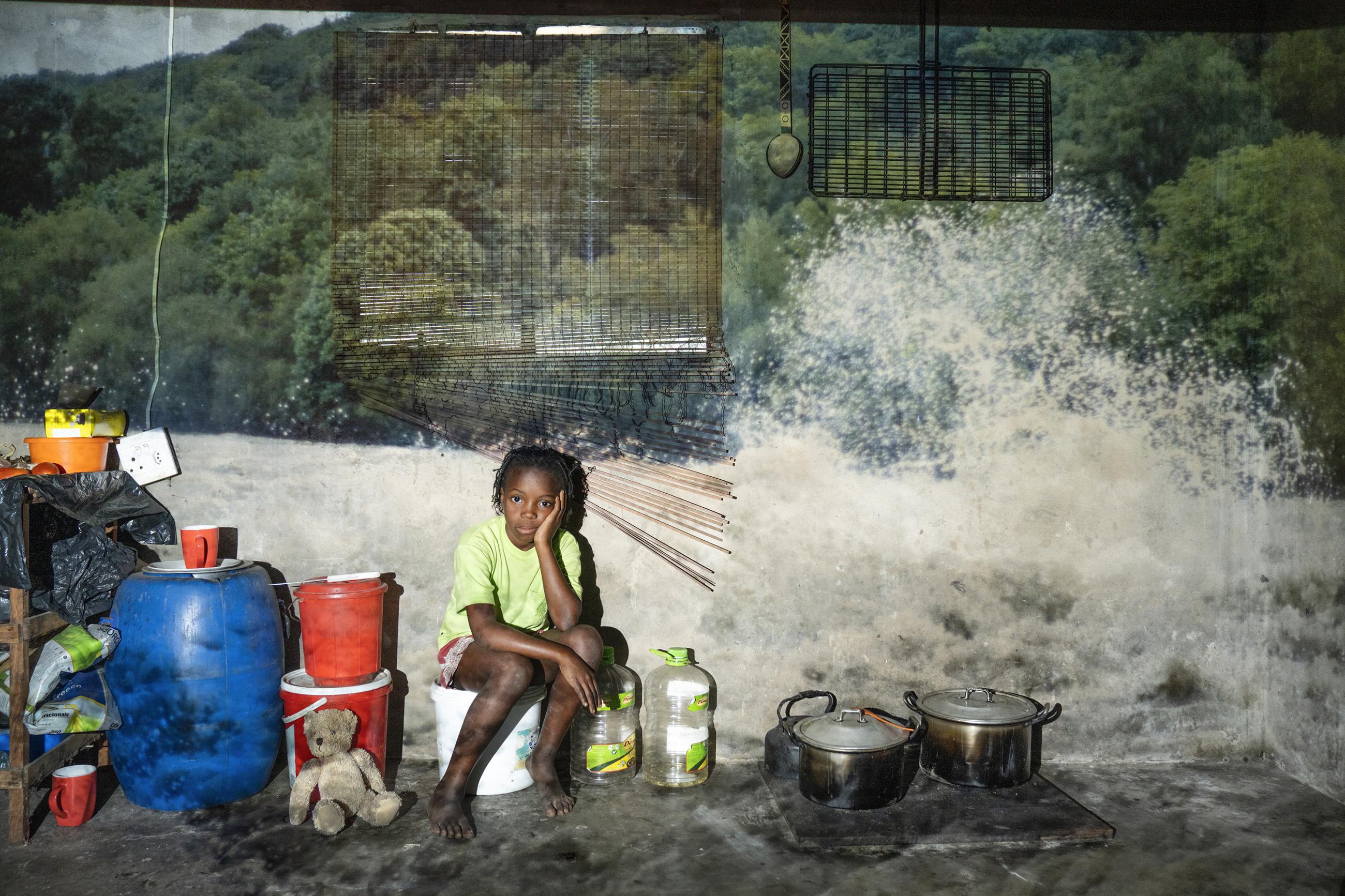
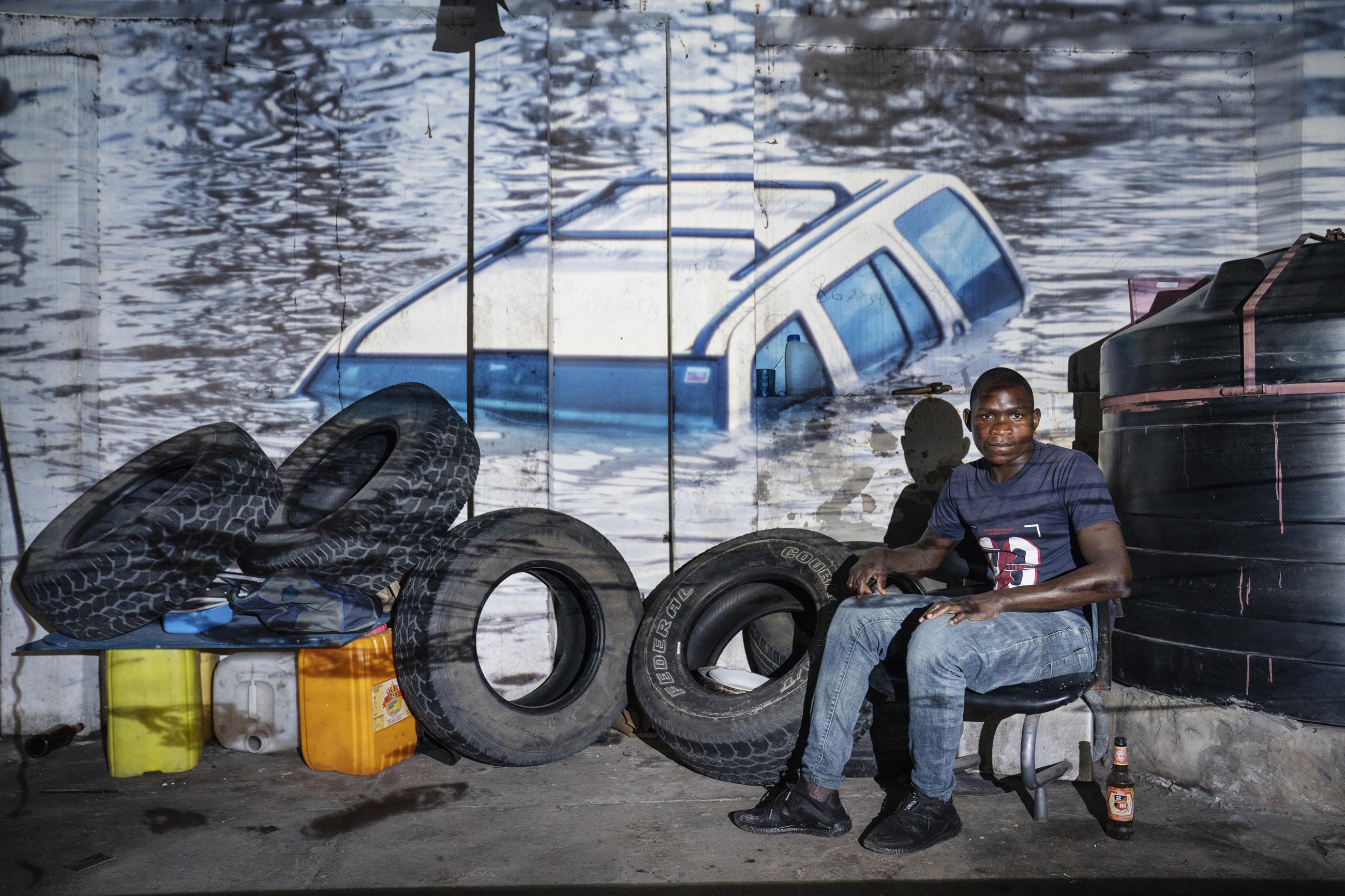
What will the atlas that future generations study look like? How can a photograph show the future? Due to climate change, some of the most radical transformations to the world map will be visible in just a few decades. Our idea was to find a way to show what the landscape might look like in some places at the end of the century, compared to the world we live in today. Mozambique is one of the most climate-vulnerable countries. Droughts, floods and sudden storms are episodes that now alternate and repeat themselves every year, radically altering the morphology of the landscape. Using a special slide projector, we physically projected an image of the landscape’s possible transformation onto the land itself. The result is a series of complex and dreamlike photographs that become a metaphoric projection of a not-too-distant future.
Biography
Edoardo Delille and Giulia Piermartiri are two italian photographer working on portrait and documentary photography. Edoardo’s stories are alway connected with the concept of boundaries, physical and human limits. Giulia’s primary focus in human dynamic in relation to politics and nature. Their work together focuses on issues related to climate change and how communities will react to the metamorphosis of their homeland.
Untitled
Márcia Sambo in front of her house on Inhaca island, Mozambique.
Most of Mozambique’s 3.2 million subsistence farmers grow cereals and pulses in resource-poor environments where crops are rain-fed. This makes them extremely vulnerable to rising temperatures and erratic rainfall.
© Edoardo Delille Giulia Piermartiri, Italy, 3rd Place, Professional competition, Creative, 2023 Sony World Photography Awards
Untitled
Magoanine, outskirts of Maputo, Mozambique.
José Pavarotti (12) has lived in the home of Stefano and Ivete’s Ndangwini association since he was a baby. Casa Ndangwini has been supporting the most vulnerable children and families in Sector B of the Magoanine suburb of Maputo for over 20 years.
© Edoardo Delille Giulia Piermartiri, Italy, 3rd Place, Professional competition, Creative, 2023 Sony World Photography Awards
Untitled
Inhaca island, Mozambique.
Saugina Elias works as a farmer in the cassava fields several hours walk from her home. The cycle of droughts, floods and sudden storms affects and destroys entire villages and compromises the agricultural harvest. The poorest and most vulnerable communities suffer the most.
© Edoardo Delille Giulia Piermartiri, Italy, 3rd Place, Professional competition, Creative, 2023 Sony World Photography Awards
Untitled
Urban fields, Jaulane, Mozambique.
Fernando Nhaca (49) is a farmer and woodworker who works in the fields to support his wife and their four children. Cyclones, sudden storms and droughts are just a few examples of episodes that are repeated every year. These events particularly affect rural and marginal areas, exacerbating food security problems in smallholder farming communities.
© Edoardo Delille Giulia Piermartiri, Italy, 3rd Place, Professional competition, Creative, 2023 Sony World Photography Awards
Untitled
Inhaca island, Mozambique.
Angelo Júnior (8), Nuria (13) and Lárcia (15) Manguele in front of their house. Their father has a small local tourism business.
Desertification is one of Mozambique’s most pressing problems for future generations.
© Edoardo Delille Giulia Piermartiri, Italy, 3rd Place, Professional competition, Creative, 2023 Sony World Photography Awards
Untitled
Inhaca island, Mozambique.
Atália Almeida (8), next to the kitchen of her home. When she is not at school she helps her mother in the cassava fields.
Despite contributing only five percent of pollutant emissions, Africa is the continent that pays the highest price for climate change. In 2019, extreme climate change generated 2.5 million refugees.
© Edoardo Delille Giulia Piermartiri, Italy, 3rd Place, Professional competition, Creative, 2023 Sony World Photography Awards
Untitled
Maputo, Mozambique.
Aldo Da Silva Raul, caretaker of a residential building.
Mozambique ranks third among the African countries most vulnerable to natural disasters. Cyclones represent the most recurrent and significant risk, affecting around two million people per year.
© Edoardo Delille Giulia Piermartiri, Italy, 3rd Place, Professional competition, Creative, 2023 Sony World Photography Awards