

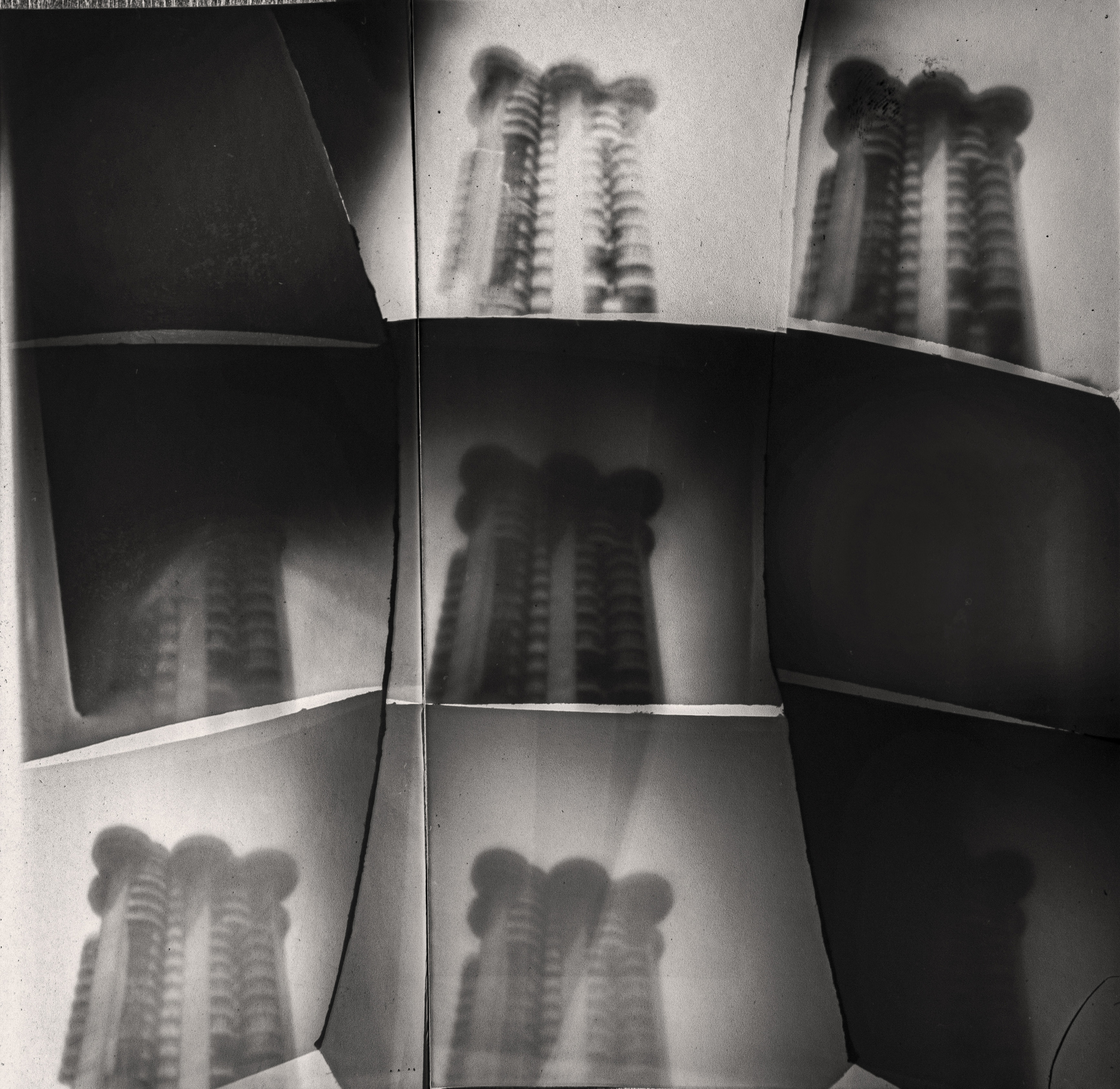
Series description
This project focuses on the figuration of a singular architectural movement - brutalism. The movement can be traced back to 1950s Great Britain, a context where the demand for social housing was increasing whilst building materials were scarcely available. The resulting architectural projects placed functionality at the forefront, and gave less importance to aesthetic considerations, leading to minimal and geometric constructions designed with their practical uses in mind.
Photographing brutalist structures in Spain with a pinhole camera is based on the notion that they might be viewed differently, through long exposures which produce a less defined image with blurred lines. The resulting photographs show brutalist constructions overlaid with light, creating a dreamlike effect.
Biography
Bilbao 1973 Degree in Evolutionary Psychology from the Complutense University, he is Professor of documentary photography at the PICA School of PHE in Spain.
It develops humanitarian essays where the protagonists are integrated in societies that limit and aggregate all reason and right. He has won the most important international awards, such as, UNICEF Prize, SonyWorldPhotography, POYI, Fotoevidence, EugeneSmith Grant, GettyImages Grant, LucasDolega Grant and WorldPressPhoto, complete reports in El Mundo, El Pais, L ́Expresso, GEO, And SieteDias.
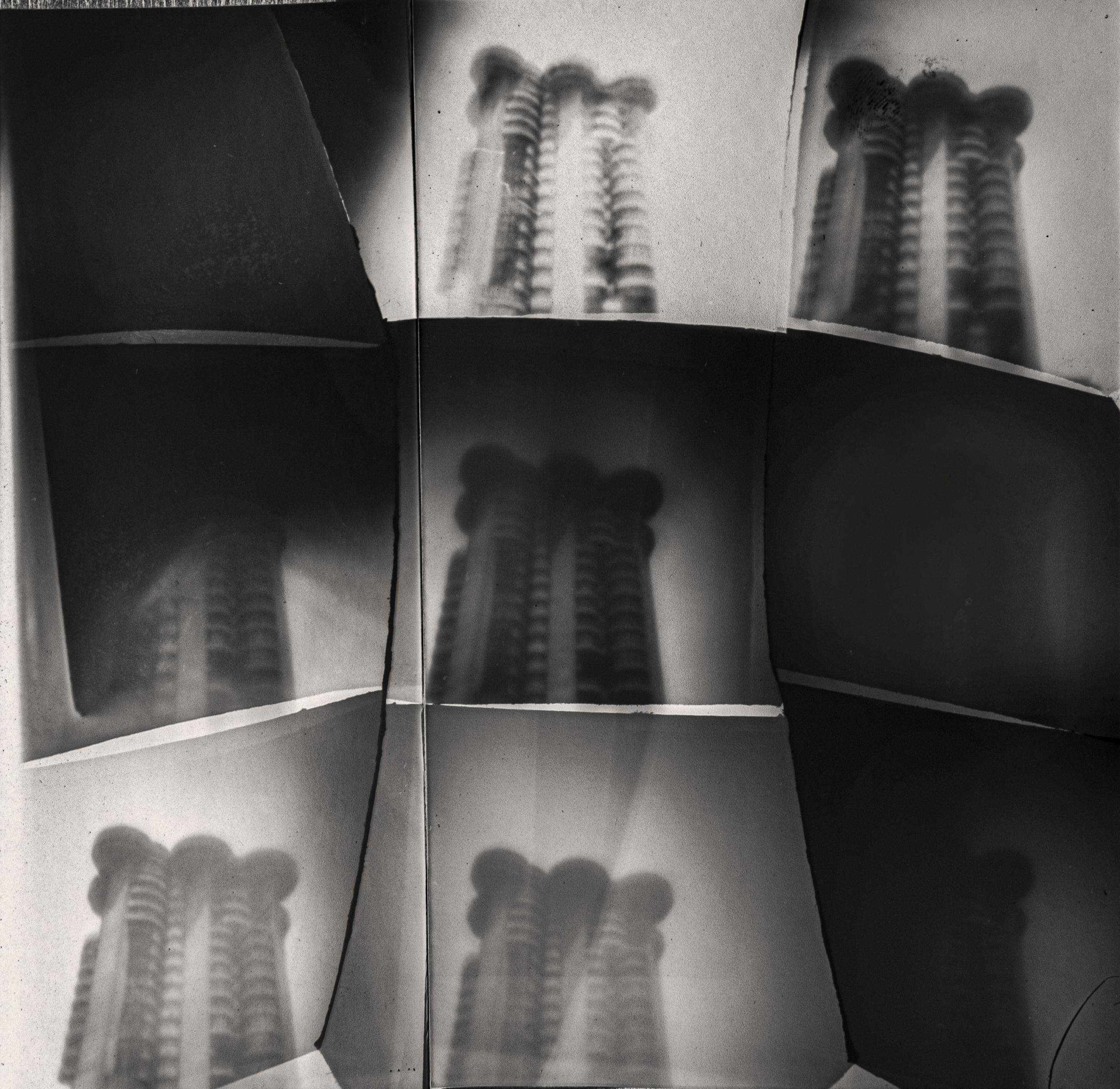
Brutalism 01
The Torres Blancas building in Madrid, Spain, designed by Francisco Javier Sáenz de Oiza, is an example of organic and brutalist architecture. Interestingly, these design principles were applied to a block of luxury apartments instead of more affordable housing developments.
© Javier Arcenillas, Spain, Shortlist, Professional competition, Architecture & Design, 2023 Sony World Photography Awards
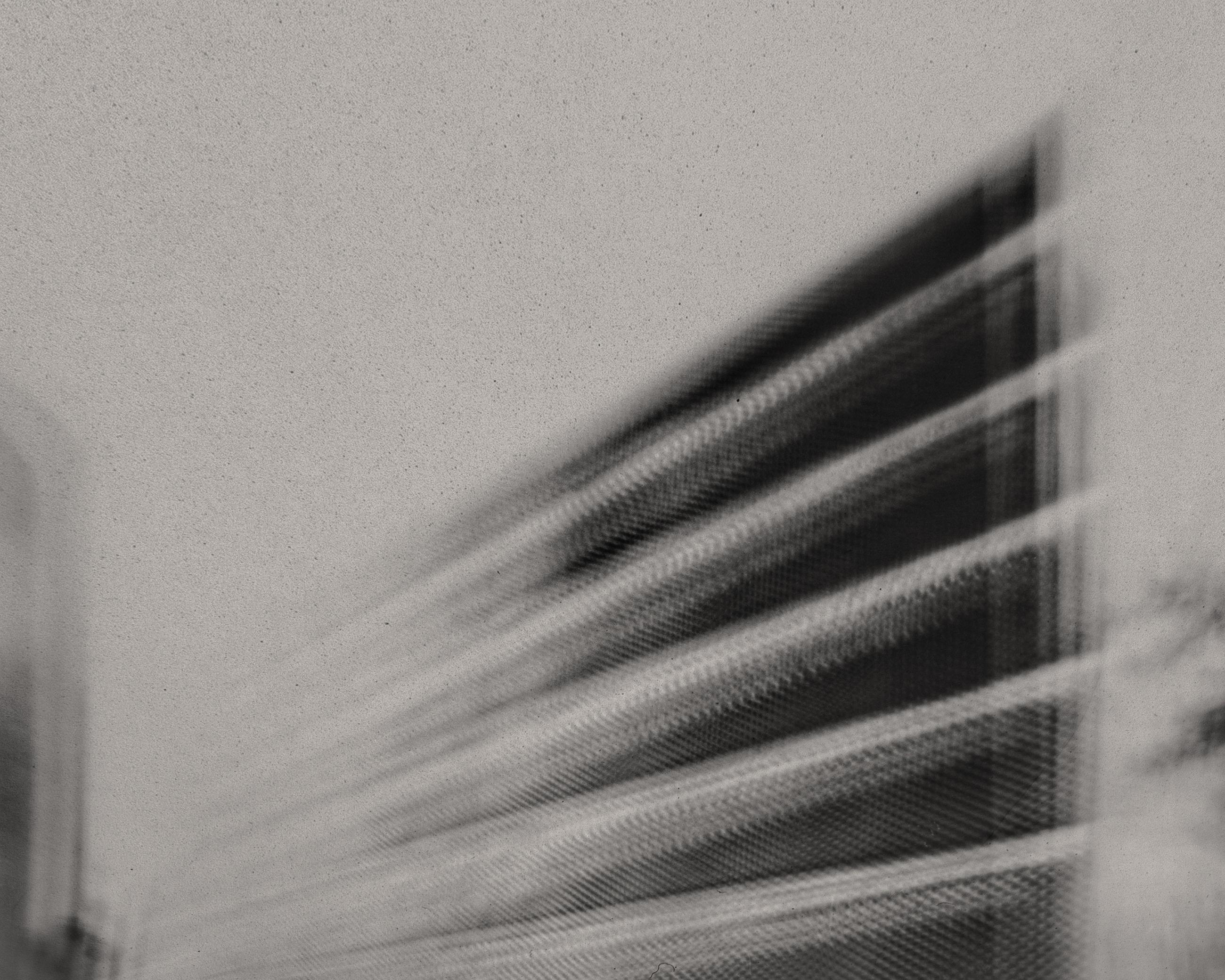
Brutalism 02
The Santamarca Vocational Training Center by Fernando Moreno Barberá, built between 1970 and 1972, Madrid, Spain. It was constructed as a Centre for Professional and Social Promotion, obtaining the Annual Architecture-COAM Award in 1973.
© Javier Arcenillas, Spain, Shortlist, Professional competition, Architecture & Design, 2023 Sony World Photography Awards
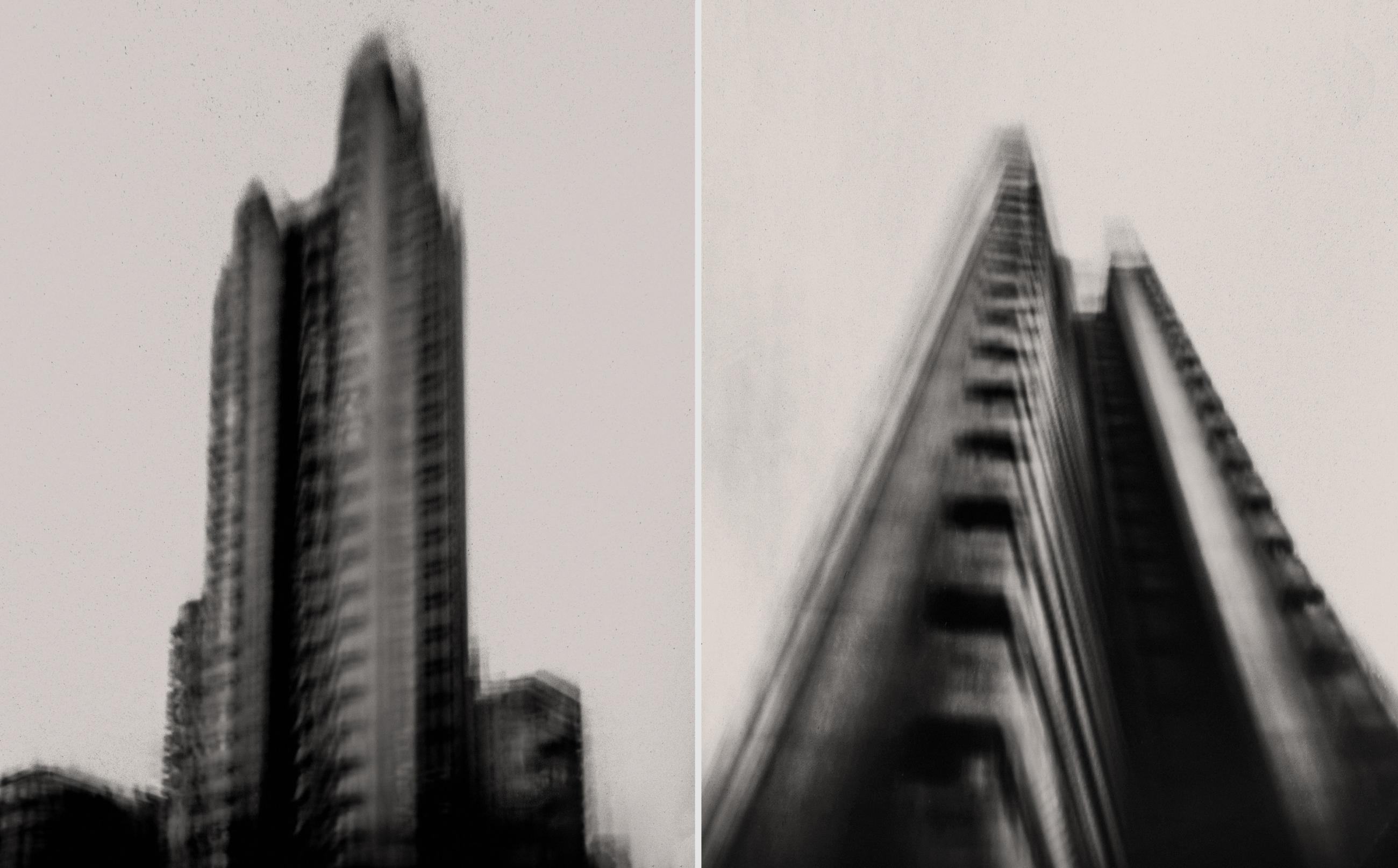
Brutalism 03
La Torre de Valencia is 94 metres high across 27 floors. It was designed for residential purposes in 1968 by the architect Javier Carvajal, and built between 1970 and 1973.
© Javier Arcenillas, Spain, Shortlist, Professional competition, Architecture & Design, 2023 Sony World Photography Awards
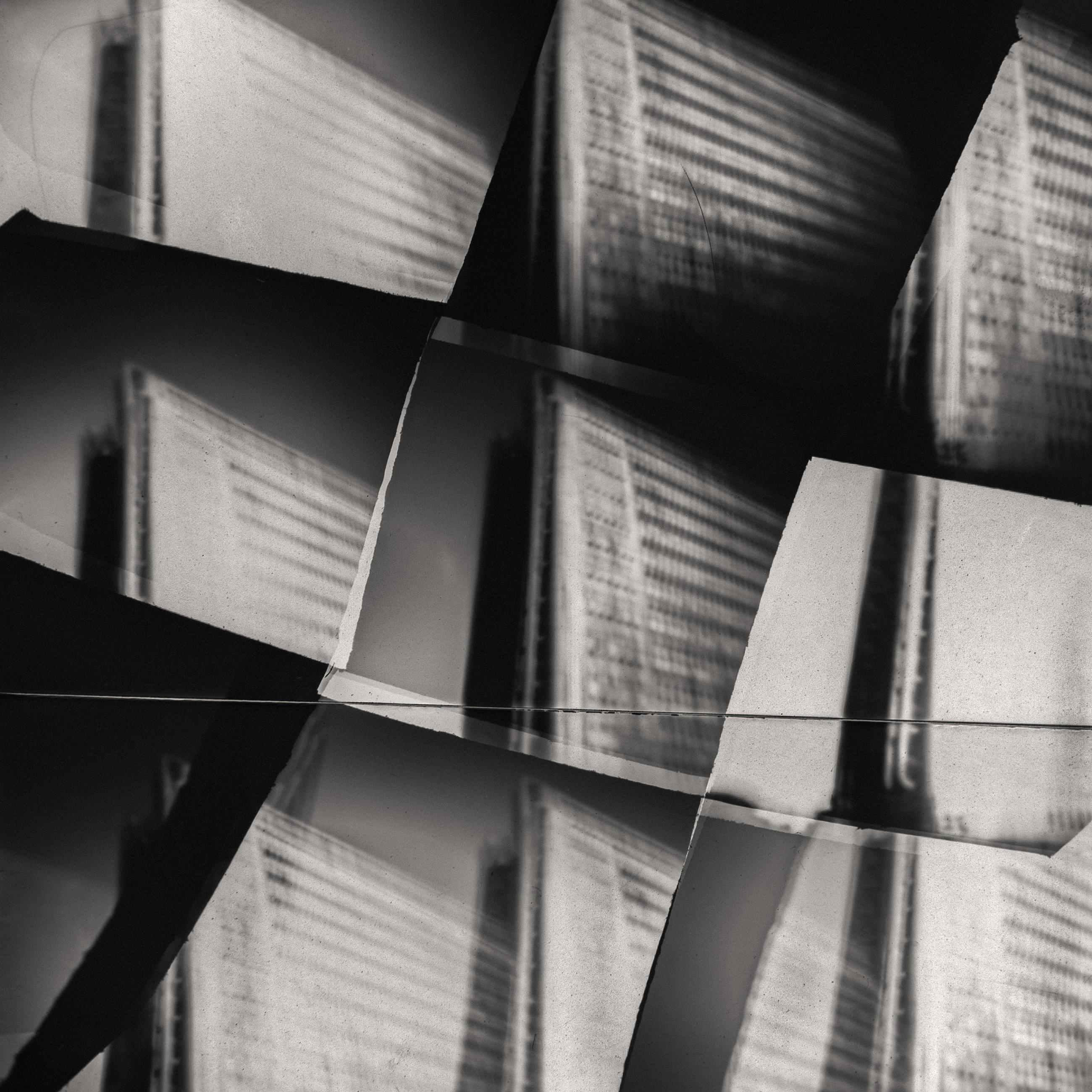
Brutalism 04
Endesa Building Madrid, designed by Eleuterio Poblacion Knappe and constructed in 1977.
© Javier Arcenillas, Spain, Shortlist, Professional competition, Architecture & Design, 2023 Sony World Photography Awards
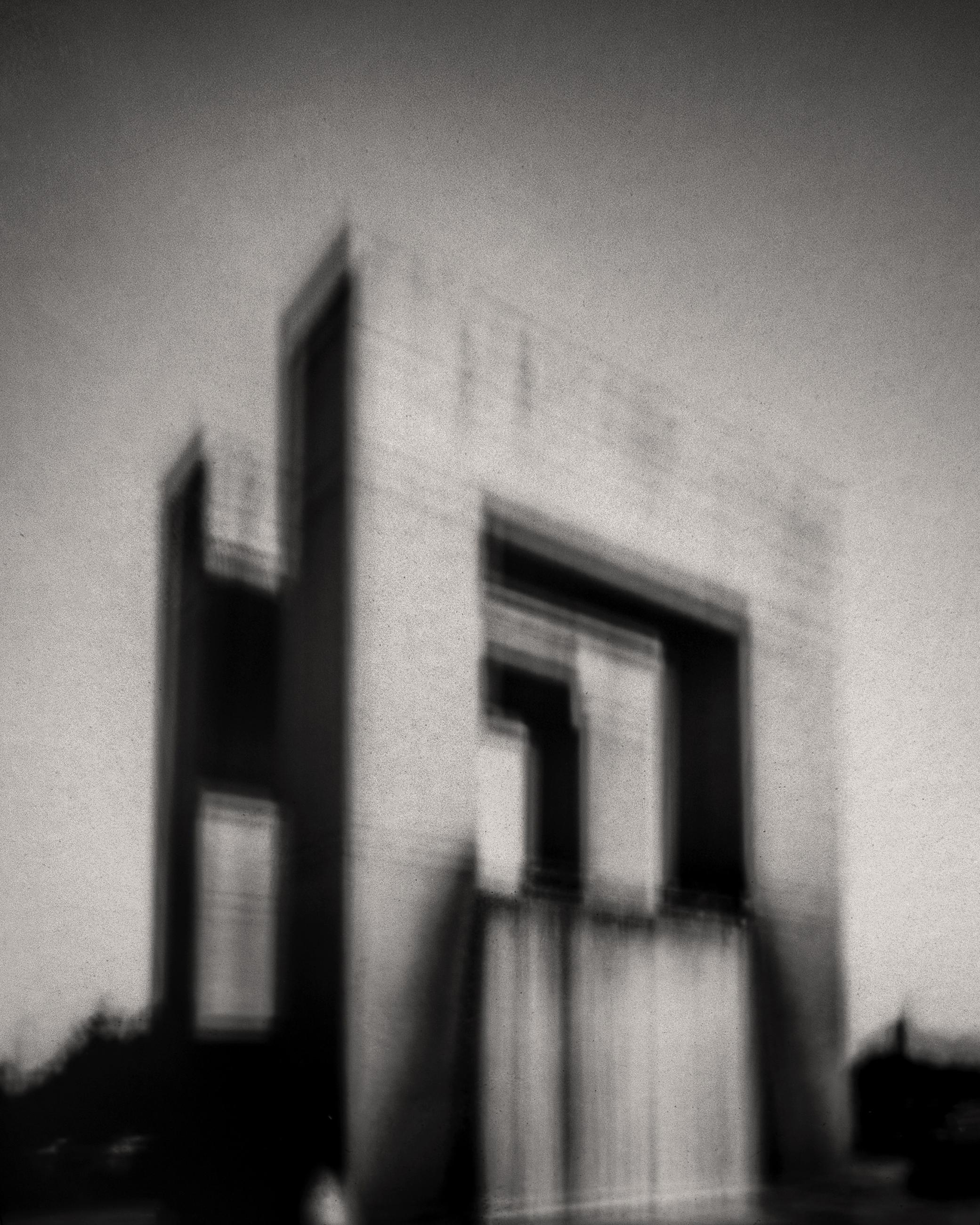
Brutalism 06
Brutalist architectural ornamentation in a roundabout in the Fuentelucha neighbourhood in Alcobendas, Madrid.
© Javier Arcenillas, Spain, Shortlist, Professional competition, Architecture & Design, 2023 Sony World Photography Awards
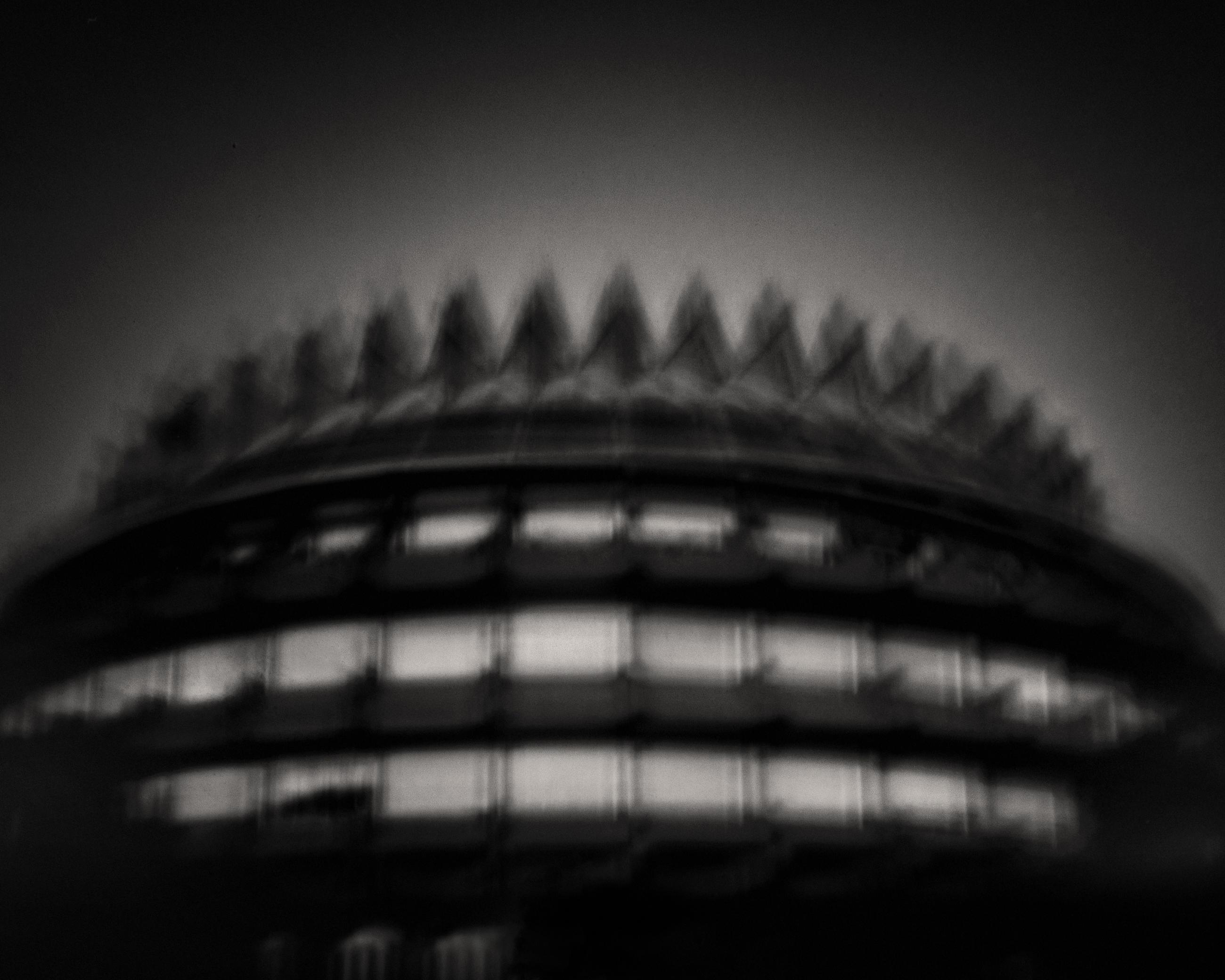
Brutalism 07
The Spanish Historical Heritage Institute, known as Corona de Espinas, is located at the City University. It was designed by Fernando Higueras and Antonio Miró Valverde.
© Javier Arcenillas, Spain, Shortlist, Professional competition, Architecture & Design, 2023 Sony World Photography Awards
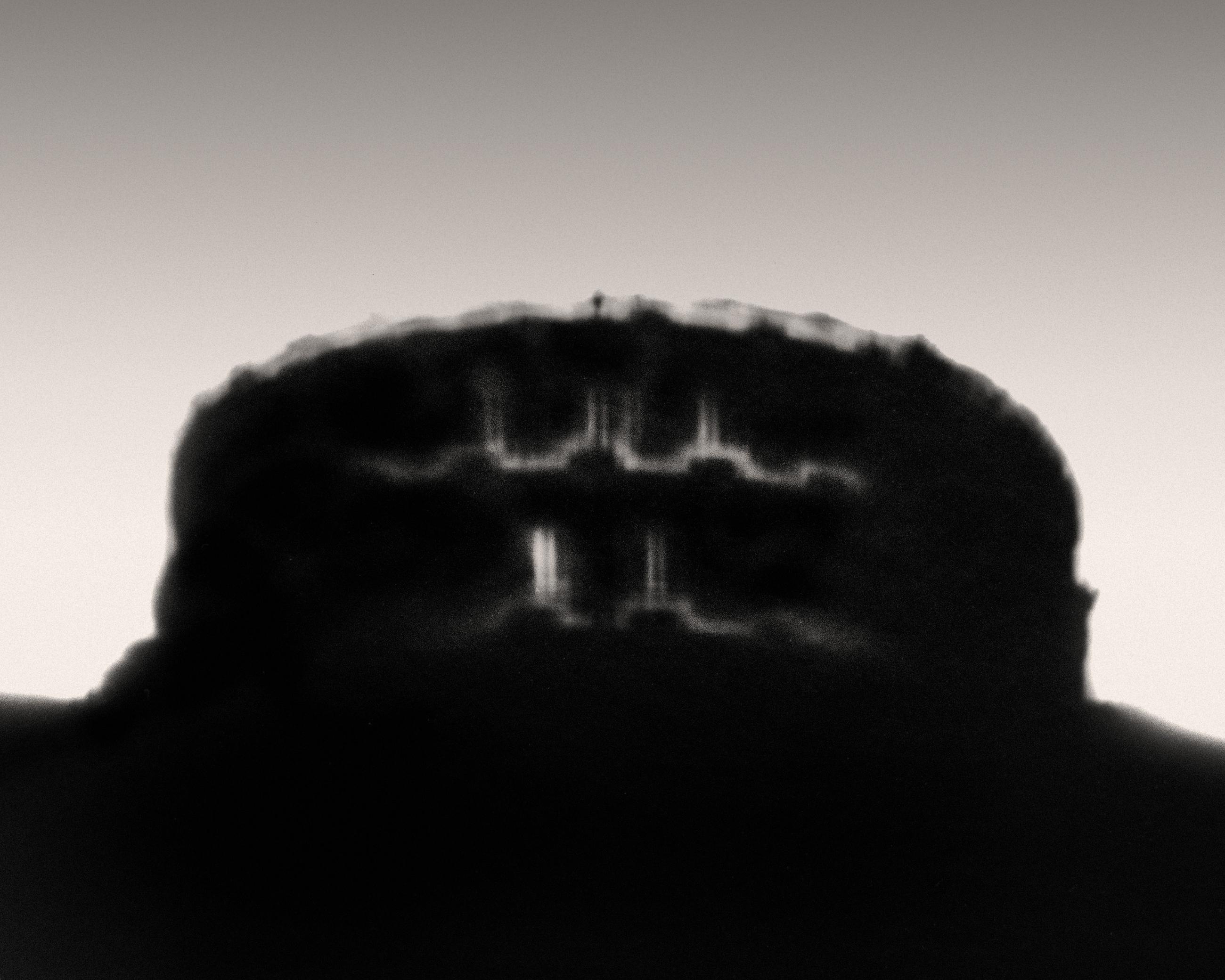
Brutalism 09
The former British Embassy in Madrid was designed in 1966 by the British architect W. S. Bryant, known for his Brutalist works, and the Spanish rationalist architect Luis Blanco-Soler. It is a round building intended to mimic a bullring.
© Javier Arcenillas, Spain, Shortlist, Professional competition, Architecture & Design, 2023 Sony World Photography Awards