

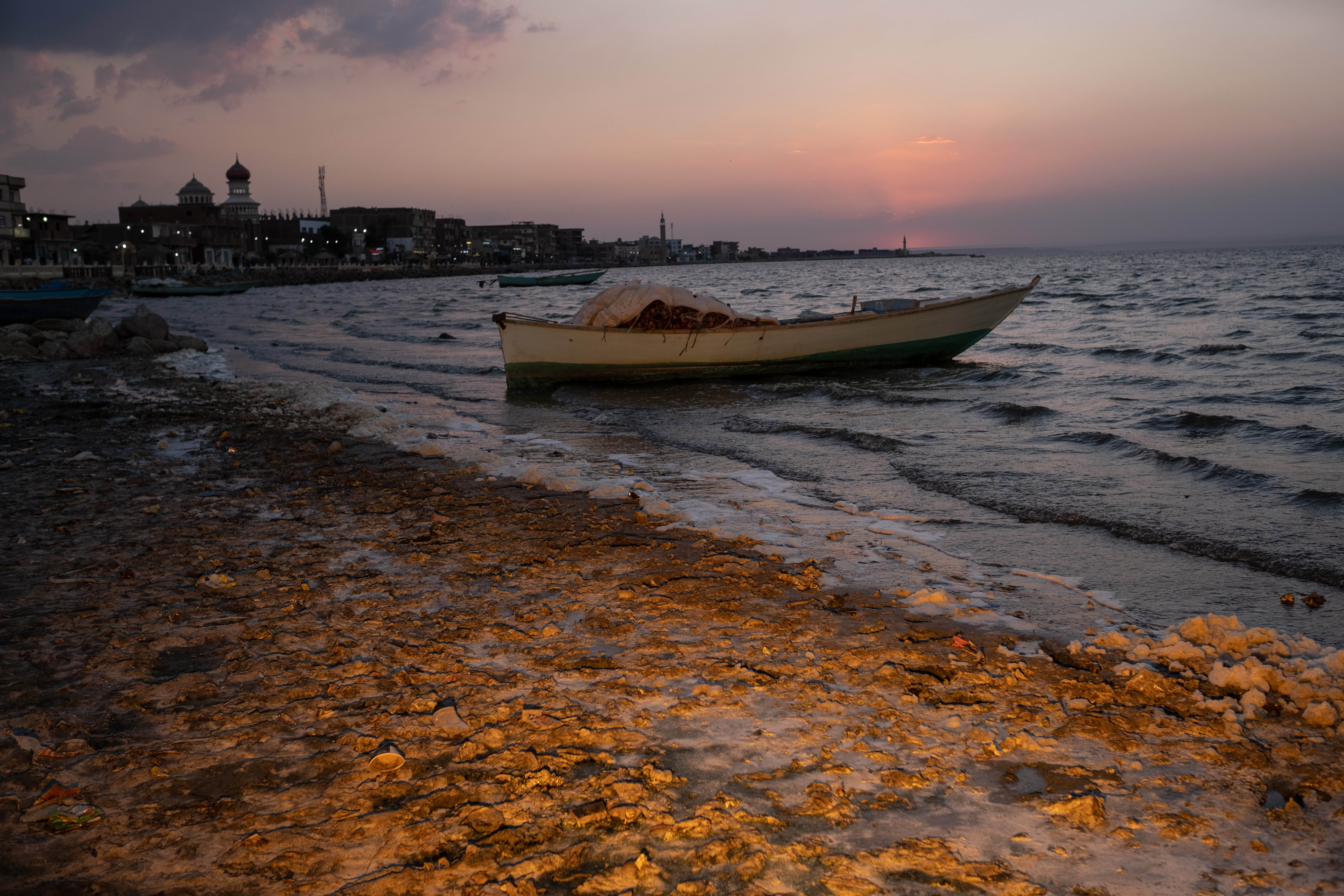
Series description
Lake Qarun, located in the Fayoum in south west Egypt, is one of the oldest lakes in the world, containing fossils that are millions of years old. During the Pharaonic era, flooding meant that this low-lying lake was supplied with freshwater from the Nile, but since the start of the 20th Century it has grown increasingly saline. Various fish species have already disappeared due to increased pollution and changes to the climate, and the health of Lake Qarun and the wildlife within it are now seriously endangered by its rising saline level, which is higher than that of seawater. To compound this, a parasitic infection has spread throughout the lake, which has negatively impacted fish production and quality, thereby harming the fishing community in Fayoum: the number of fishing boats operating in the lake has decreased from 605 to just 10 boats. This project attempts to explore the lives of the fishermen residing in the village of Ezbat Soliman, near Lake Qarun, and how the lake’s pollution affects them.
Biography
Fatma Fahmy (b. 1991, Riyadh, Saudi Arabia) is a documentary photographer, based in Cairo. Fahmy obtained a B. A degree in Chemical Engineering from Cairo University in 2013.
She focuses on environmental concerns and Social issues affected by the environment and migration.
In 2020, she was a recipient of the Daniele Tamagni Grant at the Market Photo Workshop which assisted her to join the Photojournalism and Documentary Photography Programme. In 2020 she was named by the PhMuseum as one of the African Photographers you should know. She has been working with several local and international NGO’s since 2021. Clients include Reuters, Libération, Prier magazine, RVO, CNN, and National Geographic Magazine. Her photographs have also been exhibited in Ethiopia, Germany, the United Kingdom, France, and the United Arab Emirates.
The Lost Lake 1
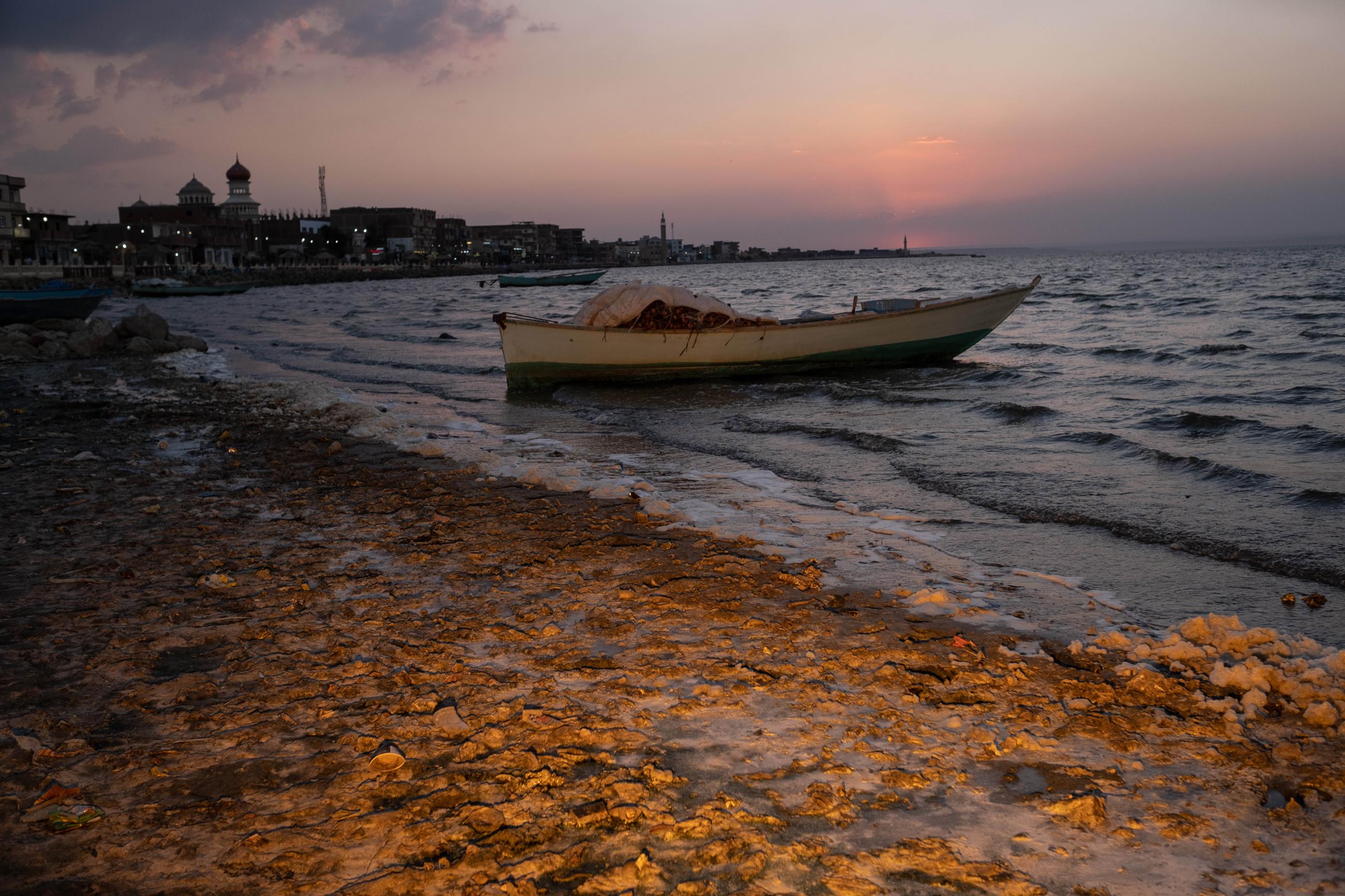
Boats on the shore and sea foam. The lake’s water level remains low due to the impacts of climate change and anthropogenic activities, as well as severe pollution. Sea foam is a phenomenon that occurs in all seas as a result of the intense mixing of impurities, organic materials, salts, dead plants and rotting fish.
© Fatma Fahmy, Egypt, Shortlist, Professional competition, Environment, 2023 Sony World Photography Awards
The Lost Lake 2
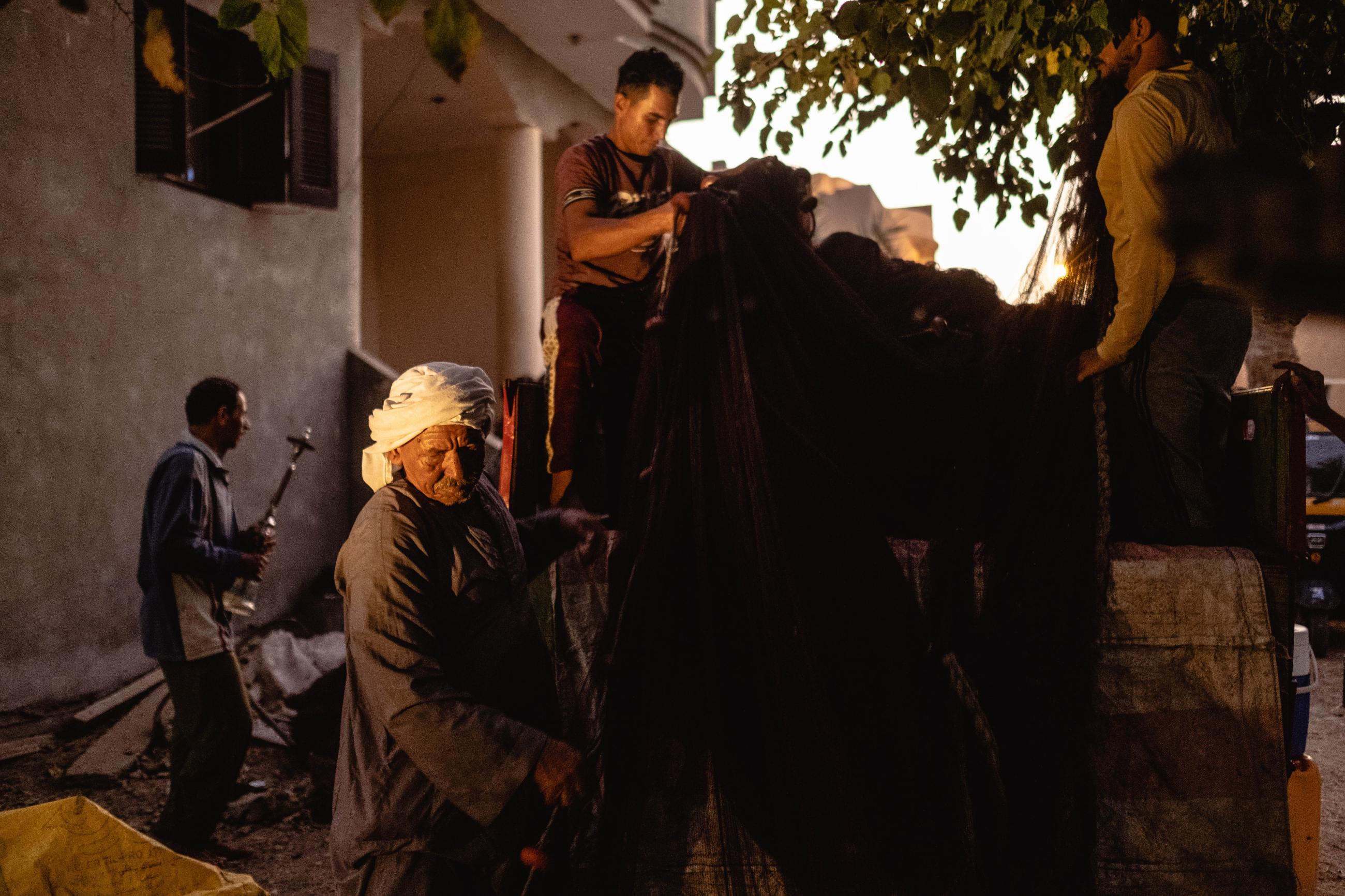
Egyptian fishermen collect and prepare a fishing net before sailing.
© Fatma Fahmy, Egypt, Shortlist, Professional competition, Environment, 2023 Sony World Photography Awards
The Lost Lake 3
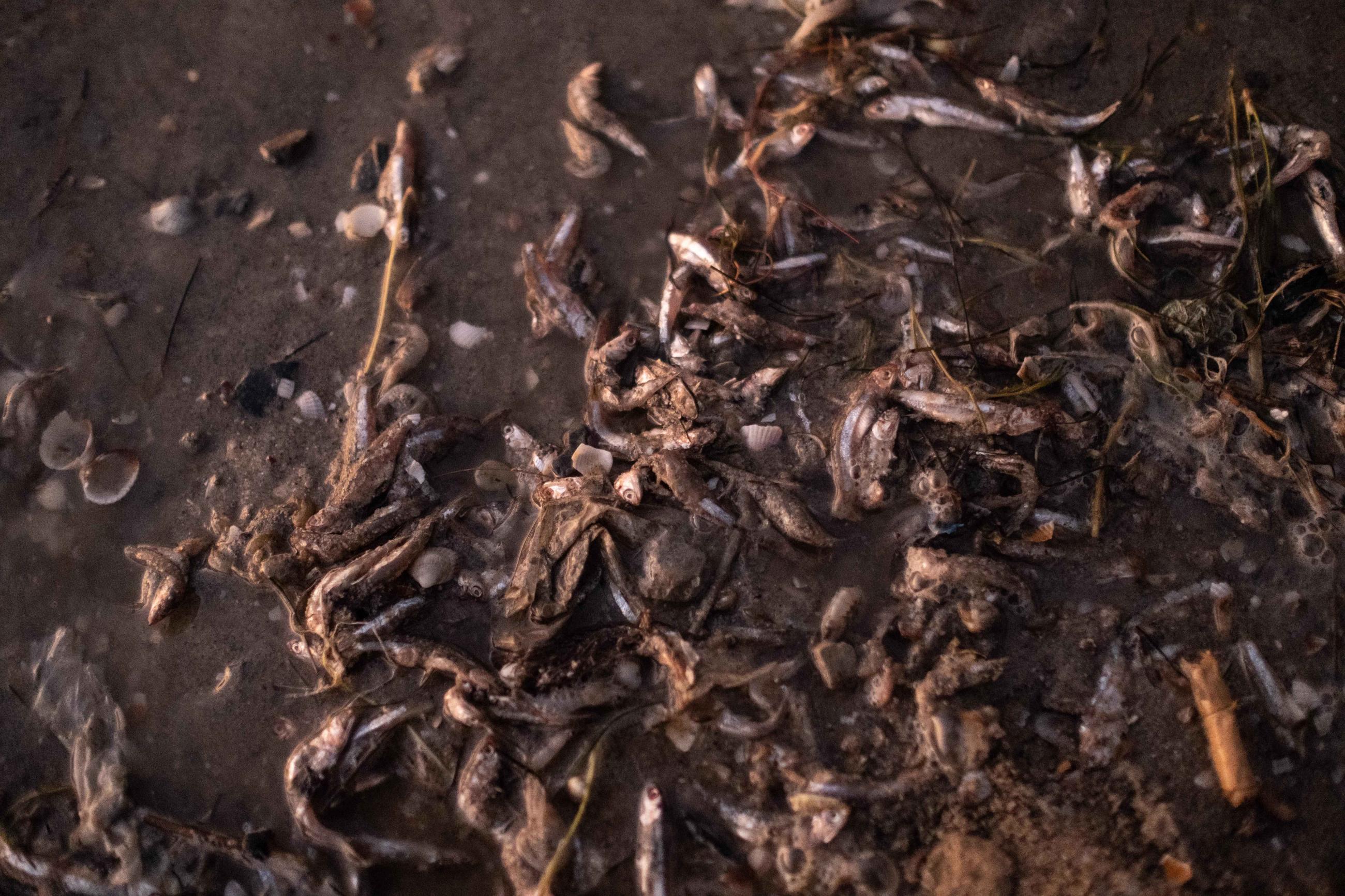
Sardines on the shore of Lake Qarun at sunset. Due to the severe effects of pollution, the only fish that can be found in the lake is sardine.
© Fatma Fahmy, Egypt, Shortlist, Professional competition, Environment, 2023 Sony World Photography Awards
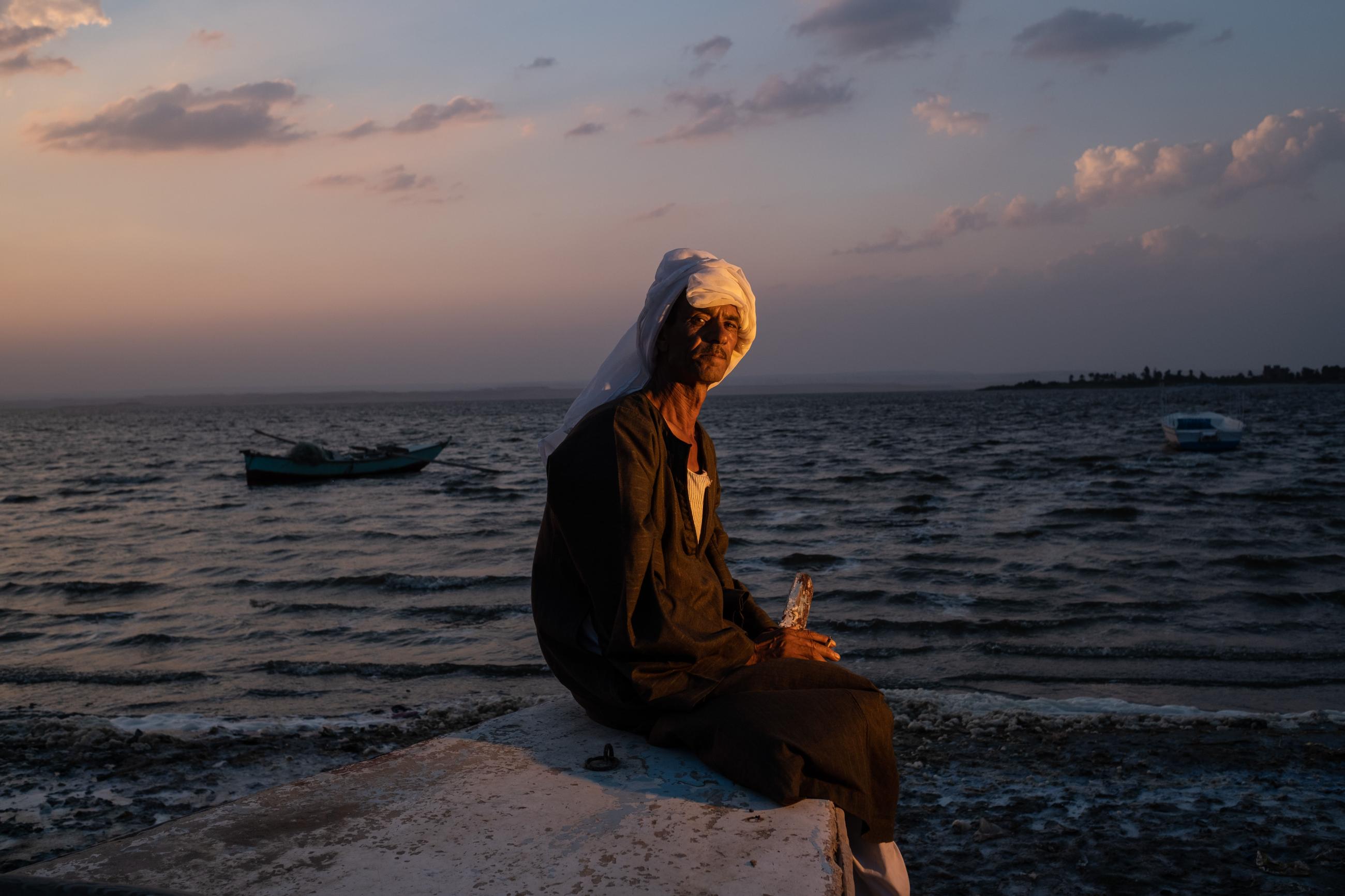
The Lost Lake 4
Darabala Abdel Hadi (61) poses for a portrait on the shore at Lake Qarun. Darabala worked with his father for 20 years as a fisherman on the lake, but when fish stocks declined sharply due to severe pollution, he was forced to abandon Ezbat Soliman and move to the village of Abu Simbel in the south of Egypt.
© Fatma Fahmy, Egypt, Shortlist, Professional competition, Environment, 2023 Sony World Photography Awards

The Lost Lake 7
Darabala Abdel Hadi fixes his fishing nets at his house.
© Fatma Fahmy, Egypt, Shortlist, Professional competition, Environment, 2023 Sony World Photography Awards
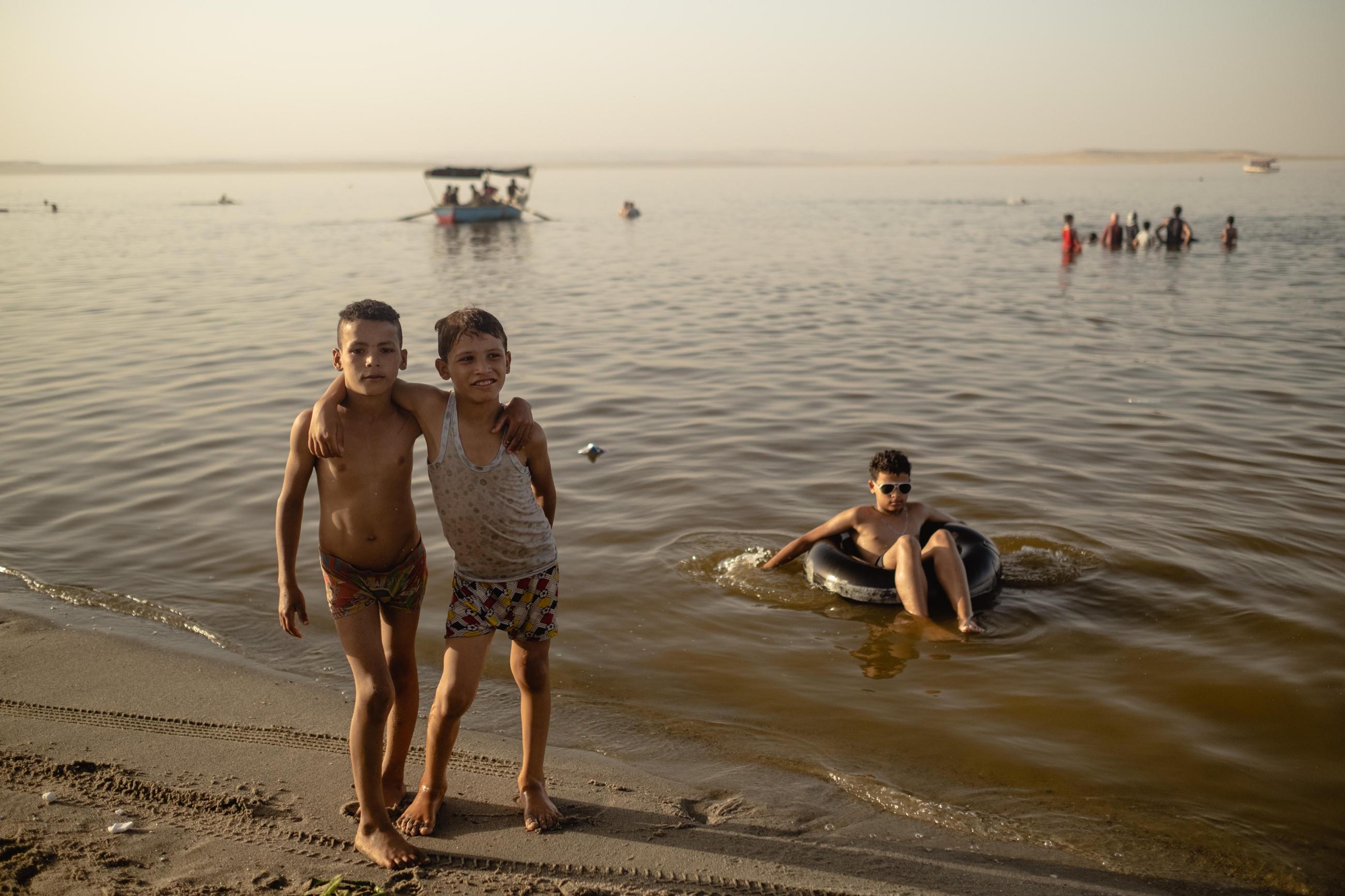
The Lost Lake 8
Two children pause for a photograph at Lake Qarun. In summer, many people come from Fayoum, Beni Suef and Giza to bathe in the lake, but most are unaware of the dangers caused by untreated sewage, agricultural wastewater and industrial waste.
© Fatma Fahmy, Egypt, Shortlist, Professional competition, Environment, 2023 Sony World Photography Awards
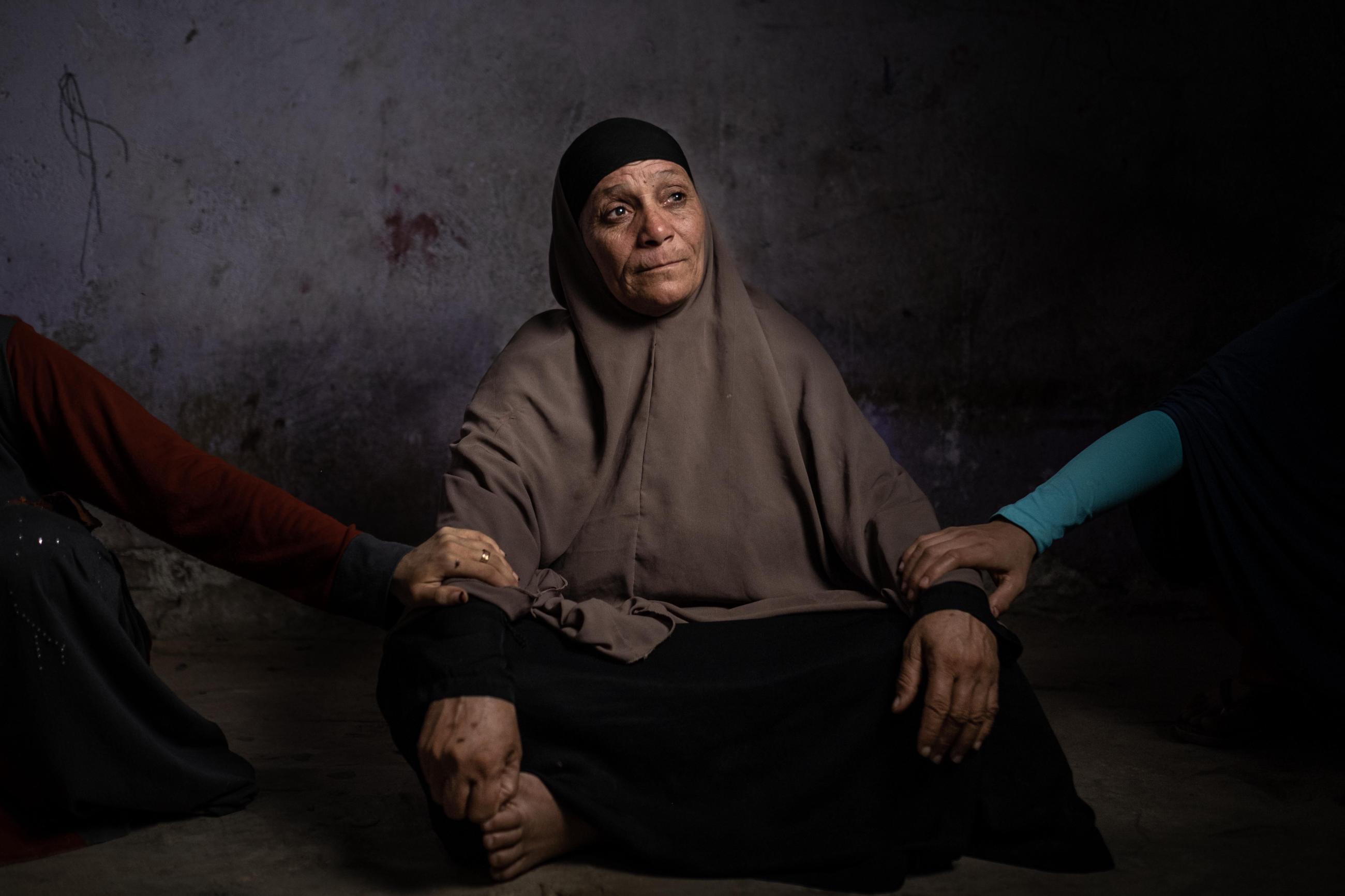
The Lost Lake 10
Ajab Muhammad Miftah (54) poses for a portrait in her house in the village of Ezbat Soliman. The hands are those of her daughters, who support her following the loss of her husband and two young sons in a road accident during their journey to Lake Nasser. Many fishermen from Fayoum have abandoned Lake Qarun to work in Lake Nasser in the Aswan governorate, making a potentially deadly 825 kilometres (500 miles) journey to get there.
© Fatma Fahmy, Egypt, Shortlist, Professional competition, Environment, 2023 Sony World Photography Awards