

Series description
Miruku focuses on the Wayuus, an indigenous population from La Guajira, Colombia’s coastal desert. Commissioned by 1854/British Journal of Photography and WaterAid, the project examines how a combination of climate change issues and human negligence have led its various members to experience a stifling water shortage. In the region, the problem is cyclical and polymorphous. While some communities can achieve certain stability during rainy seasons, temperatures are bound to rise, drying up the land again. Global warming only aggravates this, causing droughts and famine, and spoiling the facilities and installations that help source clean water. We framed the story from a female perspective to get a better understanding of how gender inequality and climate vulnerability interrelate. We sought to highlight the strength and resourcefulness of the Wayuu women, as we found it inspiring that, even under such conditions, they have established themselves as community leaders, teachers and climate activists. Through our diptychs we wanted to convey a visual balance between a raw and a lyrical documentation, and achieve a nuanced portrayal of a multihued situation.
Biography
Marisol Mendez’s artistic practice dramatises the artifice of the photographic medium, unpacking the tensions underlying binaries of past and present, real and fictive, candid and staged, naturalistic and mythical. Mendez's work has been part of numerous exhibitions worldwide like Athens Photo Festival and Getxophoto. Her practice has garnered her several awards among which are the PHmuseum New Generation Prize, Vogue’s Fashion 100, Bird in Flight and the Michael Reichmann’s Project Grant.
Untitled
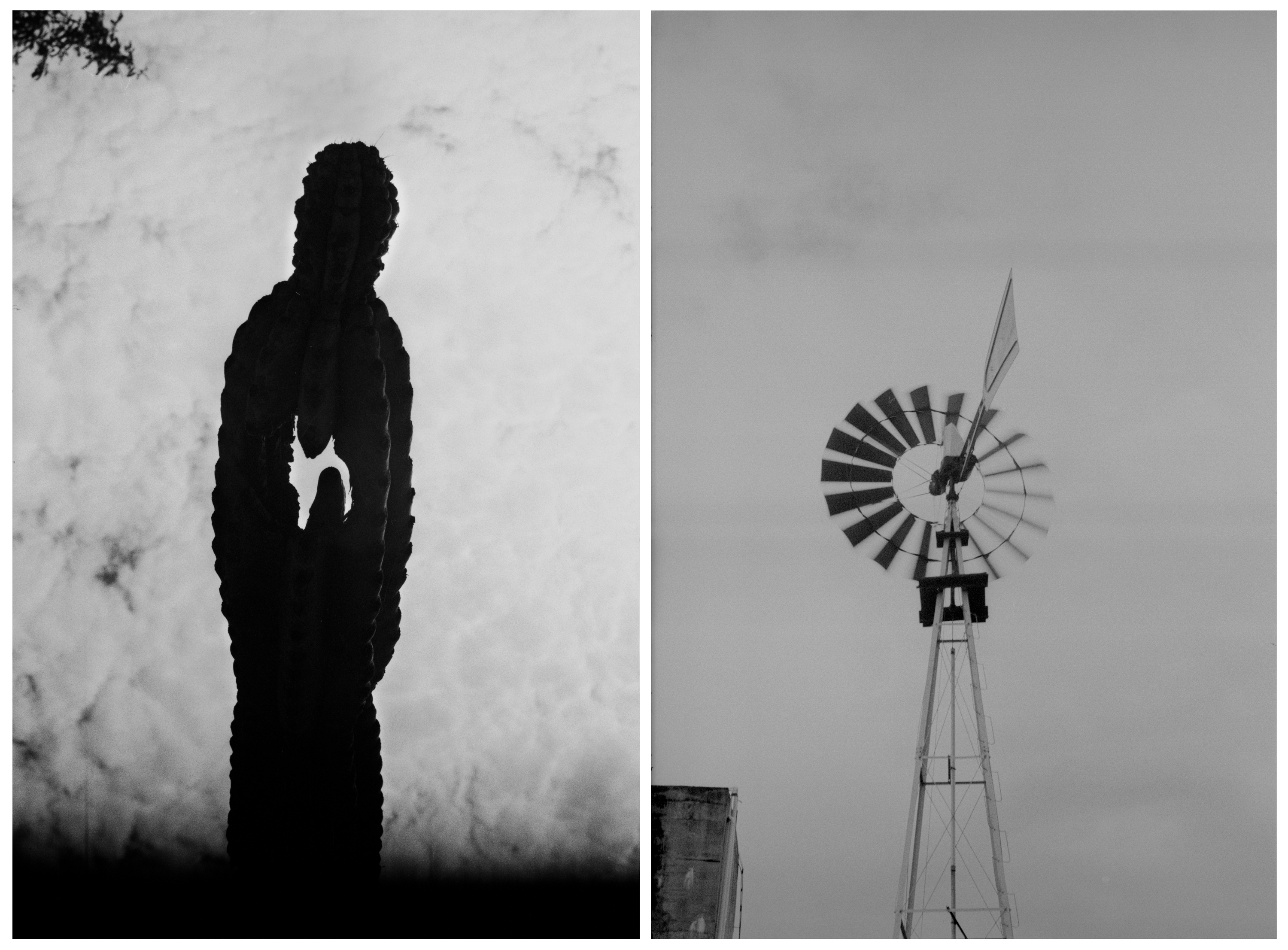
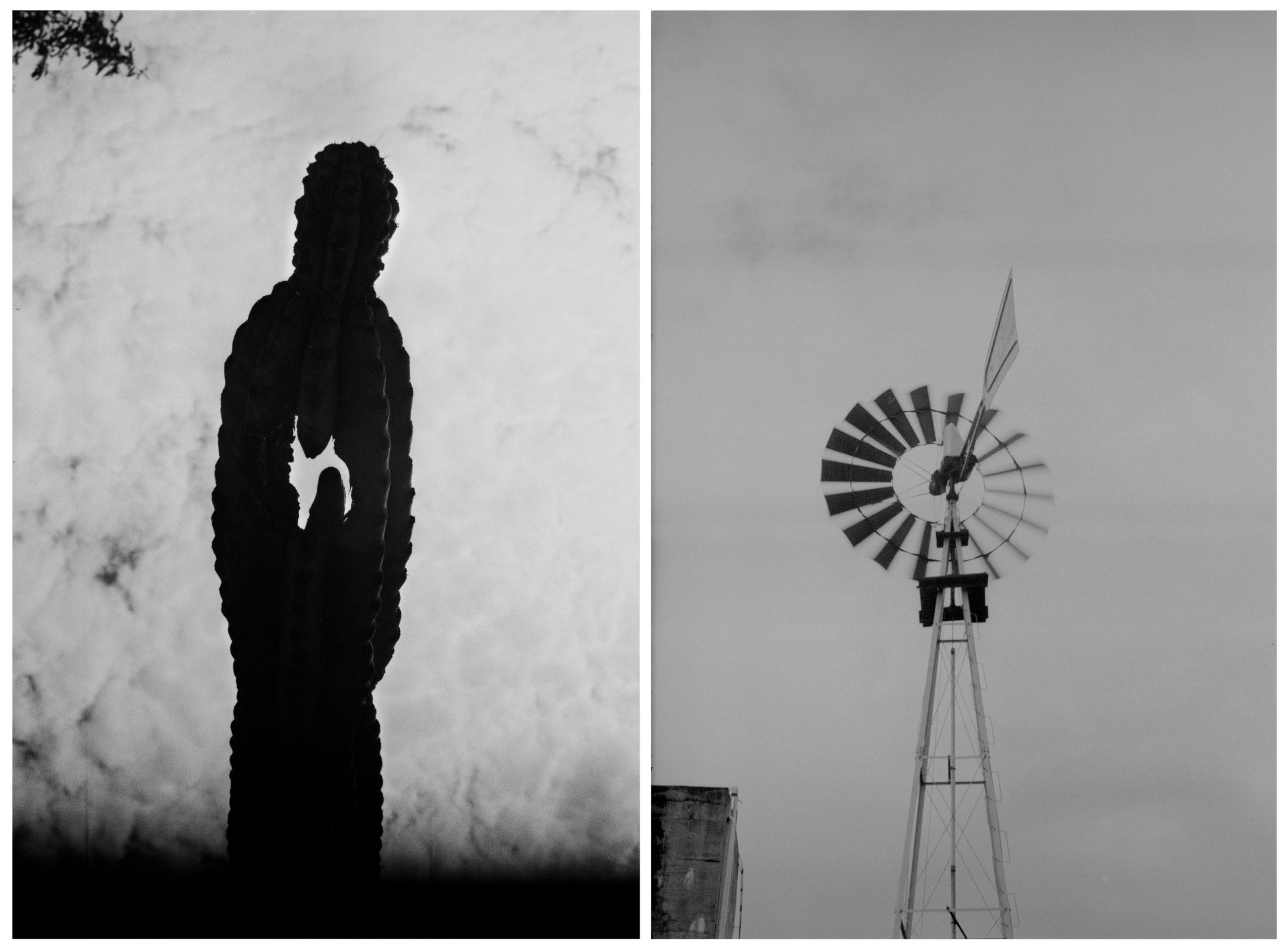
Left: A hollow cactus in Pesuapa, La Guajira, Colombia.
Right: The windmill in Pesuapa that powers the water pump, filling the tanks supplying clean water for everyone in the community.
The Wayuu is Colombia’s largest indigenous group, totalling around 300,000 people who live in the coastal desert region of La Guajira. Prolonged droughts, less frequent rains and poor maintenance of existing wells are likely to worsen their access to water.
© Marisol Mendez & Federico Kaplan, Bolivia, 1st Place, Professional competition, Environment, 2023 Sony World Photography Awards
Untitled
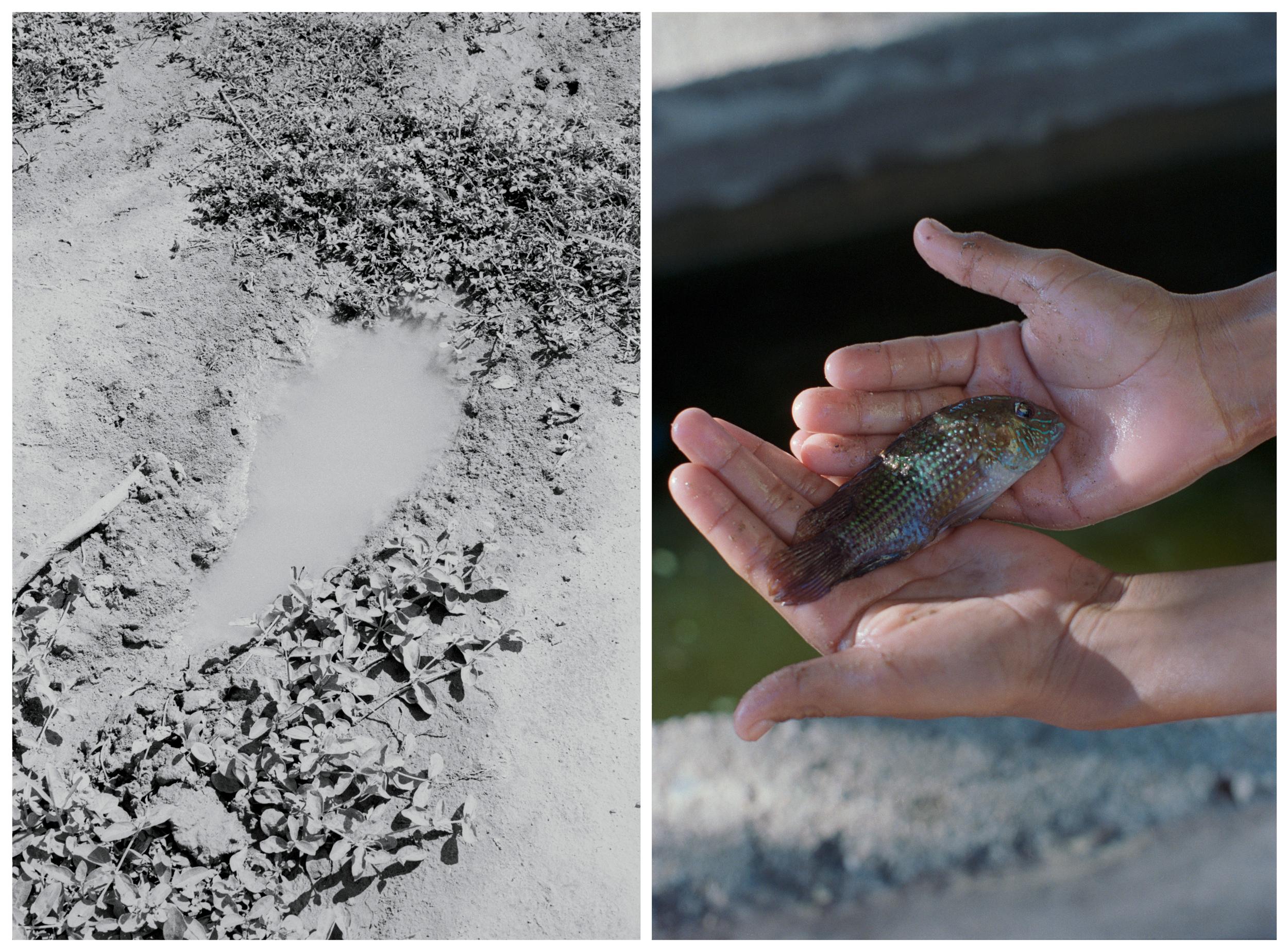
Left: A small puddle near the Pesuapa community. La Guajira, Colombia.
Right: Fidel, a young boy from Pesuapa, holds his pet fish in his hands.
The Wayuu community of Pesuapa comprises around 105 individuals, with many having returned from neighbouring Venezuela to escape the unfolding humanitarian crisis. A borehole provides water, but it is not of drinking quality, forcing people to buy water from clean sources or endure resulting disease.
© Marisol Mendez & Federico Kaplan, Bolivia, 1st Place, Professional competition, Environment, 2023 Sony World Photography Awards
Untitled
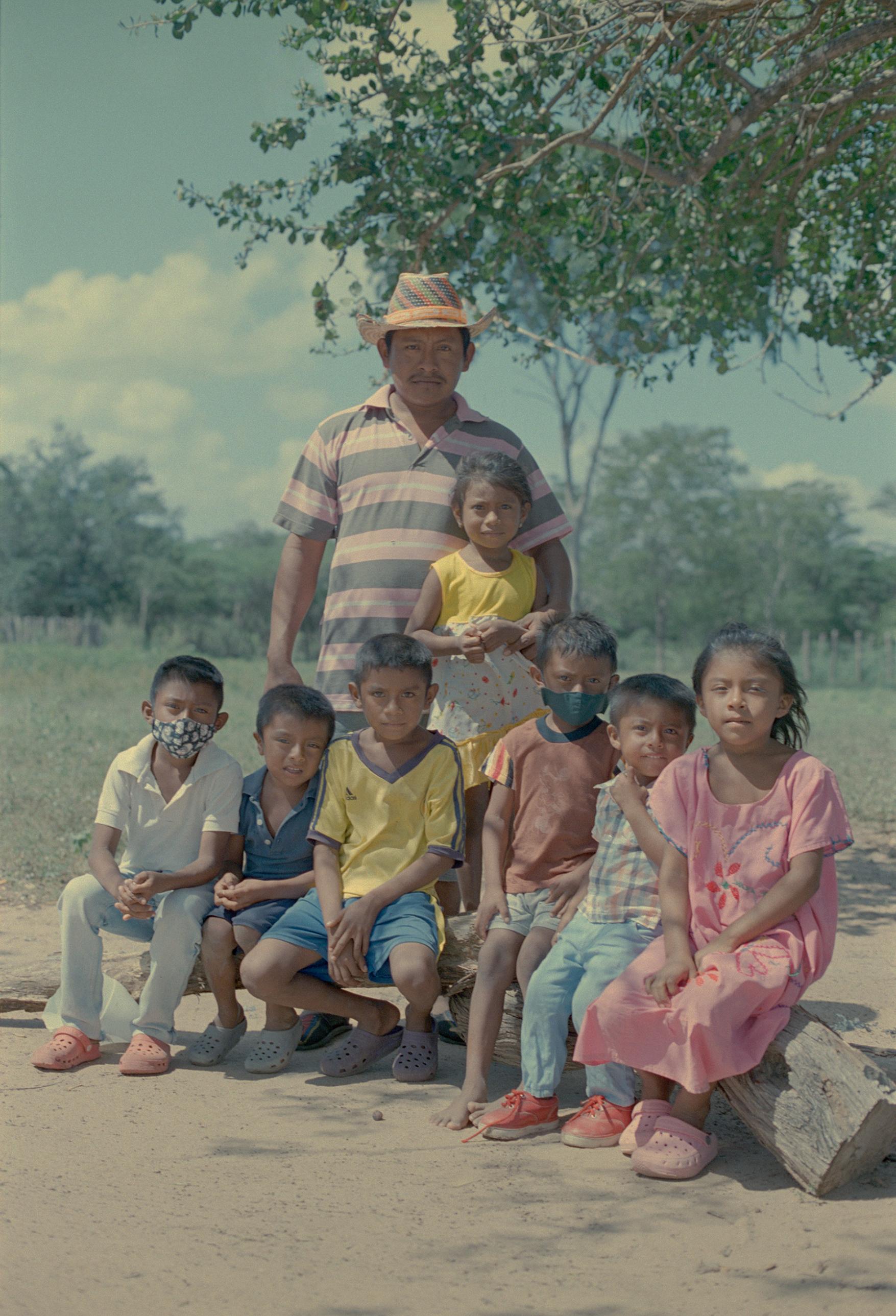
A group of Wayuu children in Polumacho with Emilio, the leader of the village, in November 2021.
Emilio told us: ‘At the moment we don’t have enough water; what water we do have we can’t use for drinking. The times of drought have always been difficult. That happens in the months of January, February, from then for about three or four months. If the year goes by and it doesn’t rain, it is very difficult.’
© Marisol Mendez & Federico Kaplan, Bolivia, 1st Place, Professional competition, Environment, 2023 Sony World Photography Awards
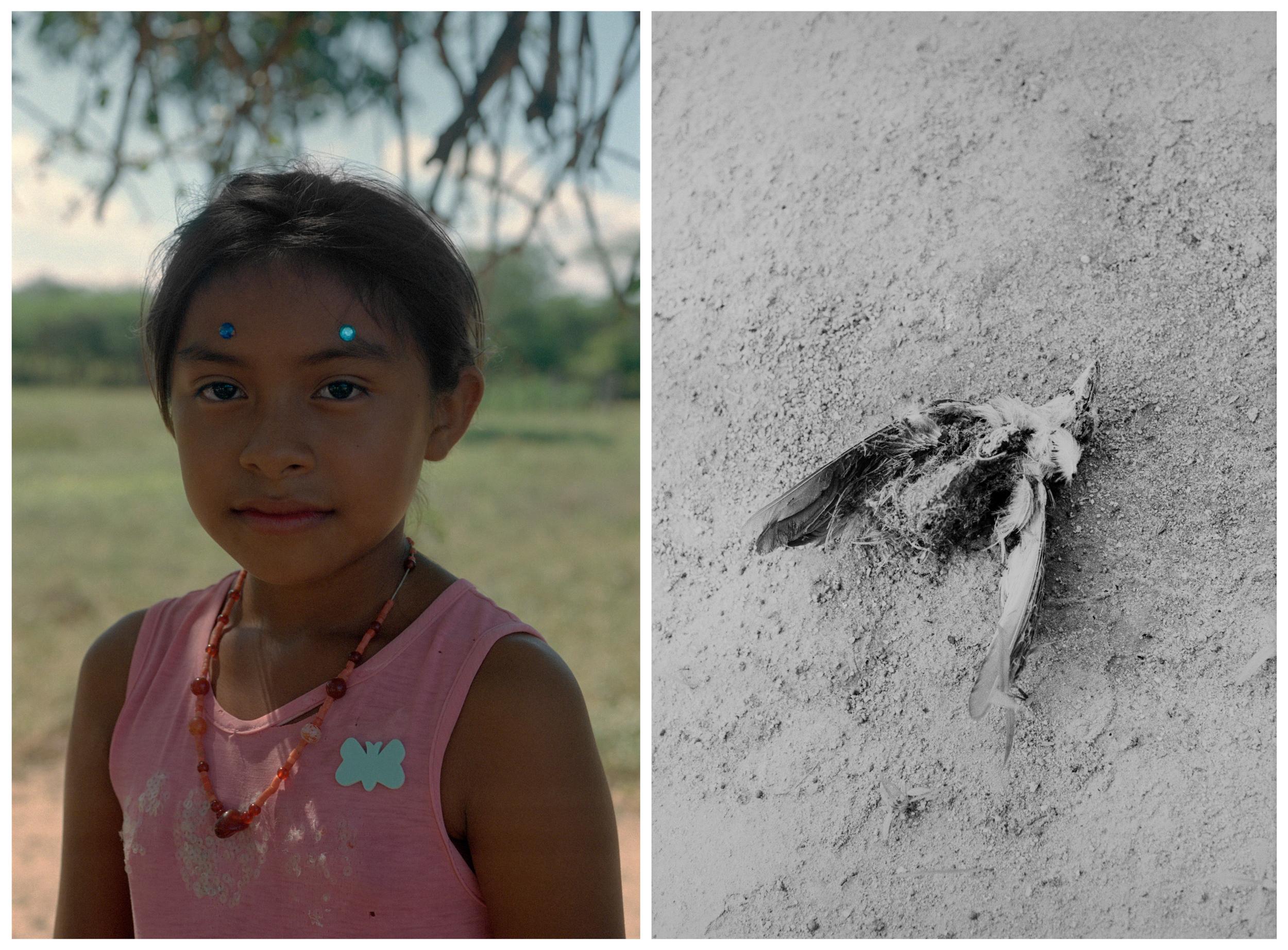
Untitled
Left: Nina (7), a girl from Polumacho, displays the stickers she got for completing her colouring activities.
Right: A dead bird at the door of a house in Pesuapa.
For the Wayuu communities, women are authorities, artisans, carers, providers – and ultimately – water defenders. Many Wayuu women travel for hours to source water from wells or natural aquifers called jagüeyes.
© Marisol Mendez & Federico Kaplan, Bolivia, 1st Place, Professional competition, Environment, 2023 Sony World Photography Awards
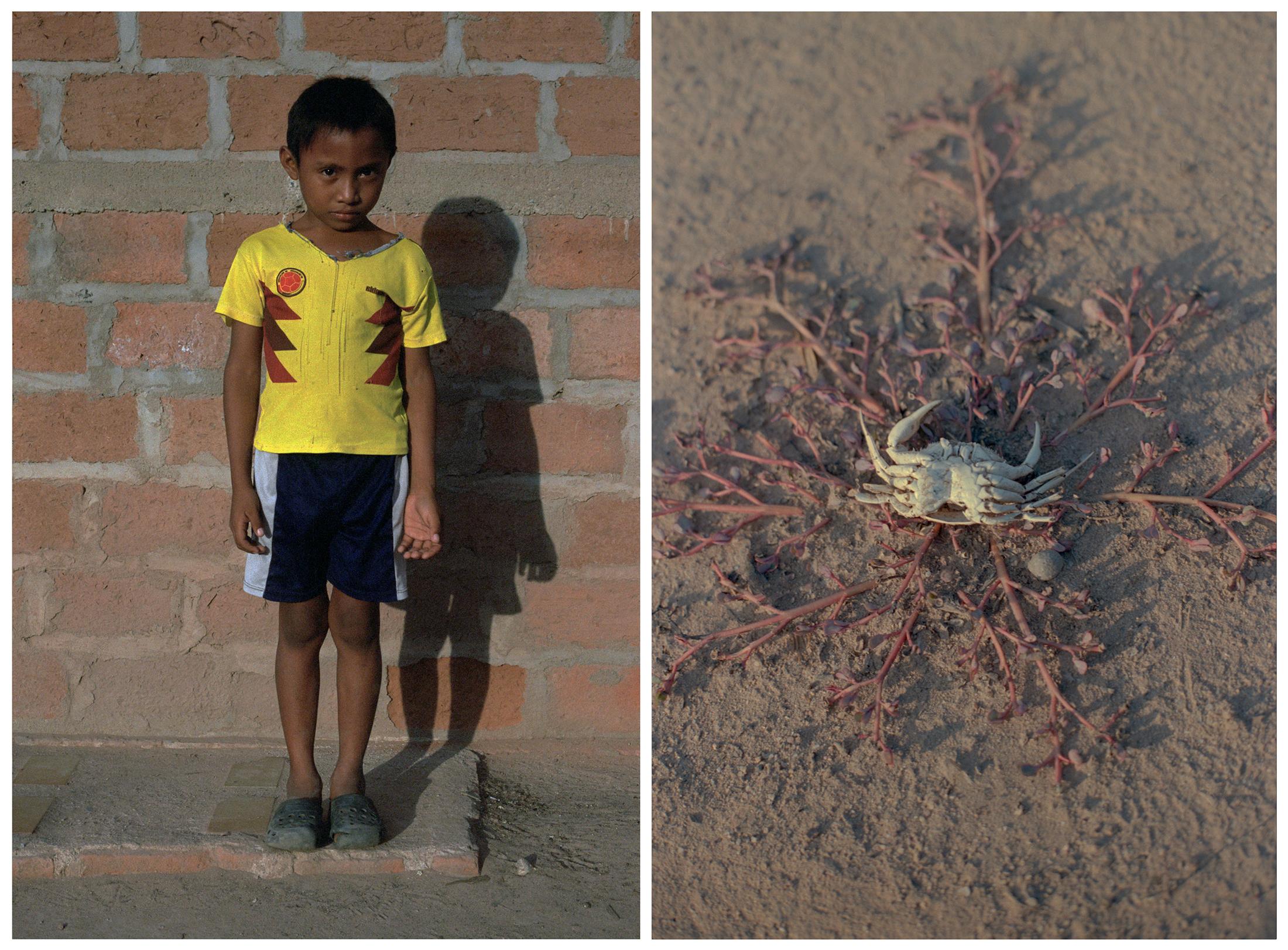
Untitled
Left: Dimitri, a shy but playful little boy from a community in Totopana that doesn’t have access to clean water.
Right: The remains of a crab sit on top of a dried root near Pesuapa.
Dimitri was very shy at first. He didn’t want his photograph taken. We showed him our camera and how things looked from the lens and then he became excited at the prospect of having his picture taken.
© Marisol Mendez & Federico Kaplan, Bolivia, 1st Place, Professional competition, Environment, 2023 Sony World Photography Awards
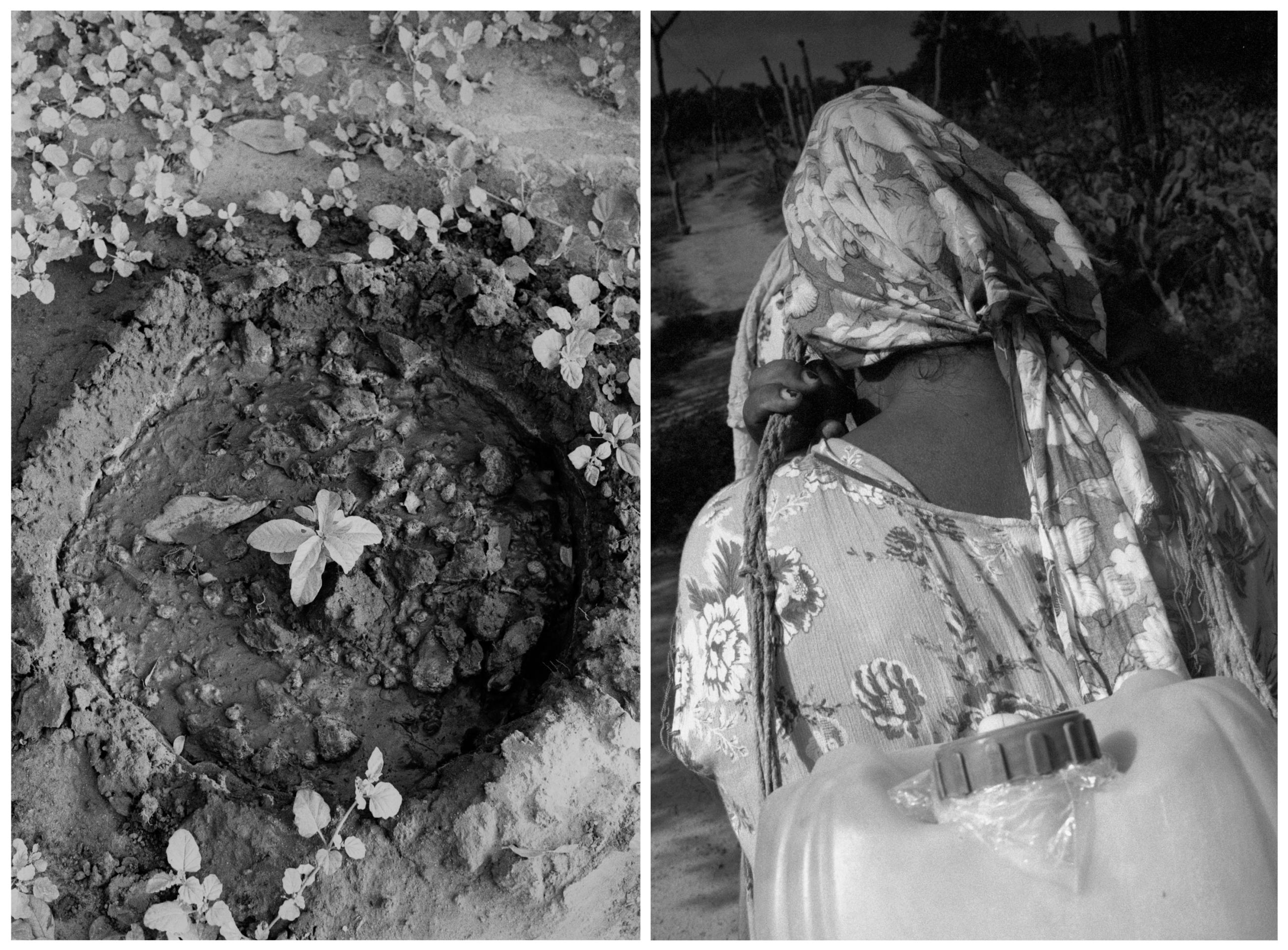
Untitled
Left: Crops growing in the fields around the community. In this region the wet and dry seasons are no longer predictable; climate change is causing a shift in weather patterns, often causing crops to fail.
Right: Lina, an elderly woman living in a community near Totopana that does not have access to clean water, carries a heavy jerry can full of unsafe water back to her home. The long and arduous journey takes her about an hour.
© Marisol Mendez & Federico Kaplan, Bolivia, 1st Place, Professional competition, Environment, 2023 Sony World Photography Awards
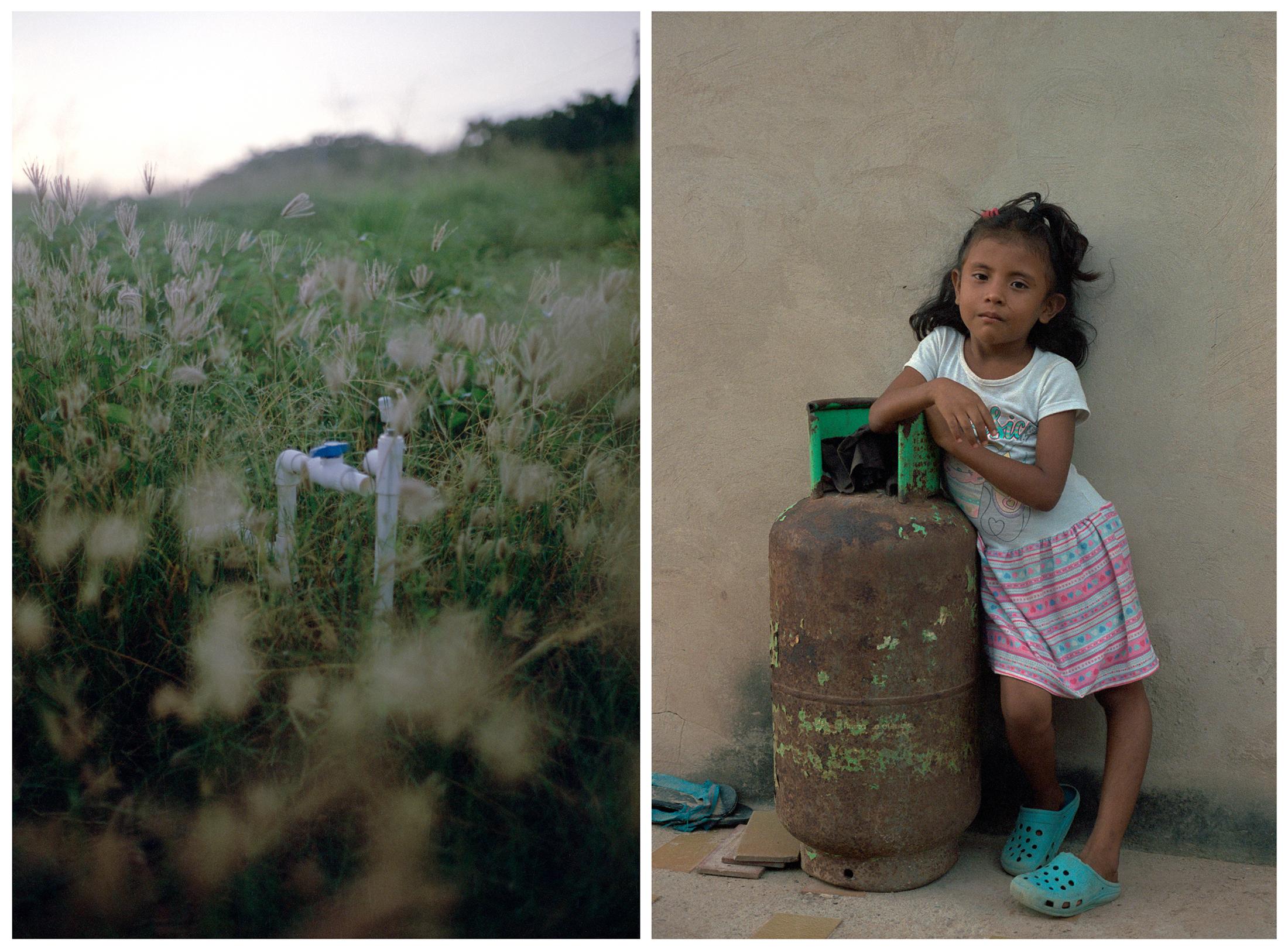
Untitled
Left: A tap in the middle of a field in Pesuapa.
Right: Sailé, a girl from Totopana, leaning on a gas cylinder that is often used by the households for cooking.
Due to its access to water, Pesuapa is able to offer its residents a certain amount of resilience in the face of climate change. For communities without a reliable water source, collecting water will be undertaken mainly through the labour of women and girls.
© Marisol Mendez & Federico Kaplan, Bolivia, 1st Place, Professional competition, Environment, 2023 Sony World Photography Awards
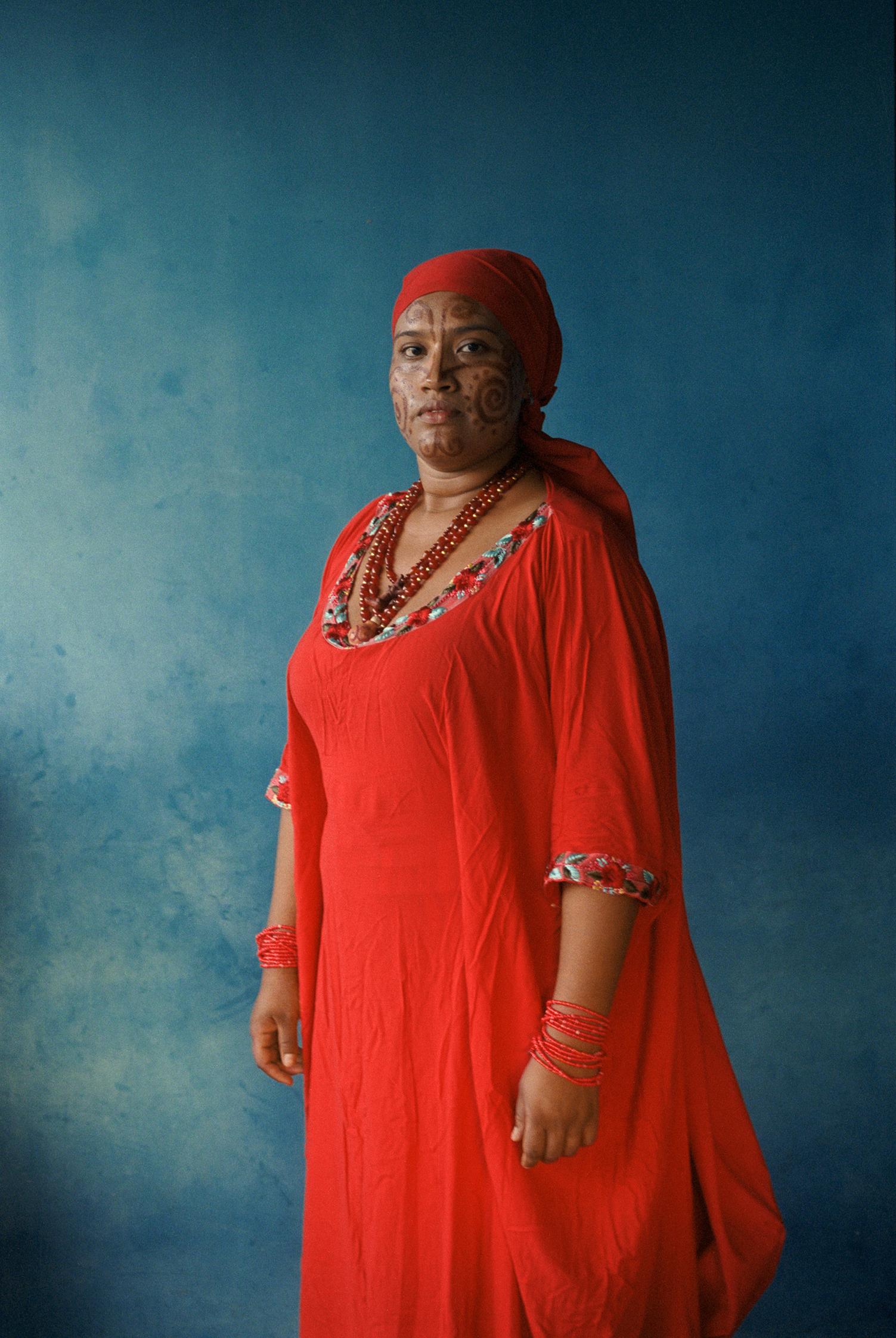
Untitled
Erin Daniela Moscote Silva, the future leader of Pesuapa.
Her dress is traditional and the patterns painted on her face are significant among the Wayuu people, symbolising their way of looking at life; past, present and future all interconnecting in the form of spirals. She graduated from university where she studied engineering and embodies an unusual combination of both the modern and traditional in her ambitions for the future of her community. She’s aware of the importance of ancient rituals alongside new ideas, ensuring her community and those around her are resilient in the face of climate change.
© Marisol Mendez & Federico Kaplan, Bolivia, 1st Place, Professional competition, Environment, 2023 Sony World Photography Awards