

Series description
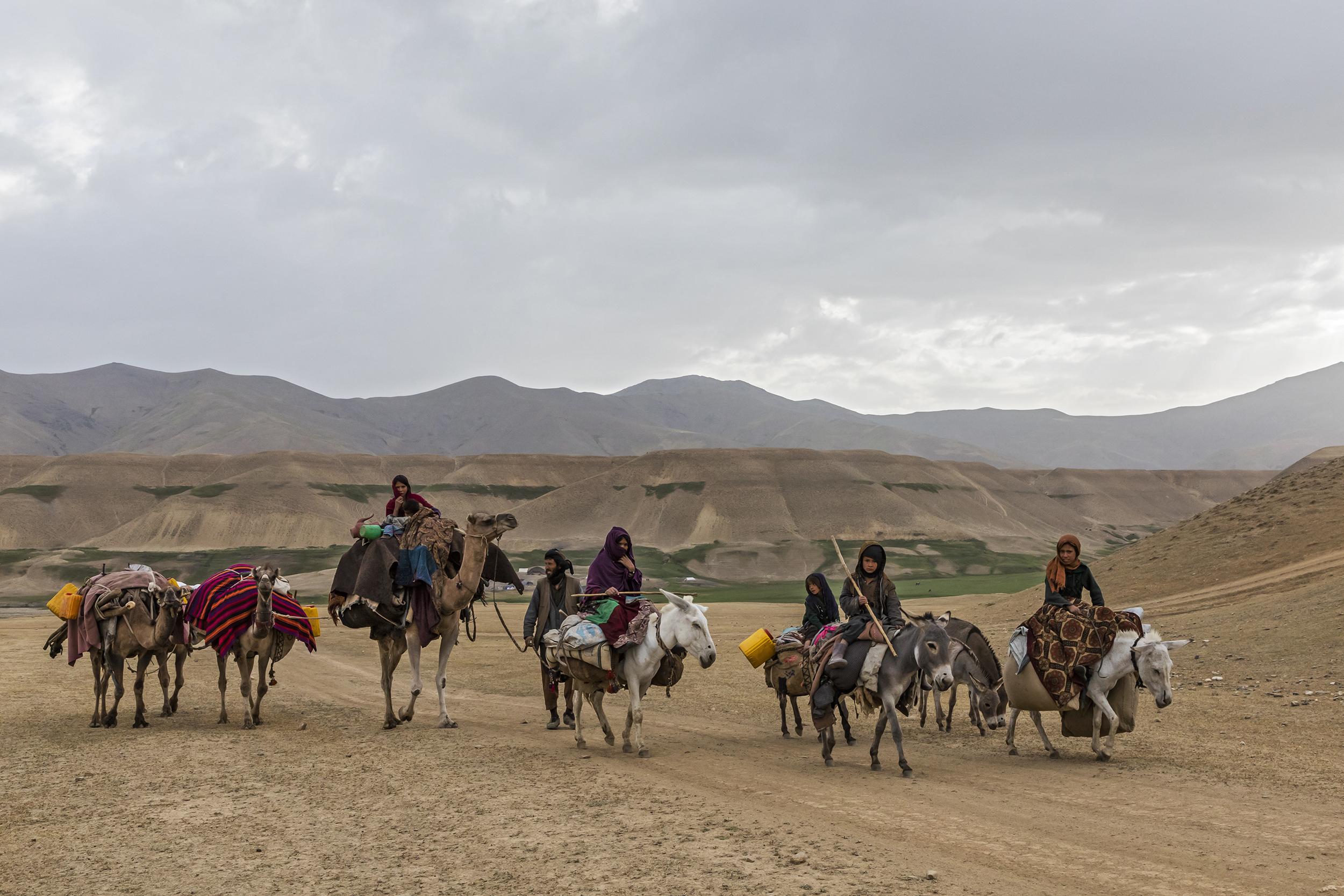
In recent years, drought has made it much harder and less predictable for the nomadic Kuchi herders of Afghanistan to make use of the available pastures. This has inflamed historic tensions with another nomadic group, the Hazara, and in some areas the Kuchi are now allowed only to bring their herds, but not their tents. Such are the pressures that families have been forced to sell their camels and their flocks have reduced significantly in number, while groups that used to spend entire summers in the mountains are now leaving earlier than usual due to the exhaustion of the pastures. Because of this, many herders have to buy forage to feed their flocks, as well as water for their families – those who can afford it buy it from water tankers and create small ponds in which to store it.
Biography
Bruno Zanzottera is a photographer, videoreporter, journalist for over 30 years, focused on social, cultural, ethnographic and geographic issues. In his career he published countless photographic reportage on magazines around the world. Among these: National Geographic Magazine, GEO France, GEO International, Airone, Le Figaro Magazine, VSD, Internazionale, D-La Repubblica, Sette, Corriere della Sera, Meridiani, Panorama, Focus, Rolling Stone, ELLE, Spiegel, Brigitte, Days Japan, Pèlerin, Sunday Times. He is a founder member of Parallelozero Agency
Untitled
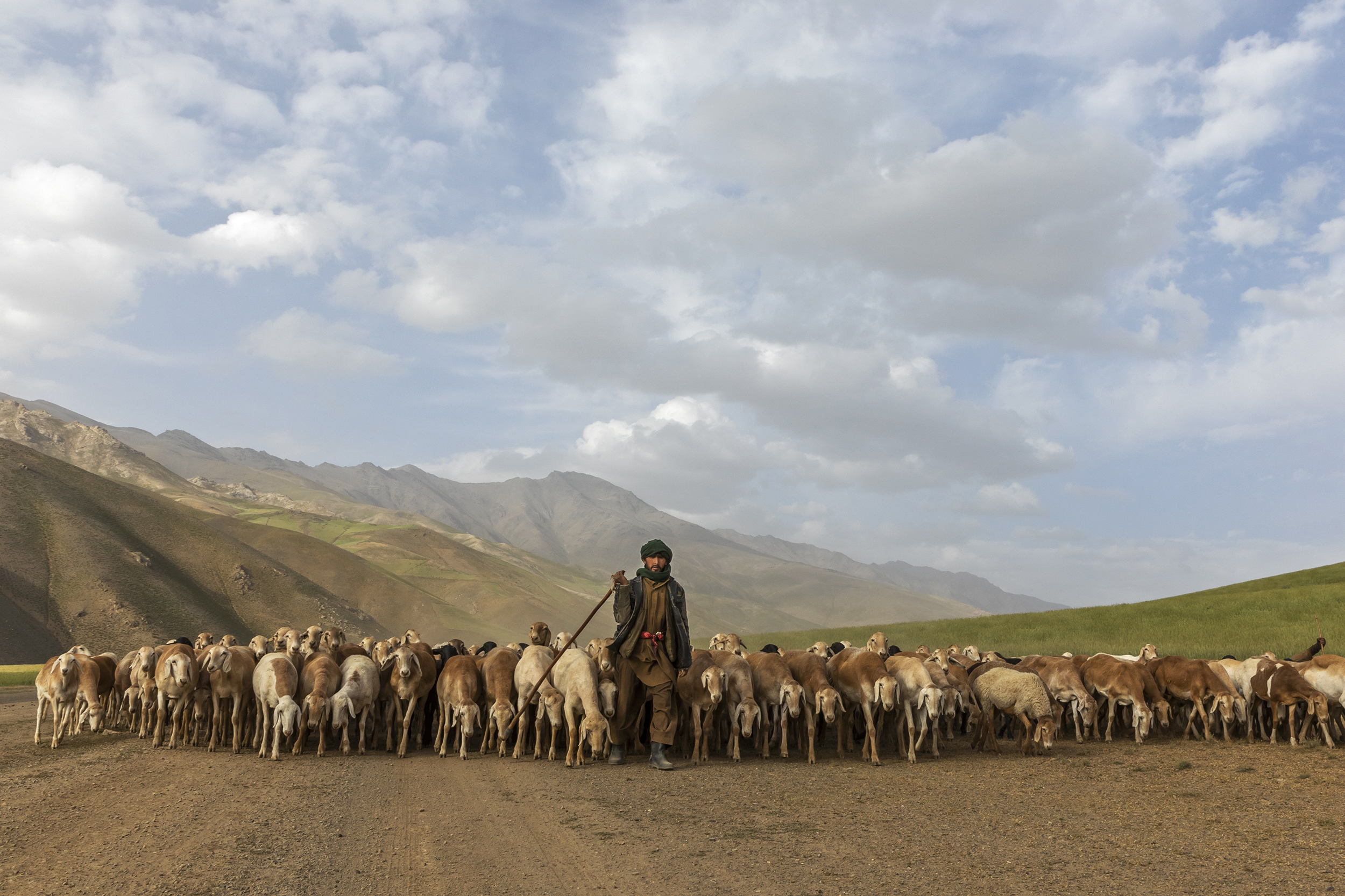
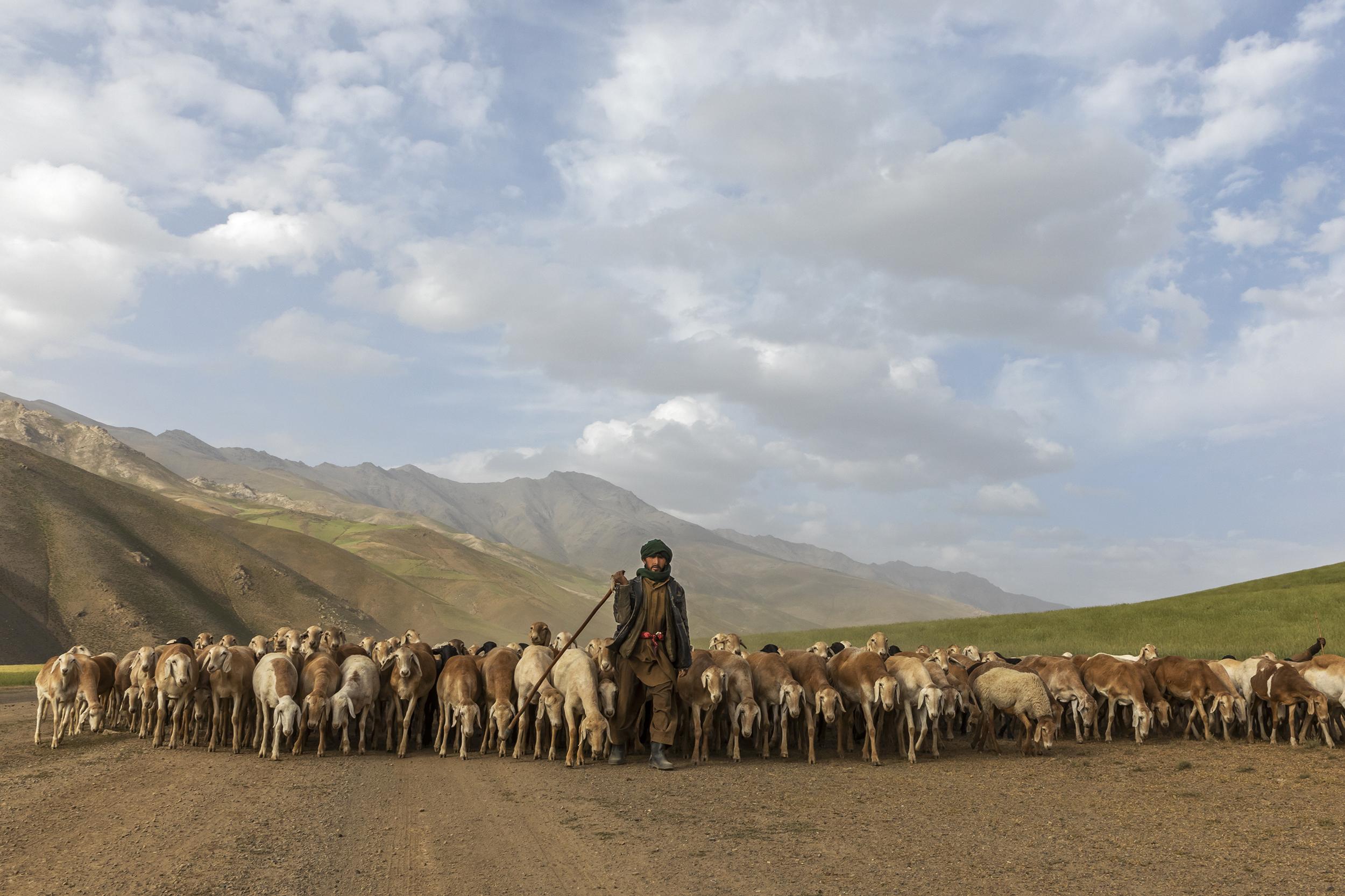
A Kuchi-Baranghi herder leads his flock from the Shiwa pastures in the north of Badakhshan, towards the plains in the province of Kunduz. Families used to spend the entire summer here, but now they begin to depart at the end of July and the beginning of August due to the exhaustion of the pastures.
© Bruno Zanzottera, Italy, Shortlist, Professional competition, Environment, 2023 Sony World Photography Awards
Untitled
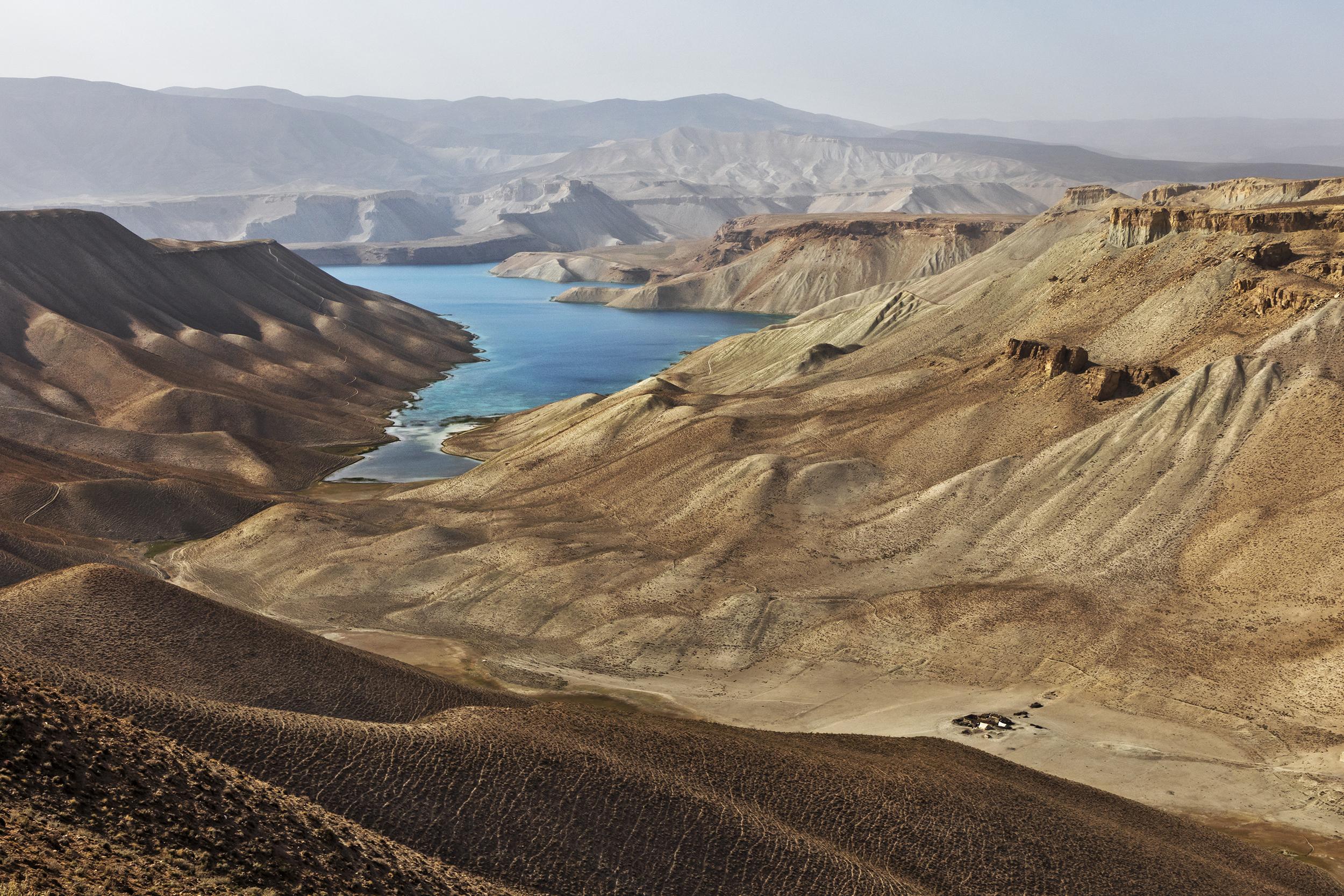
A nomad camp on the shores of Lake Band-e Amir in the province of Bamyan. Due to the drought in this region, tensions have been mounting between the populations of Kuchi and Hazara herders.
© Bruno Zanzottera, Italy, Shortlist, Professional competition, Environment, 2023 Sony World Photography Awards
Untitled
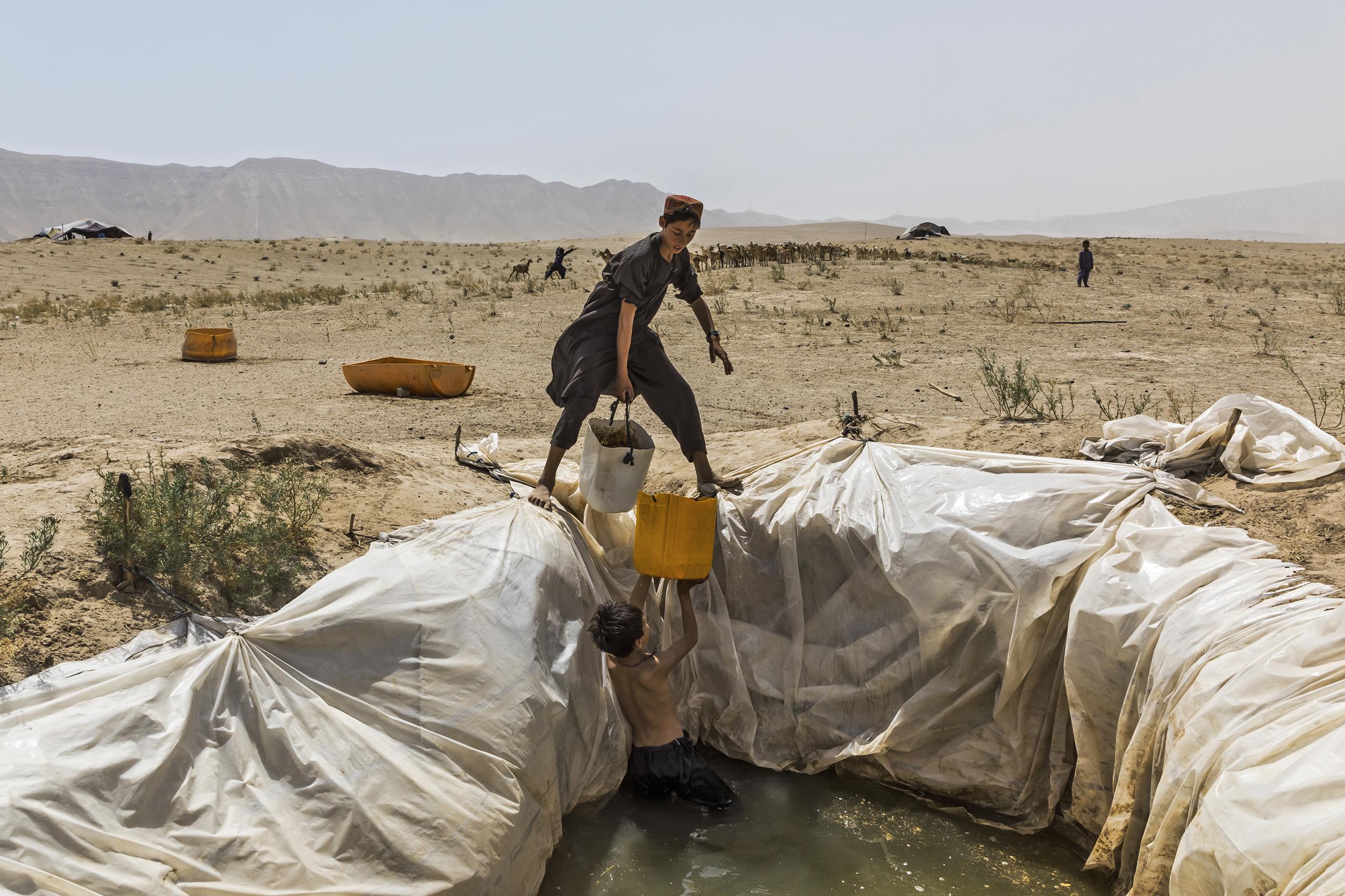
Shirin Aigha and Bismillah, two Kuchi-Farjayan boys, fetch water for their family’s flocks in the northern province of Kunduz. Due to droughts they have had to buy water from tankers and store it in this small homemade pond they have built.
© Bruno Zanzottera, Italy, Shortlist, Professional competition, Environment, 2023 Sony World Photography Awards
Untitled
A family of Kuchi-Asakzai herders return from the Shiwa pastures in the northern province of Badakhshan. The herders used to stay in the highlands until the end of September, but due to the exhaustion of the pastures they now start to depart at the end of July and beginning of August.
© Bruno Zanzottera, Italy, Shortlist, Professional competition, Environment, 2023 Sony World Photography Awards
Untitled
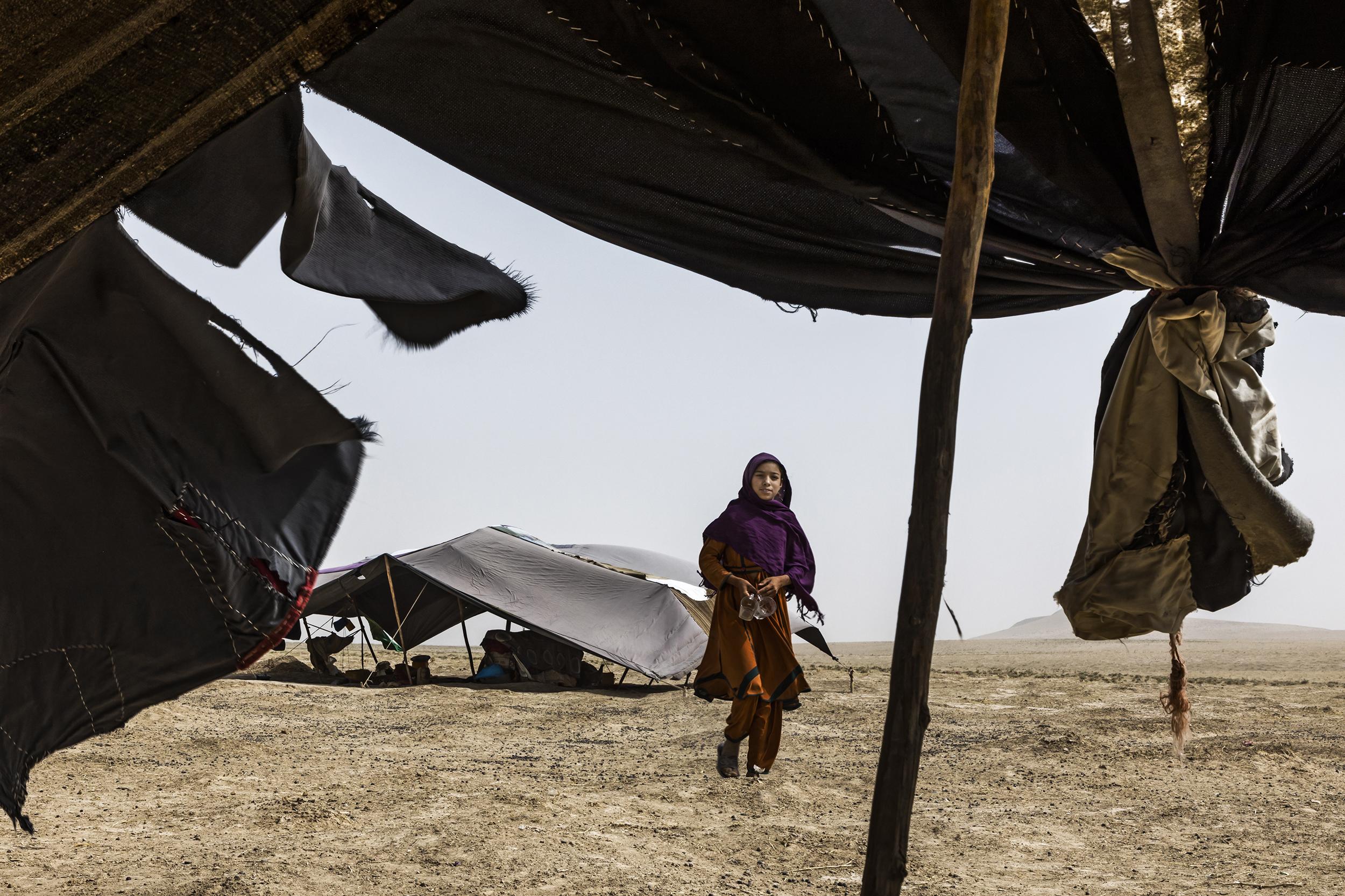
A Kuchi-Farjayan girl heads to her tent in a semi-desert area in the northern province of Kunduz. Due to the drought, this family has to travel many kilometres each day with their donkeys to fetch water for themselves and their animals, which feed on the few remaining dry stalks of grass.
© Bruno Zanzottera, Italy, Shortlist, Professional competition, Environment, 2023 Sony World Photography Awards
Untitled
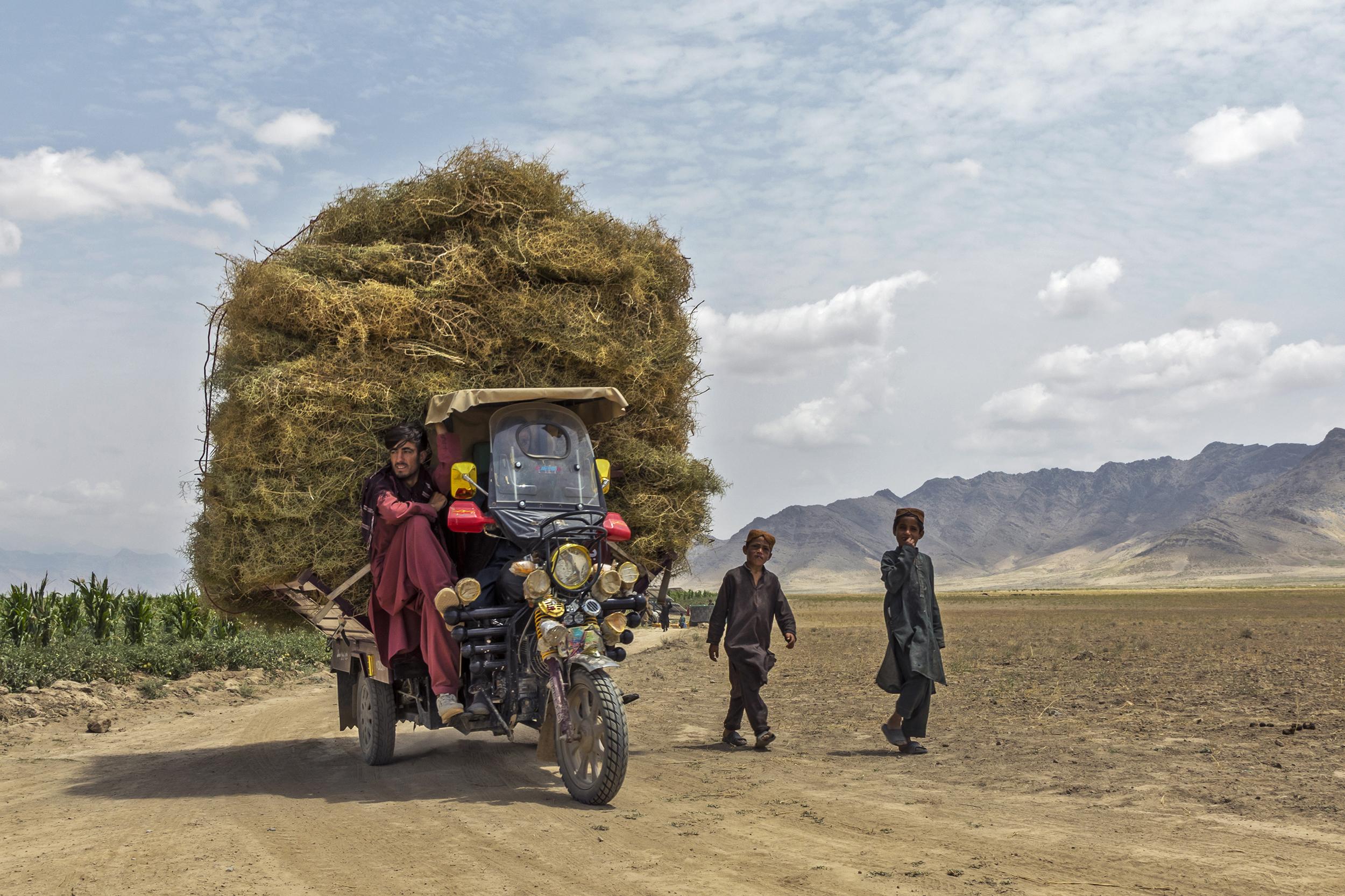
Kuchi-Karouti shepherds take forage to their flocks. Because of the drought, the pastures are often not sufficient and many shepherds need to buy forage, especially in the winter season.
© Bruno Zanzottera, Italy, Shortlist, Professional competition, Environment, 2023 Sony World Photography Awards
Untitled
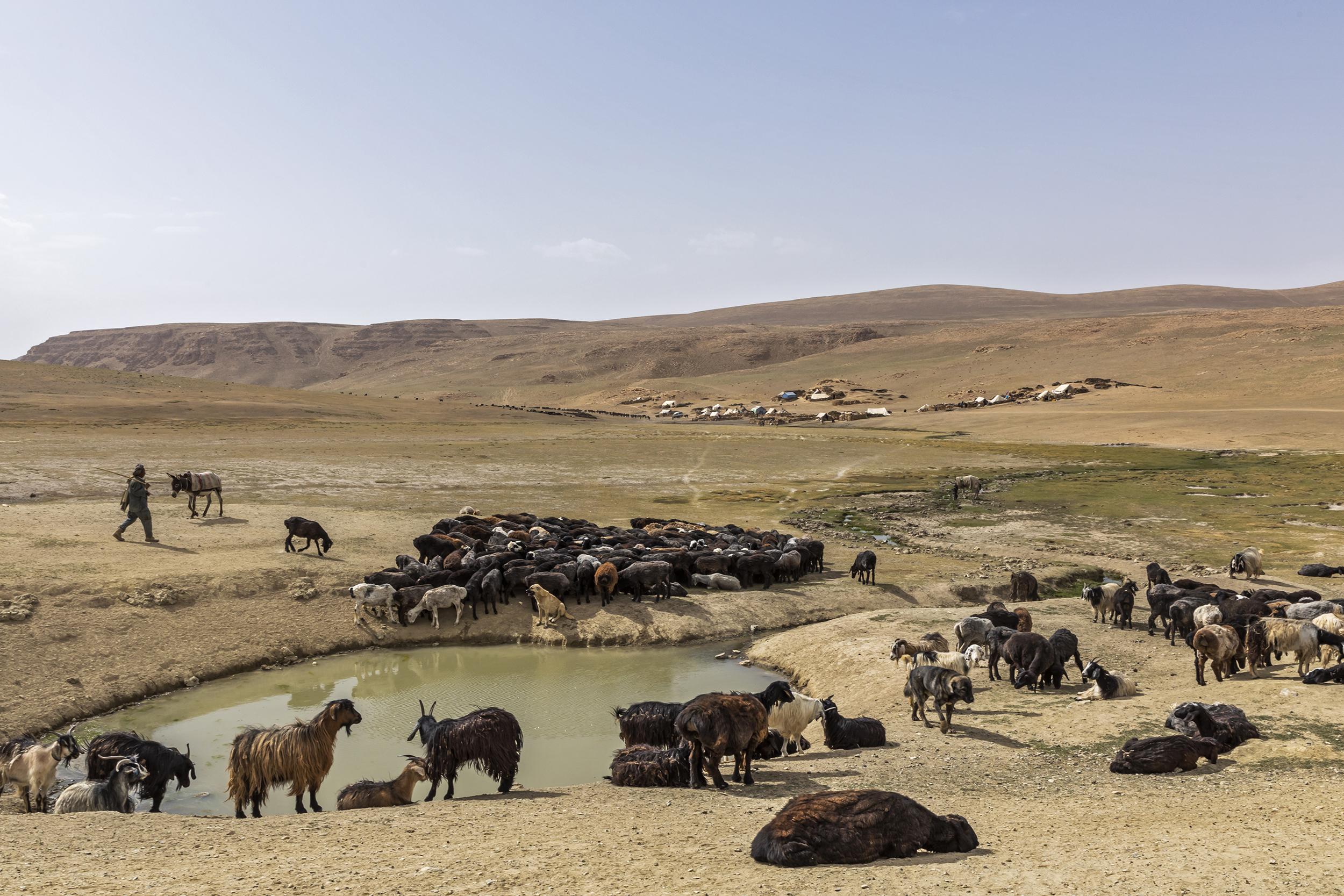
A Hazara herder has brought his flock to drink at a well in the province of Bamyan. Even though this area is situated at an altitude of 2,500 metres (8,200 feet), it has seen little rain in recent years. Drought has reignited ancient conflicts between the Kuchi and Hazara herders, who now compete for pastures, which sometimes leads to armed confrontation.
© Bruno Zanzottera, Italy, Shortlist, Professional competition, Environment, 2023 Sony World Photography Awards
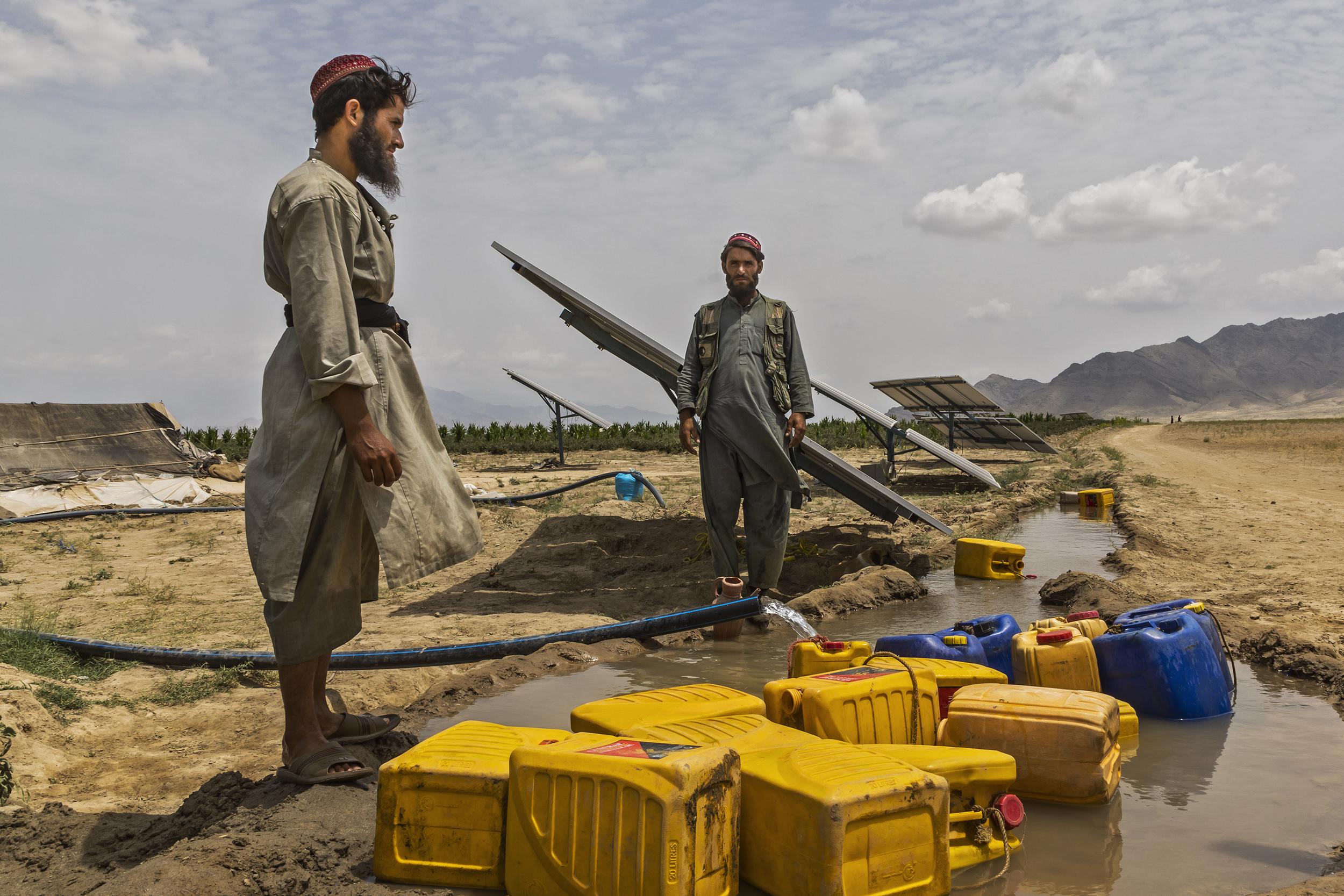
Untitled
Kuchi-Karouti herders fill their jerry cans with water at a well created to irrigate the fields in the province of Kabul. Through war and drought many herders have lost part of their flocks and have to work in the fields during the summer months.
© Bruno Zanzottera, Italy, Shortlist, Professional competition, Environment, 2023 Sony World Photography Awards