

Back to Documentary Projects
Documentary Projects Shortlist
The Price of Peace in Afghanistan
Mads Nissen
Series description
The chaotic withdrawal of the US and allied forces from Afghanistan in August 2021 spelled the end of a hugely expensive and ultimately futile 20-year-long attempt at nation building following the terrorist attacks of 9/11.
Having sustained a low-level insurgency across the country for two decades, the Taliban forces who were once in charge of Kabul were quickly deprived of the two main sources of government income: foreign aid and billions of dollars of government reserves deposited abroad that were promptly frozen. Since then, the already fragile economy, which was reliant on foreign aid to cover three quarters of its budget, has largely collapsed. Now, half of the country’s 40 million people don’t have enough to eat and more than one million children are severely malnourished and at risk of starvation.
Biography
For Mads Nissen (Denmark, 1979) photography is all about empathy - creating understanding and intimacy while confronting contemporary social issues such as inequality, human rights violations and our often destructive relationship with nature.
He has been awarded ‘The World Press Photo of the Year’ in 2015 and 2021 and has received more than 75 international awards. He frequently gives lectures and workshop and his work can be seen in mass media as well as at exhibitions and his books.
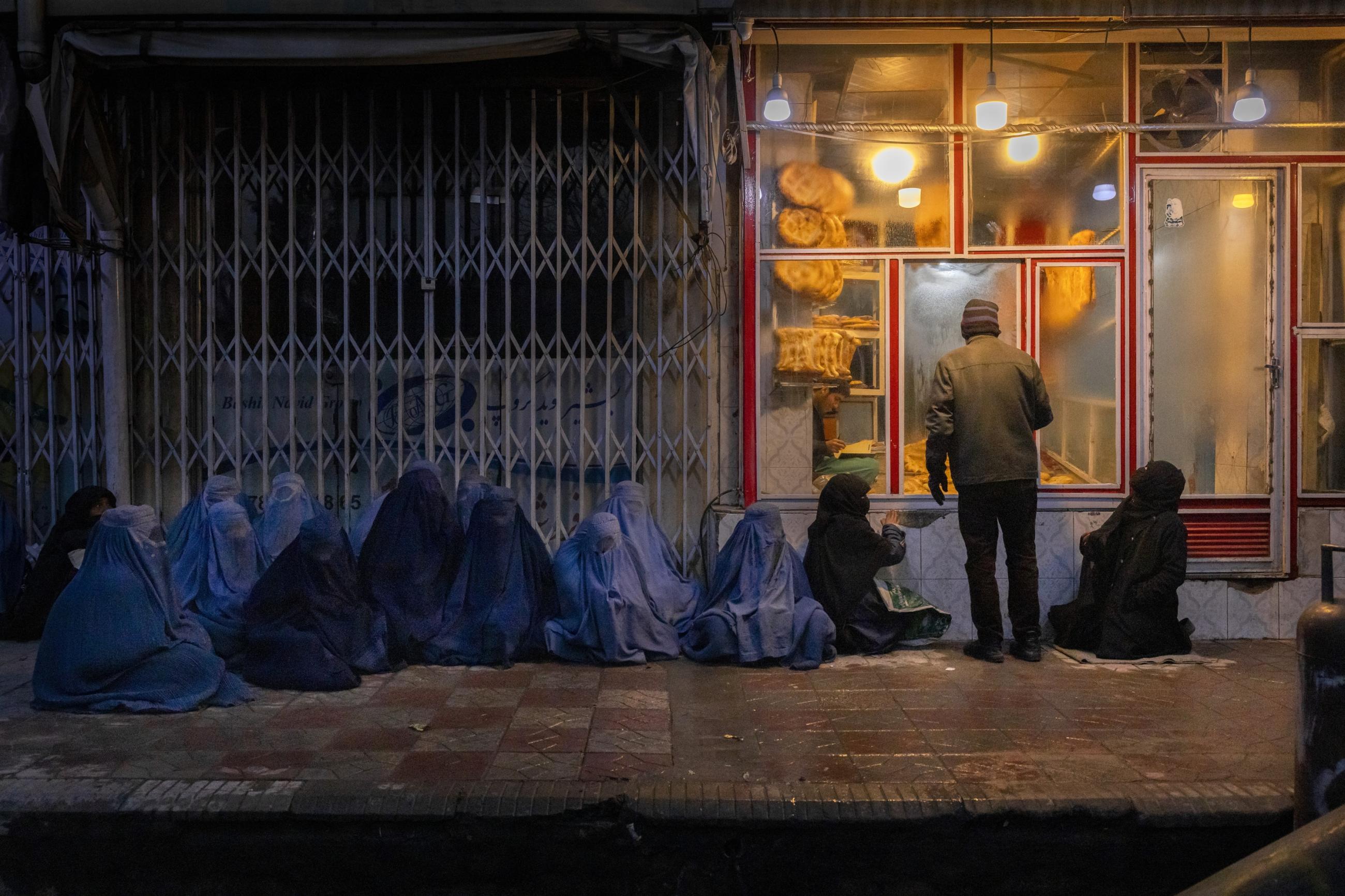
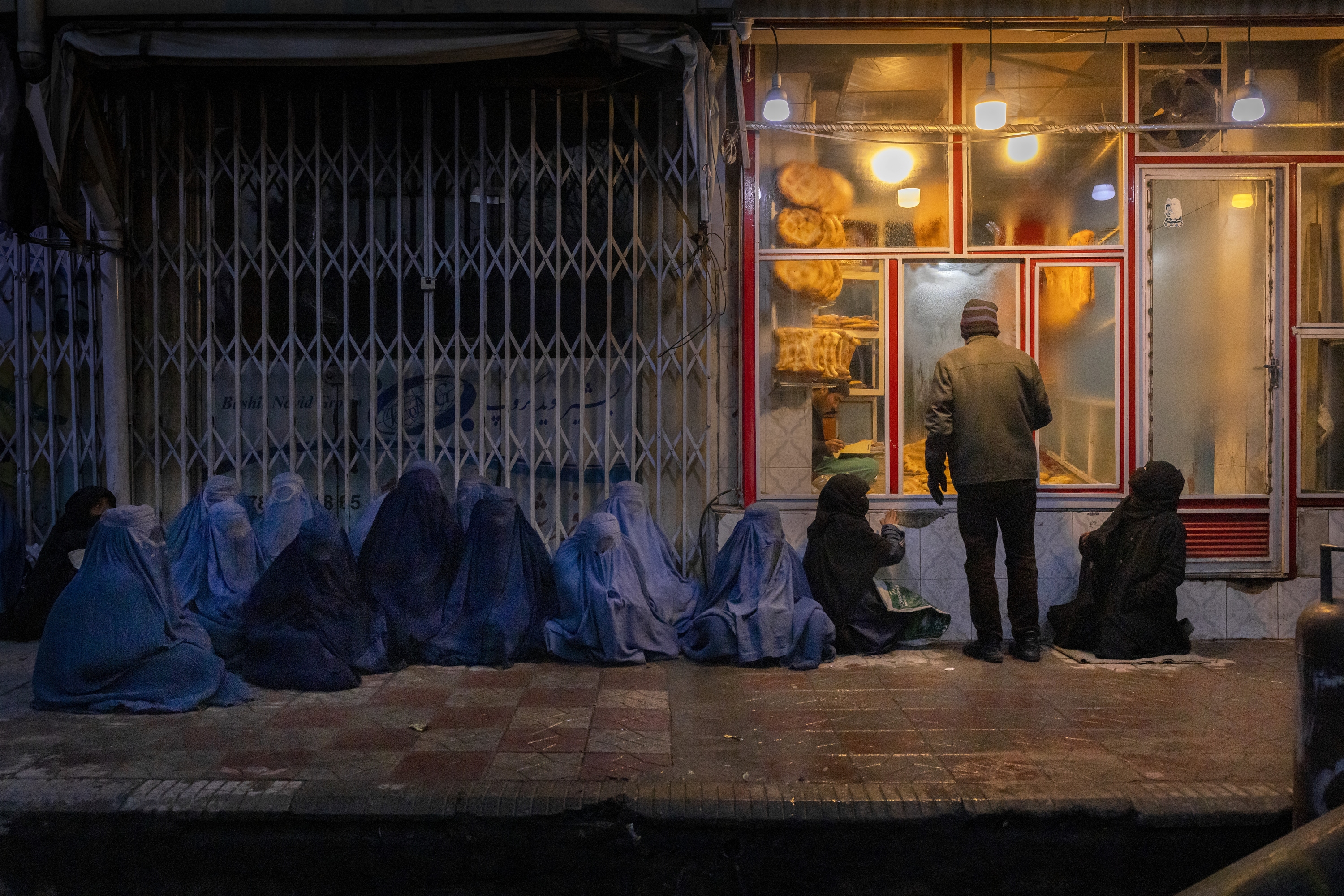
Begging for Food
Women and children beg for food outside a bakery in central Kabul. Before the Taliban took power in August 2021, just a few women sat here begging, but as the months pass and desperation increases, more and more people are now relying on the compassion of others.
© Mads Nissen, Denmark, Shortlist, Professional competition, Documentary Projects, 2023 Sony World Photography Awards
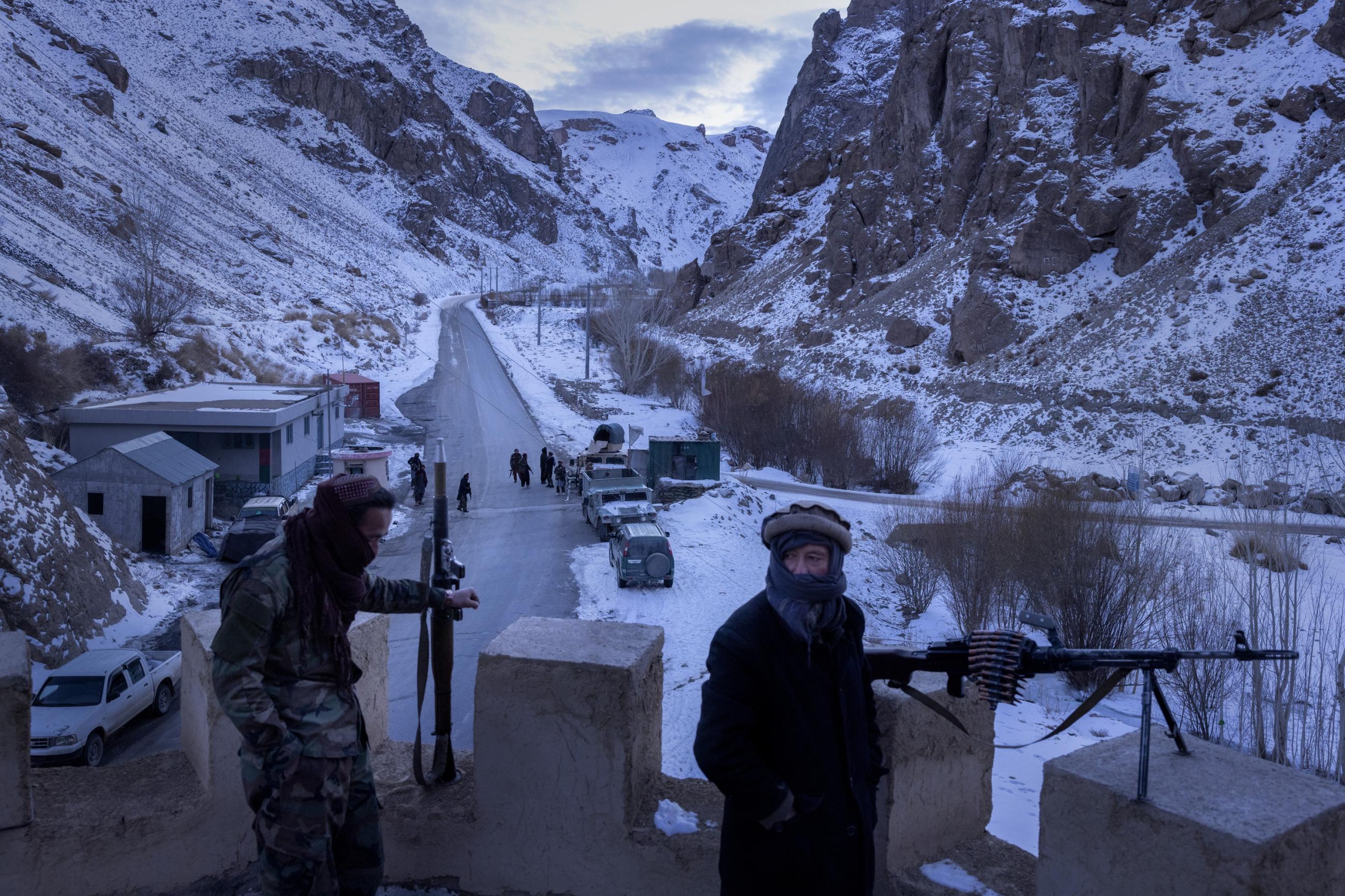
A Heavily Armed Taliban Checkpoint
A heavily armed Taliban checkpoint in Khoje Ali, just outside Bamiyan. After waging guerrilla warfare against foreign troops and the Afghan army, it is now in the hands of the Taliban to create peace and stability in Afghanistan. But the Taliban already have a strong enemy within – The Islamic State – which is fighting in the shadows with attacks, IEDs and suicide missions similar to those that the Taliban used to perform.
© Mads Nissen, Denmark, Shortlist, Professional competition, Documentary Projects, 2023 Sony World Photography Awards
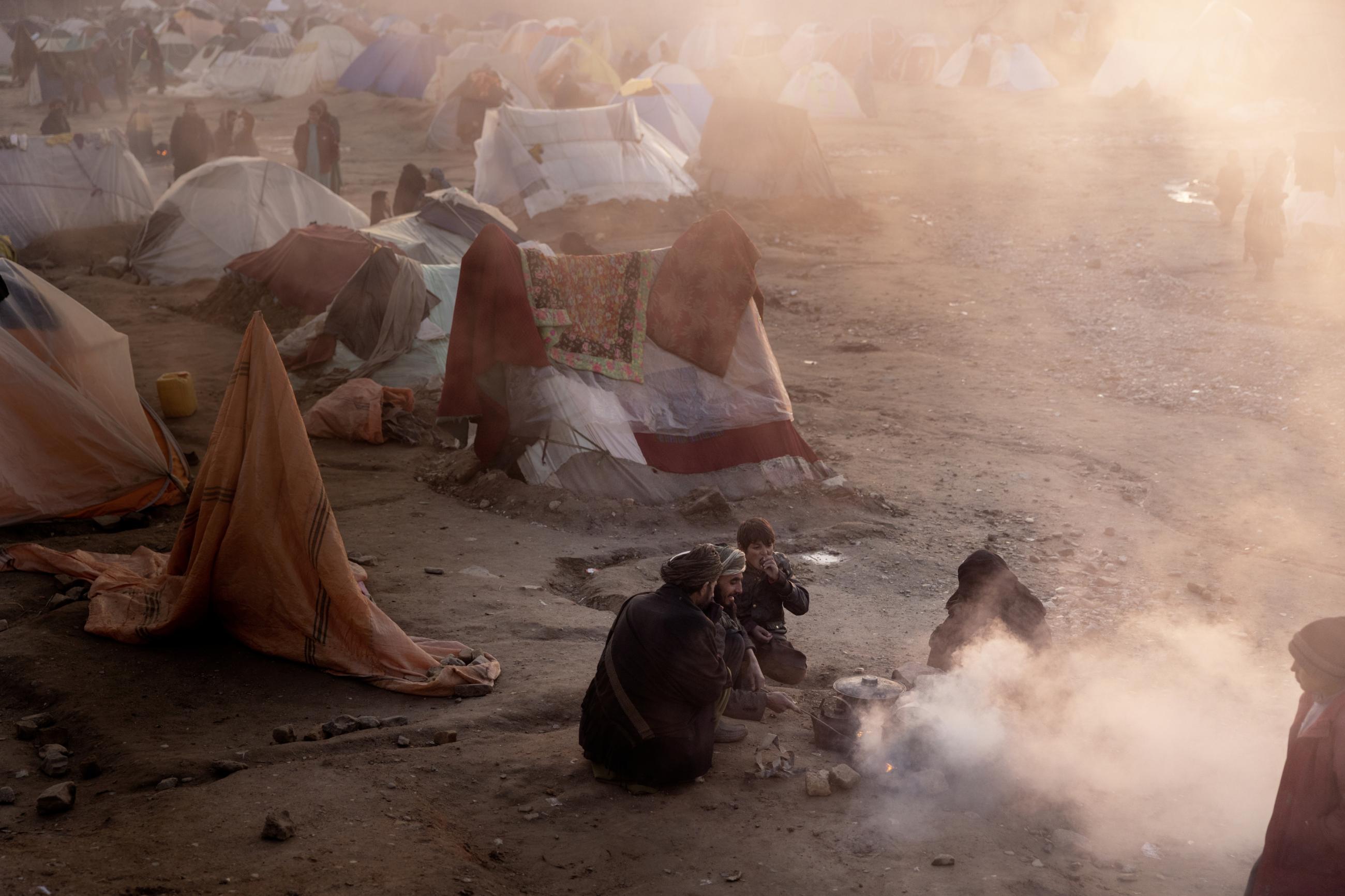
Trying to Stay Alive
A family burning plastic in a camp to make themselves a little food. This camp is on the outskirts of Herat city and is home to about 1,000 people who have moved from their villages and farms in the countryside due to the food crisis.
© Mads Nissen, Denmark, Shortlist, Professional competition, Documentary Projects, 2023 Sony World Photography Awards
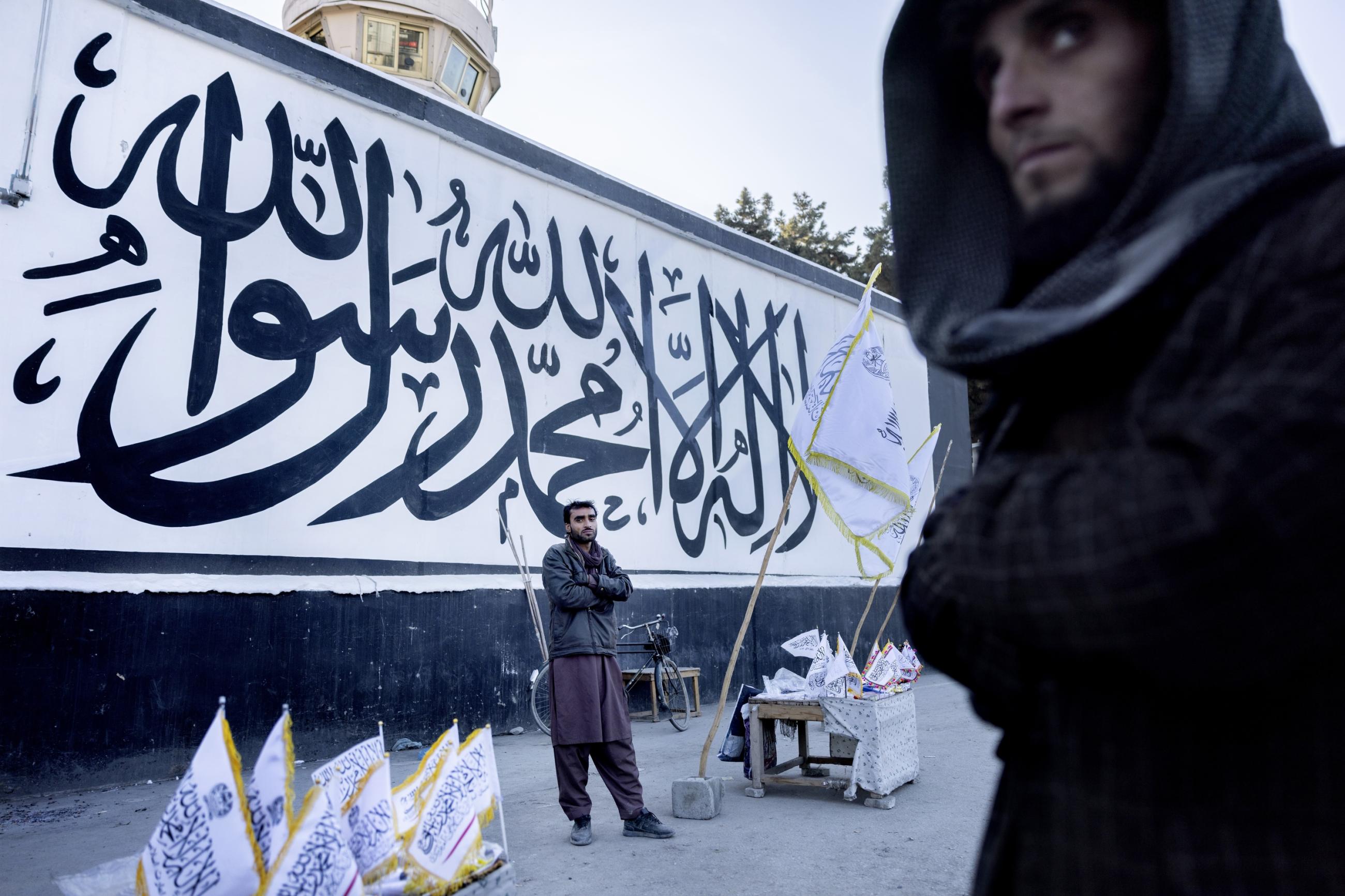
The Wall of the Former US Embassy in Kabul
The wall of the former US embassy in Kabul is now covered by a huge Taliban propaganda mural. In front of the former security wall, street vendors sell Taliban posters and merchandise.
© Mads Nissen, Denmark, Shortlist, Professional competition, Documentary Projects, 2023 Sony World Photography Awards
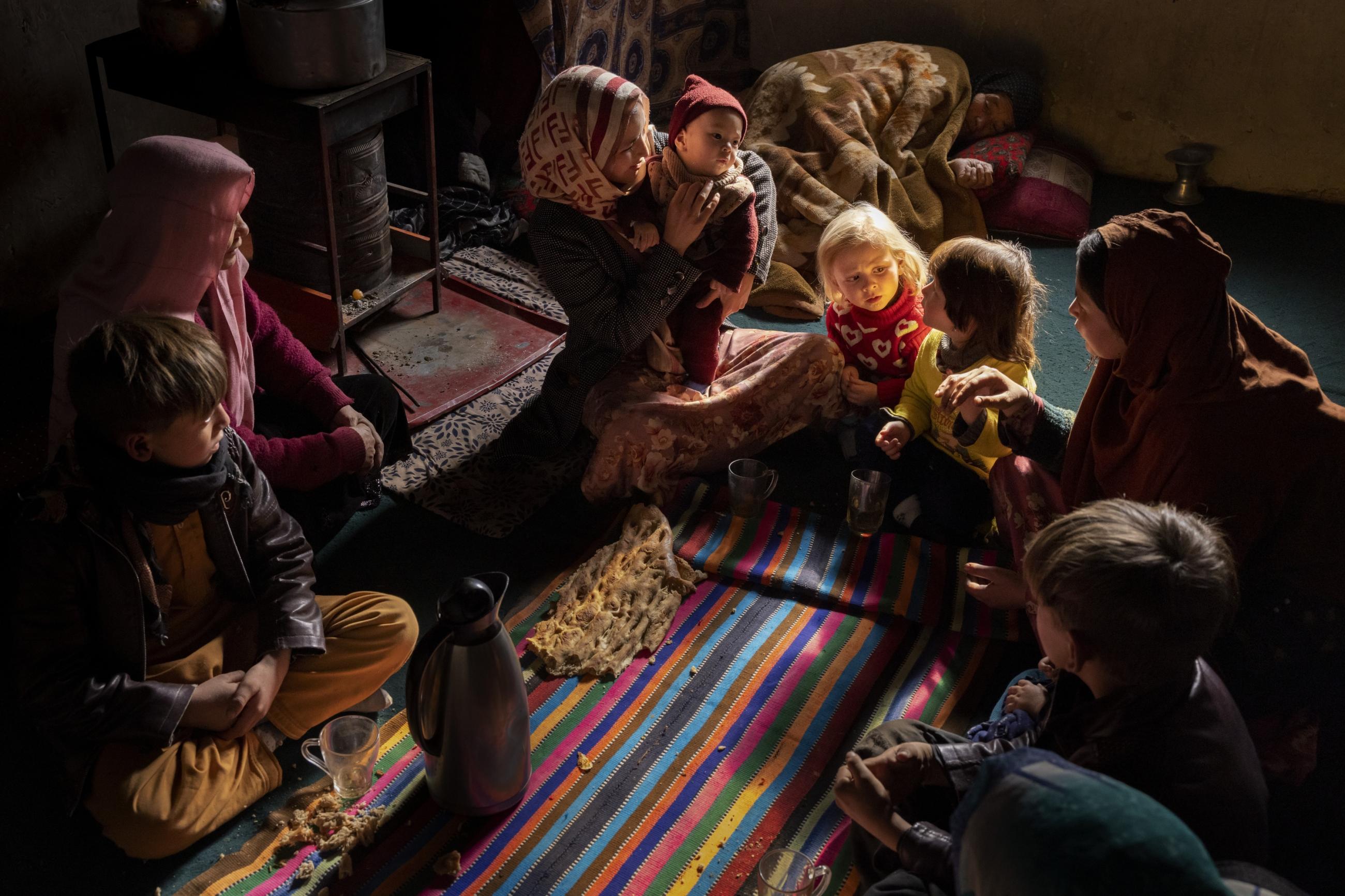
The Only Meal of the Day
Lunch at the home of Afisas (25), who is sitting surrounded by her family members, some heavily weakened due to the food crisis, and her son Hojatullah, who is also severely malnourished. In the village of Alibeg, malnutrition is common, and most families must survive on a daily diet of one meal consisting of a bit of white bread and some tea with sugar.
© Mads Nissen, Denmark, Shortlist, Professional competition, Documentary Projects, 2023 Sony World Photography Awards
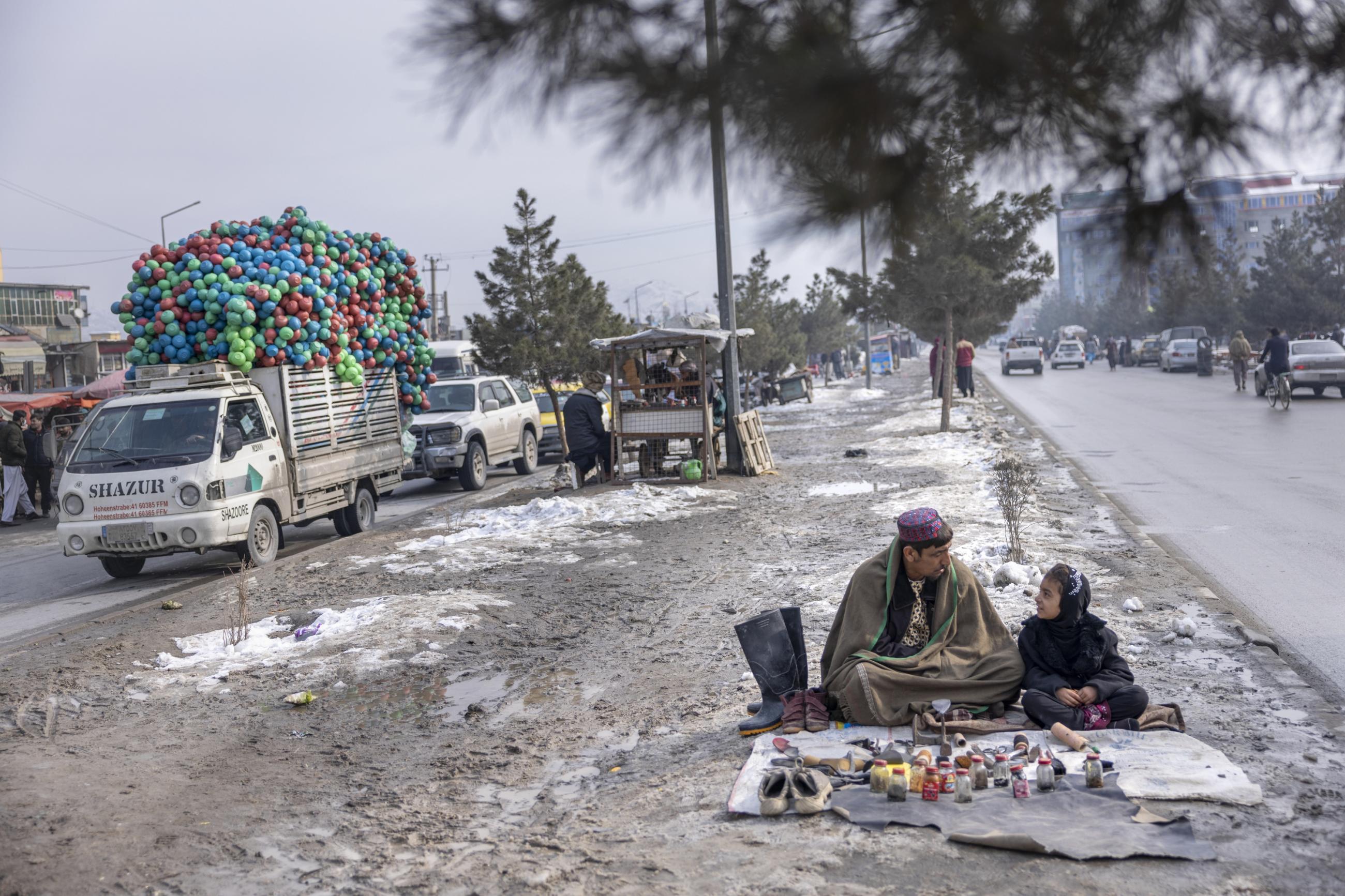
Pacha and his daughter Bebe Aisa
In the middle of the busy streets of Kabul, Pacha and his daughter Bebe Aisa are trying to earn enough money for today’s food by cleaning and polishing shoes. It costs 5 afghani to get a pair of shoes fixed, but fewer and fewer people can afford it these days. For 10 afghani, the father and daughter can buy a single loaf of bread to take home.
© Mads Nissen, Denmark, Shortlist, Professional competition, Documentary Projects, 2023 Sony World Photography Awards