

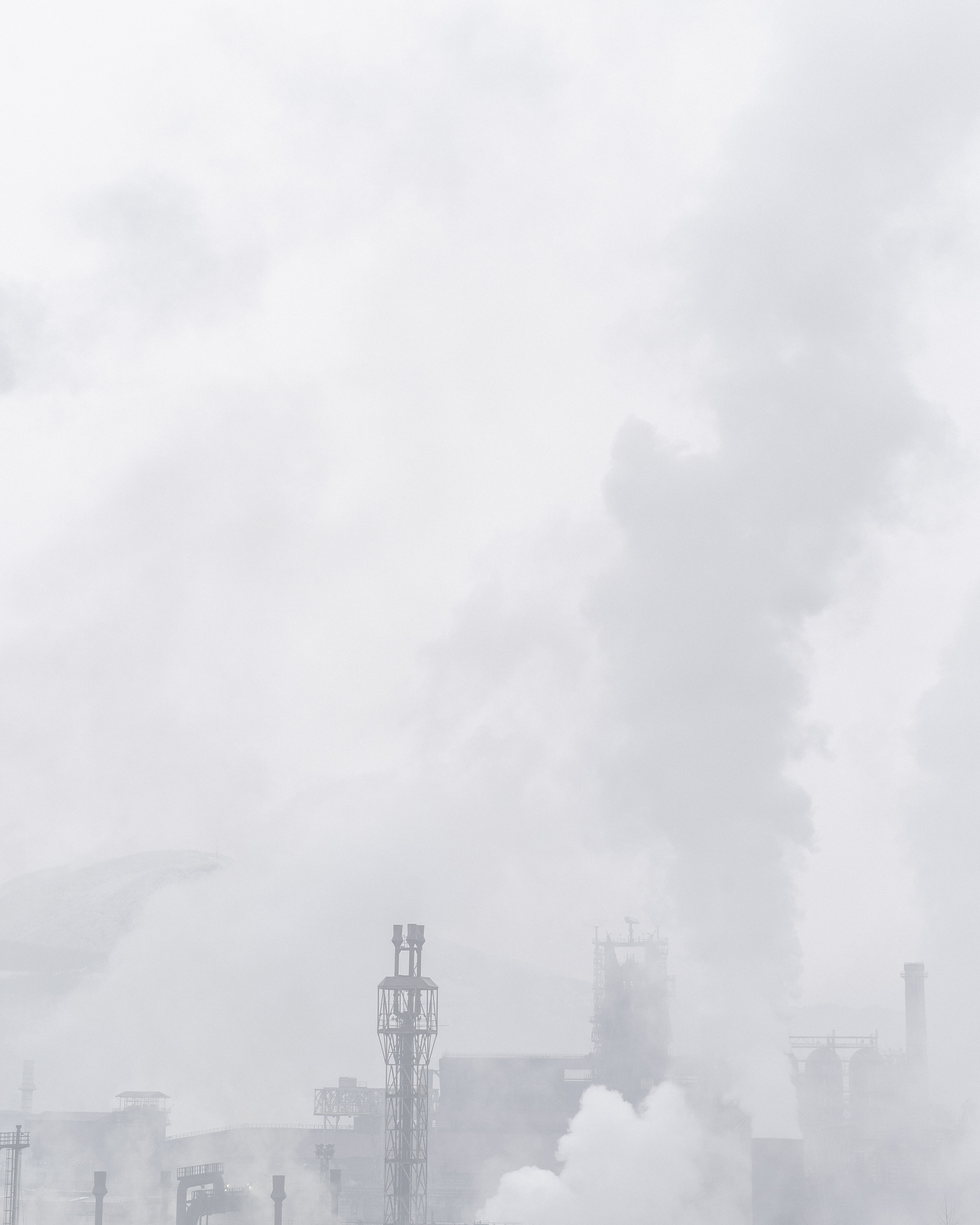
Series description
Under Josip Broz Tito’s Yugoslavia, the city of Zenica developed rapidly as a centre for steel and coal, becoming one of the country’s most important exporters. The steel plant expanded enormously and became one of the largest in Europe; by 1991 Zenica had more than 150,000 inhabitants, with its many grey high-rise buildings giving it the reputation of a rough, working-class town. However, following its privatisation and the economic decline of Bosnia after the Yugoslav war, the number of employees decreased to barely 2,000, and production never returned to its pre-war level.
Today, Zenica has one of the highest levels of air pollution in the country and many people suffer from respiratory problems and cancer. At the same time, though, the factory remains the city’s largest employer and an important pillar in Bosnia’s economic system. It is both a curse and a blessing. The fate of the factory and that of the city are inextricably linked: the decline of one means the decline of the other.
Biography
Lasse Branding (*1999) is a German documentary photographer with Bosnian roots. He focus in his longterm projects on social-economical and political issues in the region of former Yugoslavia. He studies since 2020 »Visual Journalism & Documentary Photography« in Hanover, Germany.
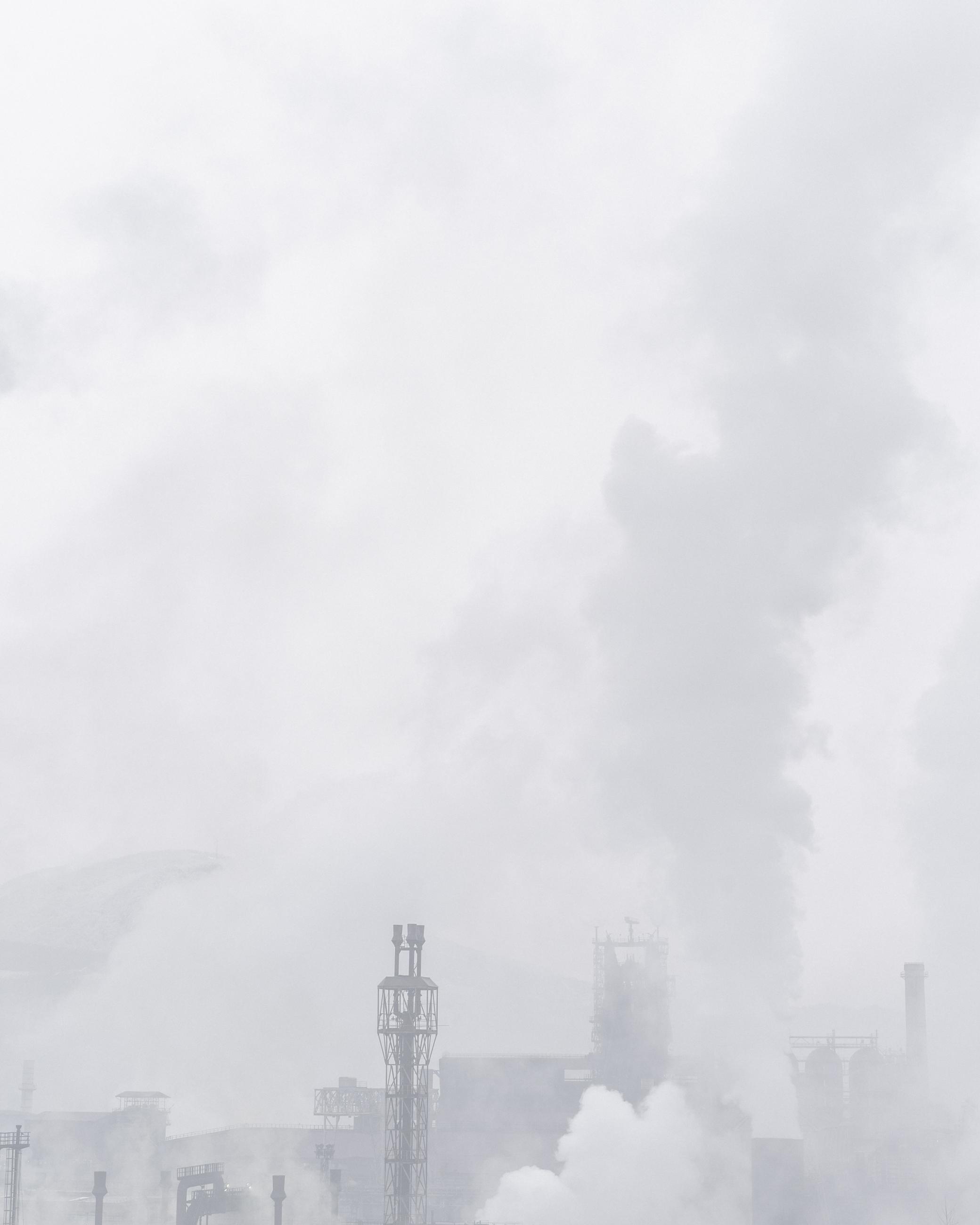
Zeljezara 1
In 1892, one of the largest steel mills in Europe – Željezara – emerged from the small village of Zenica, which was under Austro-Hungarian rule in Bosnia and Herzegovina.
Today, the steel mill is best known for its enormous air pollution and its symbolism of Yugoslavia’s industrial decline.
© Lasse Branding, Germany, Shortlist, Professional competition, Environment, 2023 Sony World Photography Awards
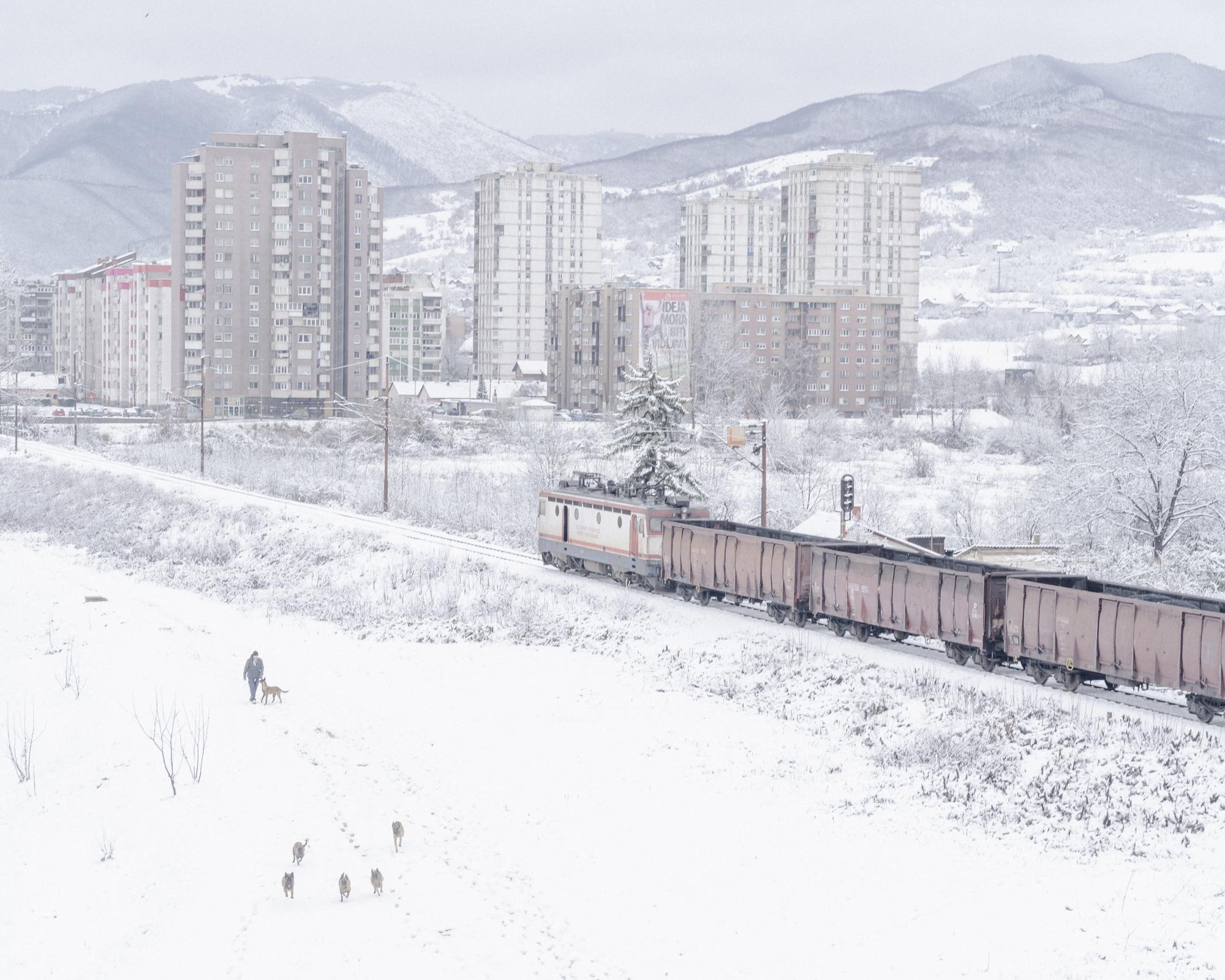
Zeljezara 2
Due to the industry and its many high-rise buildings, Zenica has a reputation of being a grey, working-class town. In 1882, under the rule of Austria and Hungary, a narrow-gauge railroad was completed. Via the tracks, the inhabitants of the town could travel to the capital Sarajevo, 70 kilometres (43 miles) away.
© Lasse Branding, Germany, Shortlist, Professional competition, Environment, 2023 Sony World Photography Awards
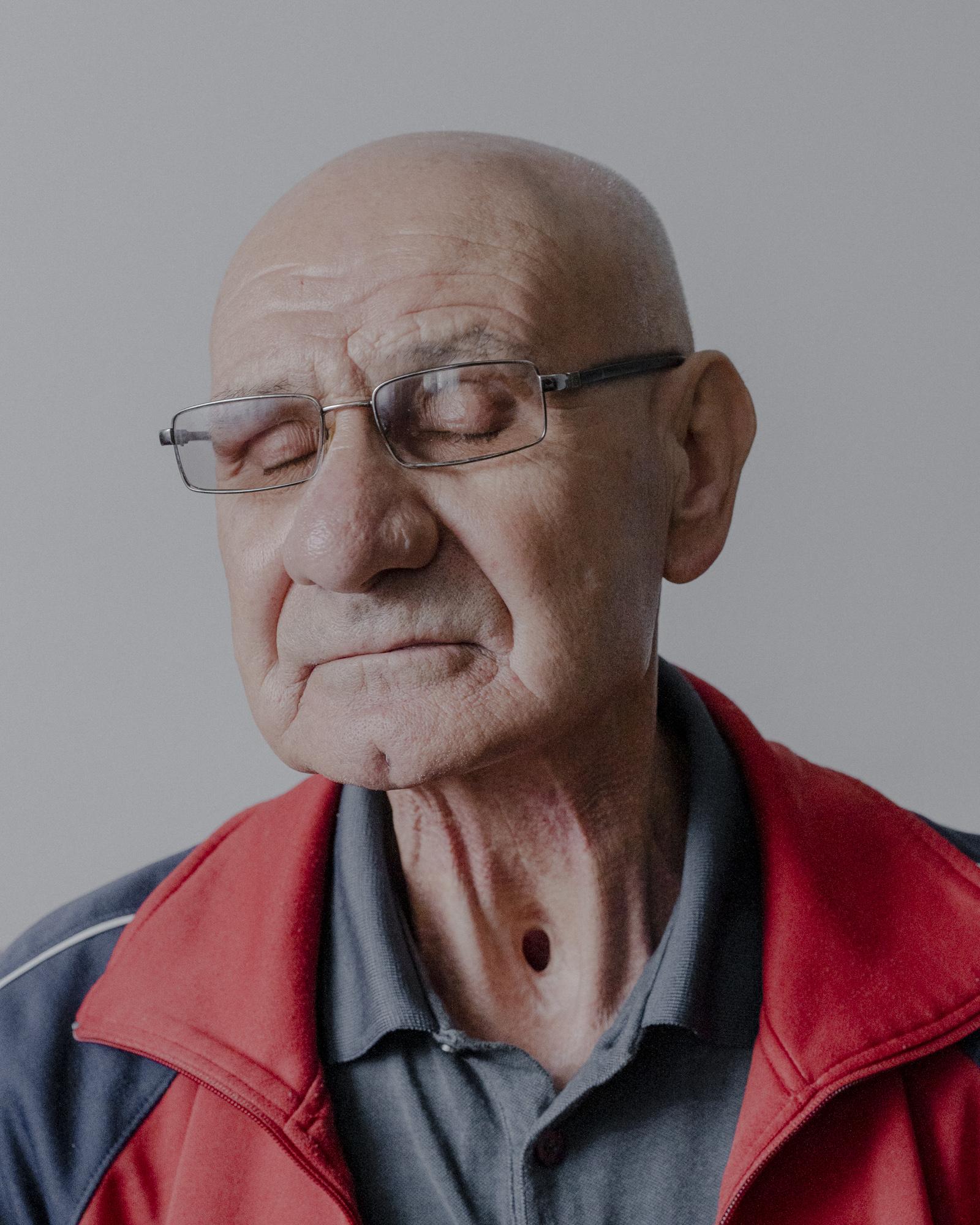
Zeljezara 3
Serif Sisic lives in Tetovo, a suburb of Zenica that borders directly on the steel mill. Sisic worked as a labourer for 31 years, first at the state-owned company, Željezara, in Yugoslavia, and later at ArcelorMittal after the privatisation of the steel mill. Like many of his neighbours and former factory employees, Sisic fell ill with throat cancer and had to leave his job. He says that in winter the factory’s exhaust fumes discolour the snow and in summer the fruit becomes dusty.
© Lasse Branding, Germany, Shortlist, Professional competition, Environment, 2023 Sony World Photography Awards
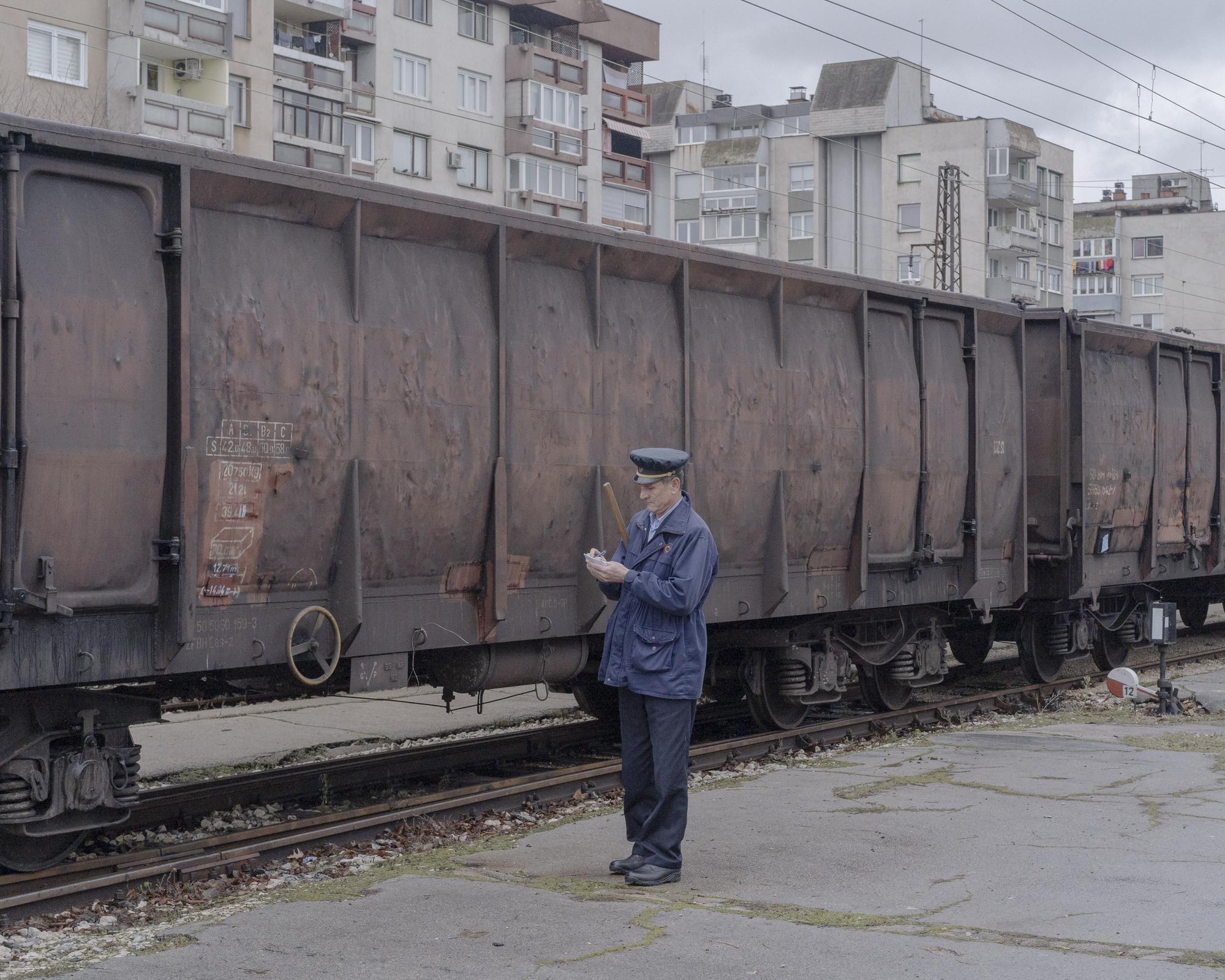
Zeljezara 4
A railroad employee checks incoming wagons. The wagons transport coke from other parts of Bosnia to fire the blast furnaces.
© Lasse Branding, Germany, Shortlist, Professional competition, Environment, 2023 Sony World Photography Awards
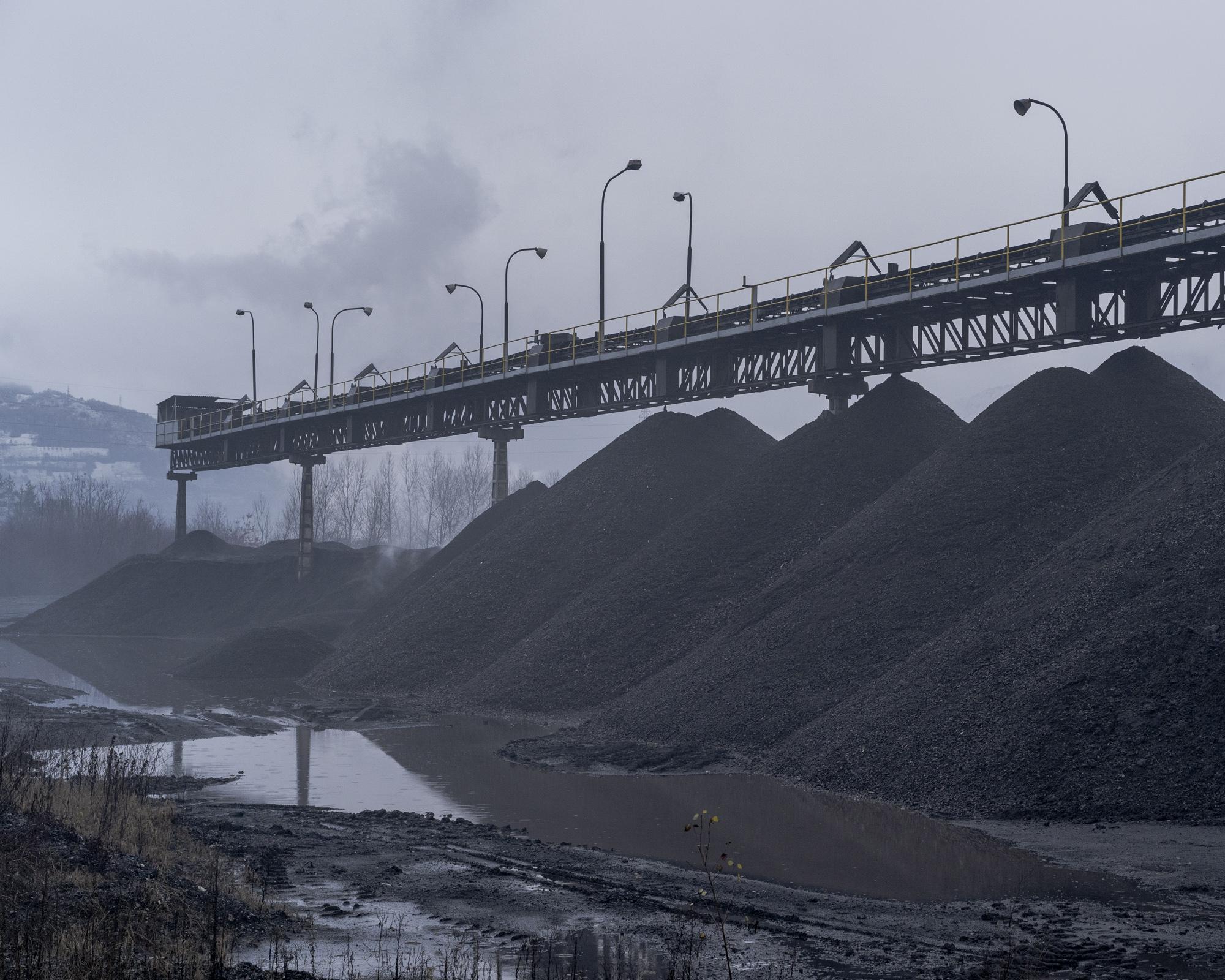
Željezara 5
Bosnia and Herzegovina has the fifth highest incidence of deaths from air pollution in the world, while rates of lung disease are also among the highest. Zenica currently records one of the highest levels of air pollution in the country, causing many people to suffer from respiratory problems, as well as cancer. The town's residents have opposed the factory’s rudimentary maintenance and are demanding an improvement in environmental protection.
© Lasse Branding, Germany, Shortlist, Professional competition, Environment, 2023 Sony World Photography Awards
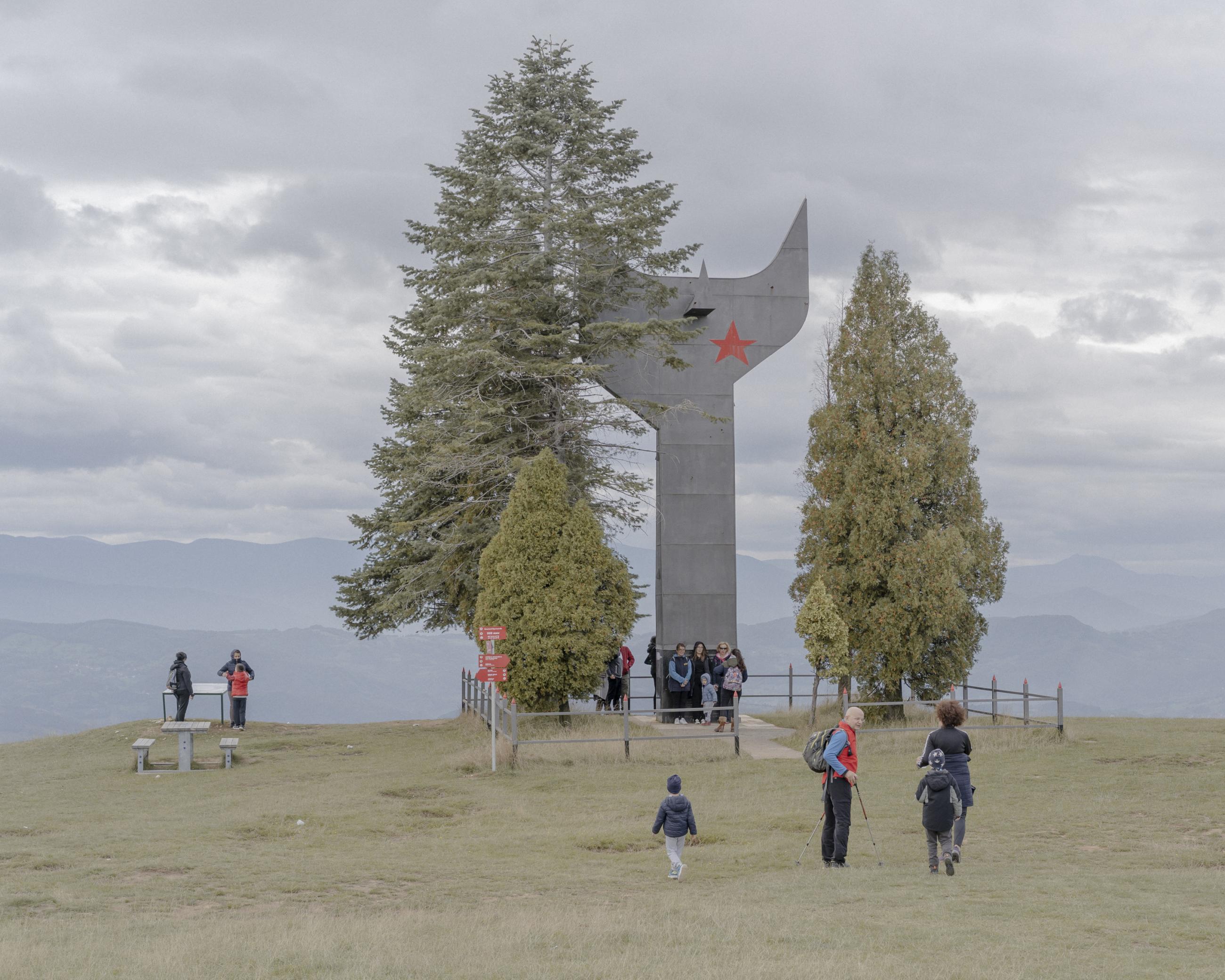
Željezara 10
Residents of Zenica hike to the Yugoslav partisan monument on Smetovi Hill, close to the city. At the weekend, many residents try to escape the air pollution of the city by heading to the surrounding hills.
© Lasse Branding, Germany, Shortlist, Professional competition, Environment, 2023 Sony World Photography Awards
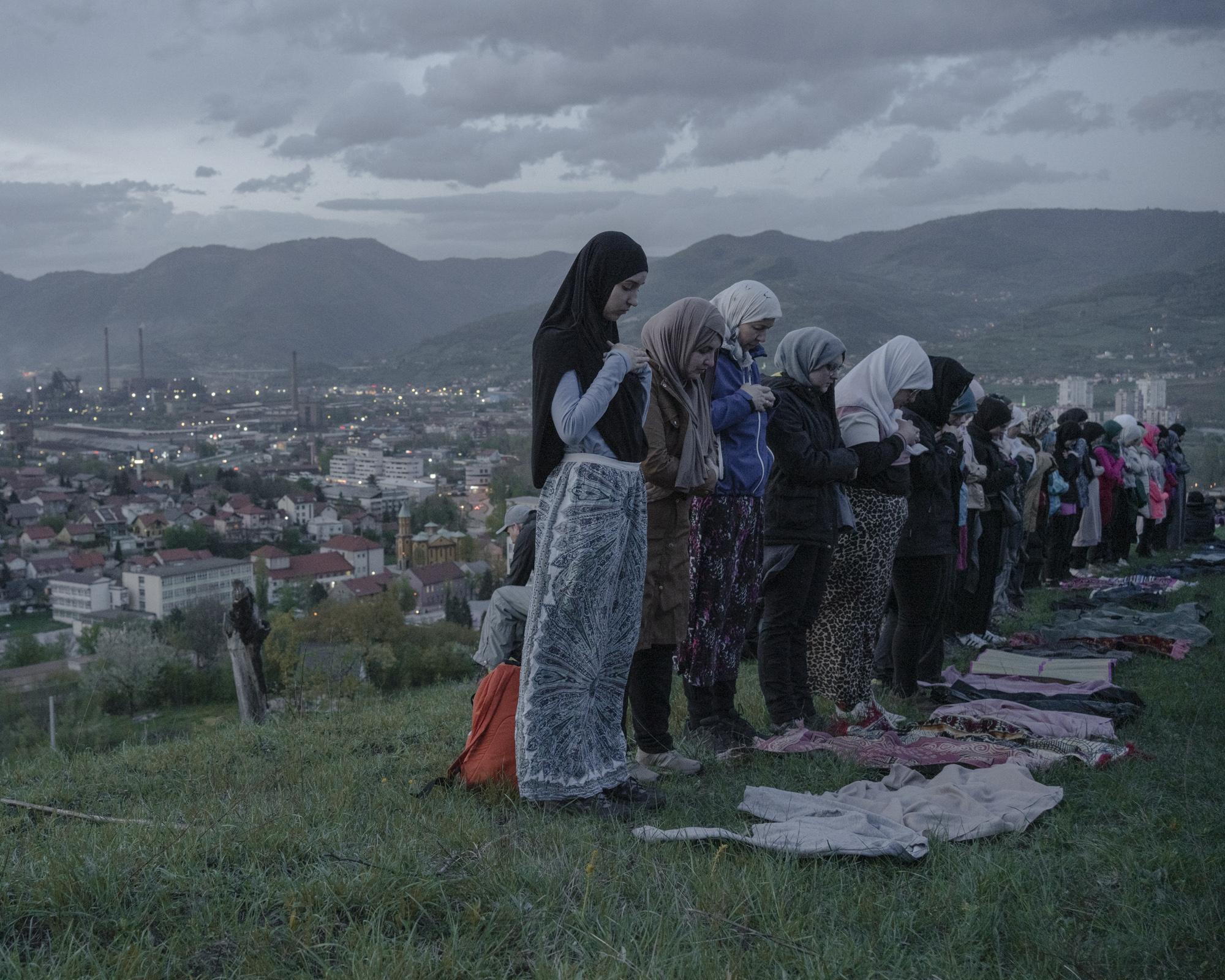
Željezara 9
An estimated 90 percent of Zenica’s population is Muslim. During the fasting month of Ramadan, many of the city’s residents hike together through the surrounding mountains and break their fast together after sunset. The initiator of the hikes, Afan Abazovic, calls it ‘Iftar Hiking’.
© Lasse Branding, Germany, Shortlist, Professional competition, Environment, 2023 Sony World Photography Awards
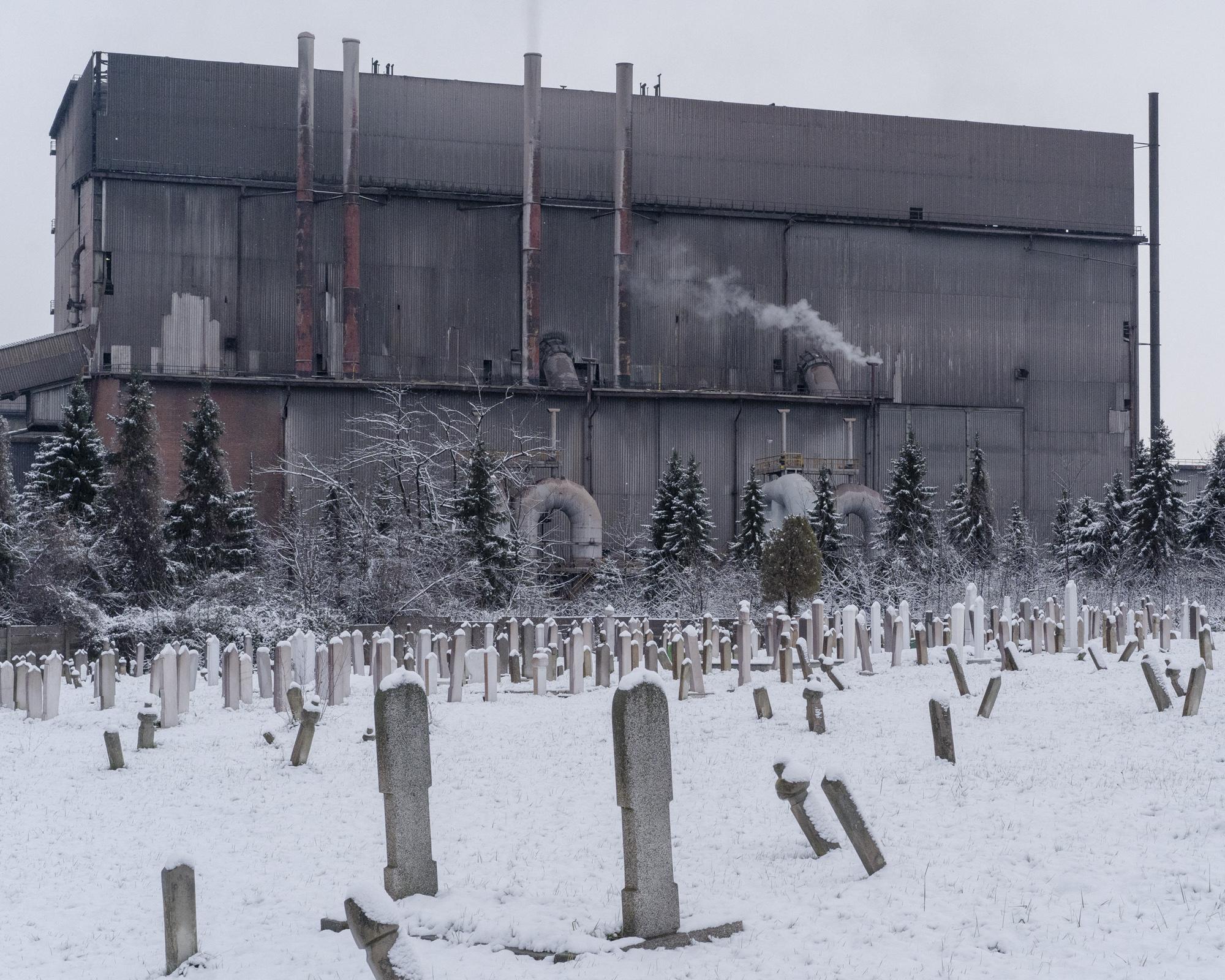
Željezara 8
A Muslim cemetery in front of the steel mill in winter.
© Lasse Branding, Germany, Shortlist, Professional competition, Environment, 2023 Sony World Photography Awards