

Back to 2024
Latin America Professional Award 2024 Shortlist
Gardens of Chaos: The Extinction of Food
Greta Rico
Series description
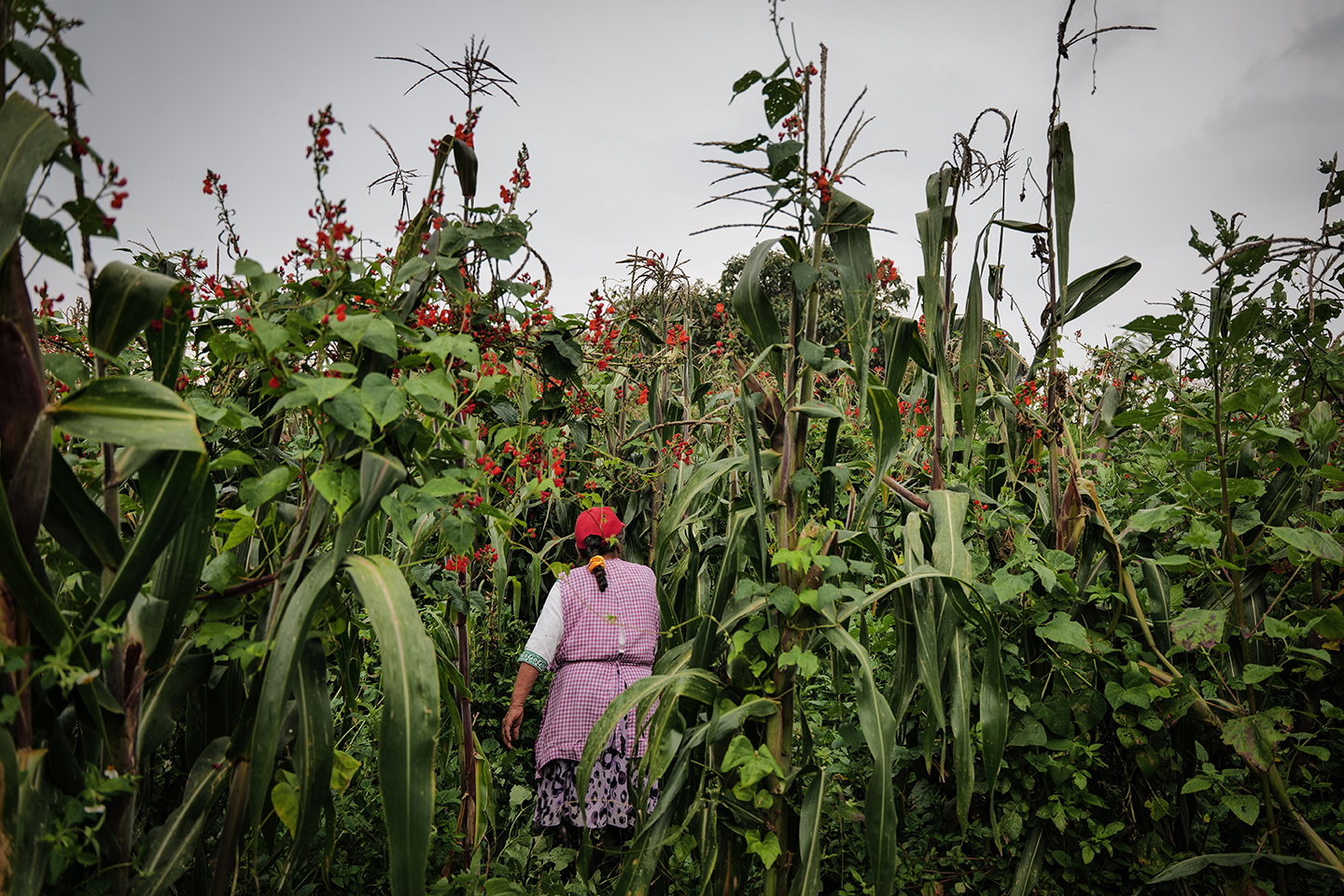
Gardens of Chaos: The Extinction of Food explores the impacts of climate change in native maize seeds and milpa agriculture in Mexico, and the challenges faced by small-scale farmers. This collaborative storytelling project highlights the milpas and traditional agriculture as a positive solution that can mitigate food insecurity because of climate vulnerability in the region. To make milpa, farmers cultivate native maize with other species (polyculture). This traditional agricultural method has represented a highly nutritious diet and the basis of food sovereignty to the peoples of Mexico for 5,000 years. However, two key factors are putting milpas in danger of extinction: crop loss related to climate vulnerability and corporate colonisation during the so-called Green Revolution of the 1960s–1980s, which still promotes monoculture, pesticides and GMO seeds.
Biography
Mexican documentary photographer, journalist and educator focused on gender, environment and food issues. Through her projects she reflects on coloniality, capitalist dispossession and the social trauma of current phenomena. Her work has been published in; Leica Photographie International, The New York Times, The Washington Post, The Guardian, The Women's Media Center, The HuffPost, El País and Lado B, among others and is part of the Advisory Committee of Women Photograph.
Untitled
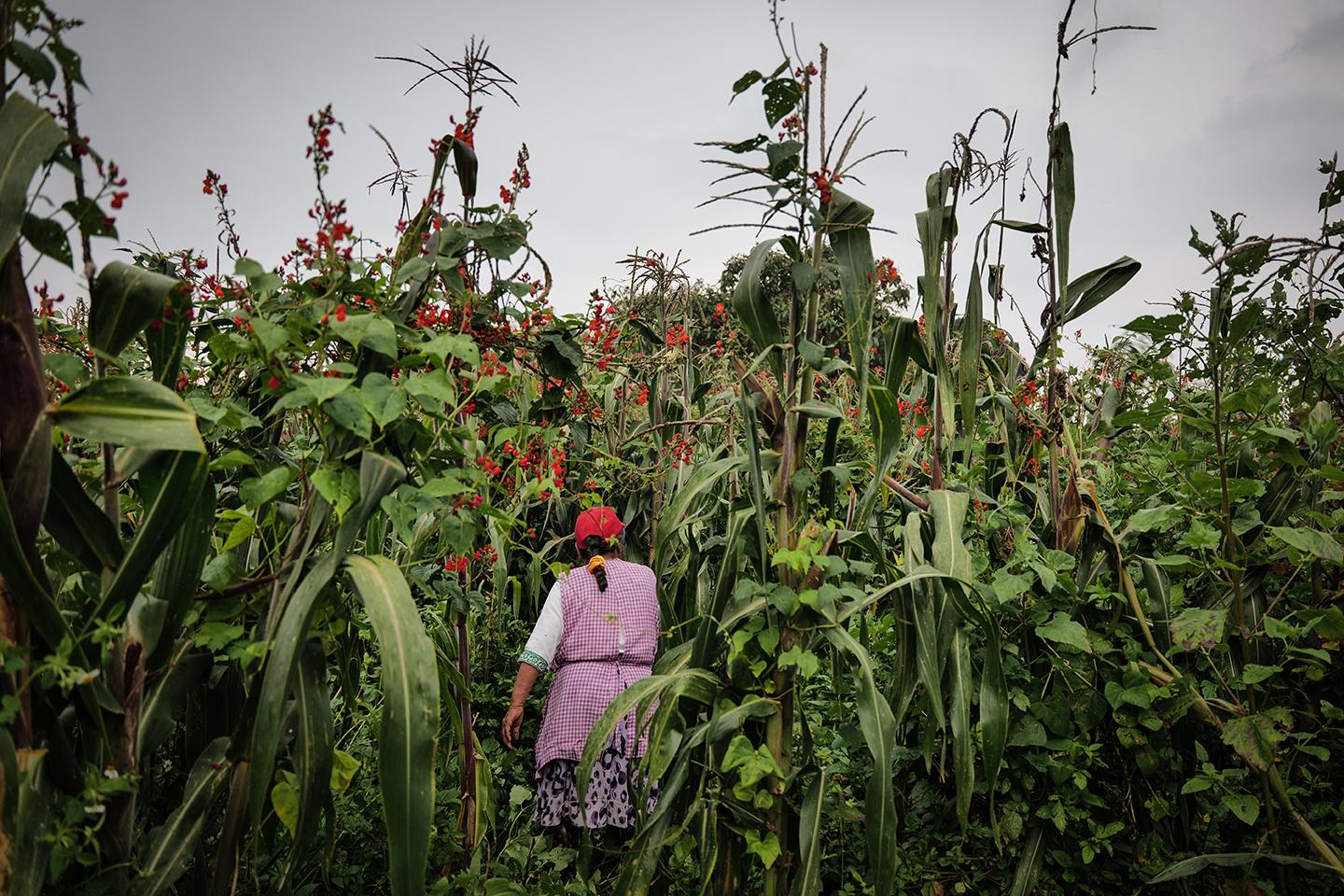
To make milpa, peasant families grow native maize along with other species. Milpas are usually based on maize, beans, pumpkin, chilli and tomato, but in Mexico there are different ways of making milpa; some are accompanied by fruit trees, medicinal herbs and edible plant species that grow wild around this important polyculture. Here, Josefina Rodríguez visits her milpa in the town of San Miguel Xicalco in Mexico City.
© Greta Rico, Mexico, Shortlist, Latin America Professional Award, 2024 Sony World Photography Awards
Untitled
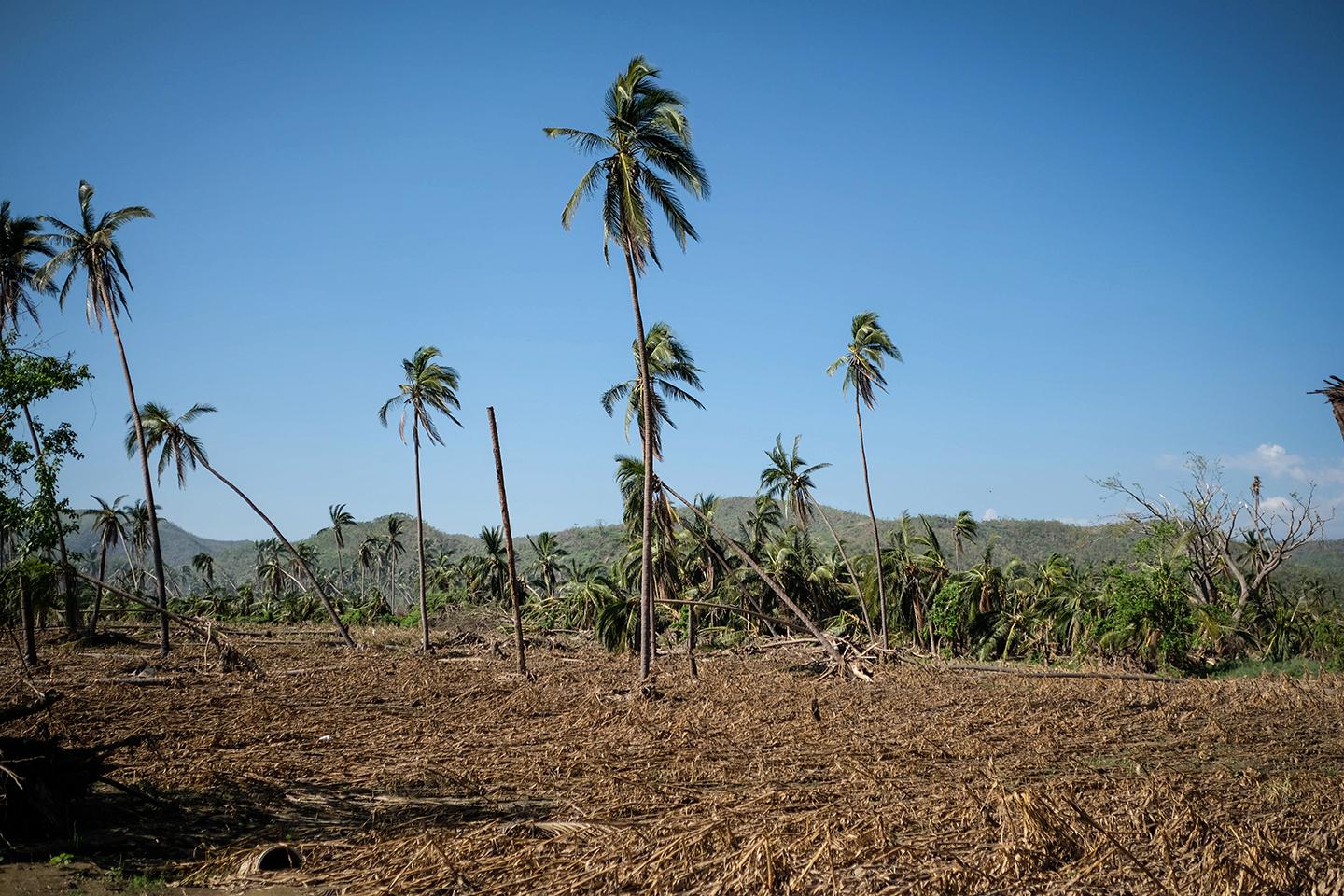
Hurricane Otis was a Category 5 hurricane that made landfall on 25 October 2023, affecting the coasts of Acapulco and five other municipalities of Guerrero in Mexico. In rural Acapulco, where the majority of people subsist on self-consumption, the milpas and maize crops were completely devastated. Climate scientists have warned that hurricanes of this nature could be repeated with greater frequency in the region.
© Greta Rico, Mexico, Shortlist, Latin America Professional Award, 2024 Sony World Photography Awards
Untitled
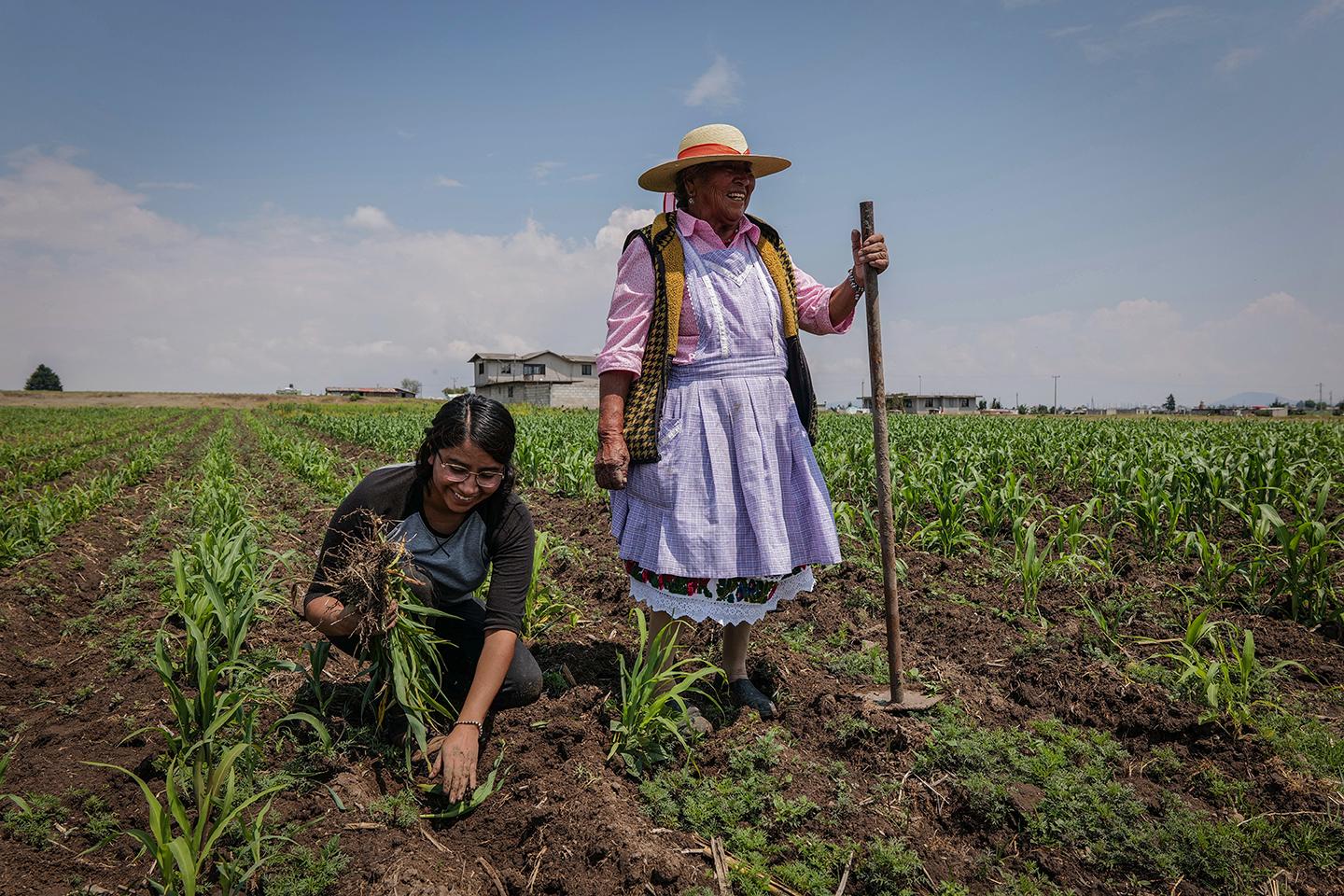
Monserrat Vázquez and her grandmother, Francisca González, visit the field where they planted native maize and made milpa for the 2023 harvest in Ixtlahuaca, State of Mexico. They do not use pesticides or herbicides, and carry out agroecological planting that involves working in a traditional way to uproot the grass. This maintains the nutrients of their milpa of native maize, different beans, squash and other products they plant.
© Greta Rico, Mexico, Shortlist, Latin America Professional Award, 2024 Sony World Photography Awards
Untitled
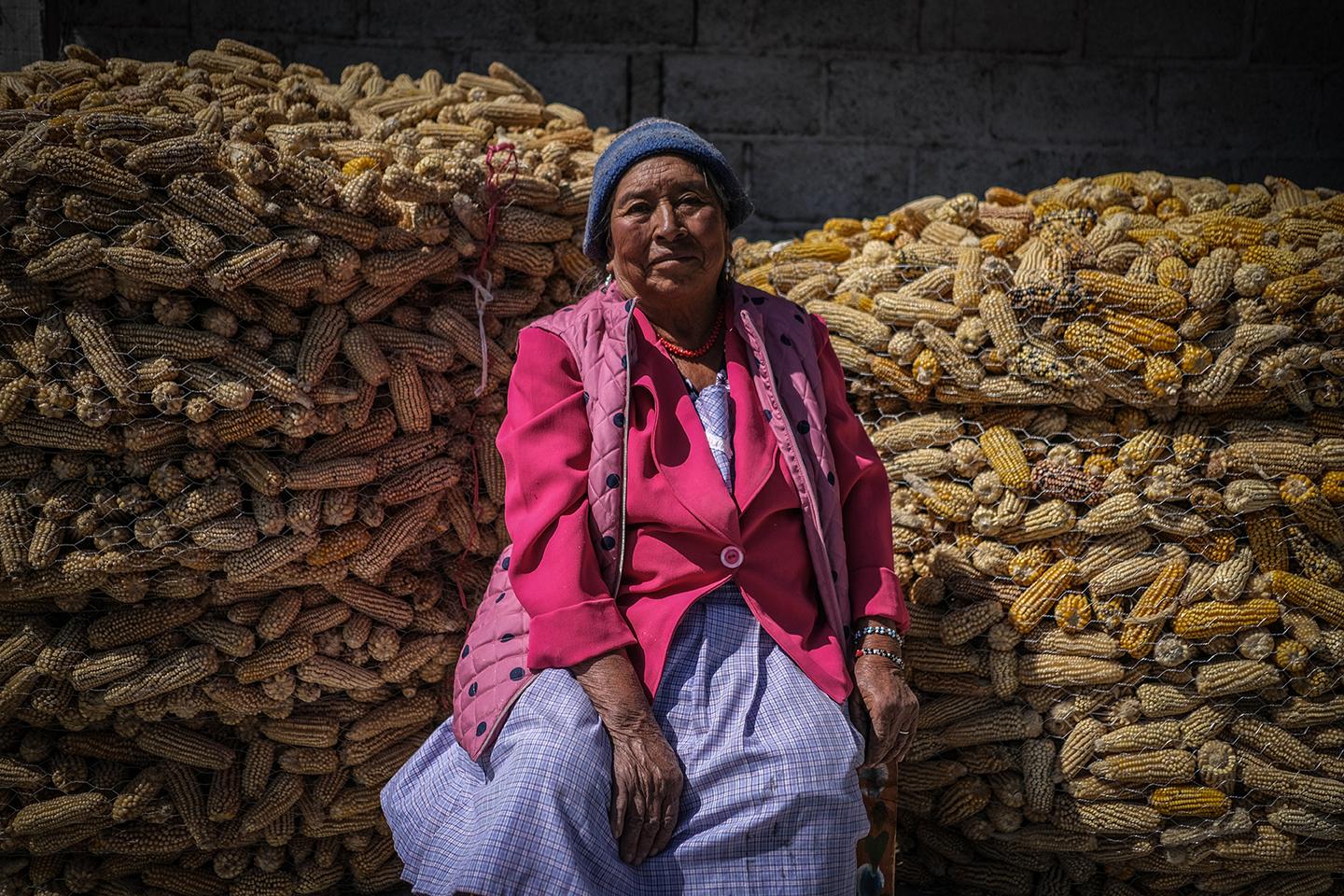
Portrait of Francisca González, a Mazahua woman, with her native maize harvest in the patio of her house in Ixtlahuaca. From a plant or cob of native maize, up to 200 seeds are obtained for the next cycle.
© Greta Rico, Mexico, Shortlist, Latin America Professional Award, 2024 Sony World Photography Awards
Untitled
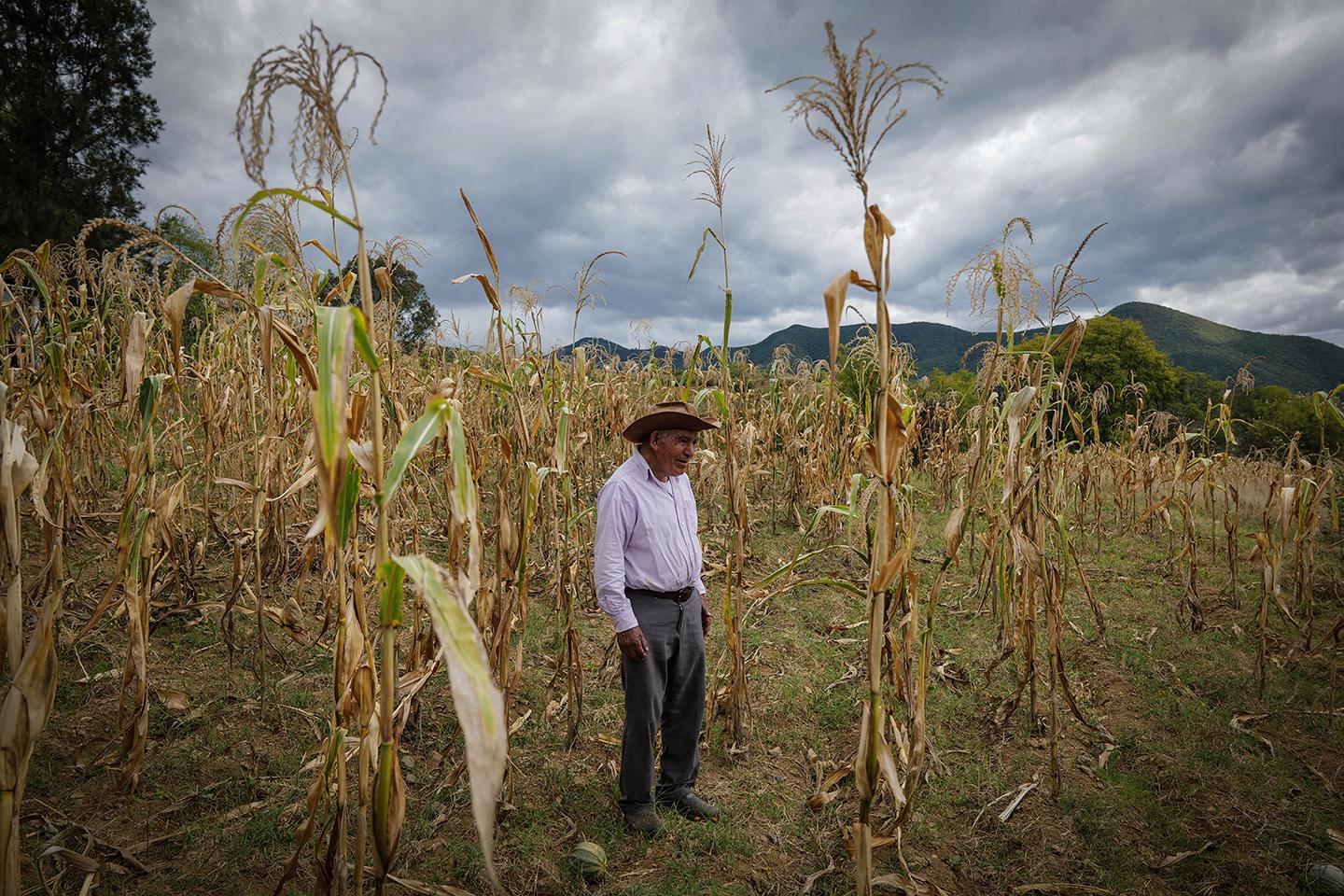
‘I had the opportunity to see two maize harvests in the year, when I was a child it rained more,’ remembers Pedro Santiago (88), walking in one of his empty looking milpas. In 2023, drought caused him to lose his harvest in Huayapam, a municipality in the Central Valleys of Oaxaca. Estimates suggest that the region experienced two thirds less rainfall in 2023 than in previous years.
© Greta Rico, Mexico, Shortlist, Latin America Professional Award, 2024 Sony World Photography Awards
Untitled
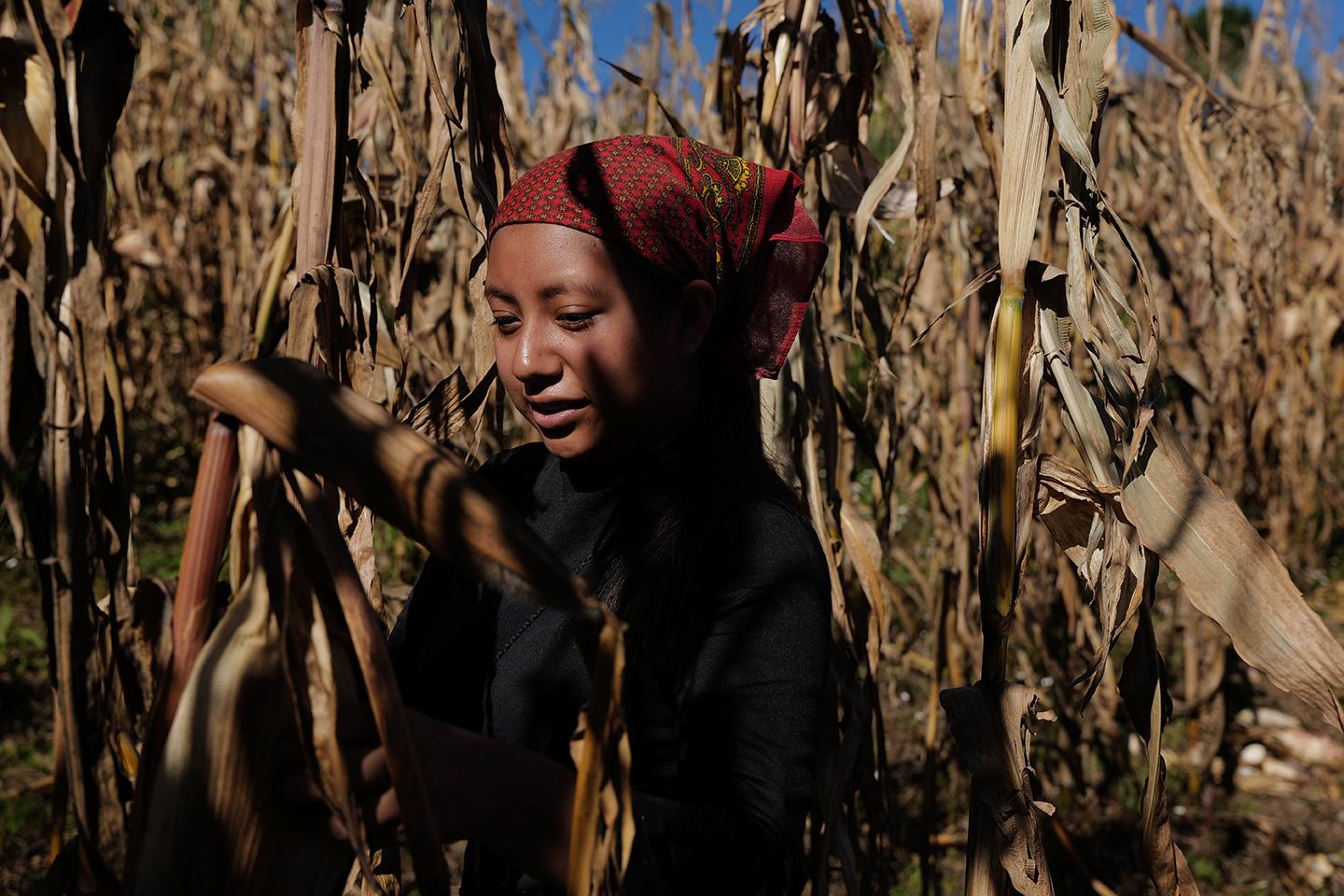
Julieta López Flores (14) participates in the family harvest in the town of San Miguel Xicalco in Mexico City. The FAO estimates that 75 percent of agricultural diversity was lost between the years 1900 and 2000. According to the National Council of Science and Technology, the constant planting and exchange of seeds between families is crucial in preserving the biodiversity of the native maize and milpas in Mexico.
© Greta Rico, Mexico, Shortlist, Latin America Professional Award, 2024 Sony World Photography Awards
Untitled
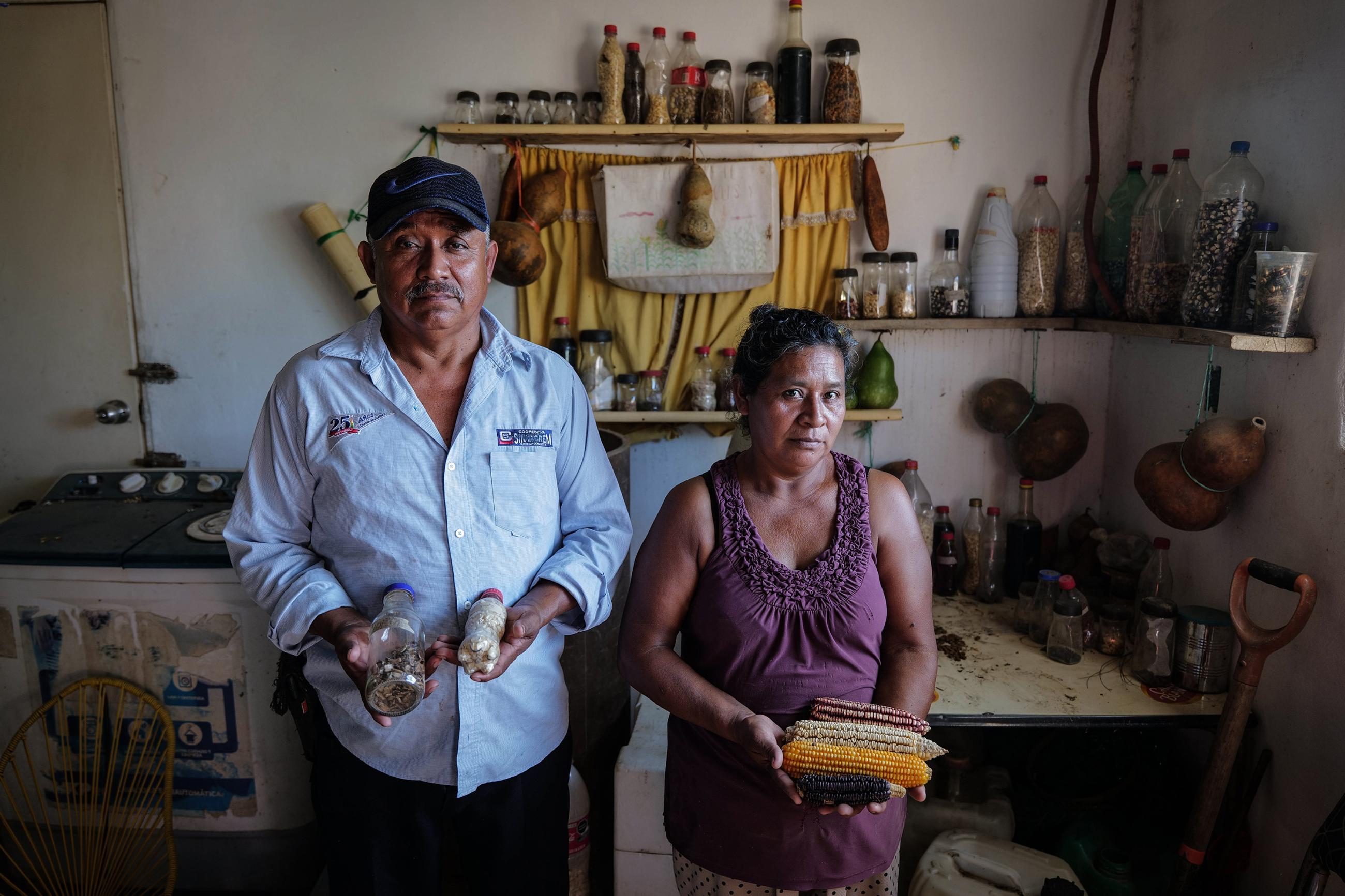
Aurelia and Alejndro’s family lost their polyculture of native maize and milpa due to Hurricane Otis, which devastated Acapulco and other nearby municipalities in October 2023. In light of the climatic phenomena of recent years, the farmers here have been working to implement a seed fund for native maize and other plant varieties that are native to the area.
© Greta Rico, Mexico, Shortlist, Latin America Professional Award, 2024 Sony World Photography Awards
Untitled
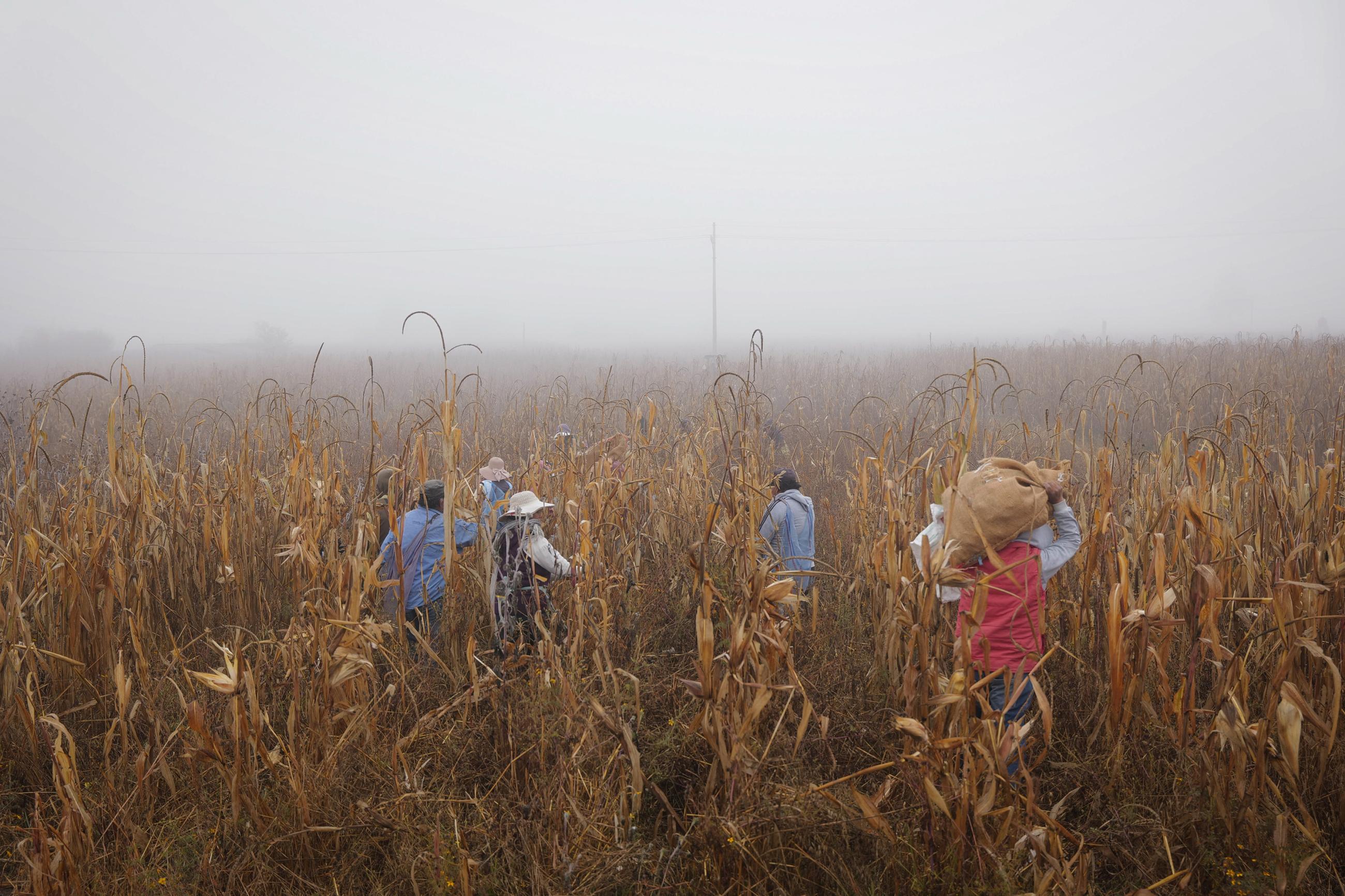
The family of Montserrat Vázquez and her grandmother, Francisca González, went to their crop fields in Ixtlahuaca to harvest their milpa of native maize, beans and squash. In stark contrast to their traditional way of working, industrial agriculture uses pesticides that prevent the growth of other plants around maize and introduces heavy machinery that contributes to the erosion and desertification of crop soils.
© Greta Rico, Mexico, Shortlist, Latin America Professional Award, 2024 Sony World Photography Awards