

Series description
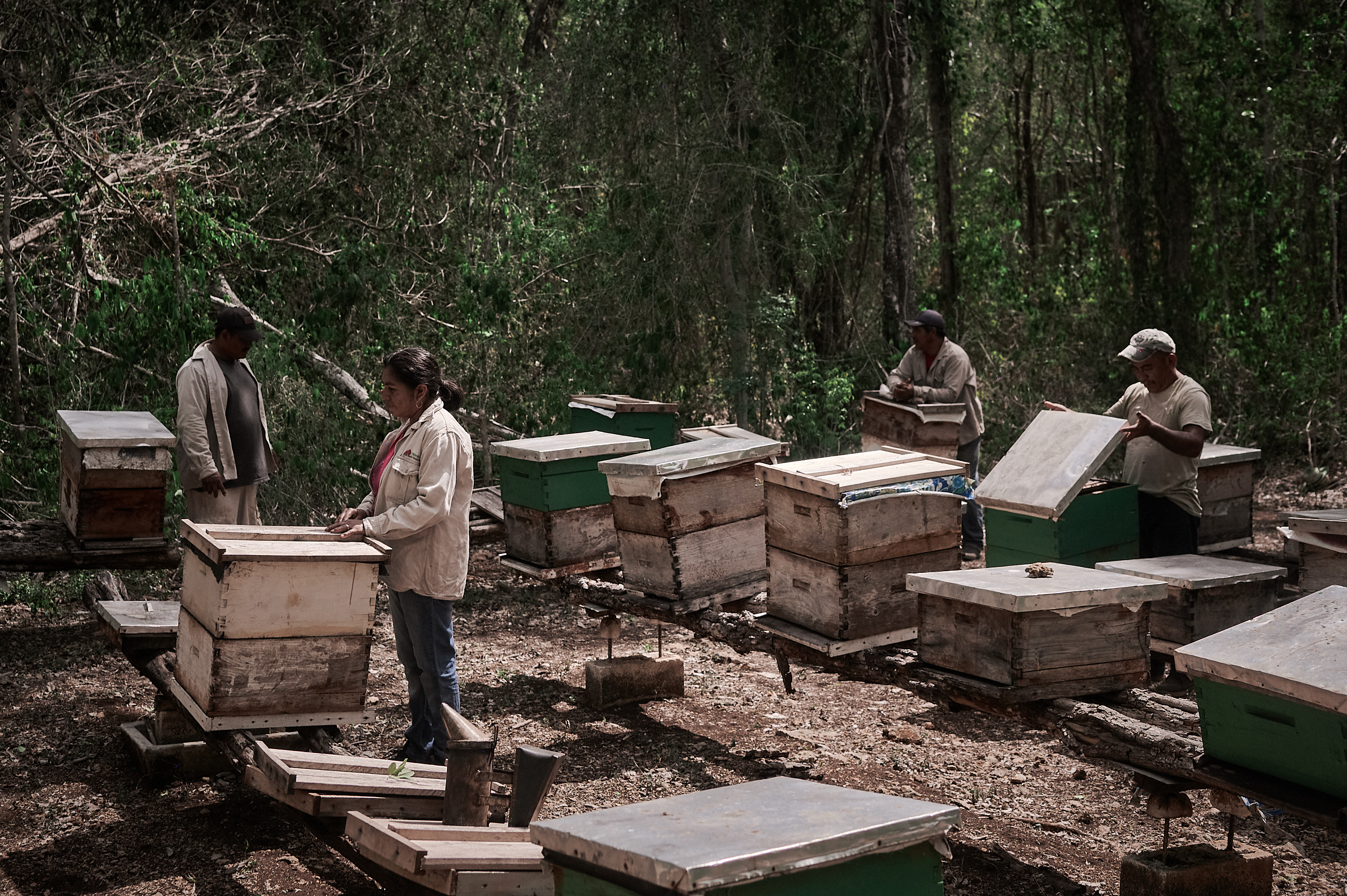
The Melipona bee is a rare species that doesn’t have a sting. It is seen as sacred by the Maya people, and its honey is said to have miraculous properties. It also embodies the resistance of indigenous communities in the region Hopelchén, Campeche nestled in southeast Mexico, against the ravages of agro-industry. In March 2023, a tragic fate befell more than one hundred beekeepers: their Melipona bees were poisoned by fipronil, an insecticide that is banned in most countries in Europe, but is still permitted in Mexico. This tragedy left deep scars on the Mayas, whose survival is intertwined with the golden nectar of the Melipona. Like an unrelenting tide, intensive agriculture is swallowing the Yucatan Peninsula, pushing back millennia-old jungles and threatening ancient practices. These images reflect the unshakeable determination of the Ka Kuxtal Much’Meyaj group, through individual and collective resistance, to leave behind an untarnished legacy for future generations.
Biography
French photographer Mahé ELIPE has been based in Mexico City since 2016. Her documentary work focuses on the human condition with a particular interest in the place of women in society. She is one of the winner of Reuters Photojournalists Grants 2019 and also of the National Geographic Society's COVID-19 emergency fund in 2020. She was a finalist of the YBIPA 2022 of Athens Photo World and won the Women Photograph Project 2022 and recently received the Prix Françoise Demulder 2023 at the Visa pour l'image Festival and the Professional Environment category of the Sony World Photography Awards 2024. The photographer collaborates with various media such as Libération, Le Monde, Bloomberg, The Guardian and Reuters... Her photographic work has been made visible in various exhibitions and more recently in 2022 at the festival "Fotofetiwal" in Łódź in Poland and in Barcelone, Spain for the Festival II BCN-DH and in 2024 in Festival Visa pour l'image in Perpignan, France.
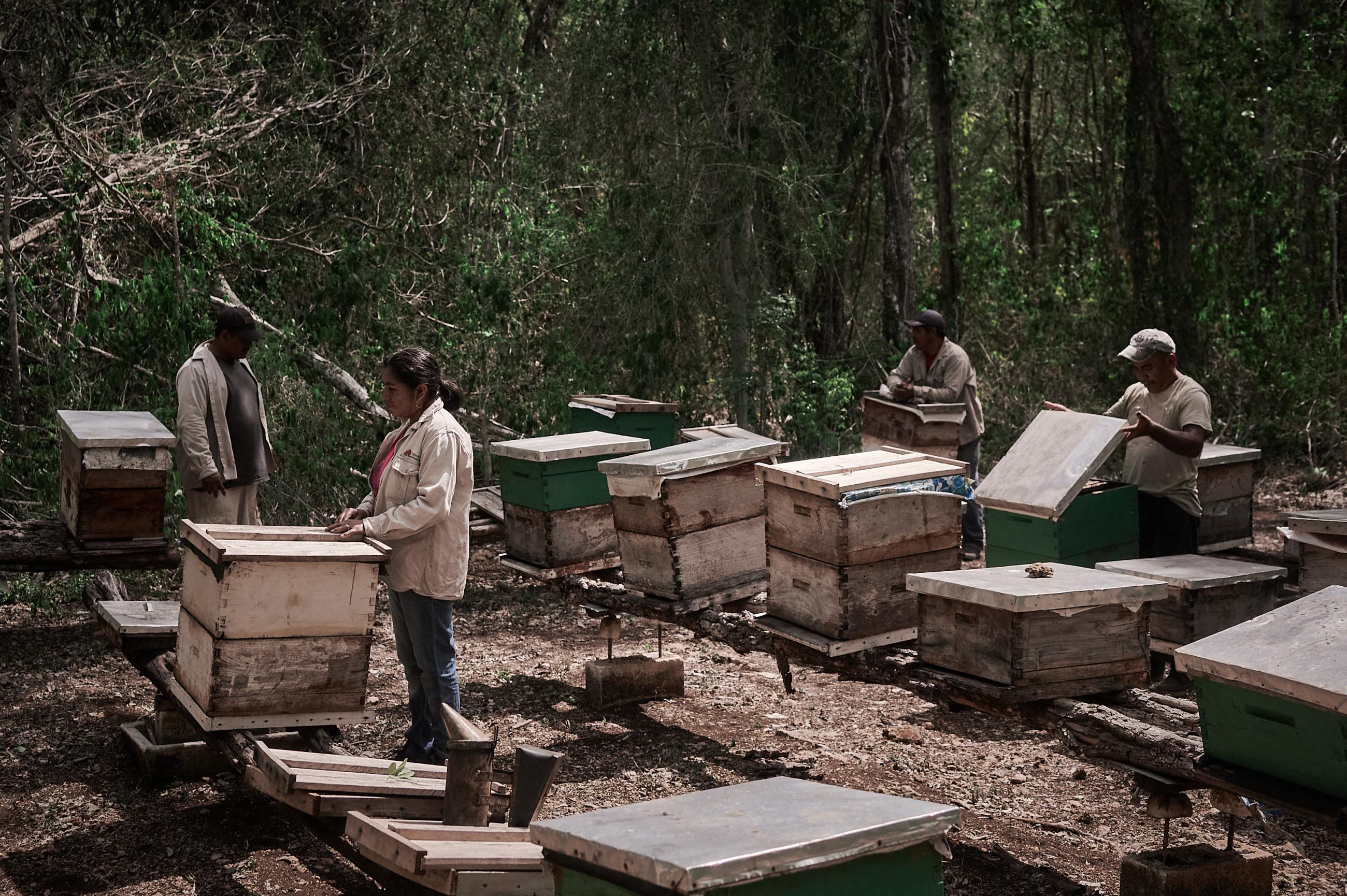
Massive Pesticide Poisoning of Beehives
In spring 2023, just before the harvest, the beekeepers of San Francisco Suc-Tuc gazed upon empty hives in a collective apiary at Crucero Oxá. The bees had fallen victim to a massive poisoning incident, with researchers discovering more than 2.5 times the lethal dose of fipronil. The catastrophe affected more than 4,000 bee colonies and it is estimated it will take four years for them to recover.
© Mahé Elipe, France, 1st Place, Professional competition, Environment, 2024 Sony World Photography Awards
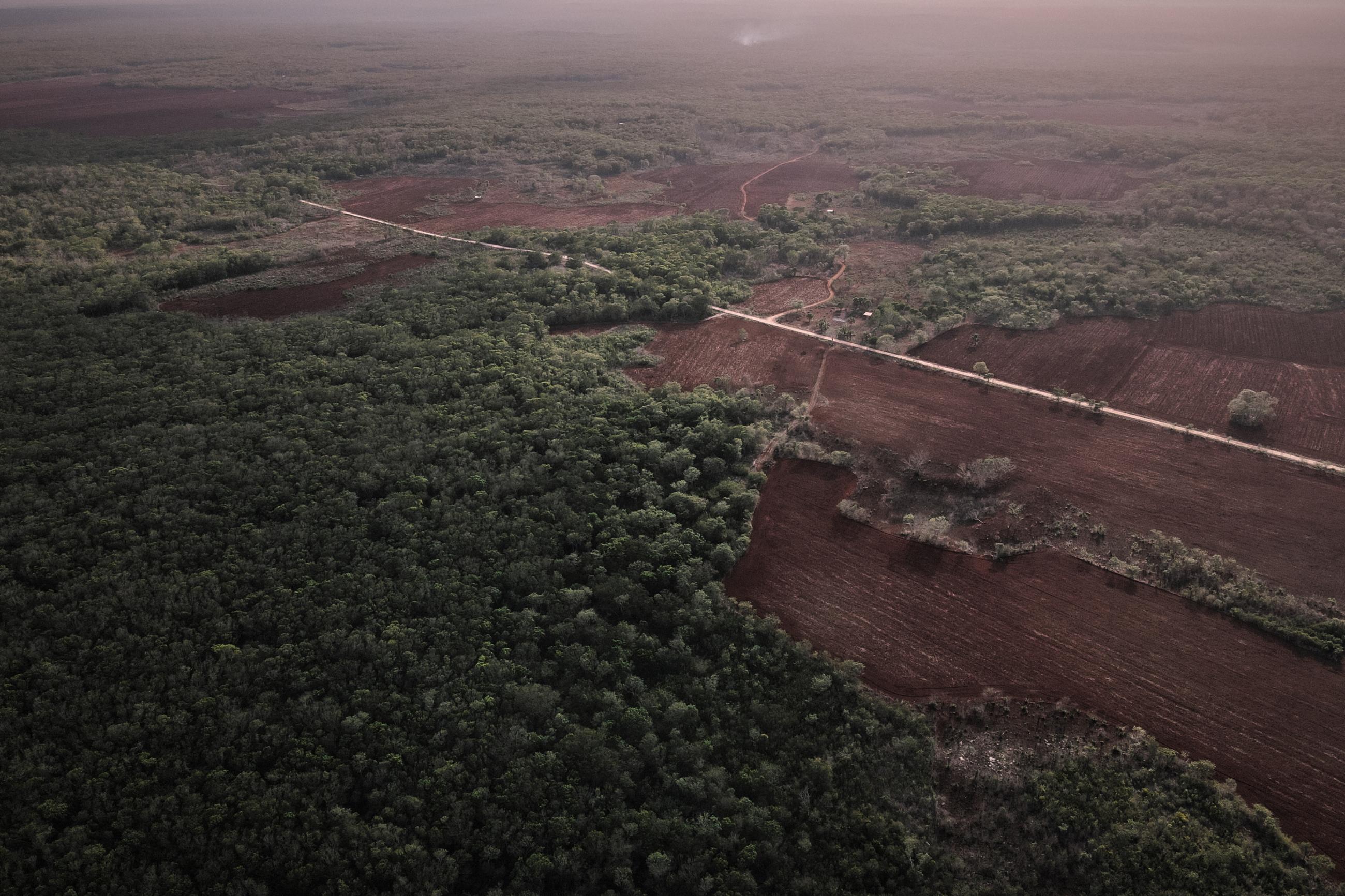
Deforestation, Hopelchén
In the Mexican municipality of Hopelchén, the forest is receding due to the expansion of intensive agriculture. According to Global Forest Watch, between 2001 and 2022 the territory lost one quarter of its forest cover (227,000 hectares) due to large-scale mechanised agriculture. Soybean production in the area was virtually non-existent 20 years ago, but covered more than 66,000 hectares in 2022.
© Mahé Elipe, France, 1st Place, Professional competition, Environment, 2024 Sony World Photography Awards
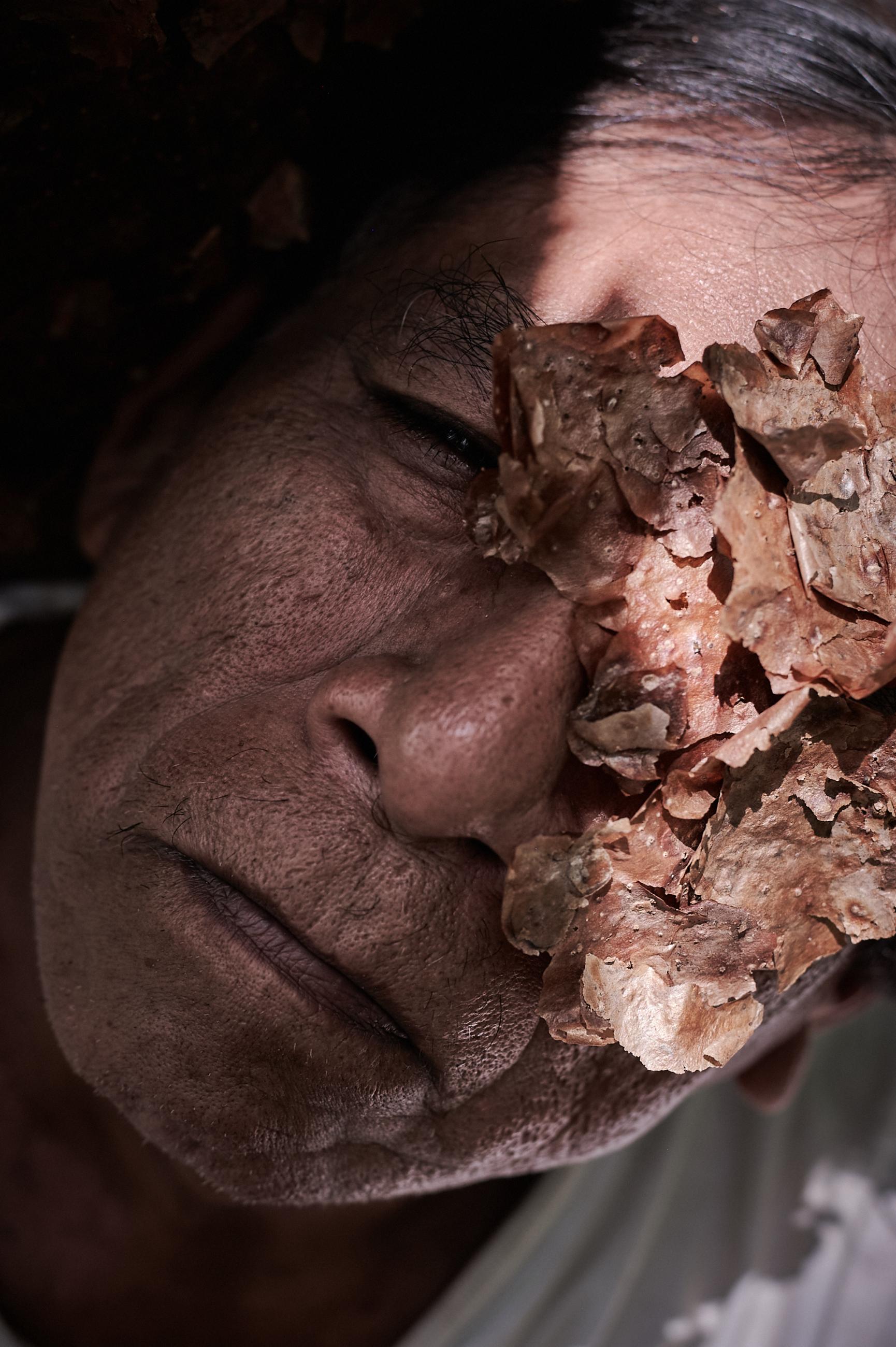
Valdemar Utiz
A portrait of Valdemar Utiz who stands guard to prevent trees being cut down by neighbouring farmers in the hamlet of Xkix. The residents of the hamlet have abandoned their homes, as access to water has become impossible, mainly due to water contamination from the intensive agriculture of nearby fields. Numerous entrepreneurs are trying to buy their land for agricultural purposes, which would result in the deforestation of the plots.
© Mahé Elipe, France, 1st Place, Professional competition, Environment, 2024 Sony World Photography Awards
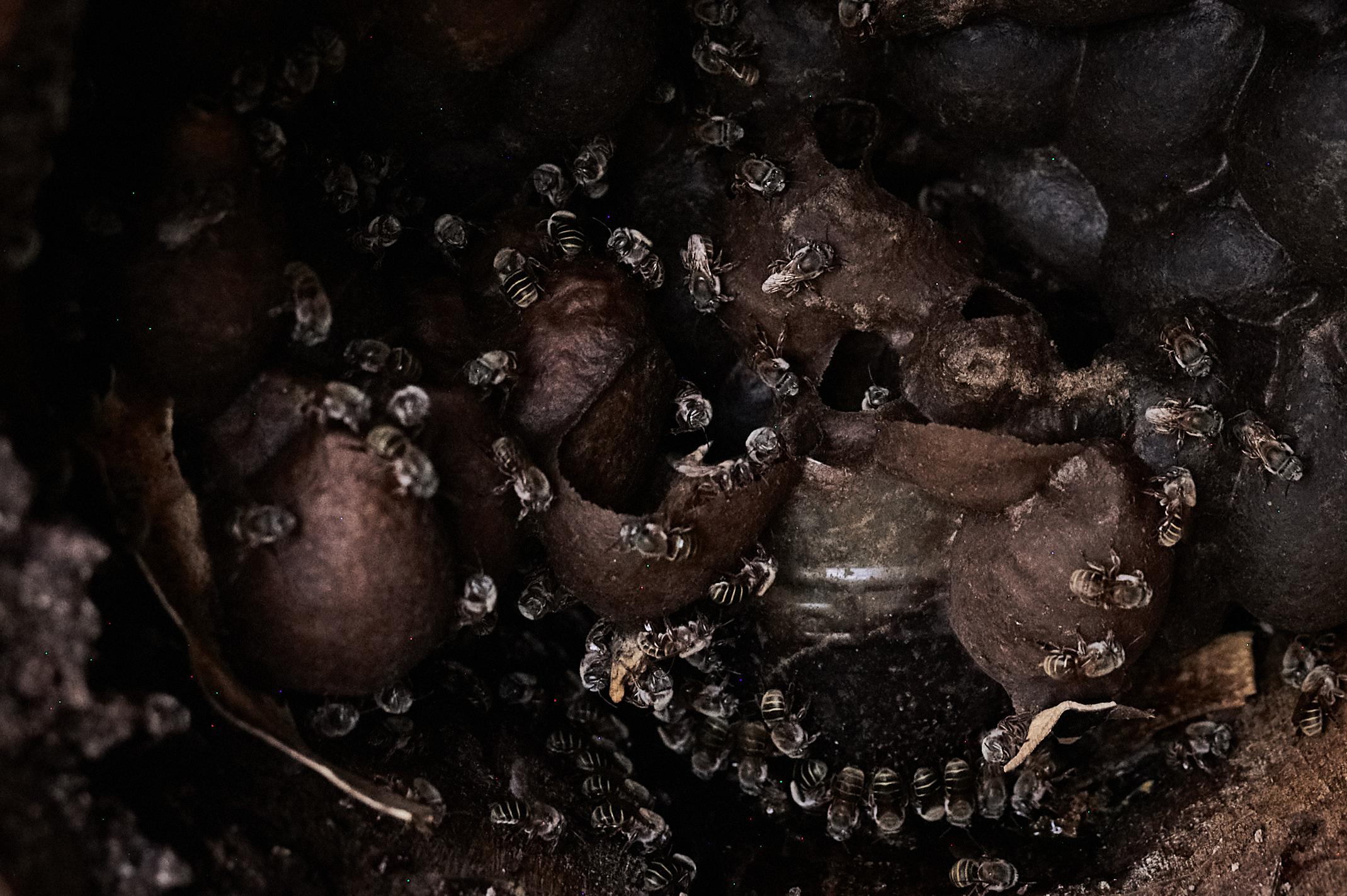
Melipona Bees
Melipona bees build their colony in hollow tree trunks. Meliponiculturist, Avia Sarita Huchin, prefers to continue raising them in this manner rather than in wooden boxes, as this preserves their connection with nature. The melipona produces less honey than the honeybee (apis mellifera), but it is recognized for its nutritional qualities and medicinal virtues, and is garnering a growing interest.
© Mahé Elipe, France, 1st Place, Professional competition, Environment, 2024 Sony World Photography Awards
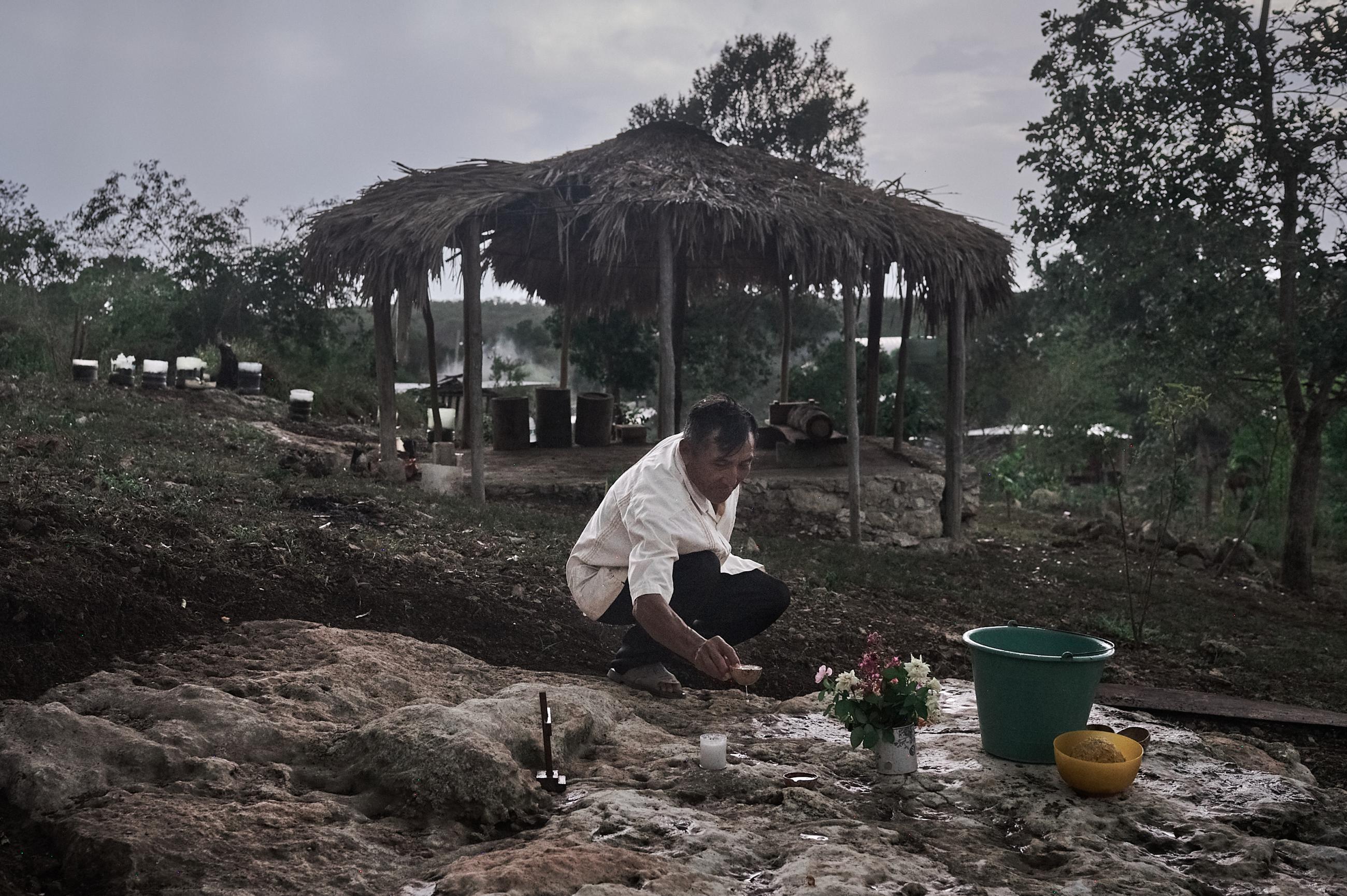
Maya Ceremony
Before the arrival of rain, José Gapar Cauich performs the Mayan Sakab ritual in his home in the community of Xcalot. This is a ceremony involving the preparation of a drink made from corn and honey to express gratitude to the farmers who work the land. With his family, he advocates for the revival of ancestral agricultural knowledge, such as the production of fertilisers that use microorganisms instead of chemicals.
© Mahé Elipe, France, 1st Place, Professional competition, Environment, 2024 Sony World Photography Awards
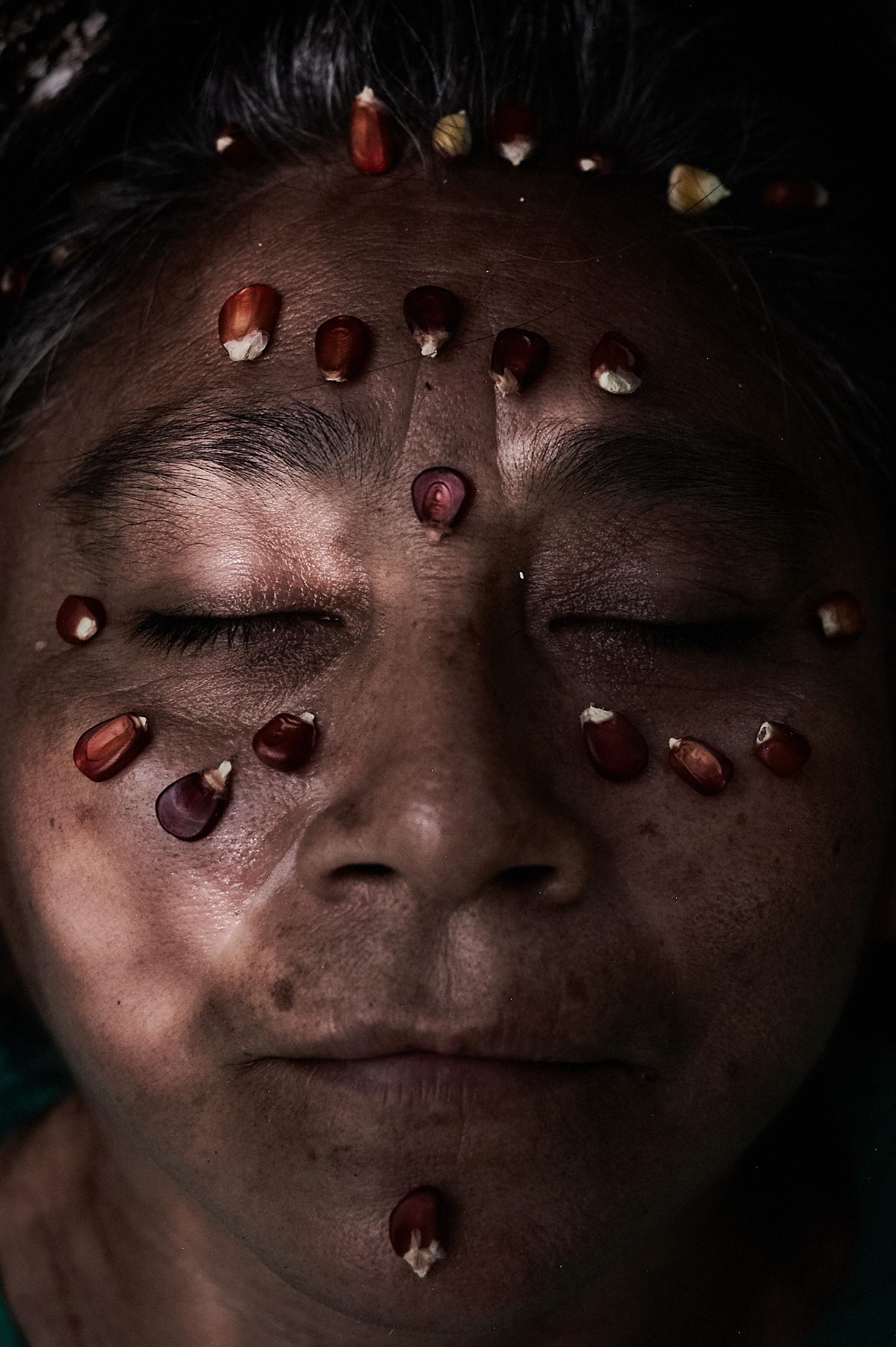
Doña Leocadia
For 12 years, the indigenous association led by Leocadia Utiz has been organising a native corn seed fair. Farmers from participating communities are invited to exchange native seeds and forgotten indigenous knowledge. According to Mayan belief, Leocadia claims to be descended from corn. Together with her family, she ensures the protection of the forest by cultivating milpa.
© Mahé Elipe, France, 1st Place, Professional competition, Environment, 2024 Sony World Photography Awards
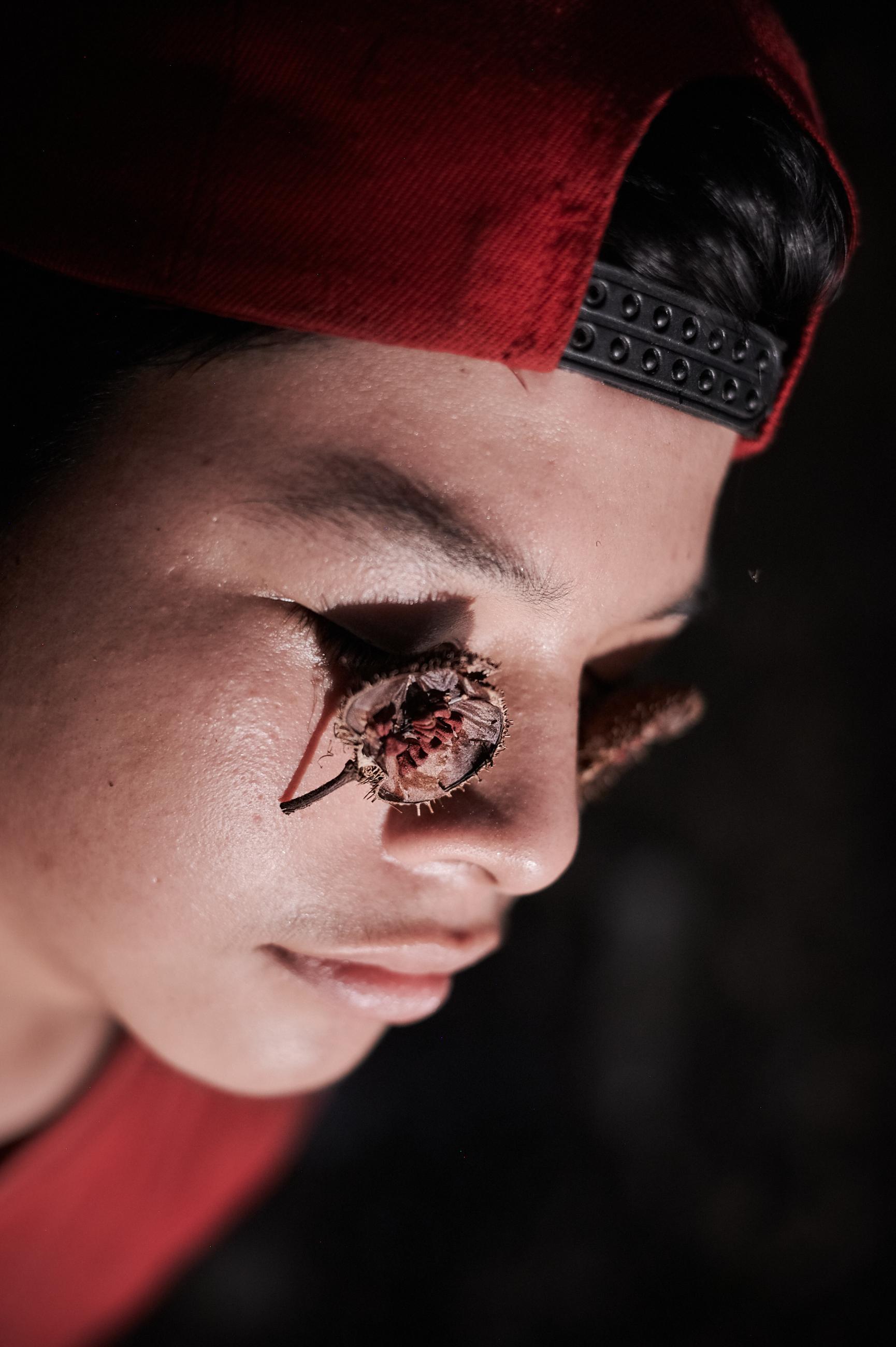
Jarib
Jarib’s grandmother, Avia Sarita Huchin, taught him how to puncture wax pockets to harvest melipona bee honey, and they are delighted that the colony is thriving despite the drought. The species was on the brink of extinction and is still threatened due to deforestation. Avia, who has become an authority on the subject, founded a school and offers training in meliponiculture.
© Mahé Elipe, France, 1st Place, Professional competition, Environment, 2024 Sony World Photography Awards
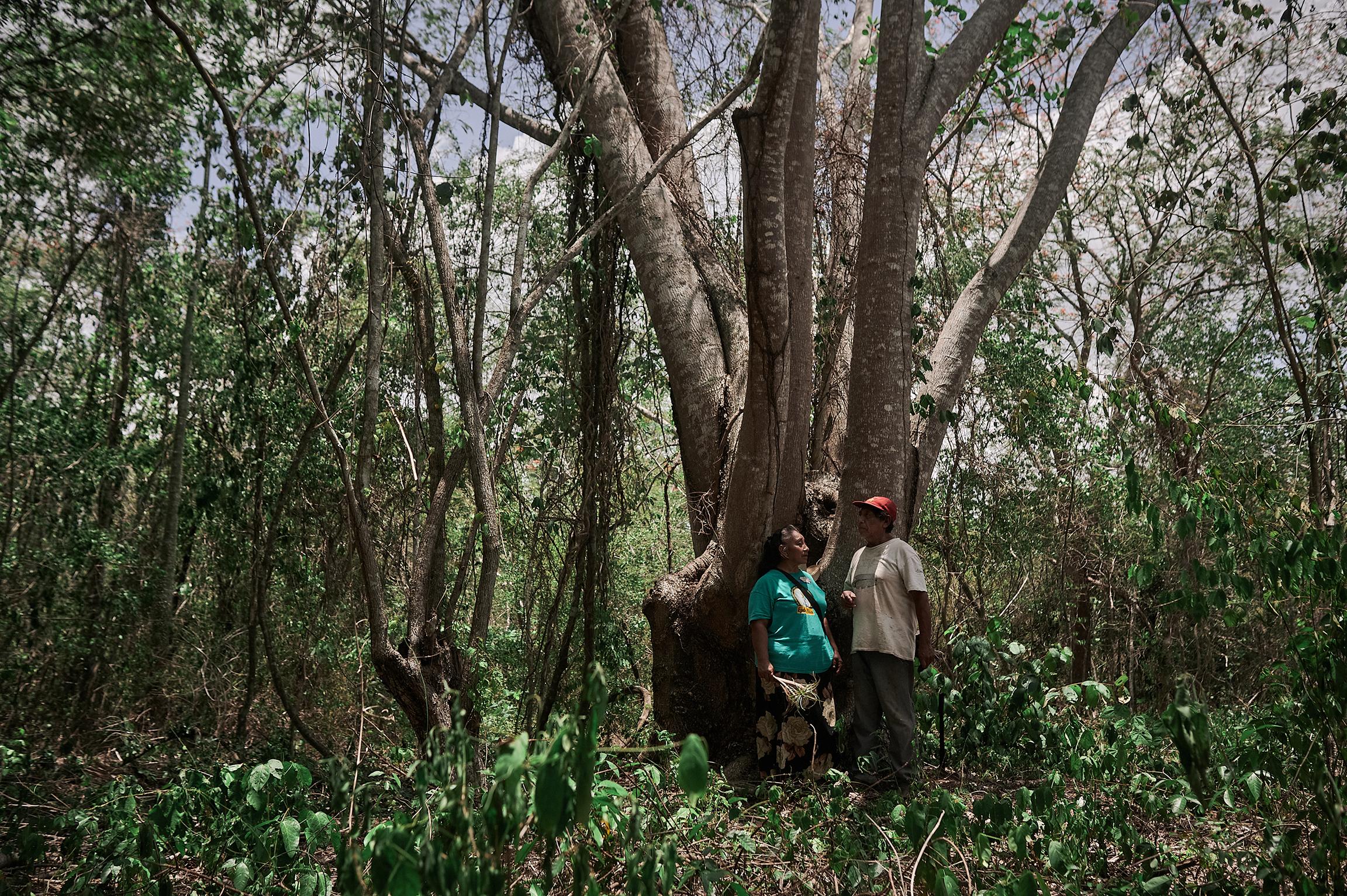
Leocadia and Valdemar Utiz
Leocadia and her brother, Valdemar Utiz, refuse to sell their land. Valdemar continues to practise agroforestry for subsistence, and makes a living from the milpa and the forest he regularly traverses to collect fruit and hunt. For them, it is a way to protect the area against ‘the invaders and their machines’; Valdemar is convinced that if he weren’t present ‘they would come to seize the forest and burn it’.
© Mahé Elipe, France, 1st Place, Professional competition, Environment, 2024 Sony World Photography Awards