


Series description
Plants are among the main suppliers of medicinal substances and should be considered as the producers and dynamic containers of chemical substances. In their evolution they have developed innumerable secondary metabolites that perform various ecological functions for the plant, such as repellence, defence from herbivores, fighting against other plant species for resource control, defence from parasites and attraction to pollinators. These secondary metabolites have also shown important pharmacological activities in humans, which constitute the active ingredients or the main components on which the curative action of a drug depends; in fact, 40 percent of monomolecular drugs derive from plant species. This series highlights the important role of pharmacognosy in modern biology.
Biography
Federico studied Photography (BA) at IED in Rome. He collaborates with Parallelozero photo agency and with Stand By Me as still photographer for cinema and television. He teaches Photography at Accademia Fotografica and in the BA course of Digital Image Processing at Istituto Pantheon. His works have been published on Geo Magazine, De Volkskrant, Illustrè, Die Ziet, CNN, Lonely Planet, Repubblica, Internazionale, il Messaggero, Oggi. He has exposed in France, Spain, Portugal, Netherland, South Corea, India, Denmark, Lituania and Italy.

Ephedrine
Ephedrine was first isolated in 1885 from Ephedra sinica and came into commercial use in 1926. The Ephedra alkaloids, ephedrine and pseudoephedrine, have sympathomimetic and decongestant qualities. Ephedrine is a central nervous system stimulant that is often used to prevent low blood pressure during anaesthesia. It has also been used for asthma, narcolepsy and obesity.
© Federico Scarchilli, Italy, 1st Place, Professional competition, Still Life, 2024 Sony World Photography Awards
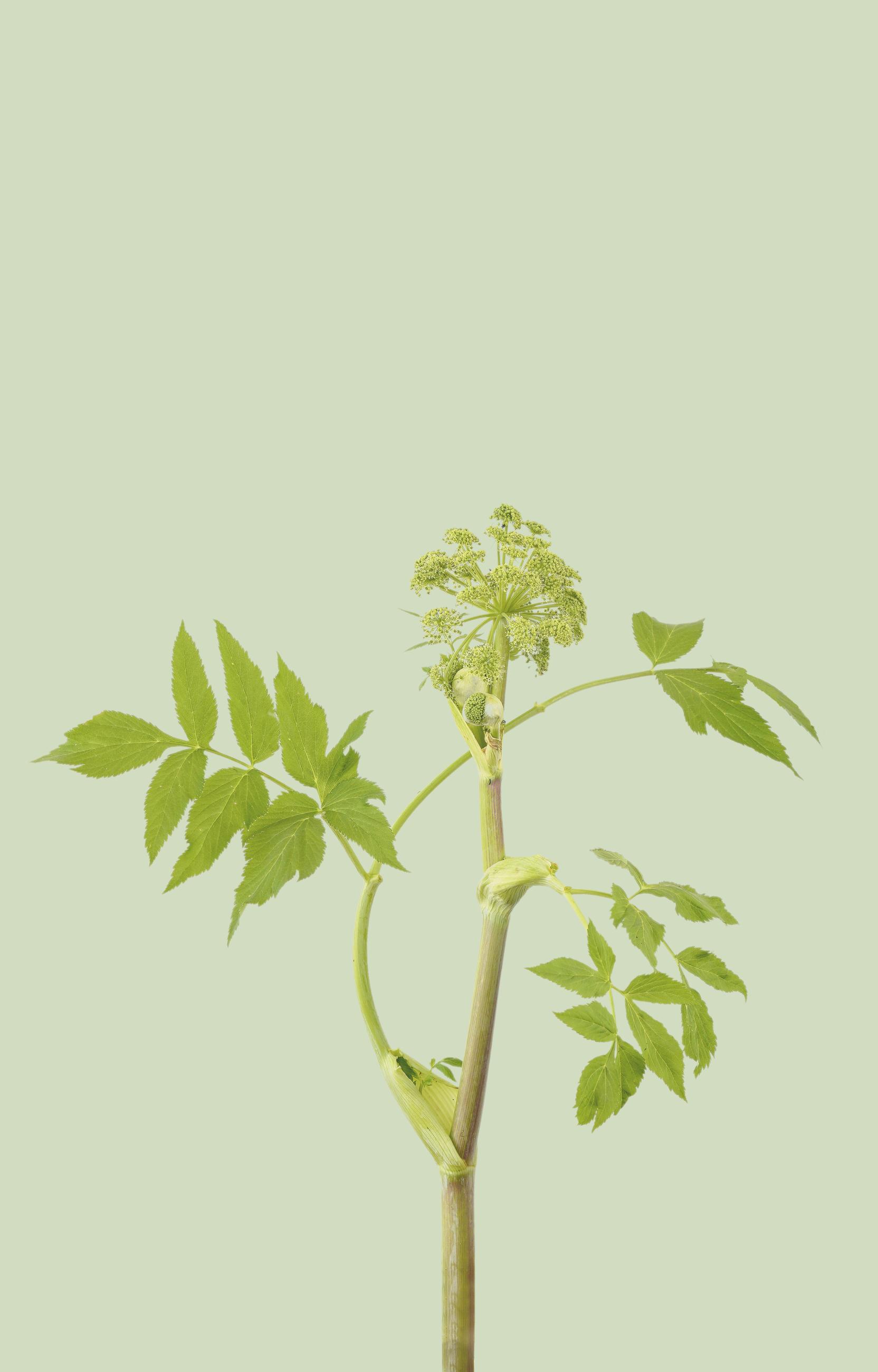
Angelica Archangelica
Angelica has been used in traditional medicine to treat multiple health conditions. It is thought to contain various bioactive ingredients that may have antioxidant, antimicrobial and anti-inflammatory properties. Researchers have also studied Angelica’s potential anticancer effects in a lab, testing Angelica archangelica extract on breast cancer cells. They found that Angelica may help cause breast cancer cell death, leading researchers to conclude that the herb may have antitumor potential.
© Federico Scarchilli, Italy, 1st Place, Professional competition, Still Life, 2024 Sony World Photography Awards

Hyoscine Butylbromide
Hyoscine Butylbromide was patented in 1950 from Duboisia leichhardtii and Duboisia myoporoides and approved for medical use in 1951. It is an anticholinergic medication used to treat abdominal pain, esophageal spasms, bladder spasms and renal colic. It is also used to improve excessive respiratory secretions at the end of life.
© Federico Scarchilli, Italy, 1st Place, Professional competition, Still Life, 2024 Sony World Photography Awards

Digoxin
Digoxin was first isolated in 1930 from Digitalis lanata and is on the World Health Organisation's List of Essential Medicines. Digoxin is one of the oldest medications used in the field of cardiology, and is used to treat various heart conditions, including atrial fibrillation, atrial flutter and heart failure. It works by increasing myocardial contractility, increasing stroke volume and blood pressure, reducing heart rate and somewhat extending the time frame of the contraction.
© Federico Scarchilli, Italy, 1st Place, Professional competition, Still Life, 2024 Sony World Photography Awards
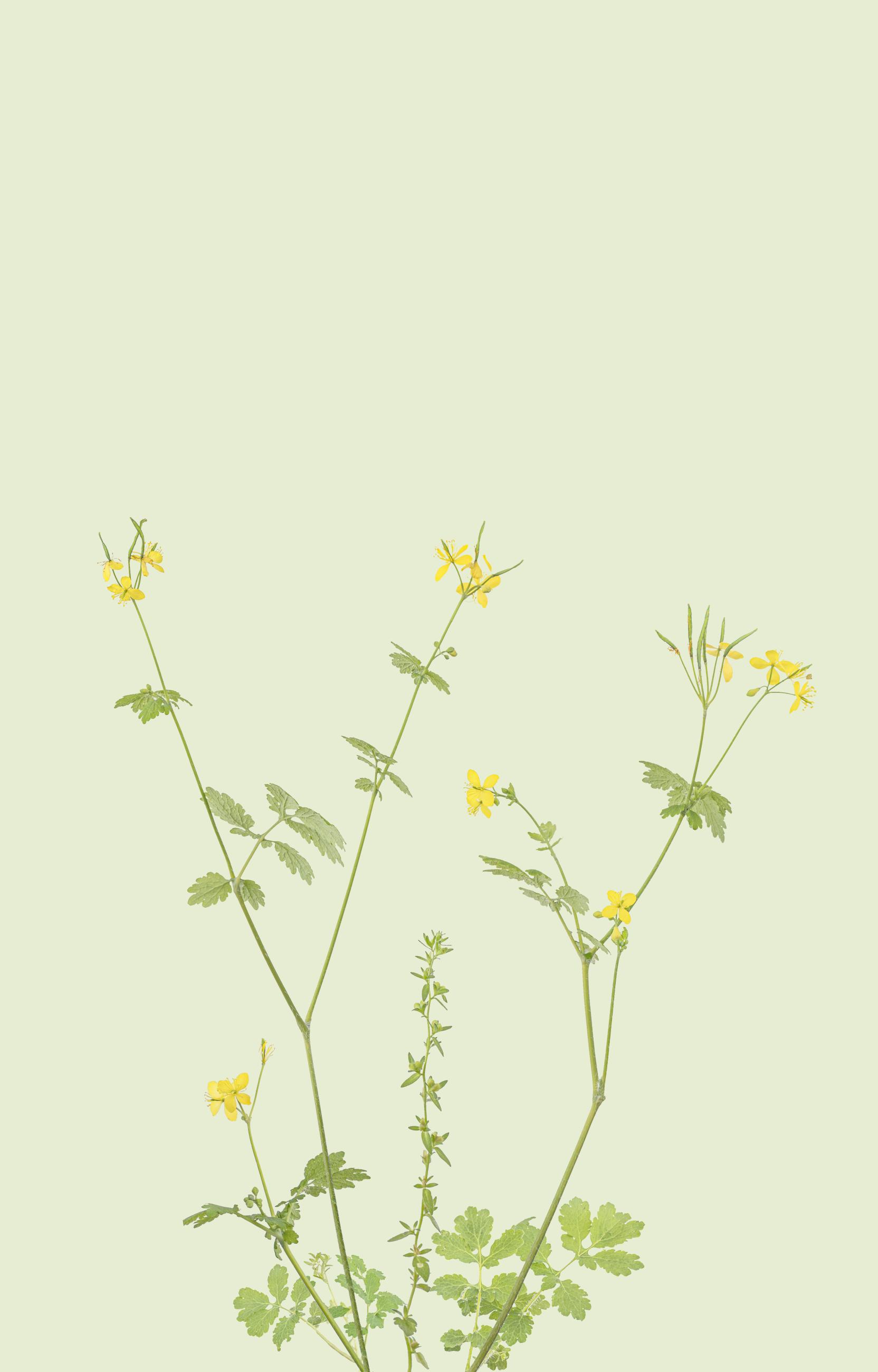
Chelidonium Majus
The main alkaloid present in the herb and root is berberine and coptisine. It is used as a mild sedative, and an antispasmodic in the treatment of bronchitis, whooping cough, asthma, jaundice, gallstones and gallbladder pain. The latex is used topically to treat warts, ringworm and corns. A semisynthetic thiophosphate derivative of alkaloids from C. majus, called Ukrain, has cytotoxic and cytostatic effects on tumour cells.
© Federico Scarchilli, Italy, 1st Place, Professional competition, Still Life, 2024 Sony World Photography Awards
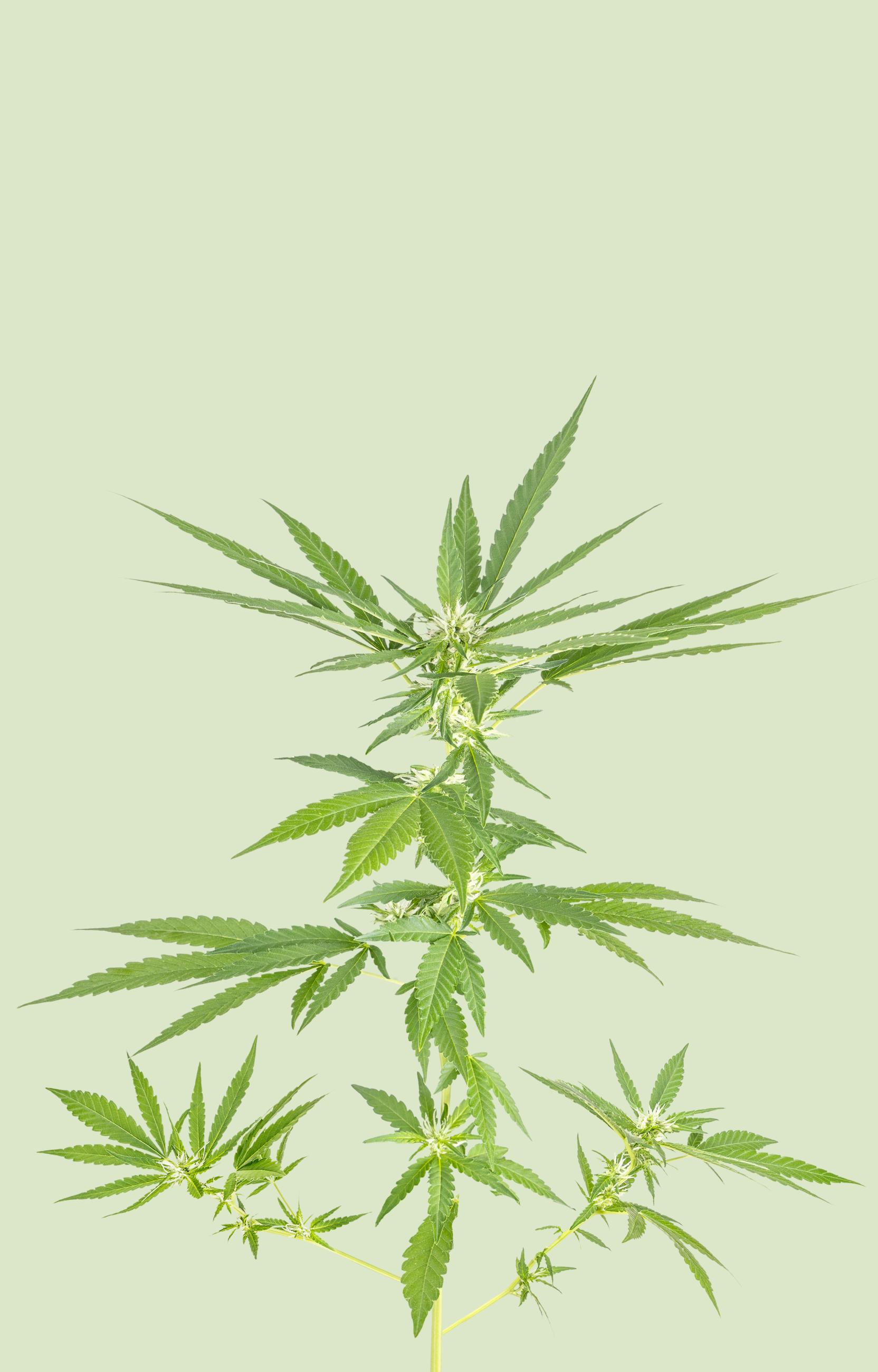
Cannabis Sativa
Cannabis has two active ingredients: delta 9 tetrahydrocannabinol (THC) and cannabidiol (CBD). Cannabis-based drugs such as Dronabinol, Nabilone, Bredocan and Bediol are used to treat nausea and vomiting in anticancer chemotherapy and anorexia in AIDS patients. Cannabis is used against multiple sclerosis, Tourette’s syndrome and epilepsy. The drug used is Sativex, which uses THC and CBD to control seizures and spasms, while also reducing the frequency of other involuntary tics.
© Federico Scarchilli, Italy, 1st Place, Professional competition, Still Life, 2024 Sony World Photography Awards