

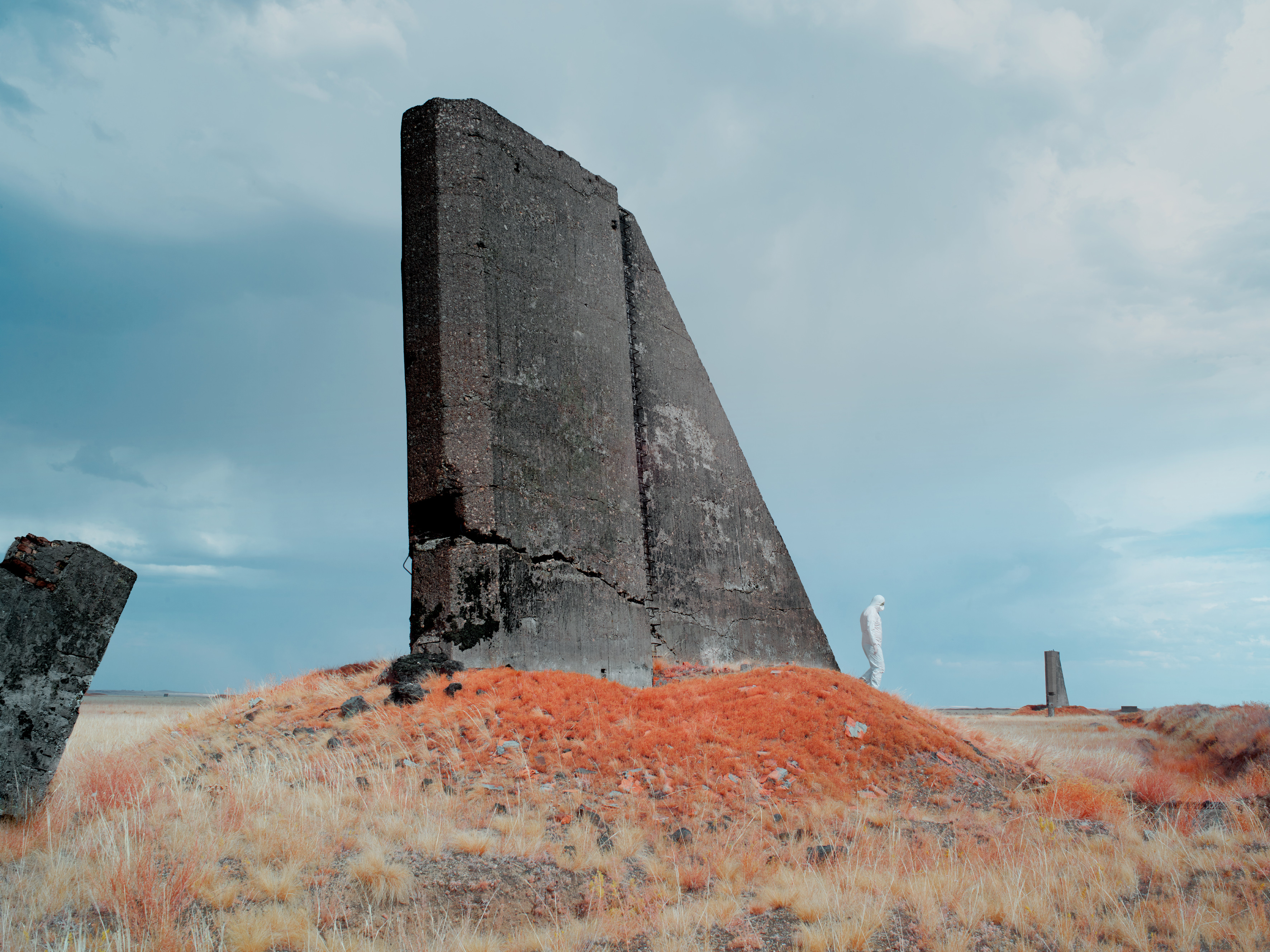
Series description
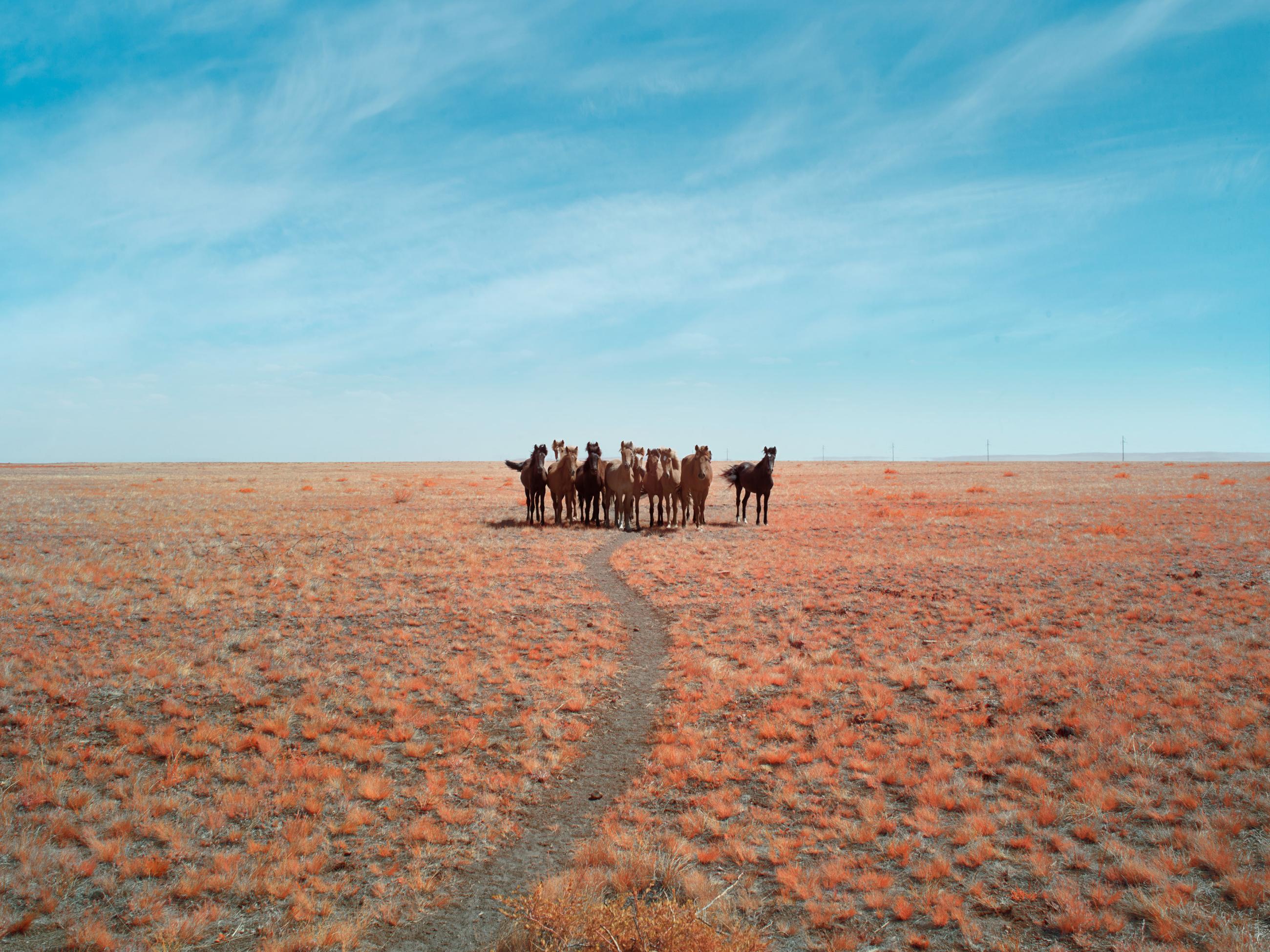
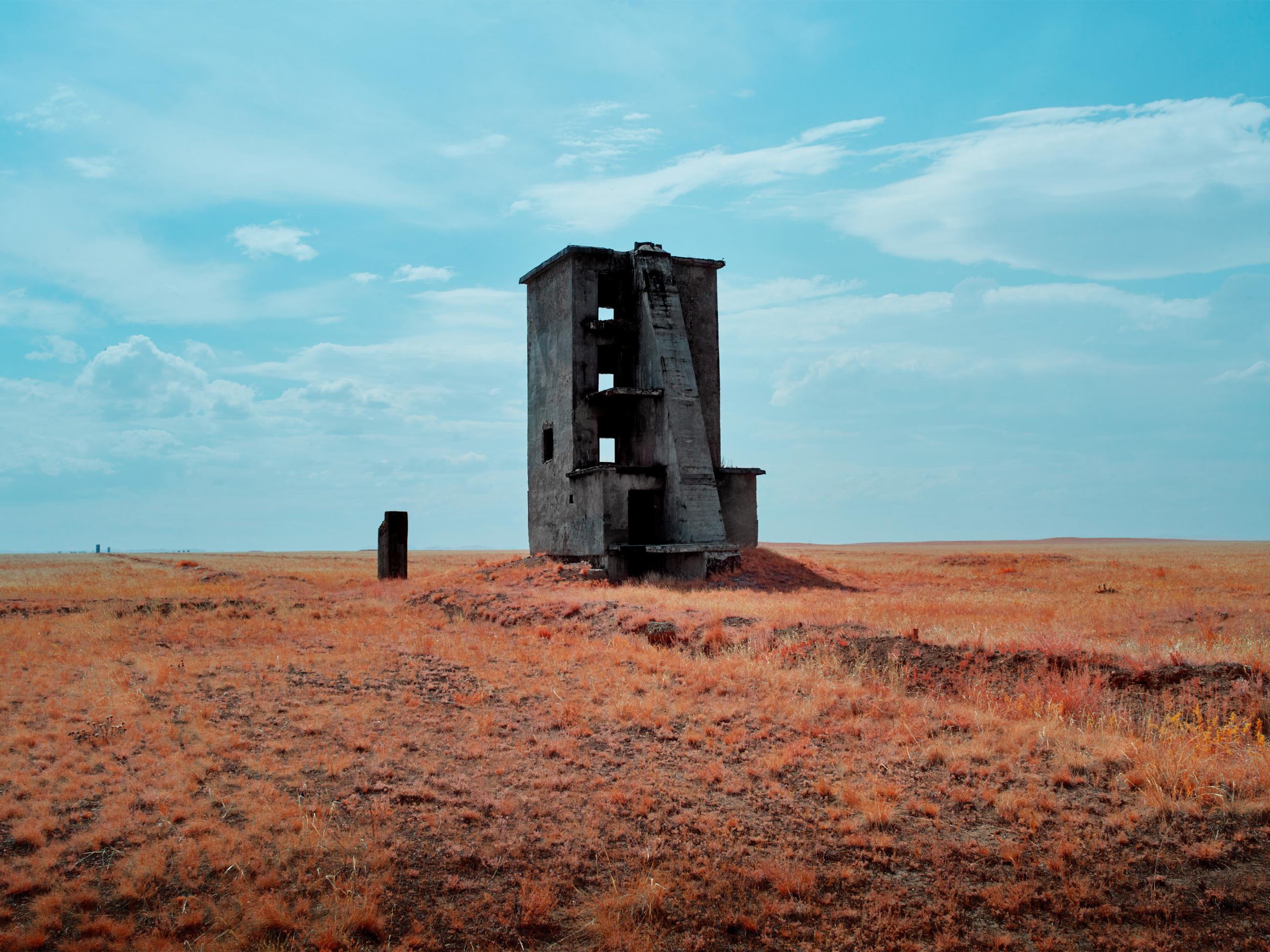
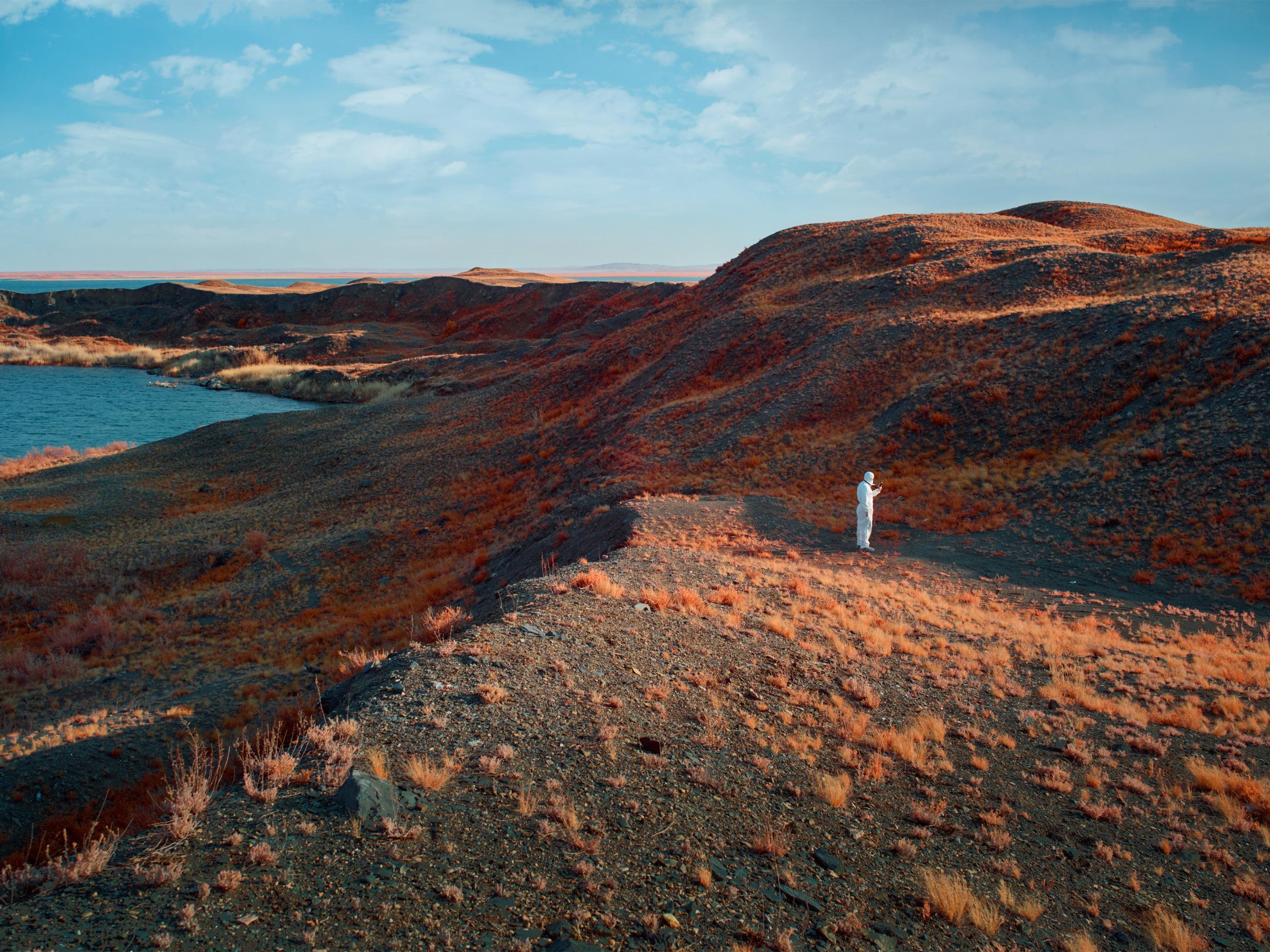
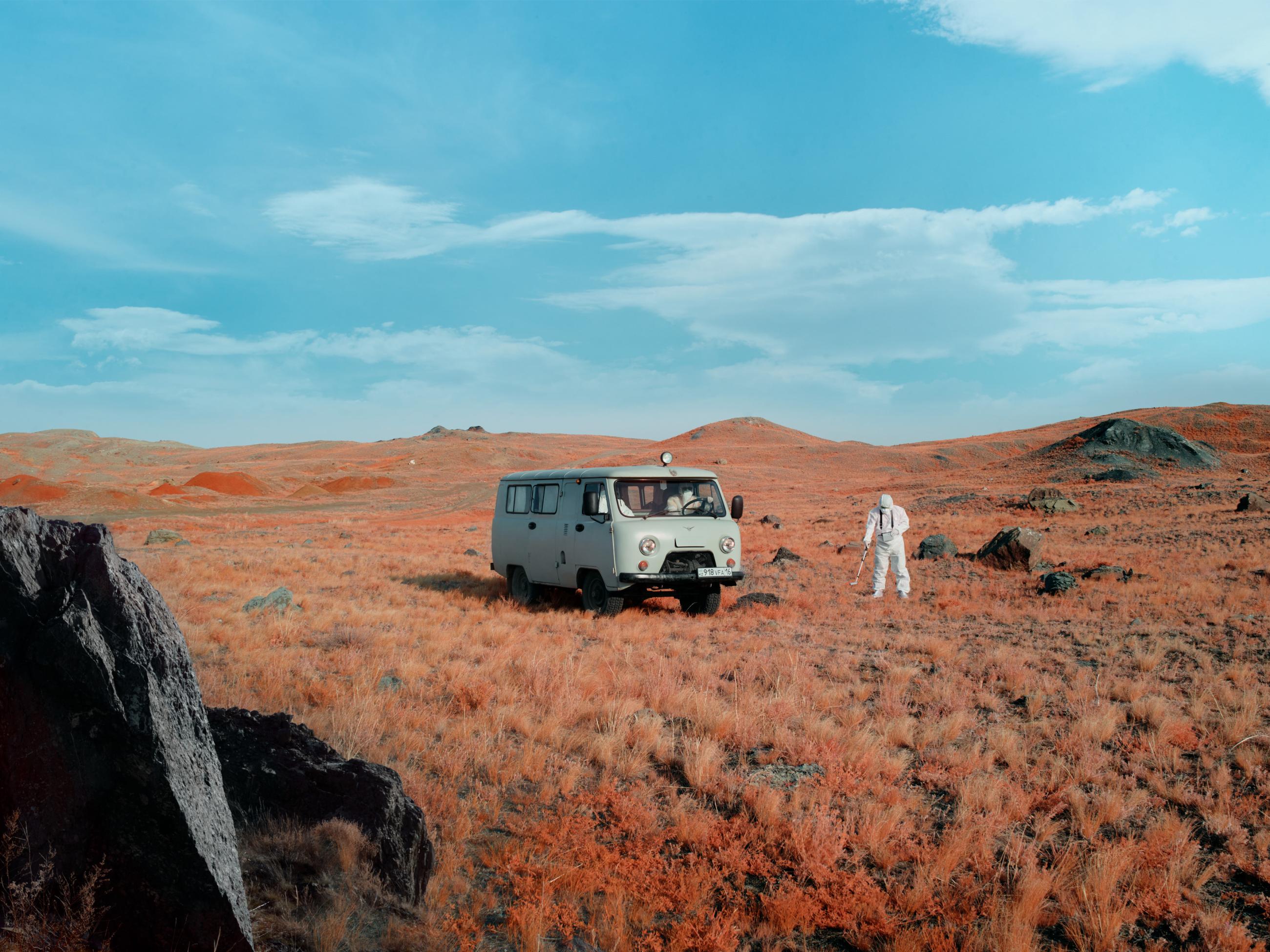
This series explores a remote area of Kazakhstan known as ‘The Polygon’, which was once home to the Soviet Union’s major nuclear testing facilities. Between 1949 and 1989 more than 450 nuclear tests took place here, with little regard for their effect on the local people and environment. The full impact of radiation exposure was hidden for many years by the Soviet authorities and only became clear after the test site was closed in the early 1990s. The location is still heavily contaminated and can only be accessed in protective clothing. The images in this series were made using an infrared camera, which hints at a menace that is equally invisible to the human eye: the radiation resulting from the nuclear explosions. Local scientists employ infrared technology to assess the current conditions of contaminated sites. Green vegetation, reflects a significant amount of infrared light, allowing for a nuanced analysis of environmental health. The varying shades of reflection yield valuable insights into the overall toxicity of this irradiated landscape. Notably, foliage emerges as the primary concern in these locations due to its absorption of radiative particles from deeper layers of soil, making it a focal point for potential environmental hazards.
Biography
Eddo Hartmann, born in The Hague in 1973, studied at the Royal Academy of Arts in The Hague. He is a Dutch photographer with a career that has spanned over 25 years. Hartmann is renowned for capturing striking and thought-provoking images of architecture and urban spaces. Initially, he started his career as a commercial and editorial photographer but later shifted towards long-term documentary projects. One of his most notable works is "Setting The Stage | North Korea," which is a series that documents the intricately designed communist capital of Pyongyang. In addition to his photographic work, Hartmann is also a lecturer in The Hague, where he teaches technical skills and visual grammar. He is committed to capturing the impact of human activity on the planet and its landscapes. Hartmann's work has been widely exhibited and published in newspapers and magazines around the world, and can be found in private and public collections. Currently based in Amsterdam, where he continues to work as a freelance photographer.
Untitled
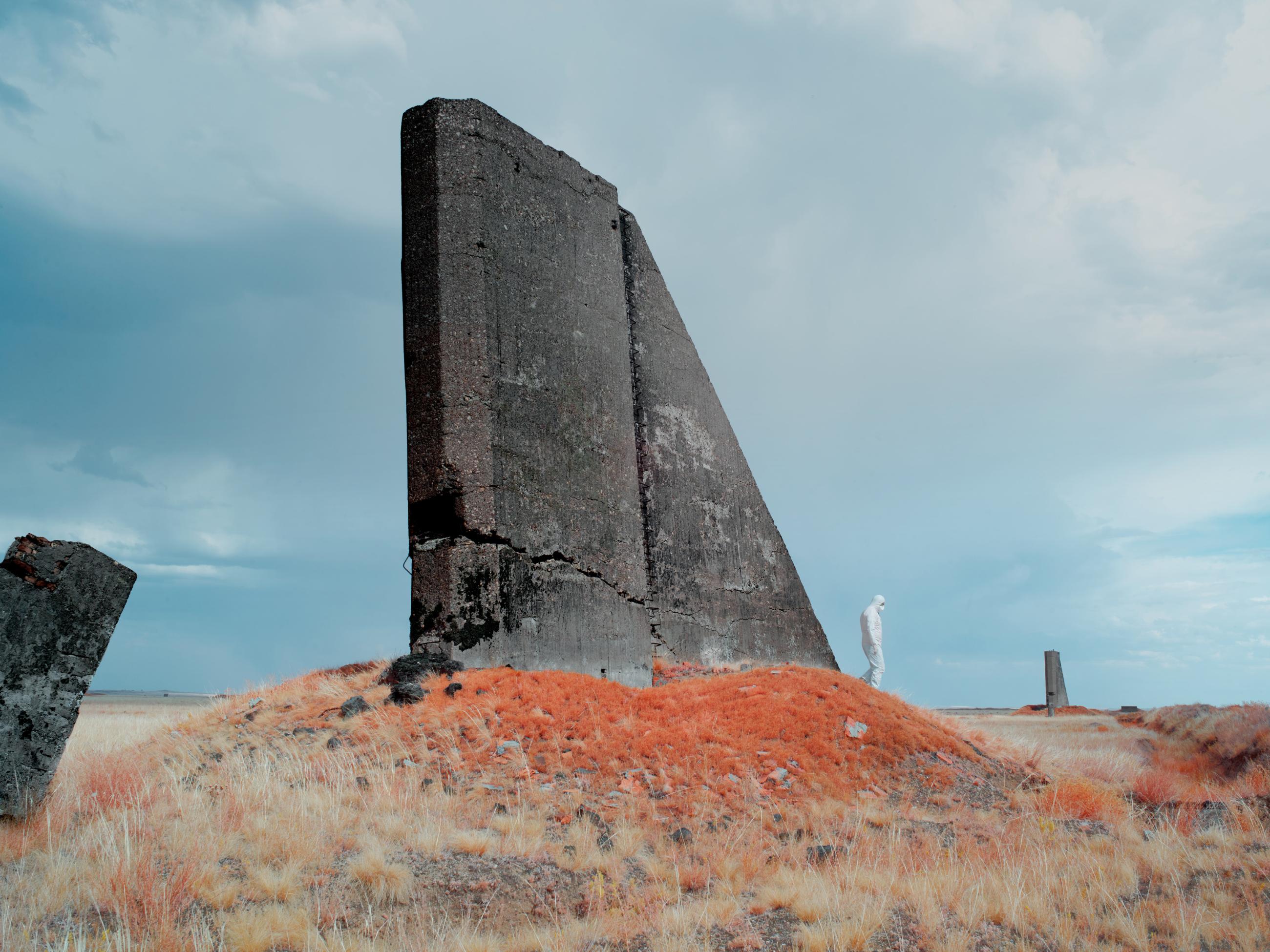
An infrared image of the remains of an observation tower at Opytnoe Pole. This was the first testing ground at the Semipalatinsk Test Site, which was a large-scale facility used between 1949 and 1962 for atmospheric nuclear tests.
© Eddo Hartmann, Netherlands, 1st Place, Professional competition, Landscape, 2024 Sony World Photography Awards
Untitled
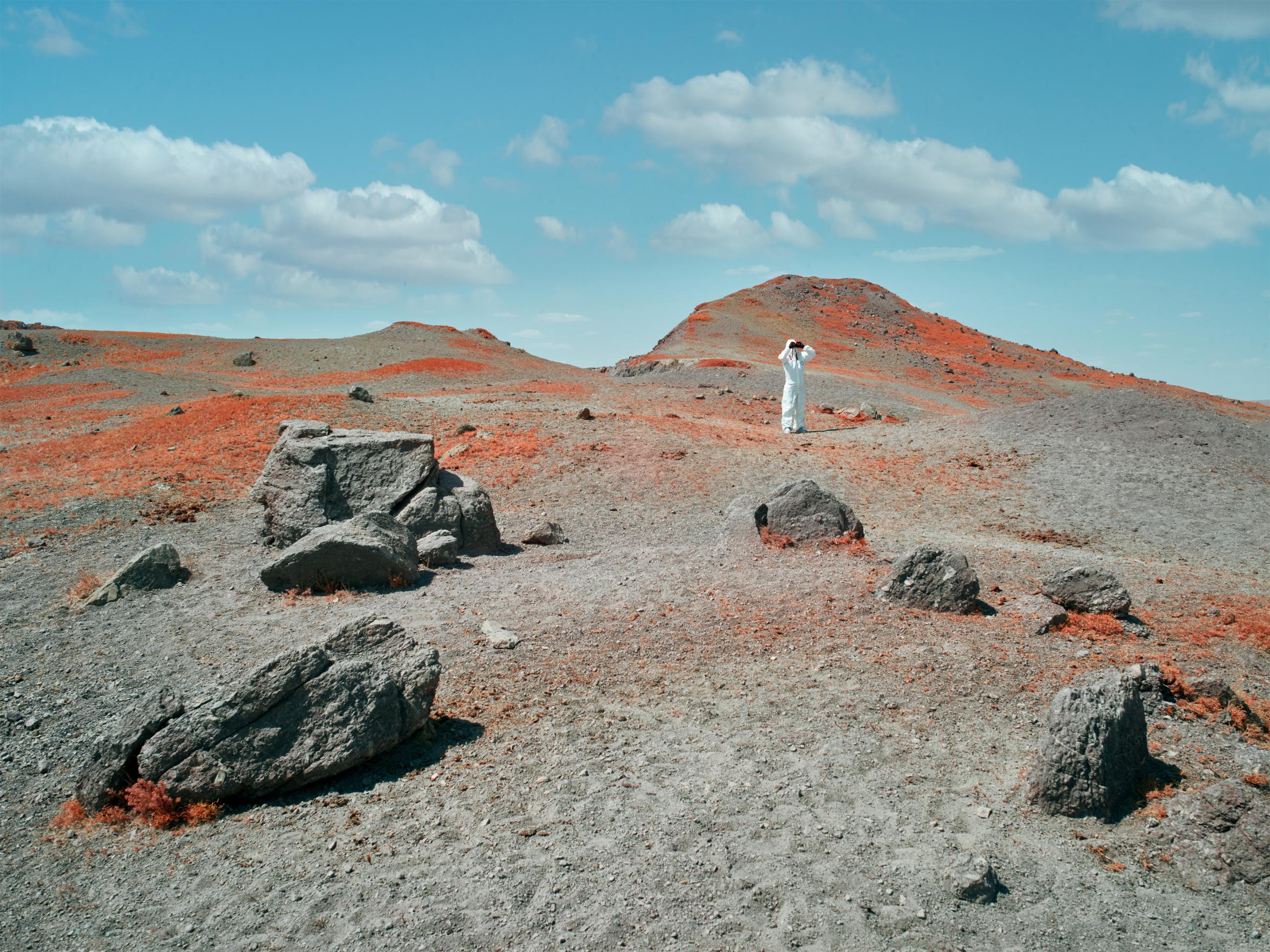
An infrared image of a scientist at the edge of the Telkem 01 crater. The crater was the result of an ‘excavation’ test in October 1968, which was aimed at developing a technology for the creation of artificial water reservoirs and channels.
© Eddo Hartmann, Netherlands, 1st Place, Professional competition, Landscape, 2024 Sony World Photography Awards
Untitled
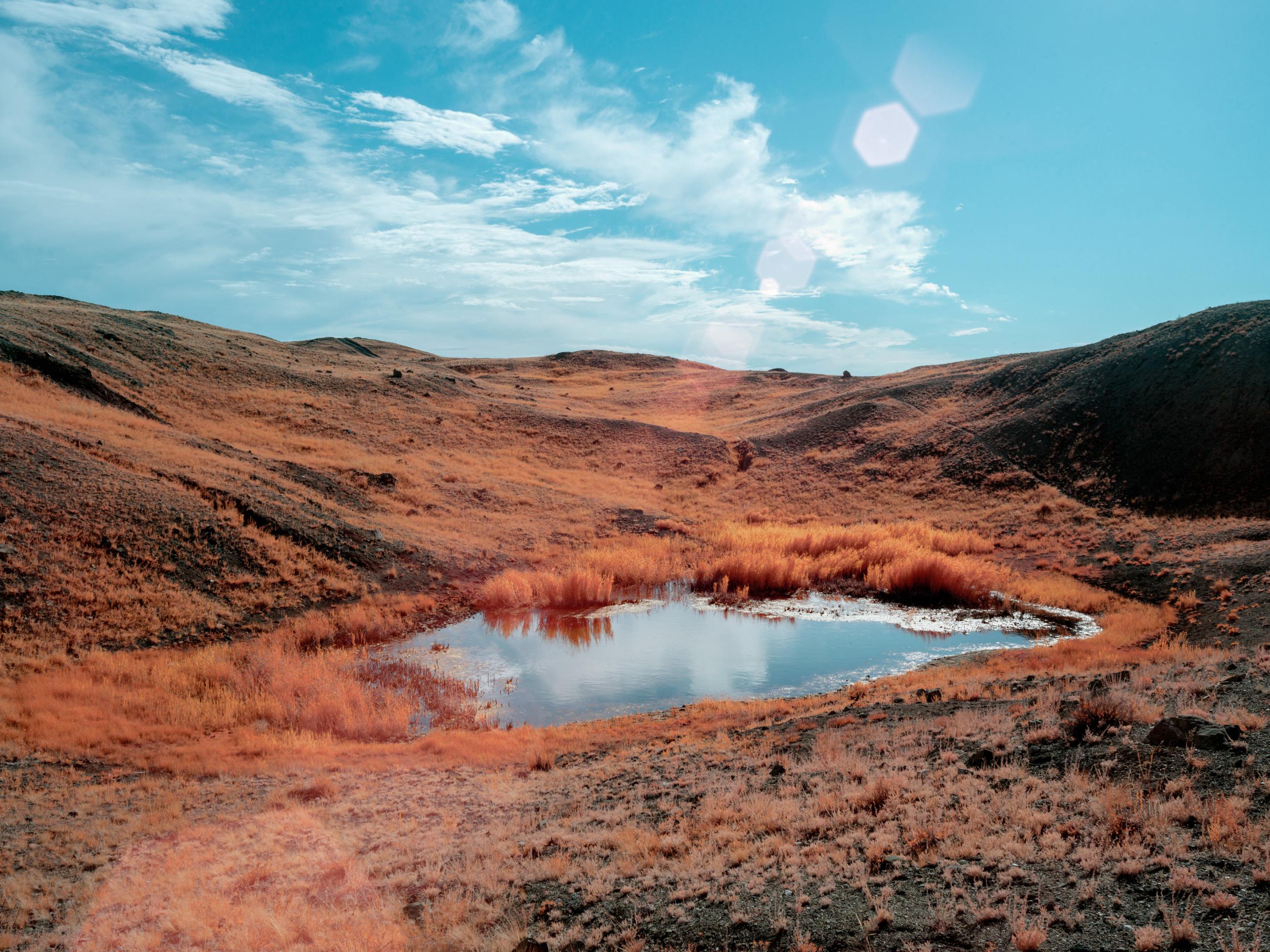
A small crater at the western ridge of Lake Shagan, which is also known as ‘The Atomic Lake’. The lake was created by the Shagan nuclear test on 15 January 1965.
© Eddo Hartmann, Netherlands, 1st Place, Professional competition, Landscape, 2024 Sony World Photography Awards
Untitled
Wild horses grazing next to the Telkem 02 crater, which resulted from an excavation test in October 1968.
© Eddo Hartmann, Netherlands, 1st Place, Professional competition, Landscape, 2024 Sony World Photography Awards
Untitled
An infrared image of equipment housed at Opytonye Pole. The location was filled with complex engineering constructions designed to measure the power of nuclear explosions and show the effects of nuclear weapons in full-scale experiments. Some parts of the engineering infrastructure are still standing, with clear signs of multiple impacts.
© Eddo Hartmann, Netherlands, 1st Place, Professional competition, Landscape, 2024 Sony World Photography Awards
Untitled
A dosimetrist measures radiation at the Southern ridge of Lake Shagan.
© Eddo Hartmann, Netherlands, 1st Place, Professional competition, Landscape, 2024 Sony World Photography Awards
Untitled
A dosimetrist taking radiation readings at the eastern ridge of Lake Shagan.
© Eddo Hartmann, Netherlands, 1st Place, Professional competition, Landscape, 2024 Sony World Photography Awards