

Back to Wildlife & Nature
Wildlife & Nature 2nd Place
King Without a Throne: Poached or Dehorned
Haider Khan
Series description
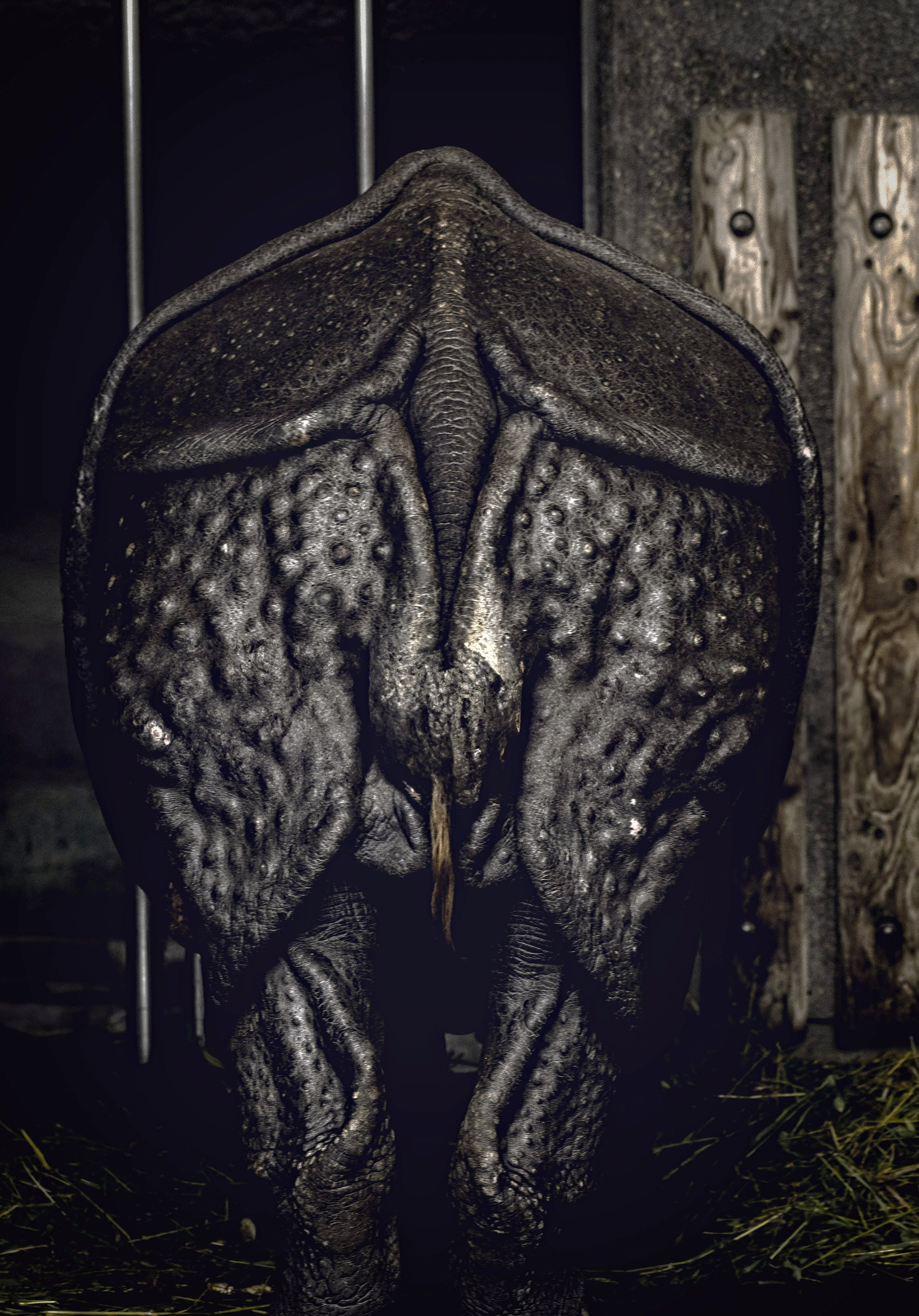
The persistent human desire for rhino horn – for everything from traditional medicines to hangover cures or status symbols – drives the slaughter of more than 1,000 of these majestic animals each year in South Africa. To protect them from poachers, some rhinos are now deliberately dehorned, something that is considered a necessary evil by anti-poaching campaigners in Africa. However, while cutting off a rhino’s horn prevents poaching, it also changes their behaviour and affects their ability to interact or establish territory. Either way, they are the ones that suffer.
With this series I want to share the painful story of two rhinos, one living in Munich, Germany, and the other in Kolkata, India. Despite being separated by thousands of miles, these beautiful creatures have a shared past: both of them have been stripped of their once-proud horn, symbolising the harm that humans can inflict upon wildlife.
Biography
Haider Khan is a Director / Photographer from Mumbai India'LANGUR'' Documentary 2024 - Screened at OSCAR Qualifying Tehran International Film Festival.
''BLACK INDIA'' Documentary 2023 - Academy Awards Qualifying.Durban International Film Festival,
SONY World Photo Award Winner 2022 | London
SONY World Photo Award Finalist 2023 | London
SONY World Photo Award 2nd Place 2024 |London
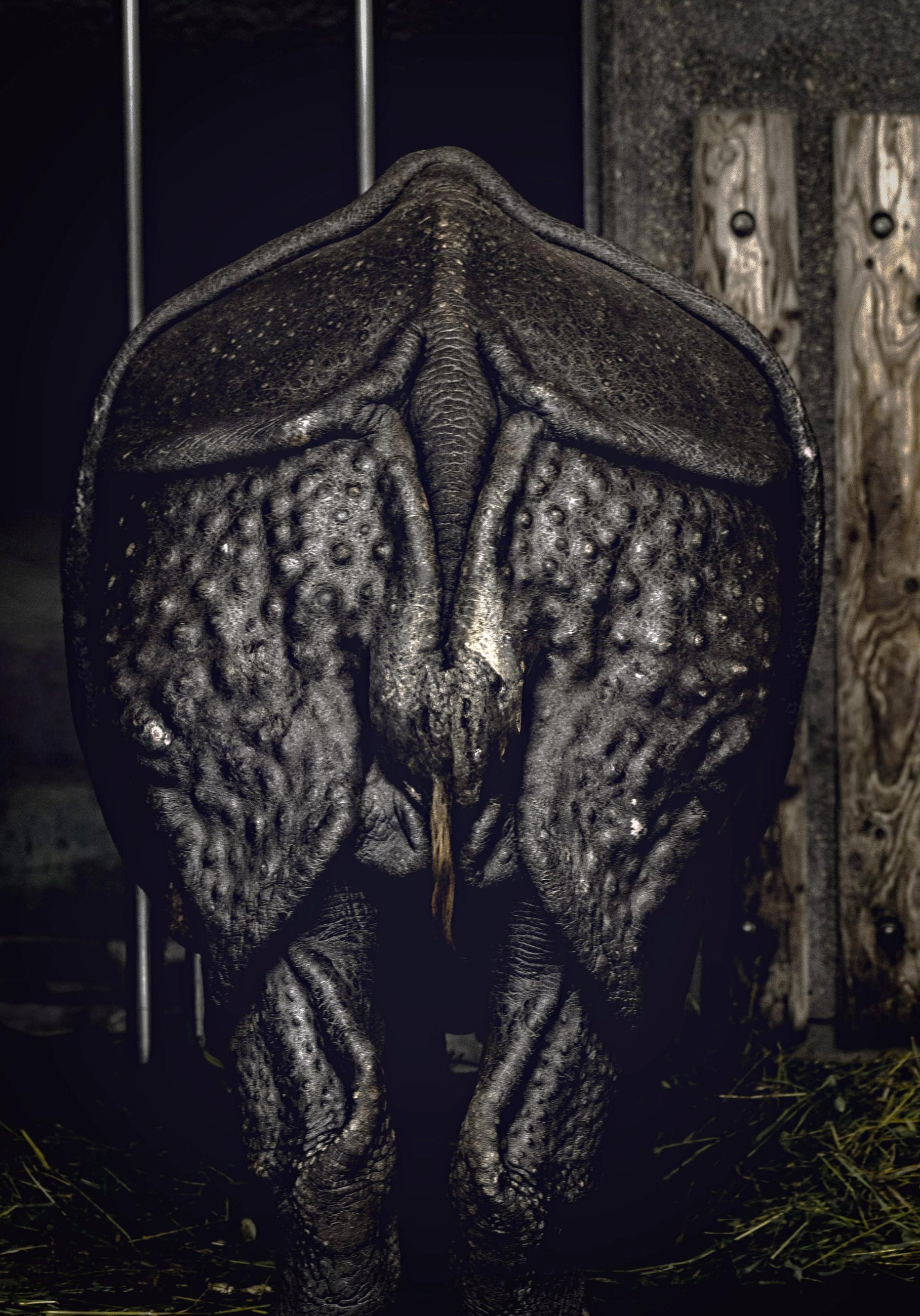
The Crisis of Masculinity (Munich)
Male rhinos will fight with their horns to defend their territory from other males, so dehorning can affect the size of their domain. The behaviour of female rhinos might also change, as they use their horns to defend themselves and their calves from predators or harassment from male rhinos.
© Haider Khan, India, 2nd Place, Professional competition, Wildlife & Nature, 2024 Sony World Photography Awards
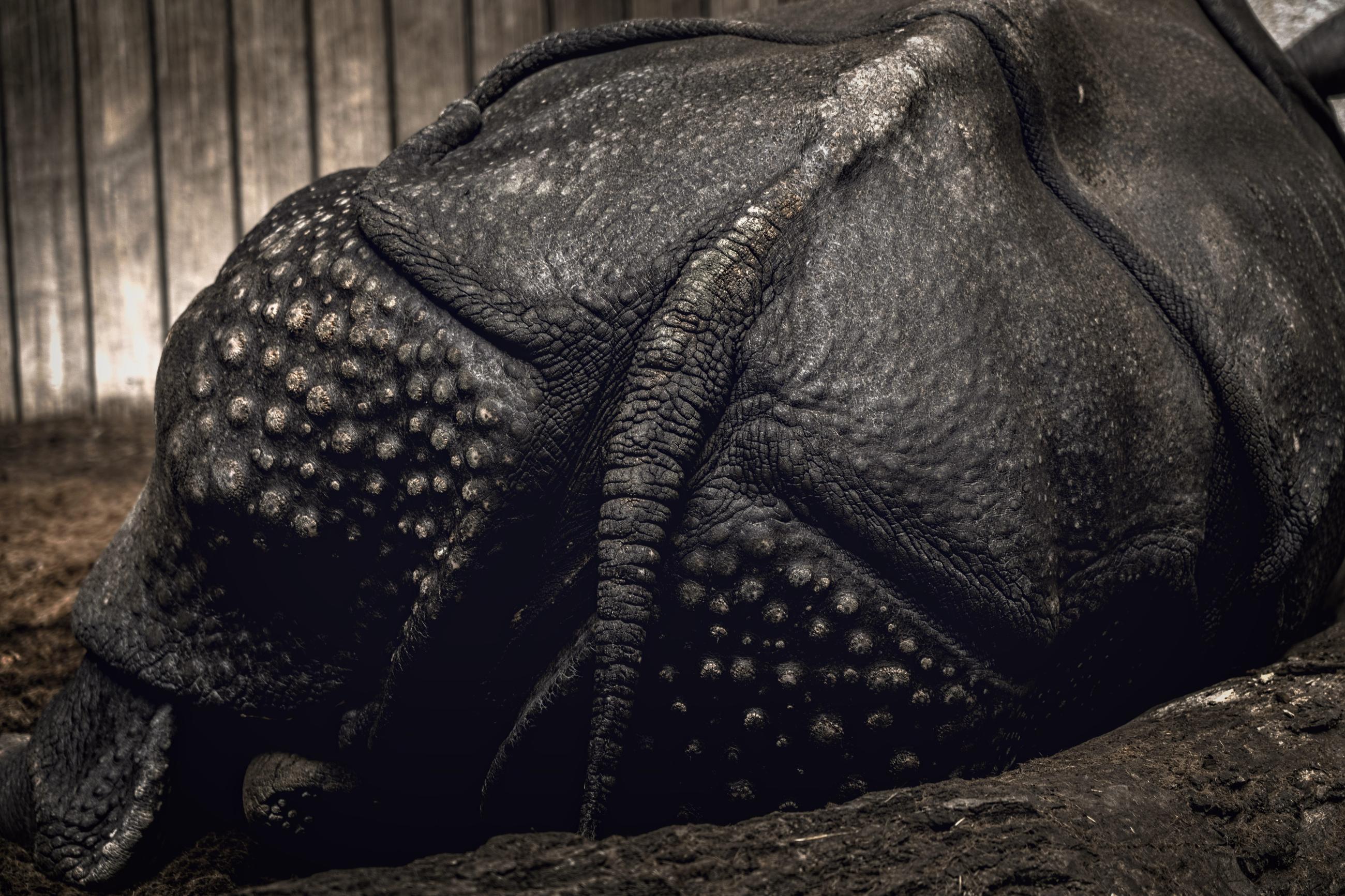
1000 Murders (Munich)
Every year, approximately 1,000 rhinos are killed for their horns, which are mainly used in traditional Chinese medicine and as a status symbol in some cultures. Poaching is decimating rhino populations and driving them to extinction. It's time to act now and protect these magnificent animals from harm.
© Haider Khan, India, 2nd Place, Professional competition, Wildlife & Nature, 2024 Sony World Photography Awards
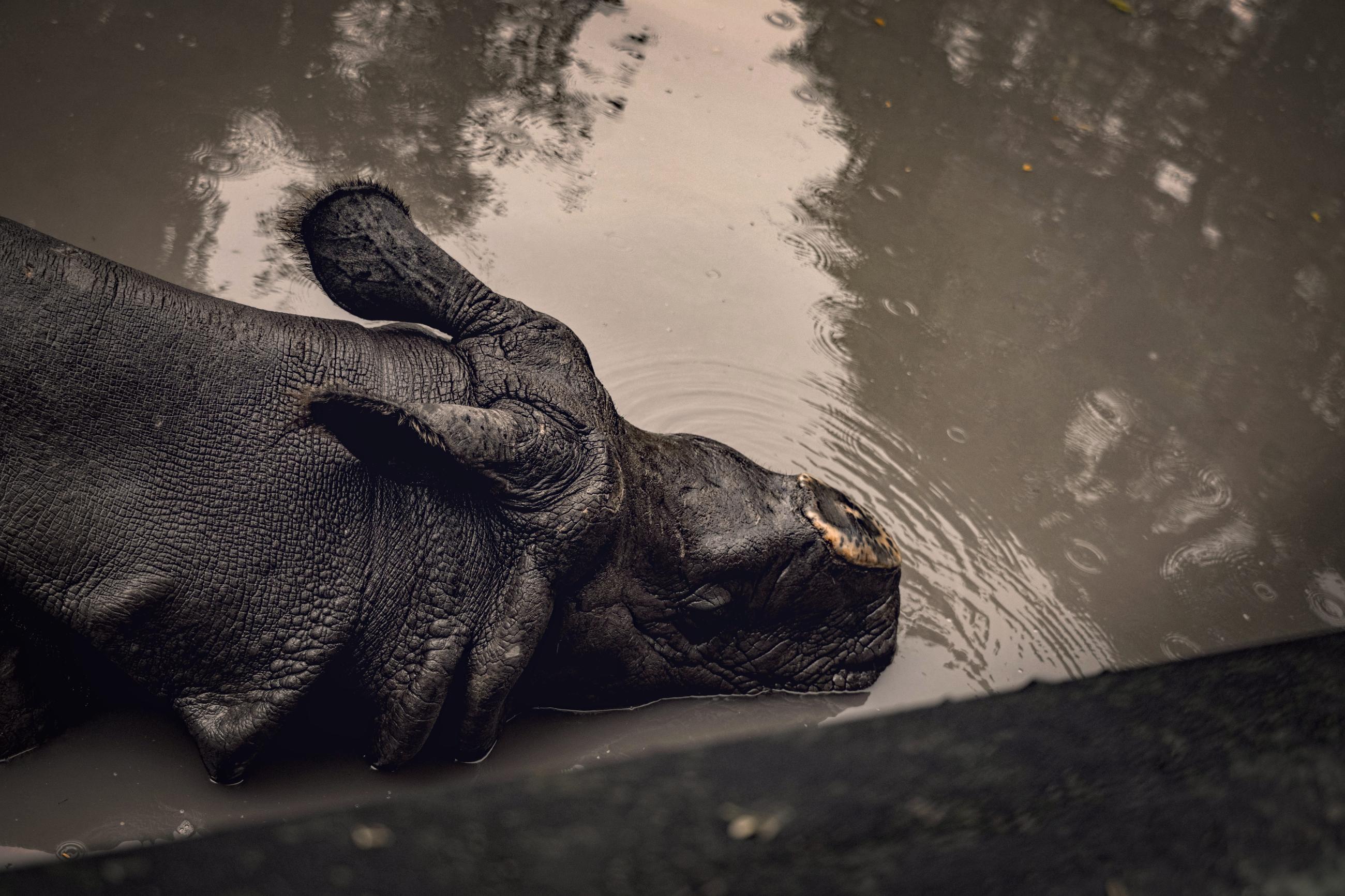
Sometimes You Have to Stand Alone Just to Make Sure You Still Can (Kolkata)
Dehorned rhinos are 37 percent less likely to encounter other rhinos: once they lose their main defence they feel vulnerable and males avoid each other more. Cutting off their horns to prevent poaching may protect rhinos, but it also changes their behaviour and could have long-term consequences. Protecting rhinos means protecting the future of our planet’s biodiversity and our own survival as a species.
© Haider Khan, India, 2nd Place, Professional competition, Wildlife & Nature, 2024 Sony World Photography Awards
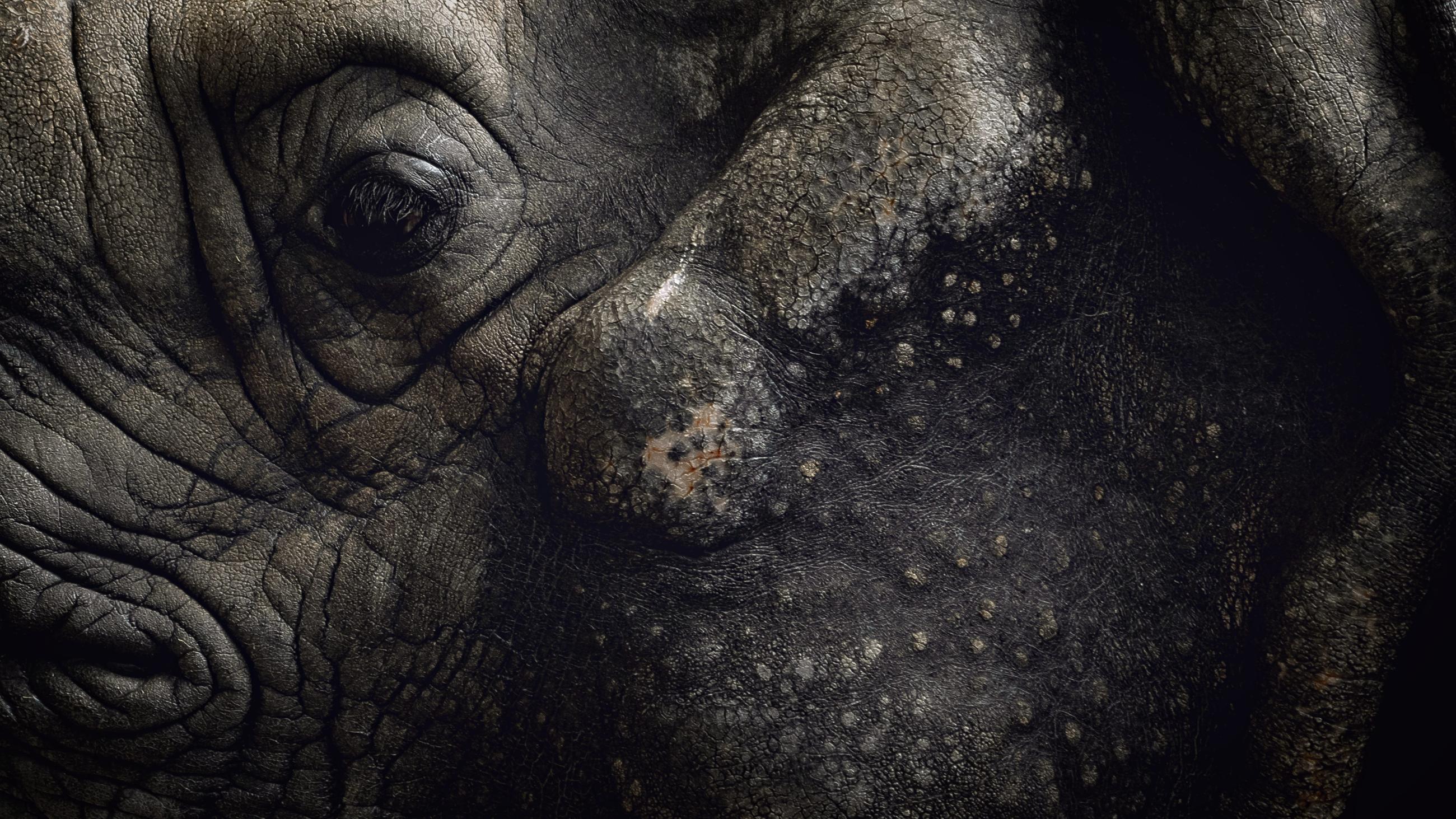
Eyes Wide Shut (Munich)
Wildlife managers first started to dehorn rhinos in Namibia in 1989. The process of sedating and capturing a rhino is complex and risky. Sometimes a helicopter is used to herd a lone rhino towards a relatively safe patch of ground where it can be tranquilised. When it gets too drowsy to run, the team blindfolds the animal and gives it earplugs to reduce the sound of the chainsaw.
© Haider Khan, India, 2nd Place, Professional competition, Wildlife & Nature, 2024 Sony World Photography Awards
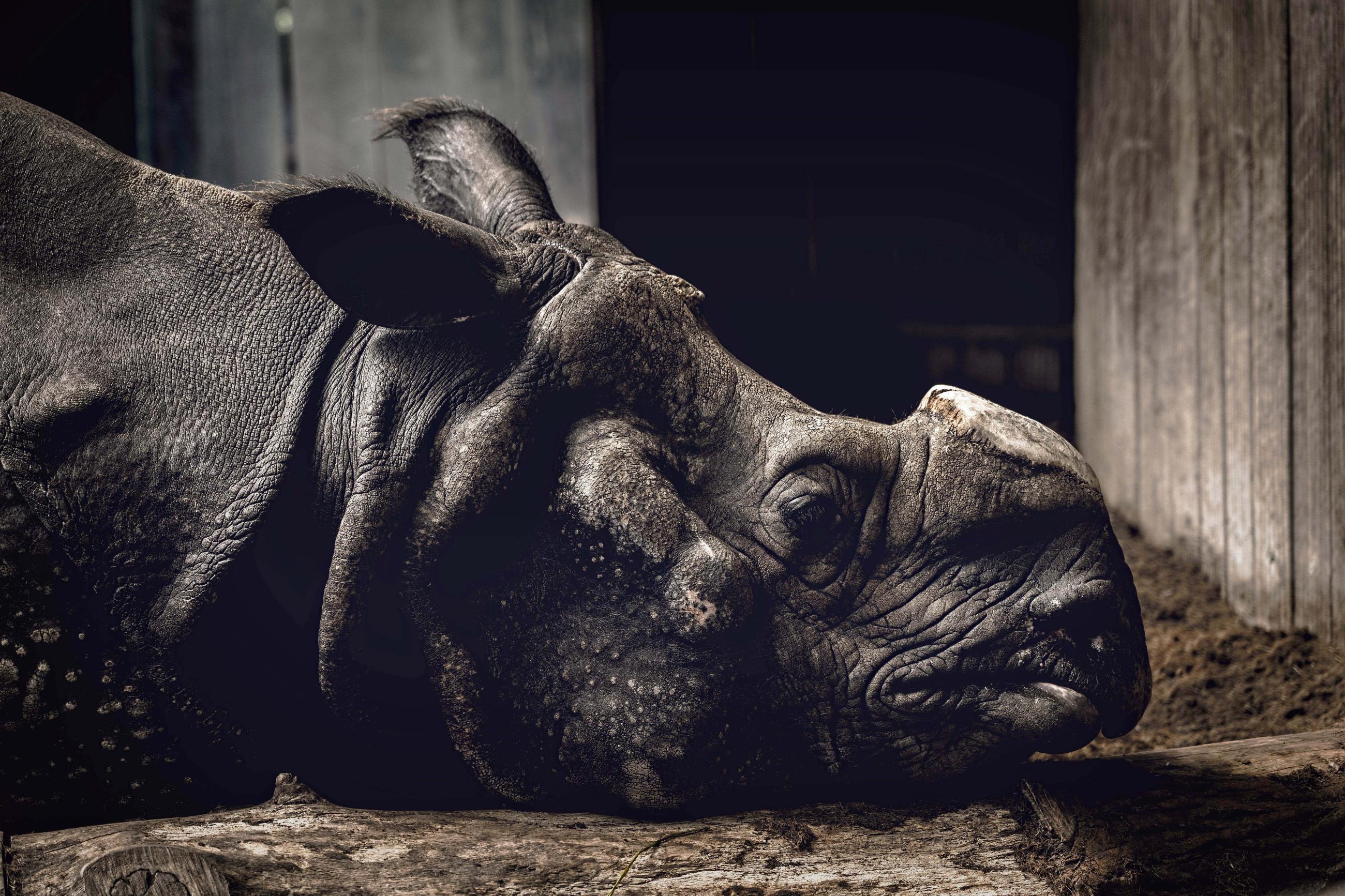
If Eyes Could Speak, What Would They Say? (Munich)
Rhinos with injured horns suffer from pain, infections and a reduced ability to defend themselves. Despite the pain a rhino may endure, their strength and resilience is a testament to the beauty of these creatures. As poaching and habitat loss continue to threaten their survival, rhino conservation efforts need to be supported and awareness raised to stop them being killed.
© Haider Khan, India, 2nd Place, Professional competition, Wildlife & Nature, 2024 Sony World Photography Awards
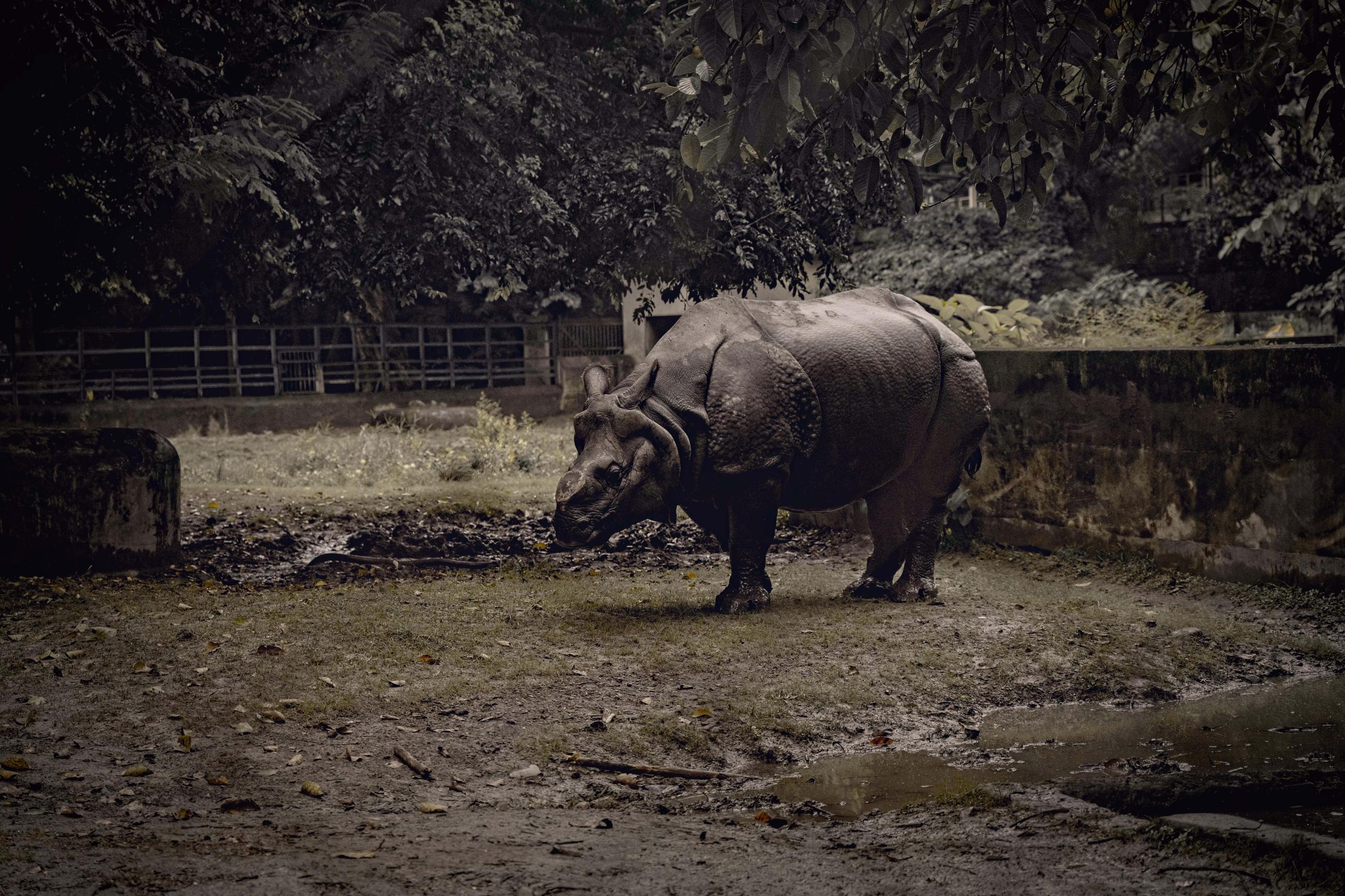
Rhinos in Captivity: The Hidden Struggles
Rhinos are known for their strength and resilience, but in captivity that can be reduced to mere shadows of their true selves. Stripped of their natural behaviours and instincts,and separated from their families and social groups, they can become lonely and frustrated. It’s no wonder that these animals can start to exhibit signs of distress, often resorting to repetitive behaviours as a means of coping.
© Haider Khan, India, 2nd Place, Professional competition, Wildlife & Nature, 2024 Sony World Photography Awards
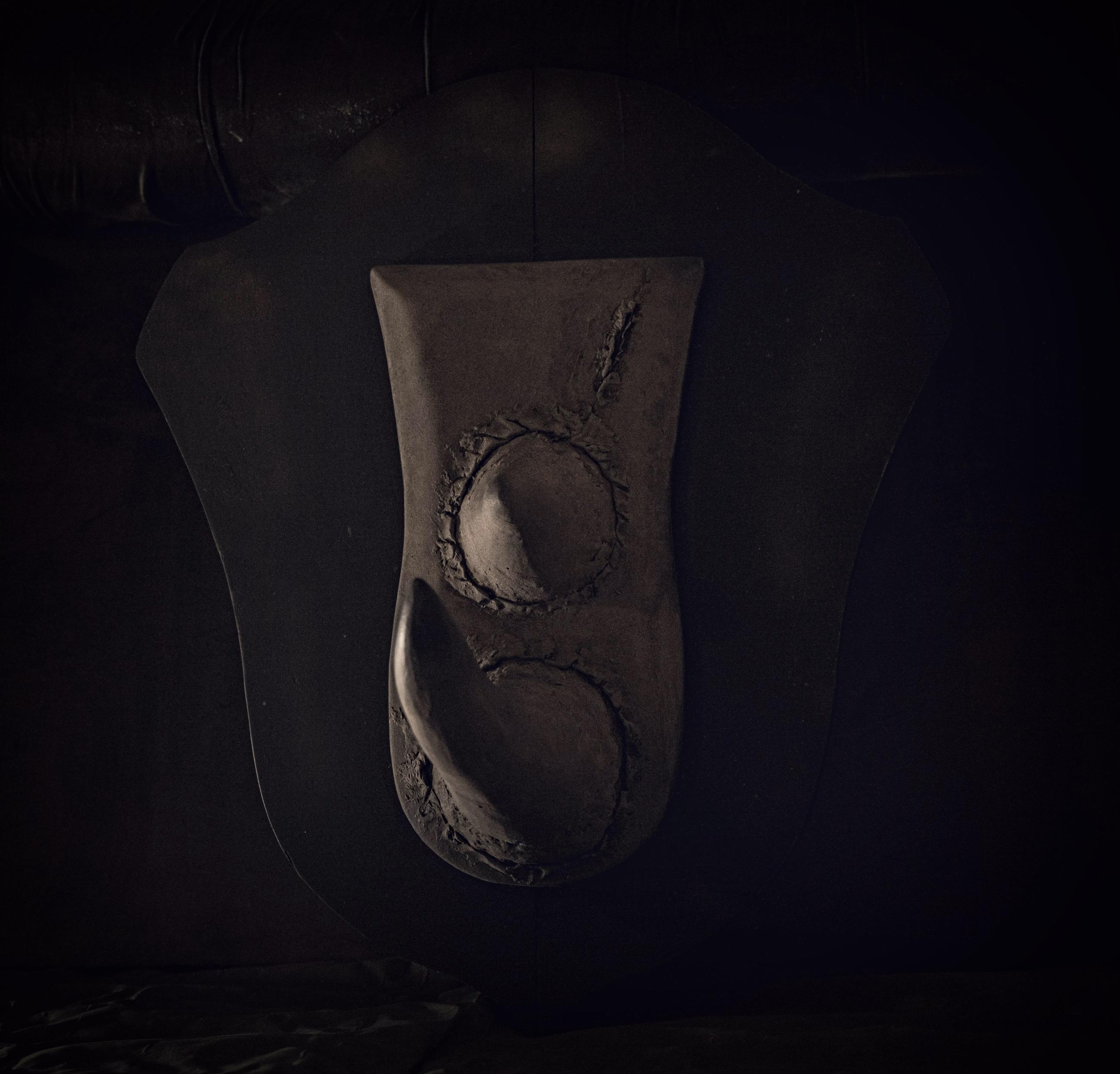
Trophy Hunting
It is crucial to recognise the devastating impact that the illegal trade of rhino horns has on rhino populations. These majestic creatures are being poached at an alarming rate, pushing them towards the brink of extinction. We have a responsibility to teach our children about the importance of conservation and the need to protect and preserve our planet’s biodiversity: we need to ensure the survival of these magnificent creatures.
© Haider Khan, India, 2nd Place, Professional competition, Wildlife & Nature, 2024 Sony World Photography Awards