

Series description
The delicate equilibrium between humans and elephants in rural parts of Zambia is being disturbed as both populations vie for limited resources. The expansion of settlements and unsustainable agriculture is encroaching on elephant habitats, jeopardising the well-being of both human livelihoods and the elephant population. The question arises: can humans and elephants coexist? These problems have been escalating in the past decade, and with the expectation of increased droughts due to our warming climate, establishing transfrontier wildlife corridors becomes essential. However, the establishment of these corridors faces challenges posed by settlements, agriculture and infrastructure, which results in daily human-wildlife conflict. As these persistent issues continue it is increasingly evident that the local community plays a vital role in fostering a harmonious coexistence between humans and elephants. Developing economically and socially viable models for coexistence within the local community will be crucial for the long-term survival of both elephants and humans.
Biography
Dutch photographer Jasper Doest creates visual stories that explore the relationship between humankind and nature and is a contributing photographer to National Geographic magazine. As a true believer in the power of photography to initiate change, Doest is an International League of Conservation Photographers senior fellow and a World Wildlife Fund ambassador. His accolades include four World Press Photo Awards and in 2023 he was named Environmental Photographer of the Year by the Prince Albert II of Monaco Foundation.
Untitled
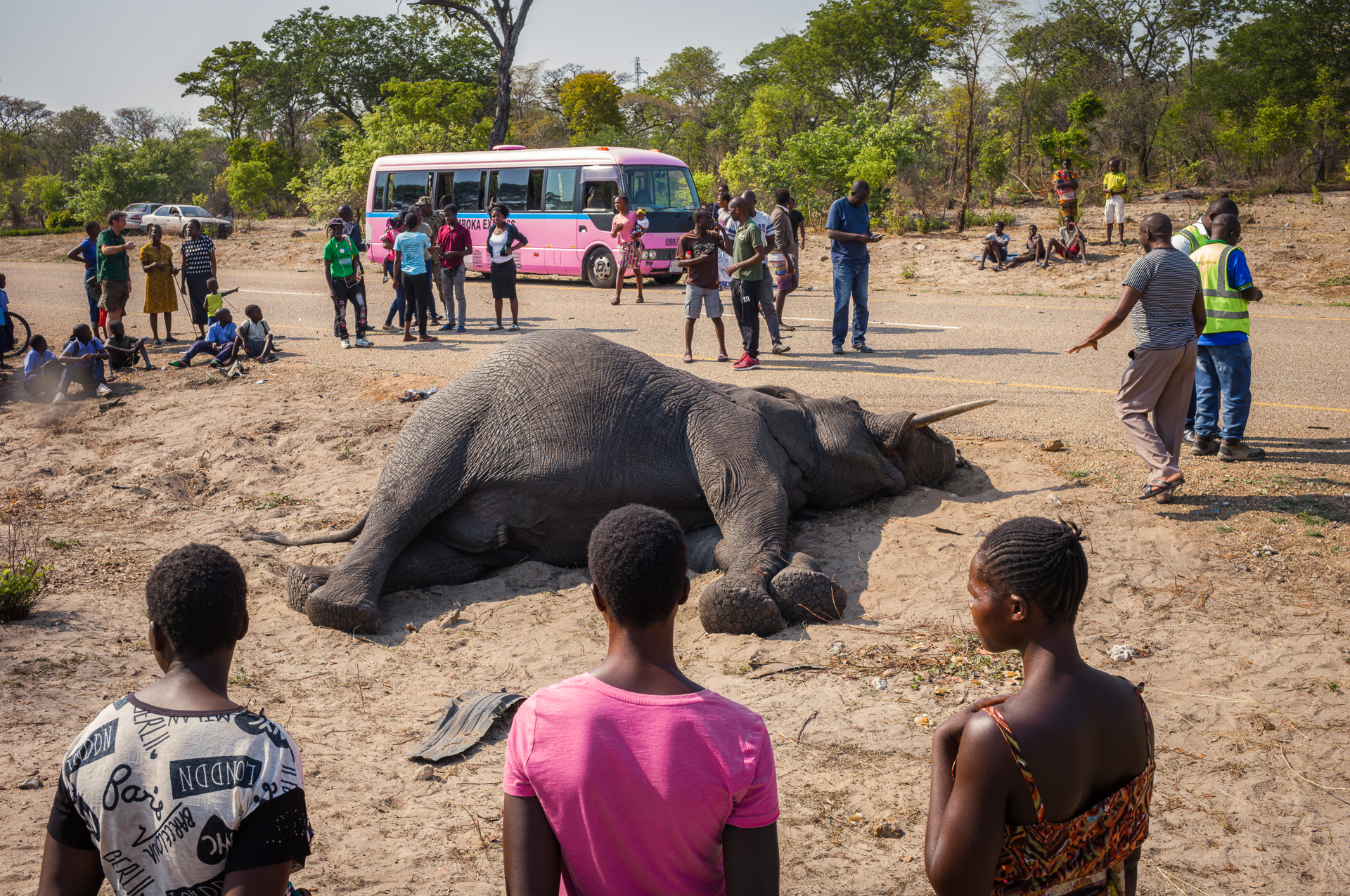
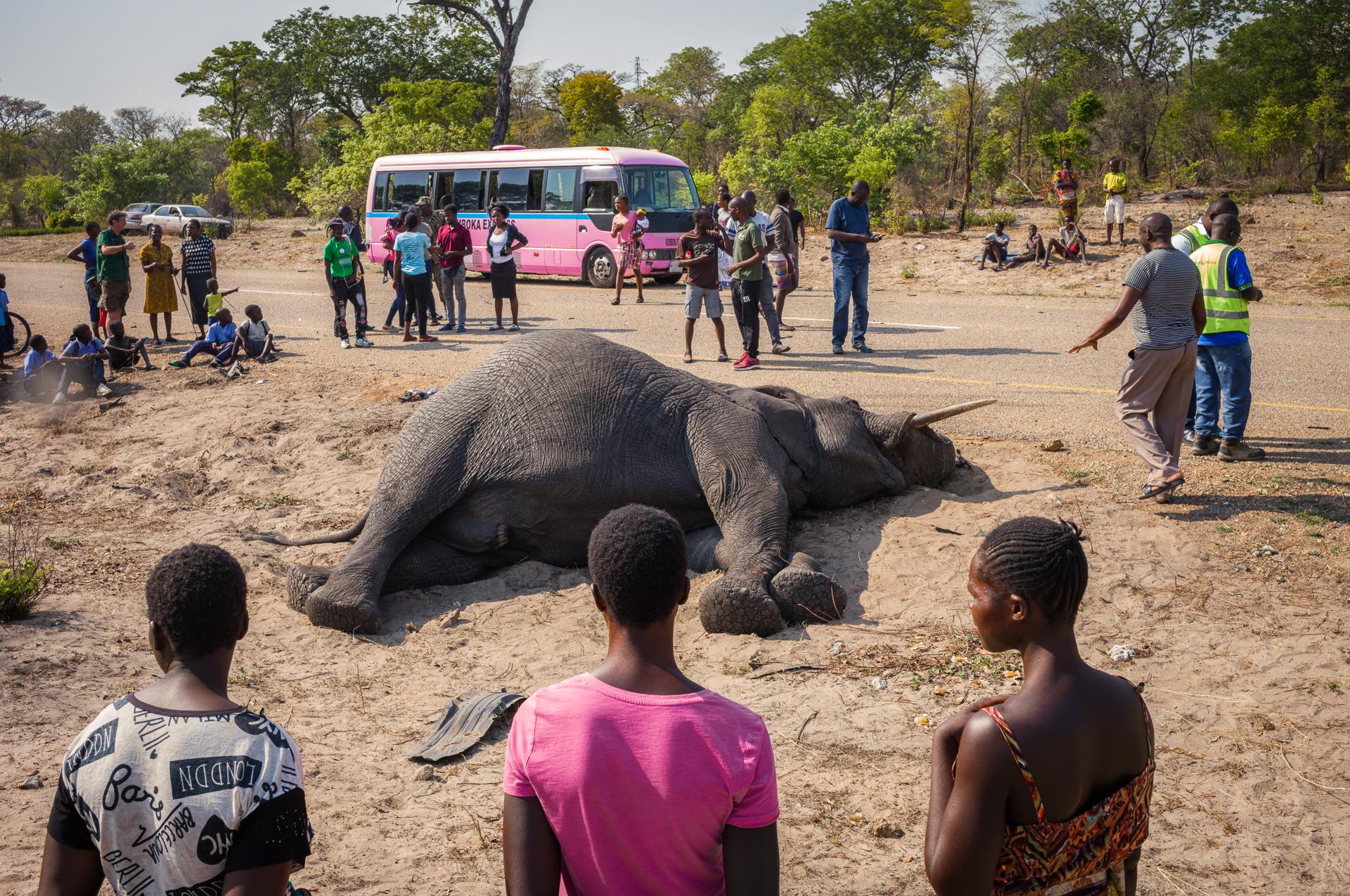
People gather by a dead male elephant, which was hit by a speeding vehicle at night on the M10 highway near Zambia’s Sioma Ngwezi National Park. This reflects a growing trend, as more elephants migrate between the forest and the Zambezi river, their main water source in dry seasons.
© Jasper Doest, Netherlands, 3rd Place, Professional competition, Wildlife & Nature, 2024 Sony World Photography Awards
Untitled
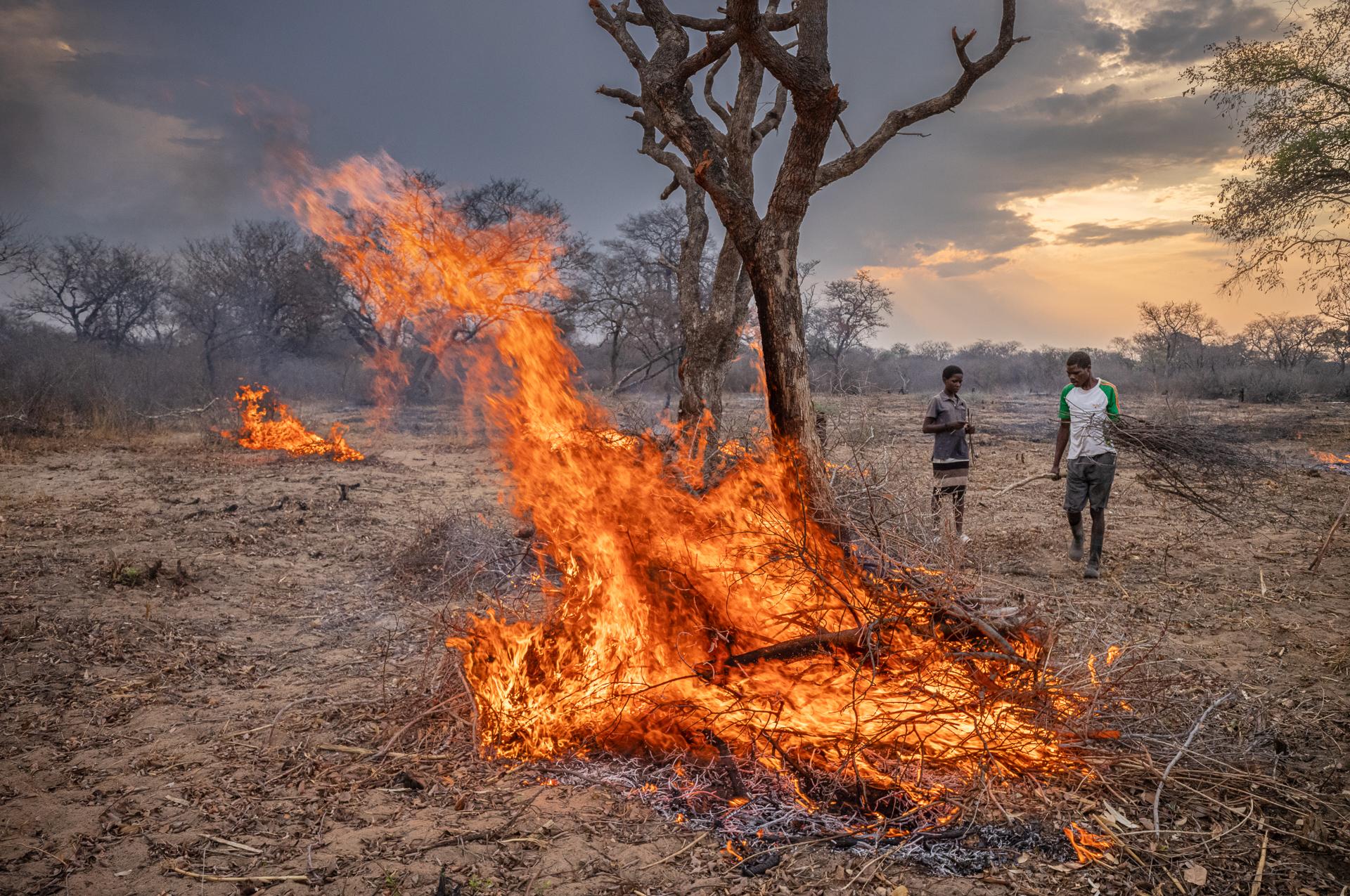
In Zambia’s Western Province near Sanyambe, traditional slash-and-burn farming disrupts elephant migration paths. This unsustainable practice highlights the urgent need for sustainable farming to preserve vital wildlife corridors.
© Jasper Doest, Netherlands, 3rd Place, Professional competition, Wildlife & Nature, 2024 Sony World Photography Awards
Untitled
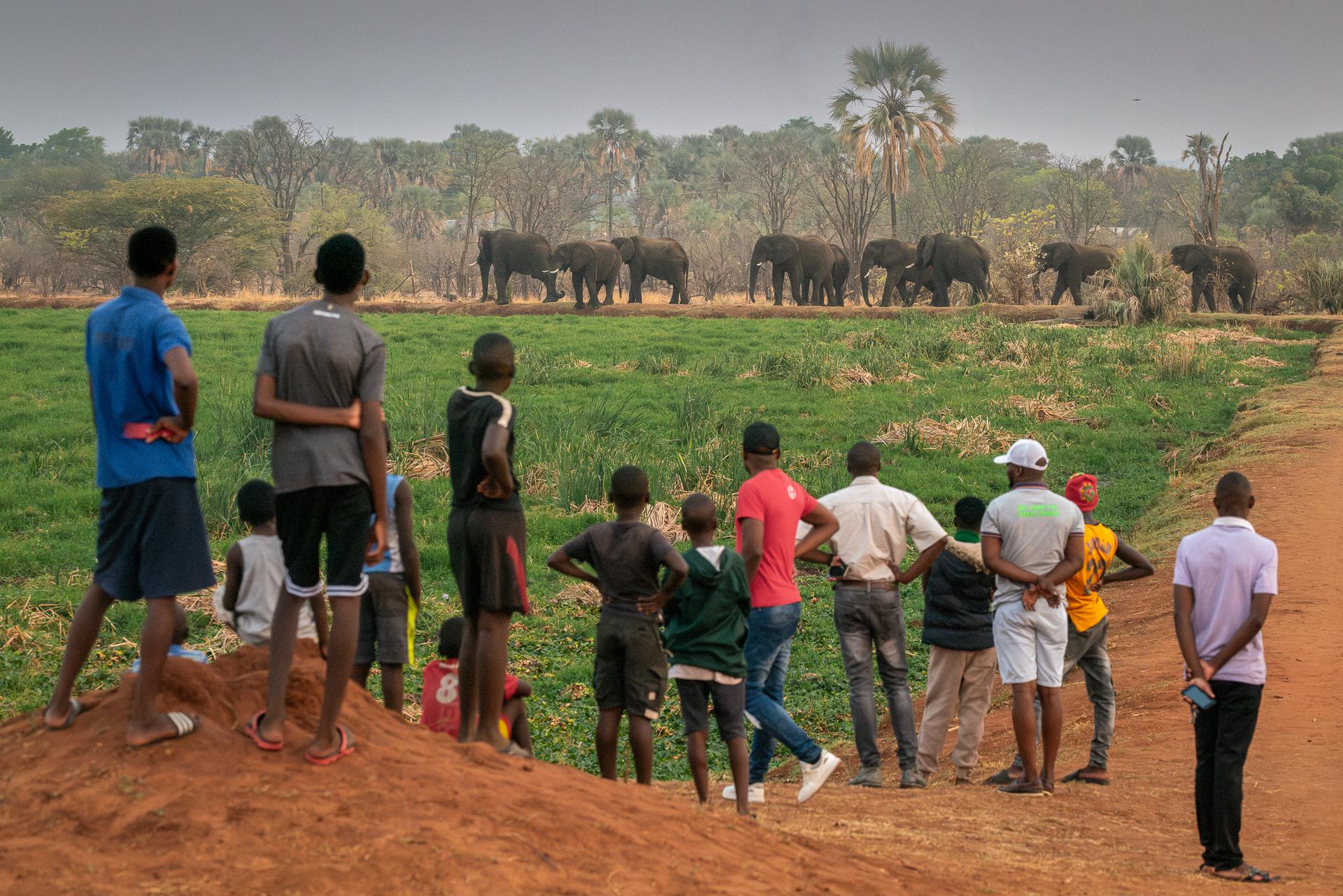
Observed by locals, elephants move peacefully towards Livingstone’s southern districts from Mosi-oa-Tunya National Park. Increased conflicts in Livingstone neighbourhoods highlight the urgent need for conservation efforts to foster coexistence between humans and wildlife.
© Jasper Doest, Netherlands, 3rd Place, Professional competition, Wildlife & Nature, 2024 Sony World Photography Awards
Untitled
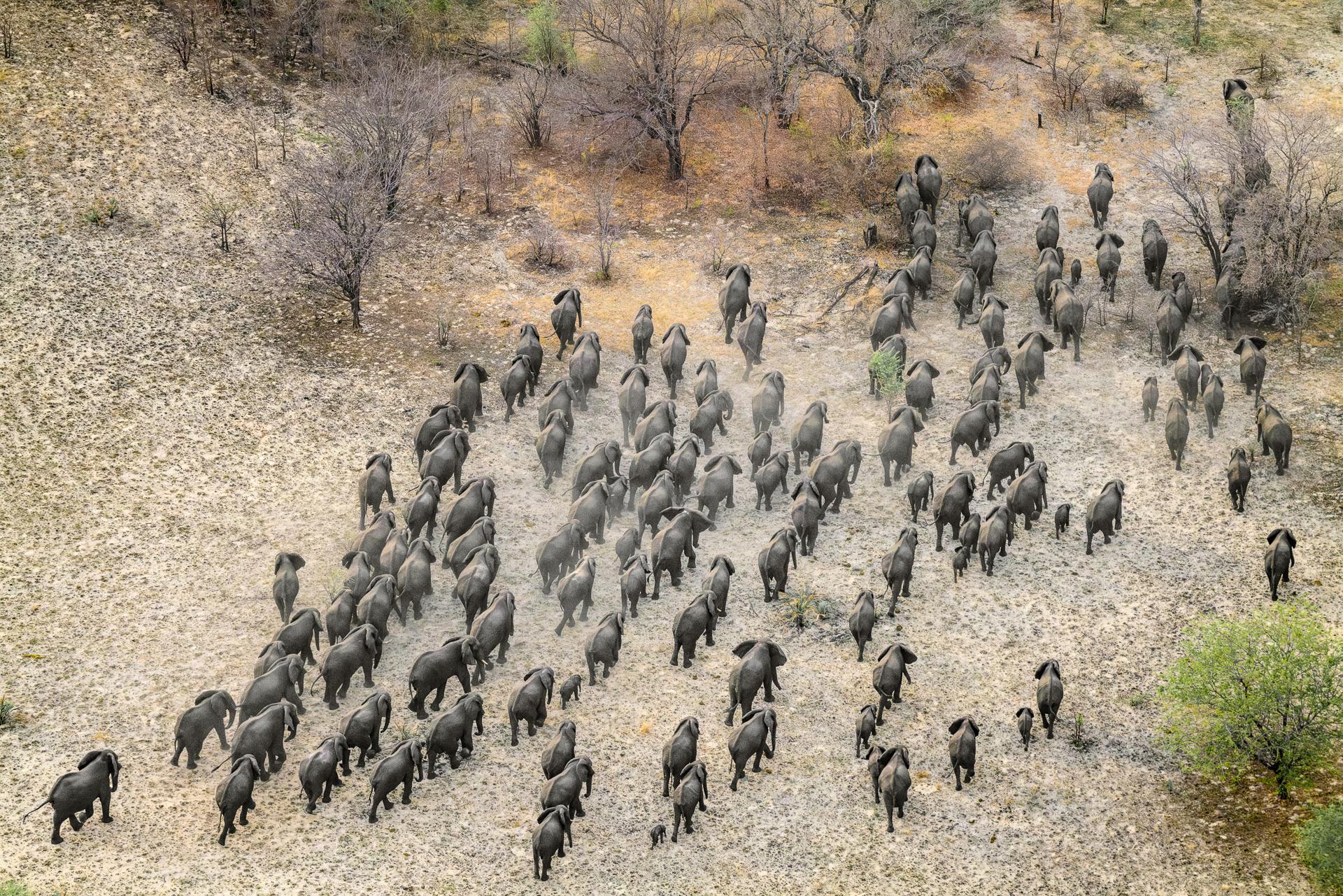
A vast herd of more than 300 elephants moves through semi-open landscape – an unusual sight that signifies their potential crisis. They gather for safety as they have to navigate through settlements, deviating from their normal dispersed behaviour to alleviate food pressure.
© Jasper Doest, Netherlands, 3rd Place, Professional competition, Wildlife & Nature, 2024 Sony World Photography Awards
Untitled
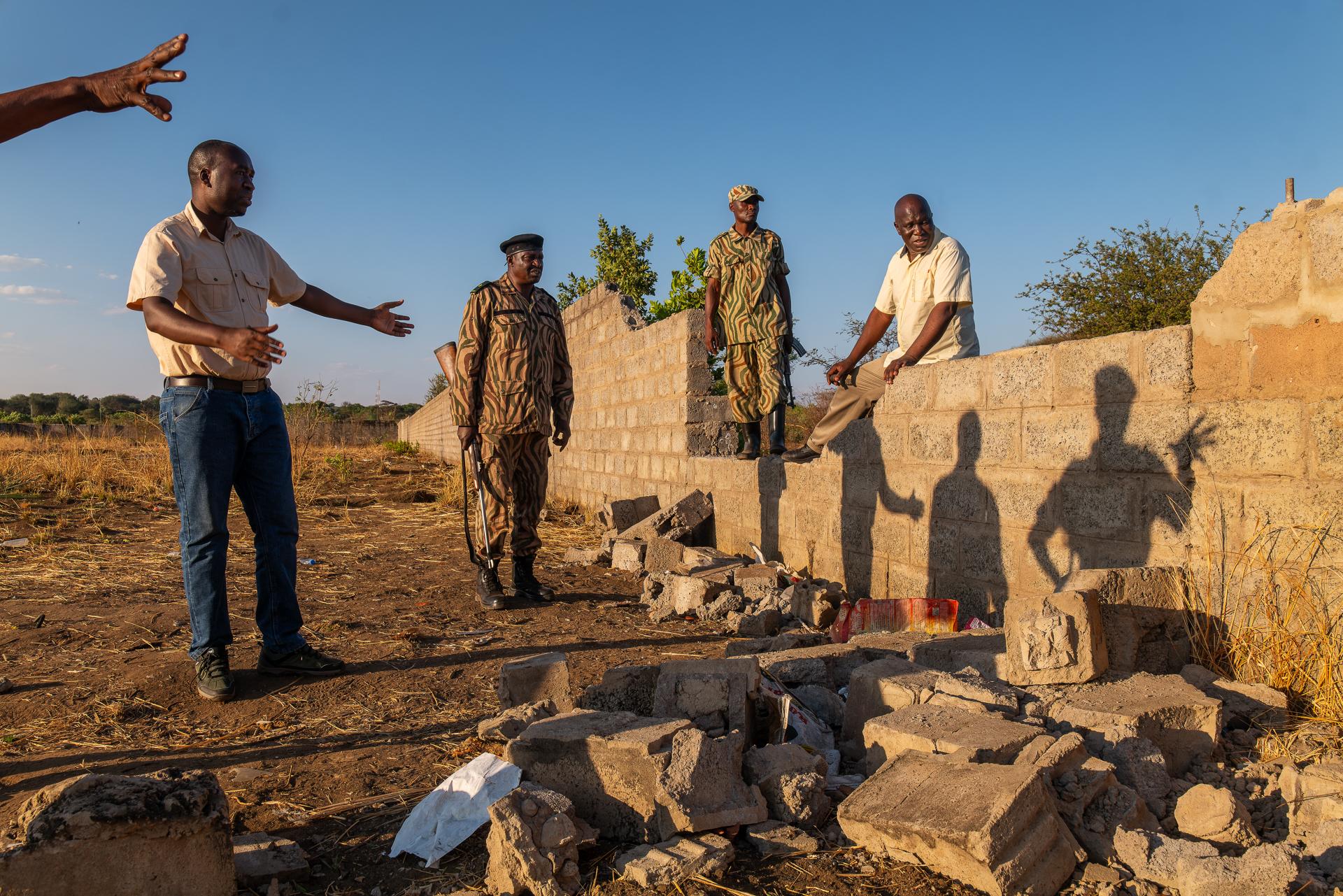
Kamwata and Siwakwi from Livingstone Business School show elephant damage to officers, emphasising safety concerns for students due to fences damaged by elephants. However, the wildlife police needs urgent support as it has limited resources with which to handle human-wildlife conflicts.
© Jasper Doest, Netherlands, 3rd Place, Professional competition, Wildlife & Nature, 2024 Sony World Photography Awards
Untitled
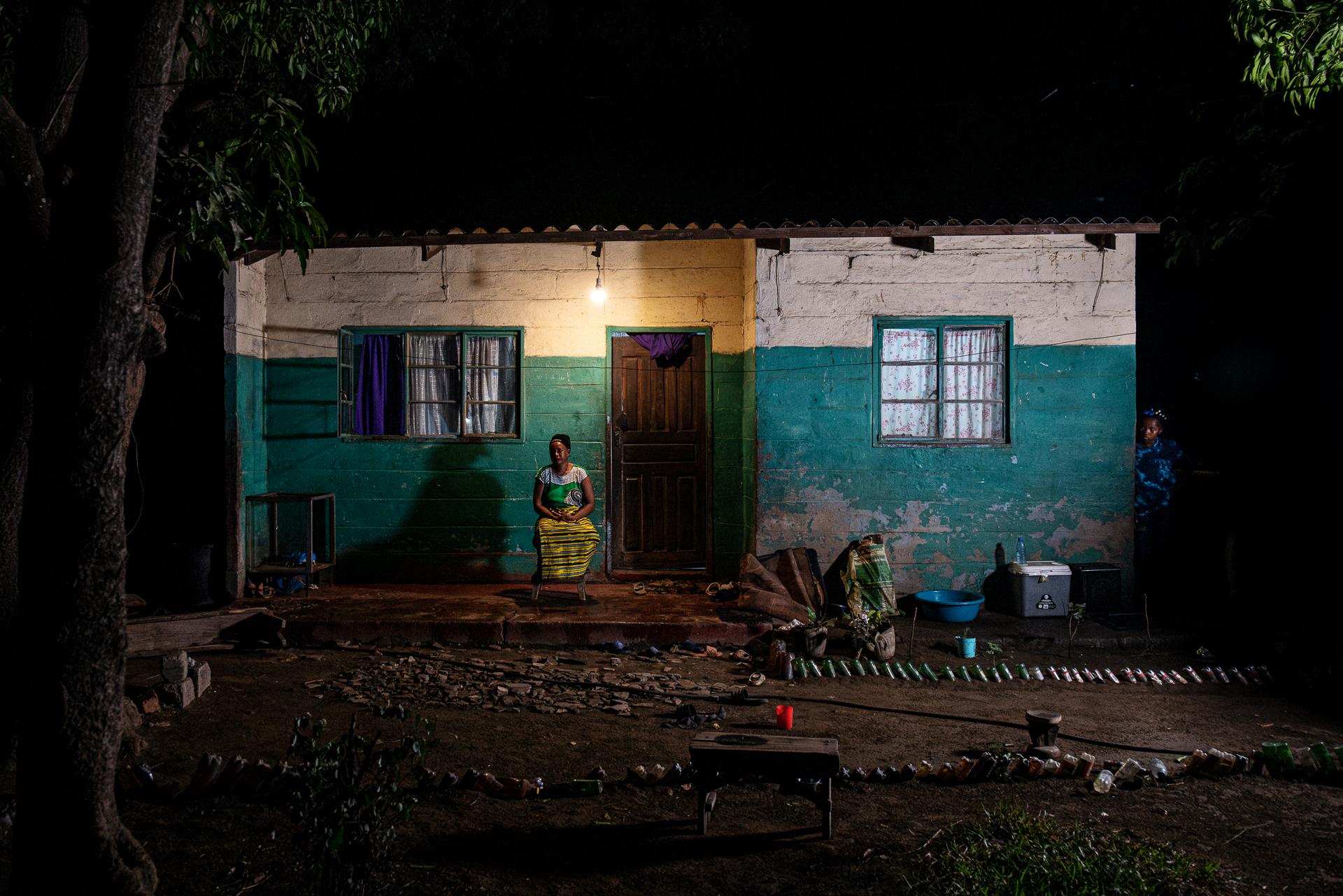
In Dambwa South, Betty anxiously awaits nightly elephant visits that threaten her garden. Despite the damage, she respects their historical presence and has even named a frequent visitor James. Hoping for a solution to minimise community harm, Betty seeks a peaceful coexistence.
© Jasper Doest, Netherlands, 3rd Place, Professional competition, Wildlife & Nature, 2024 Sony World Photography Awards
Untitled
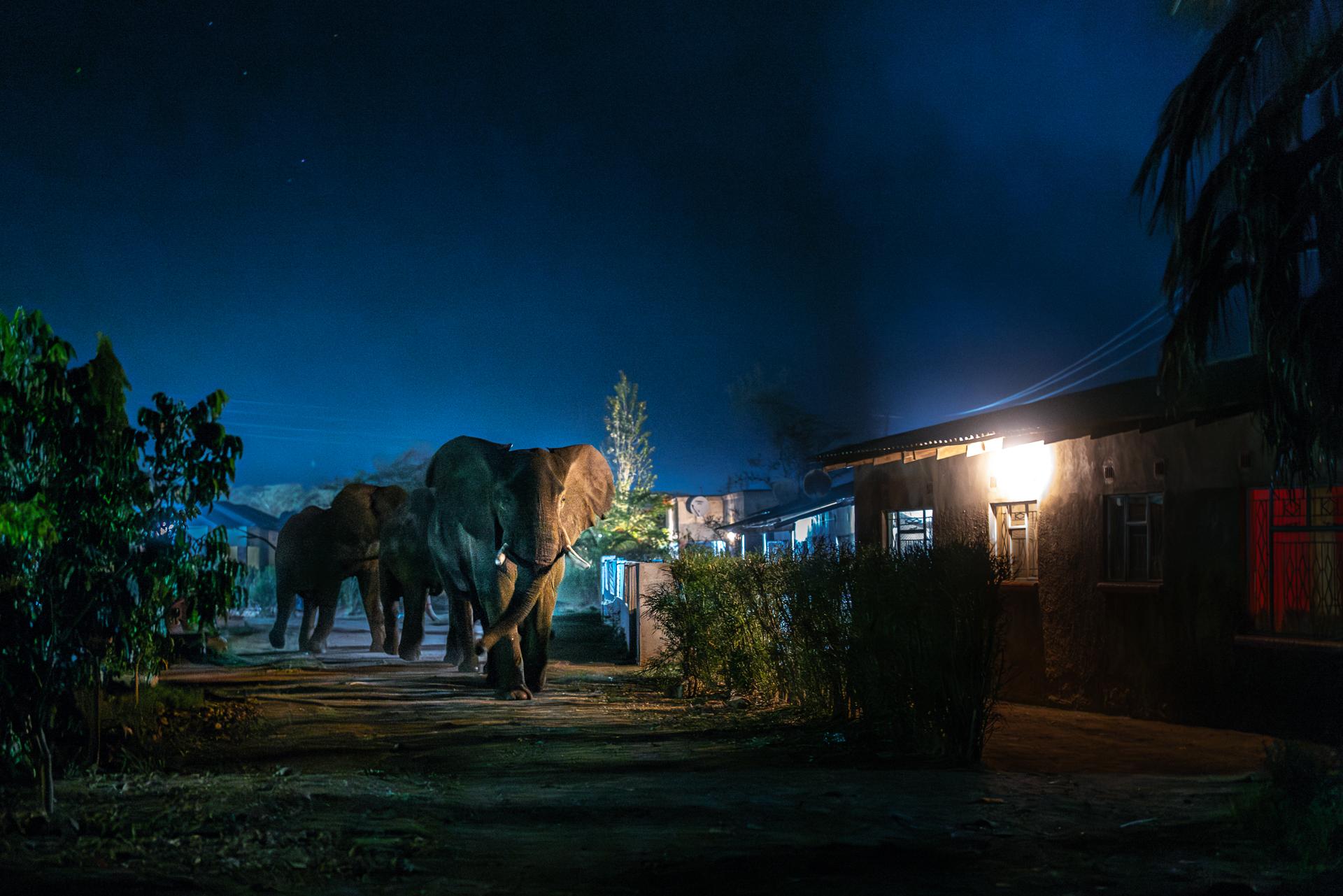
Elephants charge through Livingstone’s narrow streets, their towering figures trumpeting into the night. Altered habitats mean they emerge from the national park at dusk to seek food within Livingstone. A nighttime curfew, urging the community to stay indoors, aims to reduce human-wildlife conflict.
© Jasper Doest, Netherlands, 3rd Place, Professional competition, Wildlife & Nature, 2024 Sony World Photography Awards
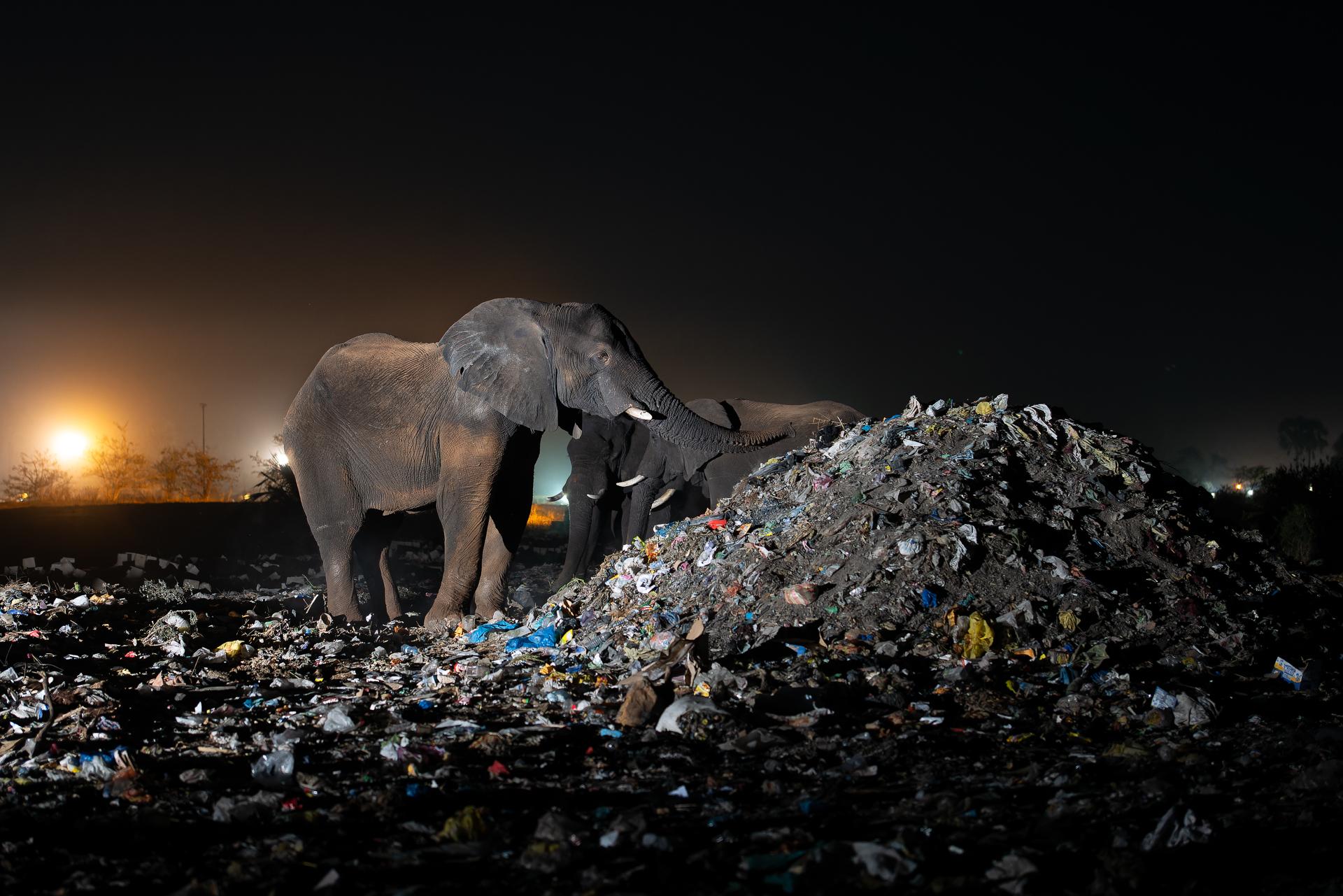
Untitled
Human expansion into elephant territory sparks conflicts at the community’s edge. Achieving coexistence in Livingstone is challenging, but progress in South Dambwa shifts from confrontation to acknowledgment. Respecting wildlife habitats and securing corridors is vital for harmonious coexistence.
© Jasper Doest, Netherlands, 3rd Place, Professional competition, Wildlife & Nature, 2024 Sony World Photography Awards