

Series description
The aim of the United Nations’ Sustainable Development Goal 2 is to create a world that is free of hunger by 2030 and focus on finding sustainable solutions to stop world hunger. Currently, the natural resources necessary for human survival are depleting due to climate change. Extreme weather, such as droughts and floods, have become more common and affect harvests, leading to less food for human consumption. However, breeding and eating insects is a sustainable practice that can help us reach our goal. Insects are rich in proteins and highly sustainable, with minimal environmental impact in terms of greenhouse gas emissions and water and soil consumption. As a result, researchers are studying the most sustainable and cost-effective ways to promote the use of insects as a food source for both people and animals.
Biography
In 2016, Maurizio began his career as a freelance documentary photographer, focusing on the theme of mental disability. He collaborated with various NGOs in Morocco, Sri Lanka, Guatemala, and the West Bank. Later, he worked for several years in Kenya on the topic of climate change, earning him several awards, including the Lucie. Maurizio prefers to work on social and environmental issues. His works have been featured in National Geographic, Geo France, Der Spiegel, l'Espresso, and many others.
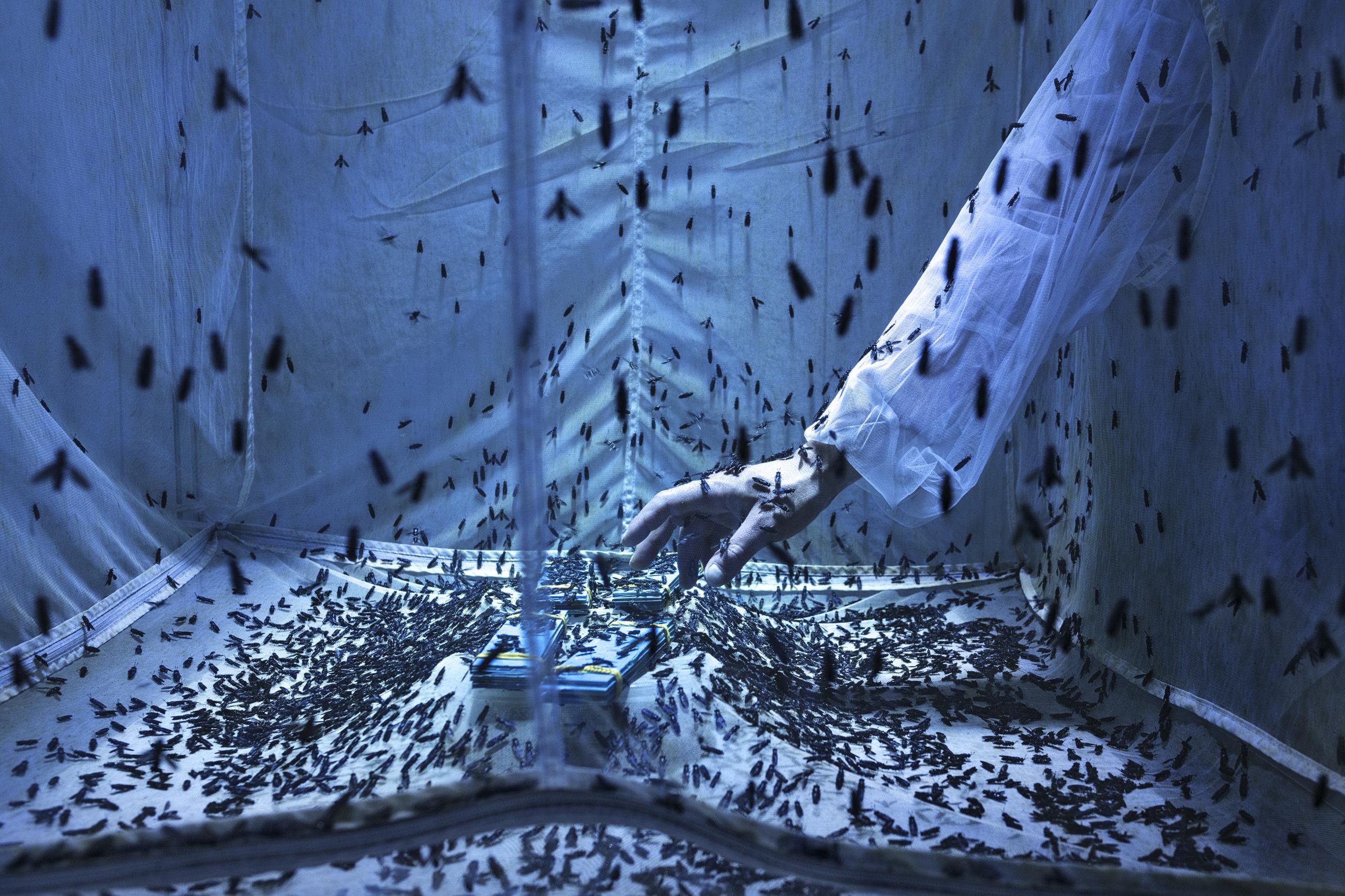
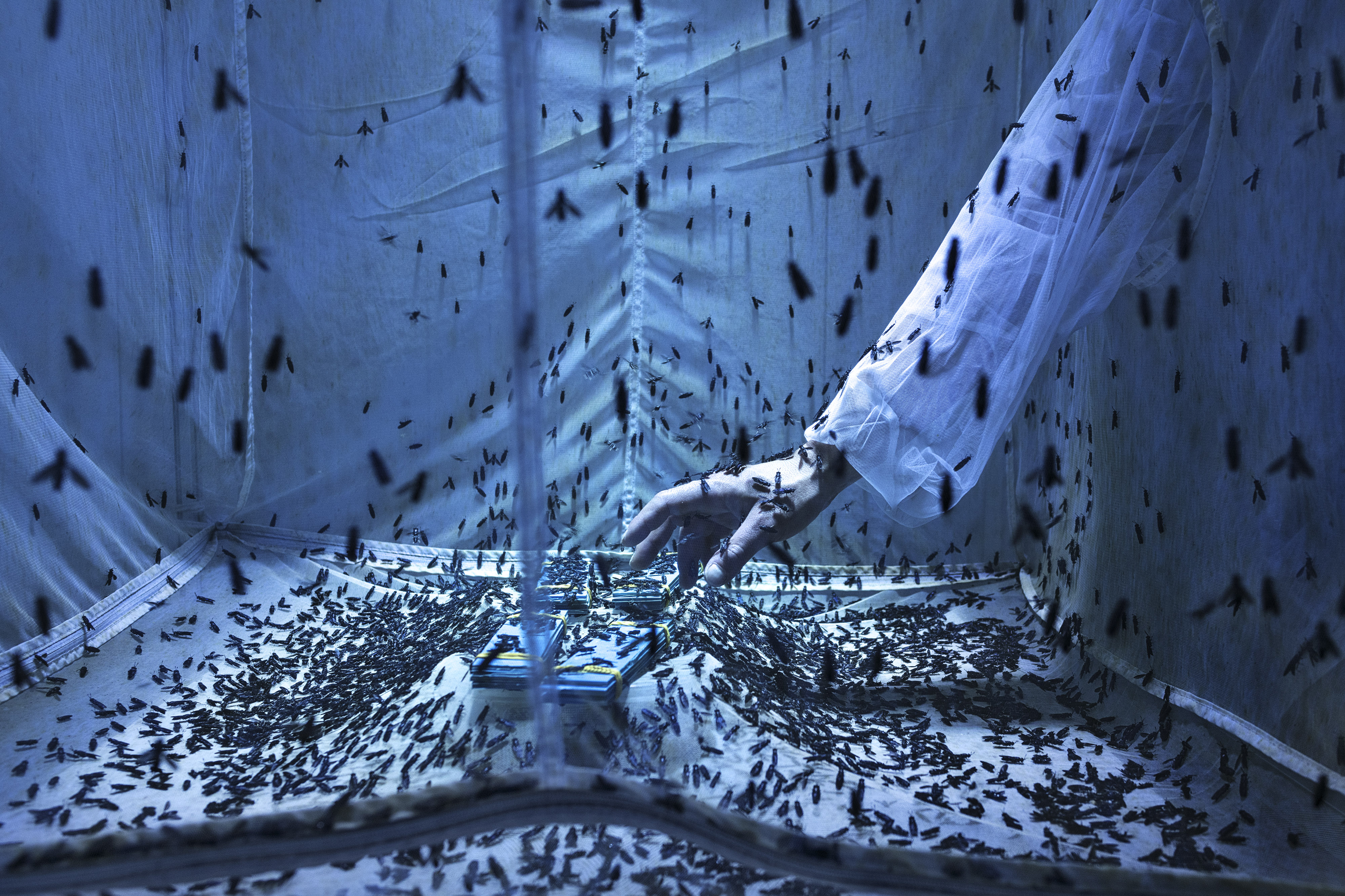
Black Soldier Fly Farm
Professor Laura Gasco from the Department of Agricultural, Forest and Food Sciences (DISAFA) at the University of Turin breeds Hermetia illucens at the facility’s research centre. Multiple projects are run with Hermetia illucens to evaluate the effects of insect meals in the diet of monogastric animals. Professor Gasco is removing the ‘eggie’ – the little box in the centre of the net – which is the media used to collect eggs.
© Maurizio Di Pietro, Italy, 3rd Place, Professional competition, Environment, 2024 Sony World Photography Awards
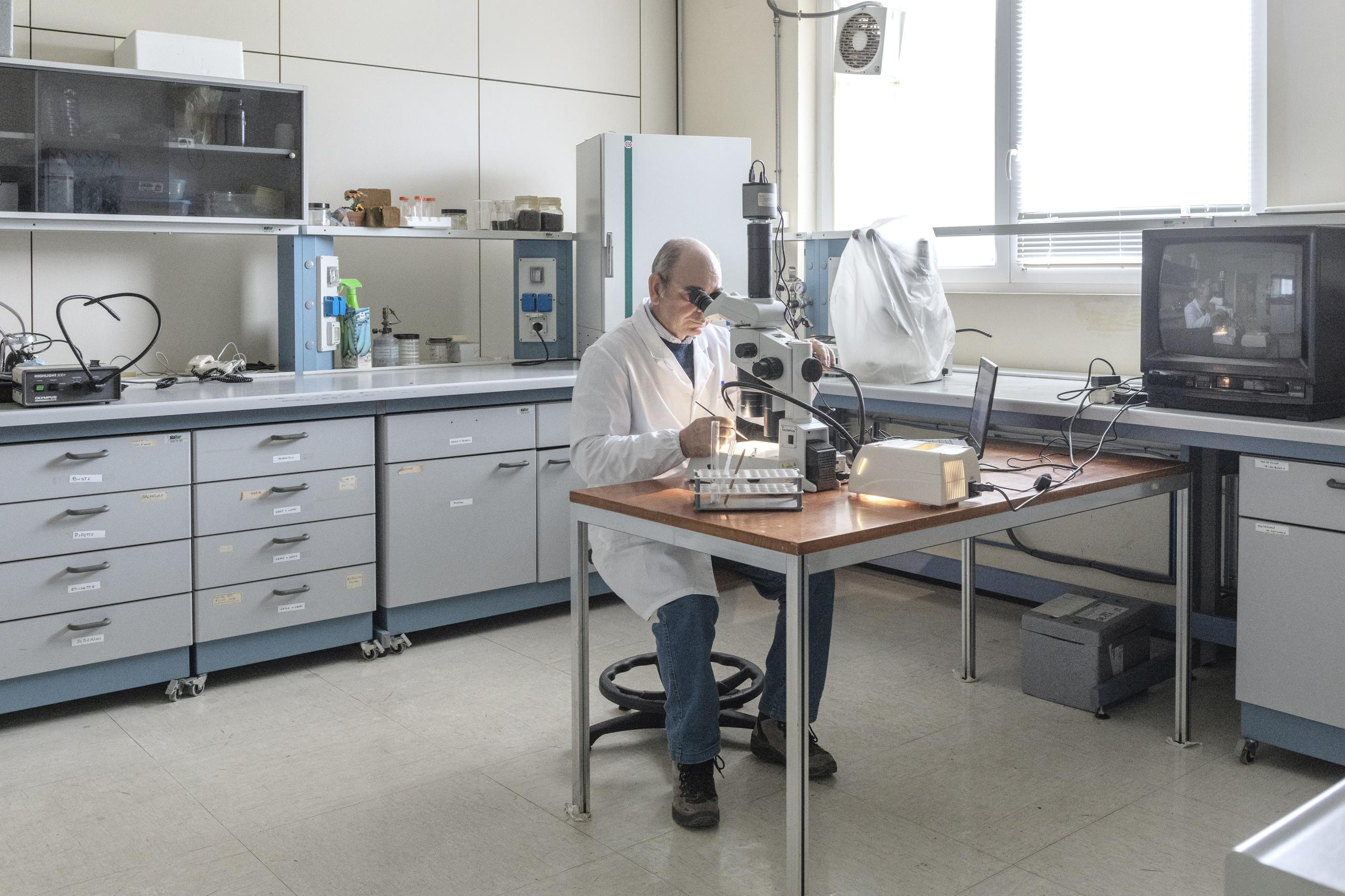
ENEA Researcher
Ferdinando Baldacchino, an entomologist and researcher at the ENEA (National Agency for New Technologies, Energy and Sustainable Economic Development) Department of Sustainability of the Territory and Production Systems, looks through a microscope at a Tenebrio (darkling beetle) larva.
© Maurizio Di Pietro, Italy, 3rd Place, Professional competition, Environment, 2024 Sony World Photography Awards
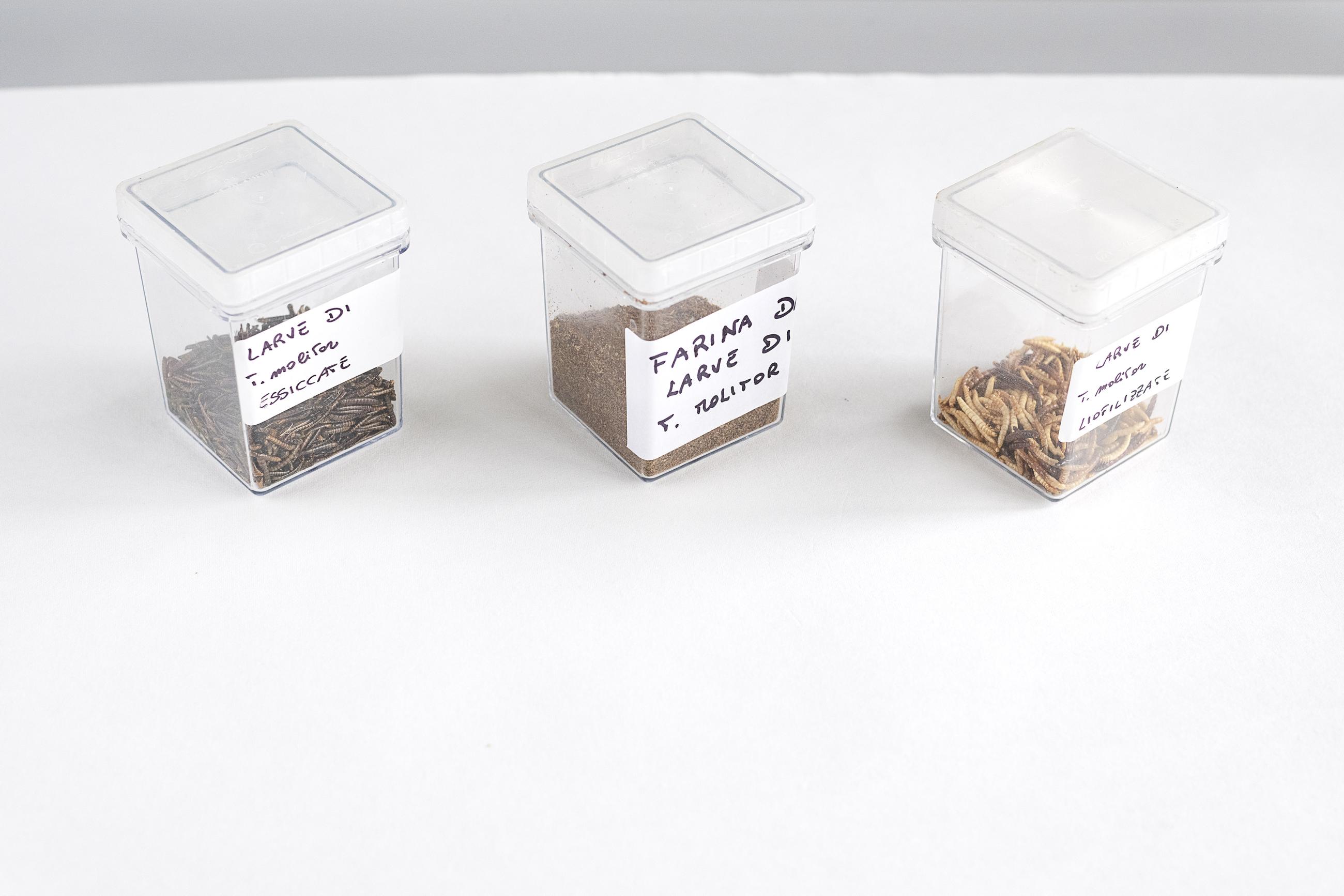
Tenebrio Molitor Dry
Tenebrio molitor samples stored in different forms – dried larvae, freeze-dried larvae and flour – to study their preservation. At its research centre, the ENEA has populations of Tenebrio, which it uses for breeding and experimental activities that are aimed at optimising the production process and making it sustainable, whether the final product is destined to be animal feed or food for humans.
© Maurizio Di Pietro, Italy, 3rd Place, Professional competition, Environment, 2024 Sony World Photography Awards
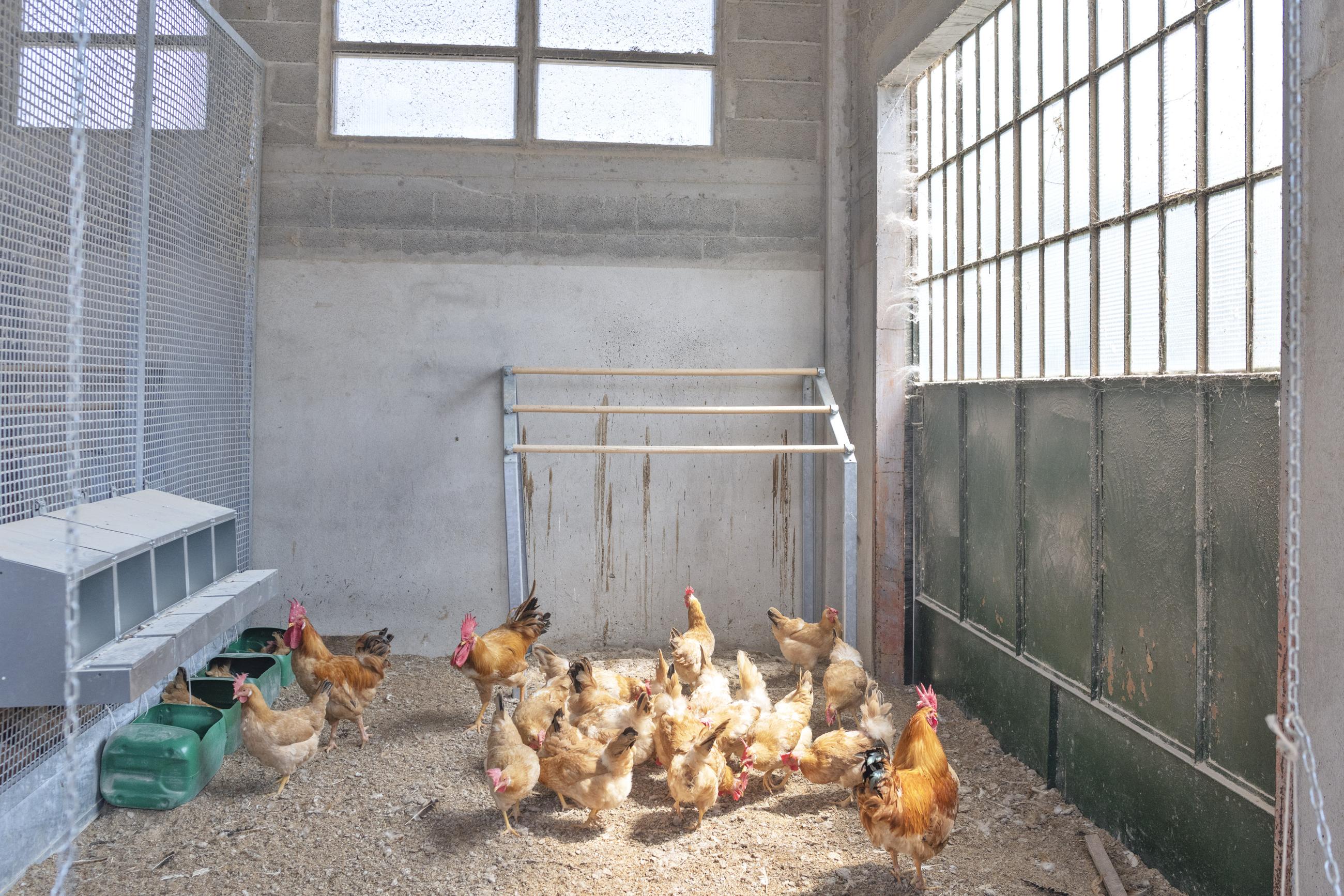
Poultry
Professor Laura Gasco is currently conducting European research on chicken farming. The chickens are fed with insect flour mixed with feed or with live whole insects. The aim is to demonstrate that the meat product obtained – the chicken – is good, safe, sustainable and economical.
© Maurizio Di Pietro, Italy, 3rd Place, Professional competition, Environment, 2024 Sony World Photography Awards
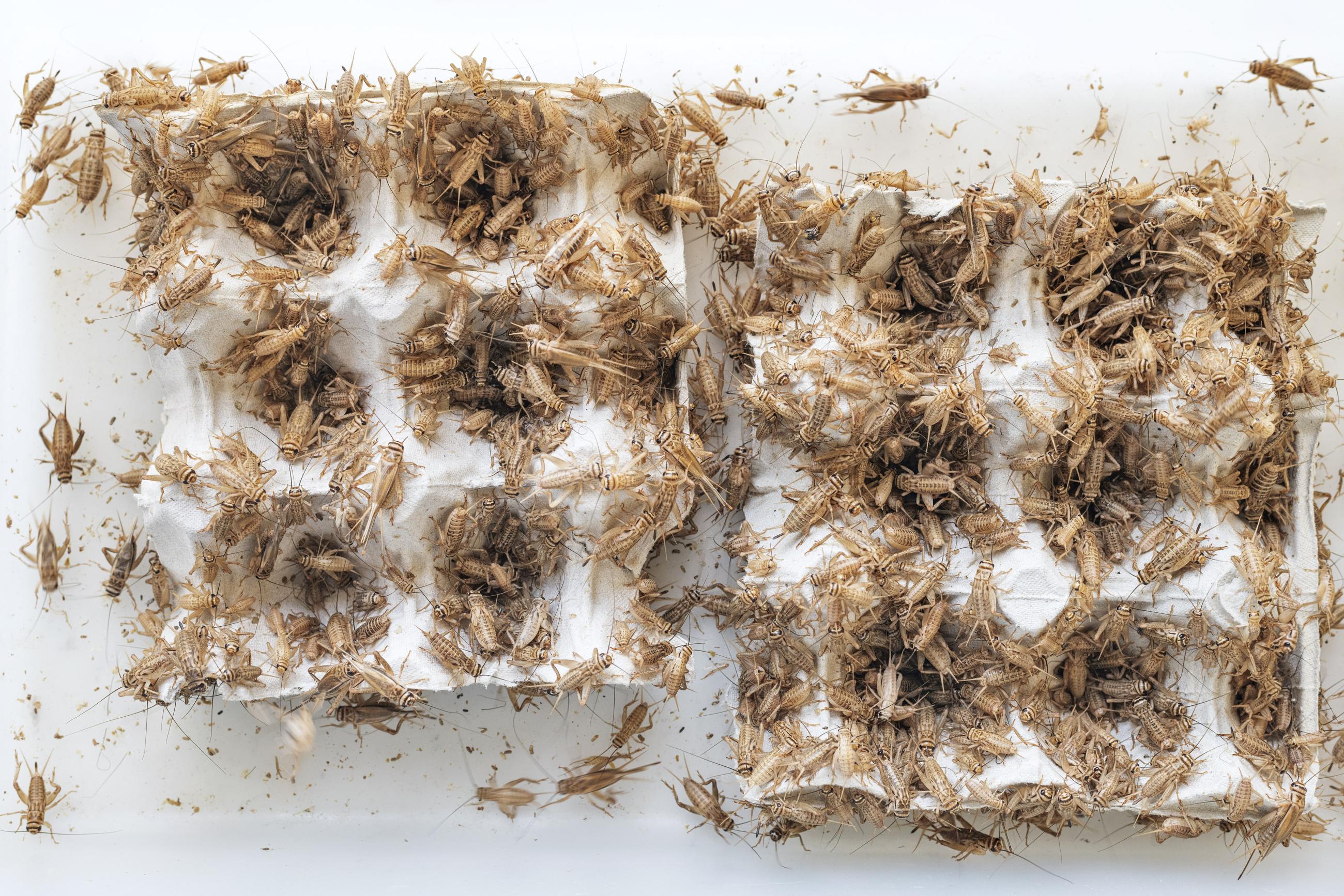
Acheta Domesticus
Crickets on egg cartons at an insect farm. The so-called ‘house cricket’ (Acheta domesticus) is the last of three insects to be officially authorised for commercialisation by the European Union, following the Tenebrio molitor and the migratory locusts.
© Maurizio Di Pietro, Italy, 3rd Place, Professional competition, Environment, 2024 Sony World Photography Awards
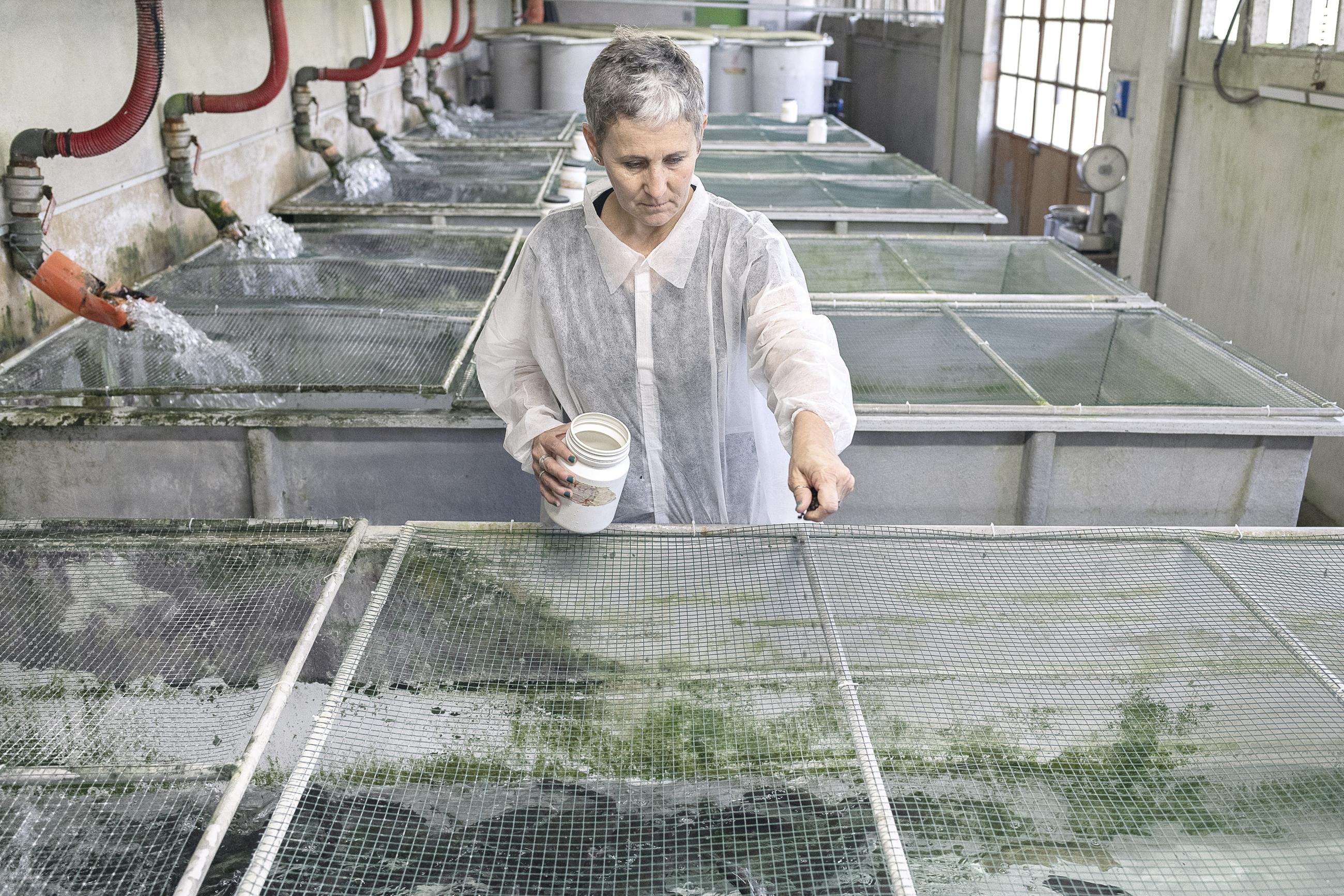
Insect Meals for Aquaculture
Professor Laura Gasco evaluates the effects of the inclusion of Hermetia illucens flours in the diet of rainbow trout. The European Commission has allowed insect meals to be used in feed in aquaculture since 1 July 2017, having equated this protein source to that of poultry and pigs.
© Maurizio Di Pietro, Italy, 3rd Place, Professional competition, Environment, 2024 Sony World Photography Awards
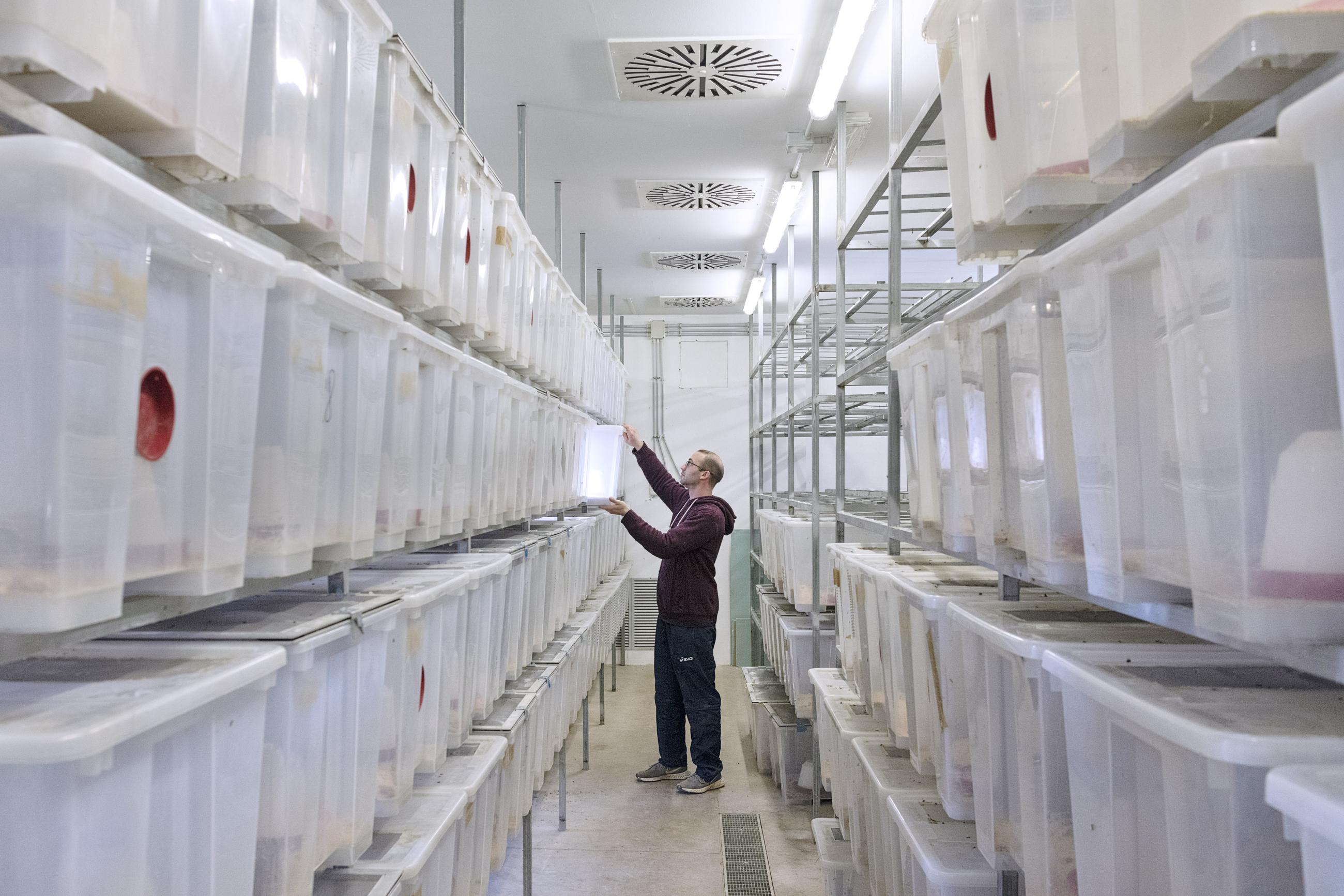
insectfarm
Paolo de Besi, the owner of Insectfarm, inside the cricket breeding area. Insectfarm is not a large farm, but produces about 200 kg of crickets per month that are intended exclusively for pets. The farm uses plastic boxes that are arranged vertically, with lightweight materials such as egg cartons placed inside them for the crickets to take refuge, reproduce and lay their eggs.
© Maurizio Di Pietro, Italy, 3rd Place, Professional competition, Environment, 2024 Sony World Photography Awards
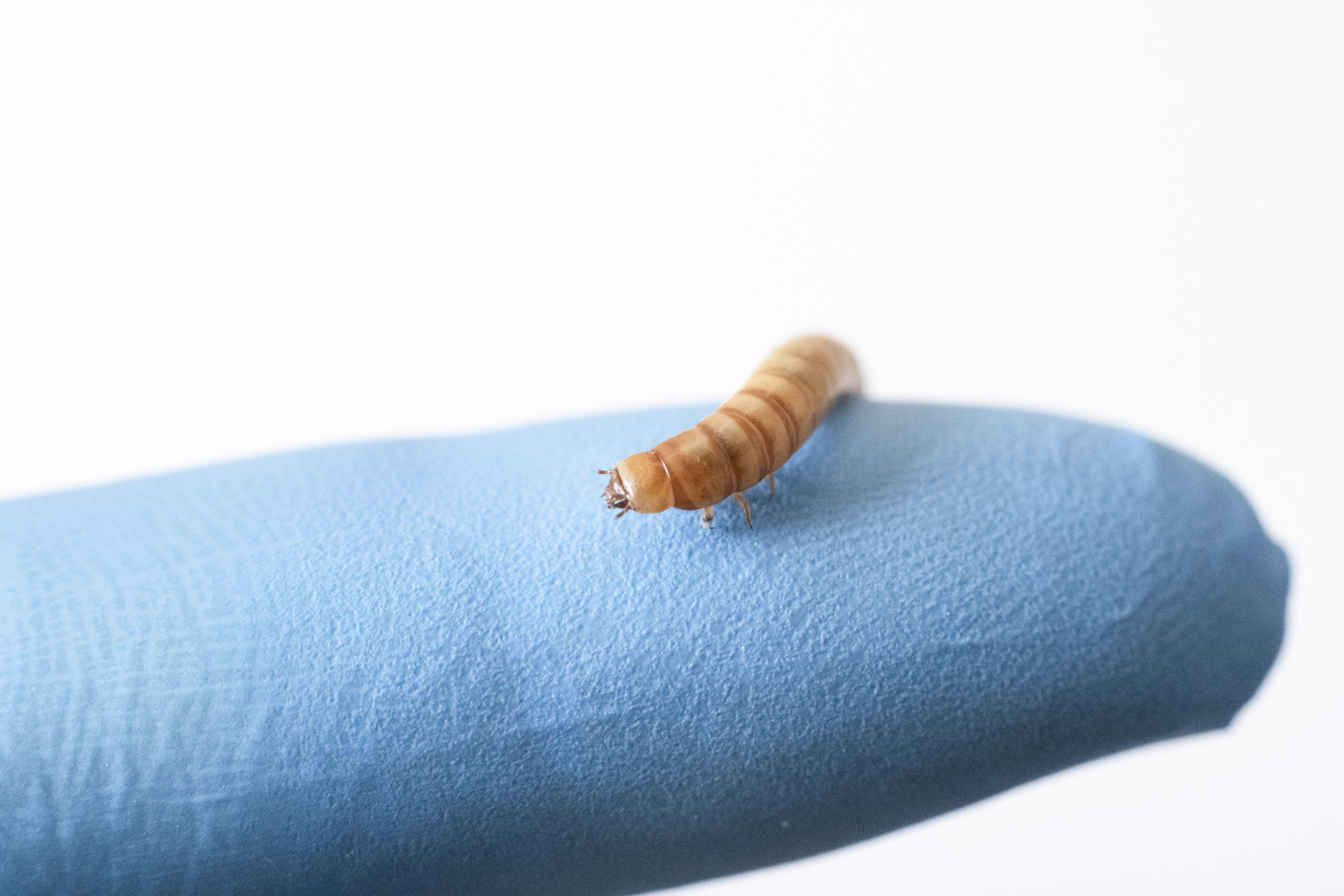
Tenebrio Molitor
On 24 November 2020, the first EFSA (European Food Safety Authority) evaluation of a product proposed as a food derived from insects was published. This is the dried larva of Tenebrio molitor, which has been added to the Union’s list of authorised insects.
© Maurizio Di Pietro, Italy, 3rd Place, Professional competition, Environment, 2024 Sony World Photography Awards