

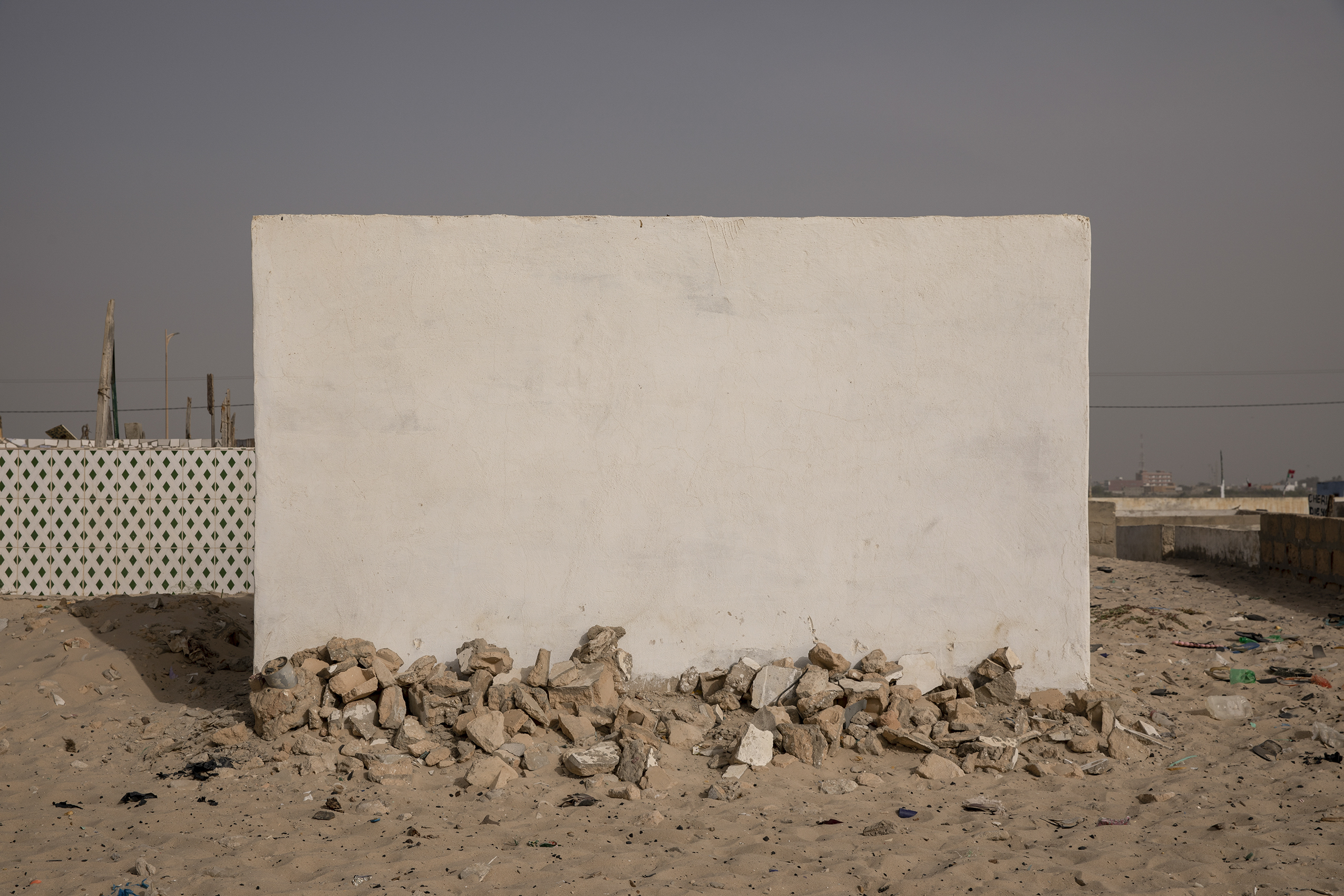
Series description
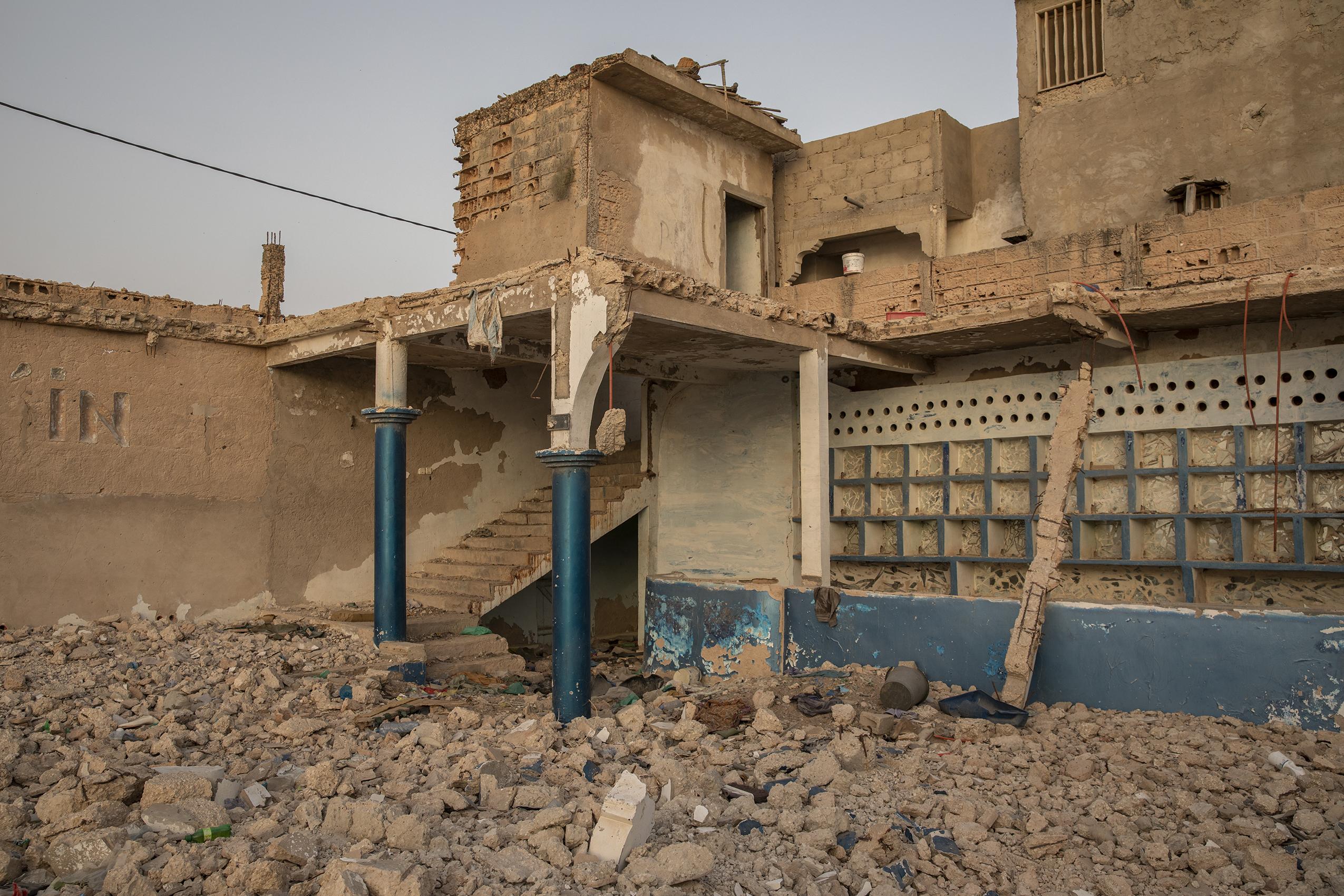
The rising sea levels generated by climate change are threatening the coast of Senegal, destroying one house after another. Senegal loses around five metres of coastline every year and the dangers to the population – 80 percent of whom live near the sea – are growing more and more. According to experts, sea levels on the coast of West Africa will rise by up to four millimetres a year, forcing thousands of people to abandon their current homes.
Biography
Alessio Paduano is a photographer born and currently based in Naples, Italy.
He regularly publishing in the National and International magazines, including Time, The New York Times, CNN, BBC, National Geographic, Stern, Spiegel, El Pais, Le Monde, Paris Match, Bloomberg, Newsweek, Internazionale, La Stampa, ecc.
Among the recognitions obtained for his work are the POY (Picture of the Year), the Kolga Tbilisi Photo Award, the Krzysztofa Miller Prize, the Siena International Photo Awards and many others.
Untitled
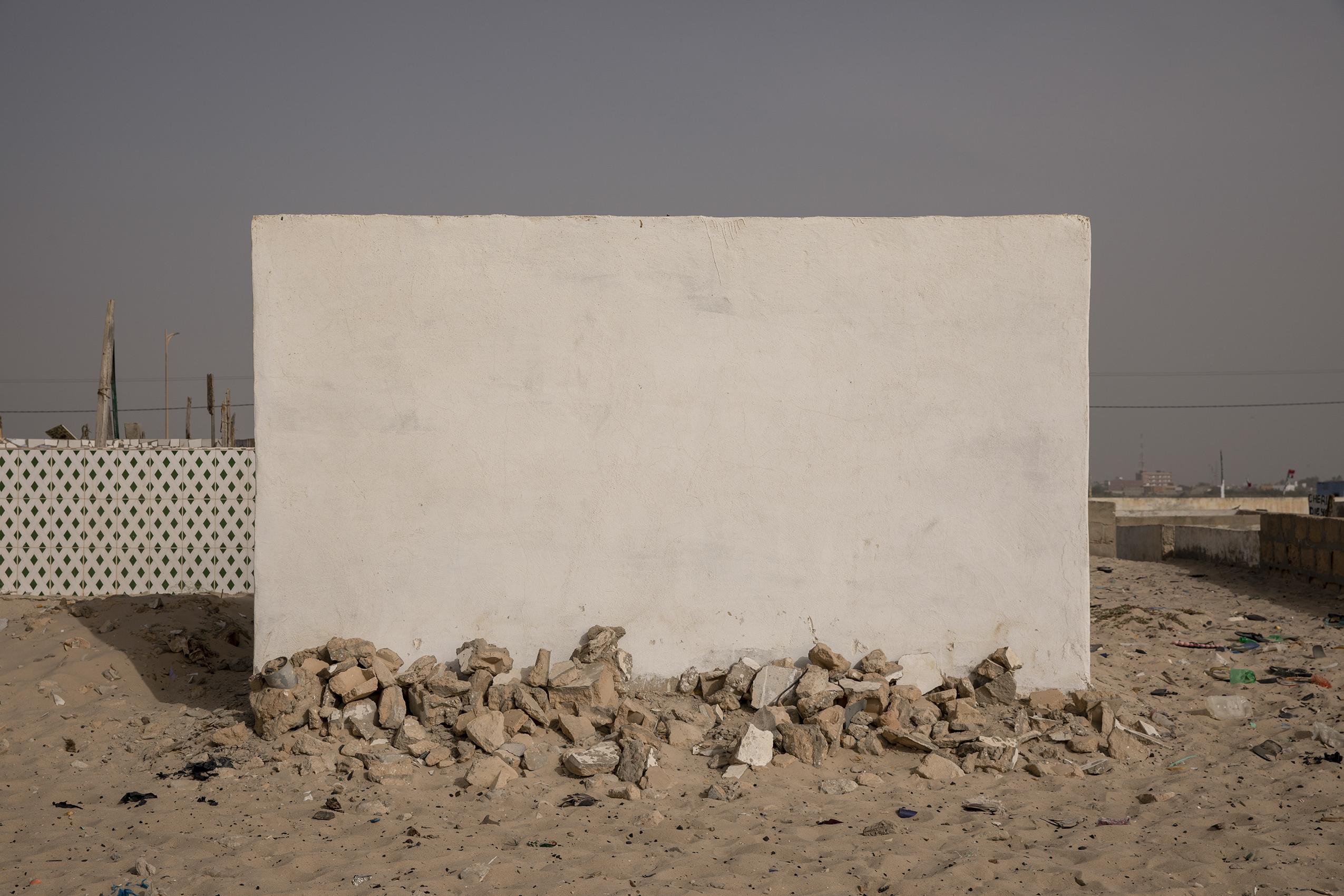
In September 2017, a four metre wave hit the Guet N’dar district of Saint-Louis, damaging part of the cemetery. A wall and a strip of stones are now at the entrance to the cemetery to protect it from further damage from the sea.
© Alessio Paduano, Italy, Shortlist, Professional competition, Landscape, 2024 Sony World Photography Awards
Untitled
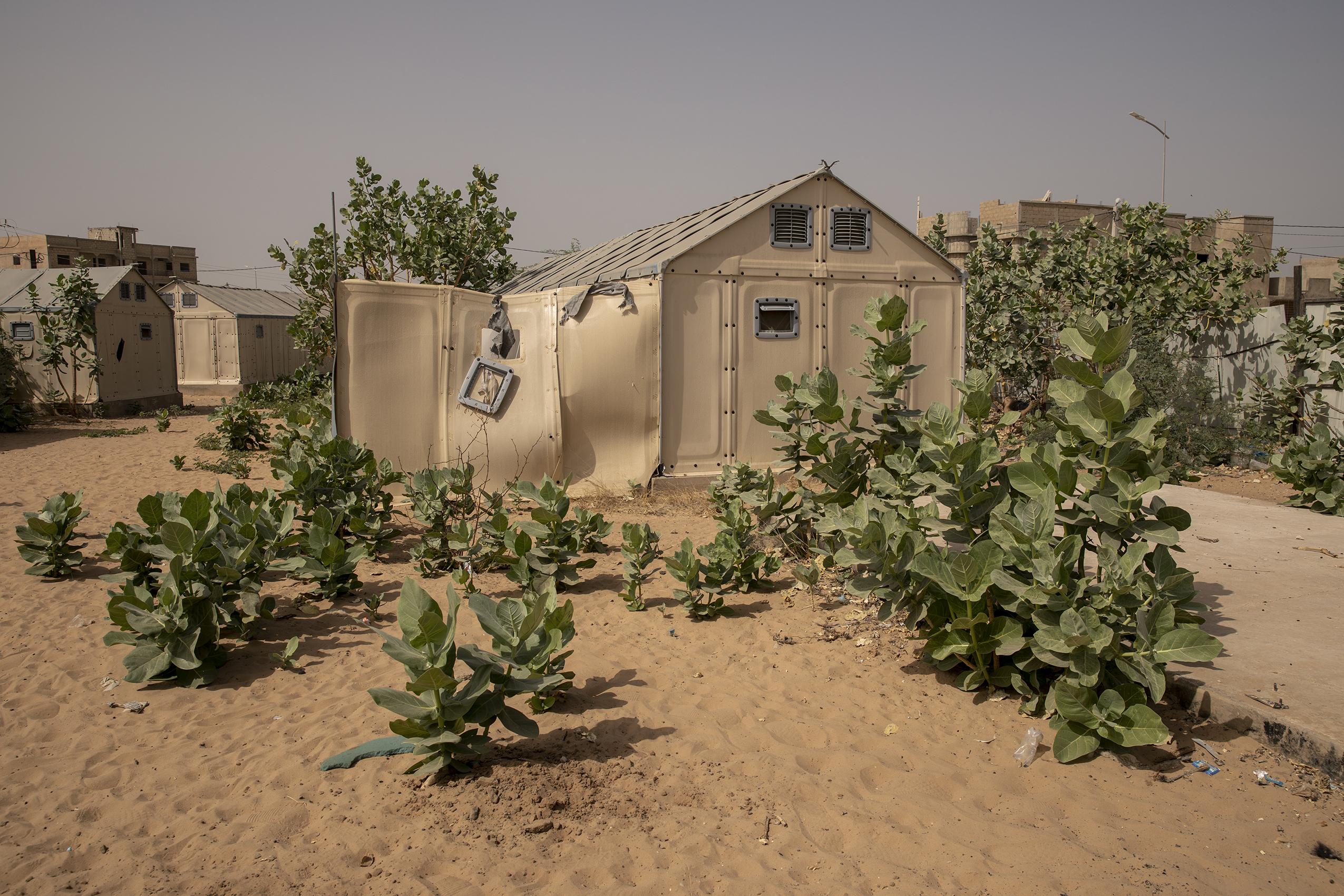
A general view of the temporary Djougop camp for internally displaced people who lost their homes due to coastal erosion in Saint-Louis, Senegal. The camp is located 11 kilometres inland and people live in small tents without bathrooms and electricity. Toilets and taps for running water are shared.
© Alessio Paduano, Italy, Shortlist, Professional competition, Landscape, 2024 Sony World Photography Awards
Untitled
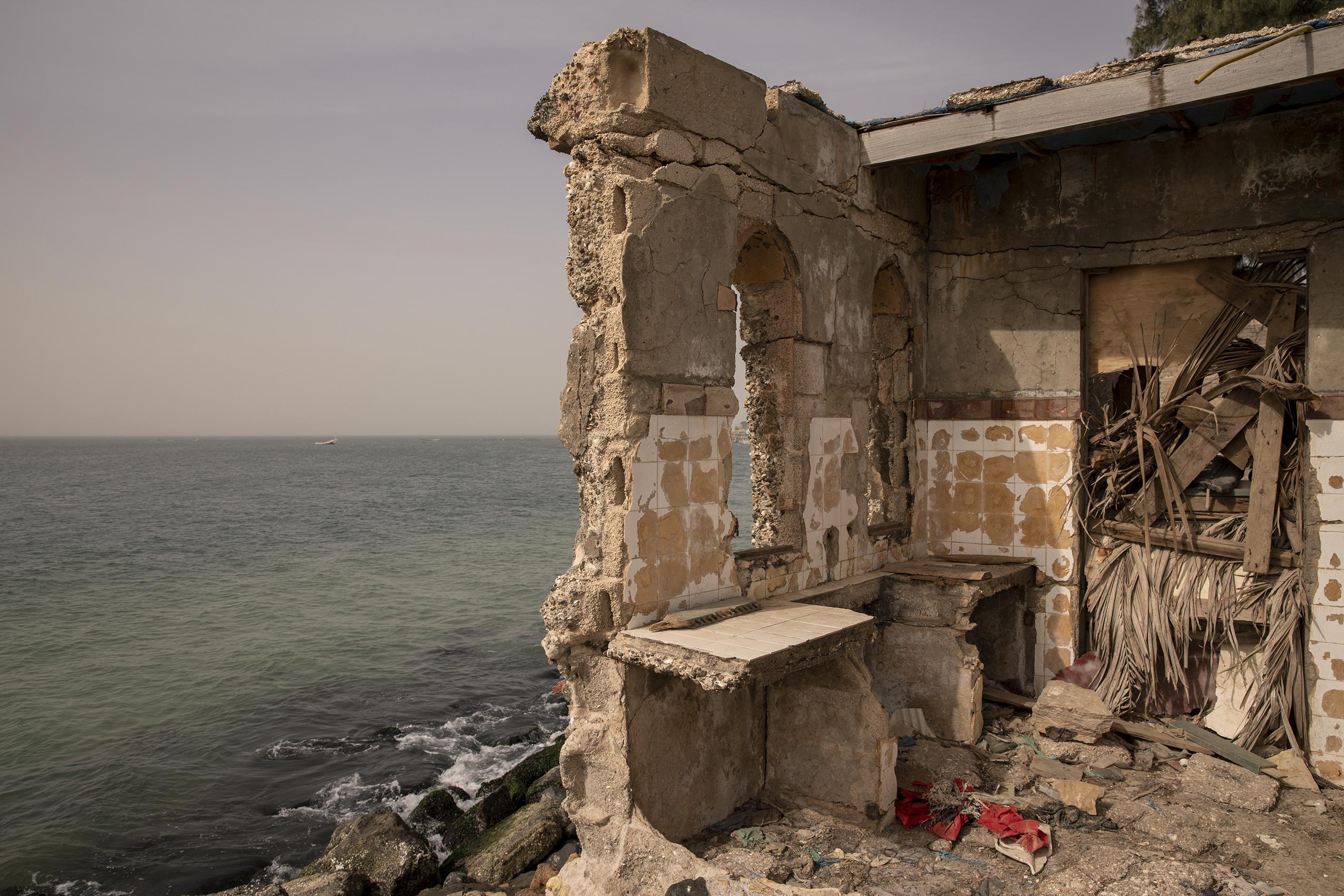
The remains of a house in Rufisque, Senegal, which was destroyed by the sea. The rising sea levels caused by global warming and melting glaciers is destroying one house after another.
© Alessio Paduano, Italy, Shortlist, Professional competition, Landscape, 2024 Sony World Photography Awards
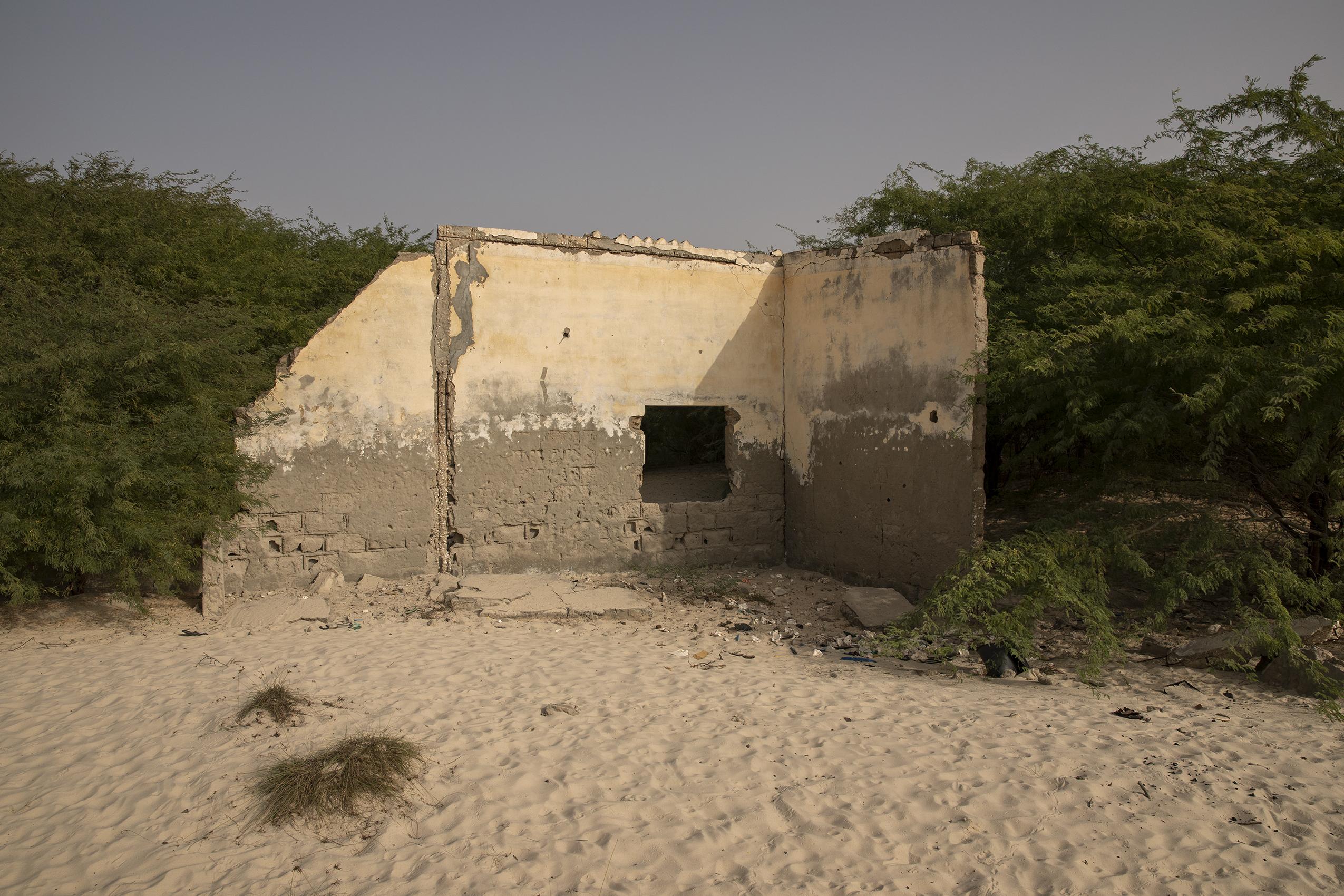
Untitled
The remains of a house in Doune Baba Dieye village, Saint-Louis, Senegal. Doune Baba Dieye was once a vibrant fishing community, but changing weather patterns and heavy rainfall in 2003 led to flooding and rising sea levels that have destroyed many of the houses.
© Alessio Paduano, Italy, Shortlist, Professional competition, Landscape, 2024 Sony World Photography Awards
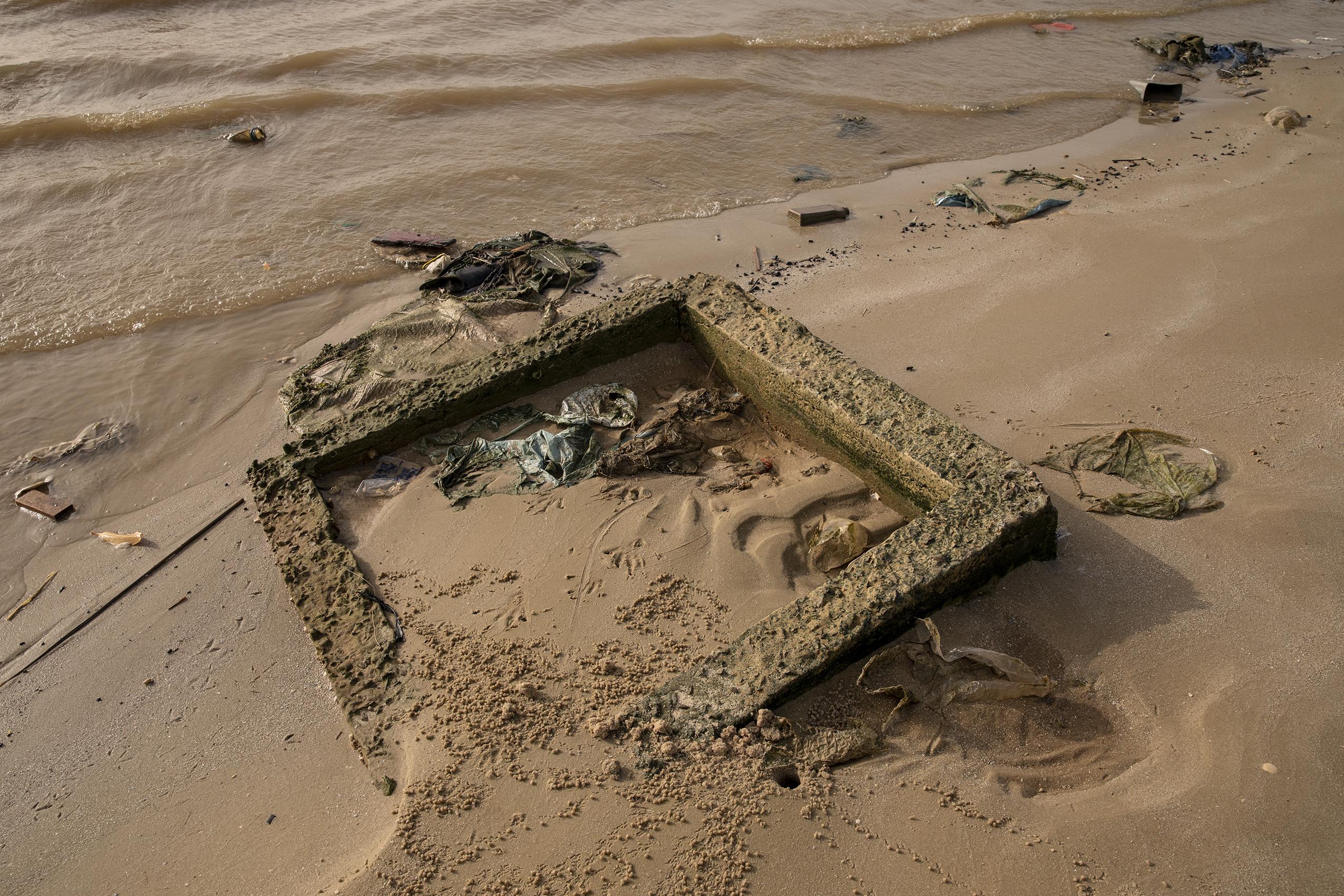
Untitled
A water purifier covered in sand and water in Doune Baba Dieye village, Saint-Louis, Senegal.
© Alessio Paduano, Italy, Shortlist, Professional competition, Landscape, 2024 Sony World Photography Awards
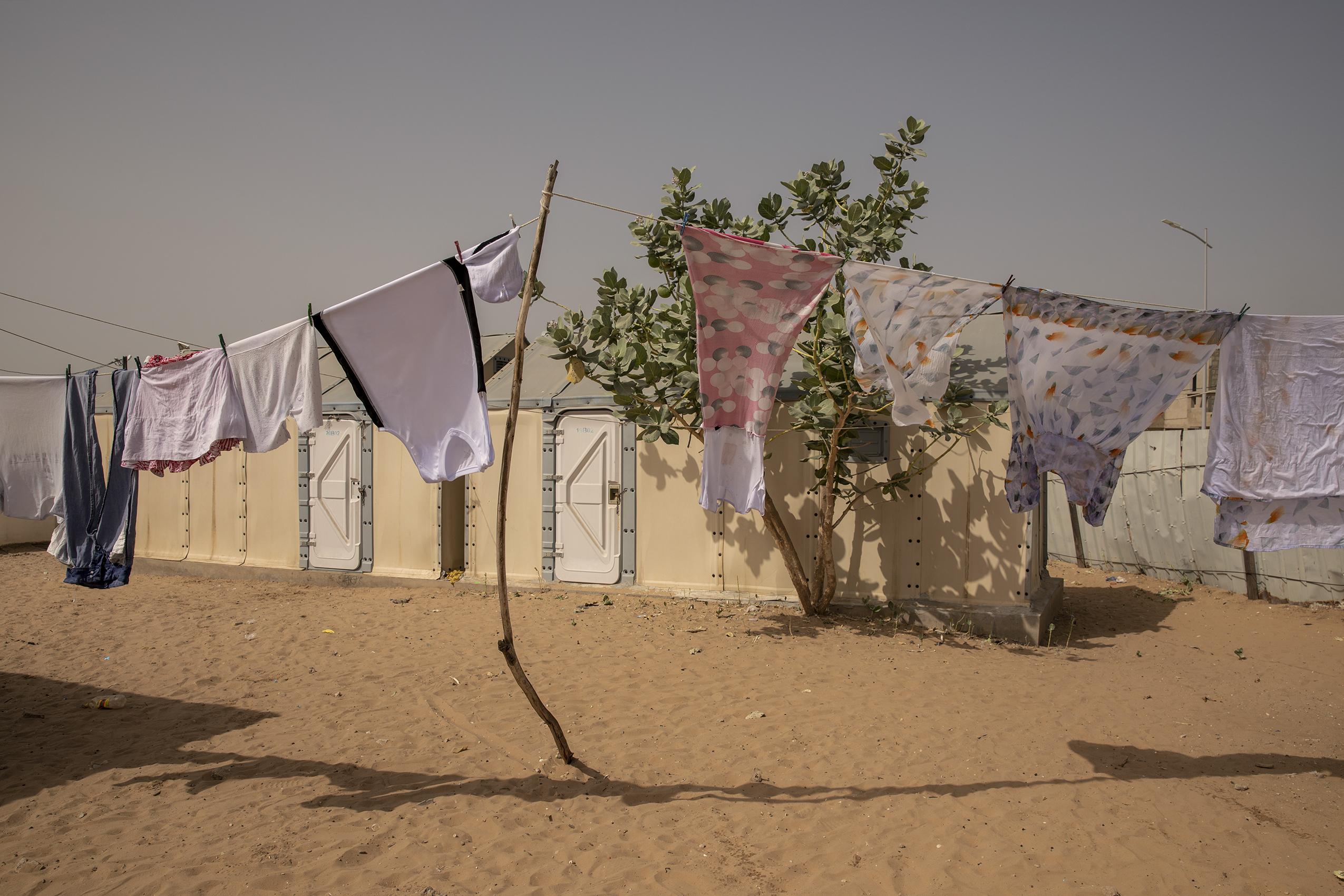
Untitled
Clothes hanging out to dry inside the Djougop camp for internally displaced people who lost their homes due to coastal erosion in Saint-Louis, Senegal.
© Alessio Paduano, Italy, Shortlist, Professional competition, Landscape, 2024 Sony World Photography Awards
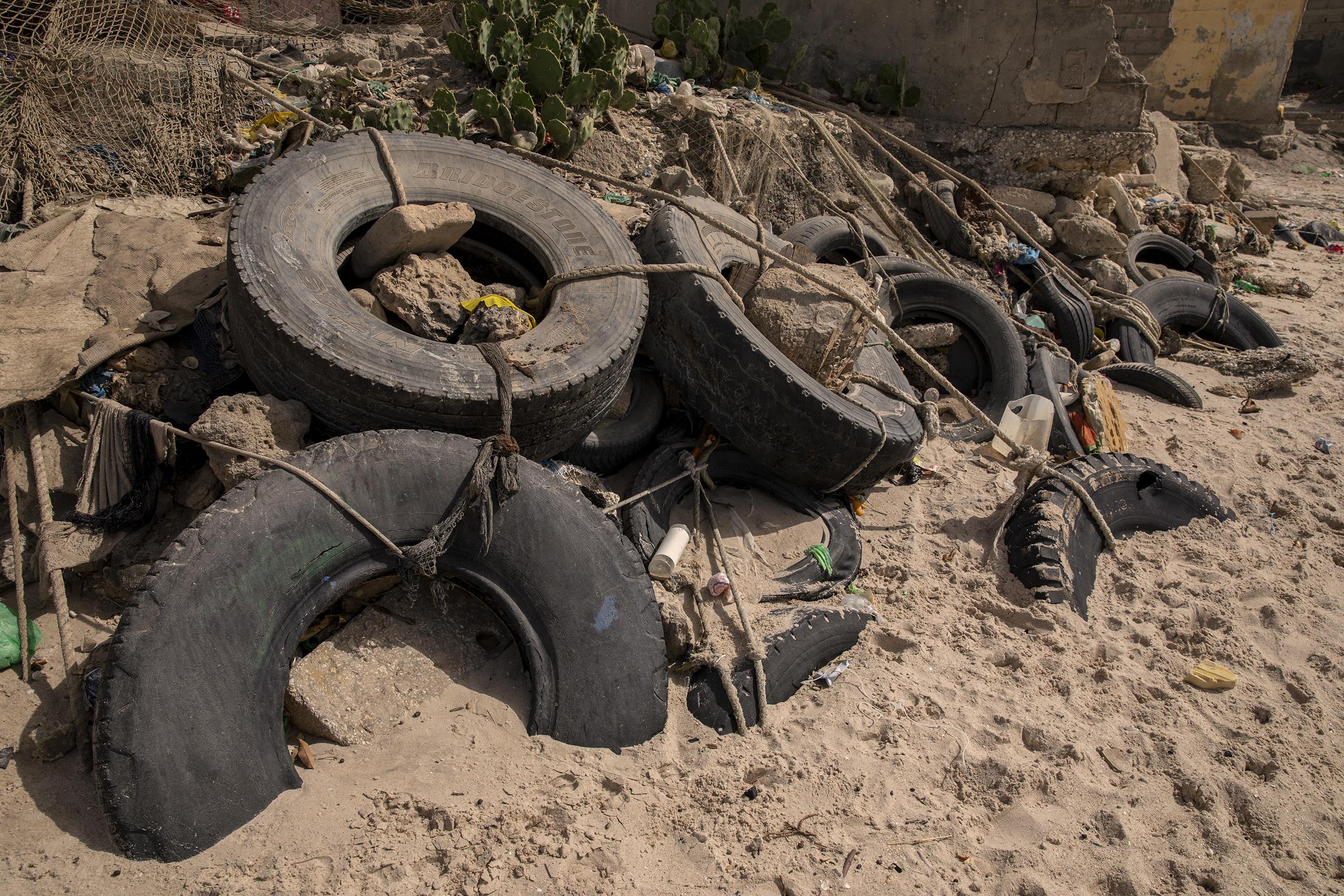
Untitled
On the beach at Bargny, wheels are tied together and used as a barrier to stop waves. Storm surges have become more common and more fierce in the area; Bargny is currently losing three to four metres of coastline each year.
© Alessio Paduano, Italy, Shortlist, Professional competition, Landscape, 2024 Sony World Photography Awards
Untitled
Damage caused by the sea to the reception of the Chaumiere Hotel in the Langue de Barbari, Saint- Louis. The Langue de Barbarie is a thin, sandy peninsula located in western Senegal, which separates the Atlantic ocean from the final section of the Senegal river. Around 80,000 people live there and it is among the places most threatened by rising sea levels.
© Alessio Paduano, Italy, Shortlist, Professional competition, Landscape, 2024 Sony World Photography Awards