

Series description
Globally, the summer of 2023 was the hottest on record. In Germany, temperatures have risen more than the worldwide average, and according to the German Weather Service, the period from 2011 to 2020 was approximately two degrees Celsius warmer than the years from 1881 to 1910. As a leading car nation, Germany has a problem: it must become climate-neutral by 2045. It is a race against time and economic interests, political ideologies and potential solutions are being debated at an increasingly heated level. My photographic essay describes a journey through Germany, focusing on a country at the centre of an ecological and social transformation. The photographs portray a land caught between hope and dystopia, exploring the question: can one make the invisible aspects of the climate crisis visible?
Biography
Maximilian Mann (1992) grew up in Kassel, Germany. In his photographic work he is deals with global environmental issues and the resulting consequences.
Maximilian has been nominated for the "W. Eugene Smith Student Grant". He has won the first prize at the "Feature Shoot Awards" and was awarded with the "Felix-Schoeller-Newcomer Award". He has also won prizes at the "BFF-Förderpreis“, the "College Photographer of the Year - Award" and the "IAFOR Documentary Photography Award".
Maximilian is a member of DOCKS-Collective.
Untitled
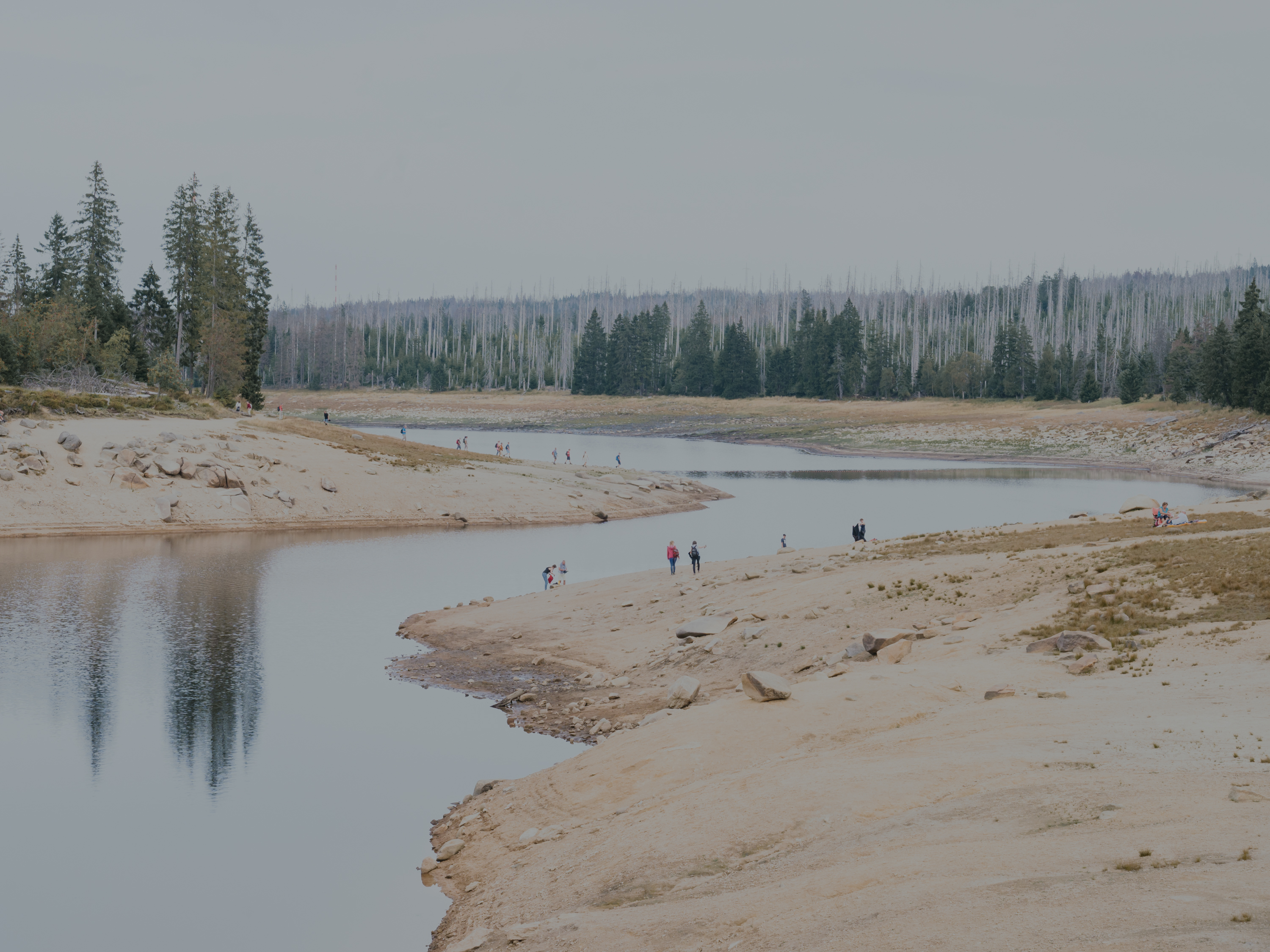
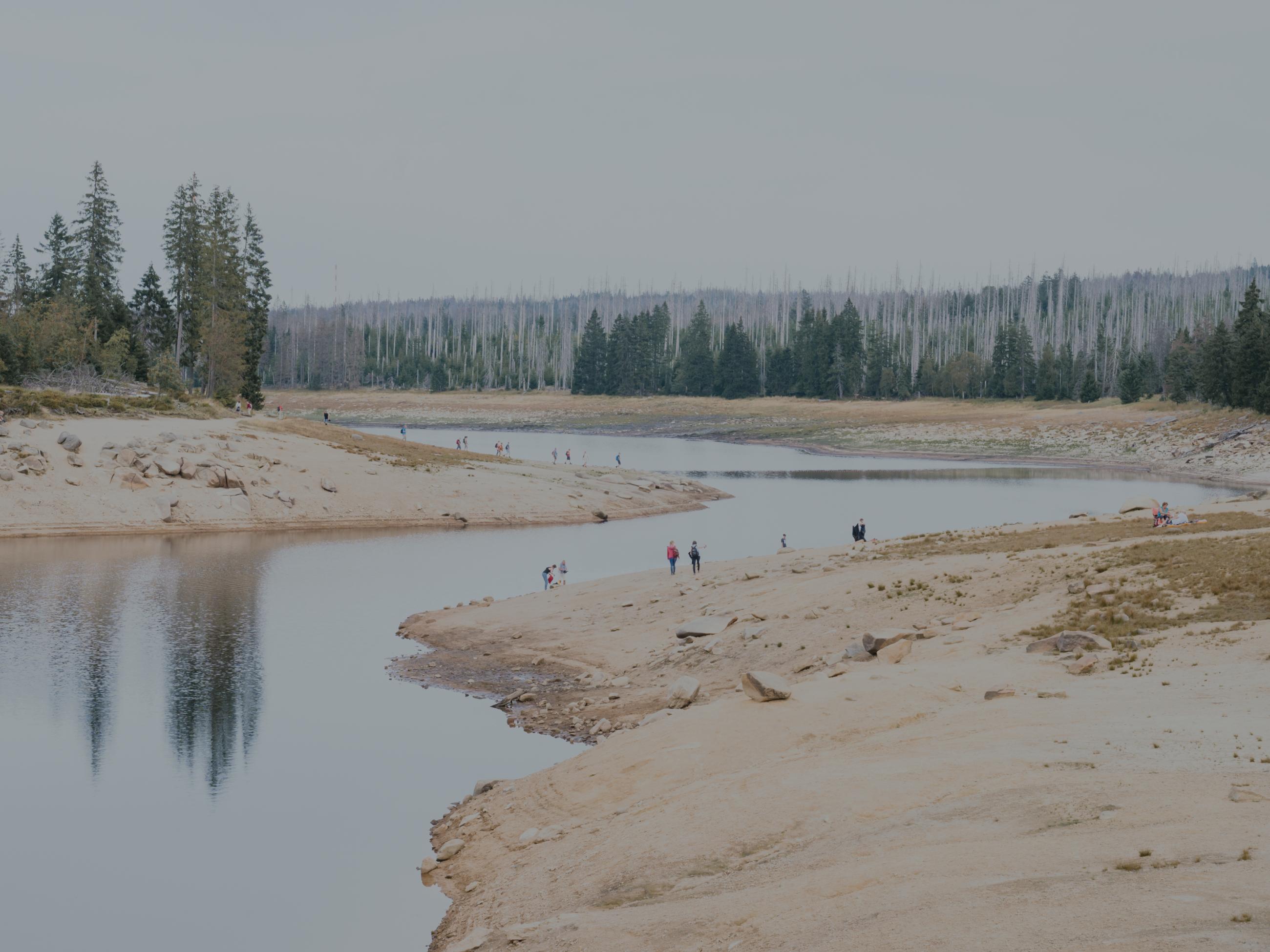
It is getting drier and drier in the Harz, with climate change having a more serious effect than previously thought. A study by the Harzwasserwerke (Harz waterworks) found that the amount of precipitation decreased over the year. As a result, the number of bark beetles is rising, which means that spruce trees have a lower chance of survival.
© Maximilian Mann, Germany, Shortlist, Professional competition, Environment, 2024 Sony World Photography Awards
Untitled
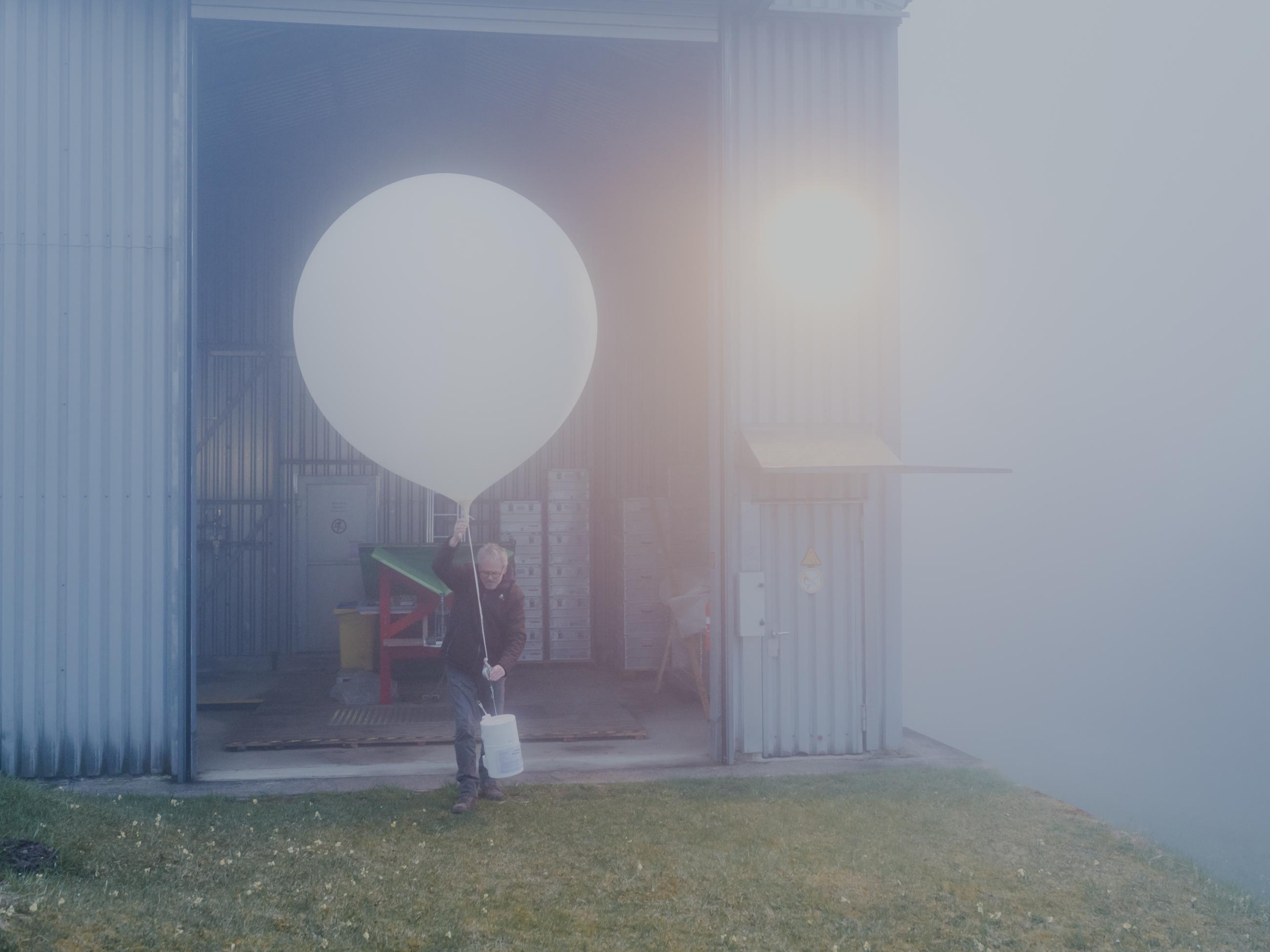
Michael Heinen, a weather service technician at the Hohenpeißenberg Meteorological Observatory, shortly before an ozone measurement. The ozone measurements at Hohenpeißenberg show that the temperature of the troposphere in this region has risen by about 2.6°C from the mid-1060s to 2023.
© Maximilian Mann, Germany, Shortlist, Professional competition, Environment, 2024 Sony World Photography Awards

Untitled
Roofs are protected in Bad Bayersoien after a storm and massive hail. On 26 August 2023 about 80 percent of the roofs were damaged by tennis-ball-sized hailstones, which caused damage costing hundreds of millions of Euros. Both the frequency of hailstorms and the size of hailstones have increased, which the European Severe Weather Institute says is most likely a result of the climate crisis.
© Maximilian Mann, Germany, Shortlist, Professional competition, Environment, 2024 Sony World Photography Awards
Untitled
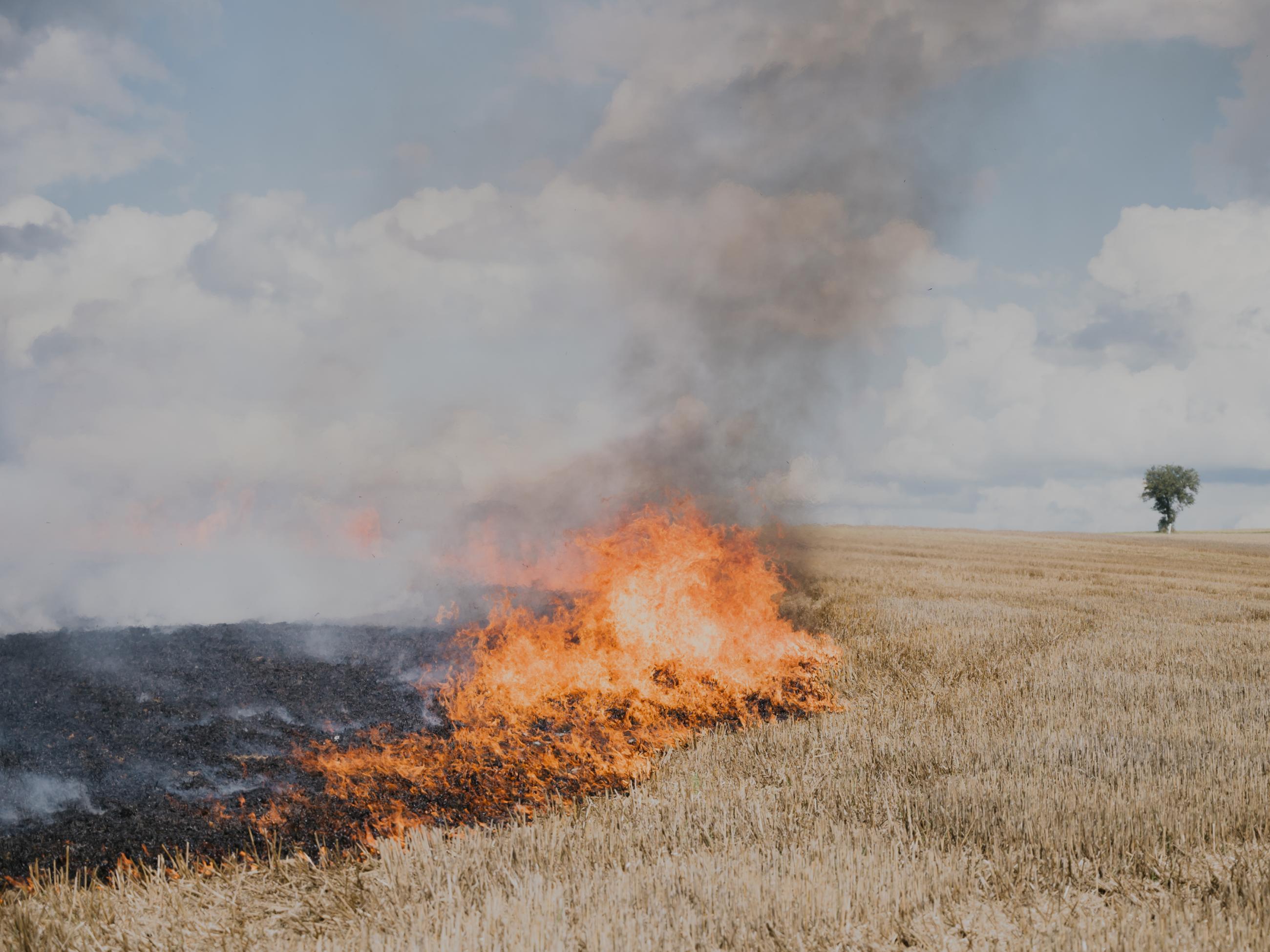
Wildfire training for the volunteer fire brigade in Newel, led by the company Euro-Waldbrand. An increased interest in training to fight wildfires and forest fires reflects the growing threat of them occurring in Germany. The changing climate significantly increases the risk of forest fires in coming decades, as so-called ‘fire weather’ – characterised by high temperatures, little precipitation and strong winds – will occur more frequently.
© Maximilian Mann, Germany, Shortlist, Professional competition, Environment, 2024 Sony World Photography Awards
Untitled
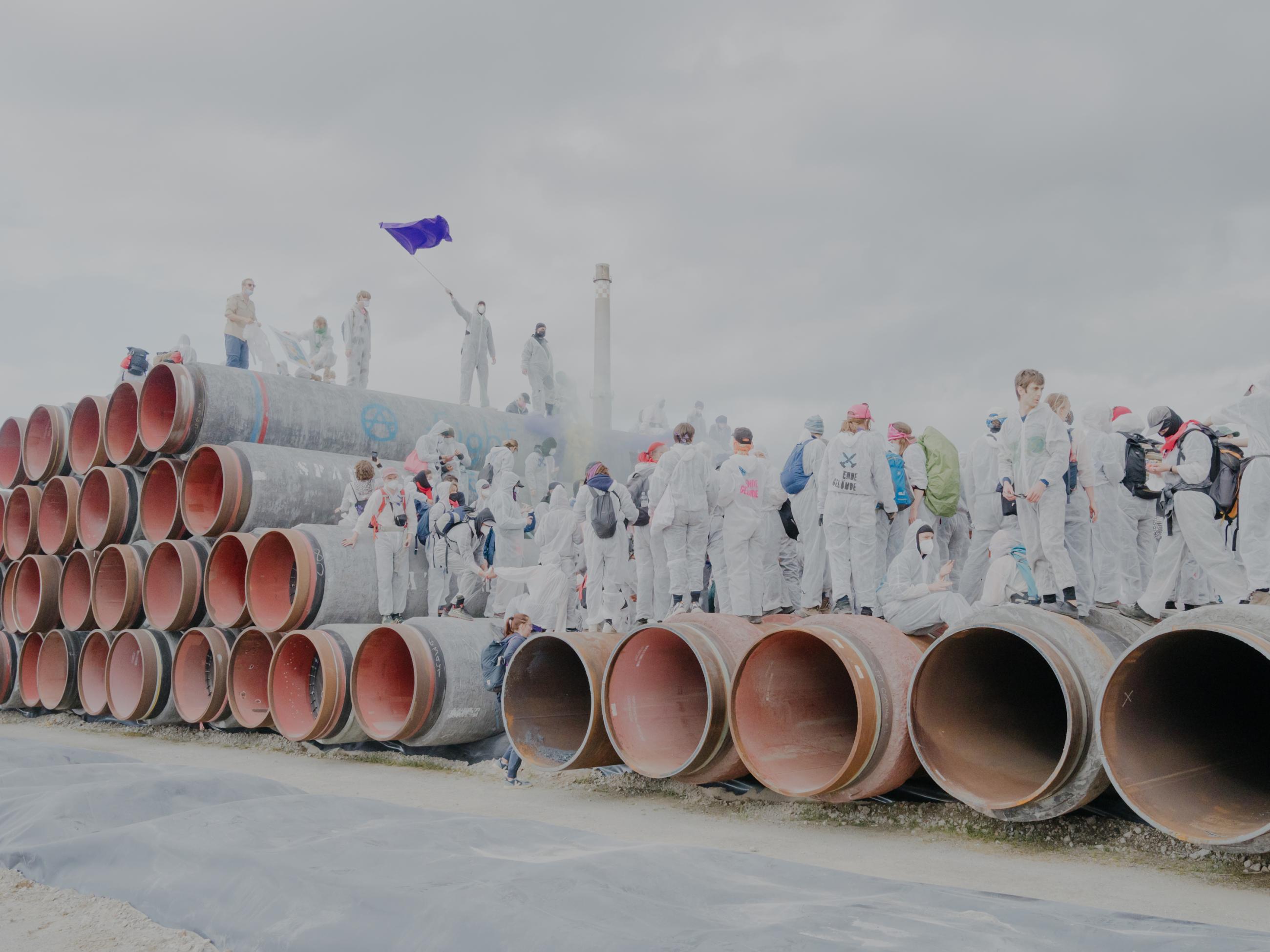
After illegally entering the port of Mukran on the island of Rügen, activists from Ende Gelände protest against the construction of an LNG (liquefied natural gas) terminal. They are concerned that the infrastructure will cement the use of the climate-damaging raw material for decades to come, leading to profound and irreparable impacts to the environment both under and above water.
© Maximilian Mann, Germany, Shortlist, Professional competition, Environment, 2024 Sony World Photography Awards
Untitled
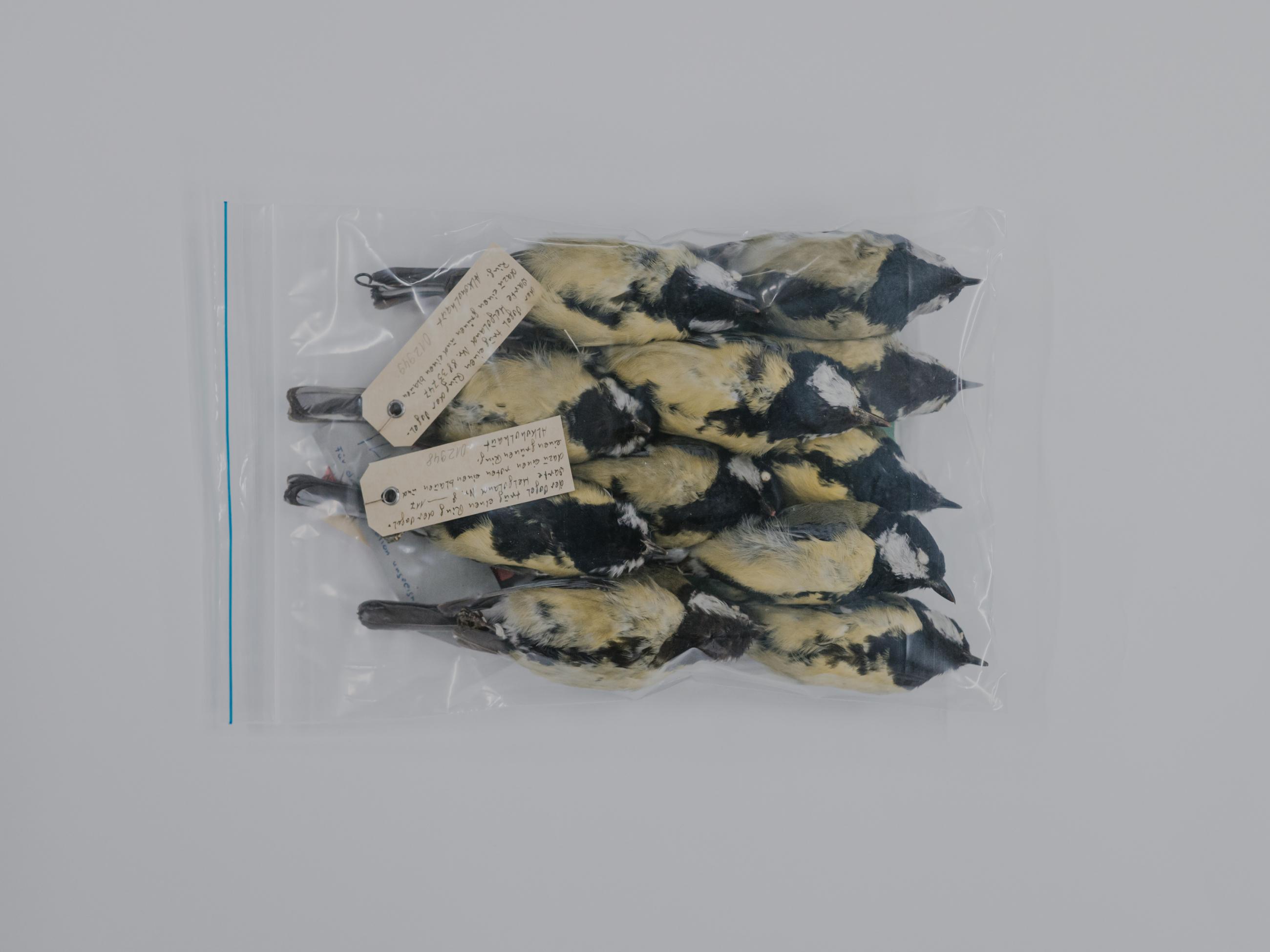
The climate crisis is accelerating the extinction of species in Germany. The long-term survival of great tits is now considered to be at risk, as caterpillars – a key food source for great tit chicks – are turning into butterflies earlier. As the great tits cannot adjust their breeding times quickly enough, their chicks increasingly risk starvation. According to one study, the birds could become extinct by 2100 due to climate change.
© Maximilian Mann, Germany, Shortlist, Professional competition, Environment, 2024 Sony World Photography Awards
Untitled
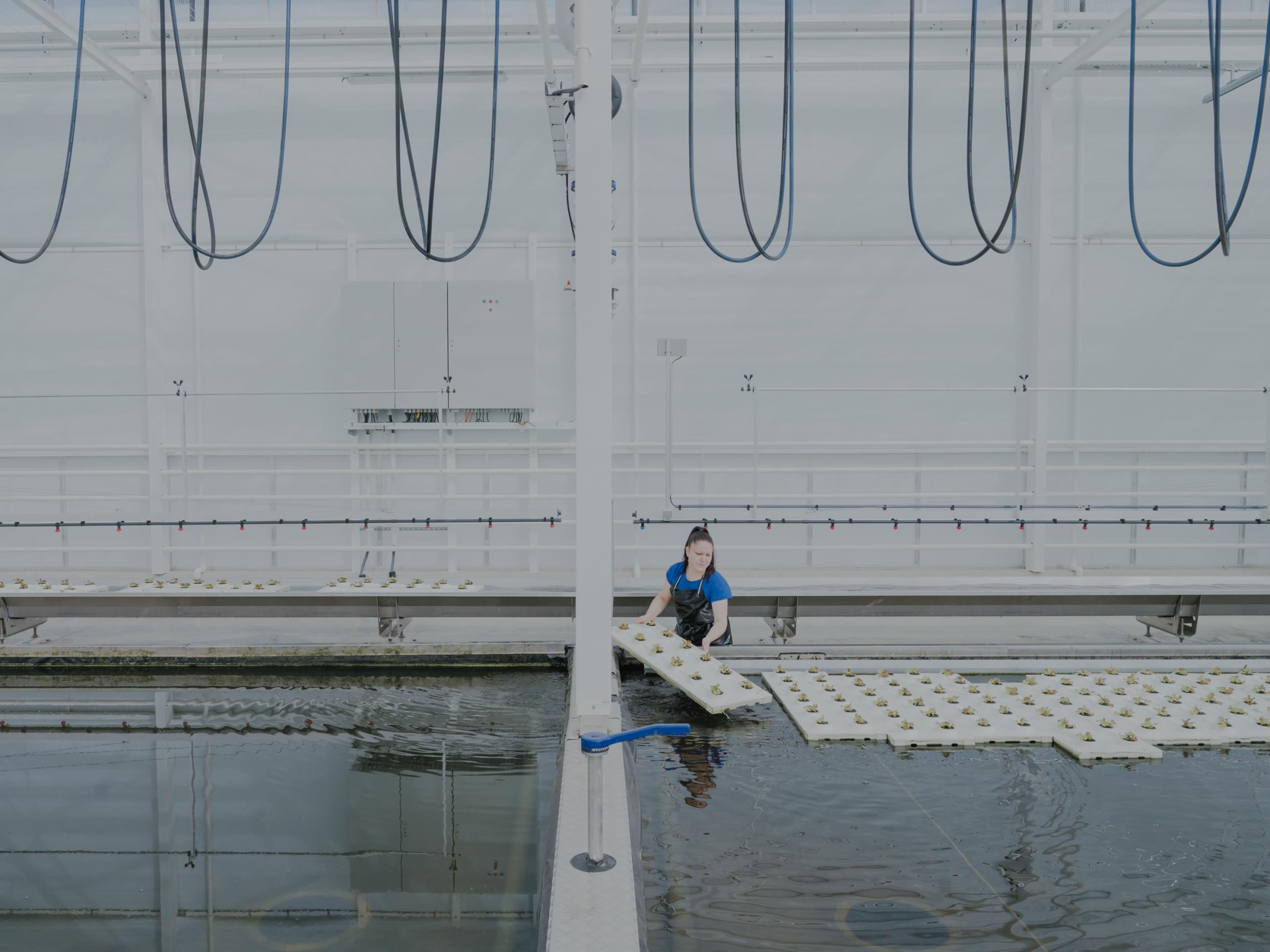
A salad factory in Willich. The so-called deep-floating technique is unique in Germany. Compared to conventional cultivation in a field, 90 percent of the water is saved, as the polystyrene panels in the greenhouse mean hardly a drop evaporates.
© Maximilian Mann, Germany, Shortlist, Professional competition, Environment, 2024 Sony World Photography Awards
Untitled
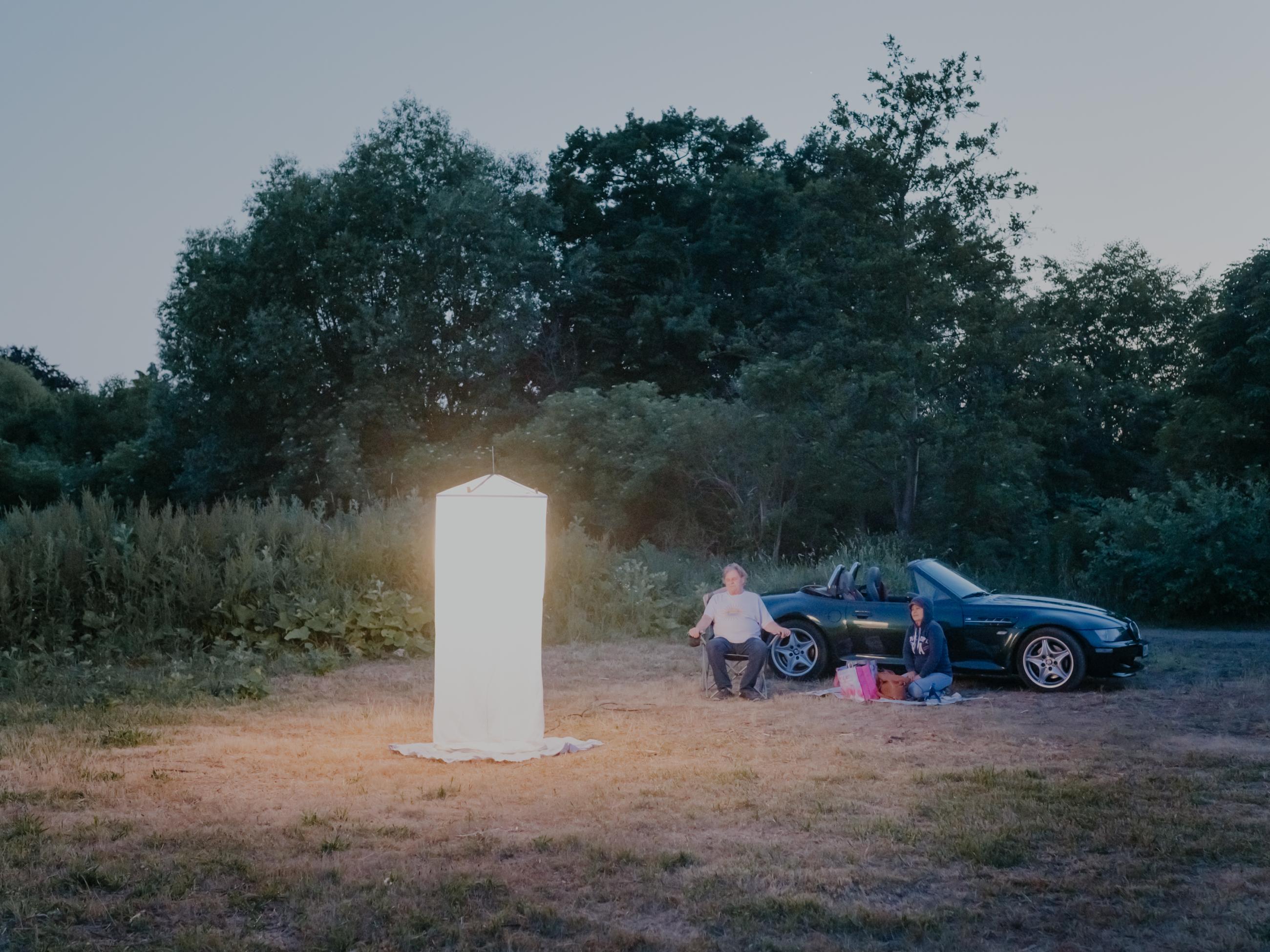
Butterfly experts wait for butterflies. Fewer and fewer butterflies are being found, but the animals have migrated northwards more slowly than their climatic requirements would suggest. According to the Federal Agency for Nature Conservation in Bonn, at least 60 butterfly species are already extinct, while 494 more are threatened with extinction or endangered to varying degrees.
© Maximilian Mann, Germany, Shortlist, Professional competition, Environment, 2024 Sony World Photography Awards