

Series description
Albania is one of the poorest European countries, with a per capita income of US$4,500. Yet it has a subsoil that is rich in crude oil, with more than 5.3 billion barrels lying beneath the surface. During the communist dictatorship of Enver Hoxha, the country was isolated, leaving it open only to Soviet and Chinese influences. These relationships led to the development of the technological capabilities necessary to begin tapping into Albania’s oil wells, but since the fall of the regime, free market capitalism has taken hold. Now, various corporations, including Bankers Petroleum, a Canadian company recently acquired by China’s Geo-Jade Petroleum, own 95 percent of crude oil extraction in the Patos-Marzina region. This seismic shift in the market has caused significant social and environmental issues, including contaminated lakes, oil leaks, abandoned structures, the poisoning of underground water wells and emissions that affect the surrounding villages.
Biography
Jonas Kakó studies photojournalism and documentary photography at the University of Hannover. For several years he has been dealing with the effects of the climate crisis in his photographic work. For him, the pressing issue of our time, he focuses on individual fates of people who are already suffering from the consequences of global warming and are threatened in their existence.
His freelance work has appeared in National Geographic, Stern, Vice, de Volkskrant and the Neue Zürcher Zeitung, among othe
Untitled
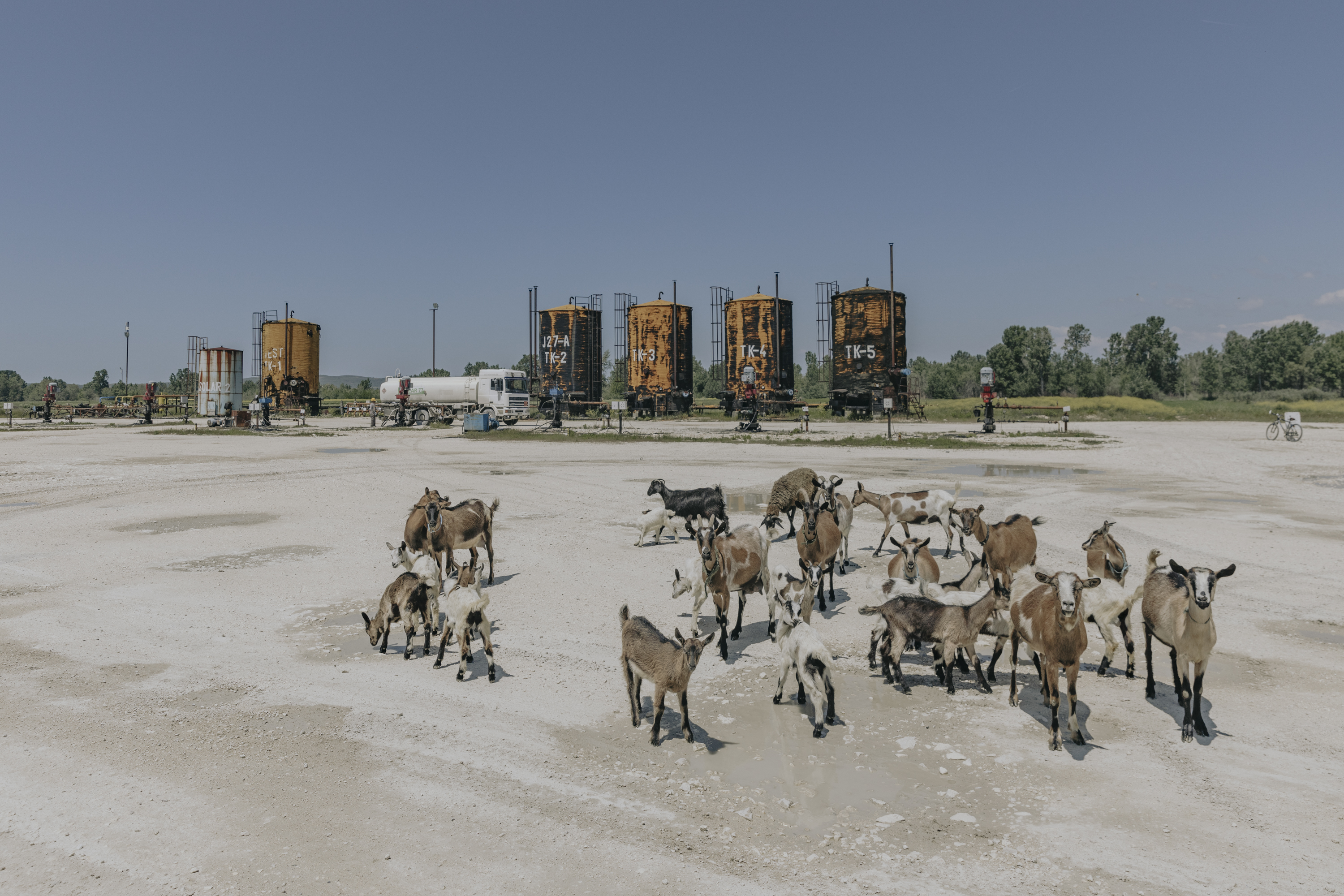
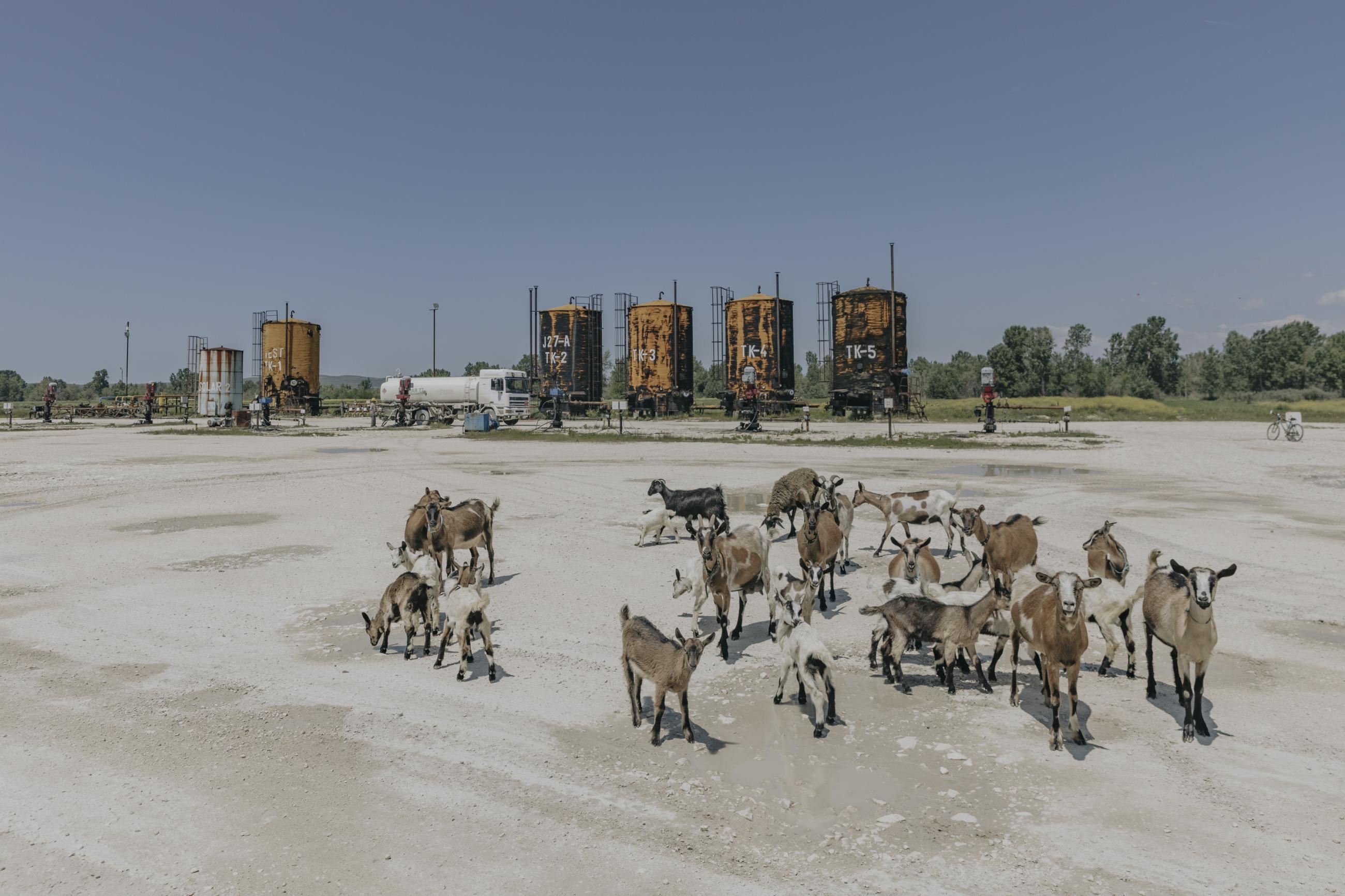
A herd of goats in front of Bankers Well J27-A. The well is located just 200 metres (650 feet) from the village of Belinë. Villagers complain about regular hydrogen sulphide emissions, a highly toxic gas that smells of rotten eggs.
© Jonas Kakó, Germany, Shortlist, Professional competition, Environment, 2024 Sony World Photography Awards
Untitled
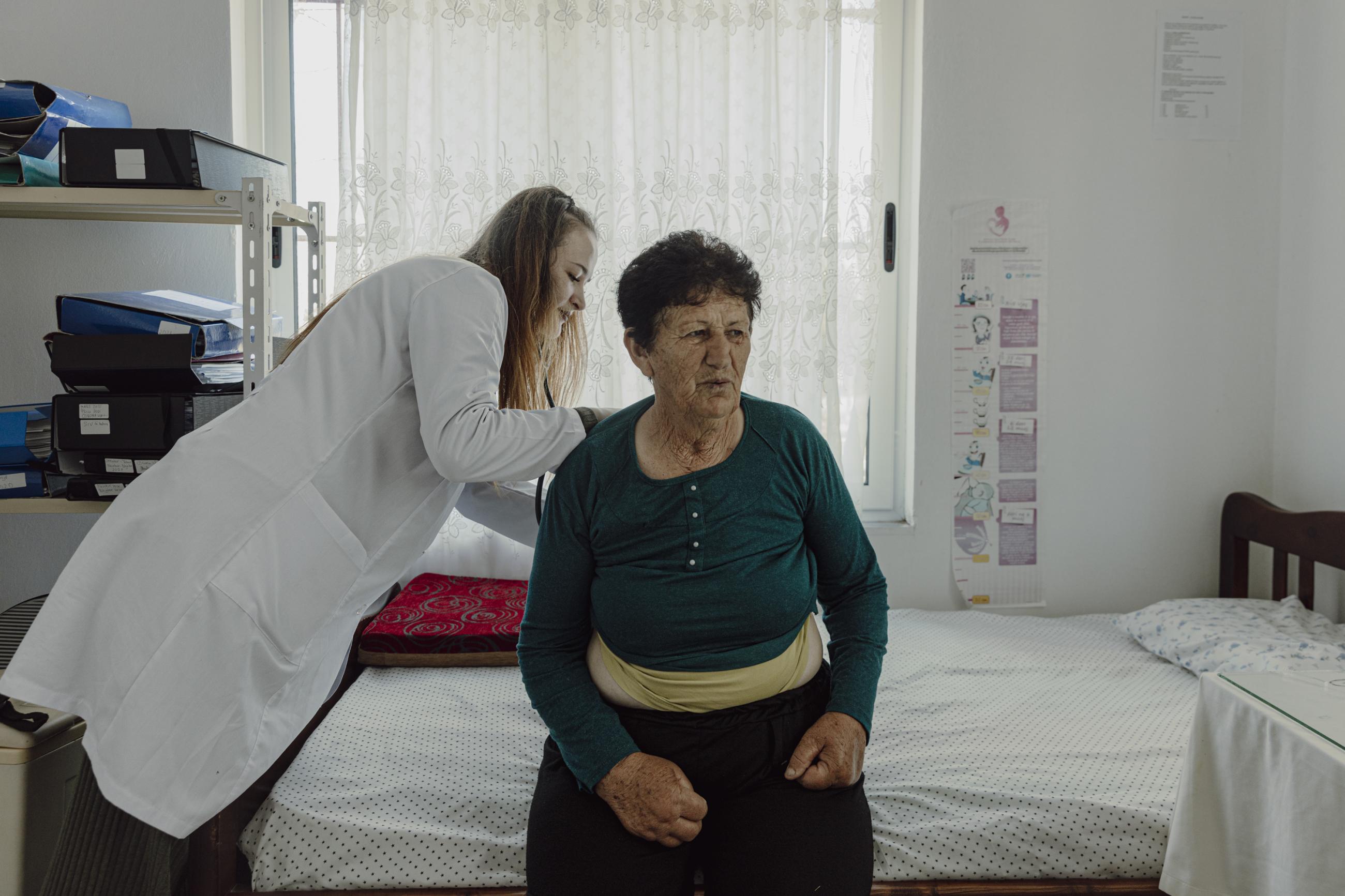
Nurse Elena checking the lung function of Drita Buzi at a state-run health facility in the village of Kallm i Madh. Many residents suffer from chronic lung diseases that are likely caused by exposure to noxious gases from the oil wells.
© Jonas Kakó, Germany, Shortlist, Professional competition, Environment, 2024 Sony World Photography Awards
Untitled
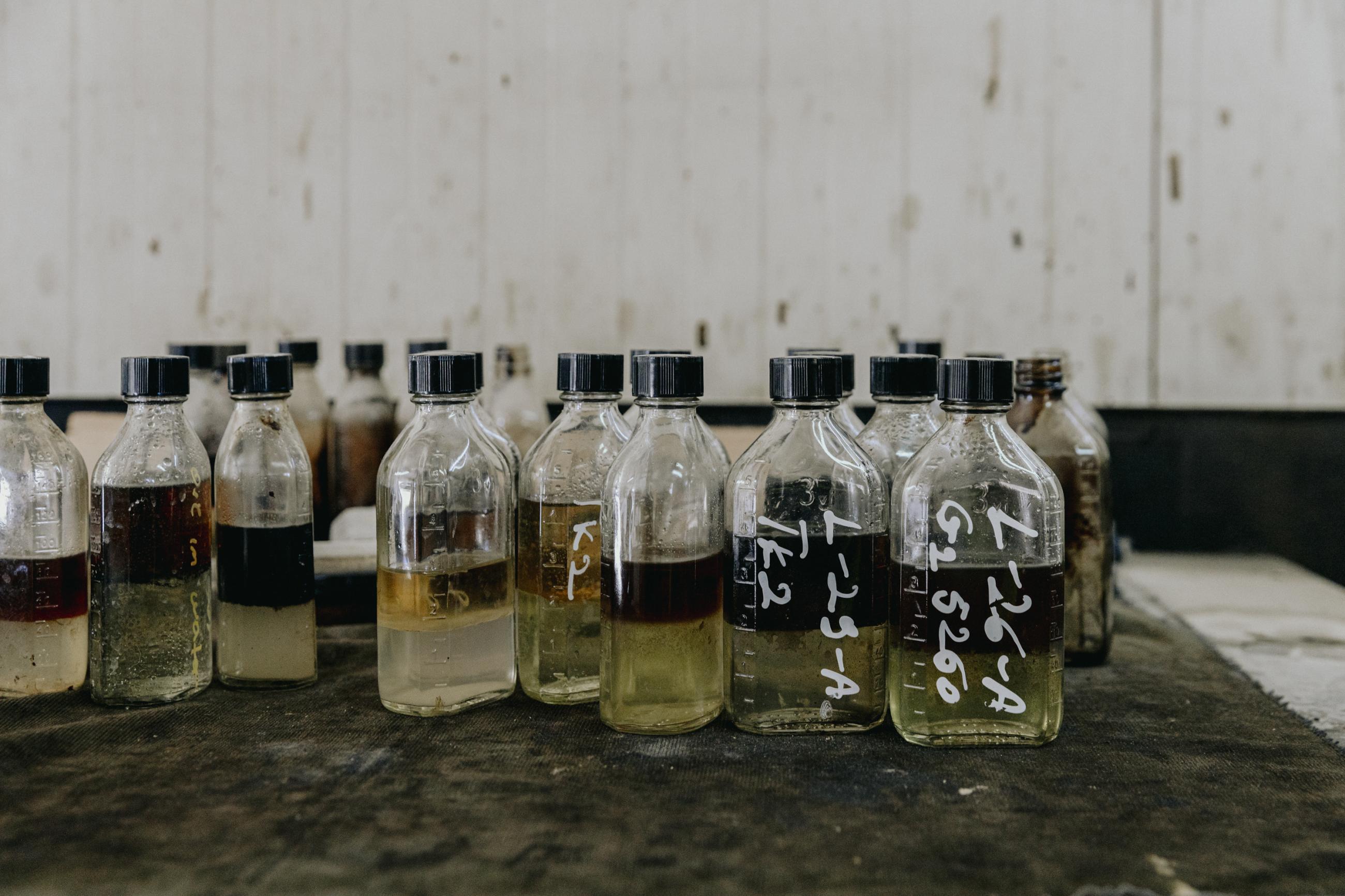
Liquid samples from the Bankers central treatment facility located in the centre of the Patos-Marinza oilfield where oil is separated from sand and water using xylene and benzene. The waste water gets pumped into local waterways.
© Jonas Kakó, Germany, Shortlist, Professional competition, Environment, 2024 Sony World Photography Awards
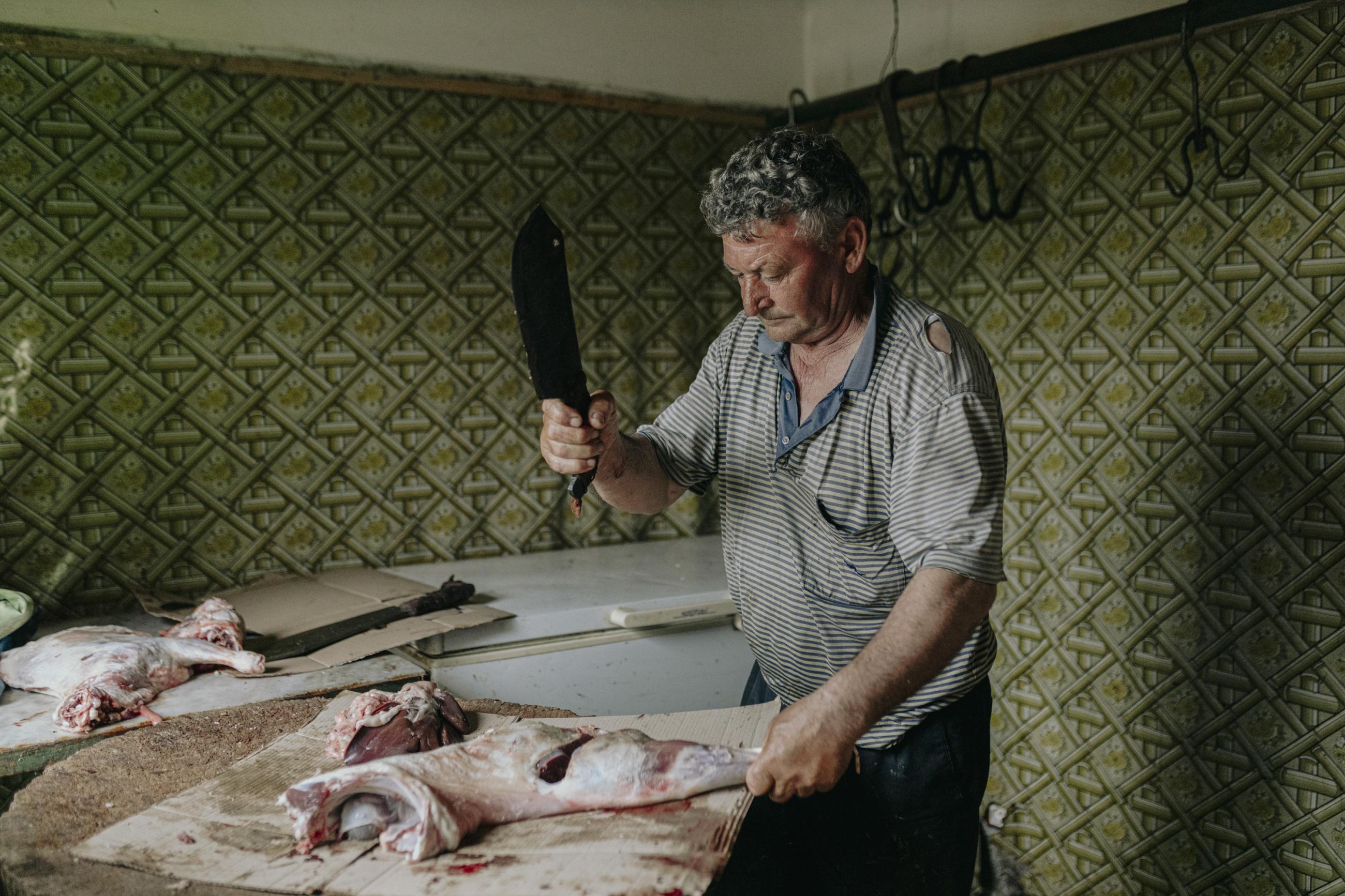
Untitled
Ylli Baho lives in Zharrëz, a village in close proximity to Bankers and Alpetrol oil wells. He frequently butchers sheep, goats and calves for family and friends. Produce from Zharrëz is considered to be contaminated by the oil, so local farmers struggle to sell their products.
© Jonas Kakó, Germany, Shortlist, Professional competition, Environment, 2024 Sony World Photography Awards
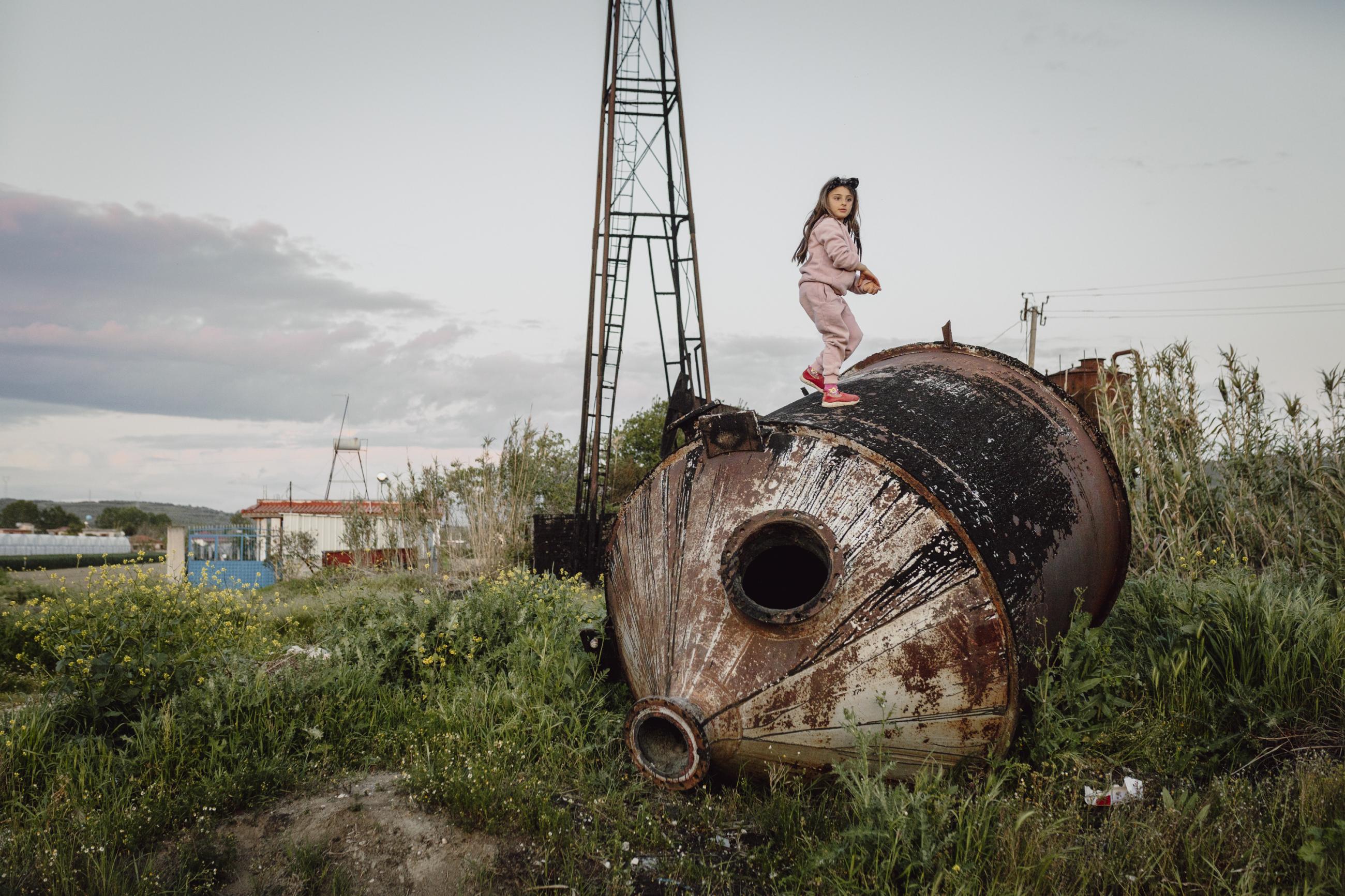
Untitled
A girl climbs on an old oil tank near a defunct oil well in the village of Zharrëz.
© Jonas Kakó, Germany, Shortlist, Professional competition, Environment, 2024 Sony World Photography Awards
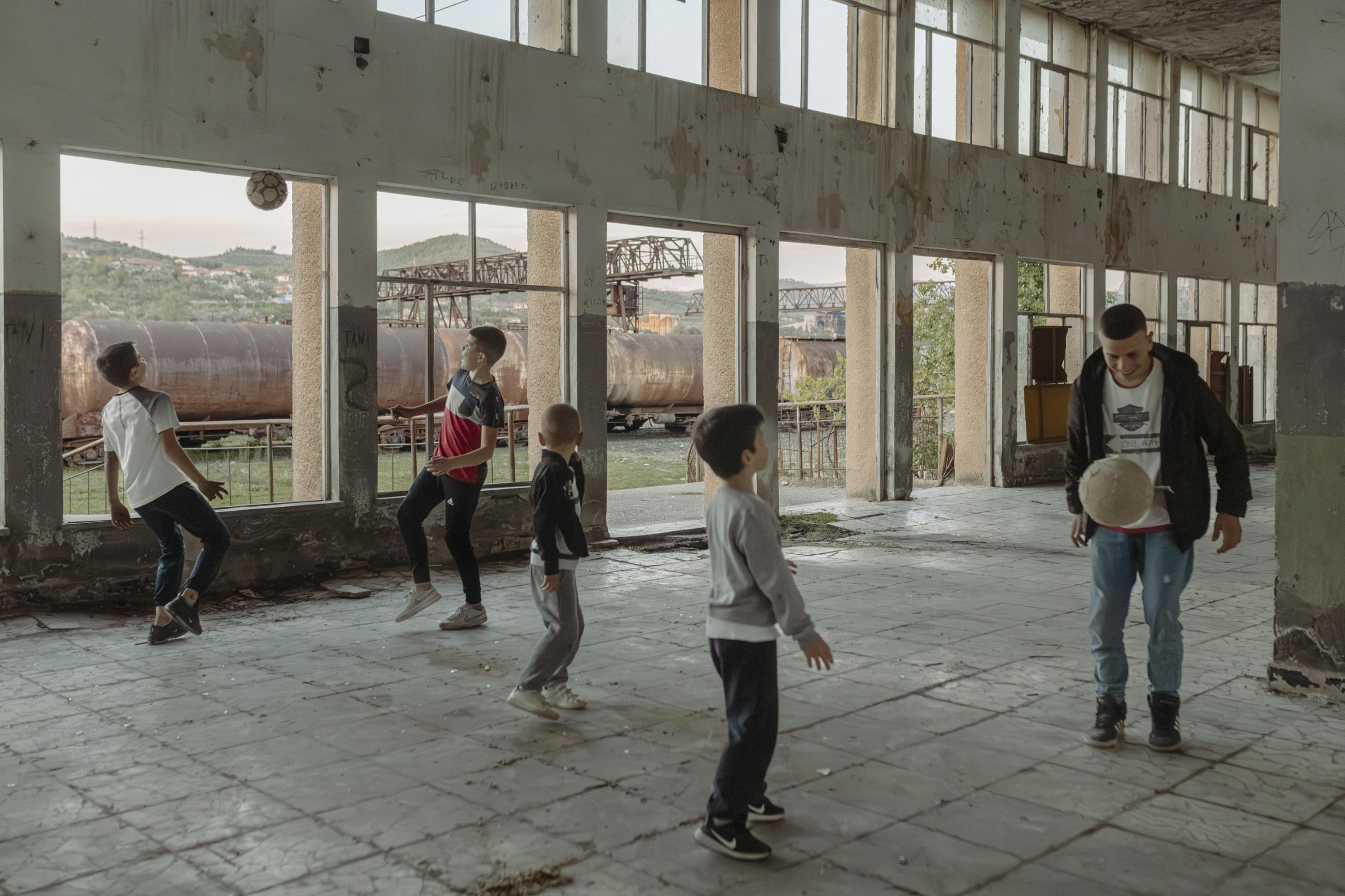
Untitled
Boys playing football in Ballsh’s abandoned train station. Ballsh is a former industrial city where oil from nearby fields was refined, but due to mismanagement the refinery was closed and people have started to move away.
© Jonas Kakó, Germany, Shortlist, Professional competition, Environment, 2024 Sony World Photography Awards
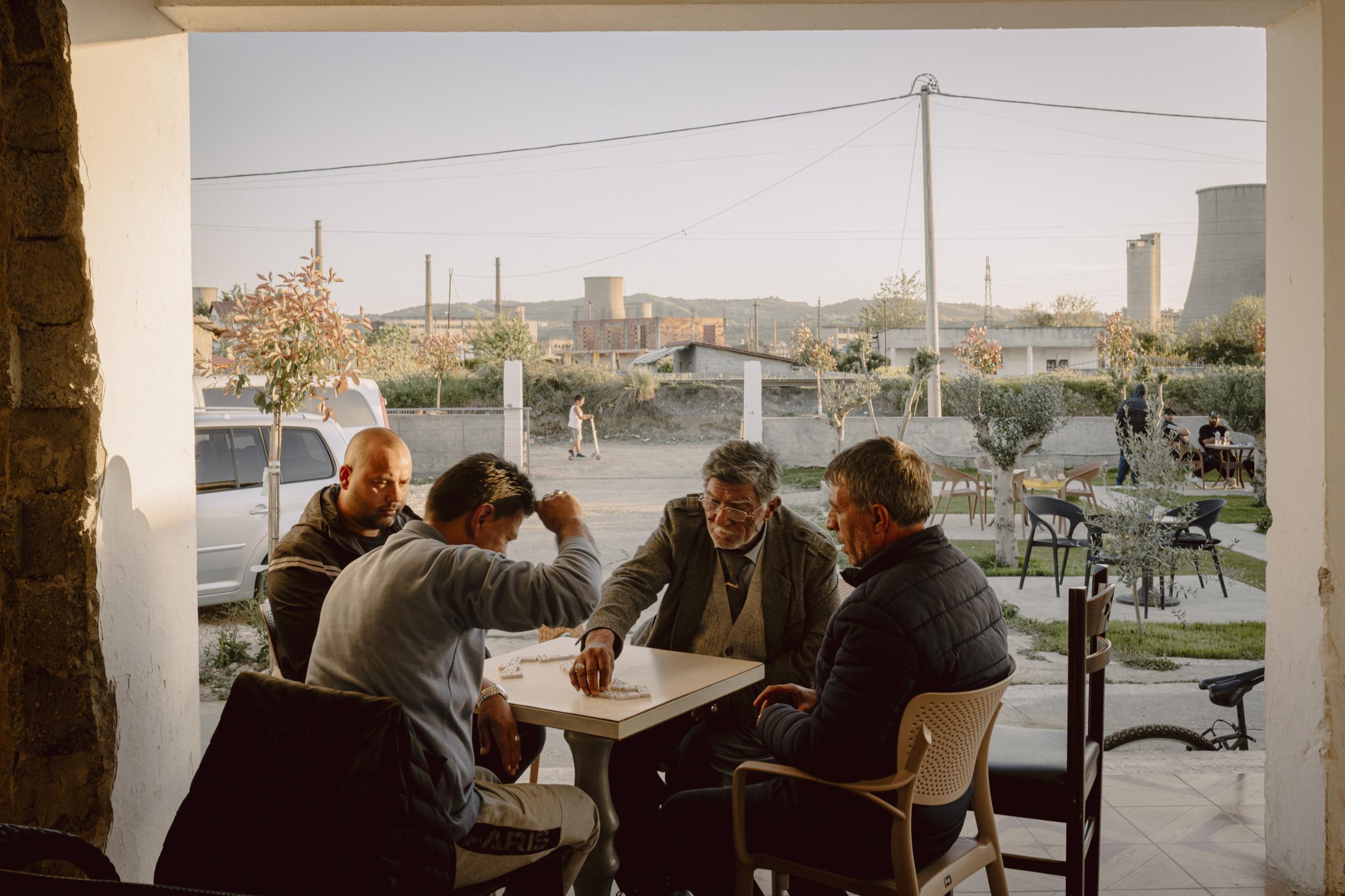
Untitled
Residents of the Roma quarter in Fier playing dominoes at a local bar. The area is close to a refinery where oil and chemical pollutants are discharged into the Ganica river, which is now considered dead. The smell of gas and oil is ever present and many residents show signs of oil-related conditions.
© Jonas Kakó, Germany, Shortlist, Professional competition, Environment, 2024 Sony World Photography Awards
Untitled
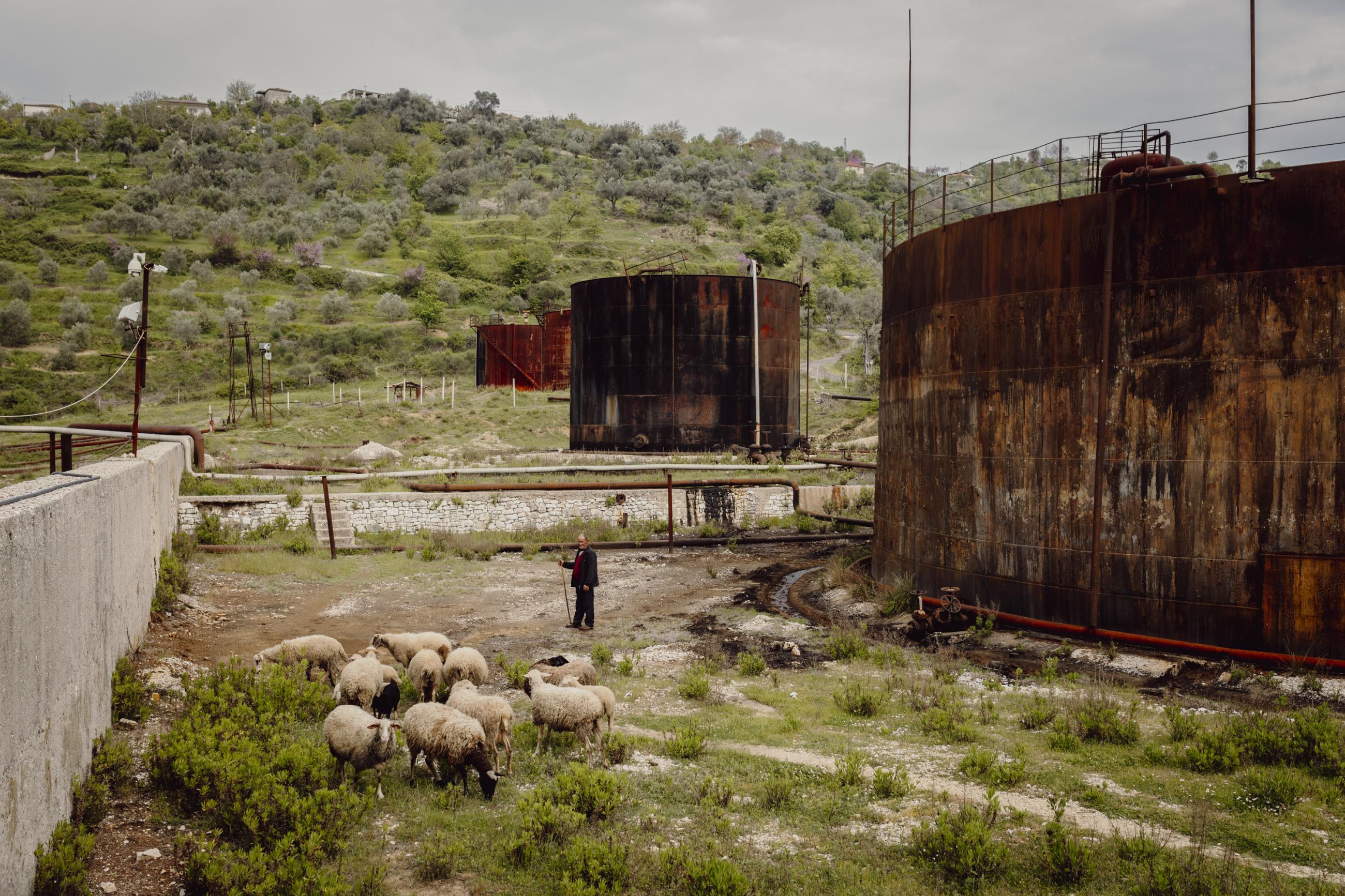
Arben Cela, a retired worker from the local refinery, tends his sheep at the Alpetrol oil treatment facility near Ballsh. The smell of gas and oil is always present.
© Jonas Kakó, Germany, Shortlist, Professional competition, Environment, 2024 Sony World Photography Awards