

Back to Architecture & Design
Architecture & Design Shortlist
Couvent Sainte Marie de la Tourette
Joseph Horton
Series description
In 1986, the convent of La Tourette in Éveux, by the great architect Le Corbusier, was elected the second most important contemporary building in France. The convent was built between 1953 and 1960 and is the last major work of the architect in France, making it a must-see building for architecture lovers. I visited in the heat of summer and was immediately transfixed with its presence in the landscape. Jutting from the hillside, its views spread over the valley and provide the inhabitants with a connection to the land that they dwell in. Outside the building are woodlands and meadows with nature’s soft design, but within the building all I could see was Corbusier’s obsession with formality and shape. It was a fantastic building to photograph and my aim was to show the viewer how it felt as you navigated its channels and spaces.
Biography
I'm a British photographer working on projects across Europe with an interest in cultural and environmental identity. My work often focus on our custodian role in the Anthropocene era and reflects how we both affect and are affected by the environments we inhabit. My long term projects are made in areas of cultural conflict, using the dense cultural complexity found when our natural spaces interact with our modern world.
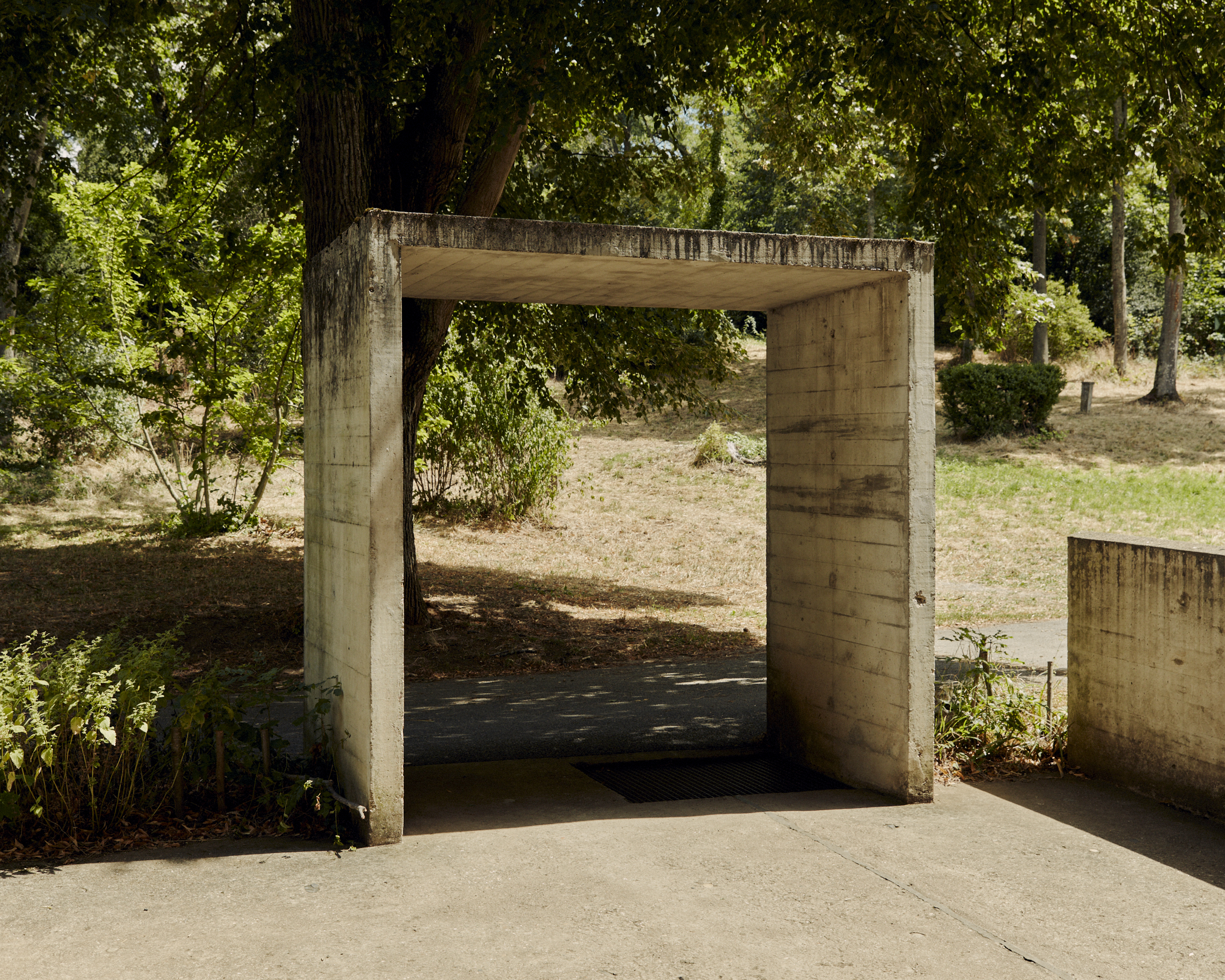
Untitled
The entrance arch was inspired by the Vitruvian Man.
© Joseph Horton, United Kingdom, Shortlist, Professional competition, Architecture & Design, 2024 Sony World Photography Awards
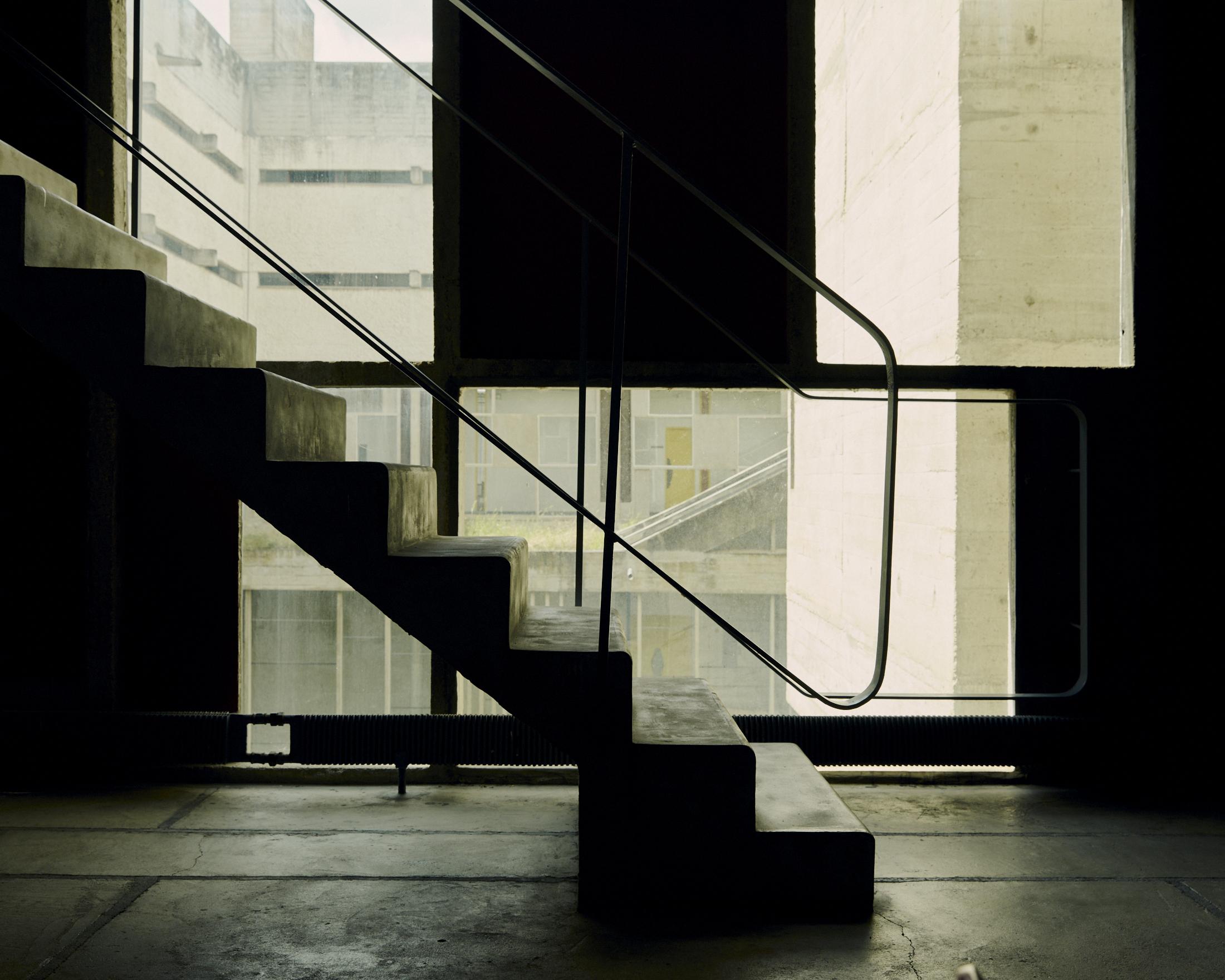
Untitled
The stairs used to connect the library to the dormitories.
© Joseph Horton, United Kingdom, Shortlist, Professional competition, Architecture & Design, 2024 Sony World Photography Awards
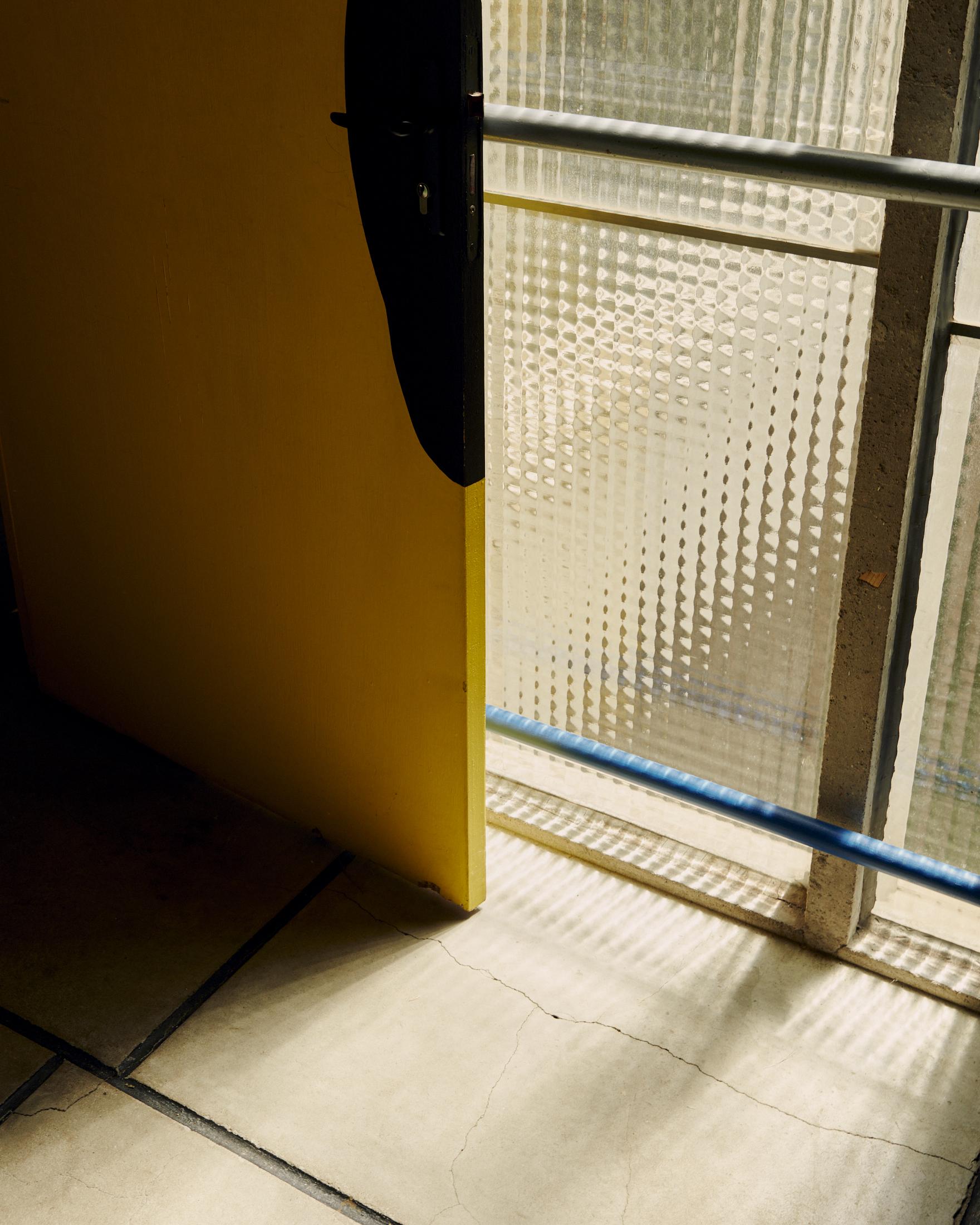
Untitled
A detail revealing how light enters the building and how purposeful choices of colour connect you to objects. All of the pipes and infrastructure are labelled by colour, such as blue to indicate a cold water pipe.
© Joseph Horton, United Kingdom, Shortlist, Professional competition, Architecture & Design, 2024 Sony World Photography Awards
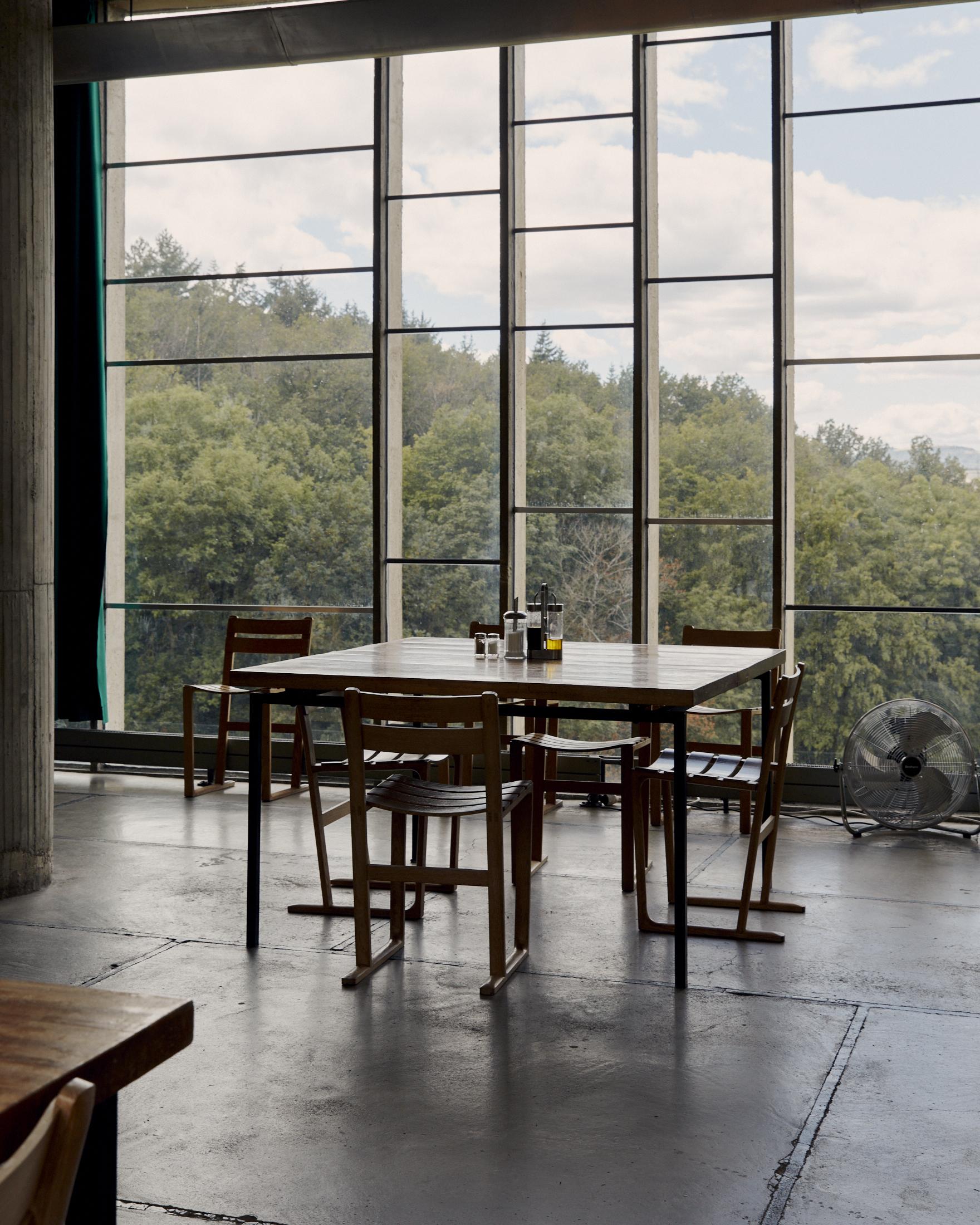
Untitled
Views from the canteen where the monks sit and share food.
© Joseph Horton, United Kingdom, Shortlist, Professional competition, Architecture & Design, 2024 Sony World Photography Awards
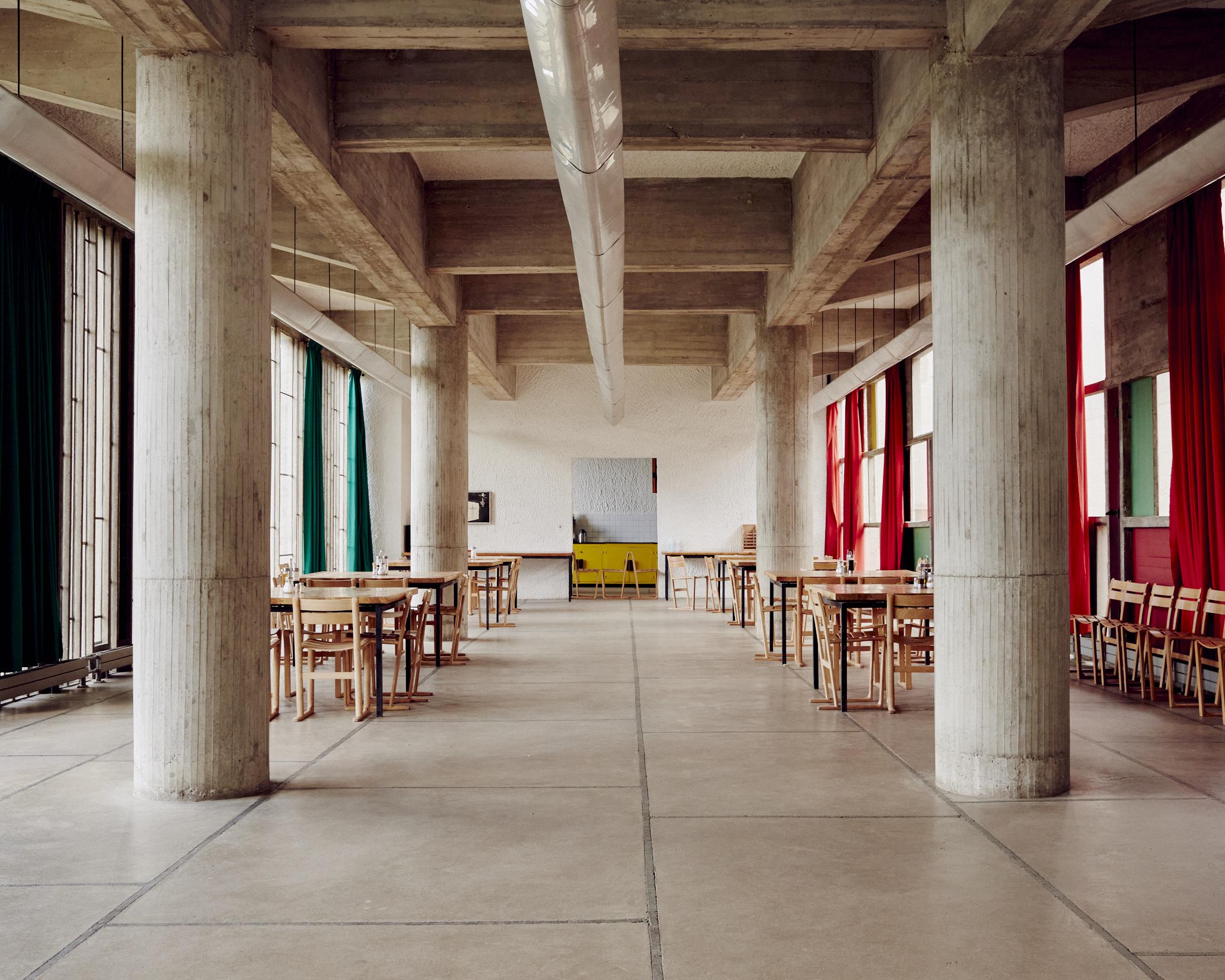
Untitled
A wide view of the canteen, showcasing the raw design of the building.
© Joseph Horton, United Kingdom, Shortlist, Professional competition, Architecture & Design, 2024 Sony World Photography Awards
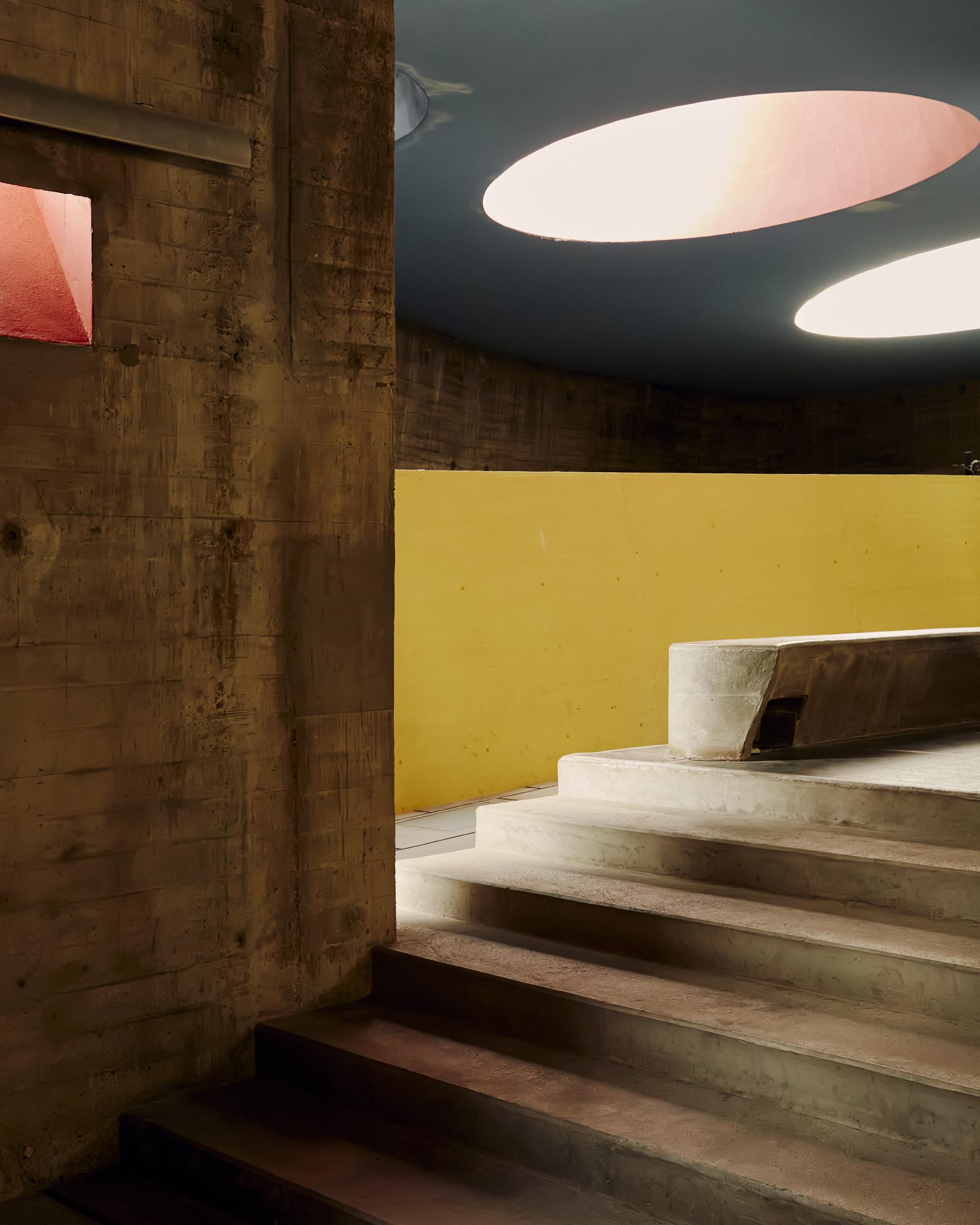
Untitled
An example of how light and colour interact. There is no stained glass in the chapel, only channels through the thick concrete walls that allow the light in. The colour is generated by painting the inside of these channels to give the effect of stained glass.
© Joseph Horton, United Kingdom, Shortlist, Professional competition, Architecture & Design, 2024 Sony World Photography Awards
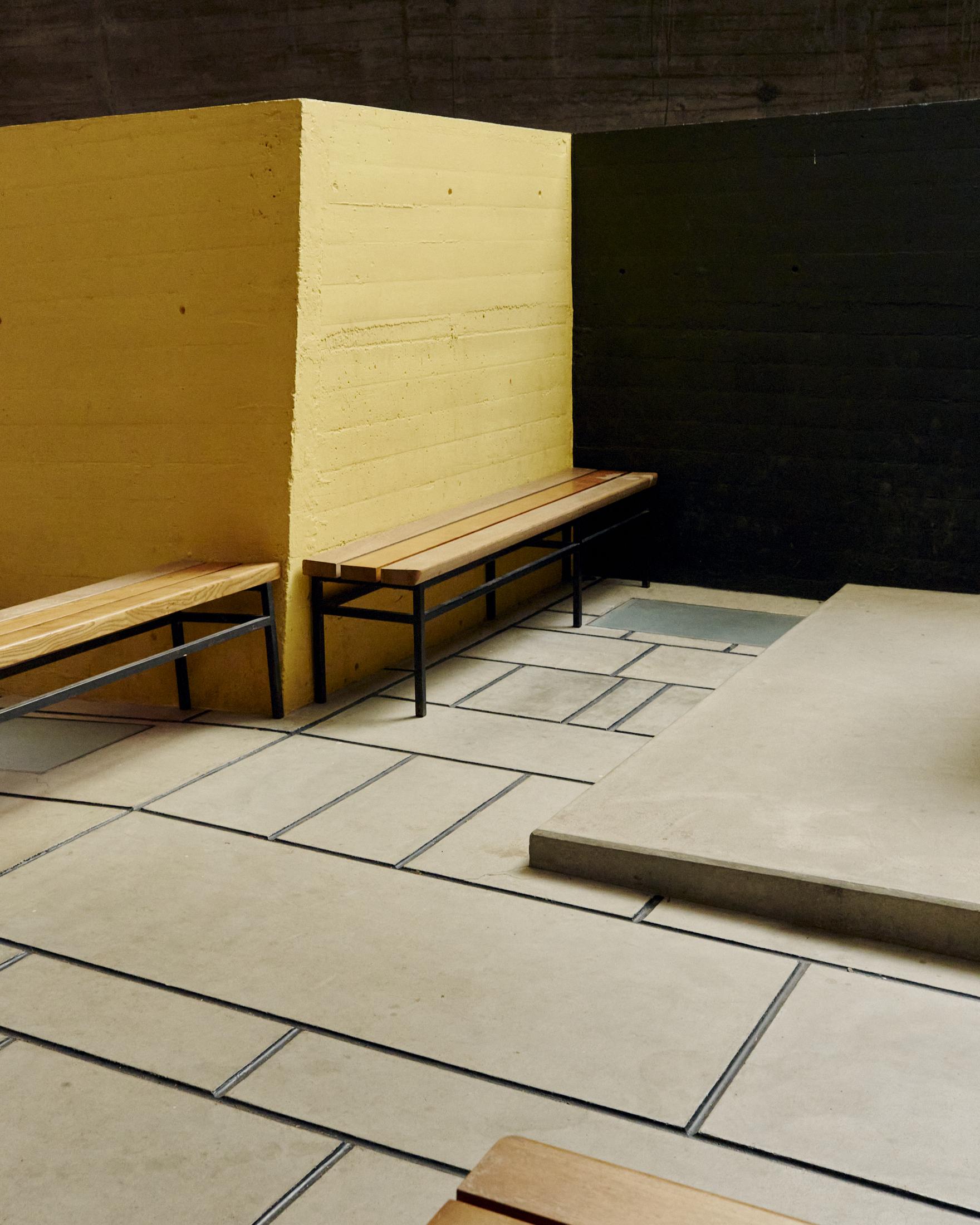
Untitled
A detail of the floor that runs throughout the building.
© Joseph Horton, United Kingdom, Shortlist, Professional competition, Architecture & Design, 2024 Sony World Photography Awards
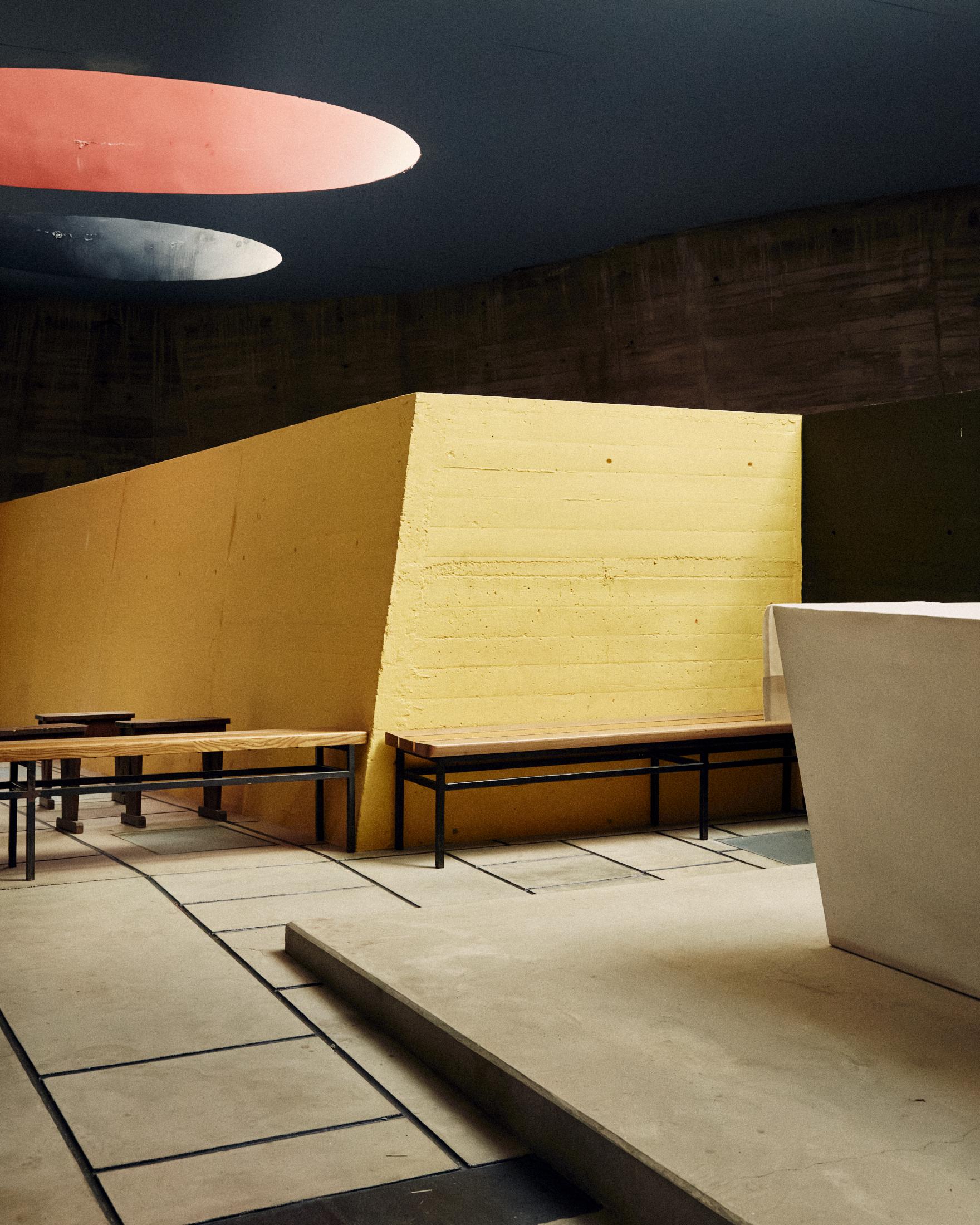
Untitled
The altar can be seen at the right-side of this photograph and the pews flow out of the scene to the left. Above is another example of painted channels that allow light to cascade into the otherwise dark room. Colour, form and symmetry are combined here to reveal the building’s complexity.
© Joseph Horton, United Kingdom, Shortlist, Professional competition, Architecture & Design, 2024 Sony World Photography Awards