

Back to Architecture & Design
Architecture & Design Shortlist
The Space of Czechoslovakia
Maciej Czarnecki
Series description
This photographic series presents modernist interiors in former Czechoslovakia, capturing the unique heritage of the communist era, which is preserved in the Czech Republic and Slovakia better than anywhere else. The photographs were taken during six trips to both countries, and involved both careful planned and accidentally discovered locations. The series includes several dozen locations, each reflecting the cultural tendency of the inhabitants of the Czech Republic and Slovakia to preserve the original appearance of the interiors. These interiors are saturated with nuances related to space-age architecture, the space race and the Cold War. They reflect the authentic atmosphere of the era, preserving details such as the original furniture, decorations and colours, despite the passage of time. Together they create a unique image of the area’s modernist heritage, which is a testimony to the historical and cultural richness of the Czech Republic and Slovakia.
Biography
I photograph and popularize modernist architecture. I am interested in everything that happened in the avant-garde architecture of the 20th century. I am most interested in space age, ideology architecture and hotel architecture. In my works, in addition to documenting disappearing heritage, I try to read the compositional intentions of architects and then reinterpret them.
I conduct photography and architectural walks, take part in lectures, debates and podcasts. I write e-books and have had photographic exhibitions in Poland and Germany.
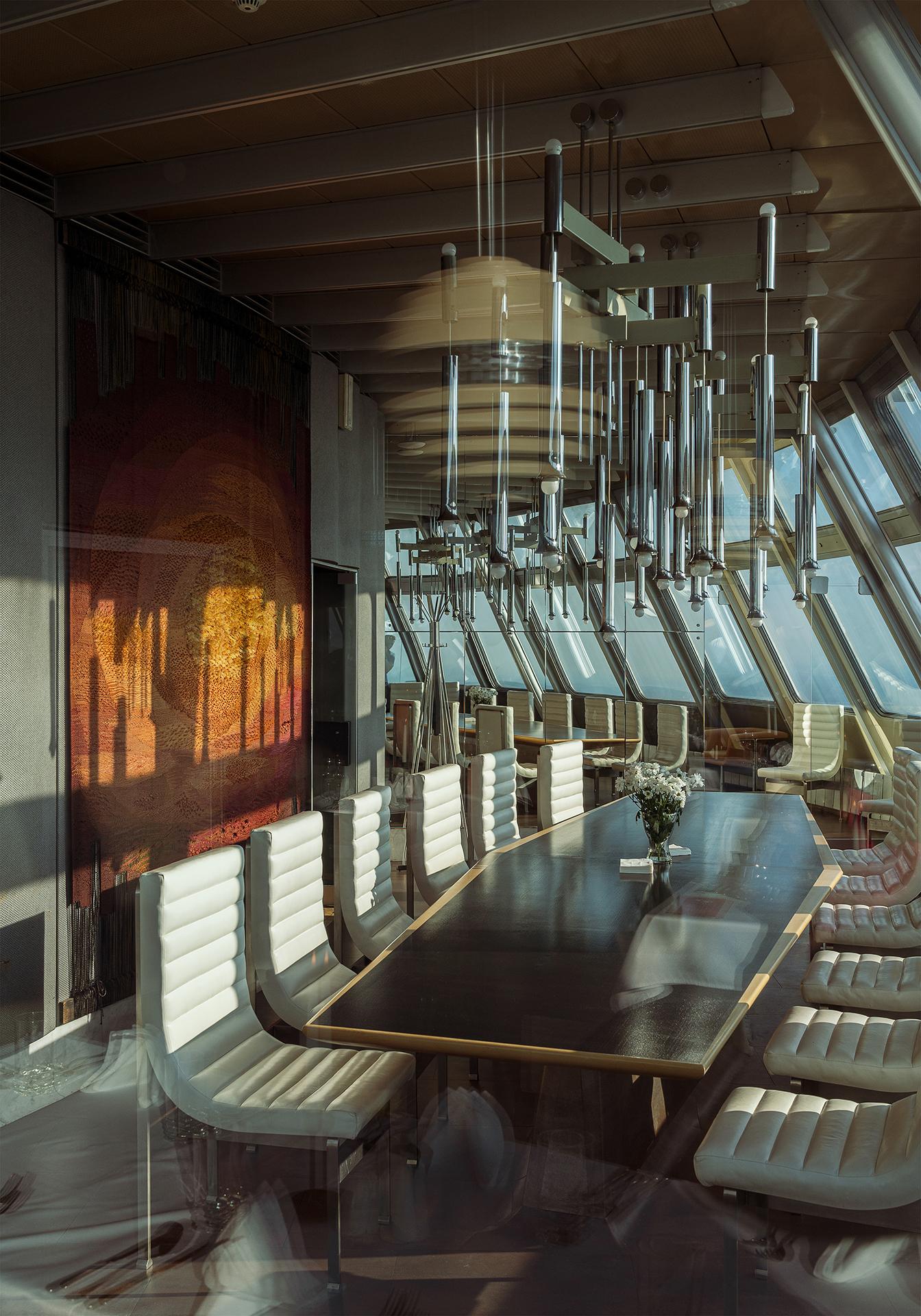
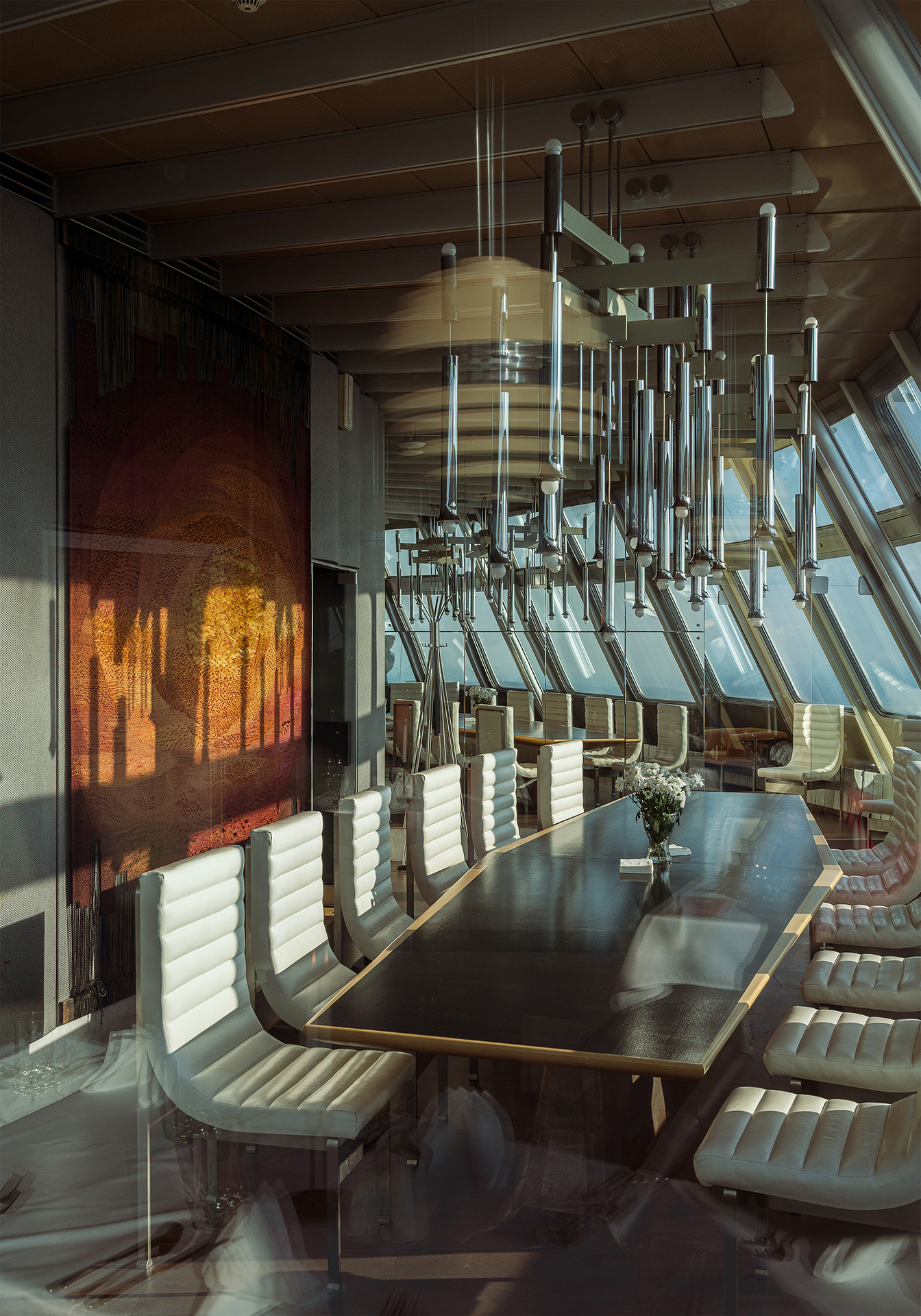
Hotel Ještěd
The famous hotel and television transmitter on the top of Mount Ještěd was the winner of the prestigious Auguste Perret Prize, but the architects could not receive it due to their restricted ability to travel in the era of the Iron Curtain. It was the construction aspects that were appreciated primarily; in recent years some of the interior has been renovated and reconstructed.
© Maciej Czarnecki, Poland, Shortlist, Professional competition, Architecture & Design, 2024 Sony World Photography Awards
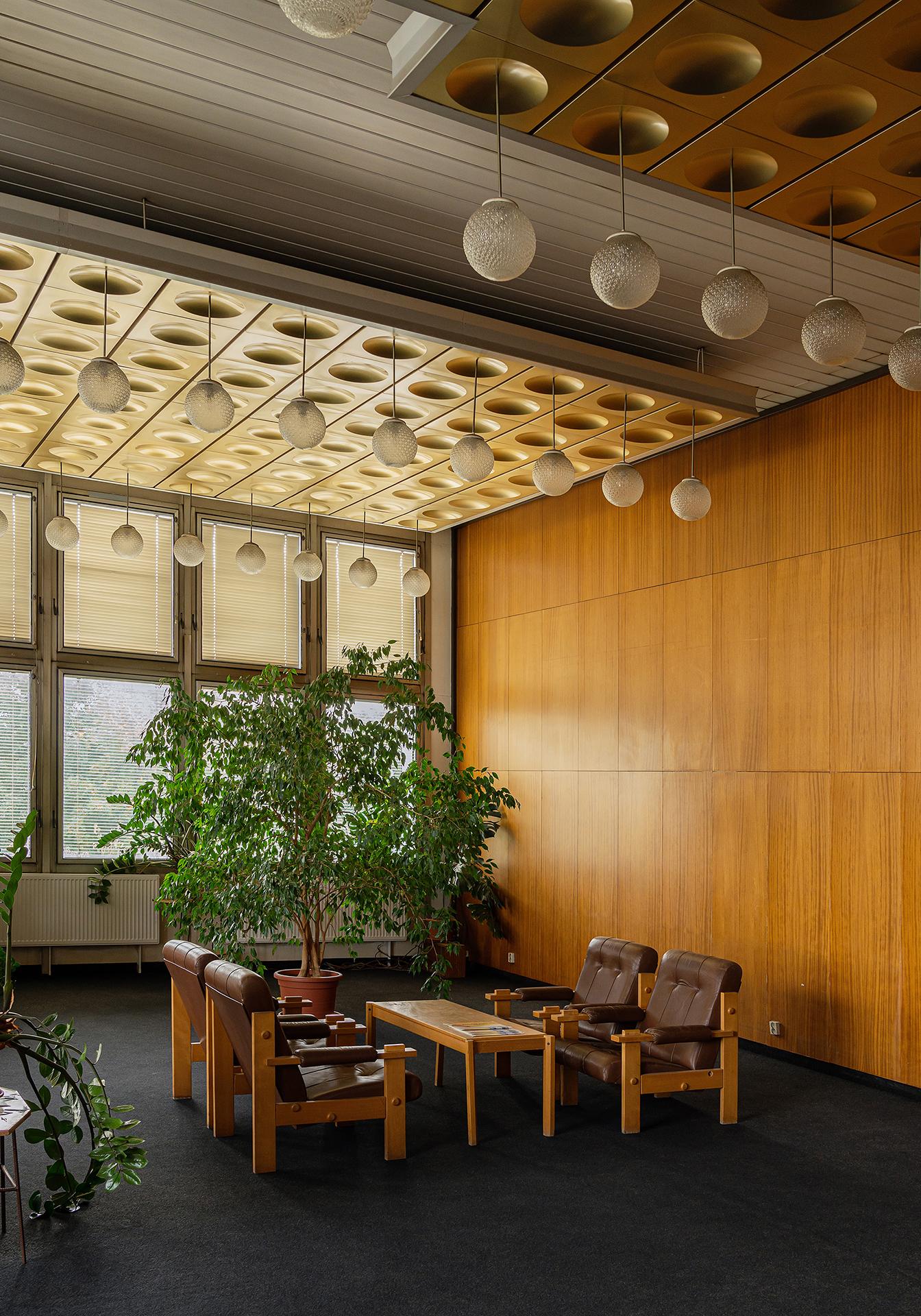
Autoexport
An accidentally discovered interior in the former office building of the Autoexport company. On both floors it has been preserved in almost perfect condition, including furniture, ceramic decorations, wainscoting, ceiling coffers, lamps, flip clocks and electrical appliances in the reception area.
© Maciej Czarnecki, Poland, Shortlist, Professional competition, Architecture & Design, 2024 Sony World Photography Awards
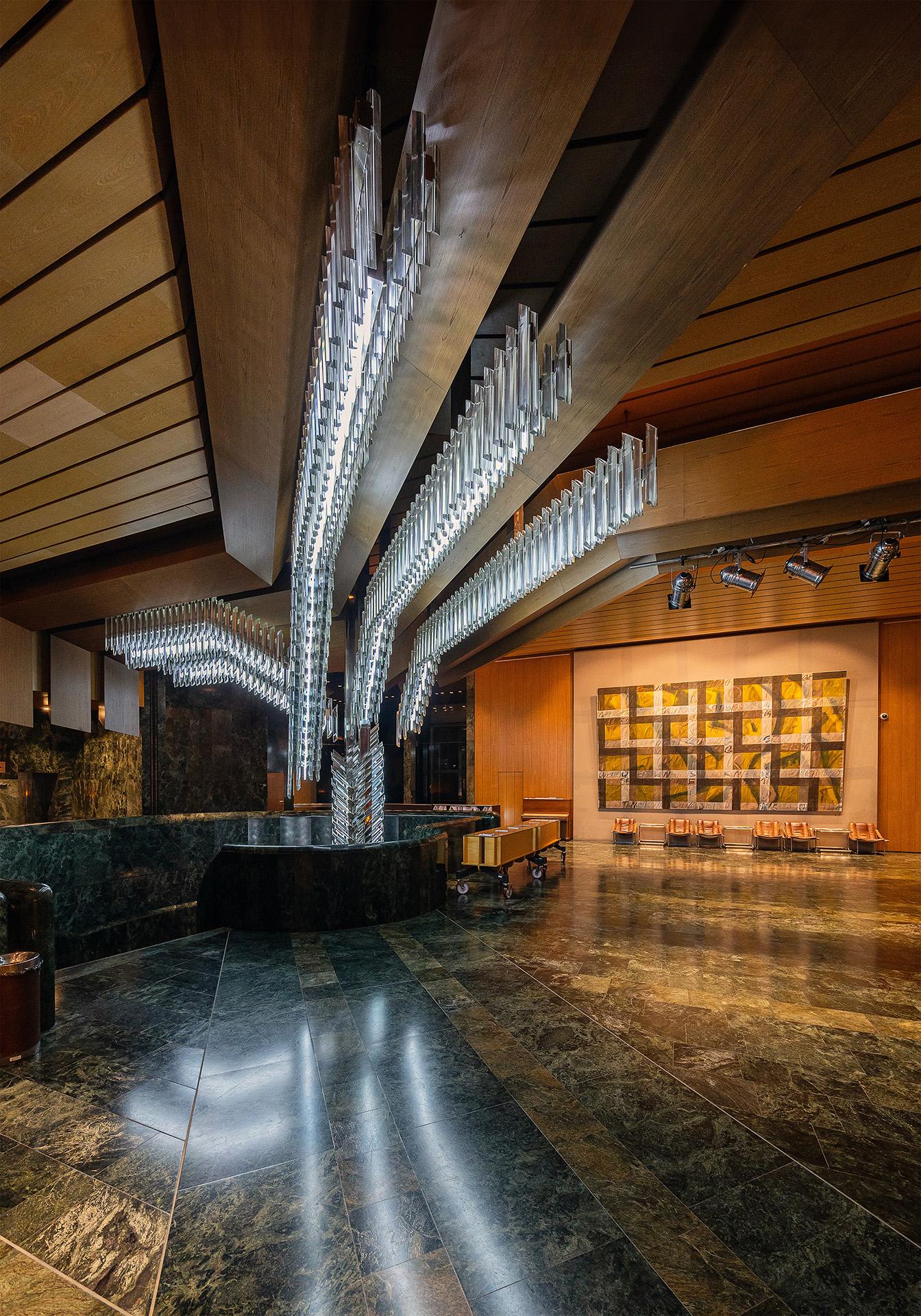
Nová Scéna
The interior of the foyer of the New Stage theatre building in Prague contains green marble, original furniture, an abstract canvas and a spectacular crystal glass chandelier that runs through the core of the spiral staircase for four floors.
© Maciej Czarnecki, Poland, Shortlist, Professional competition, Architecture & Design, 2024 Sony World Photography Awards
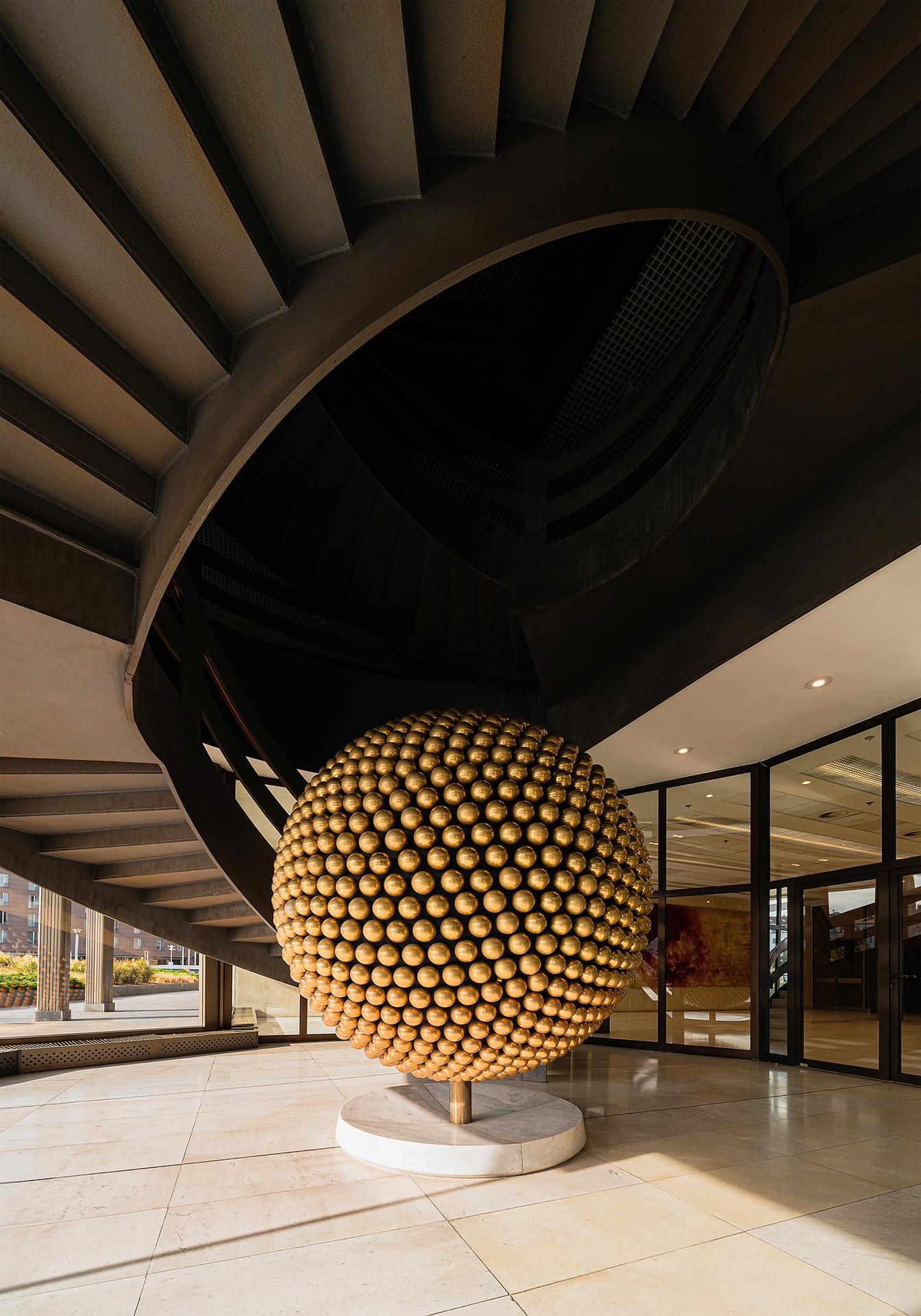
Congress Centre
The Prague Congress Center is an exhibition facility. Spaces like this were created en masse throughout the Eastern Bloc between the 1960s and 1990s, to host exhibitions that were an alternative to the expos in the West. The building still serves its purpose today, organising various events on an ongoing basis.
© Maciej Czarnecki, Poland, Shortlist, Professional competition, Architecture & Design, 2024 Sony World Photography Awards
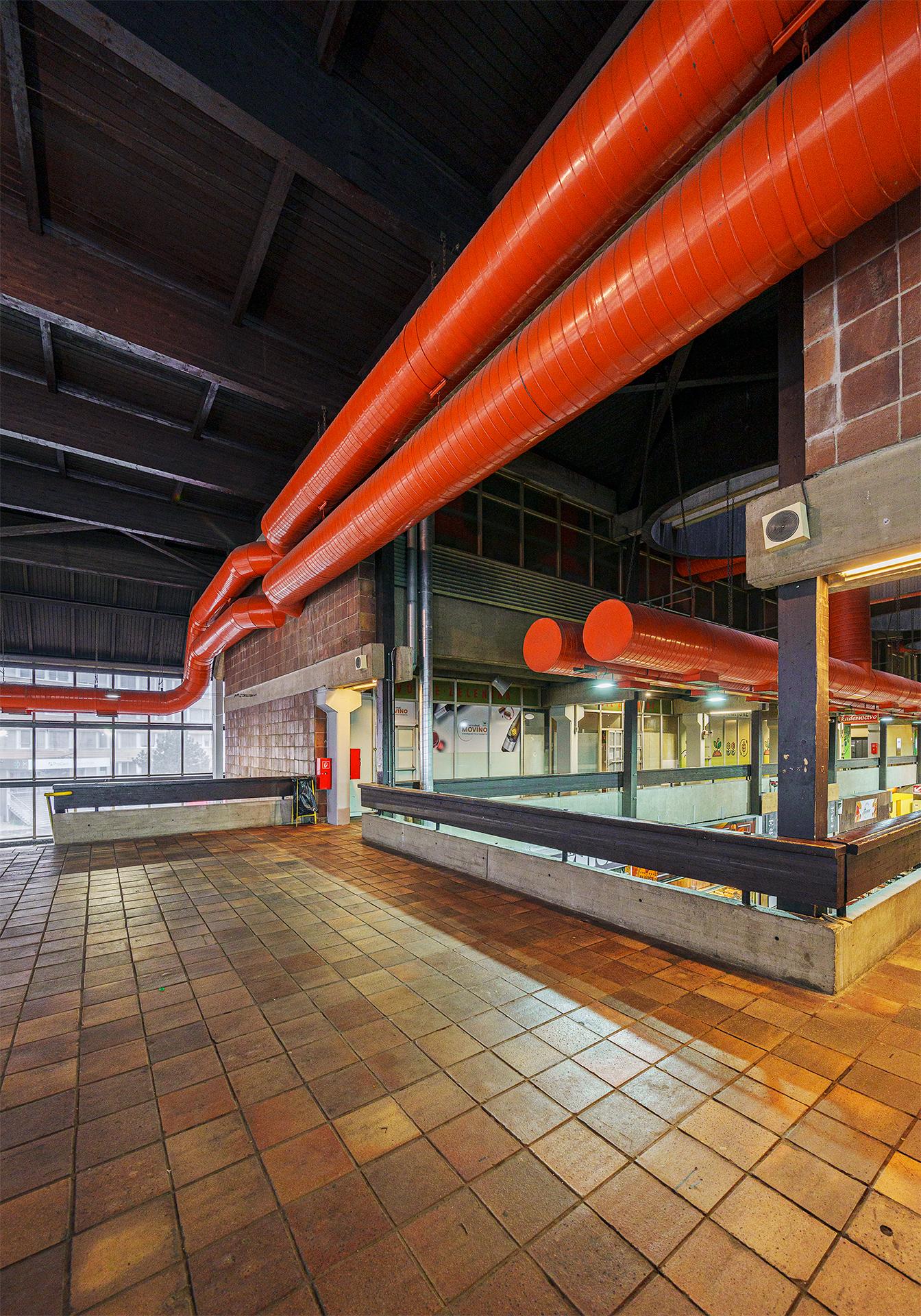
Nová Tržnica
New Market Hall in Bratislava is also known as the ‘Slovak Centre Pompidou’. The bold and modern high-tech facility is characterised by its raw architecture, exposed structure and contrasting colour installations.
© Maciej Czarnecki, Poland, Shortlist, Professional competition, Architecture & Design, 2024 Sony World Photography Awards
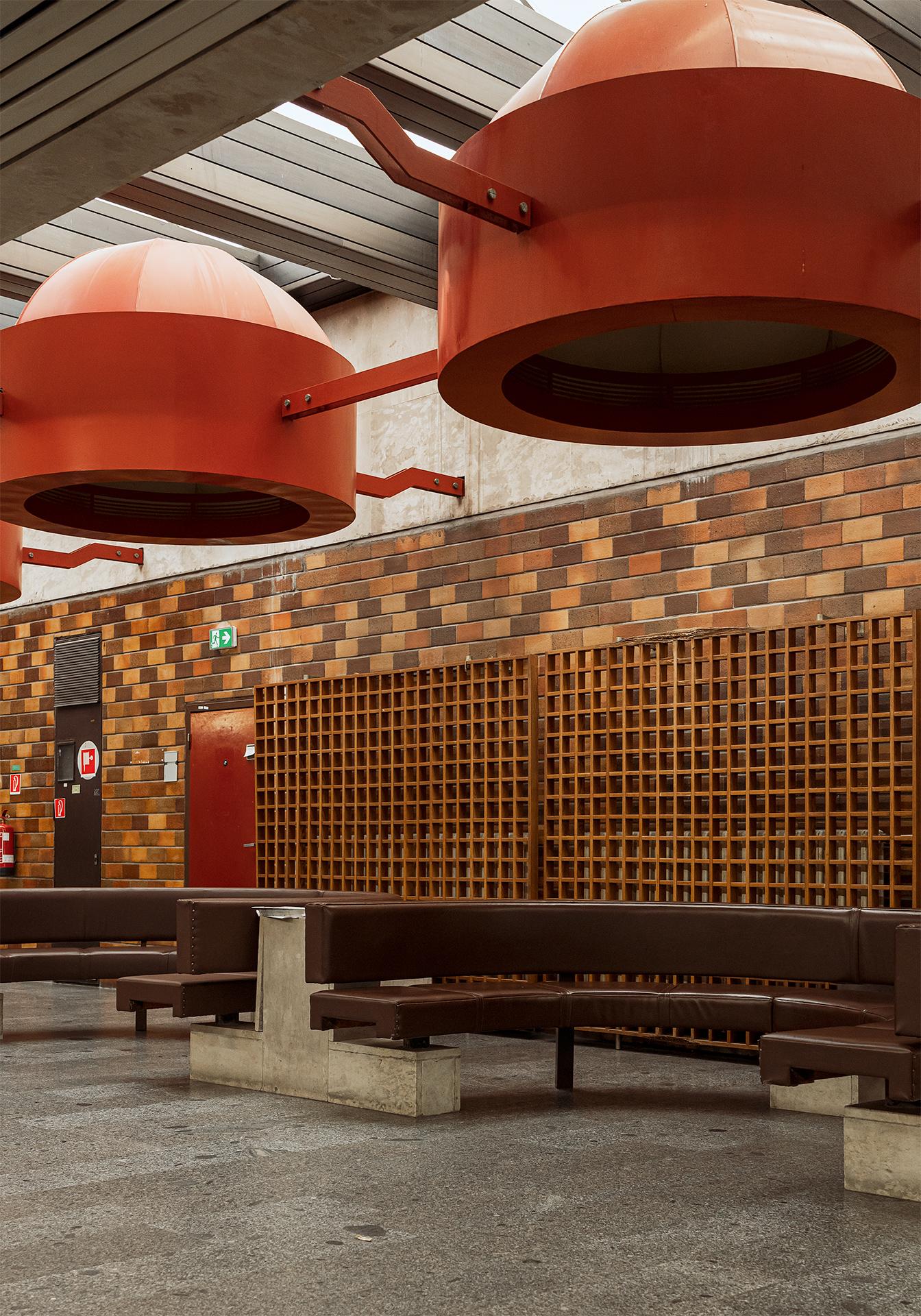
Slovenský Rozhlas
The interior of the Slovak Radio building is preserved in very good condition, and a few years ago it was declared a national historic monument. In the Czech Republic and Slovakia, modernist buildings are far more likely to receive protection than they are in neighbouring countries.
© Maciej Czarnecki, Poland, Shortlist, Professional competition, Architecture & Design, 2024 Sony World Photography Awards
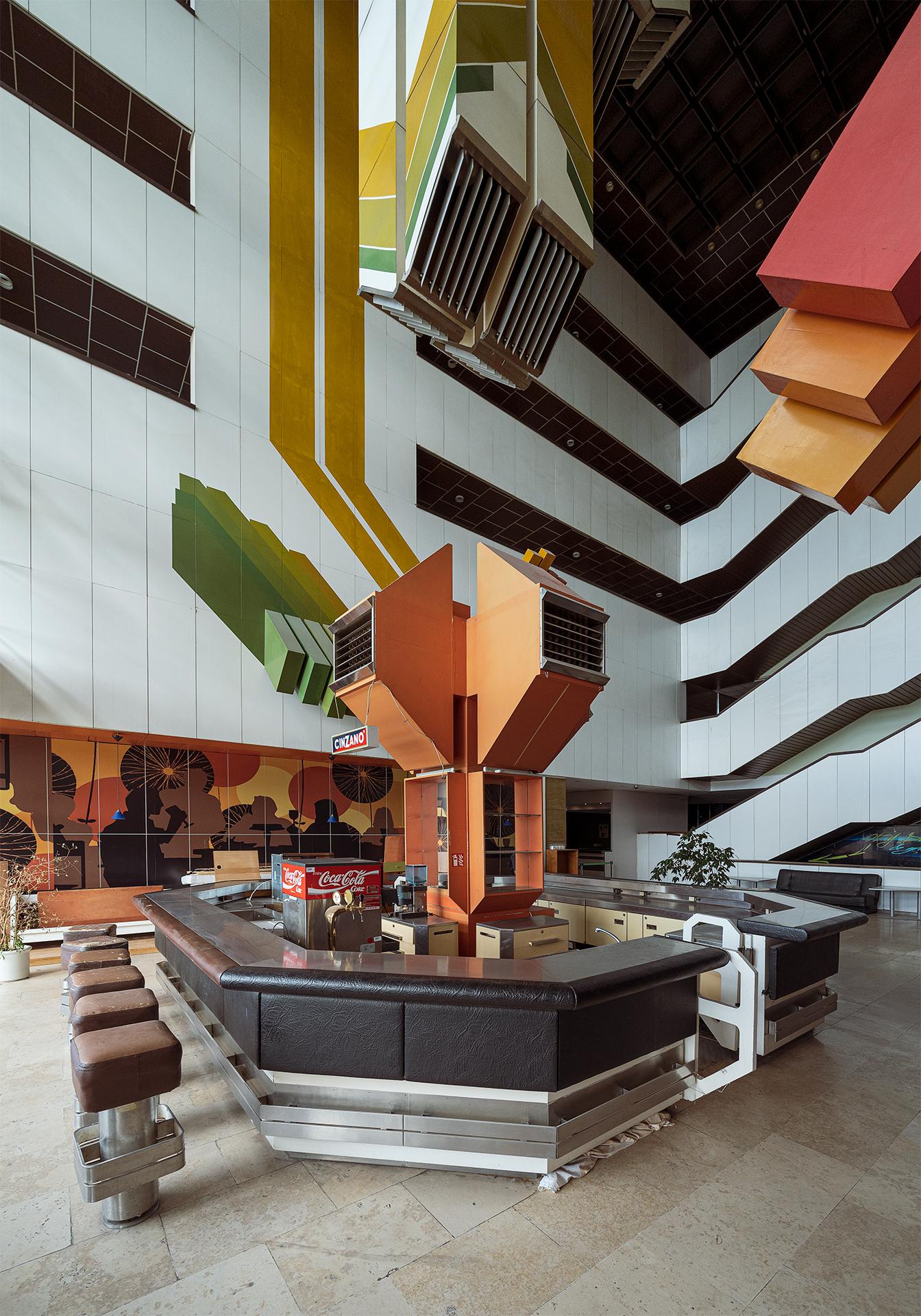
Hotel Sputnik
A former hotel of the communist youth club. Today it operates on a commercial basis, but is unable to compete with modern hotels. However, it has retained its amazing, cosmic bar room, which is like a set from a Stanley Kubrick film.
© Maciej Czarnecki, Poland, Shortlist, Professional competition, Architecture & Design, 2024 Sony World Photography Awards
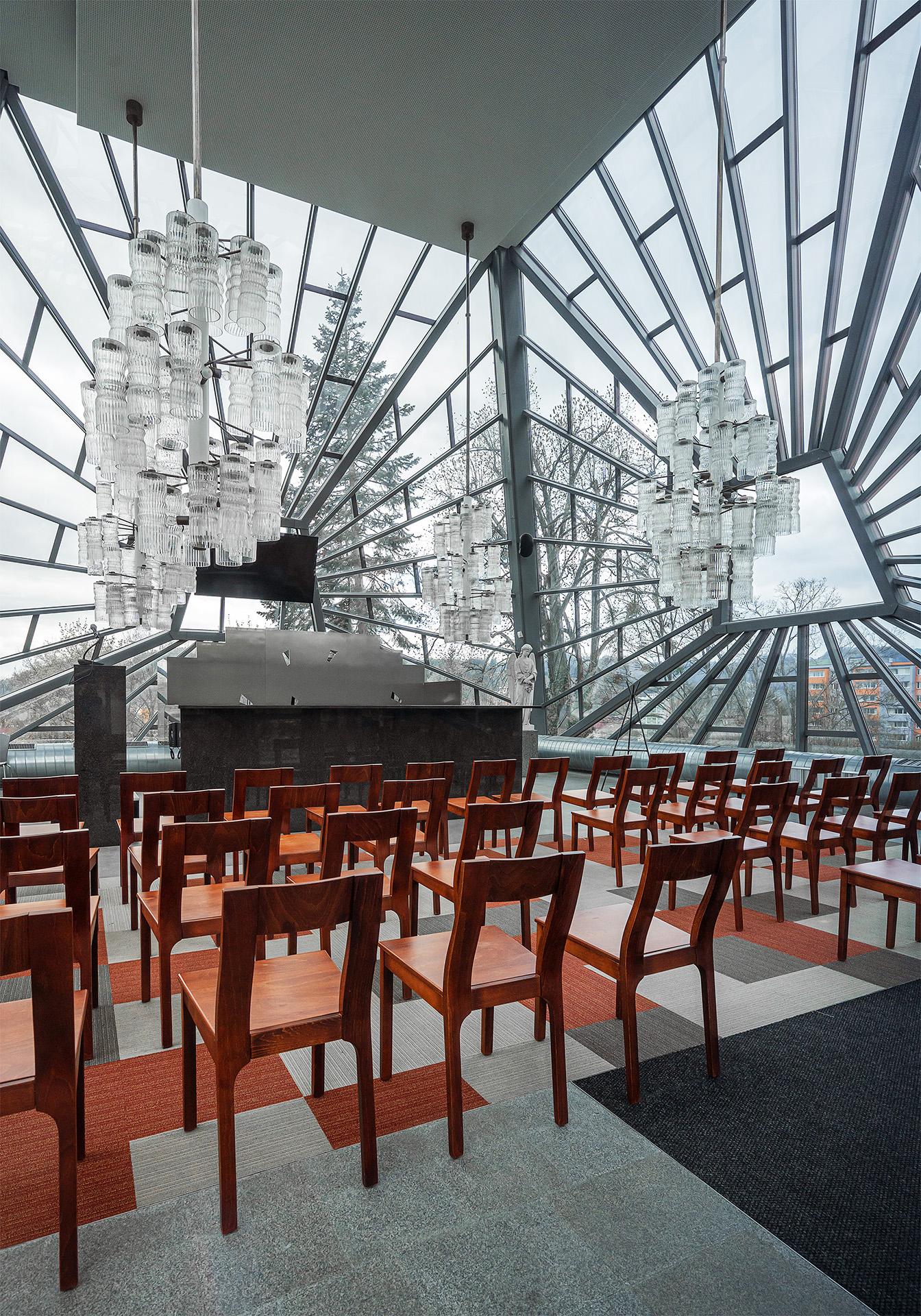
Smuteční Síň
Since the 1920s, the Czech Republic has had a quite distinct culture when it comes to burying the dead. After the war, there was a need to establish a large number of secular funeral homes and many of them were given unusual designs that did not correspond to typical religious forms. One such mourning house is located in the small town of Vsetín.
© Maciej Czarnecki, Poland, Shortlist, Professional competition, Architecture & Design, 2024 Sony World Photography Awards