

Back to Documentary Projects
Photographer of the Year
Spiralkampagnen: Forced Contraception and Unintended Sterilisation of Greenlandic Women
Juliette Pavy
Series description
Between 1966 and 1975, Greenlandic Inuit women were the victims of an involuntary birth control programme known as the Spiralkampagnen (spiral campaign). Led by the Danish authorities, nearly 4,500 intrauterine devices (‘coils’) were implanted into Inuit women and girls, some as young as 12, many of whom say that the procedure was performed without their consent. This campaign was first revealed by a Danish podcast in spring 2022, and documents now prove that the authorities implemented the policy to reduce Inuit population growth. An official investigation has now been opened, which is set to conclude at the end of 2024.
Biography
French photographer, Juliette is a graduate of the photojournalism program at EMI CFD in Paris. She regularly collaborates with the national press, including Le Monde, Liberation and Le Figaro. Since a few years, she has developed a photographic documentary approach to treat environmental and societal subjects. She co-founded the Collectif Hors Format. In 2023, she was awarded the UPP prize and the Françoise Demulder bursary for her report on the forced sterilization of women in Greenland.
Spiralkampagnen
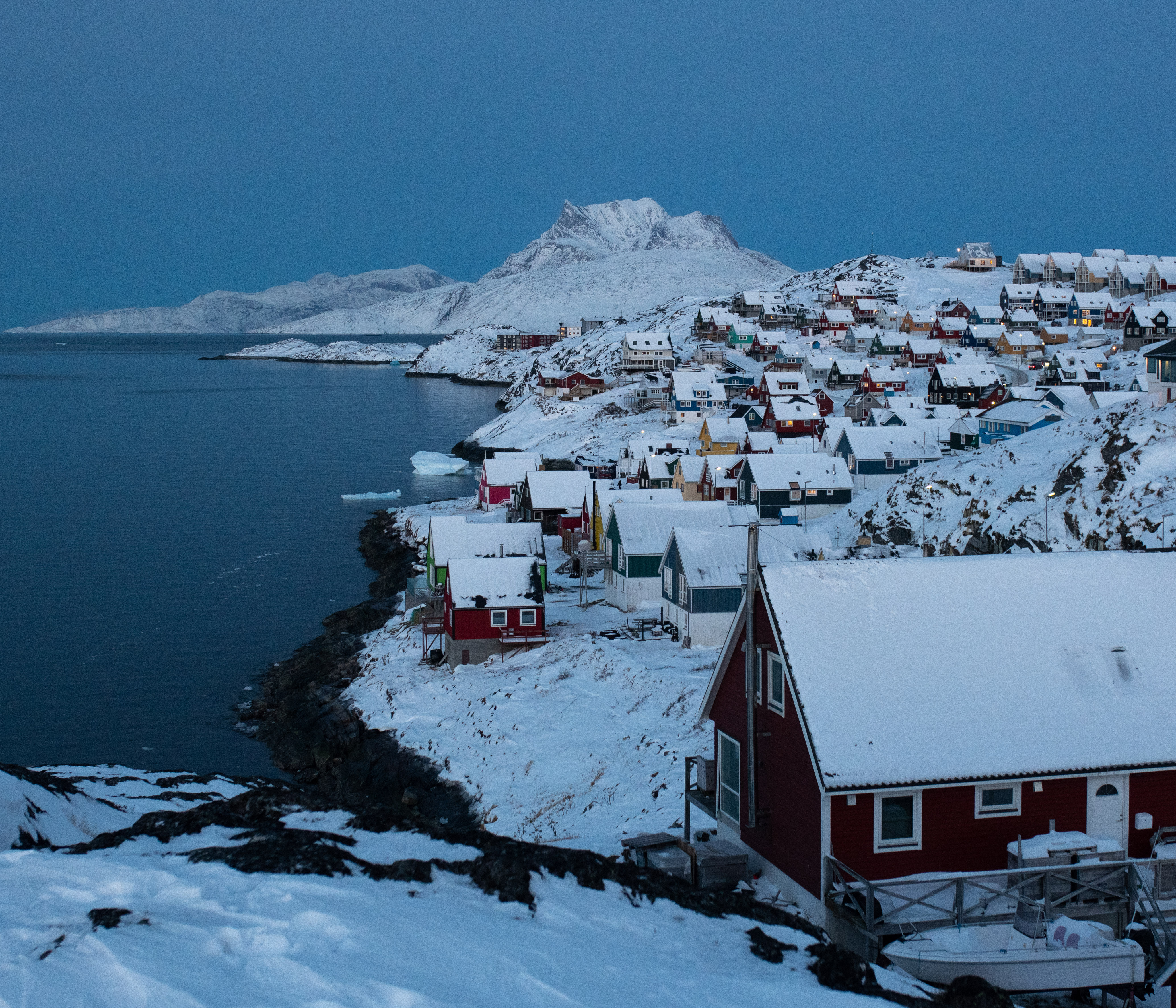
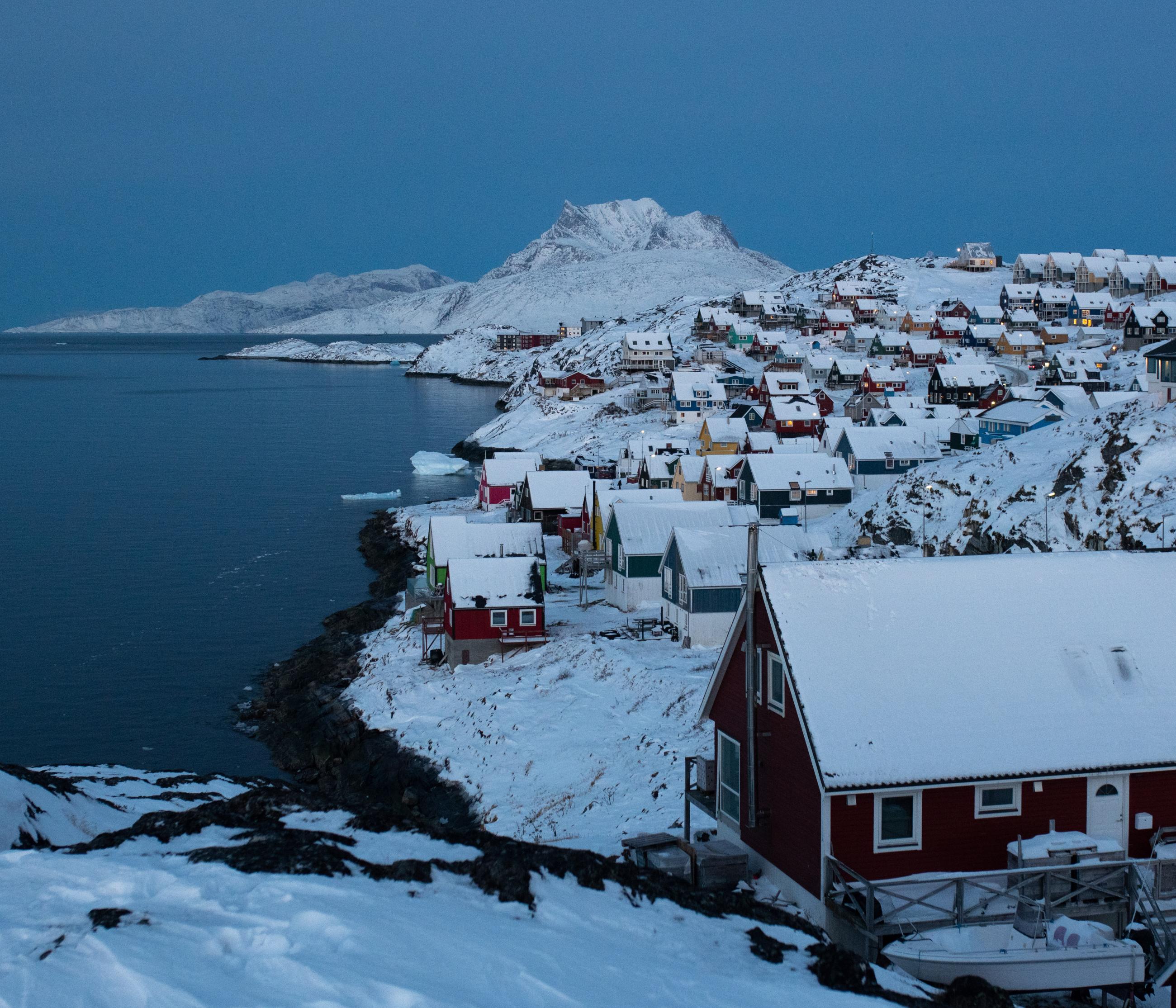
Nuuk, the capital of Greenland, is located on the west coast and has a population of around 19,000. Naja Lyberth, one of its residents, was among the first women to publicly recount the forced contraception she underwent as a teenager.
© Juliette Pavy, France, 1st Place, Professional competition, Documentary Projects, 2024 Sony World Photography Awards
Spiralkampagnen
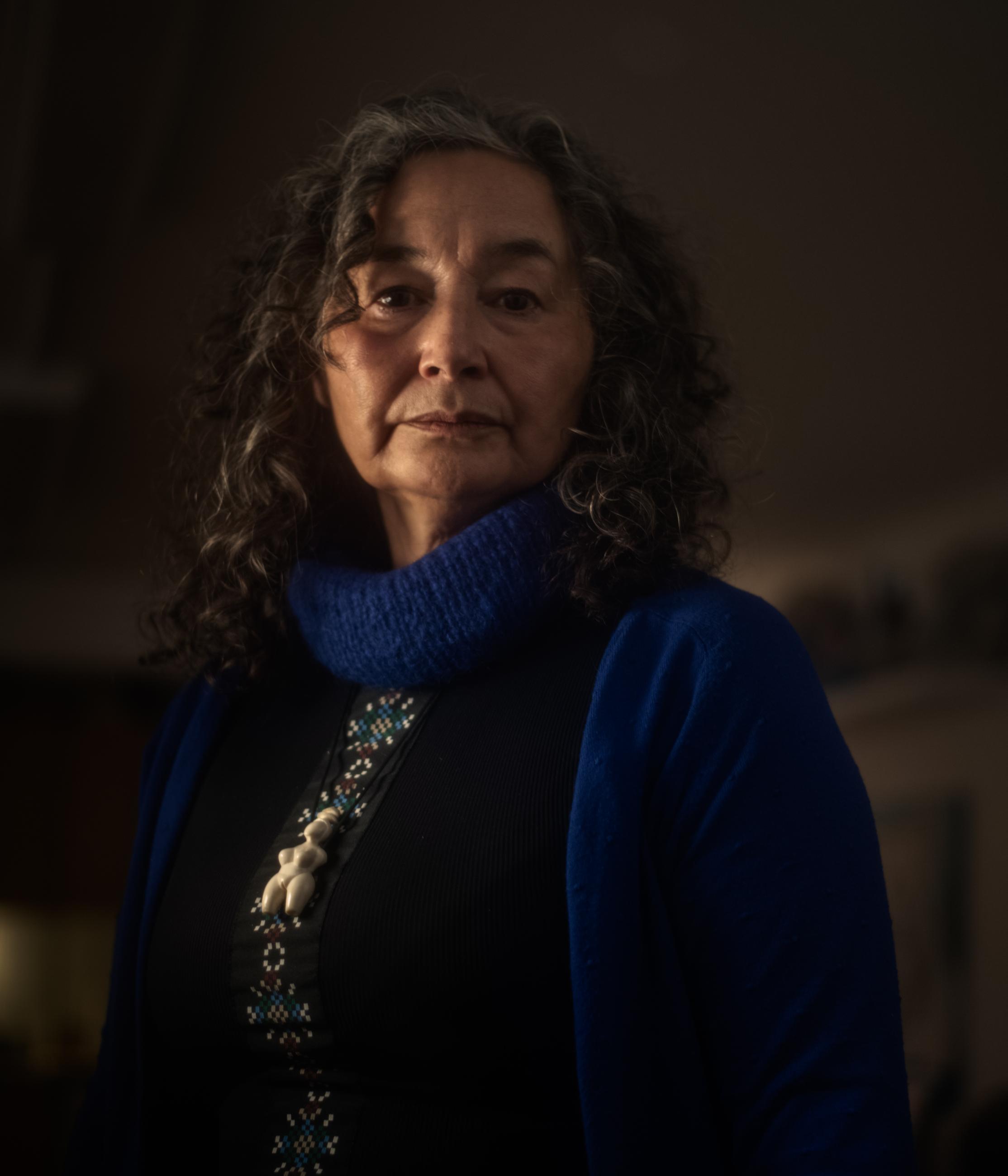
In 2019, Naja Lyberth, a psychologist in Nuuk, told her personal story to a local newspaper. Following revelations of the existence of a Danish policy of forced contraception, she created a Facebook group that brought together other victims: ‘We have the right to own our bodies, and it is our human right to have children.’
© Juliette Pavy, France, 1st Place, Professional competition, Documentary Projects, 2024 Sony World Photography Awards
Spiralkampagnen
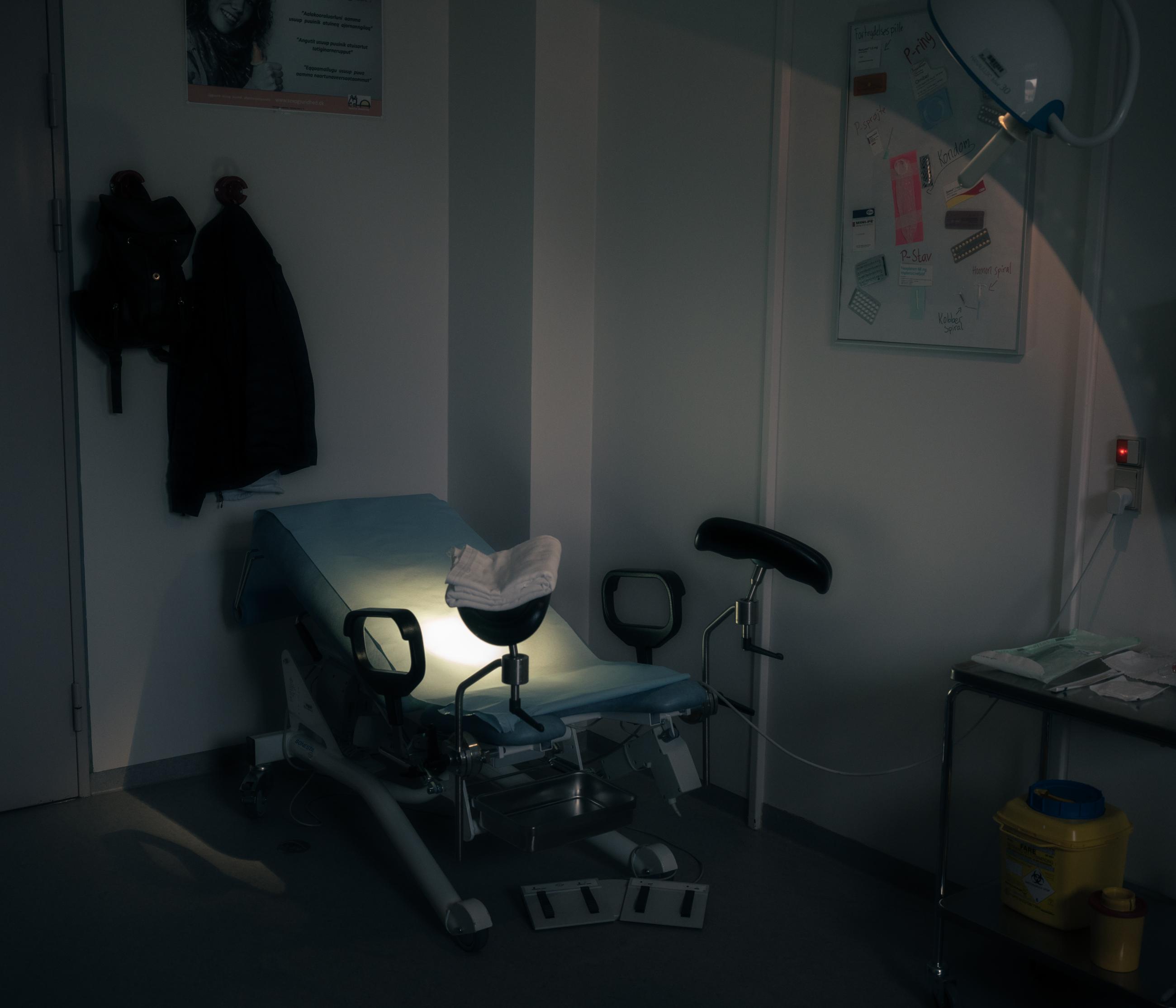
Aviaja Siegstad was a gynaecologist in the 1990s. She would regularly examine women for infertility only to discover that – unbeknownst to them – they had an IUD (‘spiral’) fitted. This happened quite often, but her department thought it was the work of unscrupulous doctors. They had no idea it was a political decision by Denmark. ‘For me, the crime in this is the political decision, and the systematic use of prevention to reduce a population.’
© Juliette Pavy, France, 1st Place, Professional competition, Documentary Projects, 2024 Sony World Photography Awards
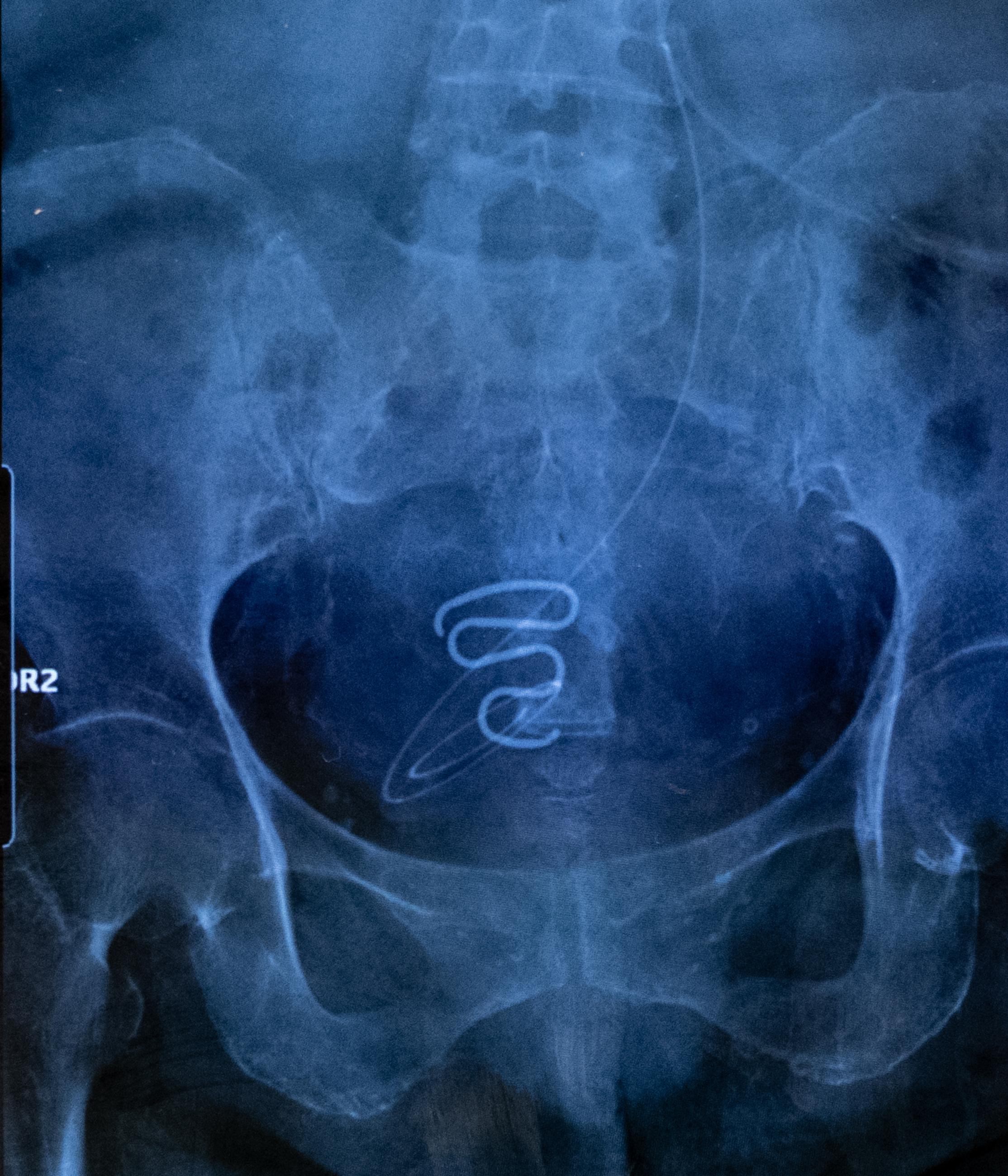
Spiralkampagnen
An X-ray showing an IUD – more commonly known as a ‘spiral’ – used during the Greenlandic forced contraception campaign (Spiralkampagnen) from 1966 to 1975. These IUDs were far too large and unsuitable for the bodies of young teenage girls, the youngest being only 12 years old at the time of insertion. In addition to the pain and bleeding, these ‘spirals’ sometimes caused serious infections that have made some victims permanently sterile.
© Juliette Pavy, France, 1st Place, Professional competition, Documentary Projects, 2024 Sony World Photography Awards
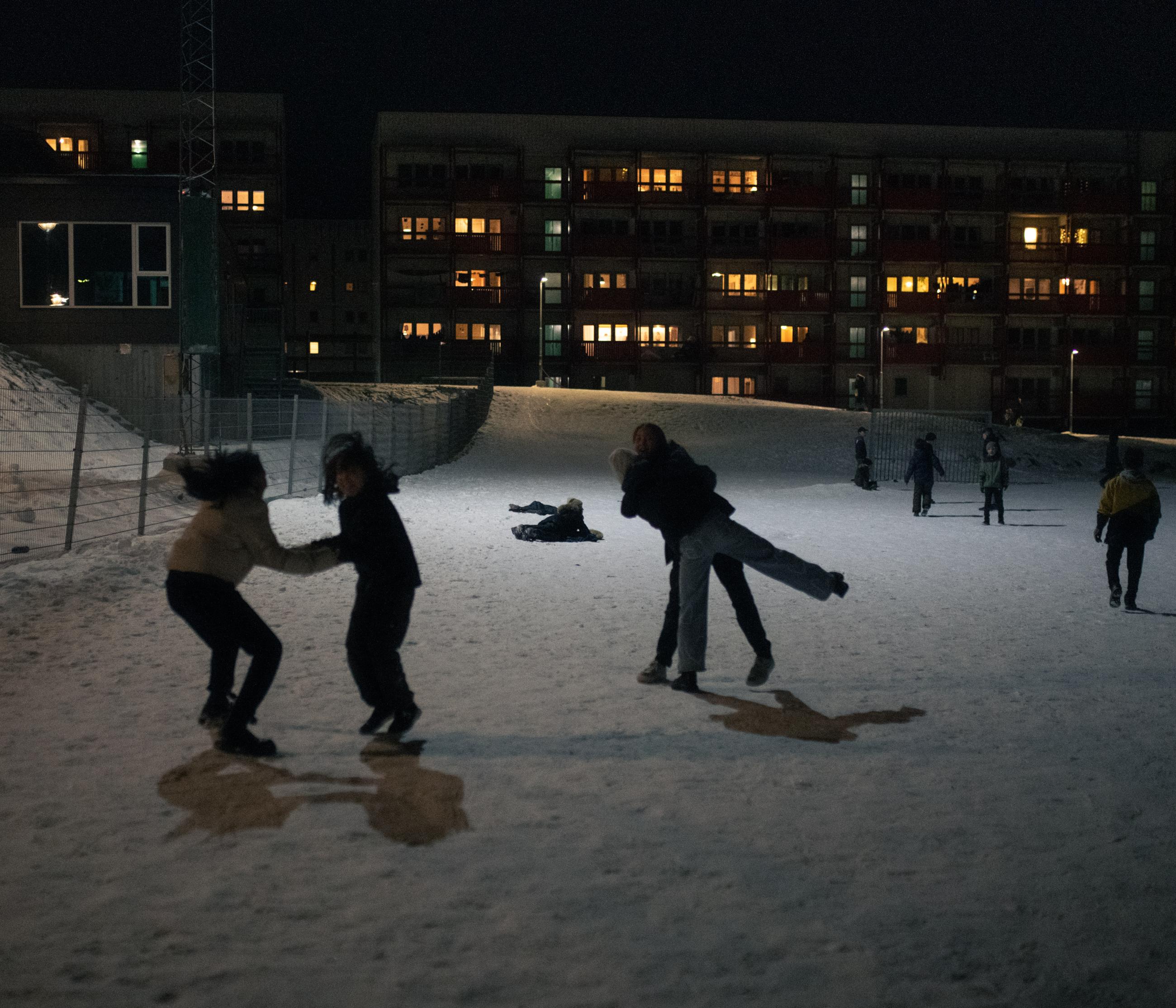
Spiralkampagnen
Young people having fun in Nuuk. The birth rate halved in the years following the Spiralkampagnen.
© Juliette Pavy, France, 1st Place, Professional competition, Documentary Projects, 2024 Sony World Photography Awards
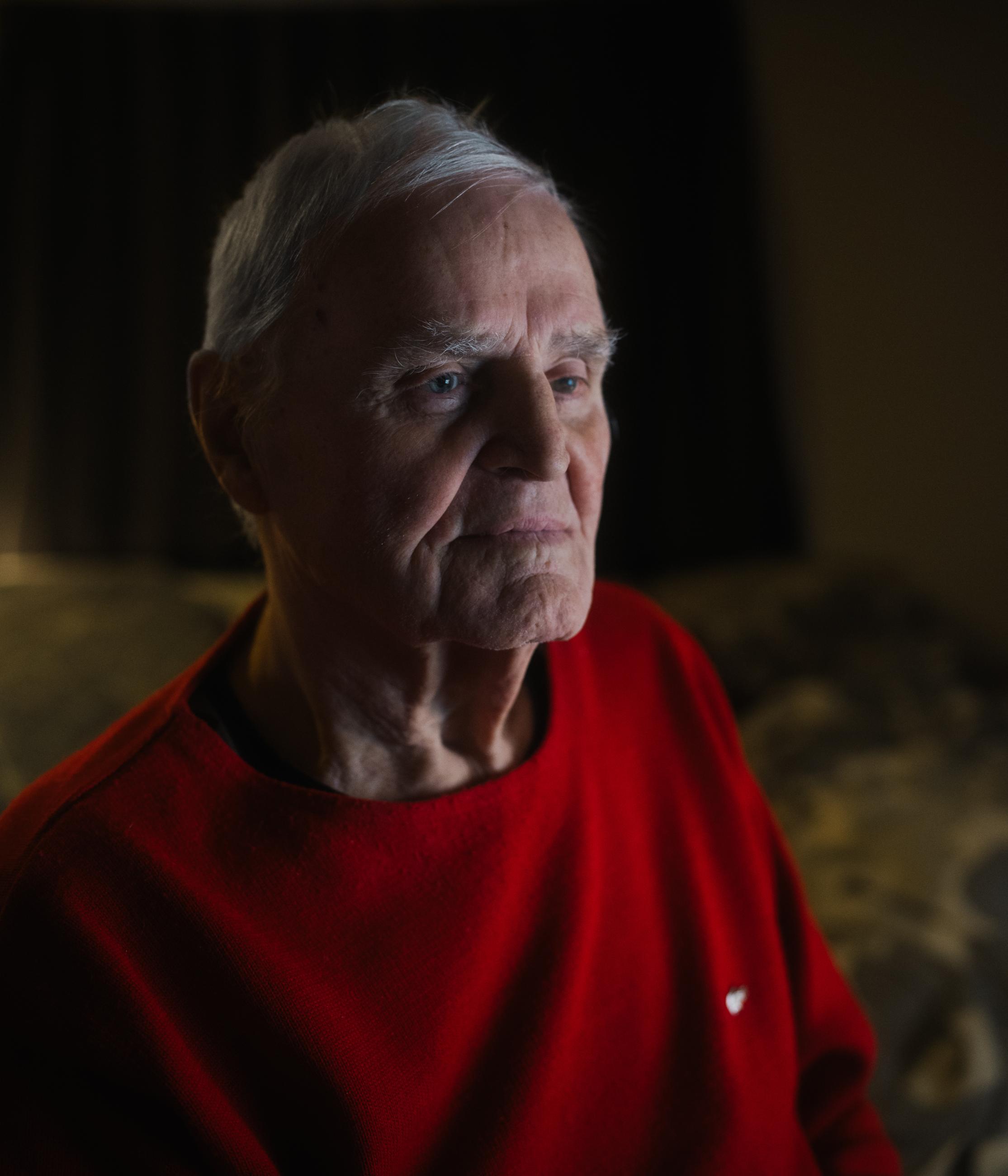
Spiralkampagnen
A portrait of the Danish gynaecologist who arrived at Maniitsoq in 1974, where he practised as village chief and gynaecologist for three years. ‘Spirals were what we had, what was available to us … The instruction was from the Danish authority. There was a social problem in Greenland [and] many young women were having their first child at the age of 15 or 16. It’s so easy to see it afterwards. The doctors thought they were doing something good, but it was terribly stupid … I wasn't a particularly good chief. I have no doubt about that. I could have done much better. I regret it today.’
© Juliette Pavy, France, 1st Place, Professional competition, Documentary Projects, 2024 Sony World Photography Awards
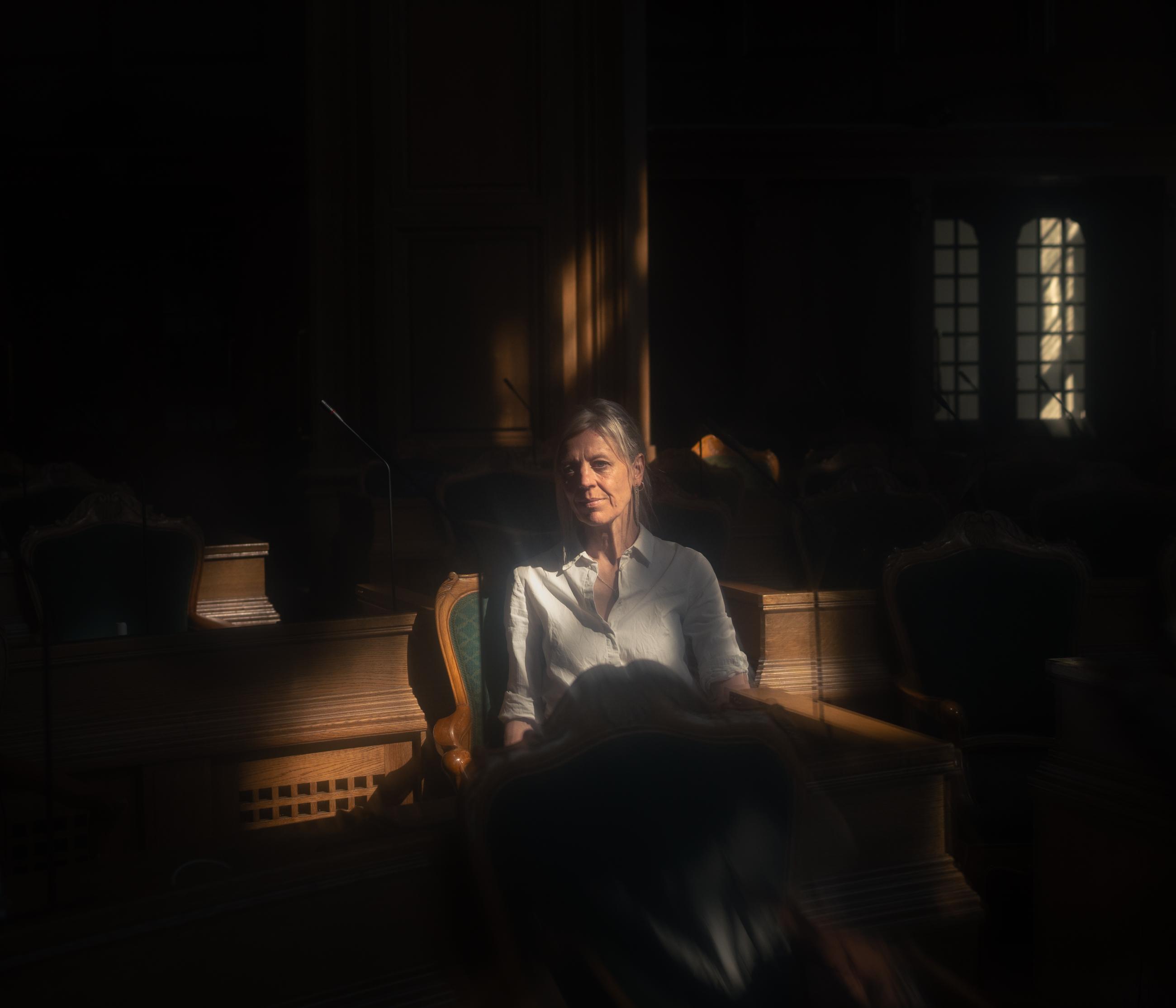
Spiralkampagnen
Trine Pertou Mach, at the Danish Parliament in Copenhagen on 7 June, 2023. A member of the left-wing government, she is responsible for Arctic development issues and is closely following the current investigation. Her role as a parliamentarian is to remind the government that this inquiry was promised, and to urge them to act on it. In particular, by validating the timetable and following the task force’s deadlines.
© Juliette Pavy, France, 1st Place, Professional competition, Documentary Projects, 2024 Sony World Photography Awards
Spiralkampagnen
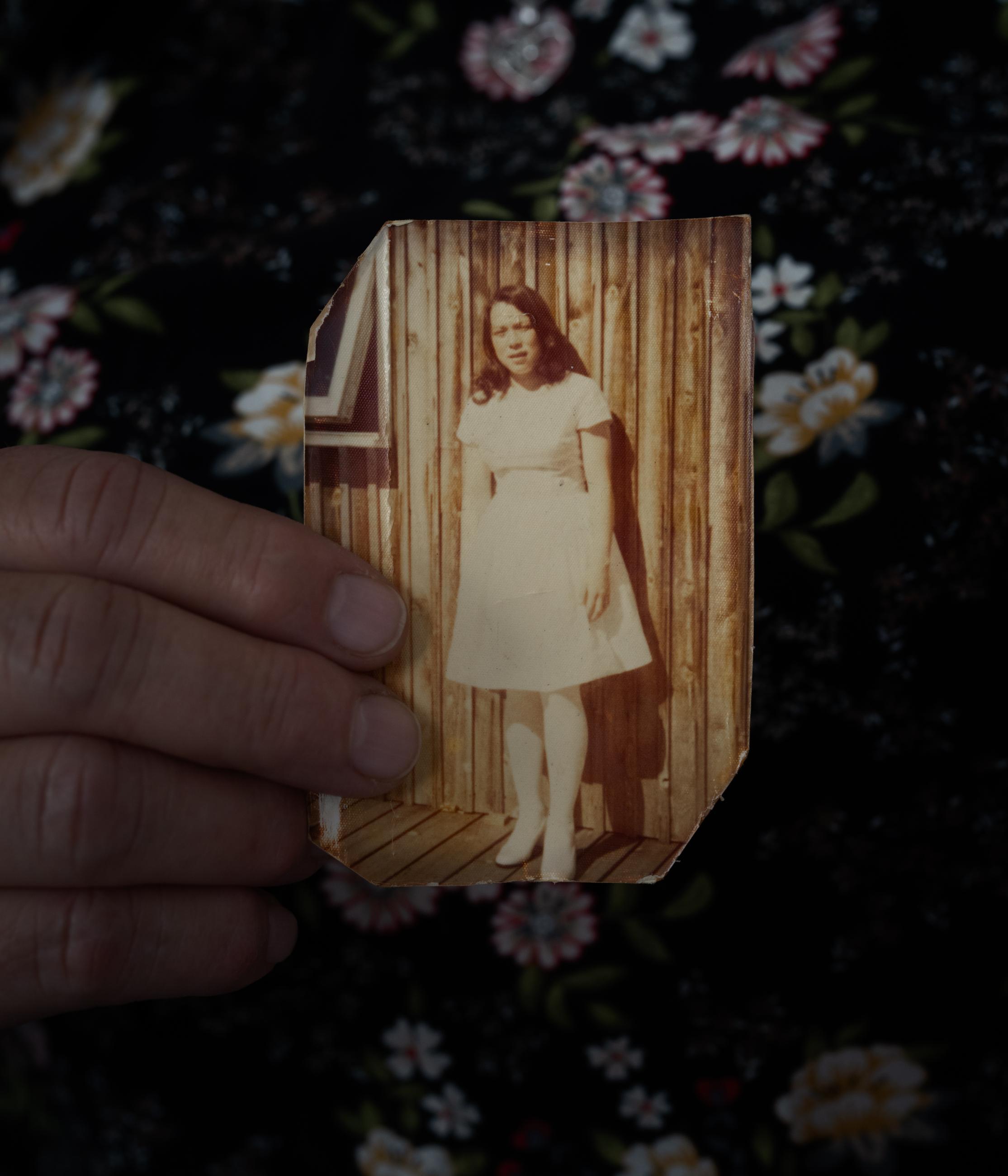
An archive photograph of Jytte Lyberth at the age of 14, when she had her IUD inserted. After a school medical check-up she went to hospital and was asked to take off her clothes. She was never told what was going to happen. A few months later she experienced severe pain from the coil and returned to hospital to have it removed. Since then, she has never been able to have children.
© Juliette Pavy, France, 1st Place, Professional competition, Documentary Projects, 2024 Sony World Photography Awards