

Series description
Arctic caribou populations are in shocking decline. Over the last 20 years their numbers have dropped from five million animals to approximately two million, and this enormous loss threatens to put even more pressure on the fragile ecosystem of the Arctic, as well as the indigenous communities across Alaska and Canada who depend on caribou as a vital food source. The plight of the caribou reveals just how entangled the ecology of our planet is and their disappearance is a far greater story than that of a single species: it is a mirror of the broader issues relating to the climate crisis and biodiversity loss that is happening all over the world.
Biography
Katie Orlinsky's photography explores a variety of subjects from conflict and social issues to unique subcultures, wildlife, and sports. She is a regular contributor to National Geographic and The New York Times, and has received awards from World Press Photo, Pictures of the Year International, and The Alexia Foundation among others. Since 2014, she has focused on documenting the human stories of our changing planet, exploring how the climate crisis is transforming the relationship between people, animals and the land.
Vanishing Caribou
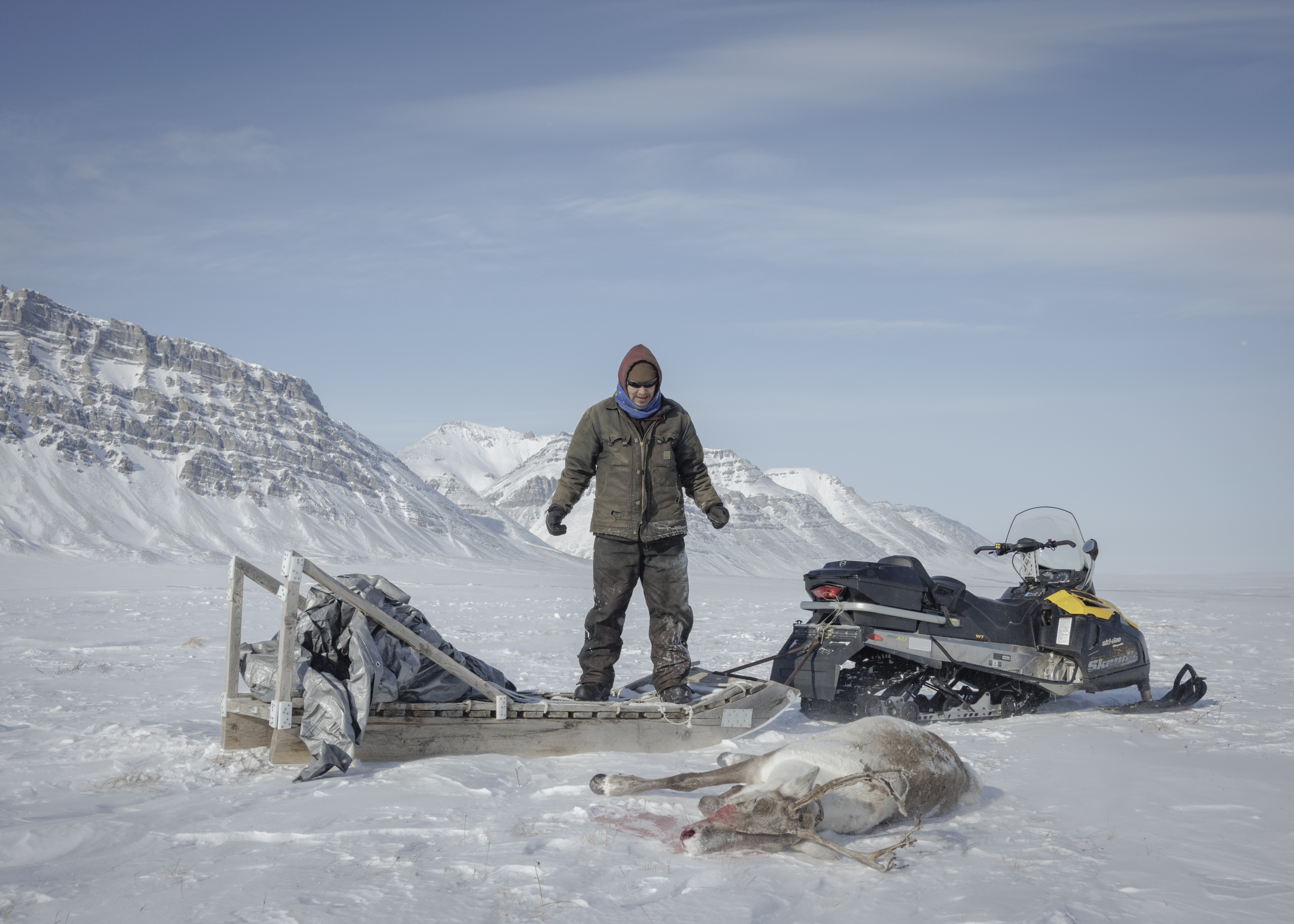
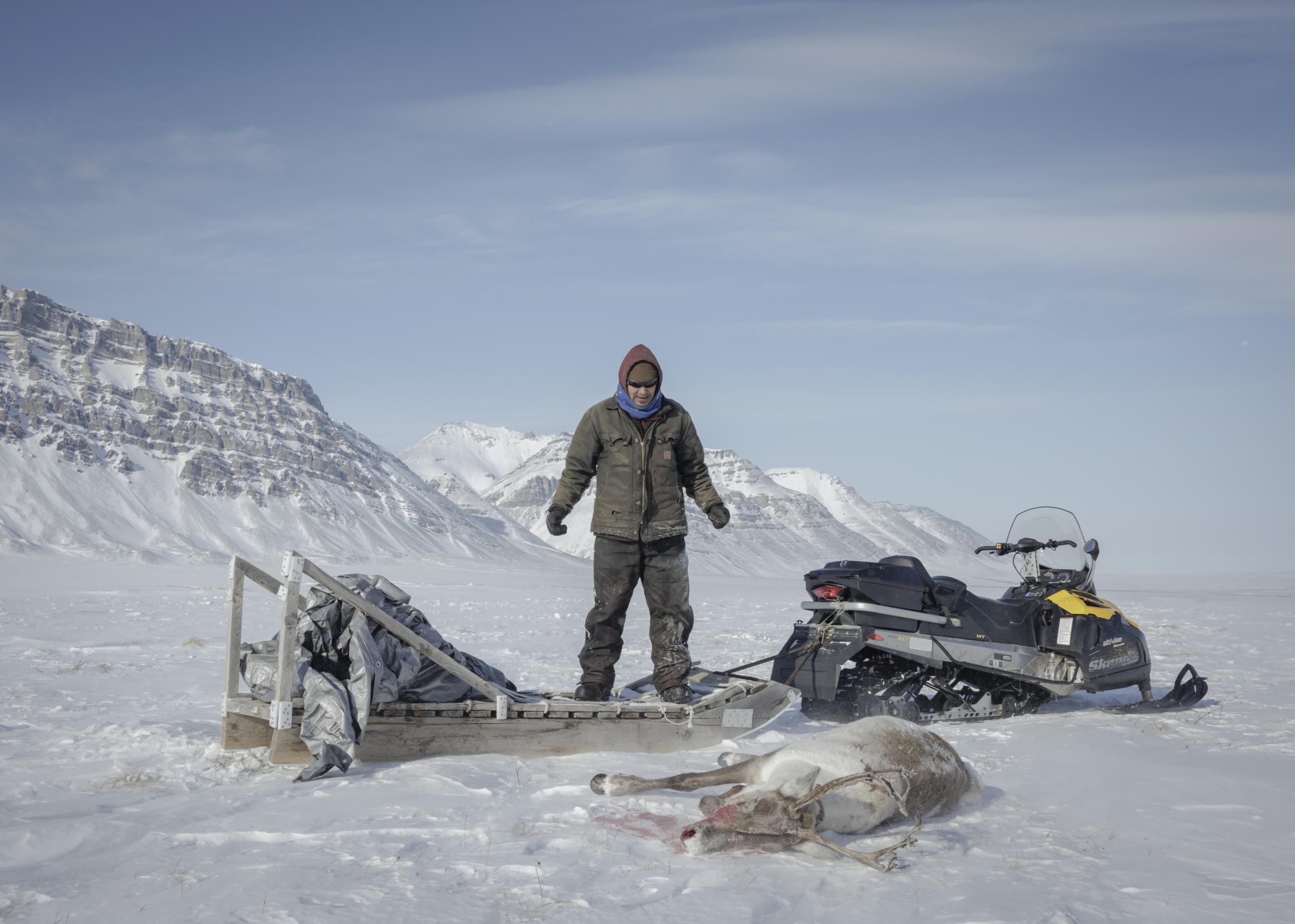
Clyde Morry, the son of legendary hunter Mark Morry, is one of the most highly skilled hunters in Anaktuvuk Pass. Now, more than ever, his large extended family relies on him during the spring caribou hunt, as community members say that over the last five years caribou do not pass through the village like they used to.
© Kathleen Orlinsky, United States, Shortlist, Professional competition, Environment, 2024 Sony World Photography Awards
Vanishing Caribou
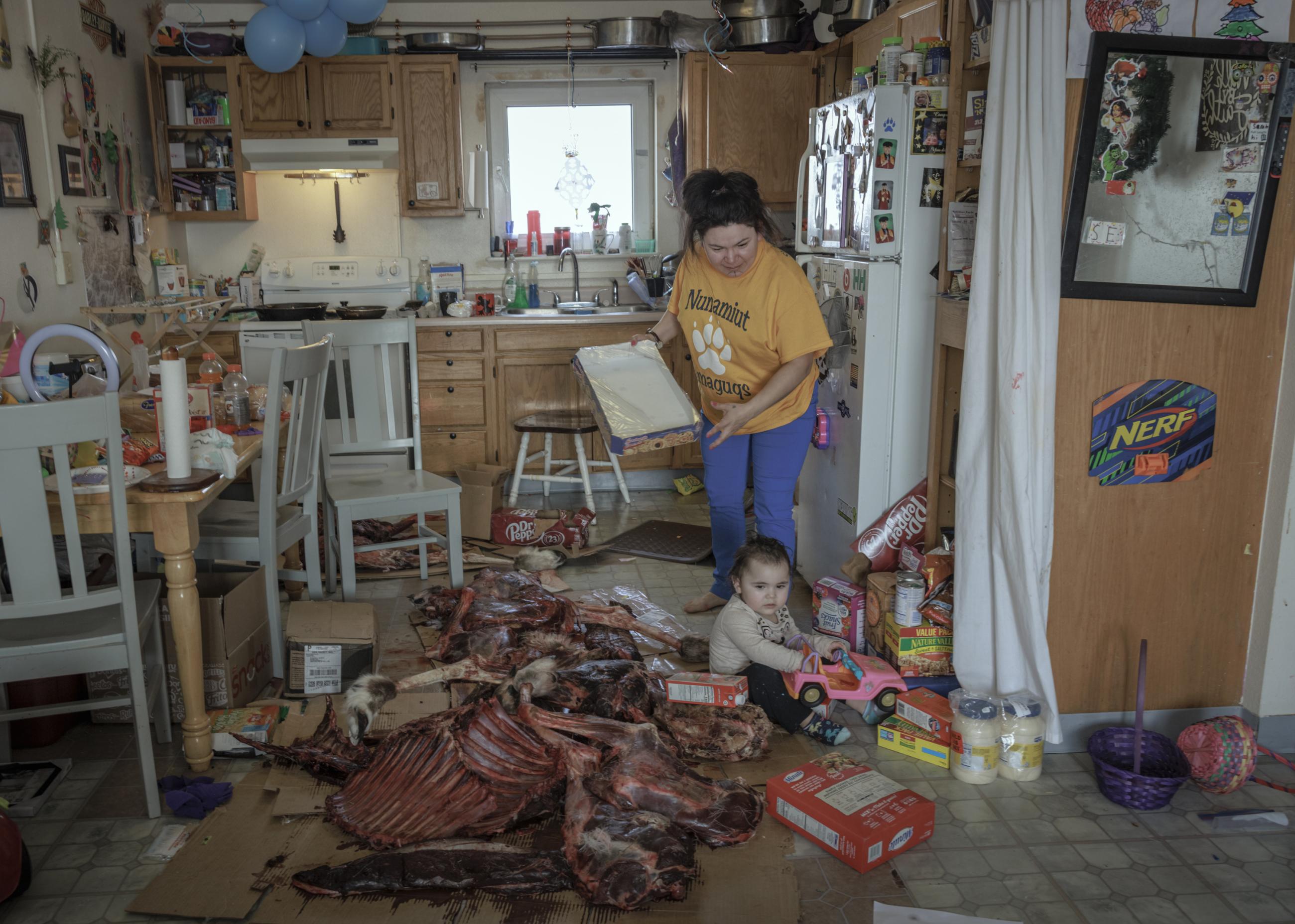
Casey Edwards processes a caribou hunted by her brother, watched by her one-year-old daughter, Ellie Lu. Caribou is the single most important source of fresh food and protein in Anaktuvuk Pass, as the village is not connected to the road system, which means groceries have to be flown in. The community was only founded in 1957 when the Bureau of Indian Affairs forced the Nunamiut to settle.
© Kathleen Orlinsky, United States, Shortlist, Professional competition, Environment, 2024 Sony World Photography Awards
Vanishing Caribou
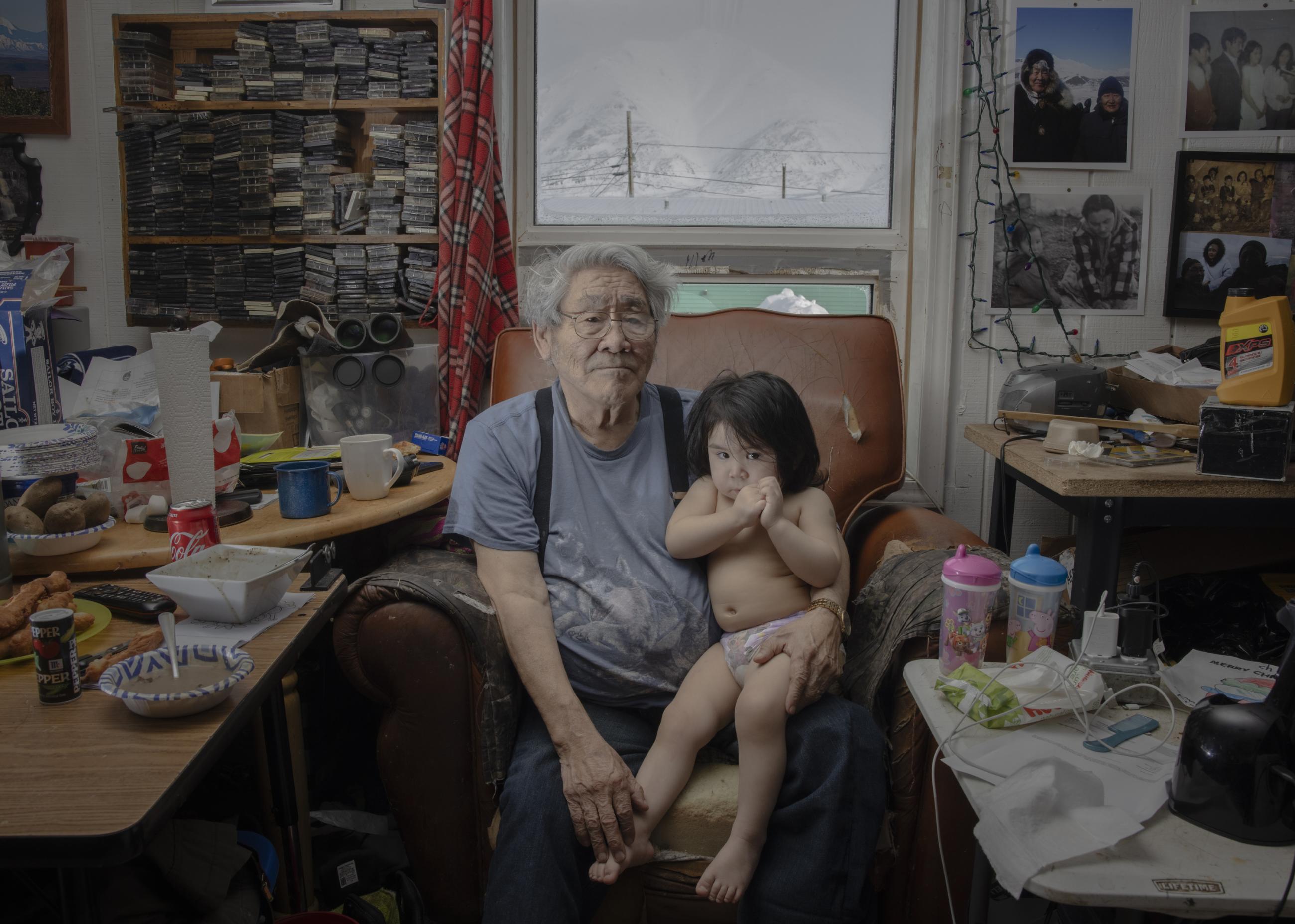
Mark Morry at home in Anaktuvuk Pass, with his granddaughter Jade and a bowl of caribou soup on his left. Mark was a legendary hunter and is part of the last generation of Nunamiut people who lived completely off the land, migrating with the animals themselves.
© Kathleen Orlinsky, United States, Shortlist, Professional competition, Environment, 2024 Sony World Photography Awards
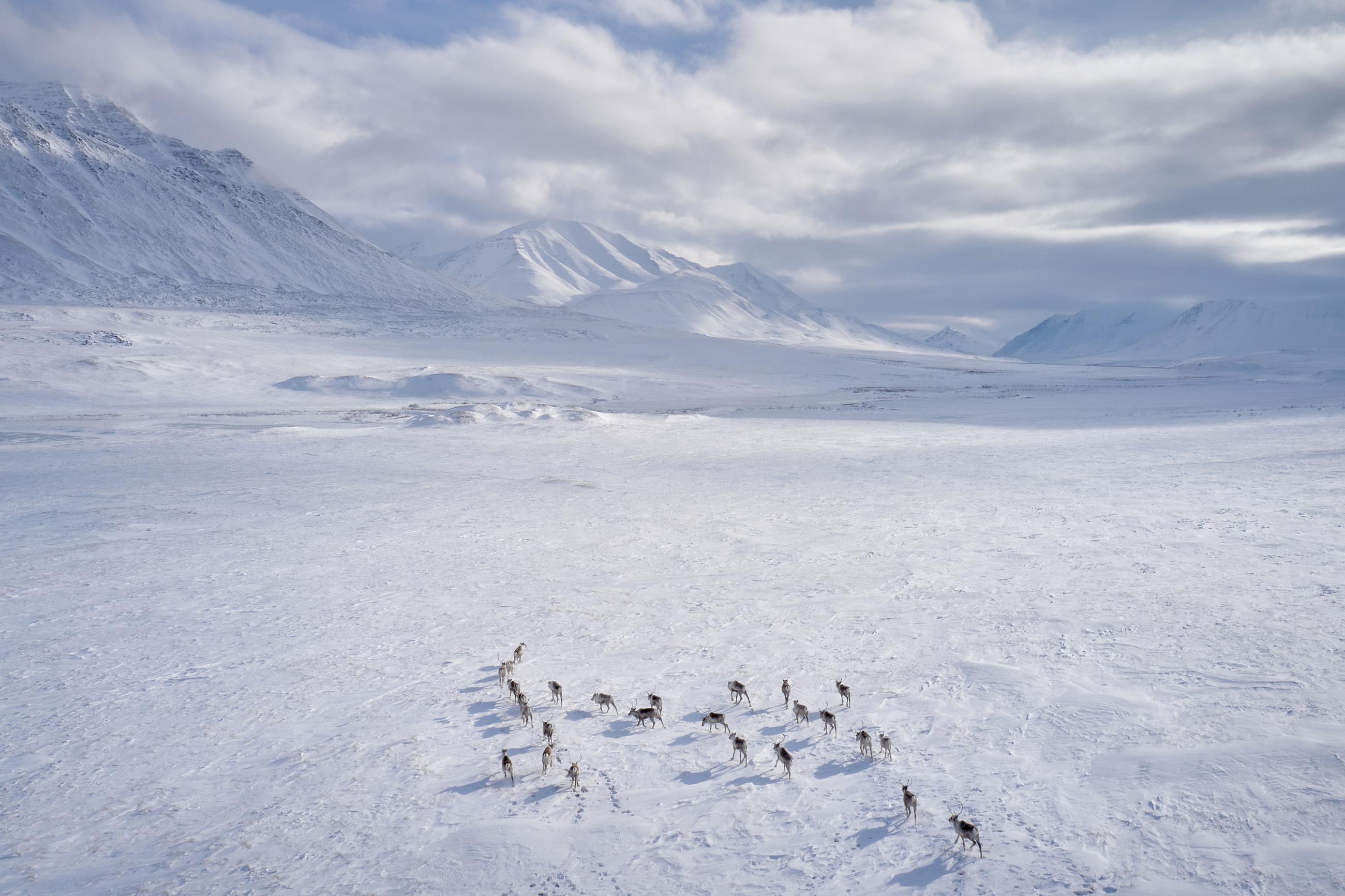
Vanishing Caribou
A group of caribou run easily over the snow on a bitterly cold spring day near Anaktuvuk Pass, in the heart of the Brooks Range. The Nunamiut people have lived with – and hunted – caribou in these mountains for centuries, and continue to do so every year as thousands of caribou from the Teshekpuk and Western Arctic herds migrate through the area.
© Kathleen Orlinsky, United States, Shortlist, Professional competition, Environment, 2024 Sony World Photography Awards
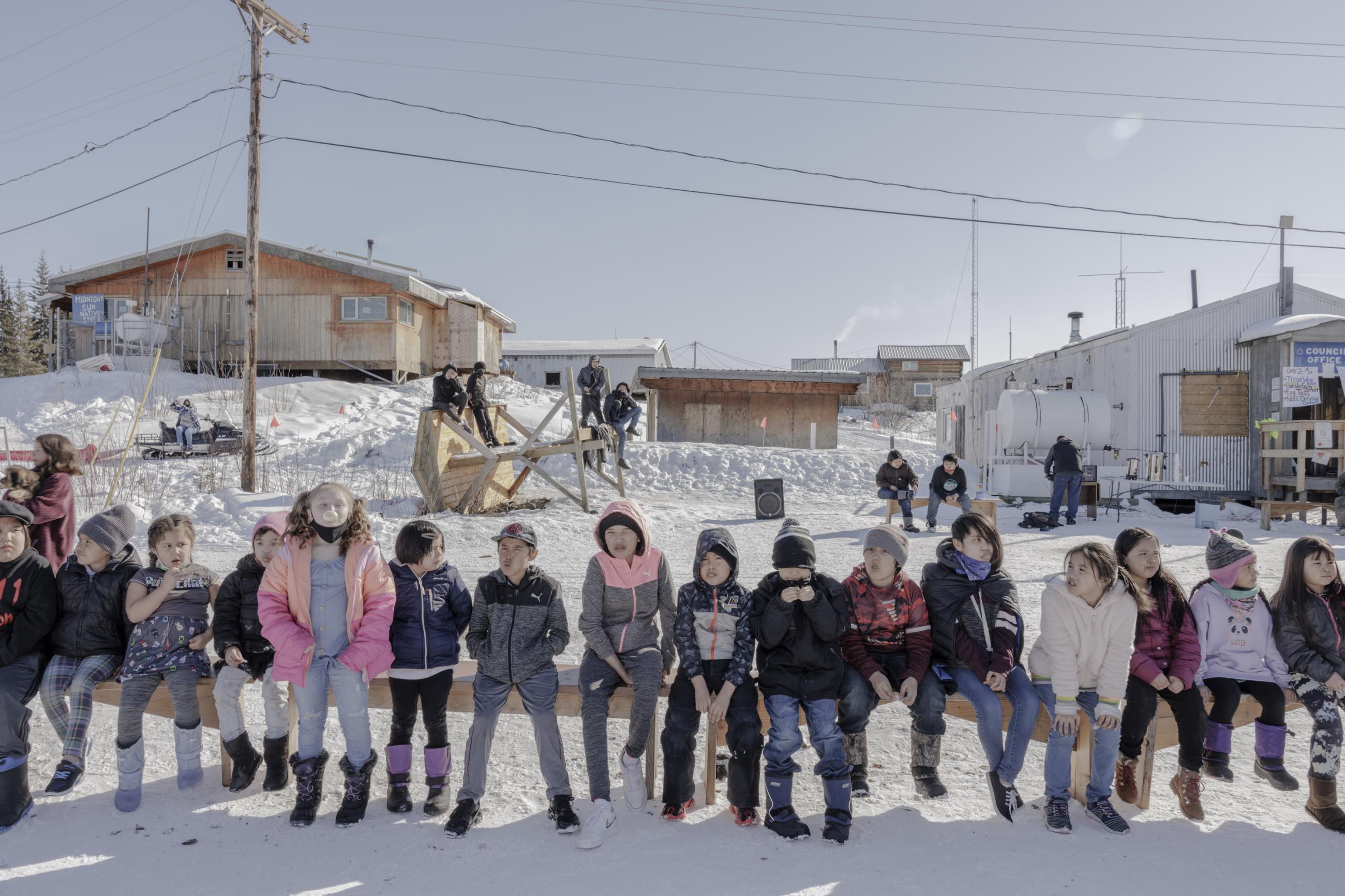
Vanishing Caribou
A bubble-gum-blowing competition during spring carnival in Arctic Village, Alaska, just south of the Arctic National Wildlife Refuge. The Gwich’in people of Arctic Village have been vocal opponents of drilling in the refuge, as it is the birthing ground for the Porcupine caribou herd.
© Kathleen Orlinsky, United States, Shortlist, Professional competition, Environment, 2024 Sony World Photography Awards
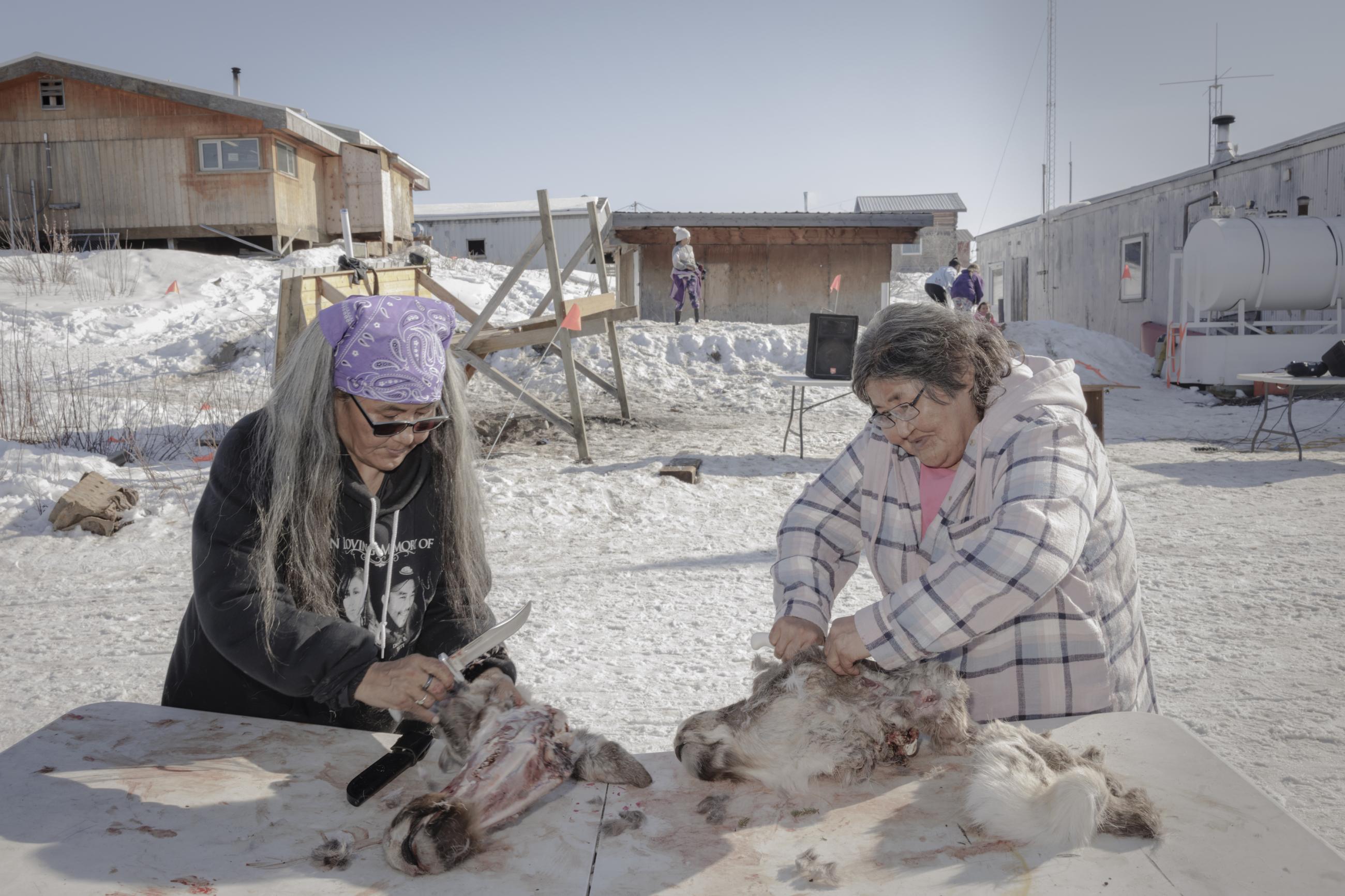
Vanishing Caribou
A caribou head skinning competition during spring carnival in Arctic Village. The Gwich’in lead a subsistence-based lifestyle that depends heavily on caribou.
© Kathleen Orlinsky, United States, Shortlist, Professional competition, Environment, 2024 Sony World Photography Awards
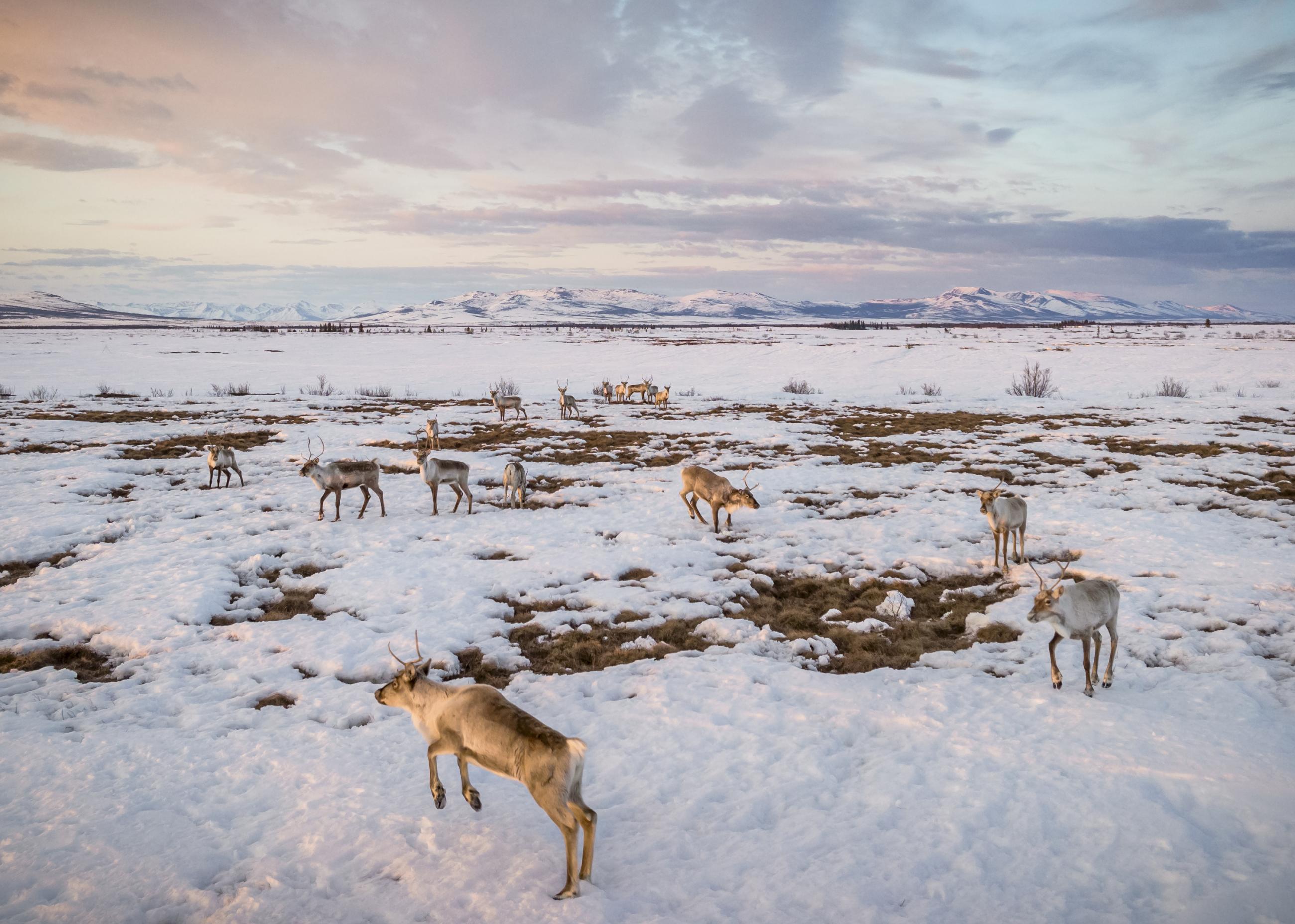
Vanishing Caribou
The Western Arctic caribou herd migrates towards its birthing grounds near Ambler, Alaska. This was once the biggest caribou herd in the world, but since 2003 its numbers have reduced from 500,000 animals to 188,000, with a quarter of those losses happening in the past three years. Shockingly, plans are moving ahead to build the 211-mile-long Ambler Road, a mining road that will cut straight across the herd’s migration path.
© Kathleen Orlinsky, United States, Shortlist, Professional competition, Environment, 2024 Sony World Photography Awards