

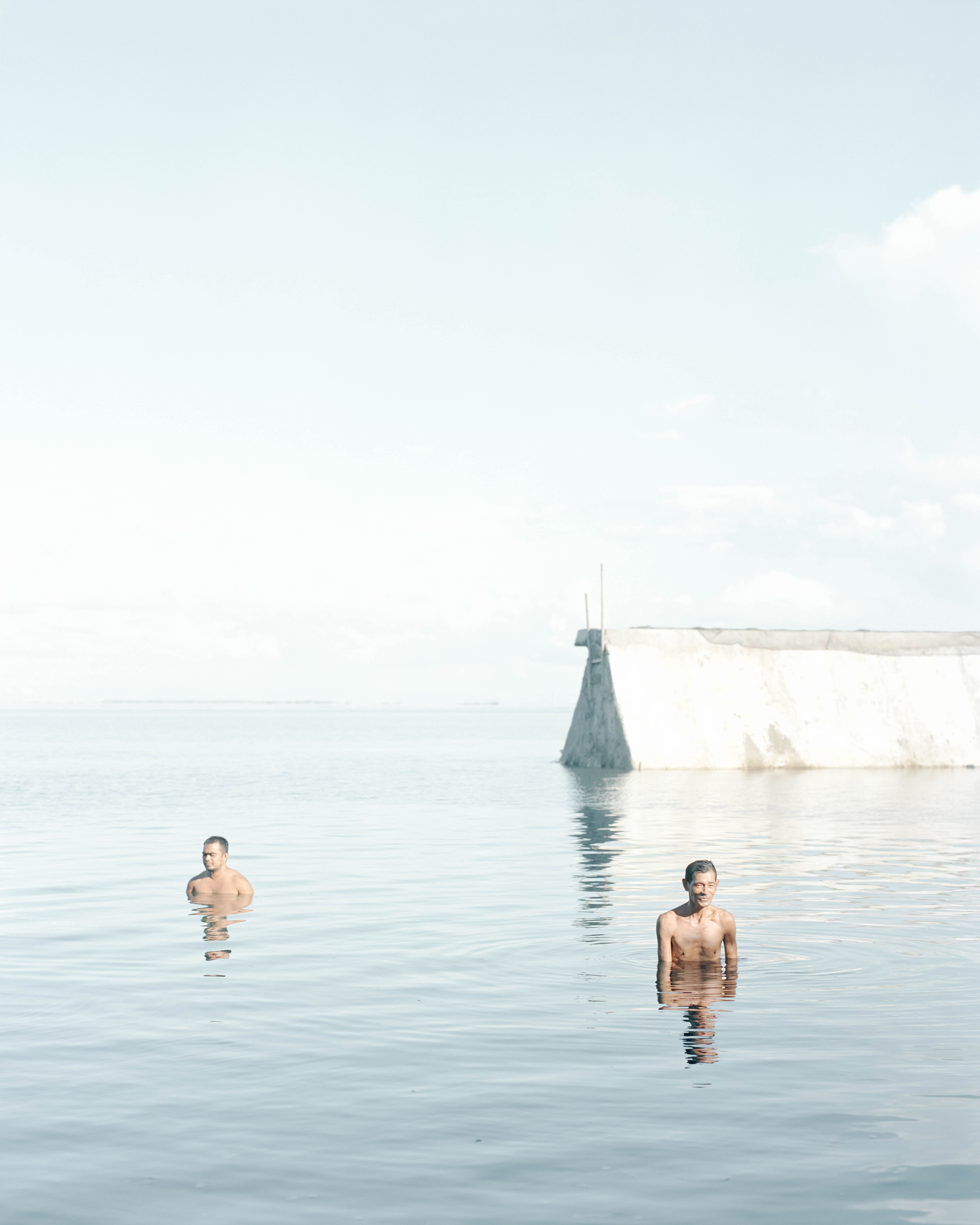
Series description
The Chronicle of Us is an ongoing project that captures the people living with various problems and changes associated with the impact of climate change. Issues relating to migration and climate change are becoming more important than ever due to people being forced to flee their hometowns. The photographer notes ‘we need to gain a deeper understanding of what is happening to these people: how the climate crisis is changing their lives, and how they are struggling and adapting to various changes before and after migration in both urban and rural areas.’ These photos show people living in Southeast Asia with the impact of climate change.
Biography
Shunta Kimura is a documentary photographer based in Japan. After graduating from Nippon Photography Institute, he began his career as a documentary photographer. He has currently undertaken the issues of climate migration and the problem of conflict-related sexual violence against men, boys, and LGBTIQ+ persons around the world.
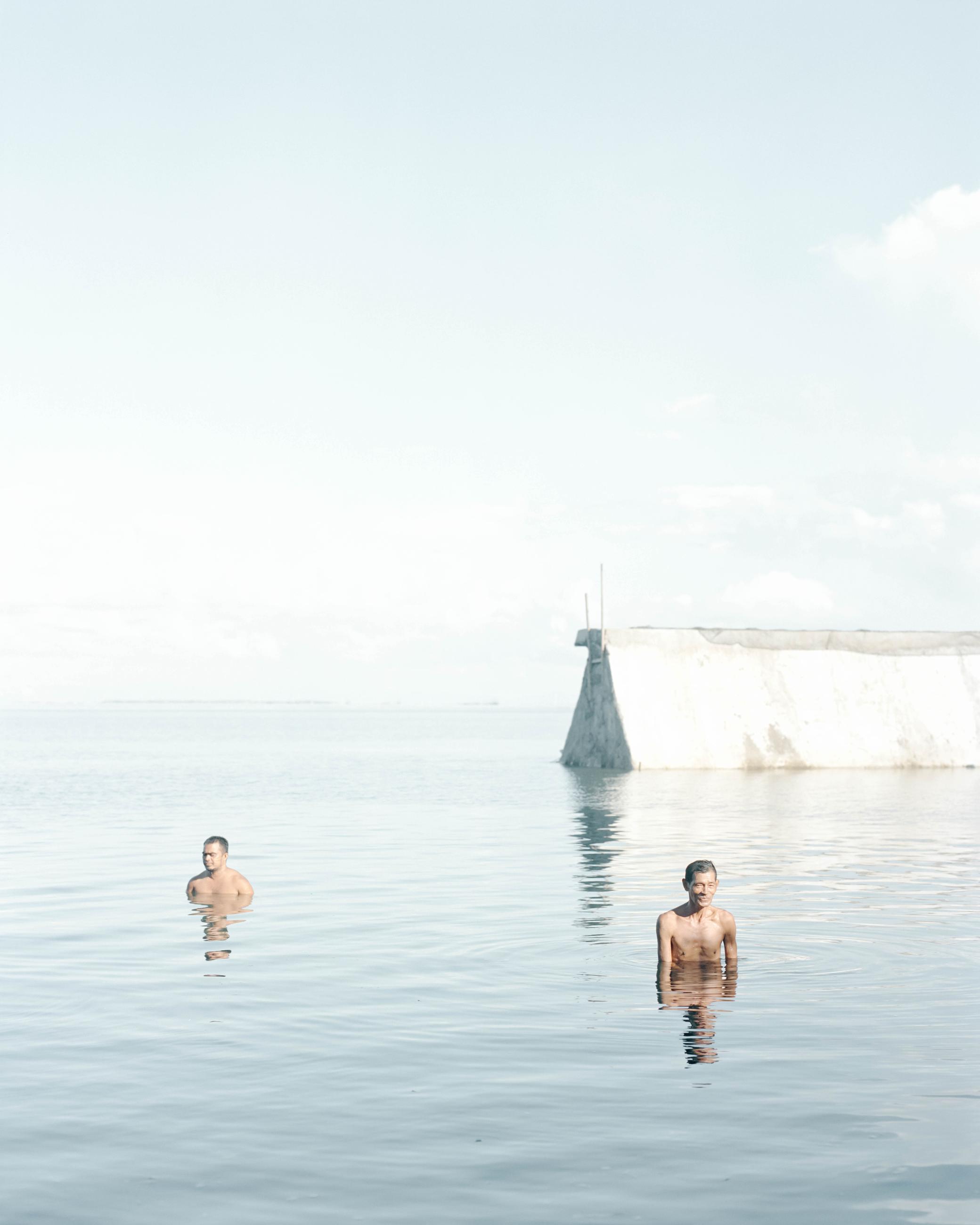
The Chronicle of Us
Men swim near the breakwater under construction in Bohol Island, the Philippines. Bohol Island was damaged by Super Typhoon Rai (Odette) in 2021. This area is frequently affected by weather-related hazards like storms, cyclones, and floods.
© Shunta Kimura, Japan National Award, Shortlist, 2025 Sony World Photography Awards
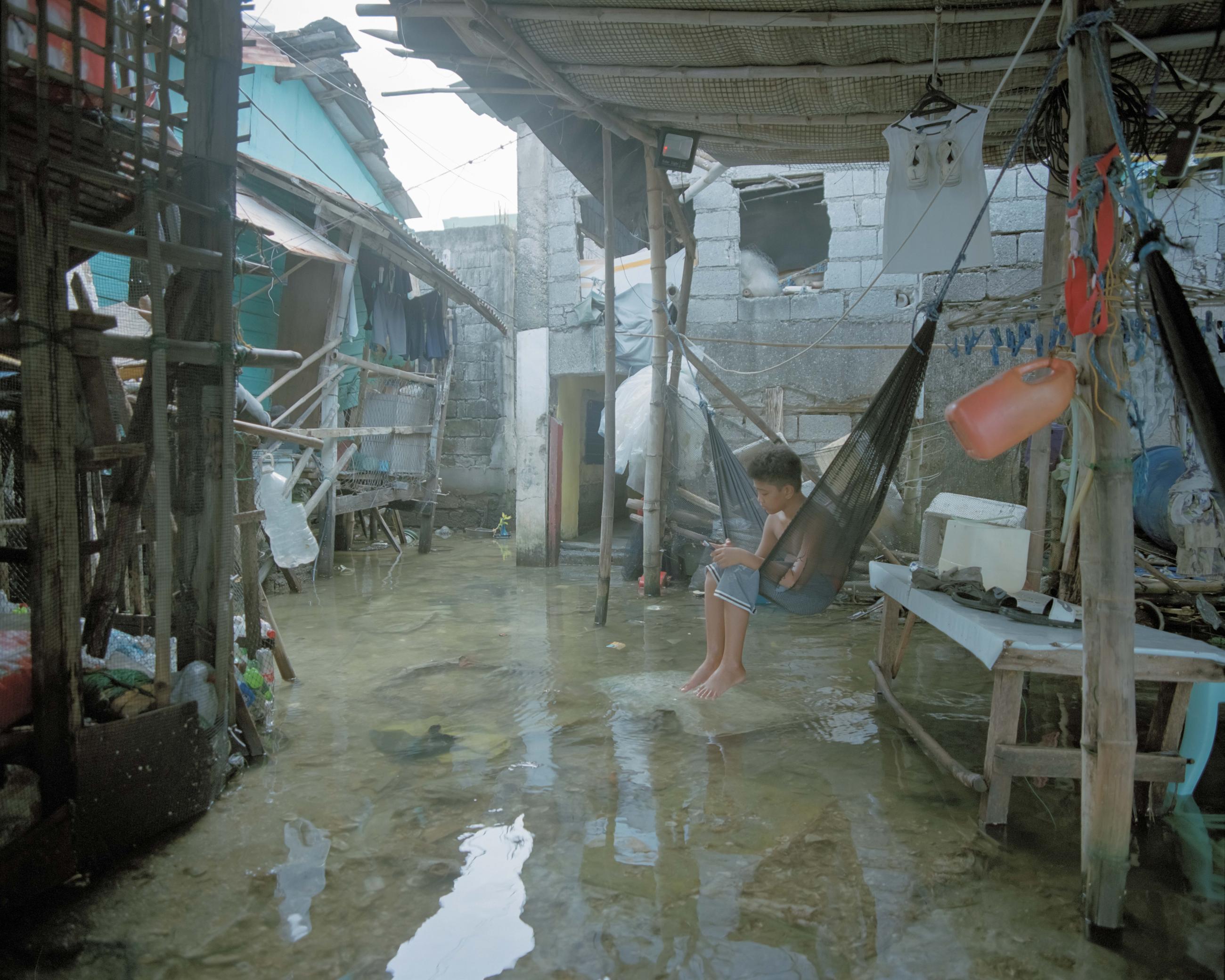
The Chronicle of Us
A boy watches a film on a hammock at Nubiangan in Manila, the Philippines. Nubiangan is one of the areas most affected by rising sea levels in the Philippines and is predicted to sink into the sea in the near future.
© Shunta Kimura, Japan National Award, Shortlist, 2025 Sony World Photography Awards
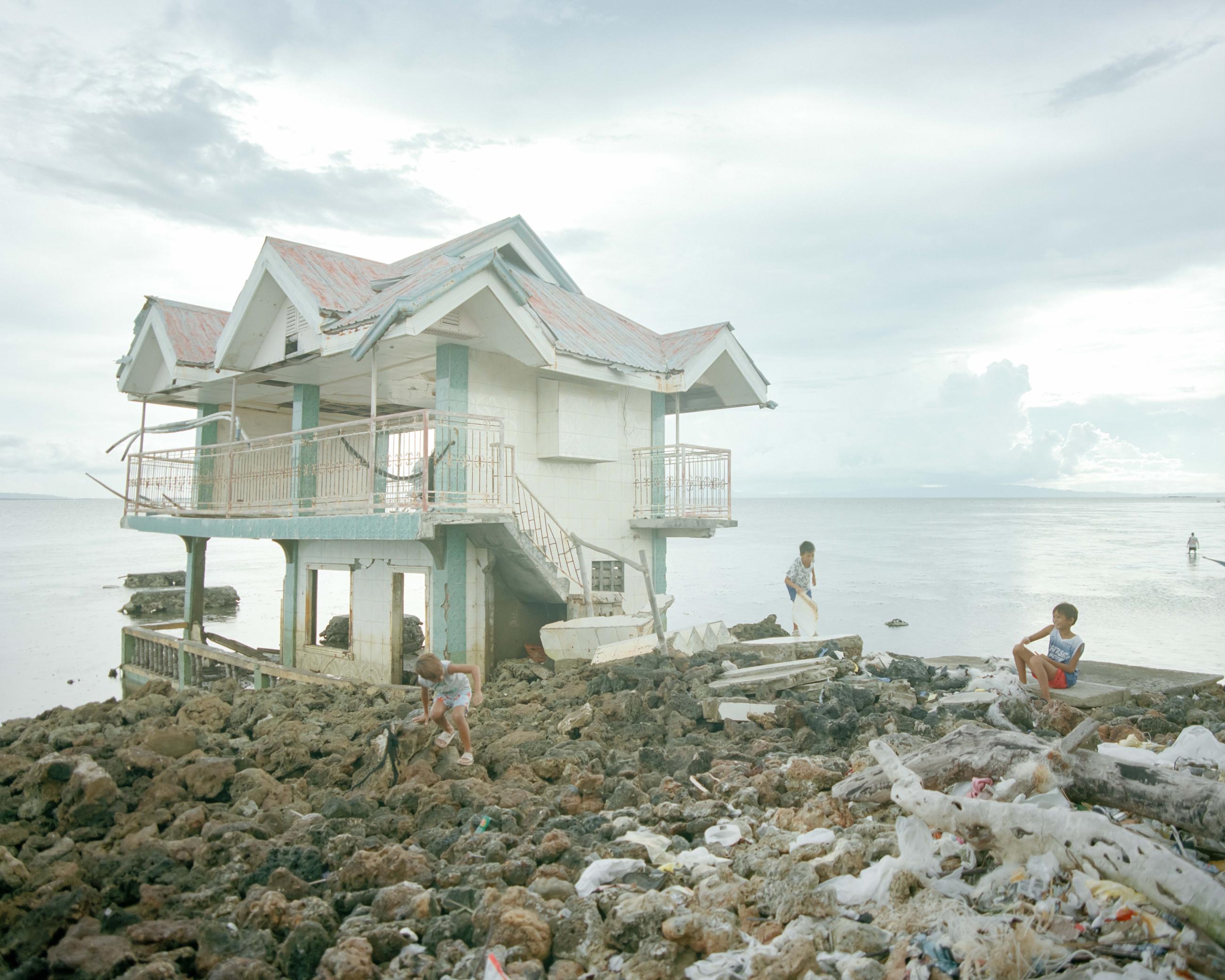
The Chronicle of Us
The boys play around a derelict house in Batasan Island, the Philippines. Batasan Island is predicted to sink into the sea in the not-too-distant future. This house was damaged by an earthquake in 2013 and Super Typhoon Rai (Odette) in 2021.
© Shunta Kimura, Japan National Award, Shortlist, 2025 Sony World Photography Awards
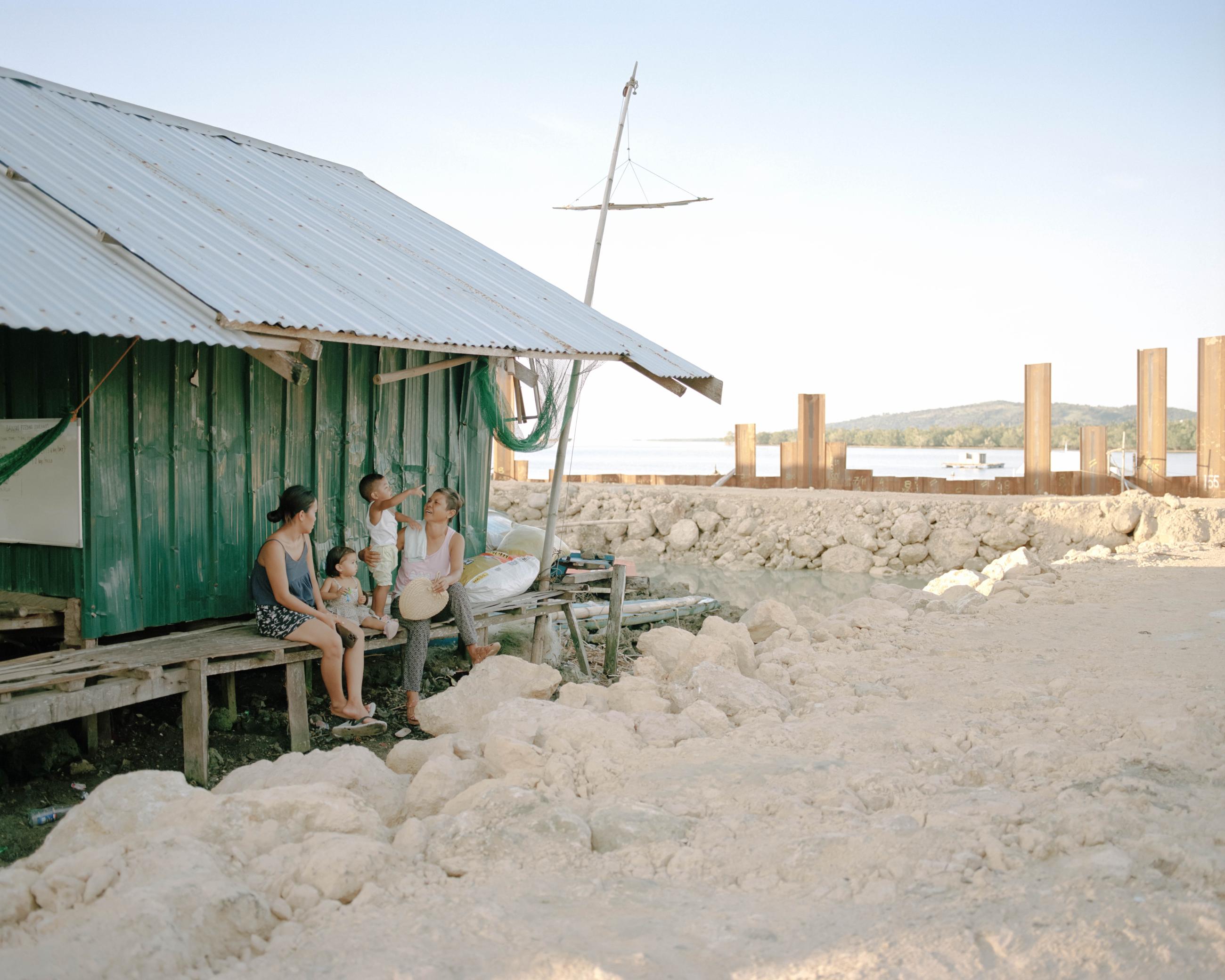
The Chronicle of Us
A family enjoy a peaceful time near the barricade under construction to protect from high waves in Bohol Island, the Philippines. This was one of the most damaged areas after Super Typhoon Rai (Odette) in 2021.
© Shunta Kimura, Japan National Award, Shortlist, 2025 Sony World Photography Awards
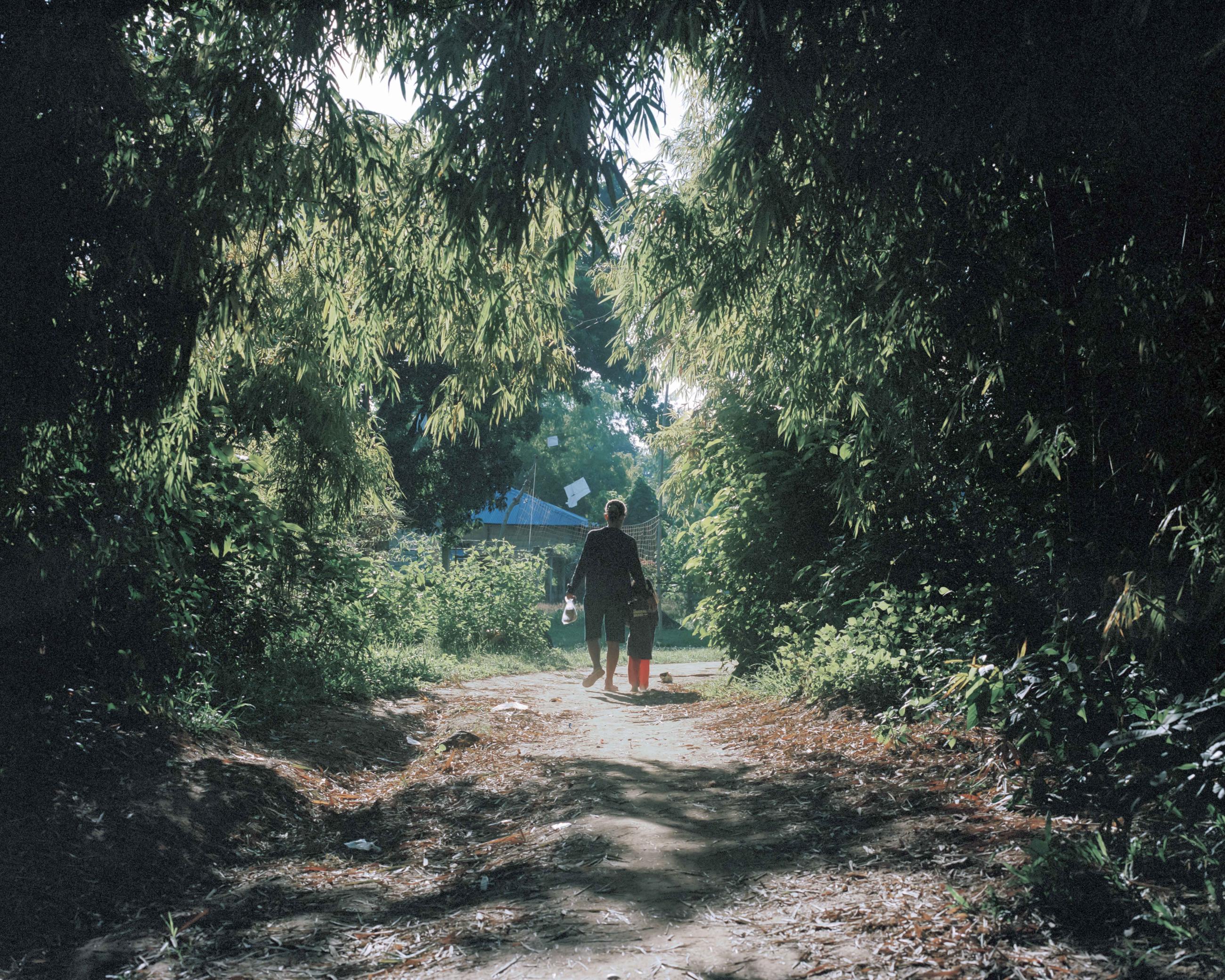
The Chronicle of Us
A mother and daughter pass through the trees in Bien Unido, Bohol Island, the Philippines. This was one of the most damaged areas by Super Typhoon Rai (Odette) in 2021.
© Shunta Kimura, Japan National Award, Shortlist, 2025 Sony World Photography Awards
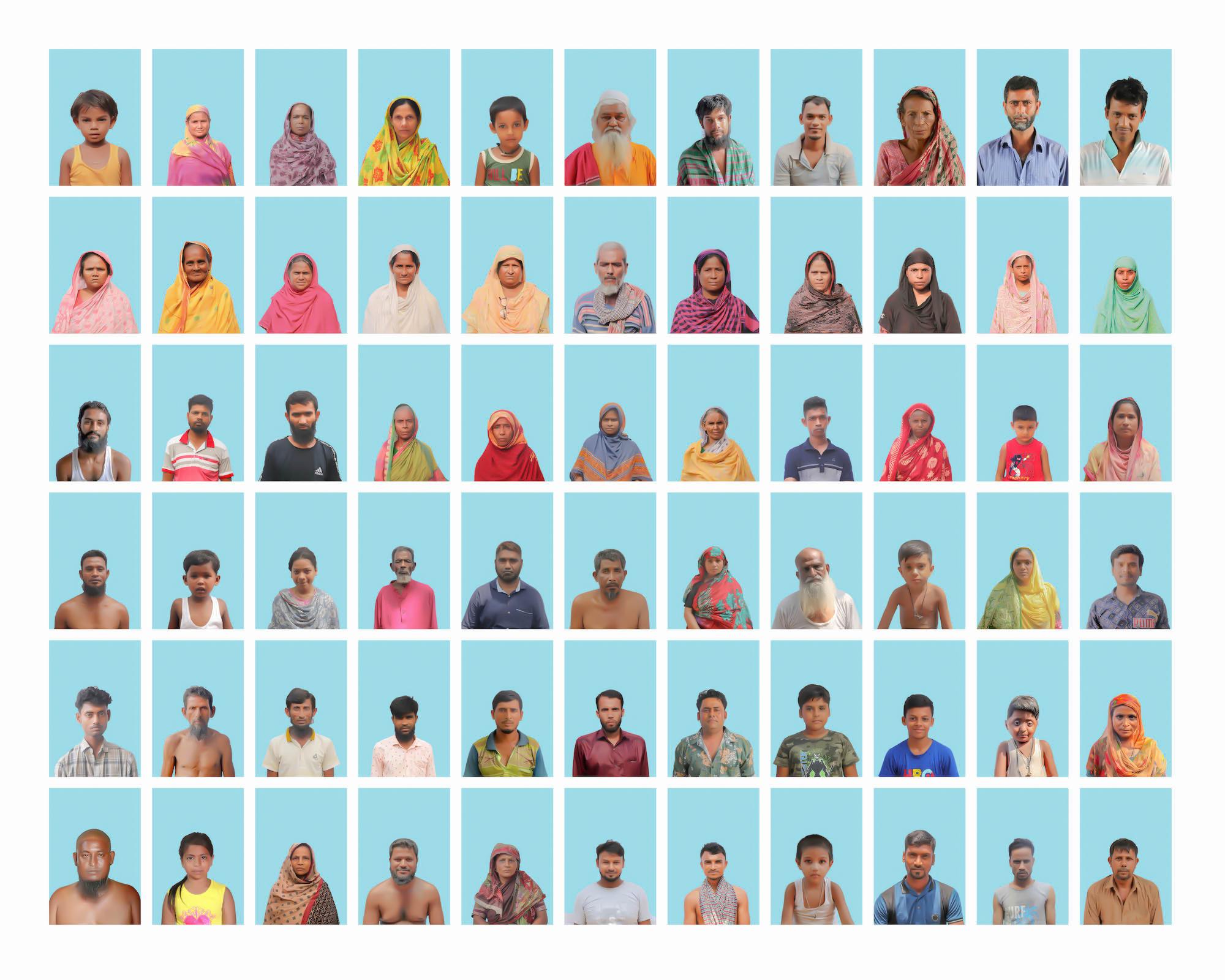
The Chronicle of Us
These portraits of climate migrants look like ID cards. ID cards are the most important thing, especially for climate migrants who have lost or are fleeing from their hometowns, to identify themselves.
© Shunta Kimura, Japan National Award, Shortlist, 2025 Sony World Photography Awards
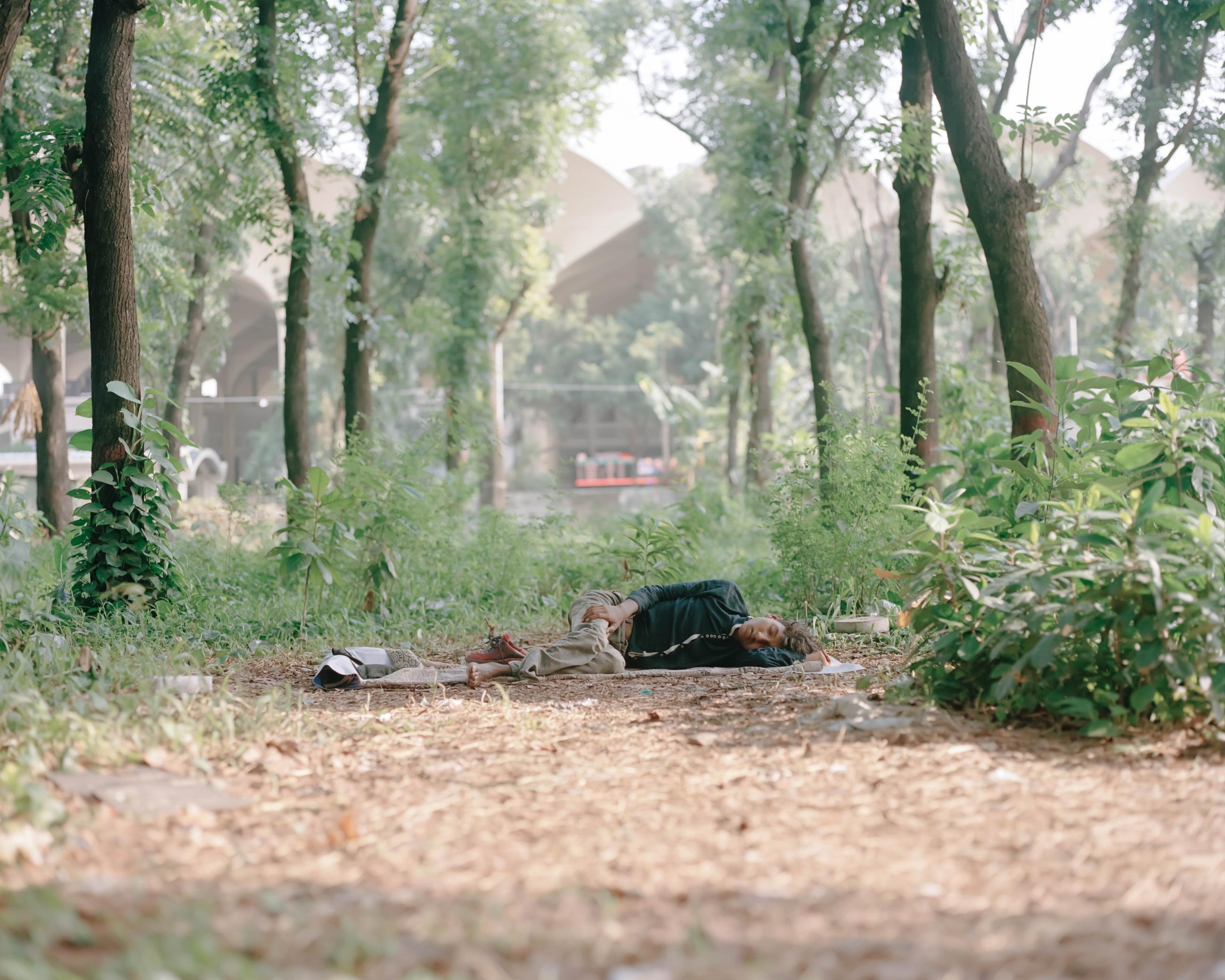
The Chronicle of Us
A migrant boy who evacuated from the south coastal area due to river erosion sleeps in the forest near Dhaka station, Bangladesh. Dhaka is one of the most overpopulated cities and has many orphans moving from rural areas to the city due to climate change. Some orphans stay overnight in stations, ferry terminals or roadsides without any protection.
© Shunta Kimura, Japan National Award, Shortlist, 2025 Sony World Photography Awards
The Chronicle of Us
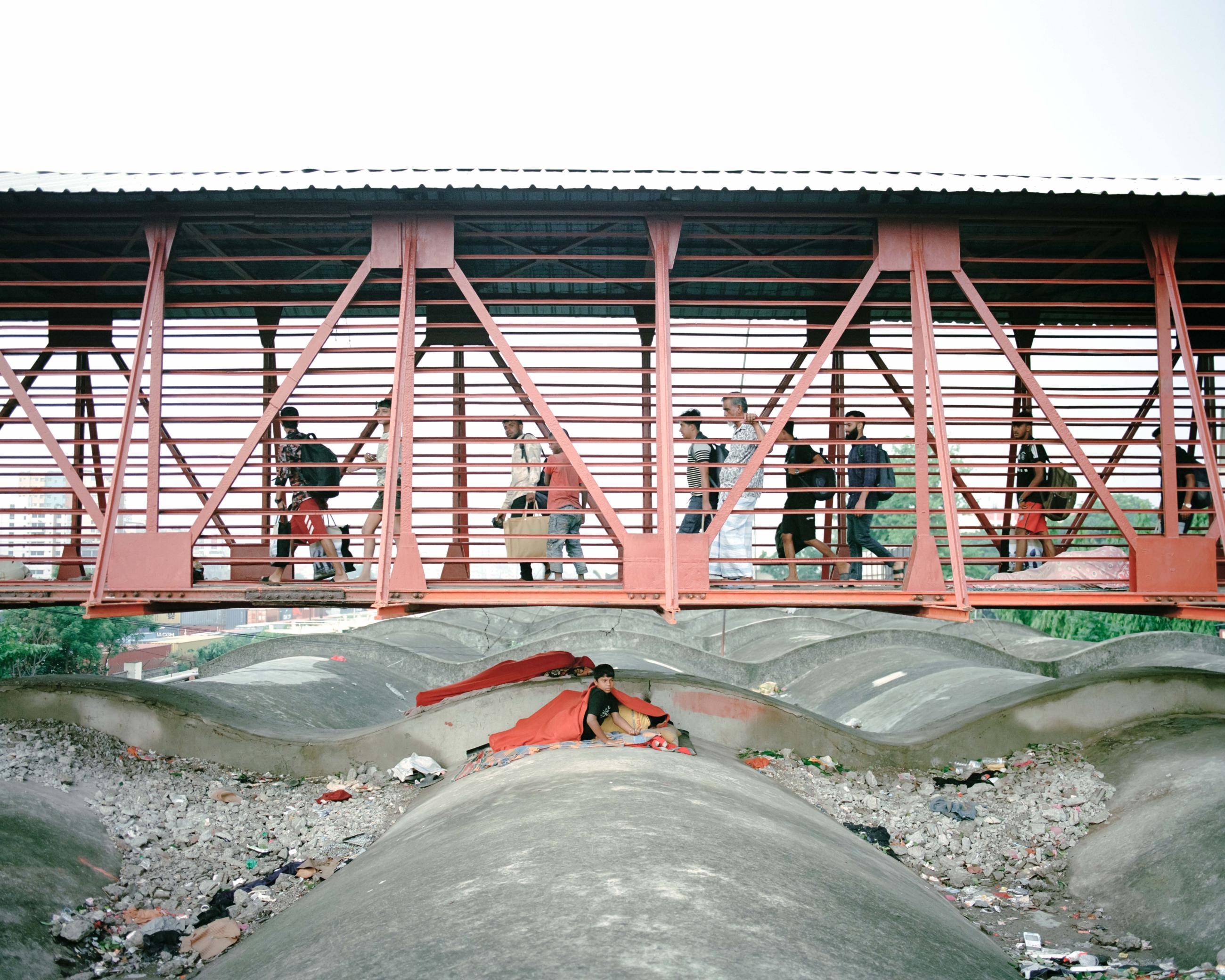
A boy sleeps beneath the station passageway to shelter himself from the rainstorm. Some climate migrants live around Dhaka station in Bangladesh.
© Shunta Kimura, Japan National Award, Shortlist, 2025 Sony World Photography Awards
The Chronicle of Us
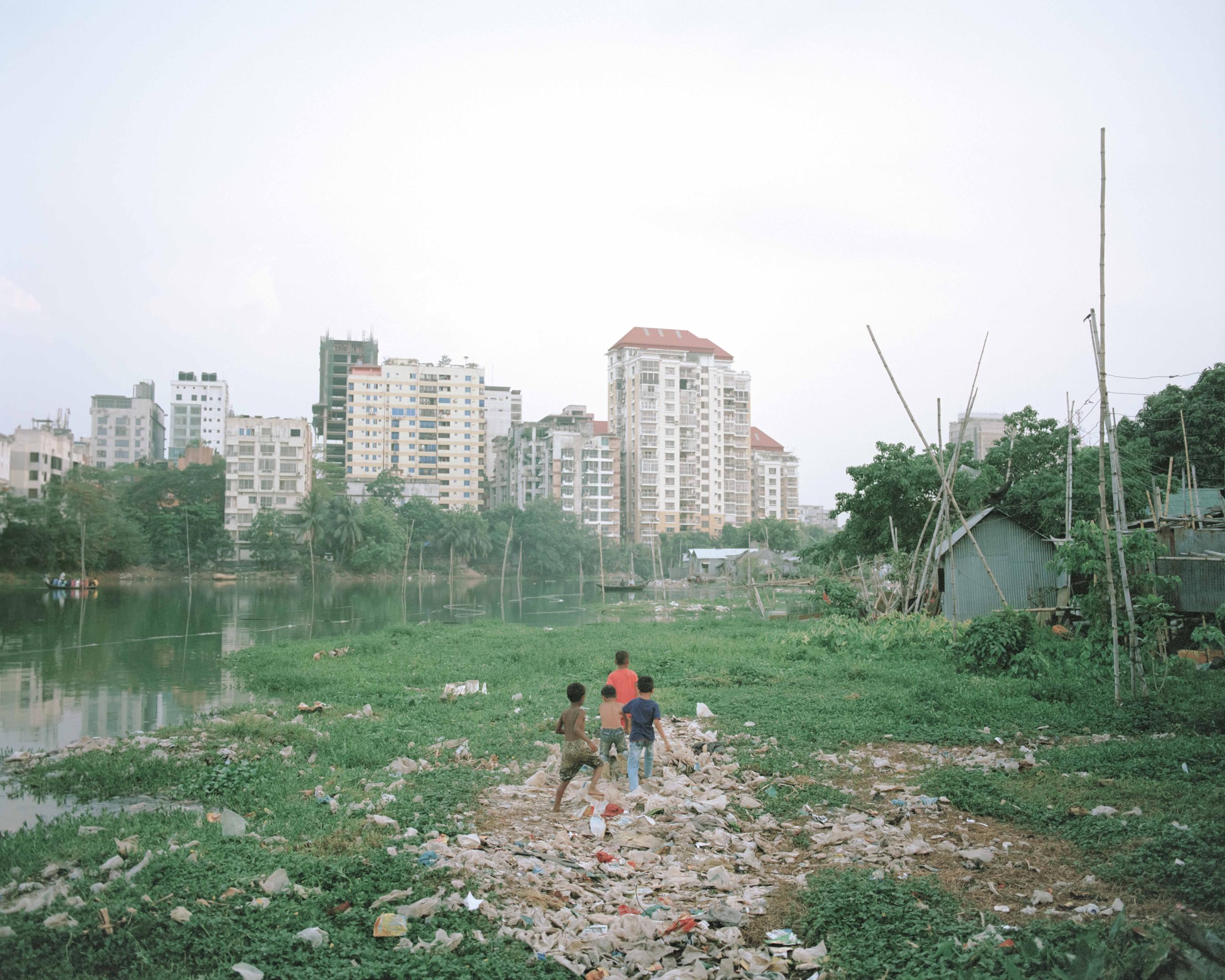
The boys play on rubbish floating on the river by the Korail Basti, Dhaka, Bangladesh. More than 200,000 residents live in the slum, with many climate migrants from Barisal, Bhola, Kuakata, and Chandpur moving to the area to seek a stable, safe, and secure life. Some are living there permanently, others temporarily, without government subsidies.
© Shunta Kimura, Japan National Award, Shortlist, 2025 Sony World Photography Awards