

Back to 2025
Japan National Award 2025 Winner
Life at the Crossroads: Midwives in Afghanistan
Noriko Hayashi
Series description
With a small number of trained midwives, Afghanistan has one of the highest maternal mortality rates in the world. The country is facing a humanitarian crisis, with high poverty, food shortages and fluctuations in foreign aid. Further, in December 2024, the Taliban banned women from midwifery courses. The situation is especially dire in the Northeastern province of Badakhshan, a remote mountain region with poor roads and minimal medical infrastructure. This series tells the story of Afghan midwives who struggle to save the lives of mothers and newborn babies living with insufficient medical care. The photographer has previously documented the work of midwives in different parts of the world such as Bolivia and Japan, and feels a sense of urgency in bringing public awareness to the crucial role of midwives in Afghanistan’s complex environment.
Biography
Noriko Hayashi is a documentary photographer based in Tokyo. Noriko began taking pictures for a local newspaper "The Point" in Gambia, West Africa, when she was a university student in International Relations. Her work has been recognized with awards such as the Visa d’Or feature award at the Visa Pour l'image festival and 1st Prize of NPPA Best of Photojournalism. Her works have been published internationally such as GRANTA, The New York Times, National Geographic Magazine, Stern etc.
Afghan Midwives
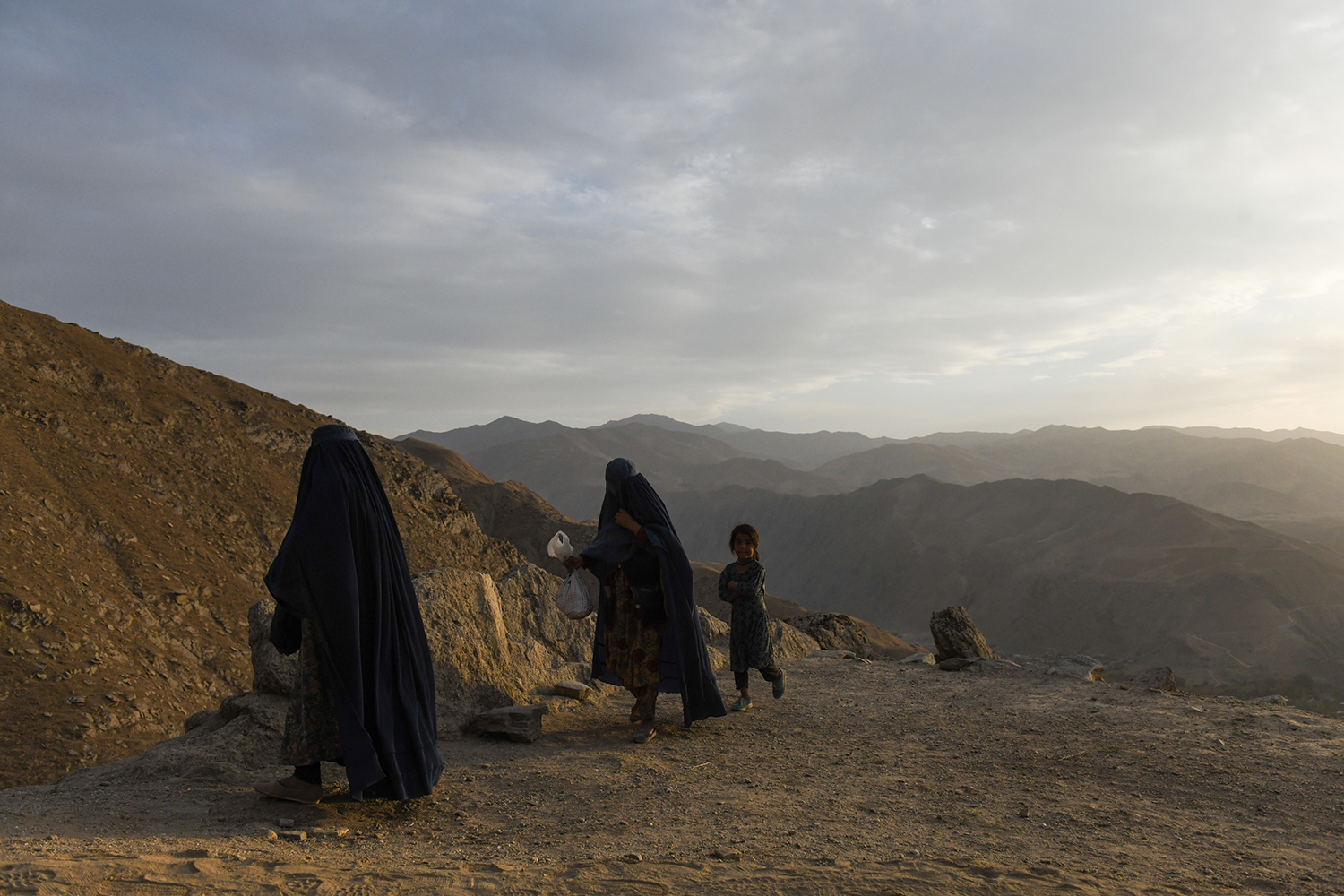
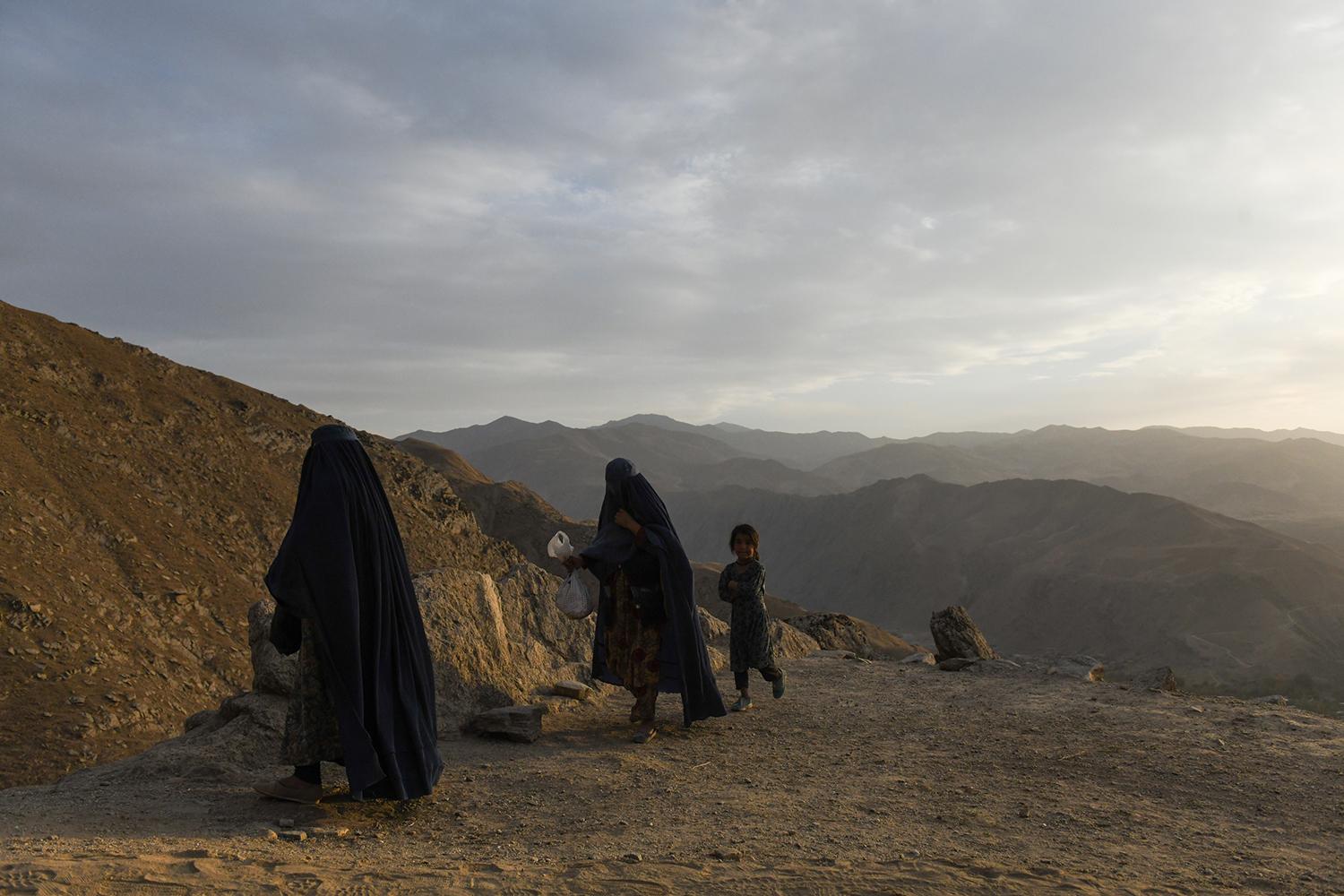
7 November 2023, Badakhshan: Women walking along a mountain path. A large part of Badakhshan Province is made of rugged mountainous terrain. In the winter, roads can be closed for months due to heavy snowfall, making access to medical facilities difficult. When roads become impassable, women are sometimes loaded onto donkeys and escorted by family members on multi-day trips to the closest clinic.
© Noriko Hayashi, Japan National Award, Winner, 2025 Sony World Photography Awards
Afghan Midwives
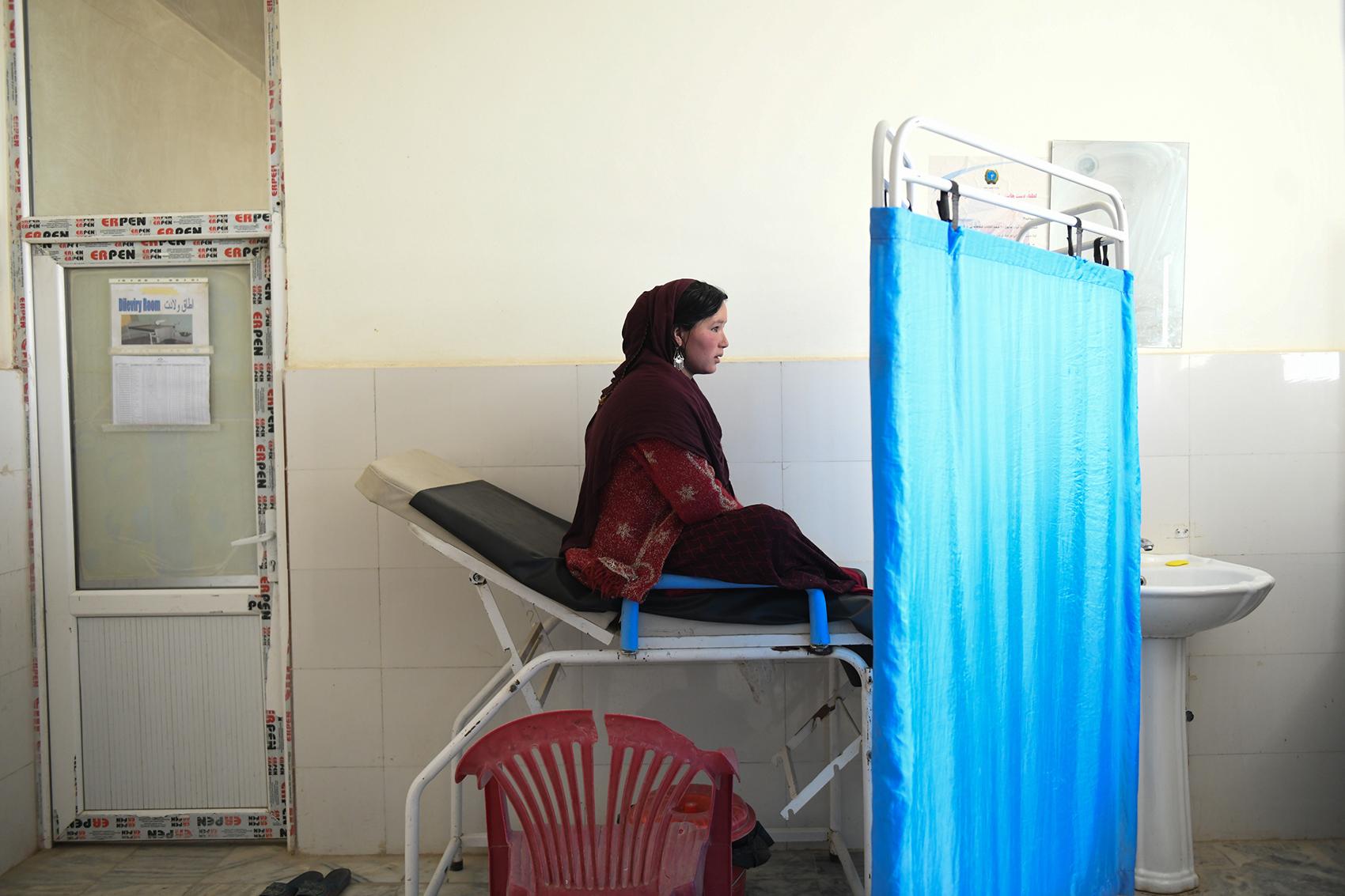
18 November 2023, Badakhshan: An expectant mother sits outside the delivery room of the only medical clinic in a community with 6000 people, waiting to deliver her baby.
© Noriko Hayashi, Japan National Award, Winner, 2025 Sony World Photography Awards
Afghan Midwives
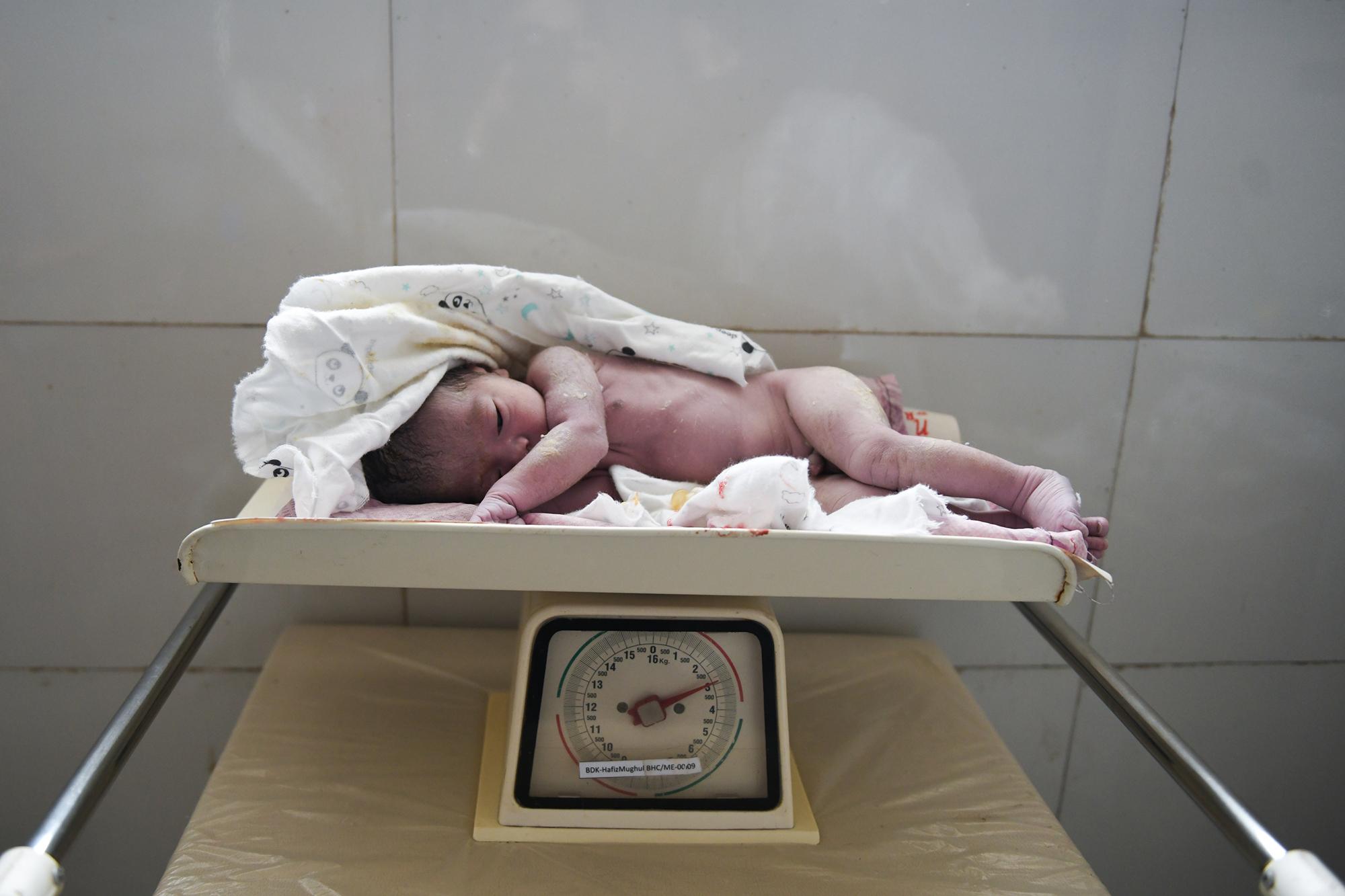
18 November 2023, Badakhshan: A newborn baby, delivered to a 20 year-old mother, being weighed. The baby, not breathing when born, was resuscitated by midwife Hadijah. It took her three hours to reach Hadijah’s clinic after attempting to deliver the baby at home for three days.
© Noriko Hayashi, Japan National Award, Winner, 2025 Sony World Photography Awards
Afghan Midwives
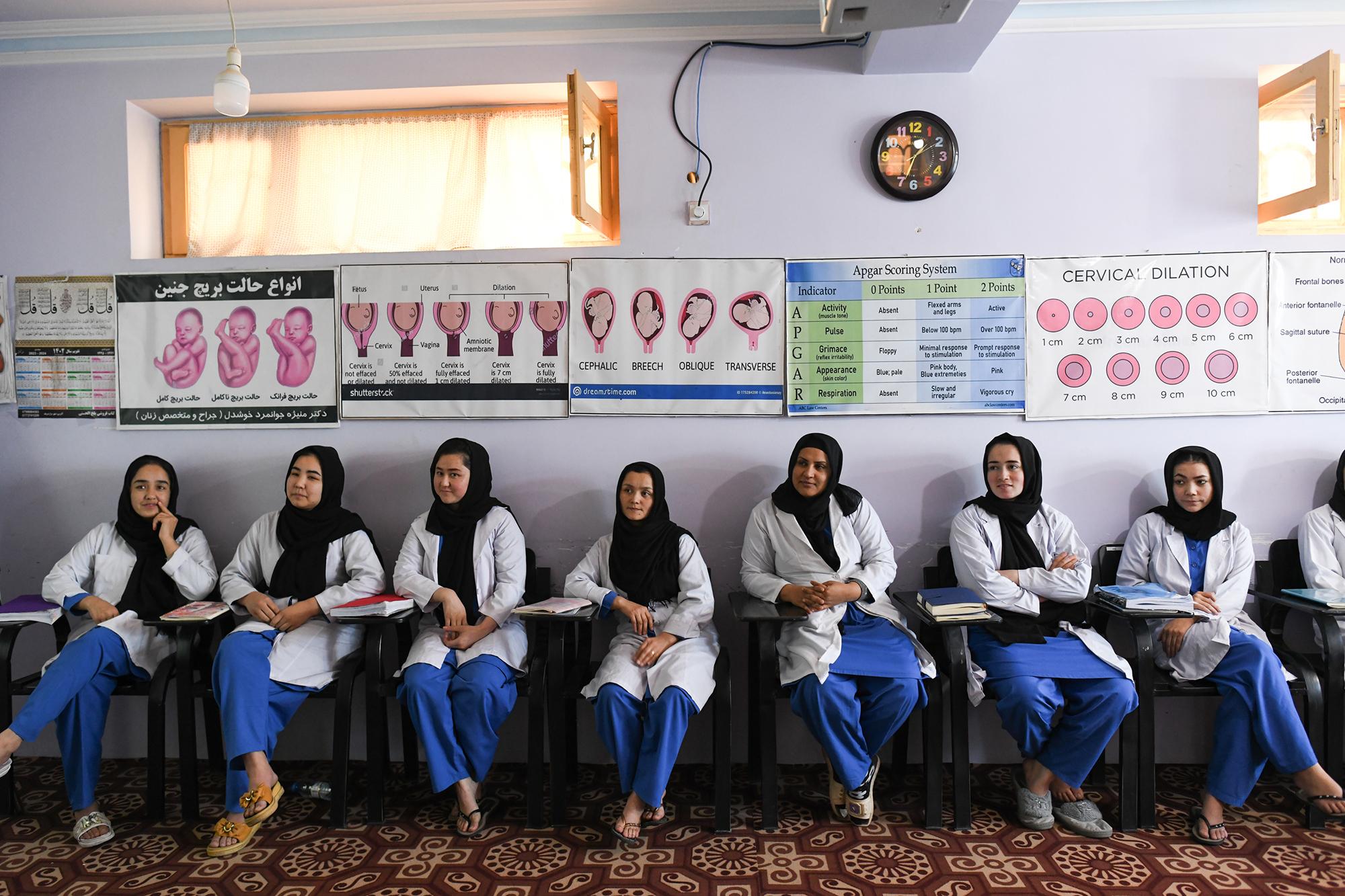
20 November, 2023, Balkh: Young women participate in a two-year midwifery training program run by the United Nations Population Fund and the Agency for Assistance and Development of Afghanistan. The women from remote villages in Northern Afghanistan with high maternal mortality rates will return to their home villages to work as midwives after completing their training. The ban on women taking nursing and midwifery courses, imposed in December 2024, will effectively deprive Afghan women of maternal healthcare.
© Noriko Hayashi, Japan National Award, Winner, 2025 Sony World Photography Awards
Afghan Midwives
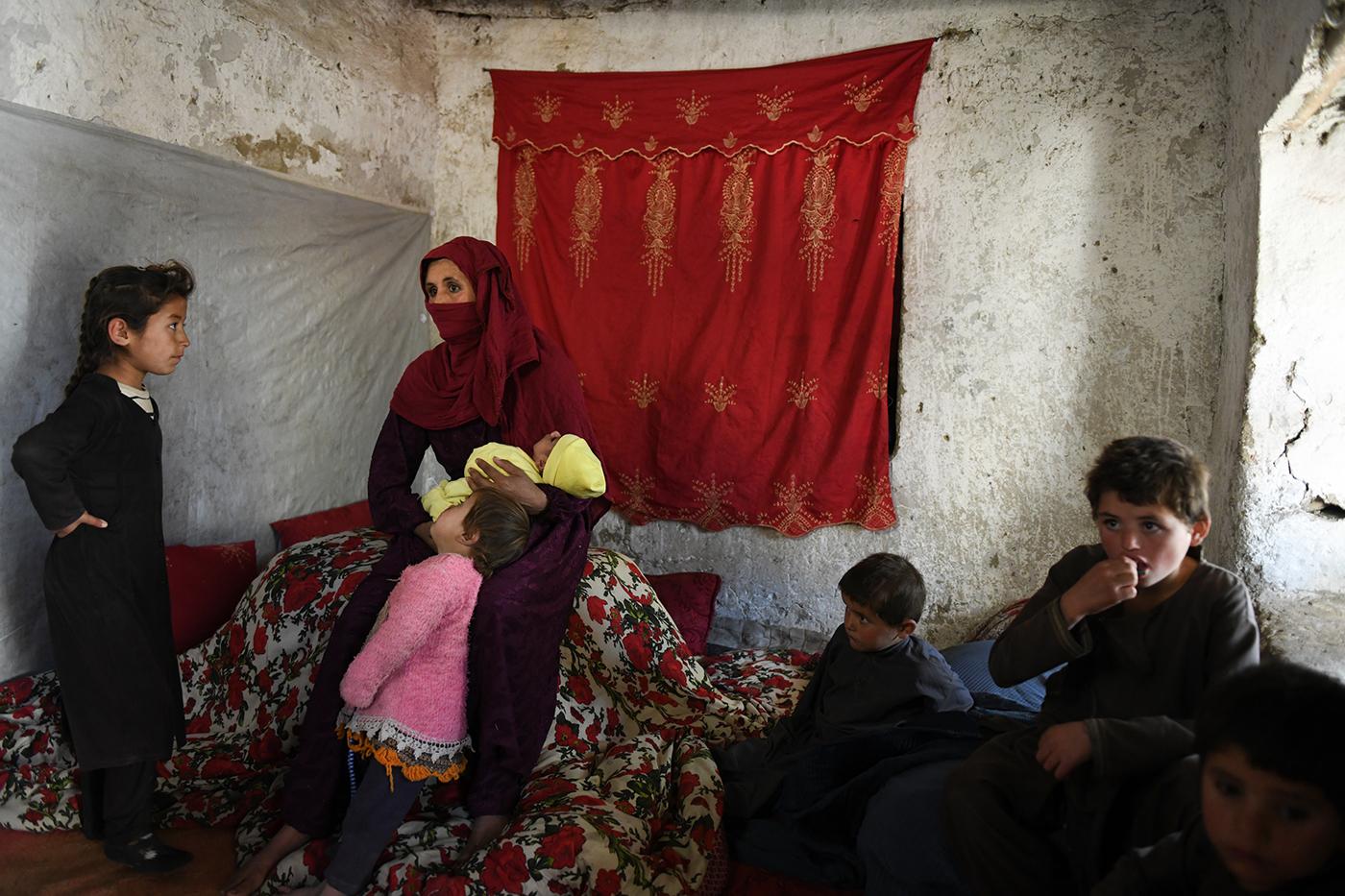
15 November 2023, Badakhshan: Bibikaran is holding her 29 day-old home-birthed son Yunos and surrounded by her other children. Both Bibikaran, who was unable to breastfeed, and Yunos, who weighed less than two kilograms at birth, have been diagnosed as malnourished. According to the World Food Programme, 15 million people in Afghanistan, or 40% of the population, currently suffer from food insecurity. Malnutrition, especially during pregnancy, often leads to anemia and breastfeeding problems after birth for mothers, and consequently causes malnutrition in their children.
© Noriko Hayashi, Japan National Award, Winner, 2025 Sony World Photography Awards
Afghan Midwives
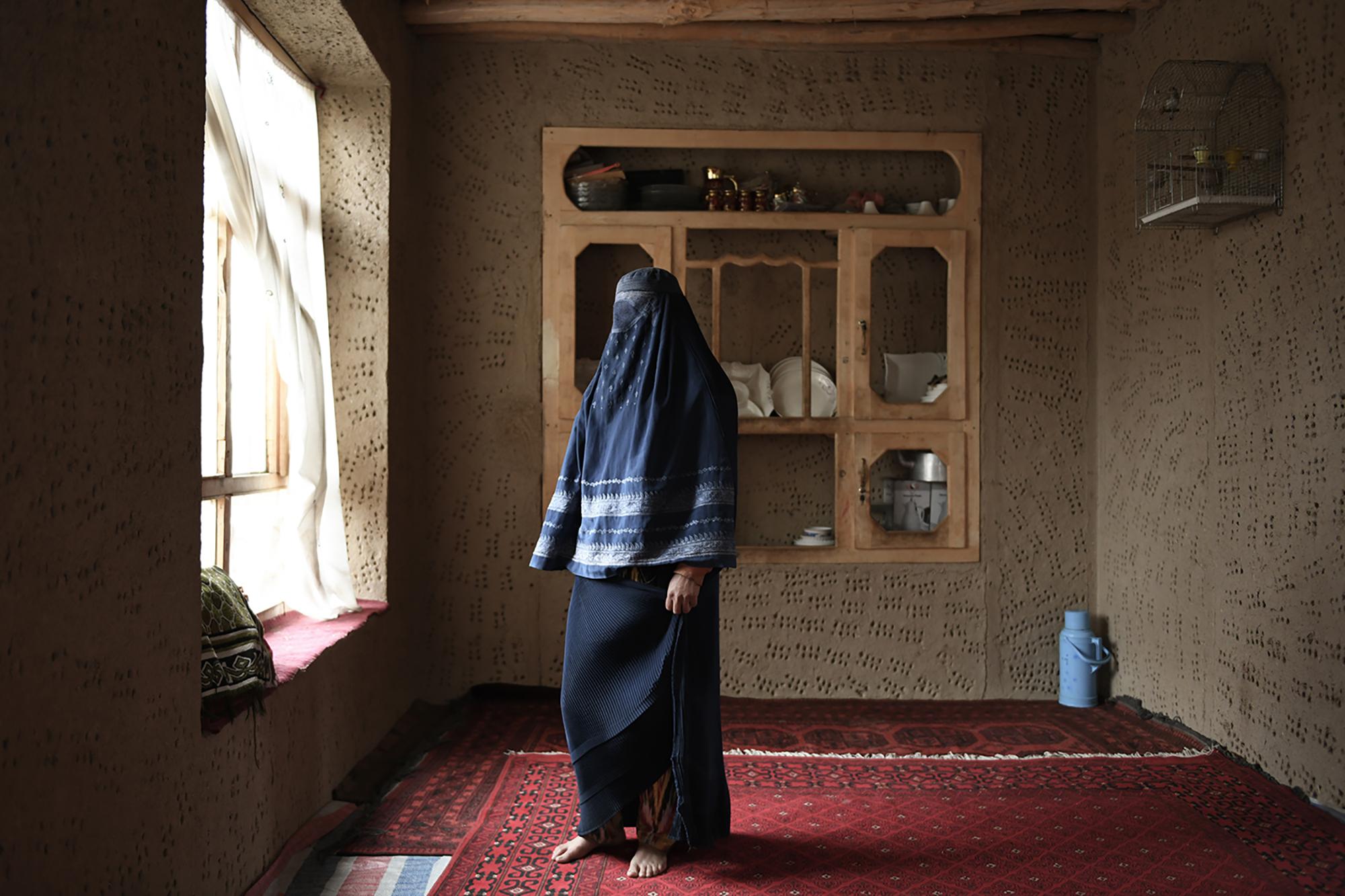
9 November 2023, Badakhshan: A 32 year-old mother in her home. ‘My family was poor and I got married when I was 14. My first birth was when I was 15. My body was small and it was very painful. Since I didn't have a chance to get an education, I hope my daughter will get an education and become a woman who can contribute to the community in the future. I have had hardships and people often say that I look old for my age. ’ she says.
© Noriko Hayashi, Japan National Award, Winner, 2025 Sony World Photography Awards
Afghan Midwives
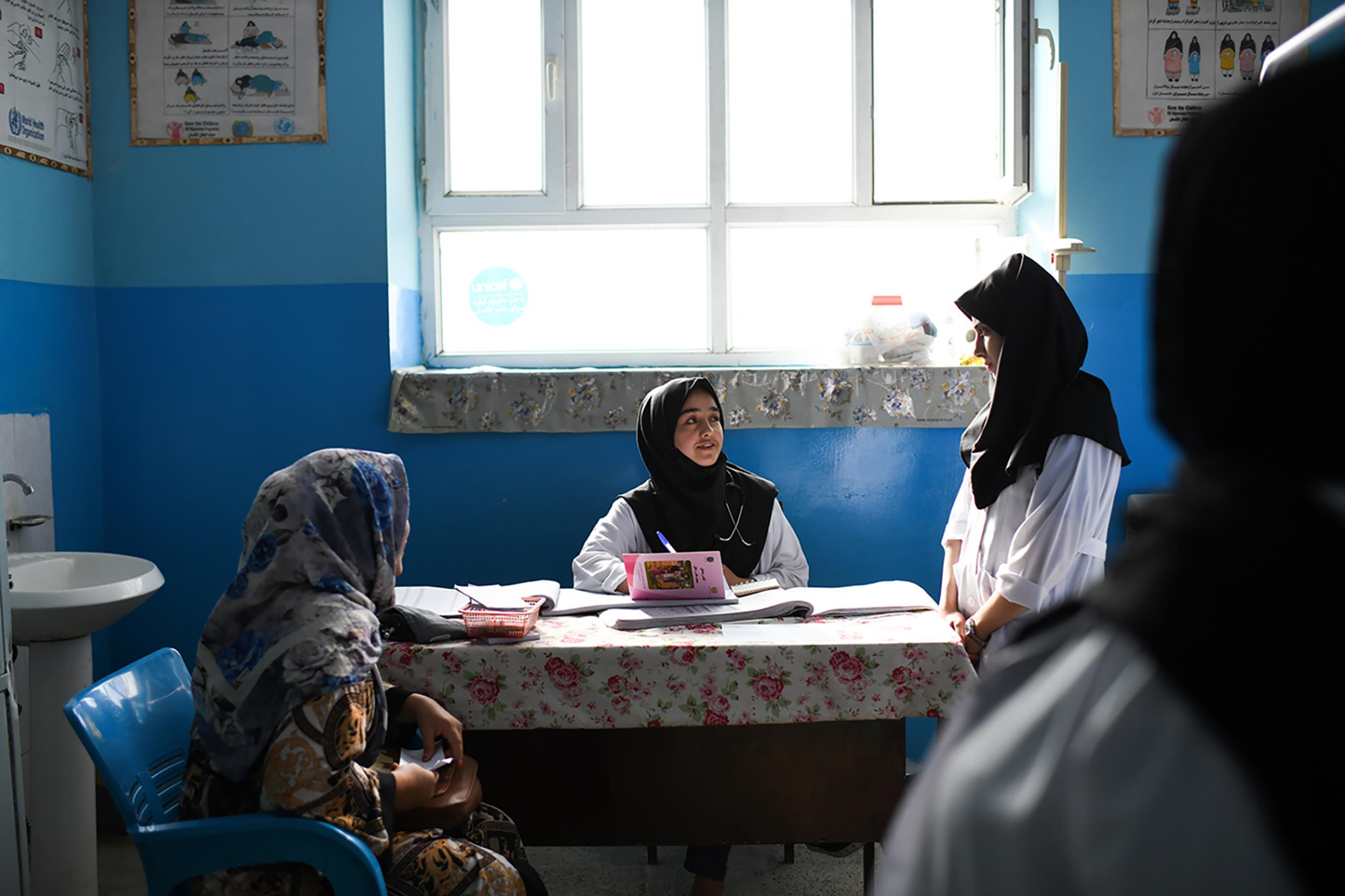
20 November, 2023, Balkh: Young women participate in a two-year midwifery training program run by the United Nations Population Fund and the Agency for Assistance and Development of Afghanistan. The women from remote villages in Northern Afghanistan with high maternal mortality rates will return to their home villages to work as midwives after completing their training. The ban on women taking nursing and midwifery courses, imposed in December 2024, will effectively deprive Afghan women of maternal healthcare.
© Noriko Hayashi, Japan National Award, Winner, 2025 Sony World Photography Awards