

Series description
In a tiny fraction of Earth’s history, humans have altered the world beyond anything it has experienced in tens of millions of years. Scientists are calling it a new epoch: The Anthropocene – the age of human. Future geologists will find evidence in the rock strata of an unprecedented human impact on our planet, from huge concentrations of plastics to the fallout from the burning of fossil fuels, and vast deposits of concrete used to build our cities. We are forcing animals and plants to extinction by removing their habitats, and divorcing ourselves from the land we once roamed. Yet we cannot face the true scale of our loss. Somewhere within us the desire for contact with nature remains. ‘So, while we devastate the world around us, we have become masters of a stage-managed, artificial ‘experience’ of nature – a reassuring spectacle, an illusion.’ Over six years, and across four continents, Zed Nelson has explored how we immerse ourselves in increasingly choreographed and simulated environments to mask our destructive impact on the natural world.
Biography
Zed Nelson is known for long-term projects that explore contemporary society. His work is driven by a critical focus on the intersection of modern capitalism and human psychology Recognised by several major awards, Nelson has published three monographs; ‘Gun Nation’, ‘Love Me’ and, ‘A Portrait of Hackney’. His work has toured internationally in solo exhibitions and been included in group exhibitions at Tate Britain, the National Portrait Gallery and the V&A museum, UK.
The Anthropocene Illusion
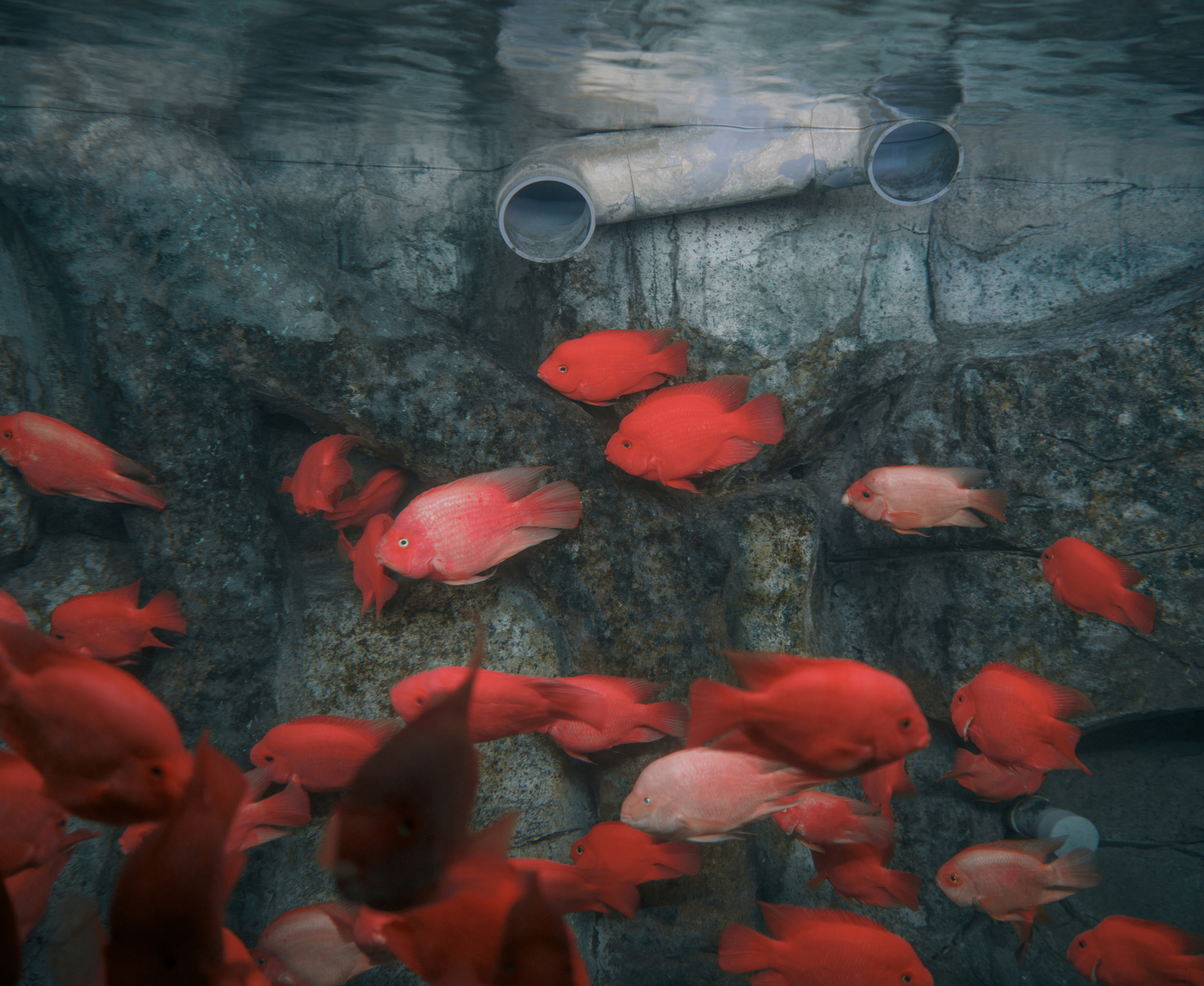
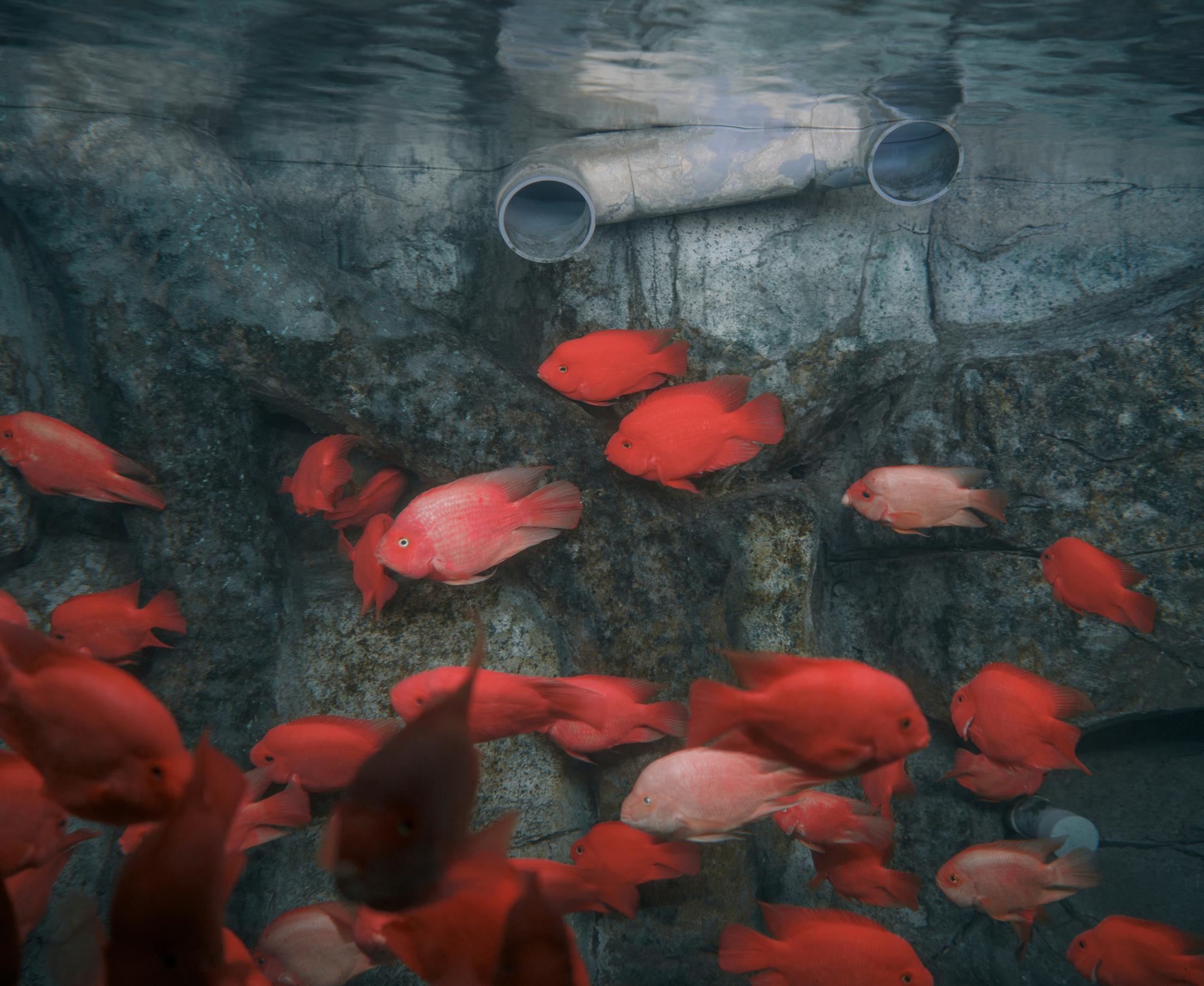
Quancheng Ocean Polar World, Shandong, China. The estimated five trillion plastic particles in the sea now weigh more than the entire biomass of the human species.
© Zed Nelson, United Kingdom, Photographer of the Year, Professional competition, Wildlife & Nature, 2025 Sony World Photography Awards
The Anthropocene Illusion
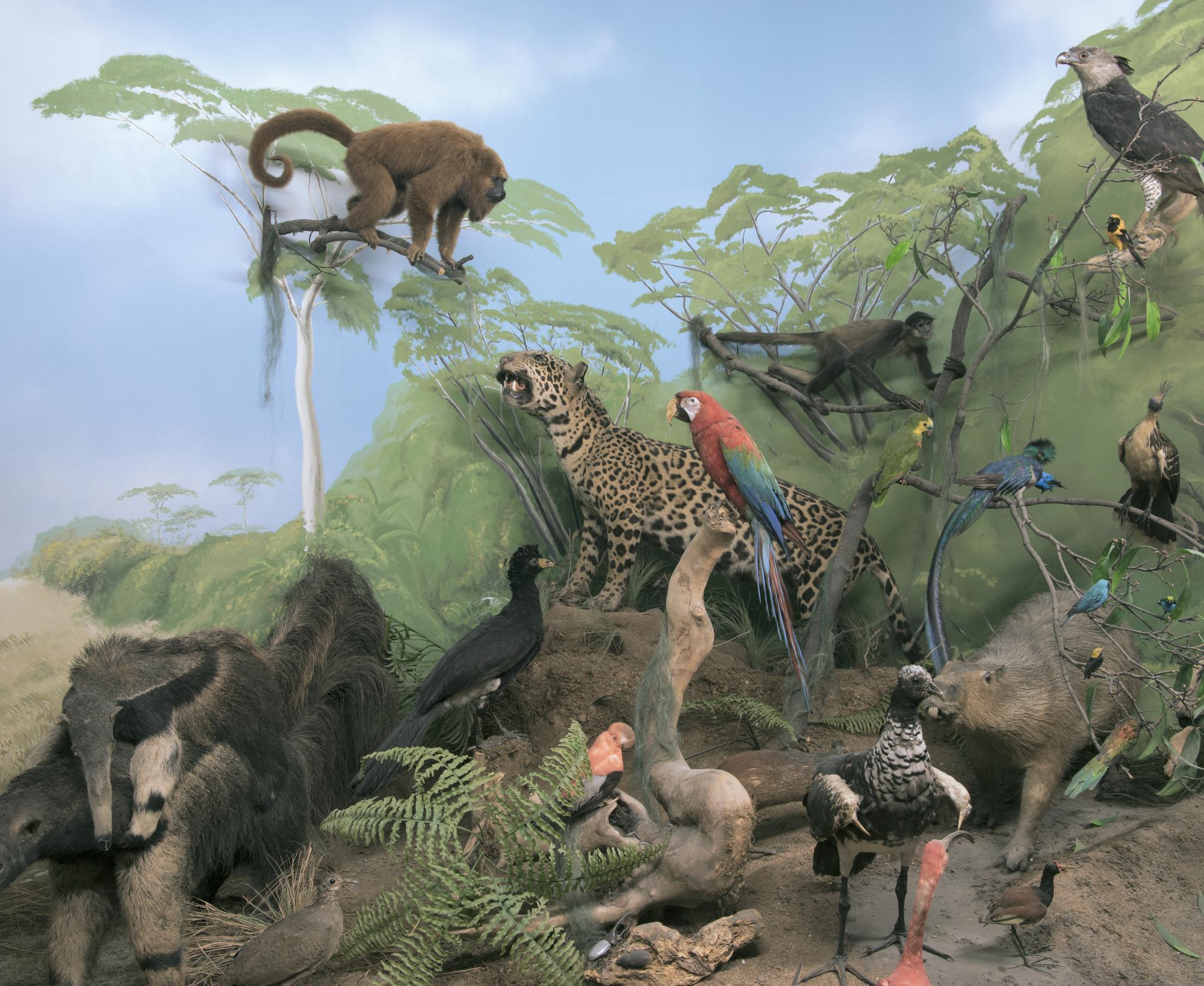
Oslo Natural History Museum, Norway.
‘And God said to them, ‘Be fruitful and multiply and fill the earth and subdue it, and have dominion over the fish of the sea and over the birds of the heavens and over every living thing that moves on the earth.’ Genesis 1:28. The English Standard Version.
© Zed Nelson, United Kingdom, Photographer of the Year, Professional competition, Wildlife & Nature, 2025 Sony World Photography Awards
The Anthropocene Illusion
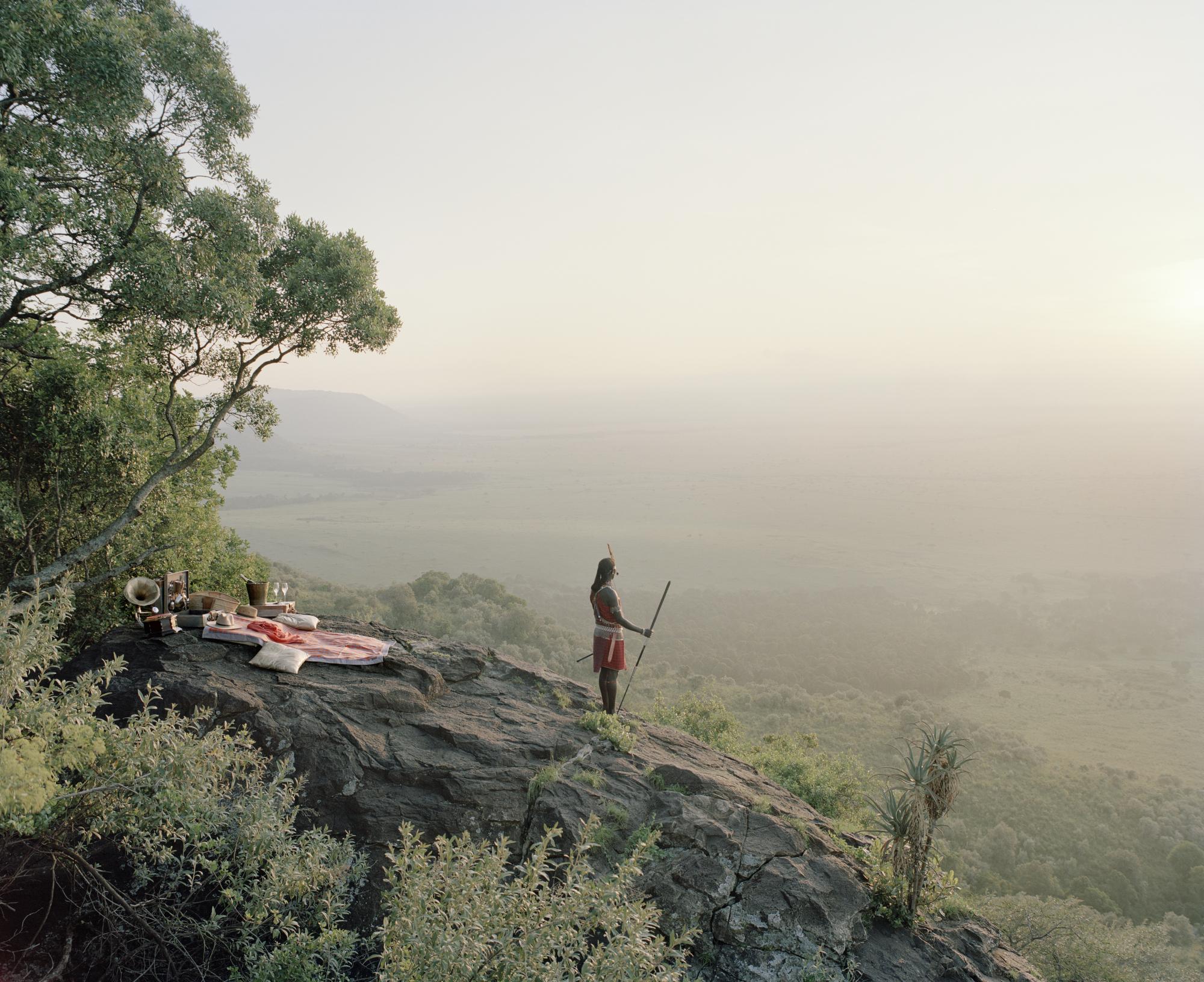
Kenya’s national parks and reserves offer tourists the chance to see wild animals in what remains of their natural habitat. In Maasai Mara, tourists engage in colonial fantasies while re-enacting the romantic picnic scene in the film, Out of Africa. Local Maasai tribesmen are employed to add authenticity to the experience. While Kenyan national parks provide a sanctuary, the animals living within them are allowed to survive essentially for human entertainment and reassurance. These animals become, in effect, performers for tourists eager to see a nostalgic picture-book image of the natural world.
© Zed Nelson, United Kingdom, Photographer of the Year, Professional competition, Wildlife & Nature, 2025 Sony World Photography Awards
The Anthropocene Illusion
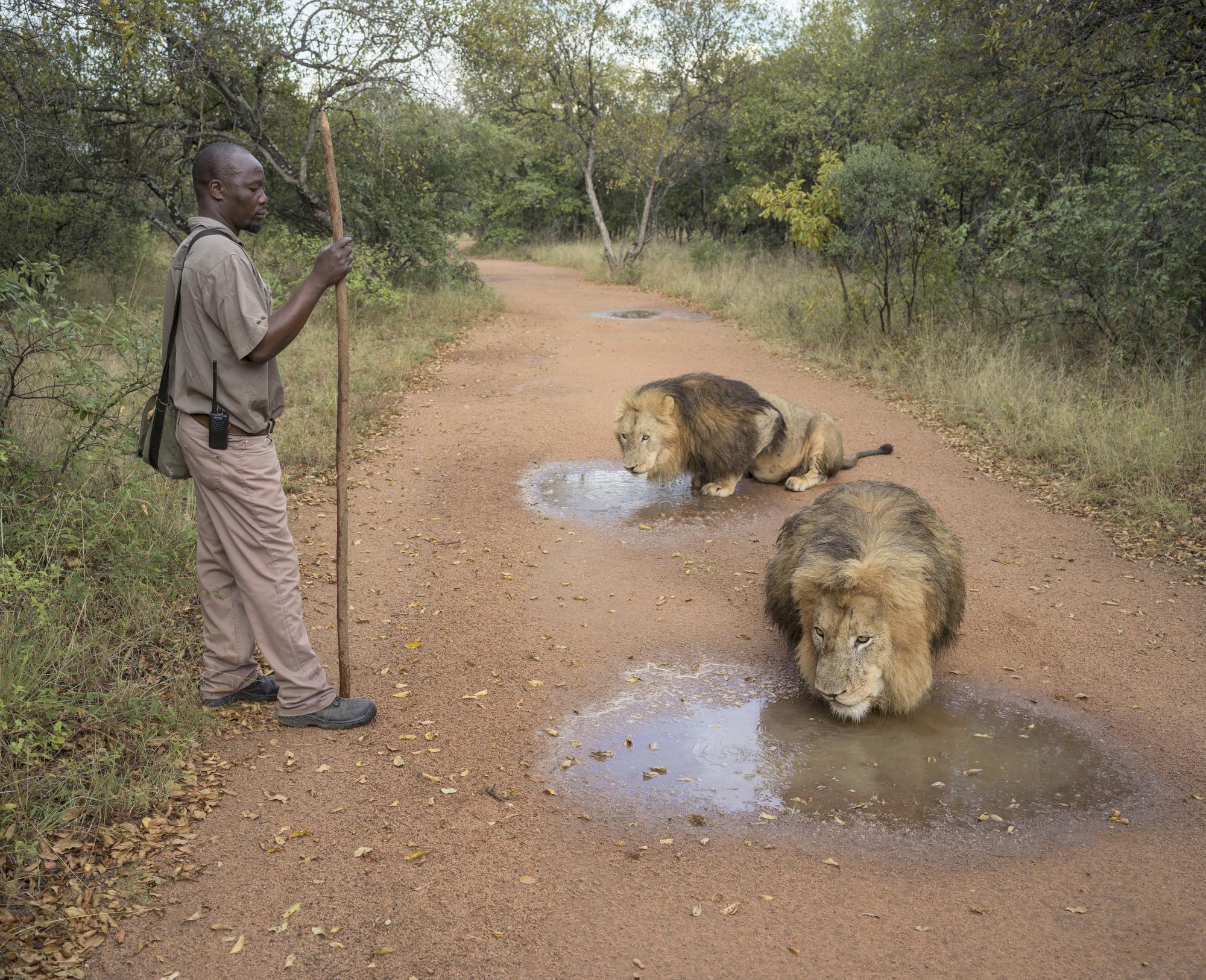
There are approximately 300 lion farms in South Africa, holding up to 12,000 captive-bred lions. These facilities offer fee-paying tourists the opportunity to pet and feed lion cubs and walk with lions that have been bottle-fed since birth. Once the lions reach adolescence, when male lions have grown a substantial mane, they are sold to visiting trophy hunters to be killed in ‘canned’ or ‘captive-bred’ lion hunts – the practice of shooting hand-reared, captive-bred lions in a fenced area from which they cannot escape. Trophy hunterspay an average of £12,800 to shoot a lion and return home with its skin and skull. The carcasses are then sold and exported to Asia; the South African government has issued annual quotas of 1,500 lion skeletons to be legally exported to Asia, for use in the lion bone trade.
© Zed Nelson, United Kingdom, Photographer of the Year, Professional competition, Wildlife & Nature, 2025 Sony World Photography Awards
The Anthropocene Illusion
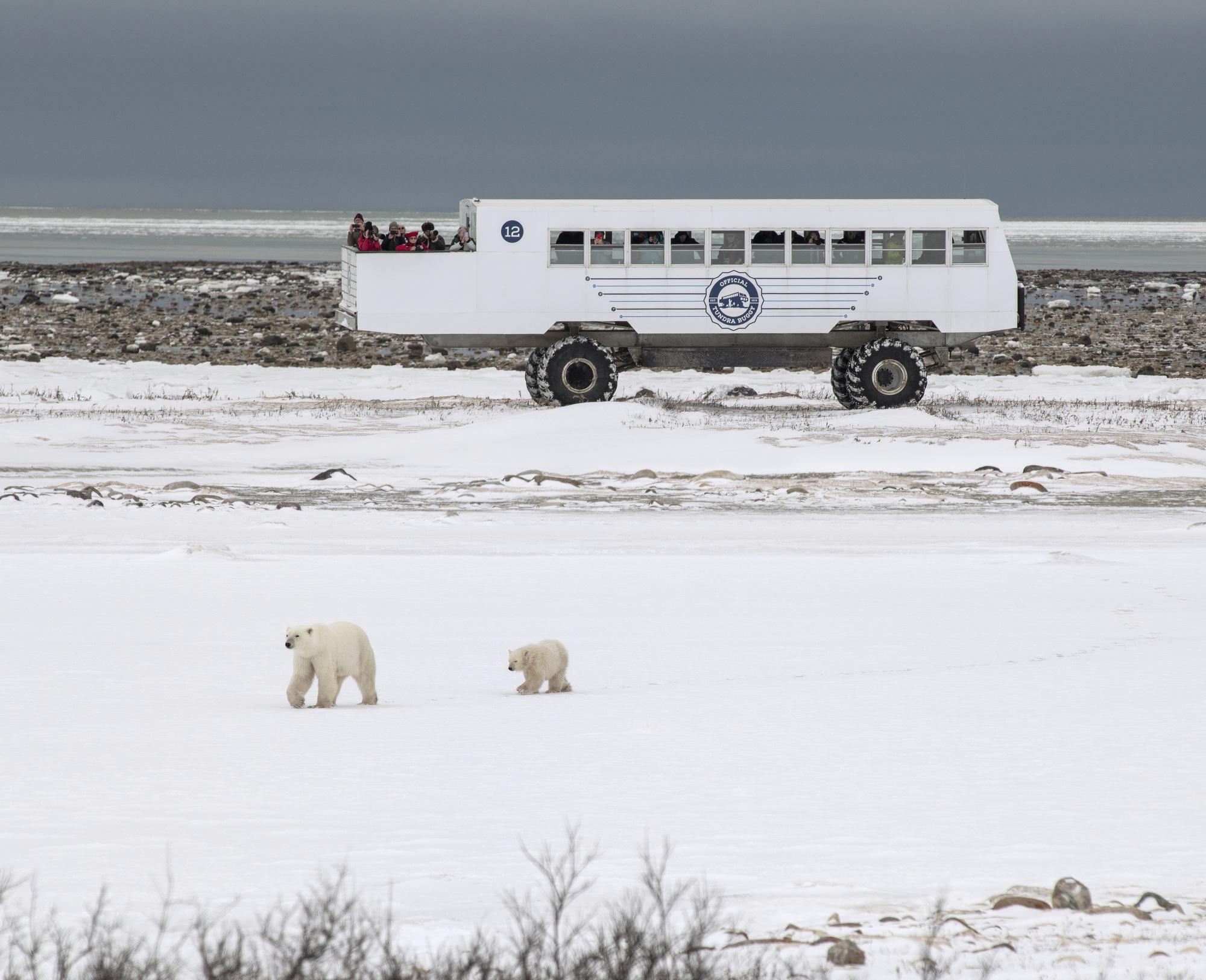
On the southern edge of the Arctic, Hudson Bay, Canada, is known as the ‘polar bear capital of the world’. Bears come ashore in the summer when the sea ice melts and wait for the ice to return in November. Tour companies cater to an annual influx of tourists eager to see polar bears during the six-week ‘bear season’ when the bears roam the shoreline, waiting for the sea ice to freeze over.
© Zed Nelson, United Kingdom, Photographer of the Year, Professional competition, Wildlife & Nature, 2025 Sony World Photography Awards
The Anthropocene Illusion
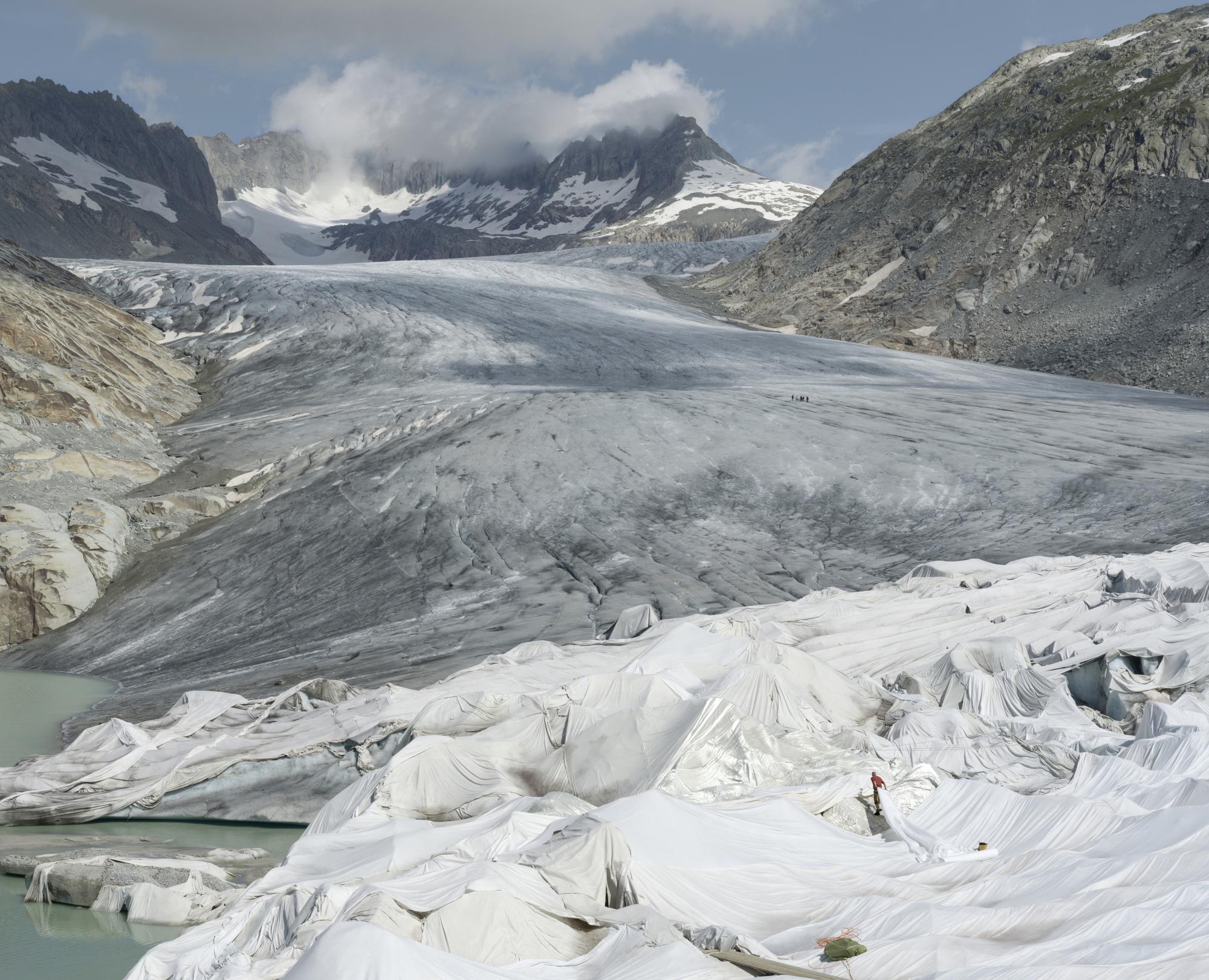
Thermal blankets are deployed in an effort to slow melting ice and preserve a popular ‘ice grotto,’ a tourist attraction that was first carved into Switzerland’s Rhône Glacier in 1870.
© Zed Nelson, United Kingdom, Photographer of the Year, Professional competition, Wildlife & Nature, 2025 Sony World Photography Awards
The Anthropocene Illusion
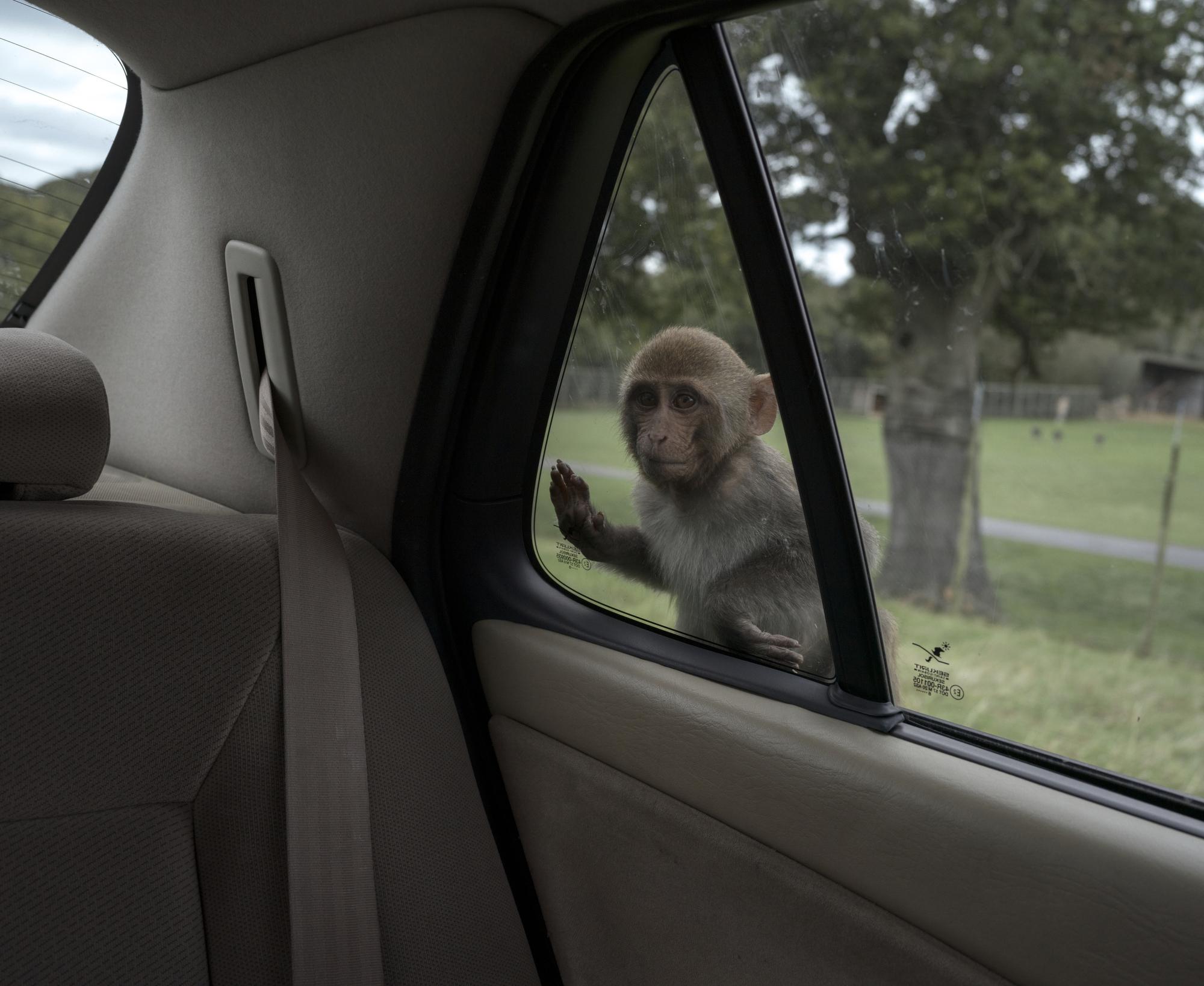
Opened in 1966, Longleat Safari Park, UK, was the first drive-through safari park outside Africa.
‘Everywhere animals disappear. In zoos they constitute the living monument to their own disappearance,’ John Berger (1926 - 2017), Why Look at Animals.
© Zed Nelson, United Kingdom, Photographer of the Year, Professional competition, Wildlife & Nature, 2025 Sony World Photography Awards