

Series description
M’kumba is an ongoing project that illustrates the resilience of Afro-Brazilian communities in the face of local religious intolerance. Its name derives from an ancient Kongo word for spiritual leaders, before it was distorted by local society to demean African religions. For more than 300 years, nearly 5 million African people were brought to Brazil. They lost their freedom, and their spiritualities were persecuted by colonial ideologies. Until 1970, Afro-Brazilian religions were criminalised, and due to longstanding prejudice they still face violence – more than 2,000 attacks were reported in 2024 alone. Although 56 per cent of Brazilians are of Afro-descent, fewer than 2 per cent identify as Afro-religious due to fear of persecution. As an Afro-religious priest in training, Gui Christ wanted to photograph a proud, young generation representing African deities and mythological tales. Through intimate imagery, this project challenges prejudice while celebrating these spiritual traditions as vital to Brazil’s cultural identity.
Biography
Gui Christ is a photographer who portrays Brazilian peripheral communities and cultures through contemporary approaches. Due to his project with Afro-Brazilian populations, he received grants from the Pulitzer Center and National Geographic, as well as awards at POY-Latam. His series have been showcased at renowned festivals such as PhotoEspaña, Photoville and Indian Photofest. In 2024, he was among the artists selected from over 5,000 applicants to represent Latin America at PhotoVogue.
When Esu Crossed the Atlantic to Support His People
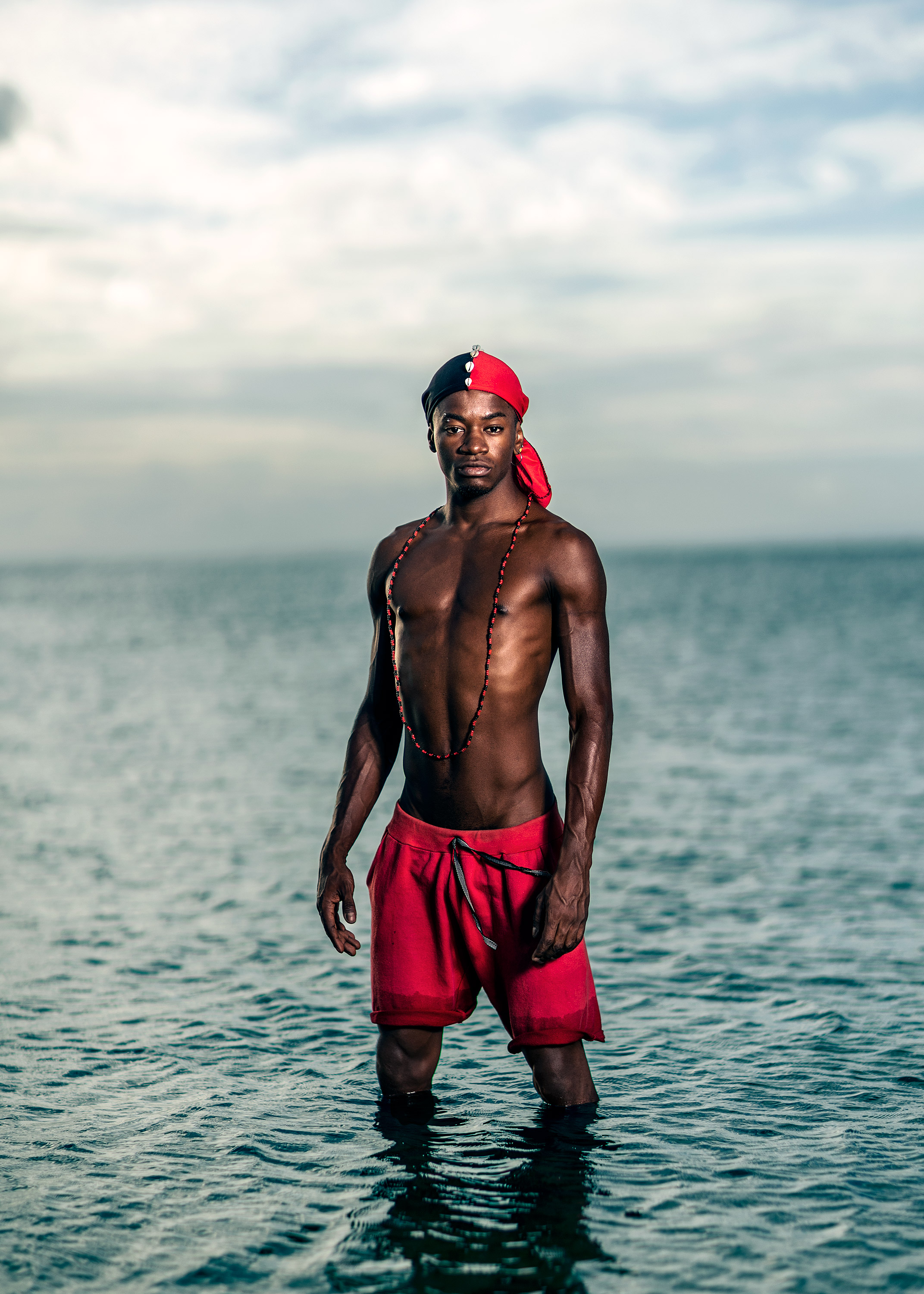
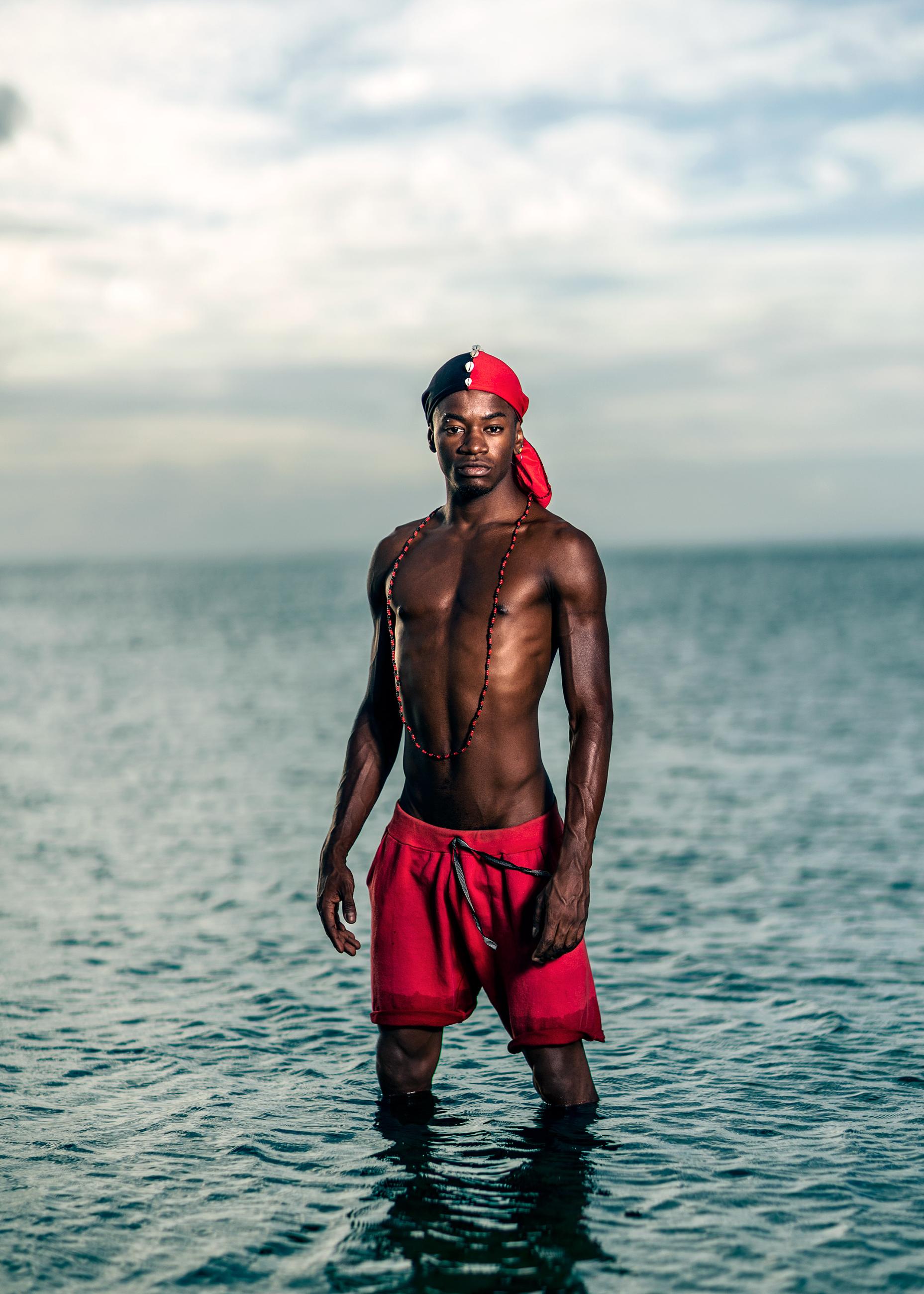
A portrait of Afro-Brazilian religious practitioner, Inagê Kaluanã, representing the arrival of the Orixá Exu in Brazil caused by the forced migration of enslaved Yoruba people. Exu is considered the messenger who connects the material world (Aiyê) and the spiritual realm (Òrun), holding profound significance for enslaved communities. It was believed that he could carry their prayers to the divine, offering solace and alleviating their suffering in the face of oppression.
Salvador, Brazil.
© Gui Christ, Brazil, 1st Place, Professional competition, Portraiture, 2025 Sony World Photography Awards
Ogun Protects All the Backyards in Brazil
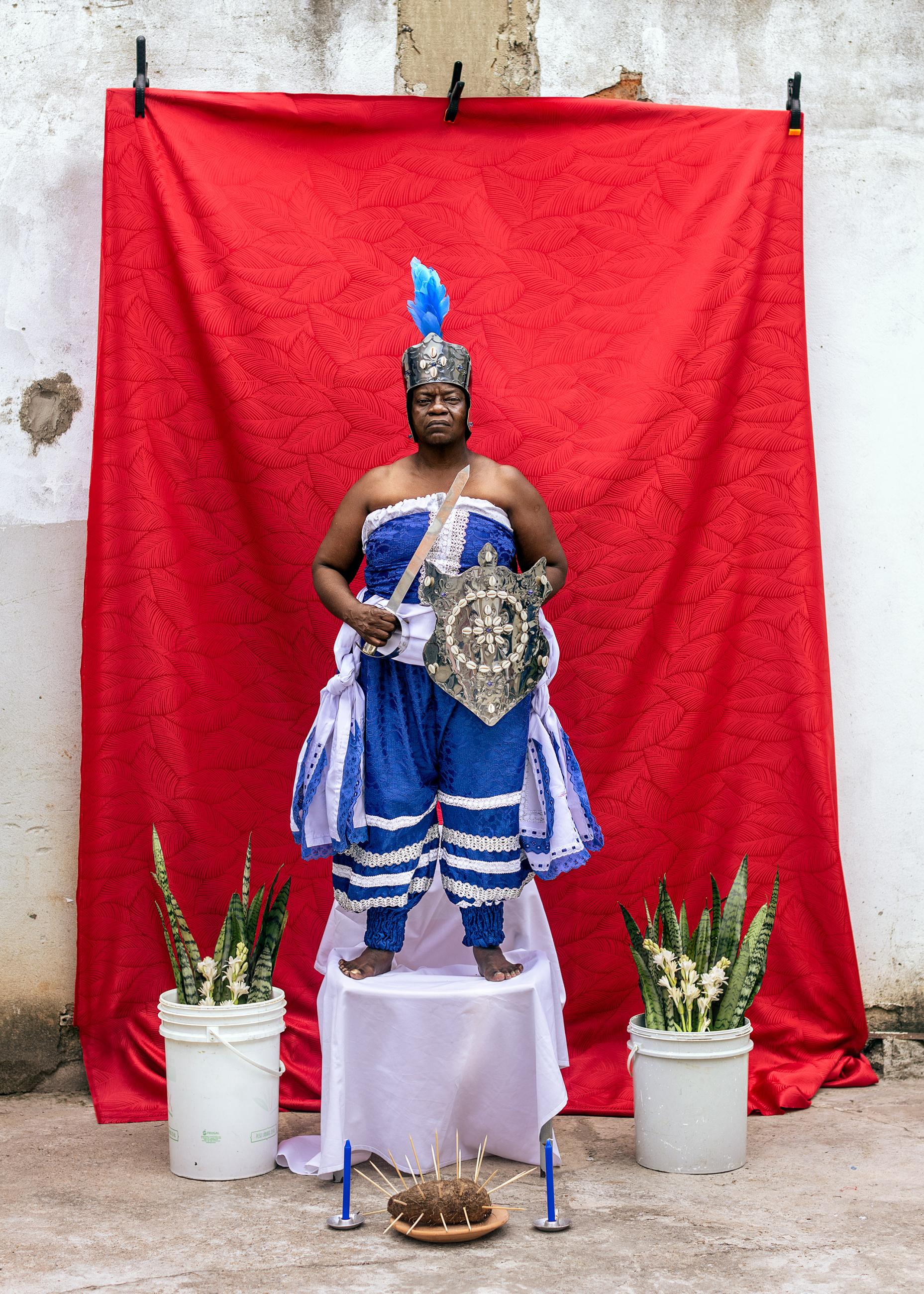
Afro-Brazilian priestess Elizabeth Aparecida representing Ogun in her backyard temple. After centuries of prohibition, a division of the police(translated to English as Gaming and Religious Affairs Police) was established in 1942 to oversee Afro-Brazilian temples, but systemic prejudice meant that many practitioners faced arrest and temple closures. Backyards became sites of resistance, where rituals were held in secrecy, ensuring the survival of Afro-Brazilian practices and communities.
Embu das Artes, Brazil.
© Gui Christ, Brazil, 1st Place, Professional competition, Portraiture, 2025 Sony World Photography Awards
Popcorn, an Afro-Brazilian Remedy
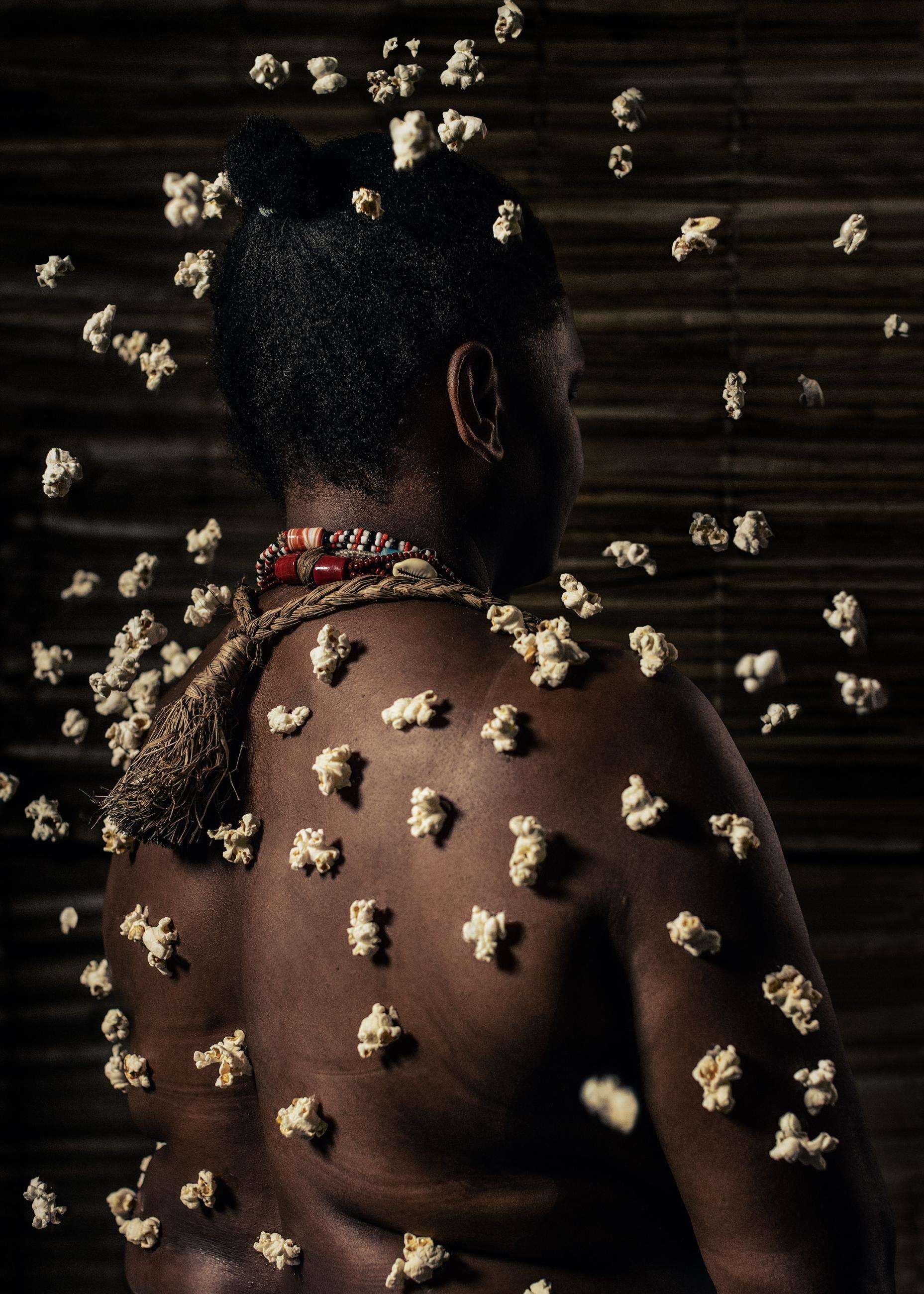
Diana Kelly, representing an Afro-Brazilian ritual where popcorn is used as a remedy. In Yoruba mythology, popcorn is linked to Obaluaê, the Orisha of diseases. After his sores from smallpox were healed, they transformed into popcorn, symbolising its power to absorb illnesses. For centuries, Afro-Brazilian traditional medicine was the main form of accessible healthcare for enslaved people and their descendants, even though it was criminalised until the early twentieth century.
São Paulo, Brazil.
© Gui Christ, Brazil, 1st Place, Professional competition, Portraiture, 2025 Sony World Photography Awards
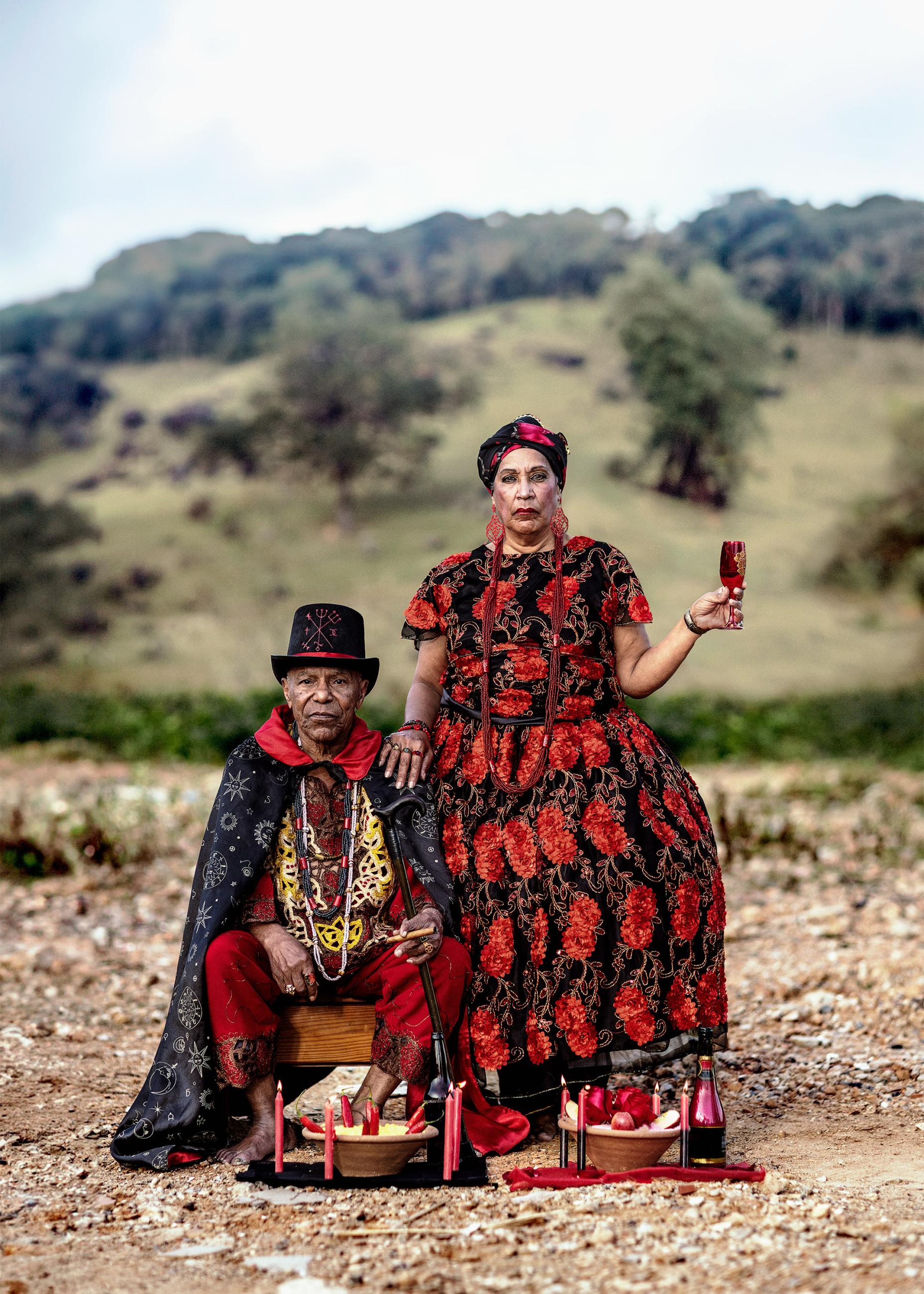
The Guardian Spirits of the Crossroads
This portrait captures Umbanda practitioners embodying the guardian spirits of the crossroads – bohemian entities believed to protect sacred spaces and the lives of Afro-Brazilian practitioners. Despite their vital role, these spirits are often misrepresented as devilish forces by intolerant groups. This prejudice fuels the persecution of these deities, who are among the most targeted in Afro-Brazilian religious practices.
São Paulo, Brazil.
© Gui Christ, Brazil, 1st Place, Professional competition, Portraiture, 2025 Sony World Photography Awards
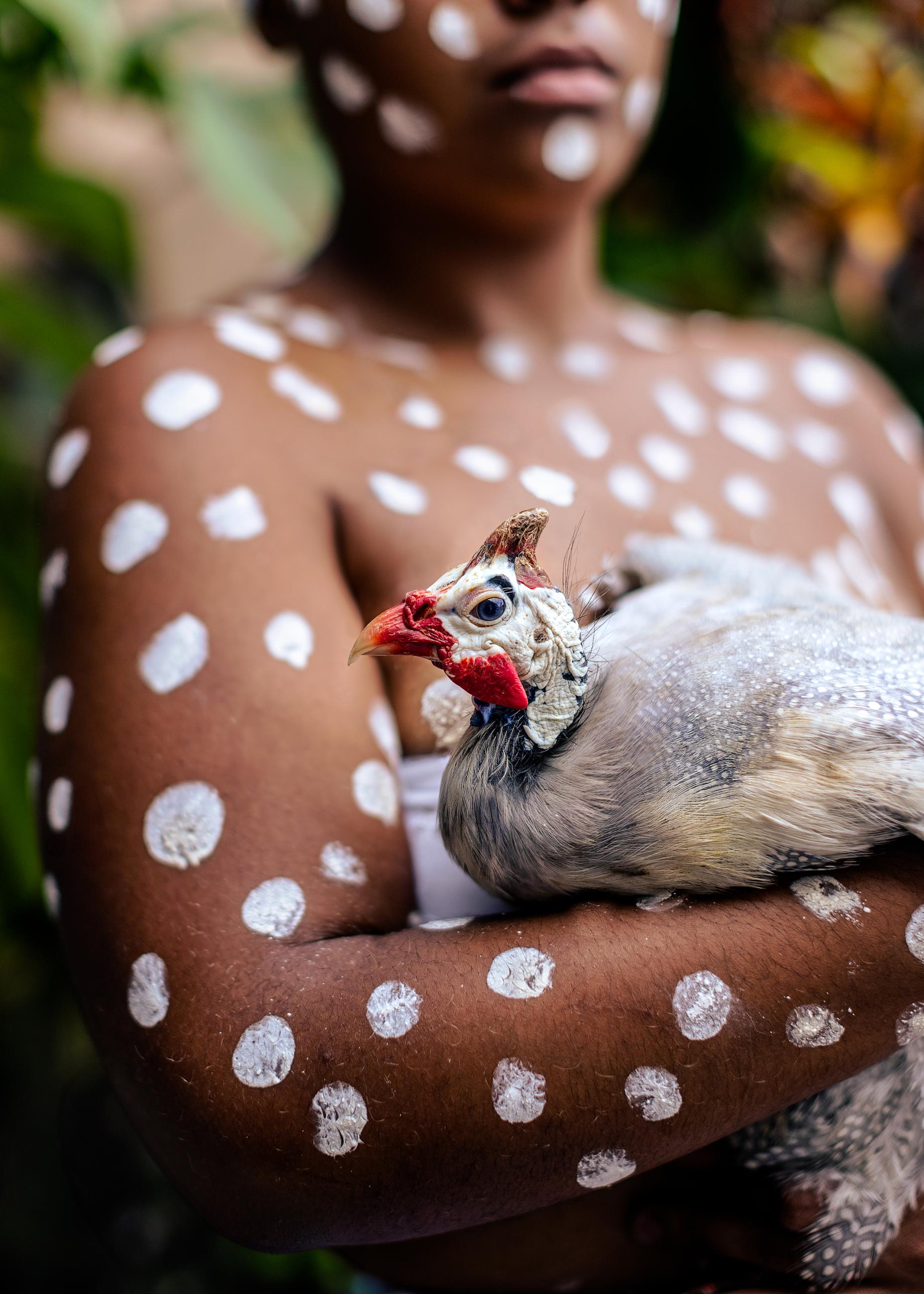
White Dots for a Long Life
This portrait represents a ritual called ‘Efun,’ used to ward off death, particularly in a country where dozens of Black people are killed every day. According to Yoruba mythology, death (Iku) is said to fear the guinea fowl. For this reason, in some Afro-Brazilian religions it is traditional to paint neophytes during the initiation process with patterns that mimic the feathers of this bird, symbolising protection to ensure a long and healthy life.
São Paulo, Brazil.
© Gui Christ, Brazil, 1st Place, Professional competition, Portraiture, 2025 Sony World Photography Awards
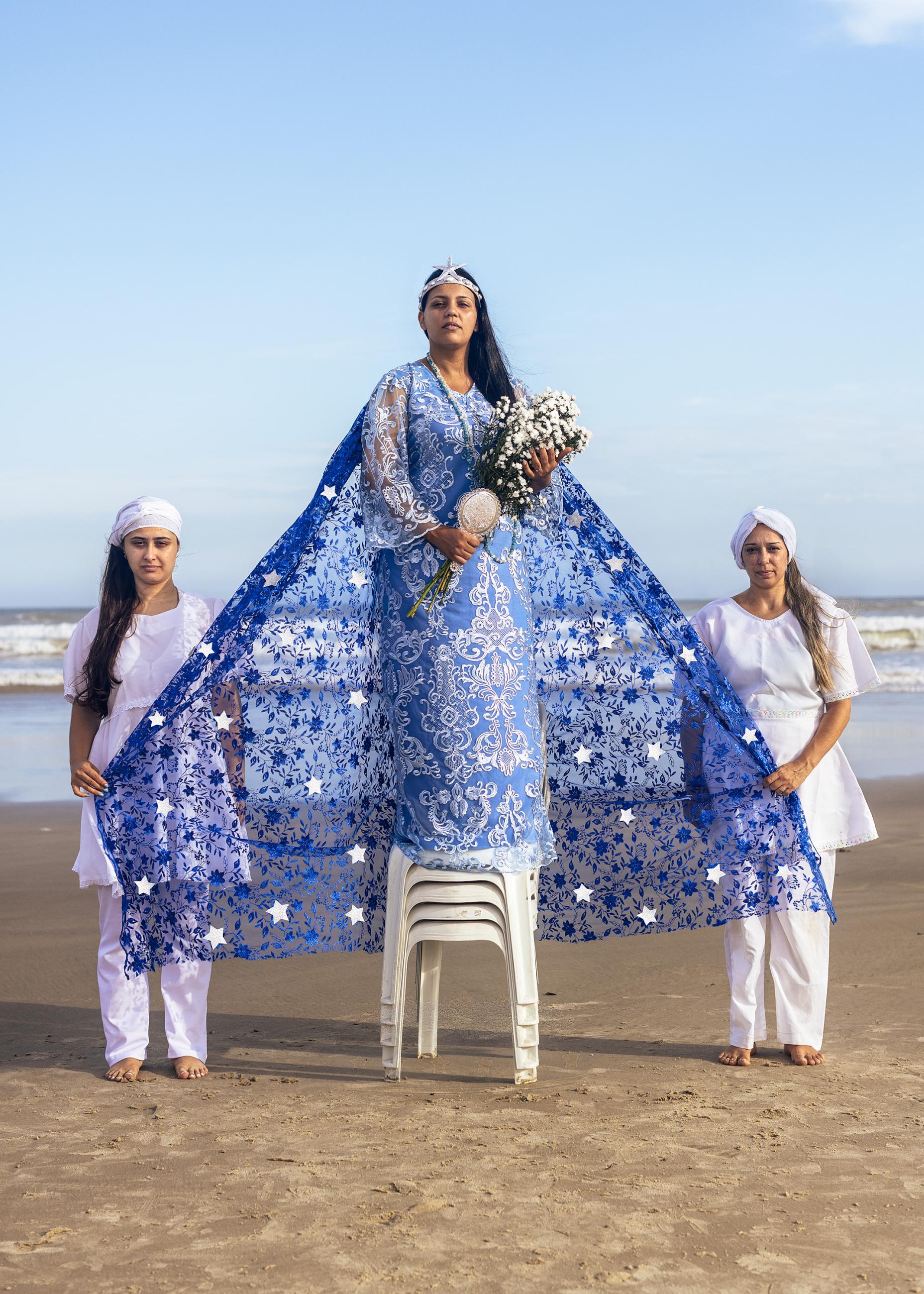
Yemanjá's Celebration
Afro-Brazilian religious practitioners during the Yemanjá festival. Originally held on 31 December, this celebration became one of Brazil’s largest cultural celebrations. However, due to prejudice, Afro-Brazilian religions were forced to change the date of the celebration. In many tourist sites, their rituals were seen as inconvenient by those who gathered on the beaches to celebrate the New Year, leading to resistance from local authorities and other groups.
Mongaguá, Brazil.
© Gui Christ, Brazil, 1st Place, Professional competition, Portraiture, 2025 Sony World Photography Awards
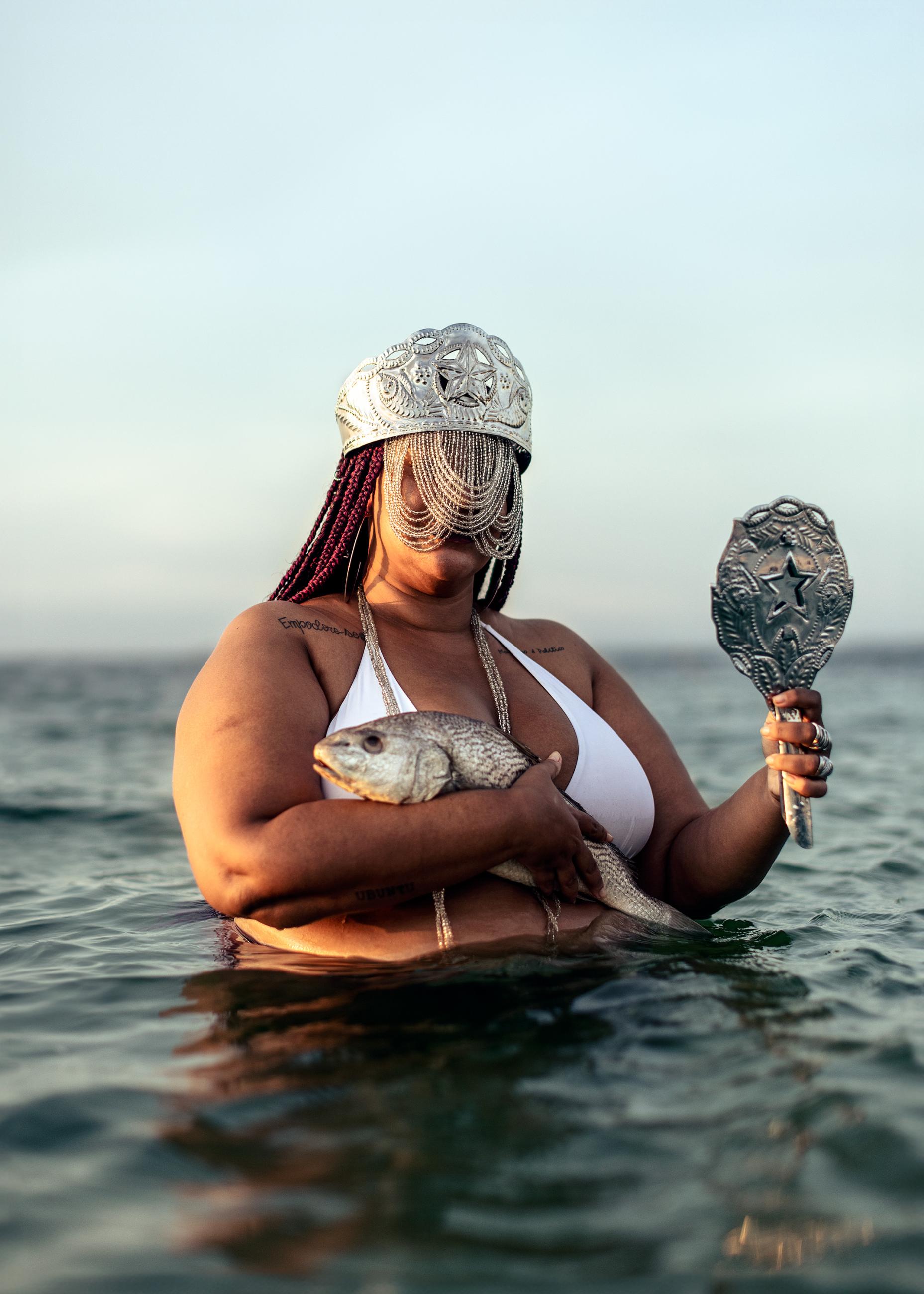
The True Image of Yemanjá
A portrait of Samara Azevedo representing the Yoruba deity of the seas, Yemanjá. She is the most popular Orixá in Brazil, but due to racism, her image has been altered. In Africa she is depicted as a corpulent Black woman with large breasts to symbolise nurturing, but in Brazil her representation has been transformed into a slender white woman. Like Samara, many younger Afro-Brazilians are working to restore Yemanjá's original image and fight prejudice.
Salvador, Brazil.
© Gui Christ, Brazil, 1st Place, Professional competition, Portraiture, 2025 Sony World Photography Awards
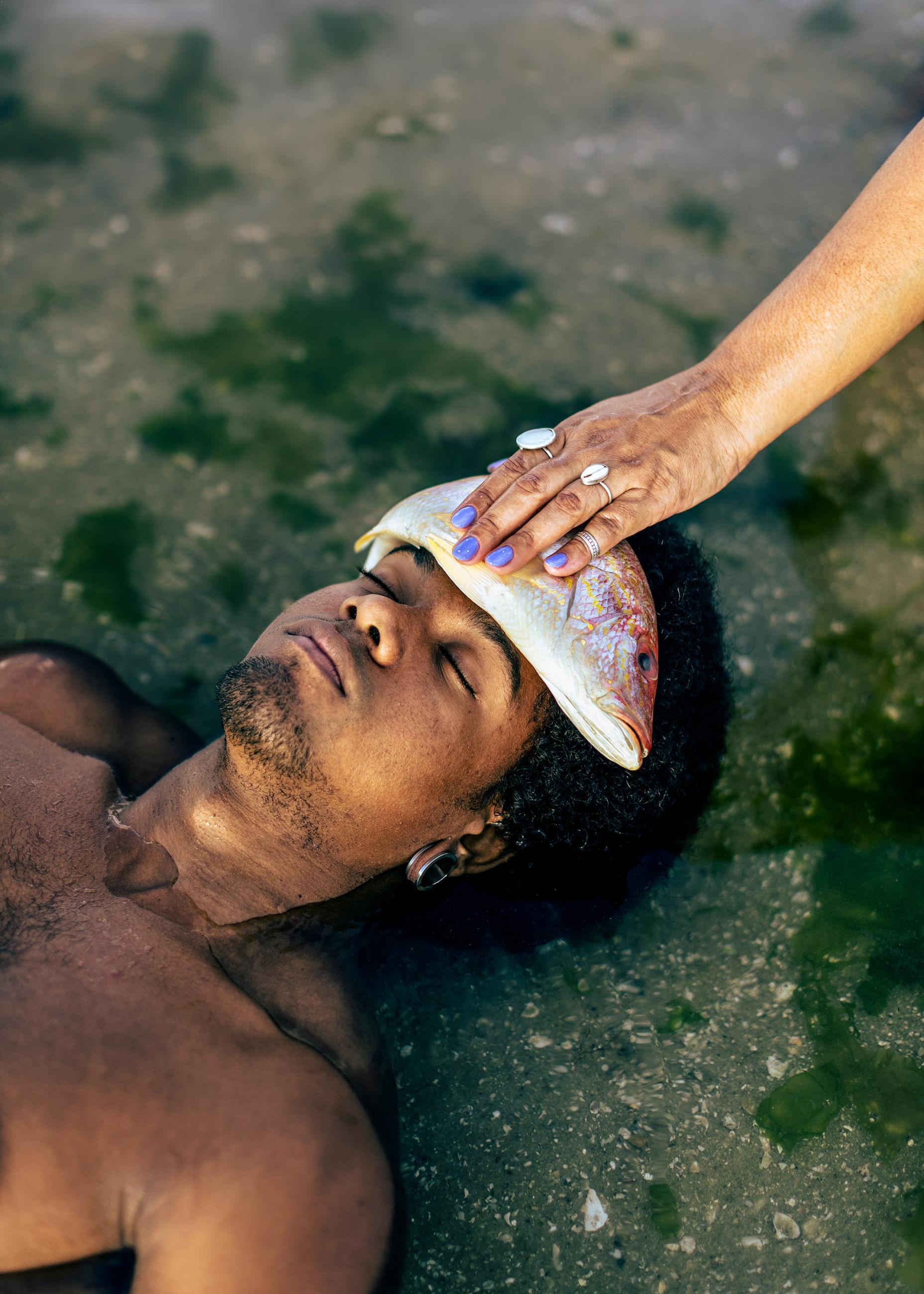
A Fish for Better Mental Health
An Afro-Brazilian religious practitioner during a mental health care ritual. In Yoruba mythology, fish (Ejá) are considered children of Yemanjá, the deity of the sea, who creates human heads and provides balance and peace of mind. Facing systemic racism, Afro-Brazilian communities endure severe mental health challenges, making rituals like this vital for supporting and strengthening their members.
Salvador, Brazil.
© Gui Christ, Brazil, 1st Place, Professional competition, Portraiture, 2025 Sony World Photography Awards