

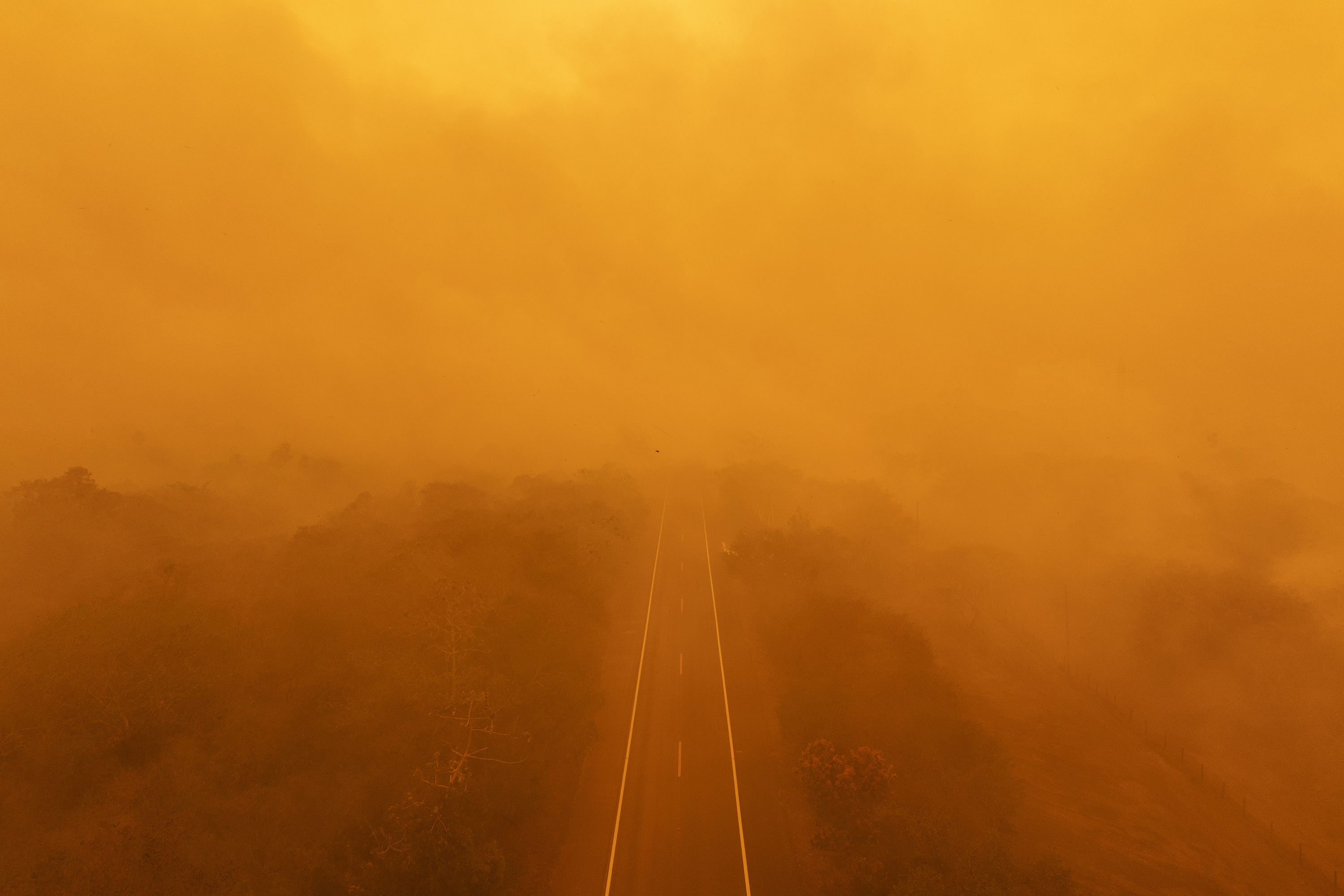
Series description
Brazil saw its hottest year in 2024. Although the high temperatures affected all regions of the country, three biomes were especially impacted, with drought, fire and deforestation transforming the landscape into apocalyptic scenes. In the Amazon, extreme drought turned some of the planet's most powerful rivers into sand deserts. This also fuelled forest fires, with 134,979 fires recorded in the region in the first 11 months of the year – the highest since 2007. The Pantanal, the largest tropical wetland on the planet, also faced a historic drought due to human activity and climate change, while the Cerrado – considered the most biodiverse savanna in the world and the birthplace of most of the country's river basins – experienced increasingly high deforestation rates driven by agribusiness.
Biography
Lalo de Almeida is a Brazilian documentary photographer focused on socio-environmental issues, especially in the Amazon region.
He received the prestigious Eugene Smith Grant in Humanistic Photography for his ongoing project ‘Amazonian Dystopia’, which has documents the destructive impact of human occupation on the Amazon rainforest over the past 15 years. ‘Amazonian Dystopia’ also earned him a World Press Photo award in 2022. Since 2024 he is a National Geographic Explorer.
Untitled
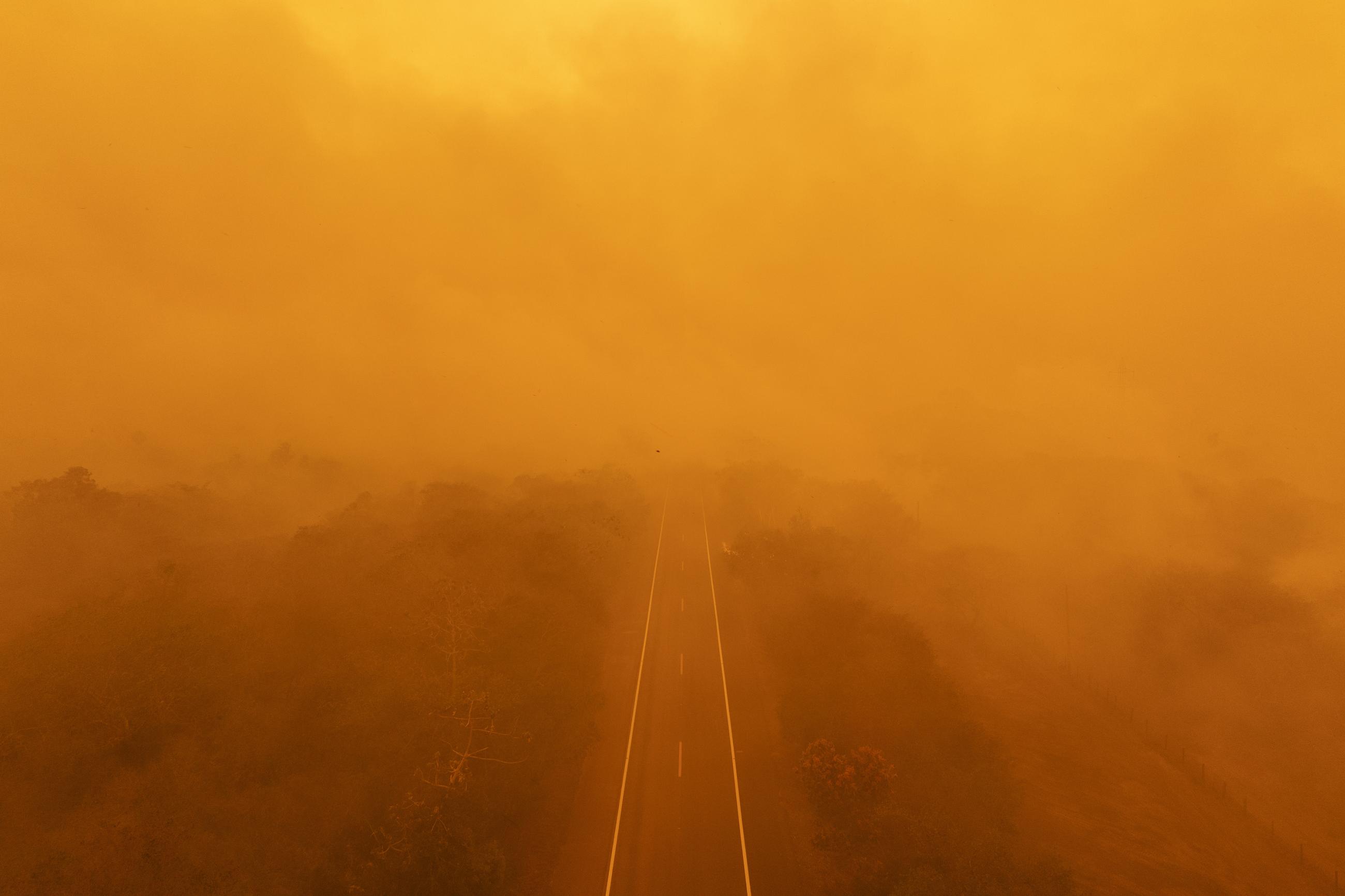
A large fire crosses the BR-262 highway, near Miranda in the Pantanal. The Pantanal is the largest tropical wetland on the planet and has been facing a historic drought due to human actions and climate change. In 2024, fire consumed 17 percent of the biome's total area, turning sensitive areas of one of the planet's most biodiverse ecosystems into charcoal and ash.
Miranda, Brazil.
© Lalo de Almeida, Brazil, 2nd Place, Professional competition, Landscape, 2025 Sony World Photography Awards
Untitled
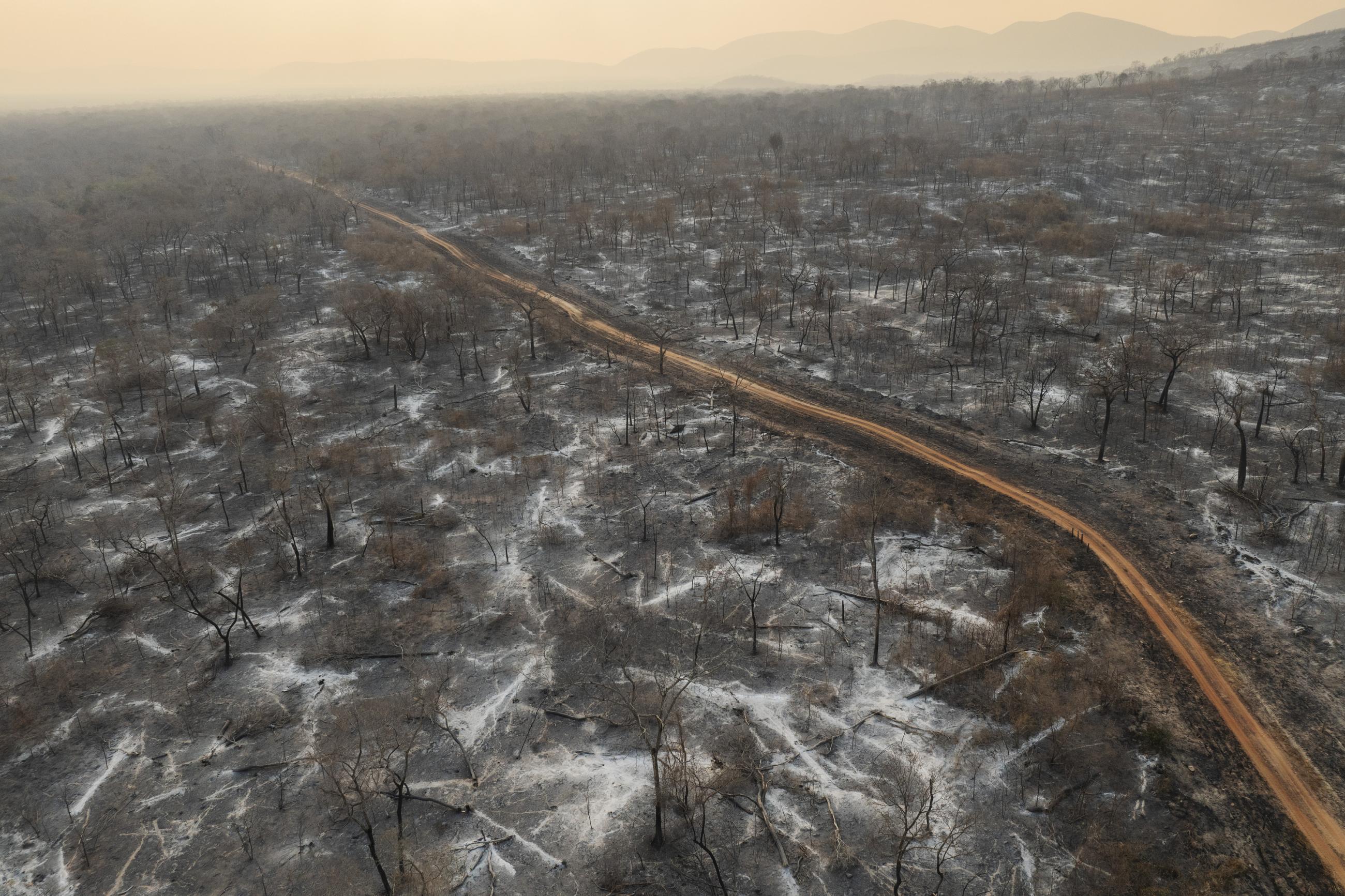
Forest consumed by fire on a farm in the Pantanal, near Serra do Amolar. The Pantanal is the largest tropical wetland on the planet and has been facing a historic drought due to human actions and climate change. In 2024, forest fires killed millions of animals.
Corumbá, Brazil.
© Lalo de Almeida, Brazil, 2nd Place, Professional competition, Landscape, 2025 Sony World Photography Awards
Untitled
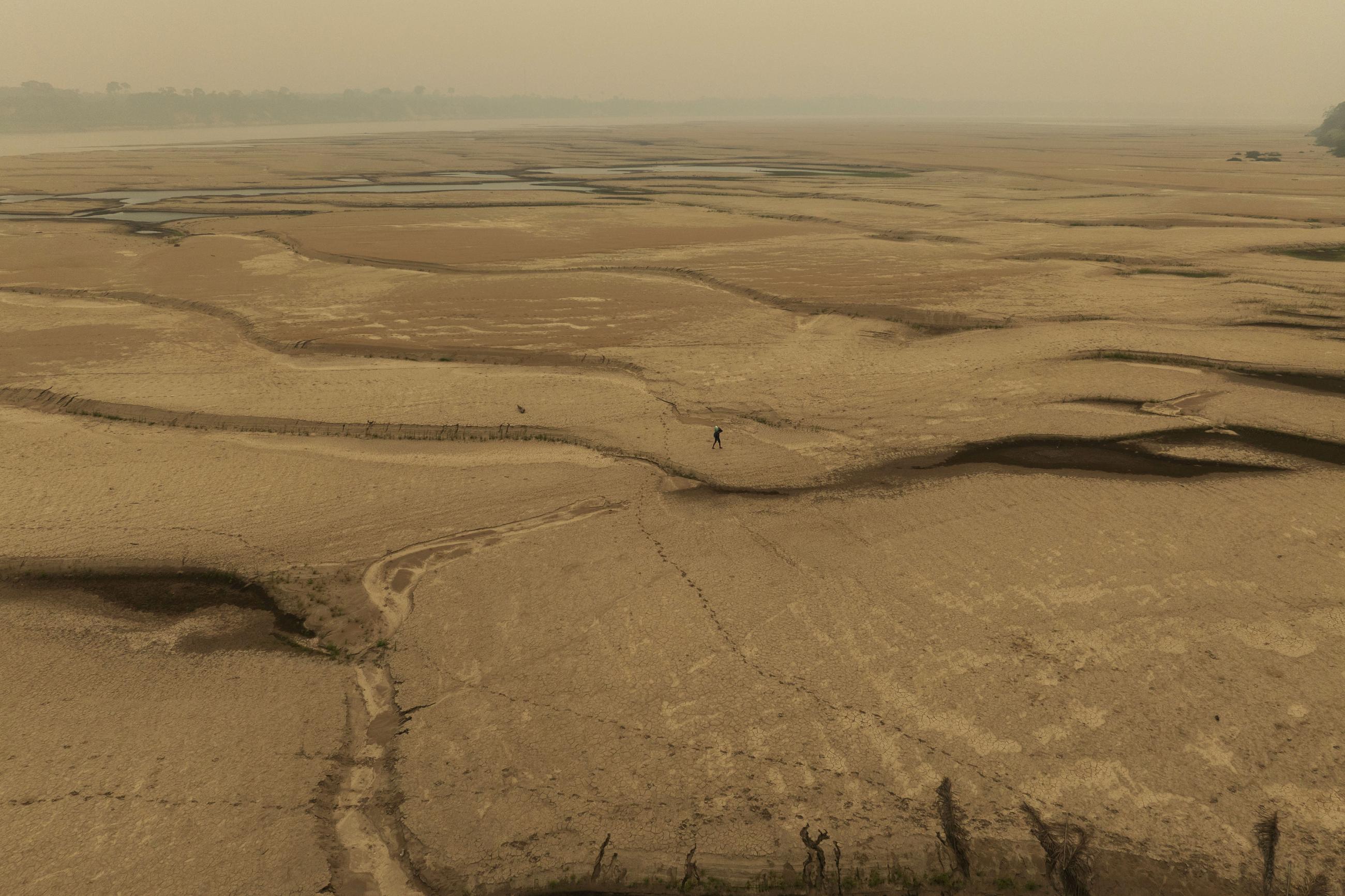
Raimundo Pereira do Nascimento walks along a long stretch of sand that has formed in the Madeira River due to the drought, to access his home in the village of Itacuã, near Porto Velho, Rondônia. Due to severe drought, the Madeira River, one of the main tributaries of the Amazon River, has reached its lowest level since it began to be monitored in 1967.
Porto Velho, Brazil.
© Lalo de Almeida, Brazil, 2nd Place, Professional competition, Landscape, 2025 Sony World Photography Awards
Untitled
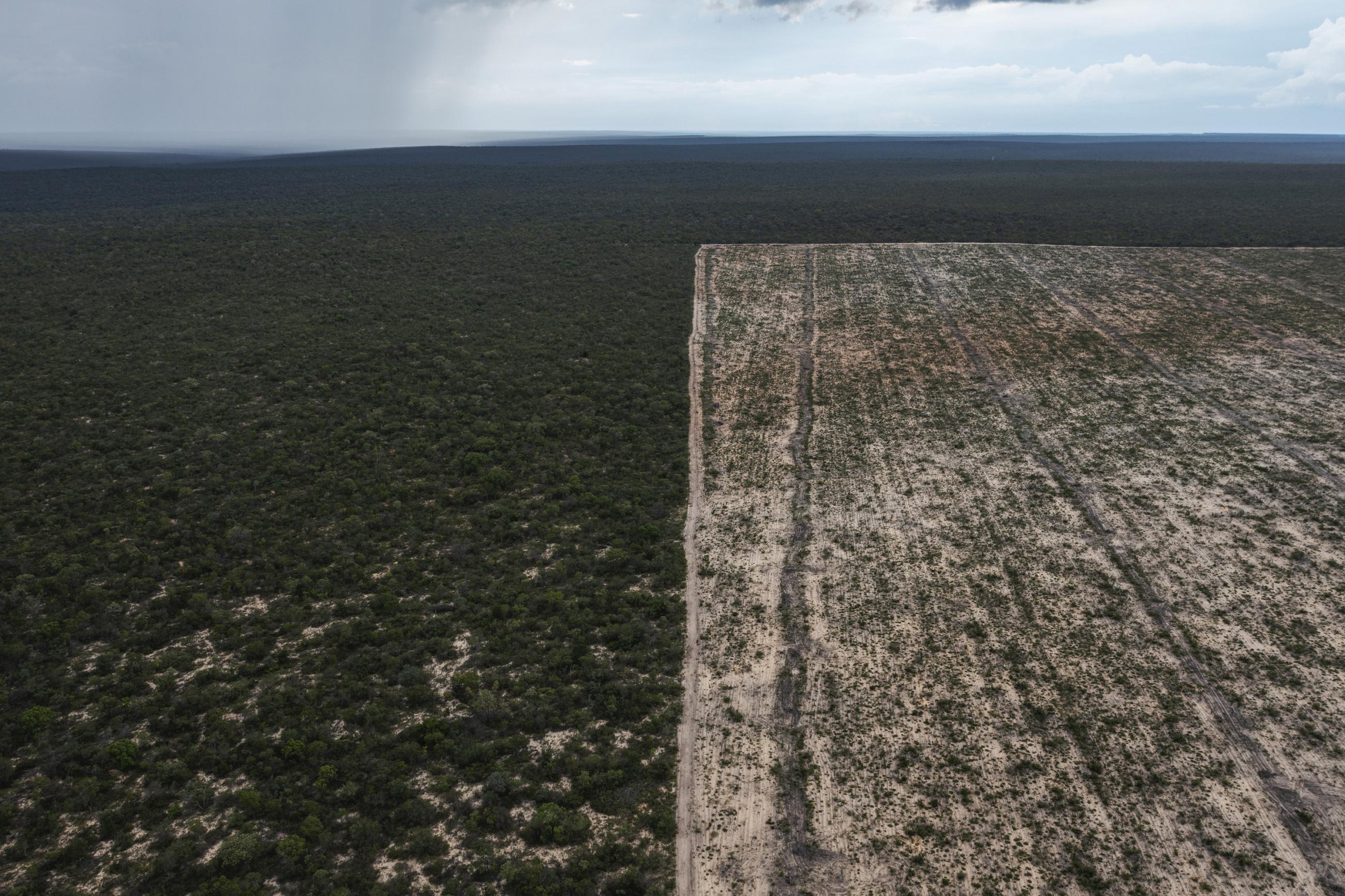
This deforested area lies within a disputed territory claimed by both traditional communities and ‘land grabbers,’ in the rural area of Correntina, Bahia. This region, known as Matopiba, is Brazil's great agricultural frontier and is experiencing most of the deforestation taking place in the Cerrado.
Correntina, Brazil.
© Lalo de Almeida, Brazil, 2nd Place, Professional competition, Landscape, 2025 Sony World Photography Awards
Untitled
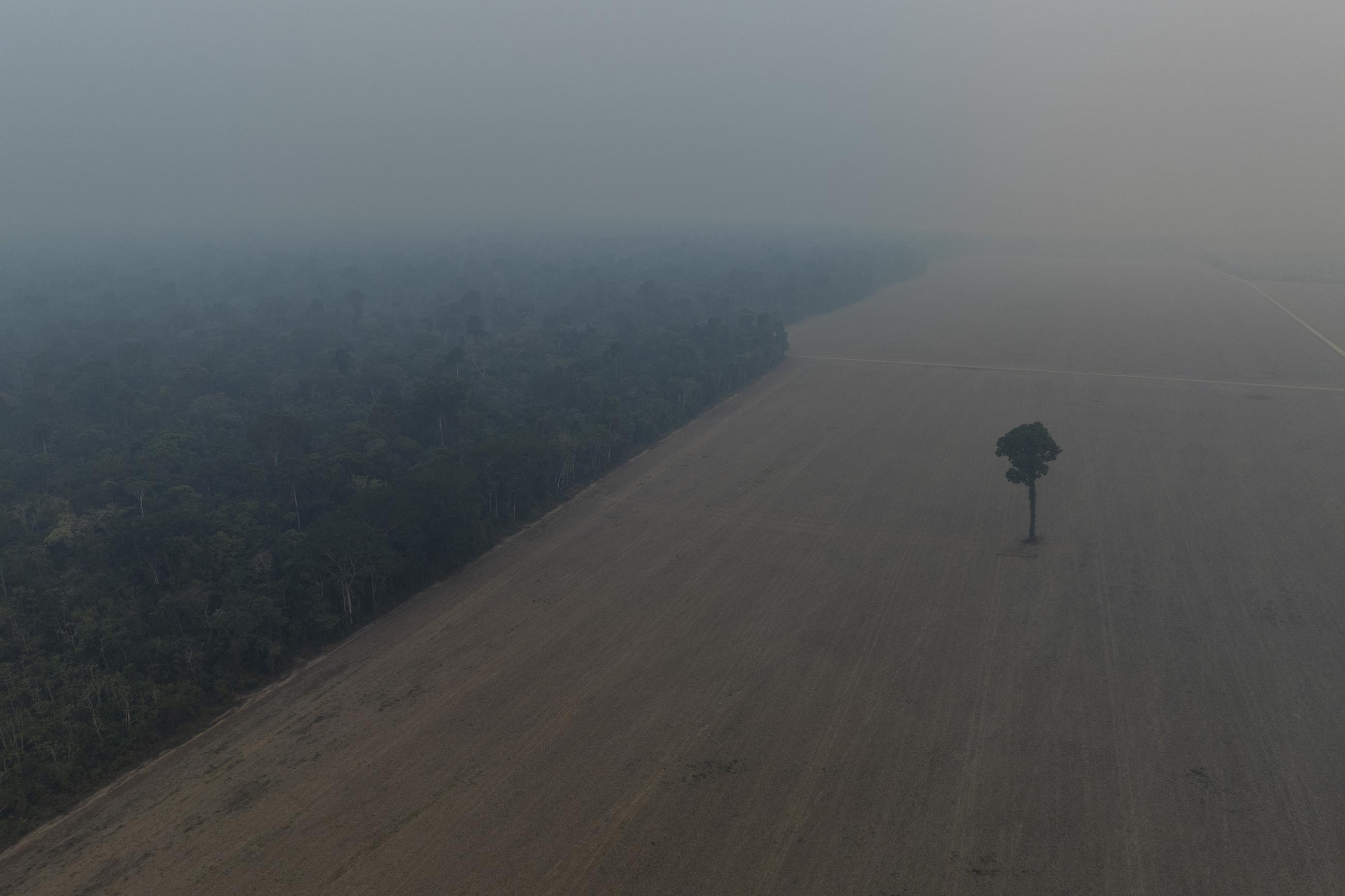
Smoke from fires covers an area of forest cleared for intensive agriculture near the Açaizal village of the Munduruku Indigenous people, in the region of Santarém, Pará.
Santarém, Brazil.
© Lalo de Almeida, Brazil, 2nd Place, Professional competition, Landscape, 2025 Sony World Photography Awards
Untitled
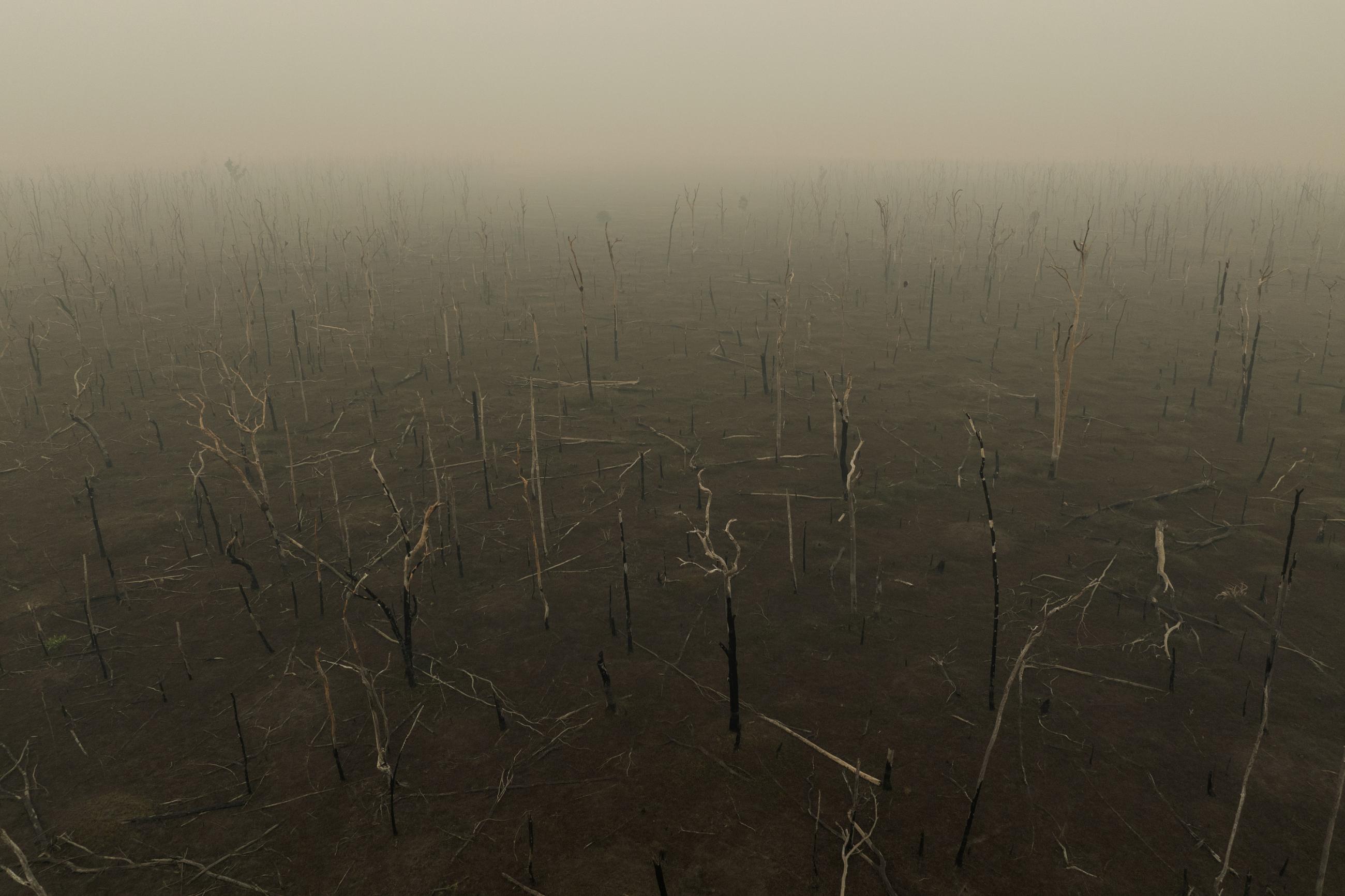
Dead trees line the BR-364 highway in the Mutum Paraná district of Porto Velho, Rondônia. In 2024 alone, 134,979 fires were recorded in the Amazon.
Porto Velho, Brazil.
© Lalo de Almeida, Brazil, 2nd Place, Professional competition, Landscape, 2025 Sony World Photography Awards
Untitled
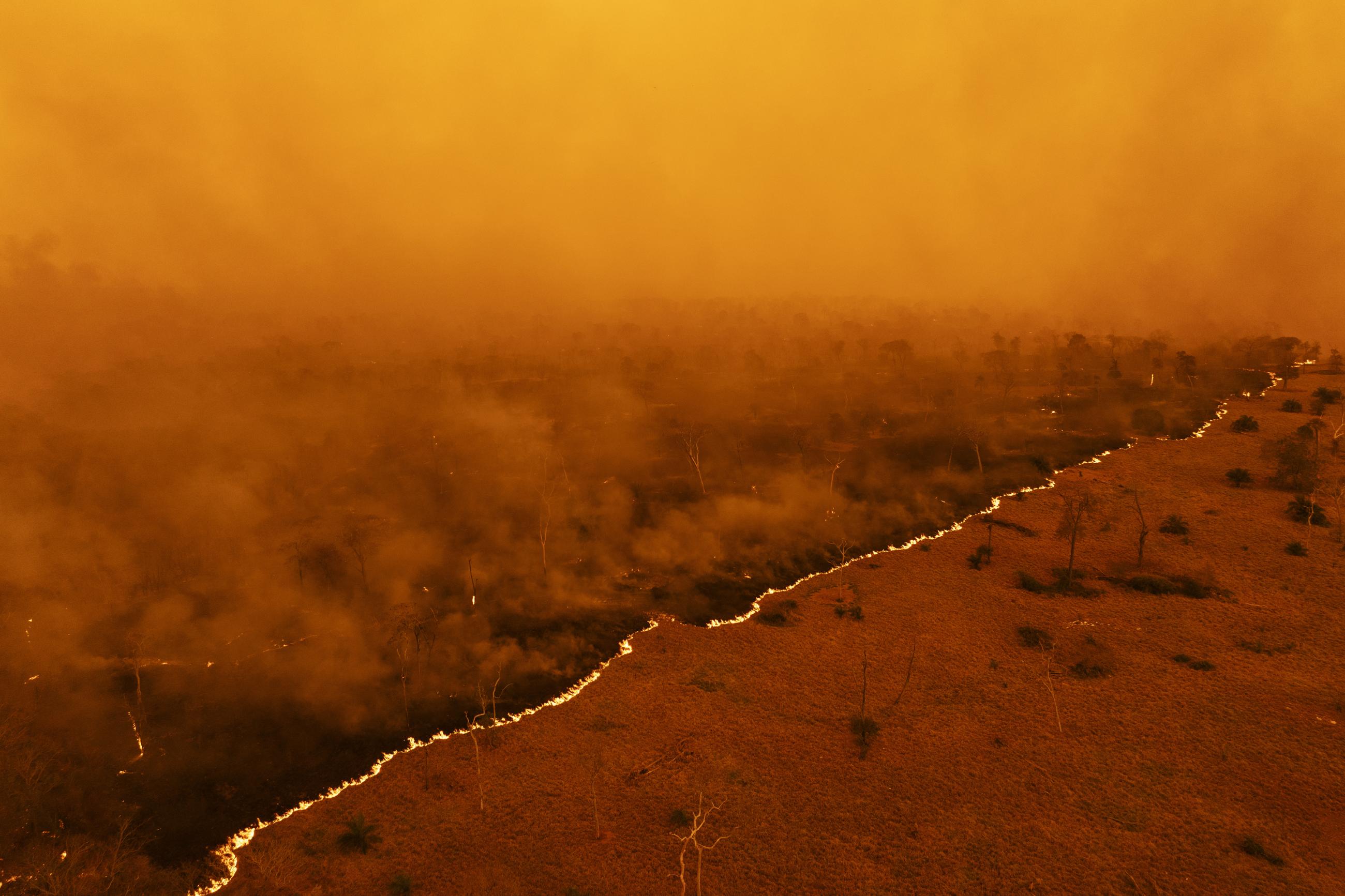
A large firebreak advances over the Pantanal in the Miranda region. The Pantanal is the largest tropical wetland on the planet, but it has been facing a historic drought due to human actions and climate change.
Miranda, Brazil.
© Lalo de Almeida, Brazil, 2nd Place, Professional competition, Landscape, 2025 Sony World Photography Awards
Untitled
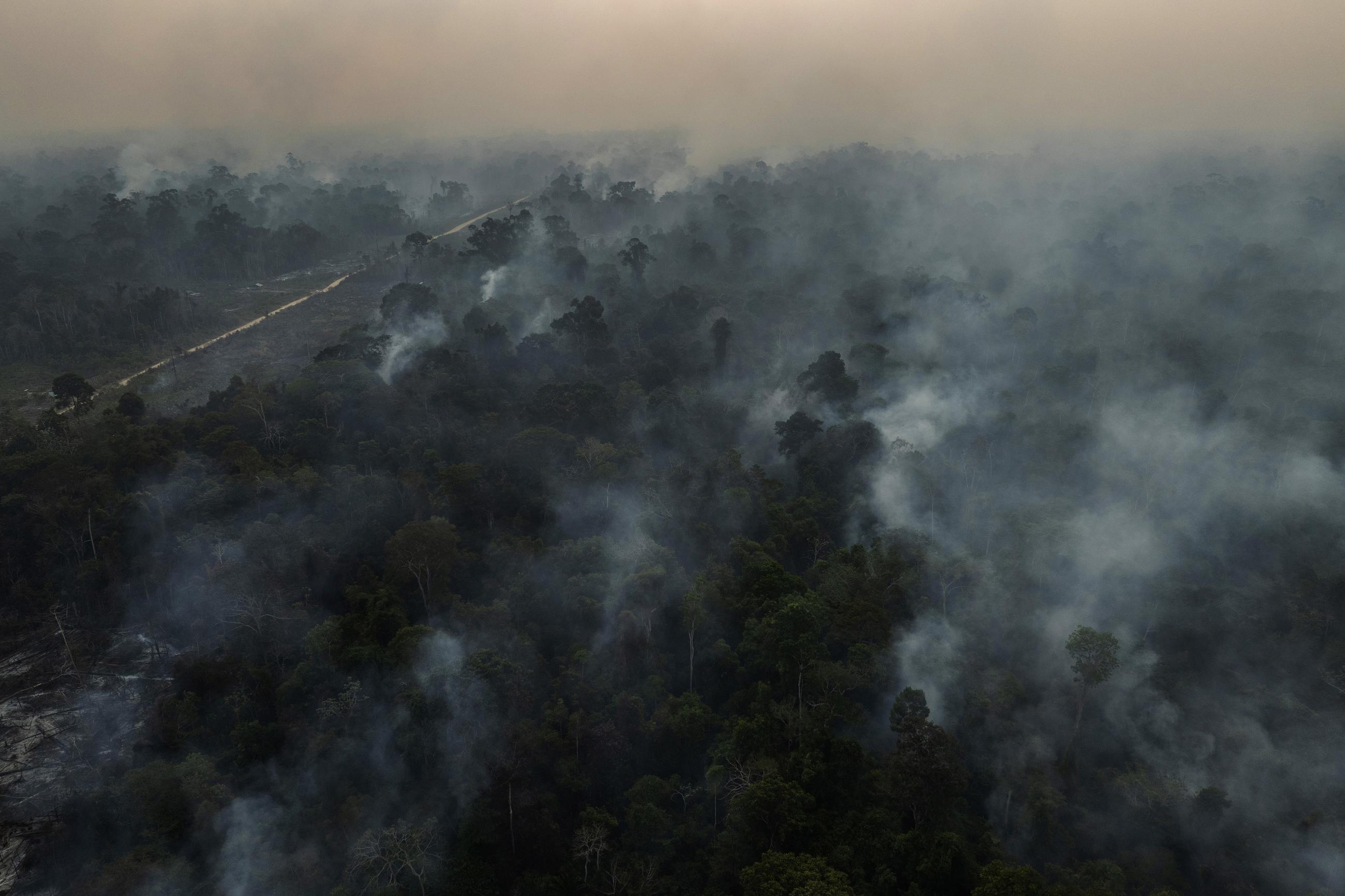
Fires in a forest area in the plateau region between Santarém and Uruará, in Pará. Criminals took advantage of the extreme drought and intense heat to clear the forest using fire. In 2024, 134,979 fires were recorded in the Amazon, the highest number since 2007.
Santarém, Brazil.
© Lalo de Almeida, Brazil, 2nd Place, Professional competition, Landscape, 2025 Sony World Photography Awards