

Series description
Terra Nullius, Latin for ‘nobody's land,’ was a colonial construct used to justify the seizure of territories deemed ‘unclaimed’ or ‘uncivilised.’ It served as a foundation for European expansion across the Americas, displacing Indigenous peoples and erasing their sovereignty. Beneath Canada’s progressive image lies a history of Indigenous exploitation, forced assimilation and uprooting, often obscured by romanticised pioneer myths and the allure of a multicultural society. Over the past decade, Giovanni Capriotti has worked alongside Indigenous communities in Canada, gathering archives, creating images and assembling collages. With guidance from local elders and those living with intergenerational trauma, this project disrupts dominant narratives by piecing together fragments of a silenced history. As an immigrant, the photographer’s aim is to confront colonial erasure, amplify Indigenous voices and advocate for self-determination – challenging the lens that dismisses these injustices as mere footnotes of progress.
Biography
Giovanni Capriotti specializes in long-form post-documentary explorations that examine how time and the inevitability of compromise shape individuals, communities, history, culture, and the human condition. Through photography, video, audio, prose, and personal testimonials, he deepens his understanding of global affairs and documentary practice. Giovanni holds an MFA in Documentary Media, teaches at the University of Guelph-Humber, and works as a photojournalist for multiple publications.
Indigenised Christianity
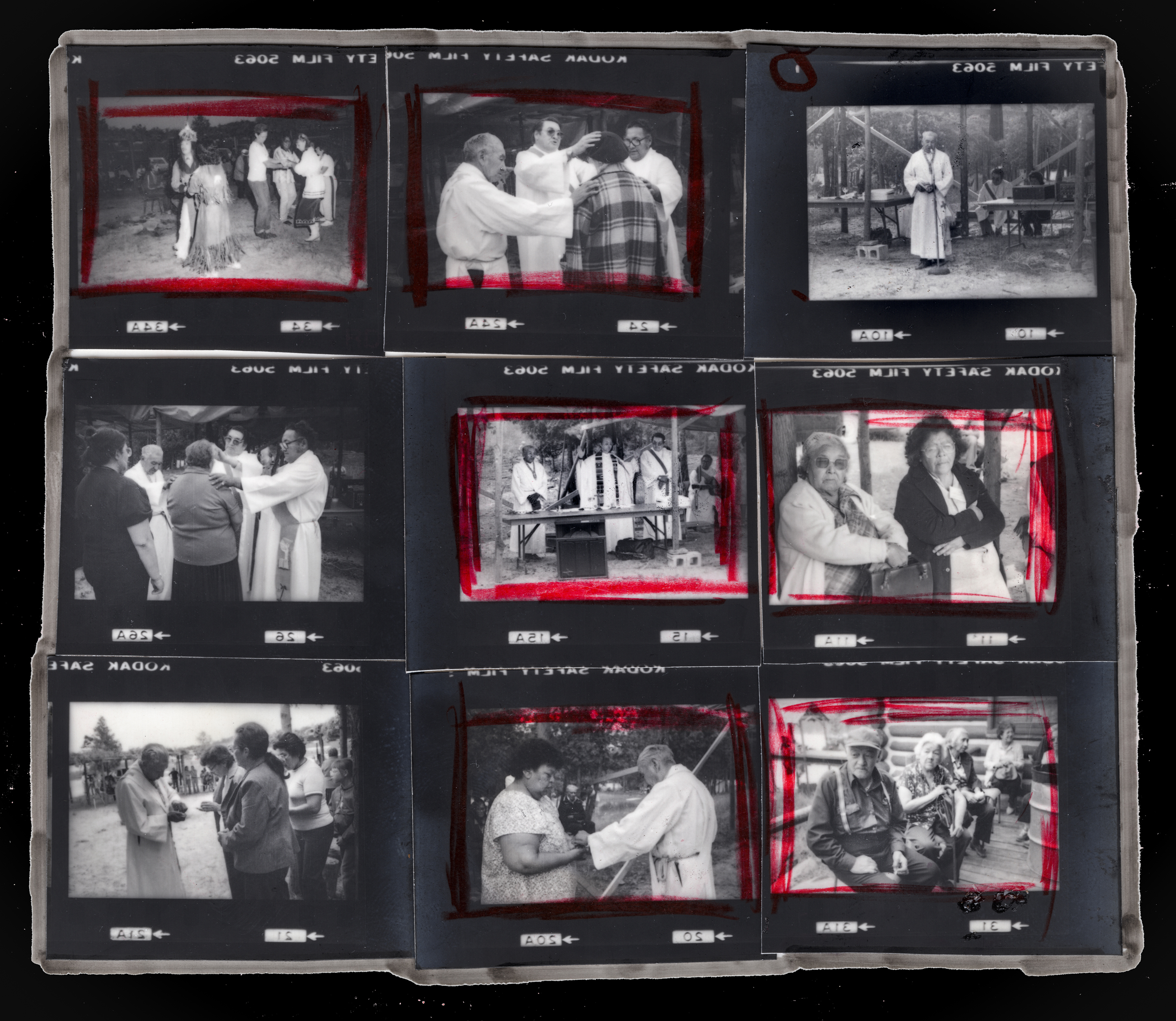
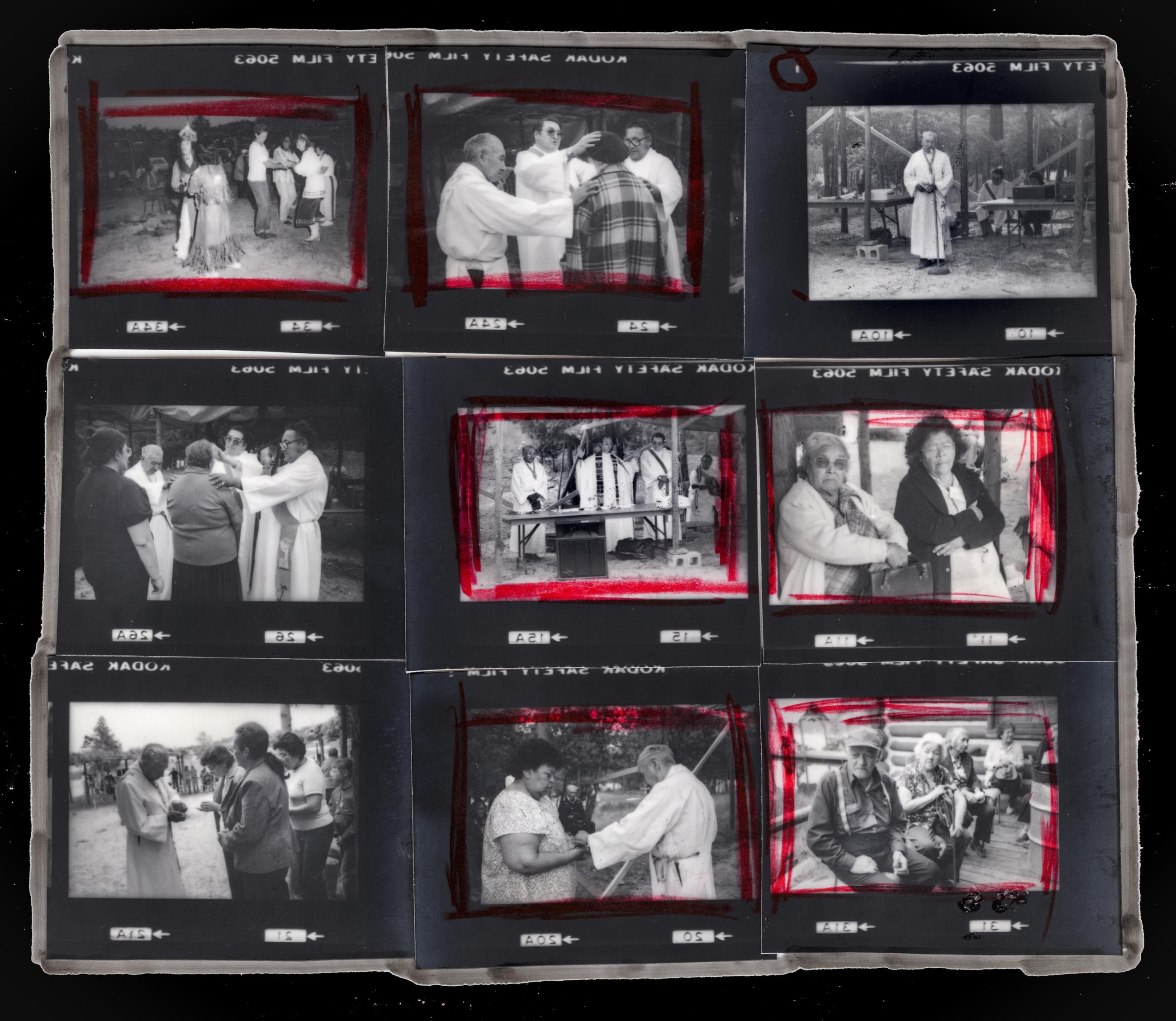
Jesuit priests surfaced in 1980s archival fragments from Wikwemikong Unceded Territory, celebrating Mass and administering sacraments. Their mission began in the 16th century, blending Christianity with Indigenous traditions. By the 19th and 20th centuries, Christianity-based policies, including residential schools, sought to erase Indigenous cultures in early Canada, causing enduring trauma. Today, some priests still promote Christianity on reserves, fostering indigenised expressions of faith.
© Giovanni Capriotti, Italy, 2nd Place, Professional competition, Perspectives, 2025 Sony World Photography Awards
Stolen Generations
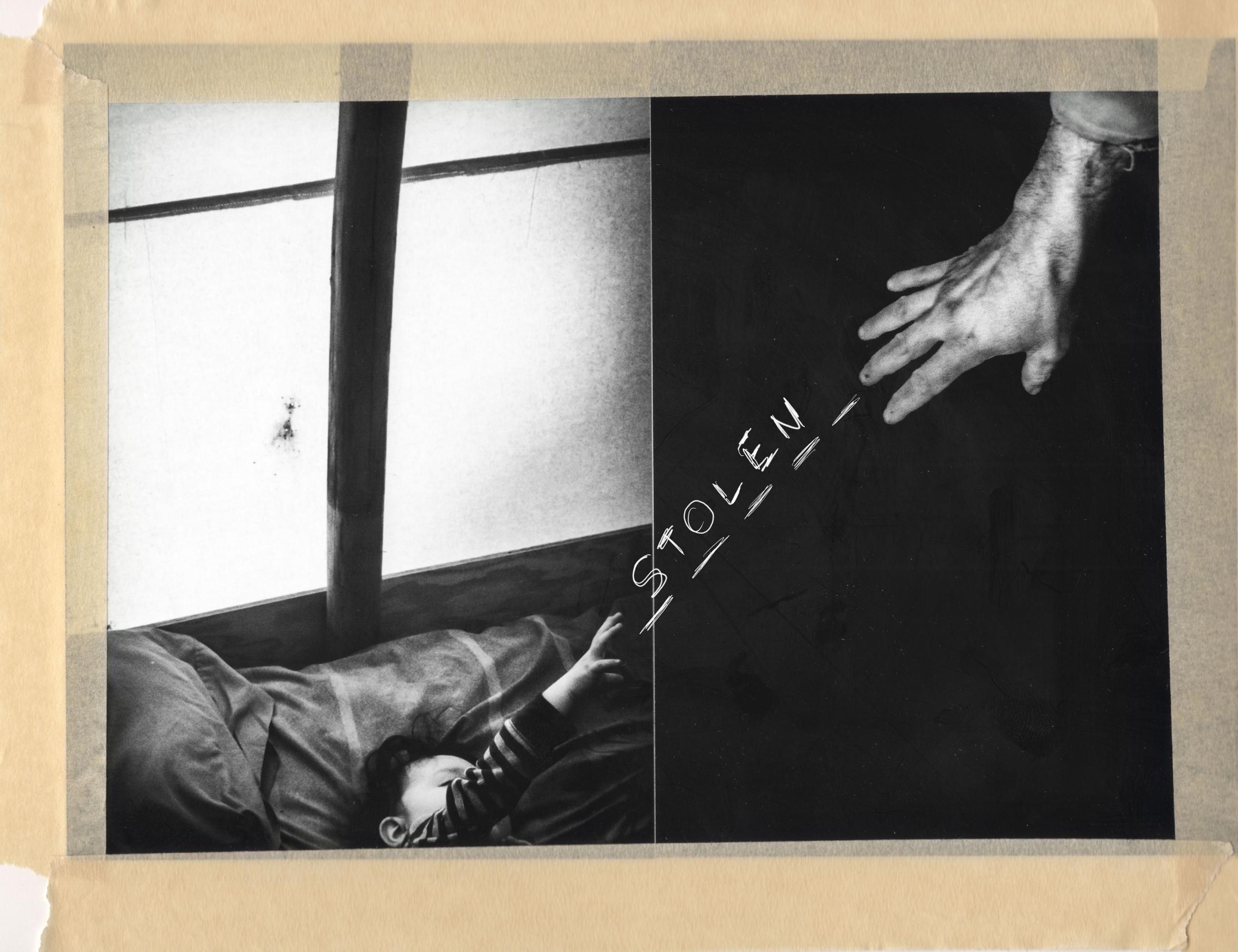
A hand reaches towards that of a child in two images created in Maliotenam First Nation, Canada. Late elder Leo Bebonang once told the photographer: ‘I was taken away. The only language I spoke was my Native tongue – I was told: “You have to speak our language."’ Residential schools in Canada, supported by Prime Minister John A. Macdonald and religious institutions, aimed to forcibly assimilate Indigenous children, erasing their cultures, languages and identities.
© Giovanni Capriotti, Italy, 2nd Place, Professional competition, Perspectives, 2025 Sony World Photography Awards
Family Structure
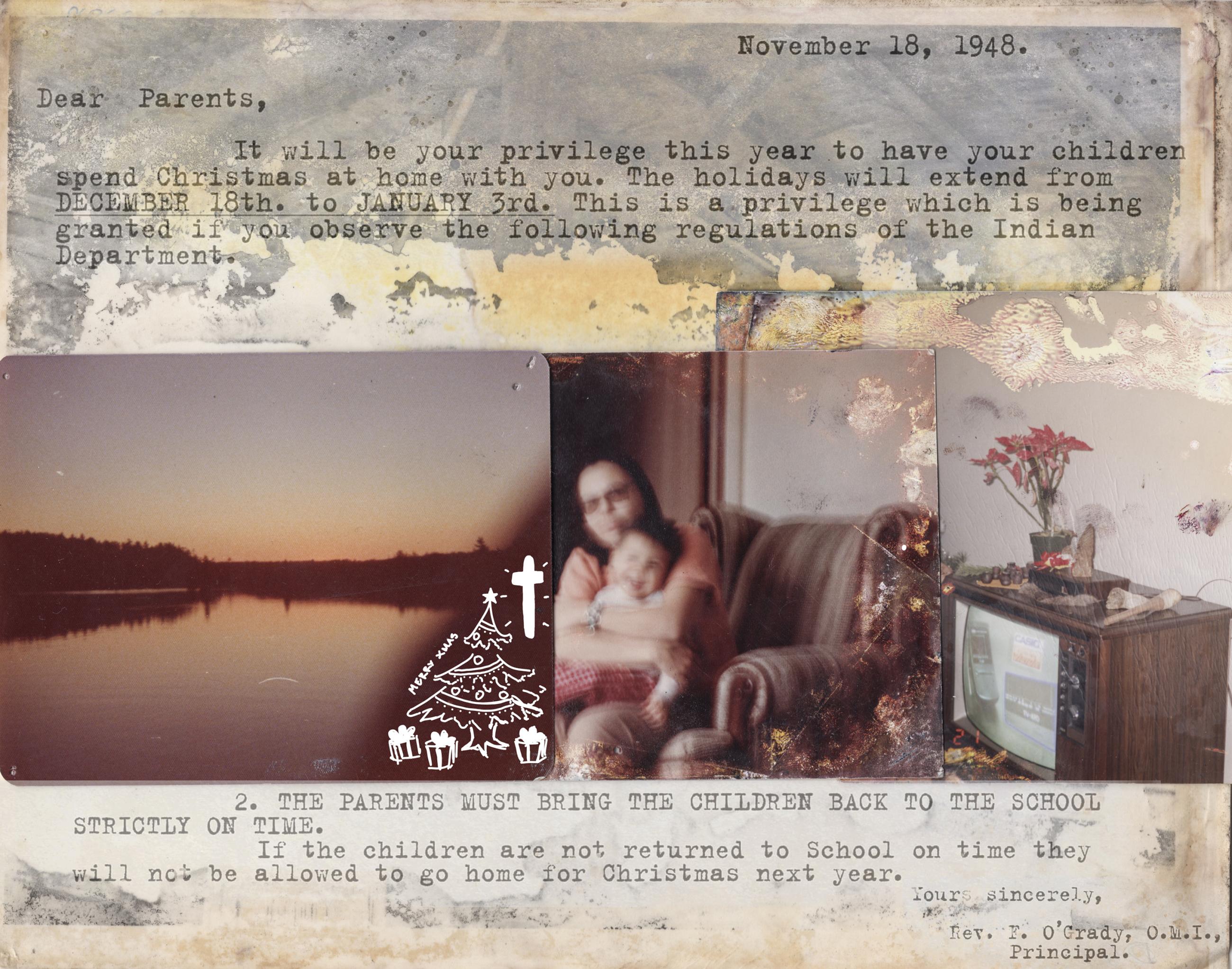
A mother and child sit in a living room in Aundeck Omni Kaning First Nation, Canada. The Canadian residential school system profoundly disrupted Indigenous family structures. Separating children from their families led to a loss of parenting skills, as traditional family environments were dismantled. The photographer explains ‘the abuse and neglect many students endured caused psychological and emotional scars, hindering their ability to form healthy family relationships in adulthood.’
© Giovanni Capriotti, Italy, 2nd Place, Professional competition, Perspectives, 2025 Sony World Photography Awards
Tragic Legacy
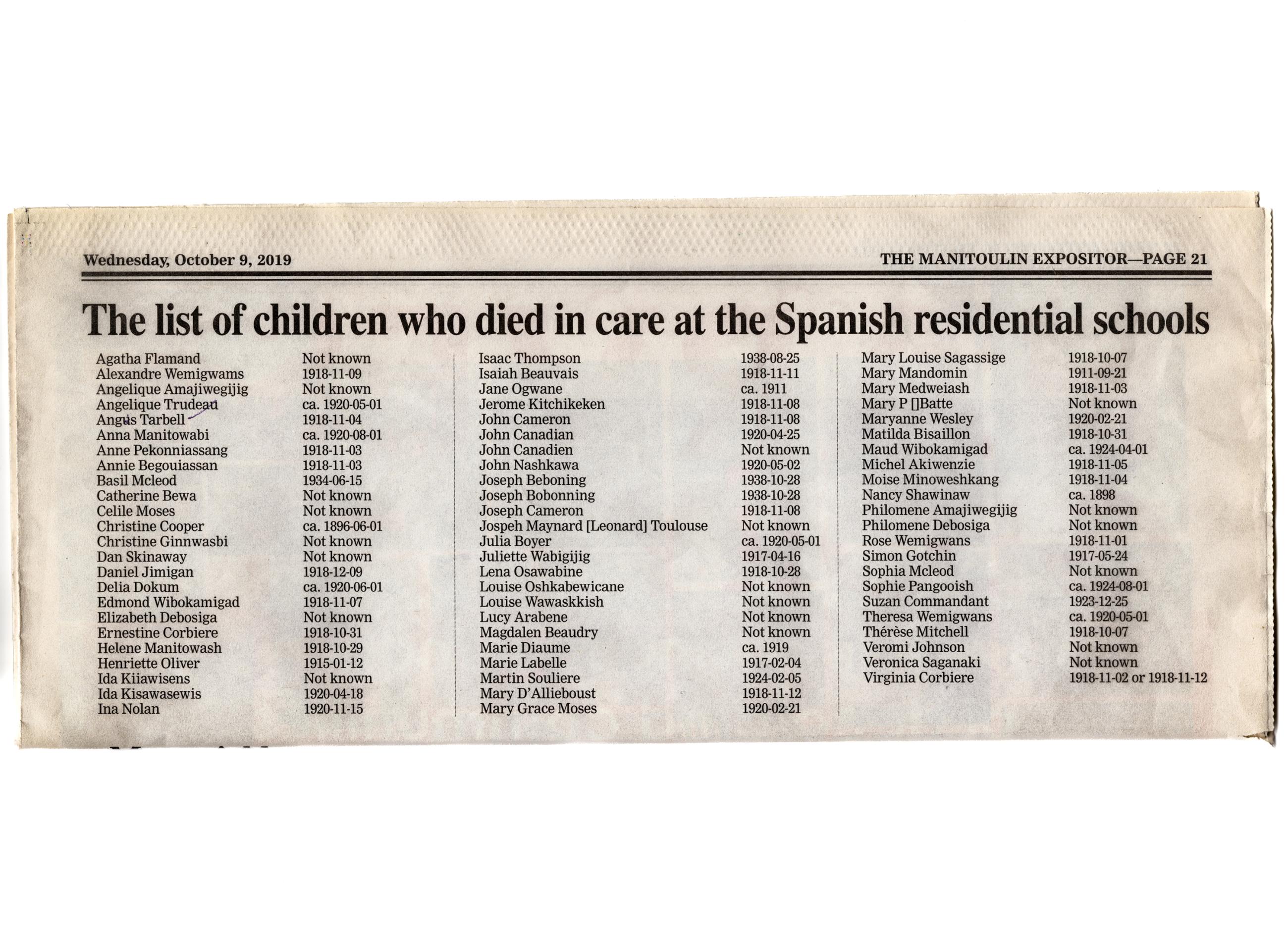
On 9 October 2019, The Manitoulin Expositor listed the names of Indigenous children from Manitoulin Island who never returned from St. Joseph’s residential school in Spanish. In 2021, 200 unmarked graves were found at Kamloops Indian Residential School. The Truth and Reconciliation Commission documented 4,037 Indigenous child deaths in residential schools, although the actual number may be higher. ‘Efforts to honour the missing continue, but Canada’s path to reconciliation remains deeply uncertain.’
© Giovanni Capriotti, Italy, 2nd Place, Professional competition, Perspectives, 2025 Sony World Photography Awards
The Fifth Fire
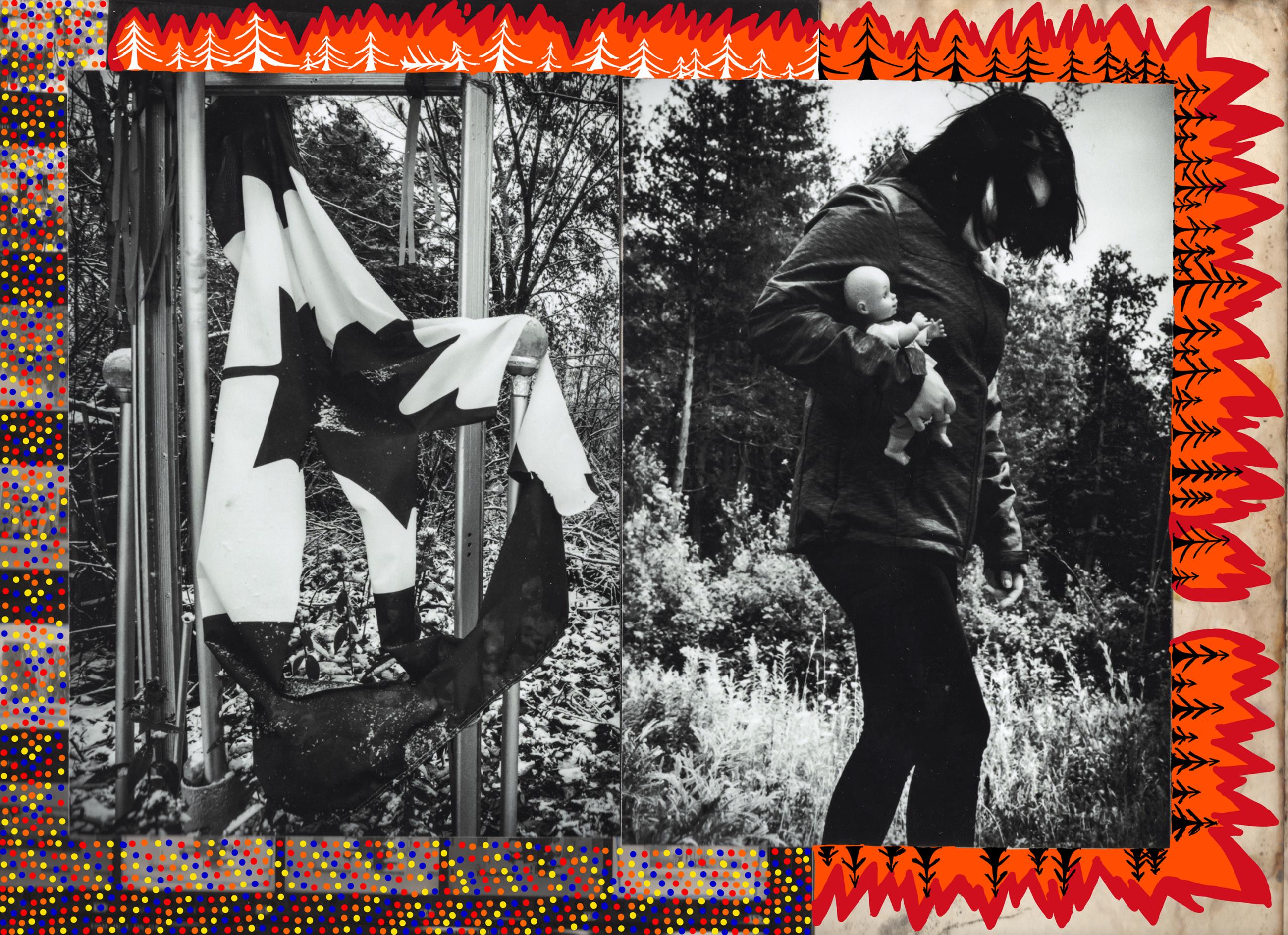
An Indigenous woman from White Fish River First Nation, Canada, walks away from a torn Canadian flag, carrying a doll. The collage edges show fires consuming forests and traditional Indigenous beadwork. The Anishinaabe Seven Fires Prophecy, vital to the Ojibwe, Potawatomi, and Odawa Indigenous peoples, outlines spiritual and social eras. The Fifth Fire warns of a time of struggle, marked by outsiders' false promises, which, if embraced, would cause prolonged hardship and erode traditional ways.
© Giovanni Capriotti, Italy, 2nd Place, Professional competition, Perspectives, 2025 Sony World Photography Awards
The Doctrine of Discovery
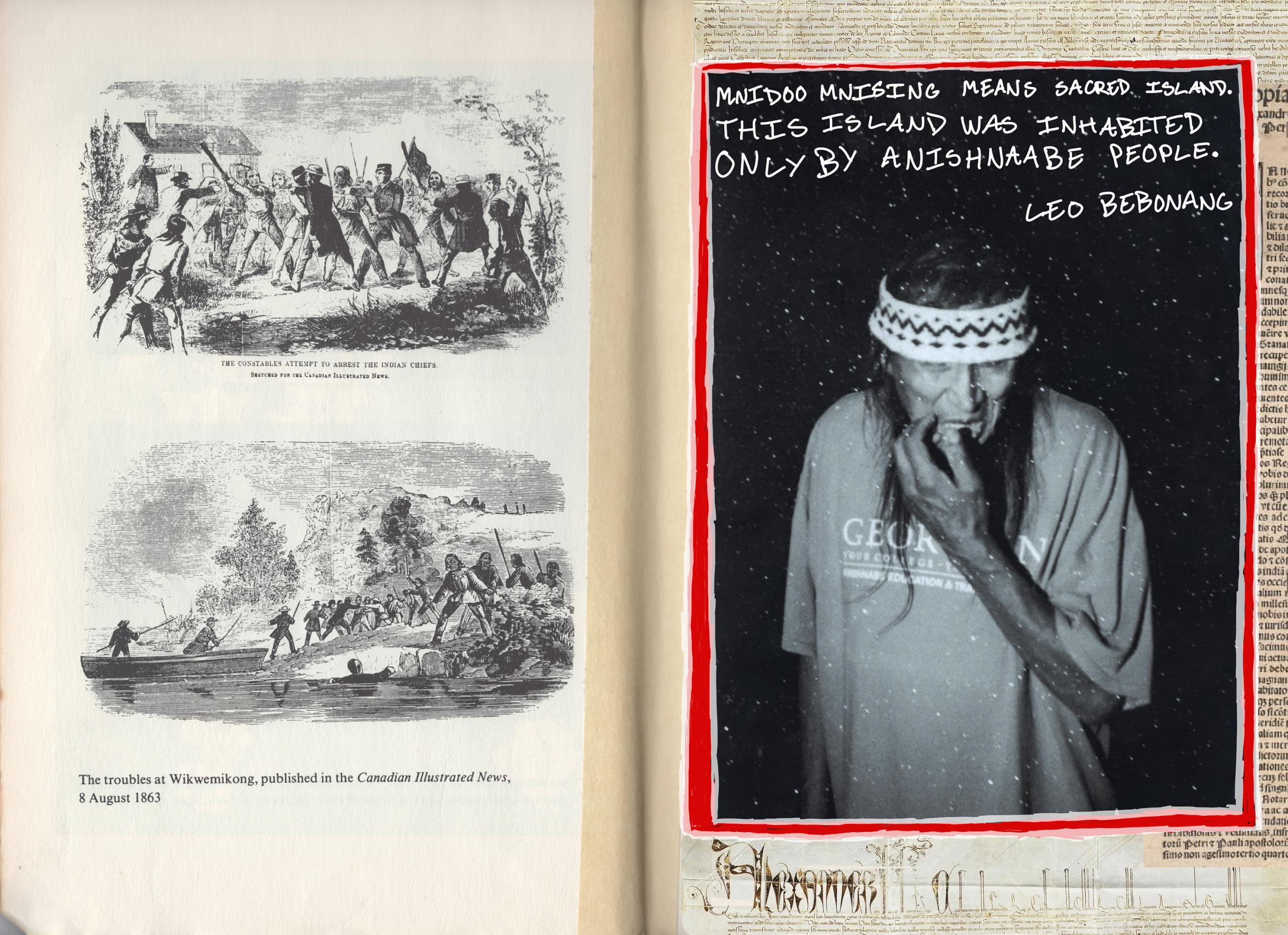
The photographer’s late friend, Ojibway elder Leo Bebonang, appears beside a reprint of an old Canadian Illustrated News page showing colonists arresting Indigenous leaders from his home on Manitoulin Island. Leo often said Manitoulin has always been Indigenous land, but settlers used it as a cornerstone in creating Canada, invoking the Doctrine of Discovery and Terra Nullius. These tools justified questionable treaties, dismissed Indigenous rights and established legal foundations that still affect Indigenous sovereignty today.
© Giovanni Capriotti, Italy, 2nd Place, Professional competition, Perspectives, 2025 Sony World Photography Awards
Identity Loss
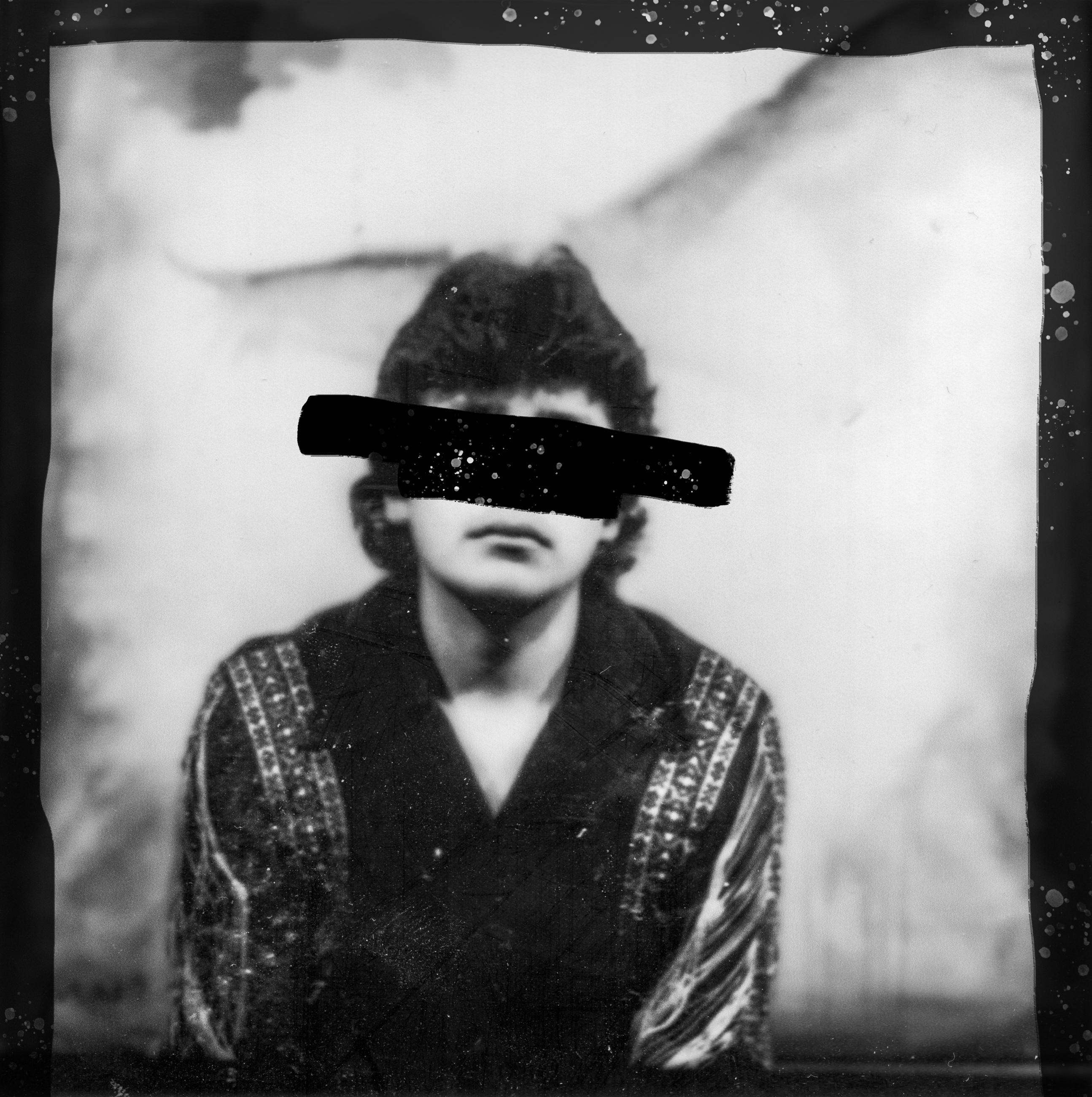
A contact sheet fragment from a family archive depicts an Indigenous man with his face erased, symbolising the identity loss caused by intergenerational trauma. This trauma impacts both family lines and communities, leaving many people unable to fully integrate into modern Canadian society or their Indigenous roots. Struggles with addiction and lateral violence are common. ‘Healing often occurs through reconnection with ancestral traditions and rituals, as Western therapies frequently fall short.’
© Giovanni Capriotti, Italy, 2nd Place, Professional competition, Perspectives, 2025 Sony World Photography Awards
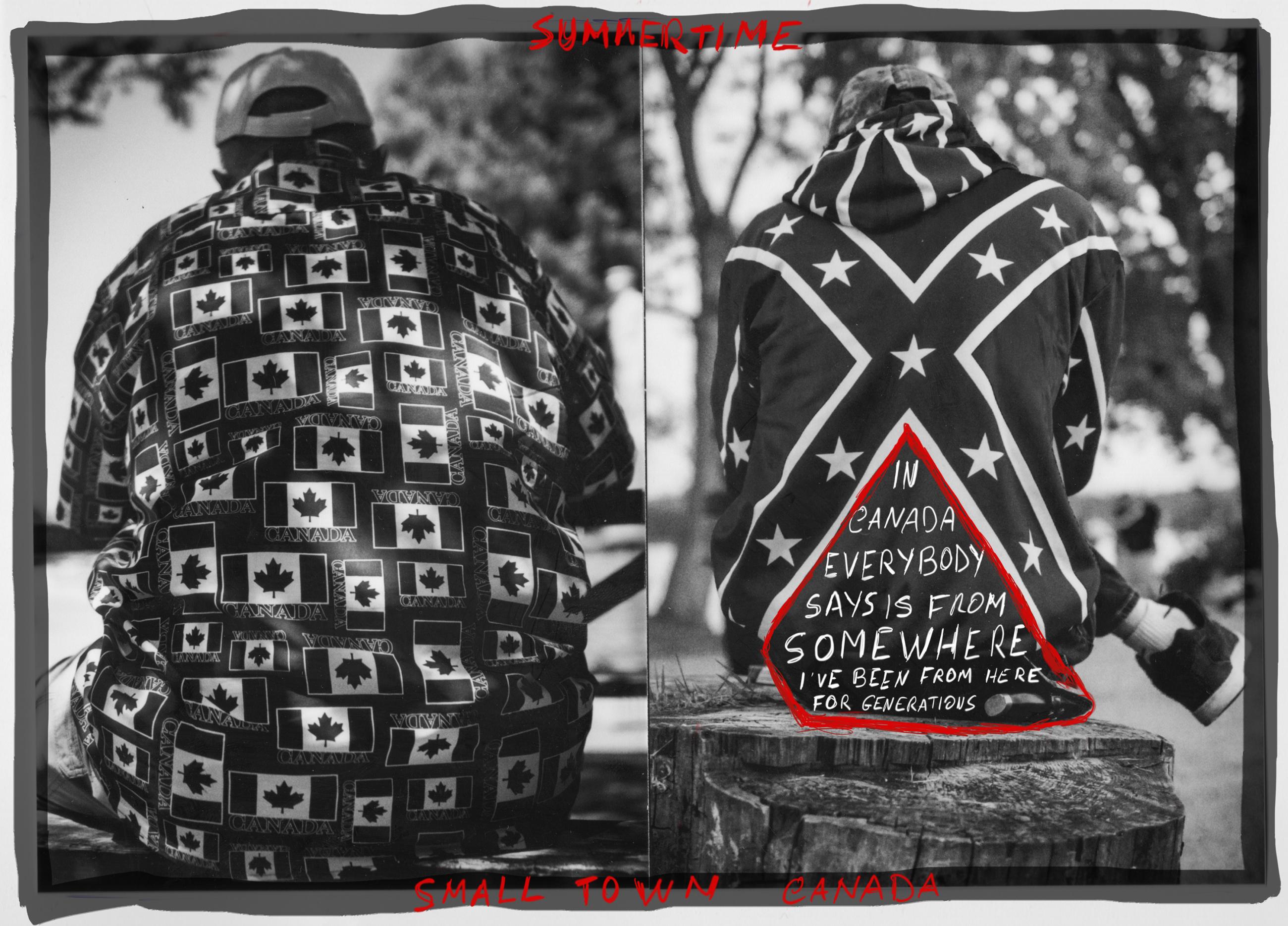
Small Town Canada
Two Canadian patriots are pictured in shared territories among Indigenous and non-Indigenous communities: one on Manitoulin Island, home to six reserves, and the other in Dunnville, near Six Nations of the Grand River. Canada’s social fabric is composed of multicultural immigrants, who are often unaware of Indigenous history, and several multigenerational Canadians of British or French descent, who see themselves as ‘pure Canadians,’ question Indigenous rights and feel excluded by government policies.
© Giovanni Capriotti, Italy, 2nd Place, Professional competition, Perspectives, 2025 Sony World Photography Awards
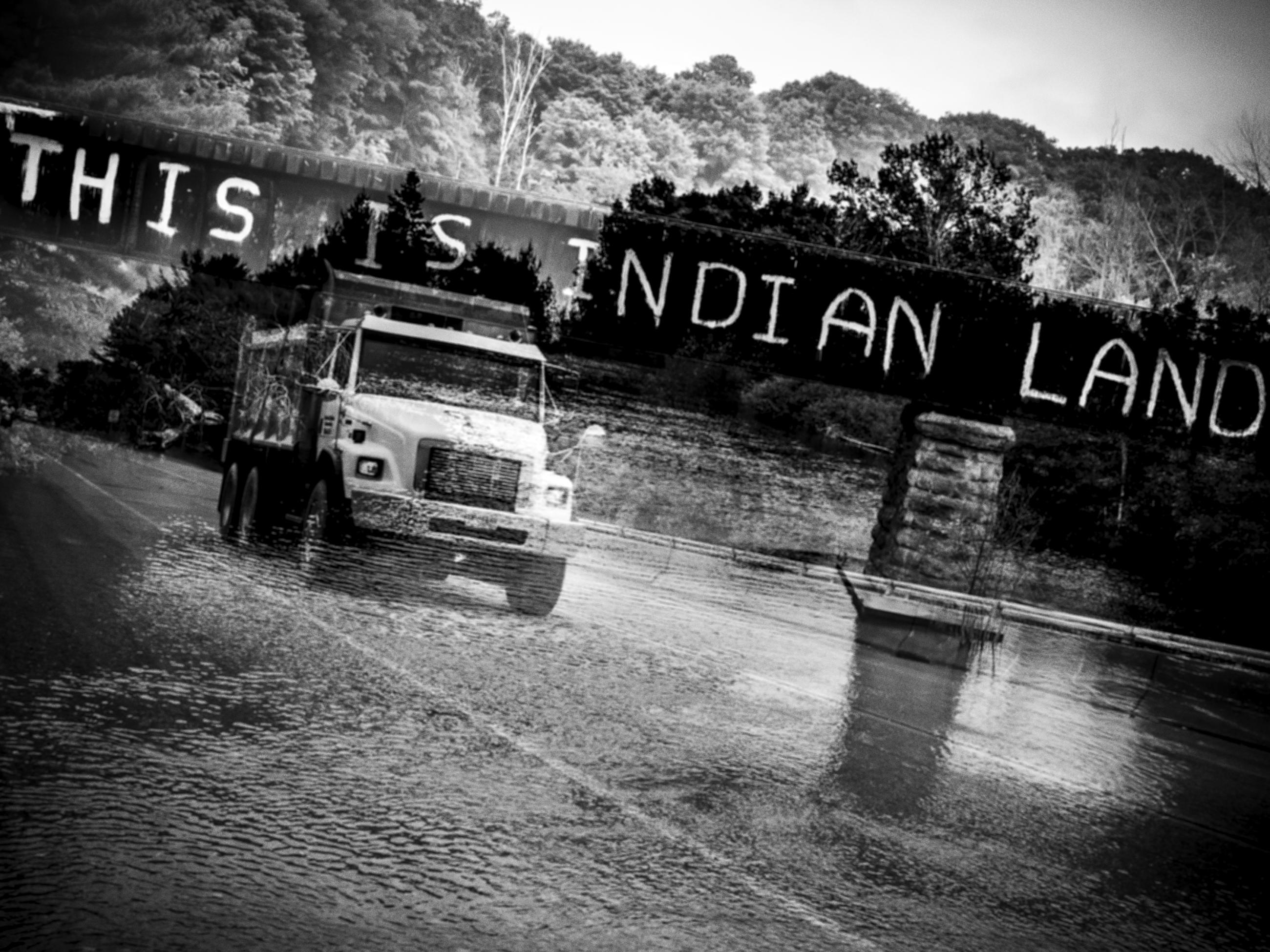
Sovereignty
A truck in this multiple-exposure photograph passes a spray-painted bridge reading ‘This is Indian Land’ in Garden River First Nation, Canada. Indigenous sovereignty, affirmed under Section 35 of the Constitution Act, ensures the right to self-governance and land control. While Canada has offered compensation for colonial injustices, including a $47.8 billion settlement for child welfare reform, Indigenous leaders argue that these actions fail to fully address self-determination or recognise true sovereignty.
© Giovanni Capriotti, Italy, 2nd Place, Professional competition, Perspectives, 2025 Sony World Photography Awards