

Back to Environment
Environment 3rd Place
Dark Embrace: Light Pollution that Affects Chilean Astronomy
Cristóbal Olivares
Series description
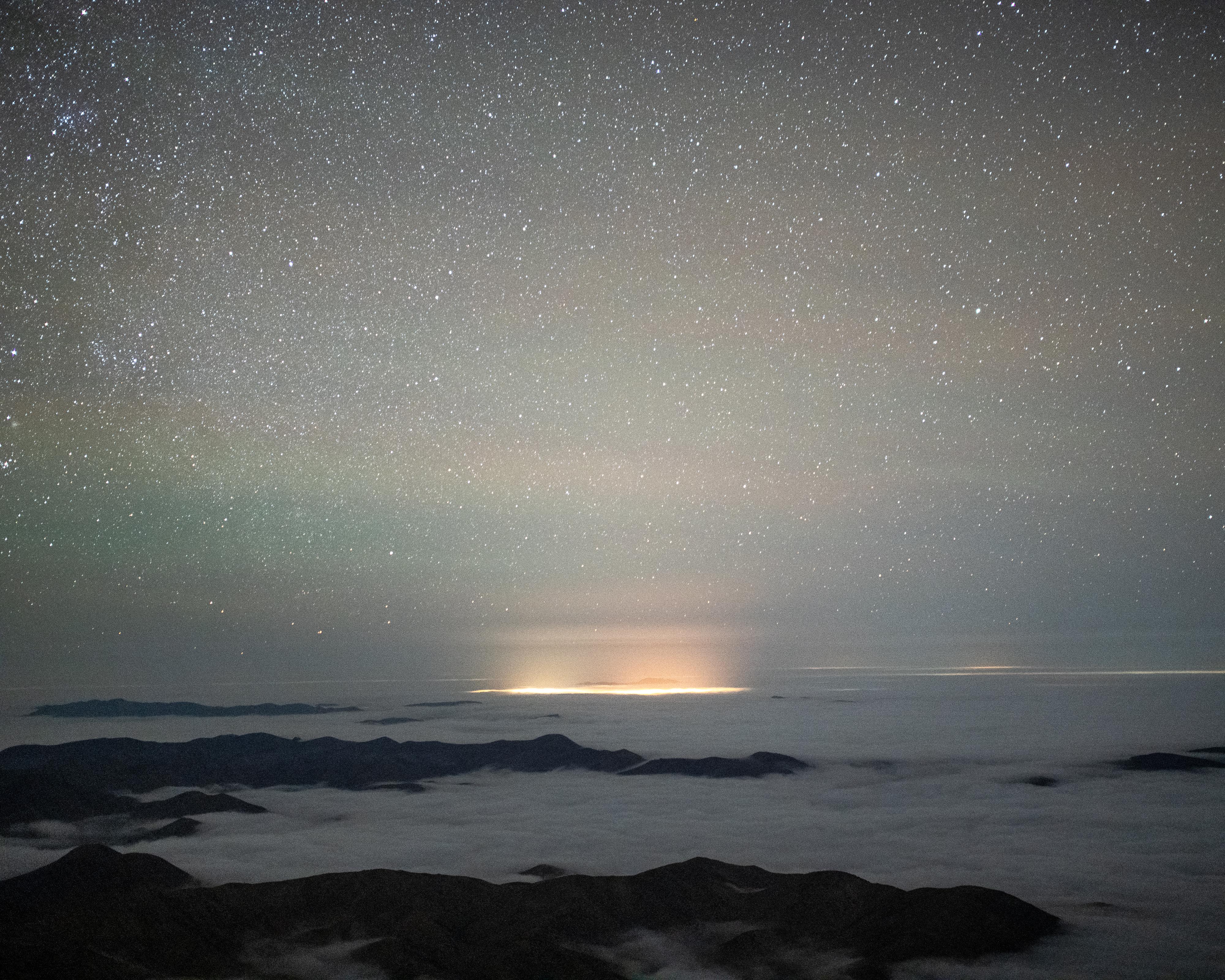
The Atacama desert has been luring astronomers for decades. Its exceptionally clear skies have revealed profound discoveries, including potentially hazardous asteroids drifting close to Earth and evidence that the Universe’s expansion is accelerating. However, light pollution is now affecting the work of astronomers who need to see the stars. As the night brightens, and light pollution from cities rises closer to the celestial zenith, the weakening contrast is making it harder for astronomers to spot distant objects. Cities aren’t the only source of light pollution in Atacama, though. The mining industry has also become a visible contributor, with some of the larger mines generating as much light pollution as a small city. As the extraction of copper and lithium ramps up to meet soaring global demand, astronomers working in the area worry that the Chilean desert’s status as the ‘eyes of the world’ could be in jeopardy.
Biography
Cristóbal Olivares, born in Santiago, Chile in 1988, is a documentary photographer. He is the co-founder of Buen Lugar, an independent editorial initiative that publishes photography books.
Cristóbal is a 2023 National Geographic Explorer.
In 2019, he was named Magnum Foundation Photography and Social Justice Fellow.
In 2021 his work The Eternity of Tomorrow won 2nd prize in the World Press Photo Contest and was nominated for Online Video of the Year.
Untitled
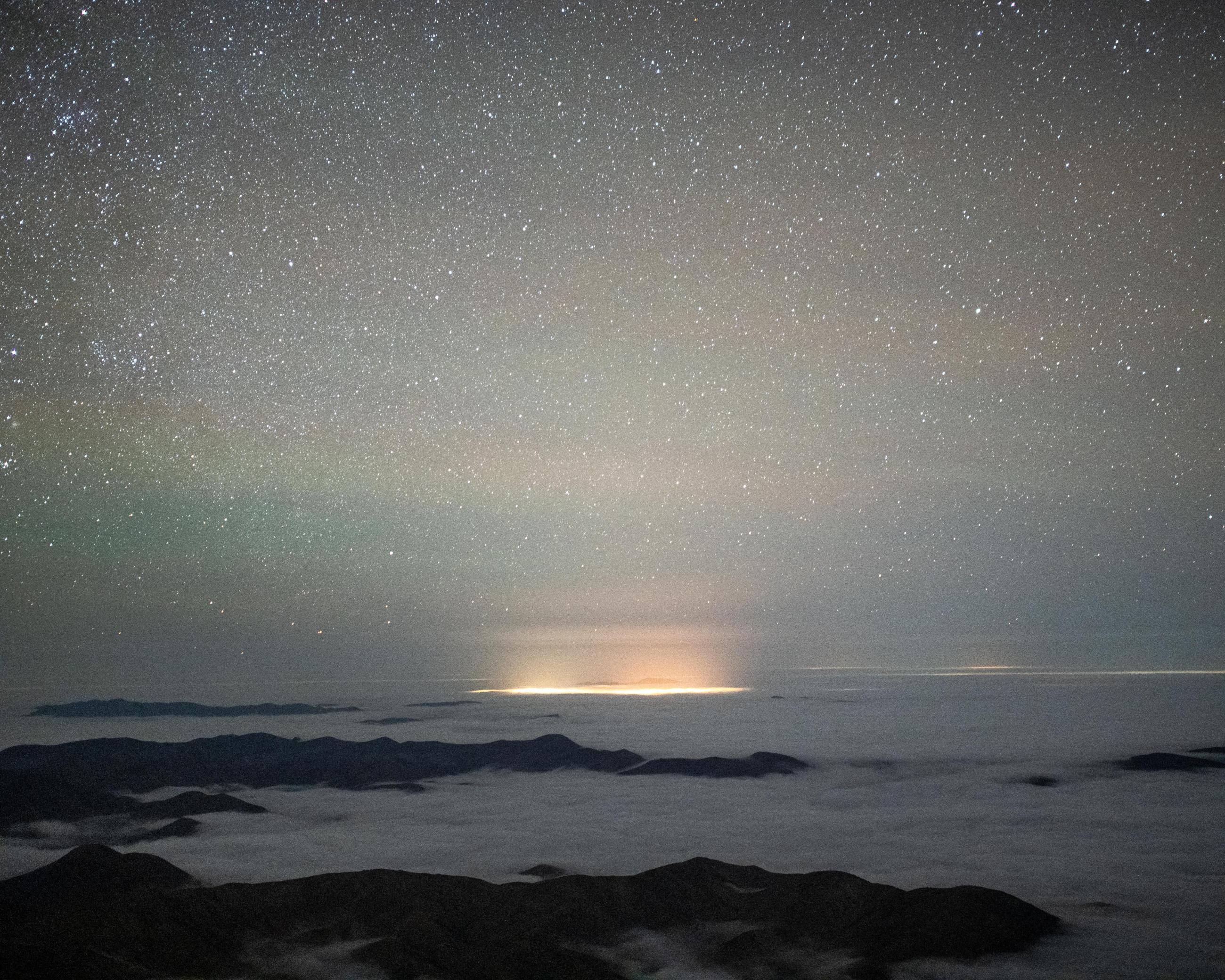
Light pollution from nearby cities as seen from Cerro Tololo Observatory, Vicuña, Chile.
© Cristóbal Olivares, Chile, 3rd Place, Professional competition, Environment, 2025 Sony World Photography Awards
Untitled
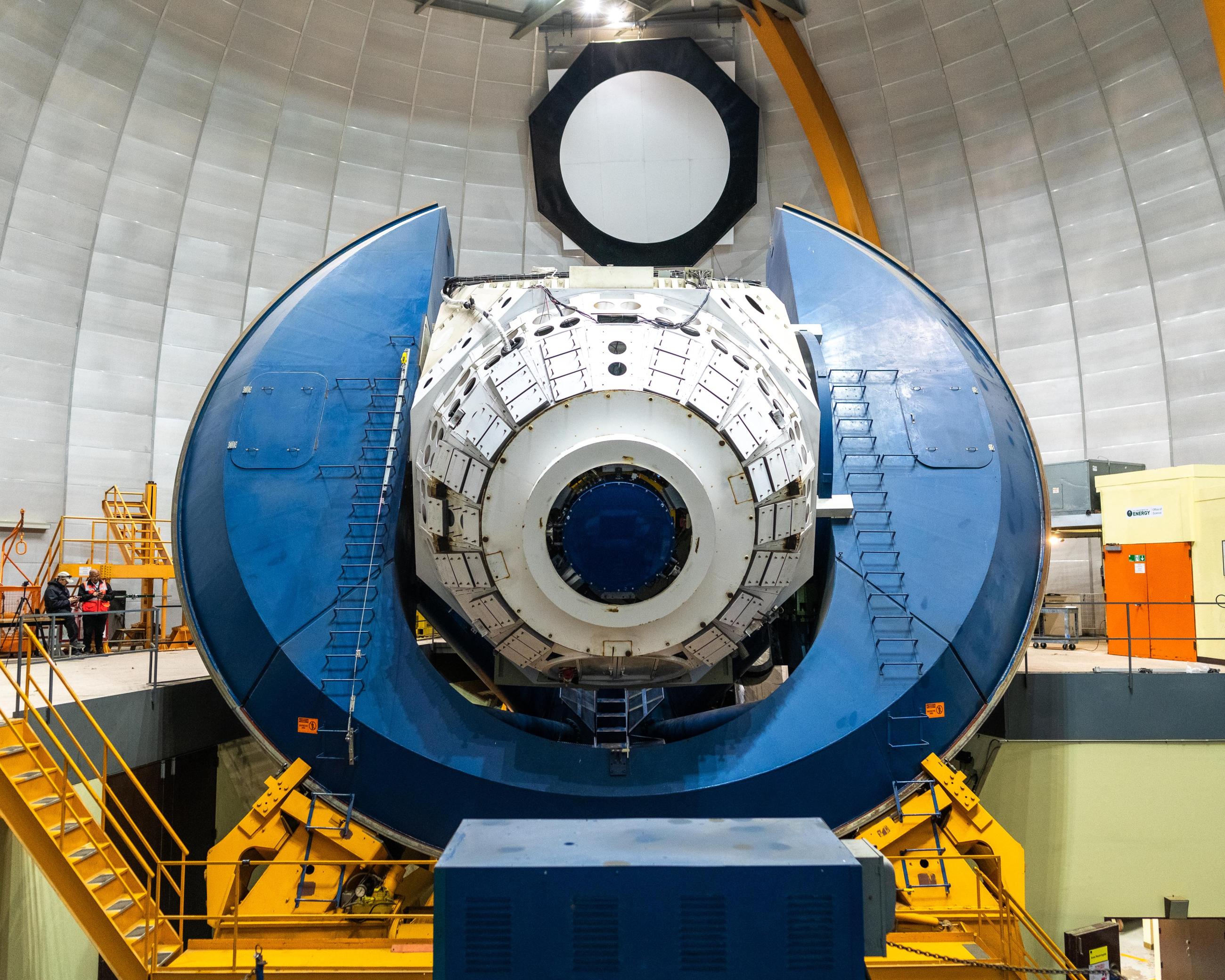
The Victor Blanco Telescope, also known as the 4-metre telescope, at Cerro Tololo Observatory, Vicuña, Chile.
© Cristóbal Olivares, Chile, 3rd Place, Professional competition, Environment, 2025 Sony World Photography Awards

Untitled
Observatory staff clean the filters of the Victor Blanco telescope, inside a sterile room at Cerro Tololo Observatory, Vicuña, Chile. This is an essential operation for accurate observation. The filters must be completely spotless so the telescope can interpret and register the correct data and images.
© Cristóbal Olivares, Chile, 3rd Place, Professional competition, Environment, 2025 Sony World Photography Awards
Untitled
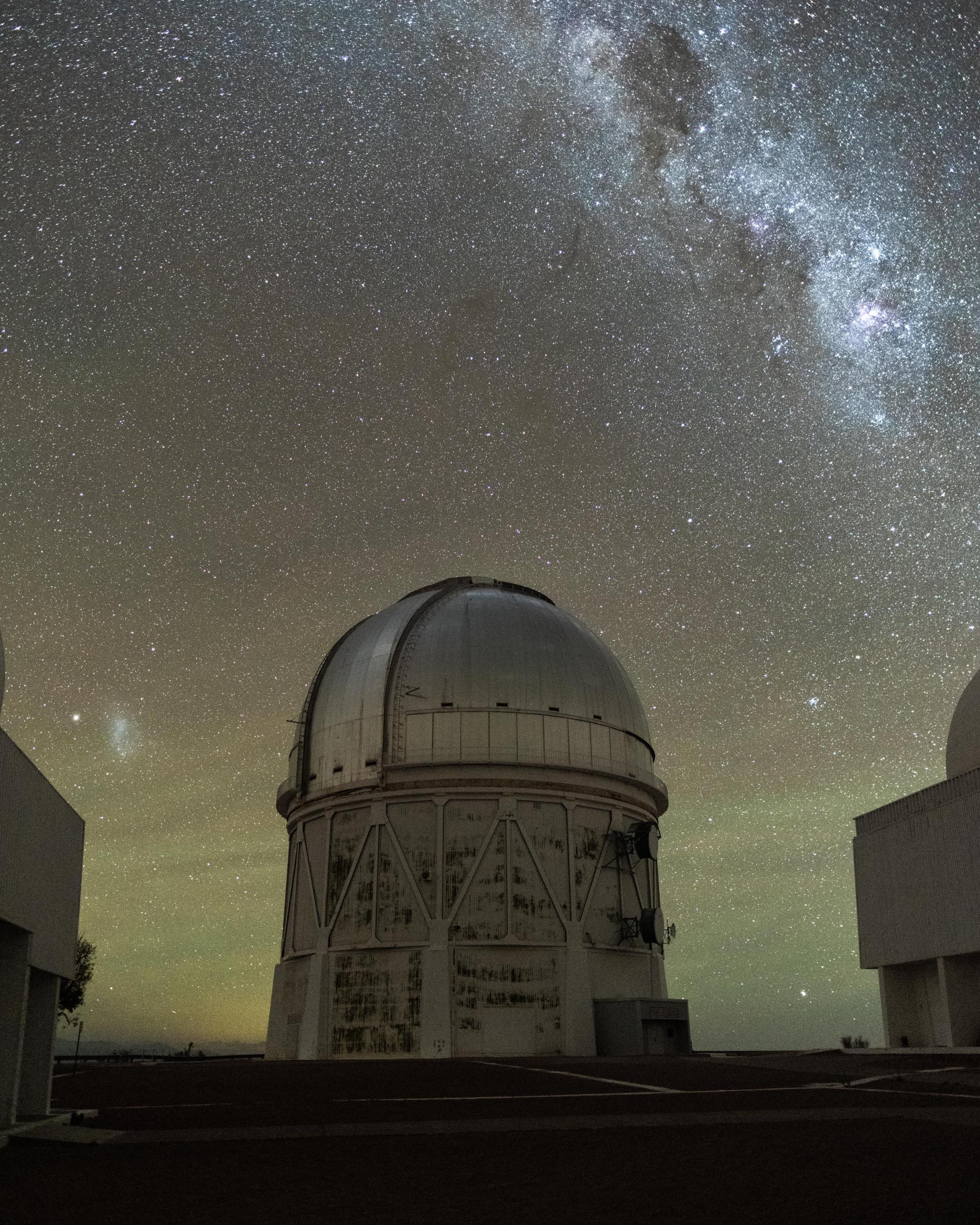
The Victor Blanco Telescope at Cerro Tololo Observatory, Vicuña, Chile.
© Cristóbal Olivares, Chile, 3rd Place, Professional competition, Environment, 2025 Sony World Photography Awards

Untitled
A man walks uphill in the city of Antofagasta, Chile.
© Cristóbal Olivares, Chile, 3rd Place, Professional competition, Environment, 2025 Sony World Photography Awards
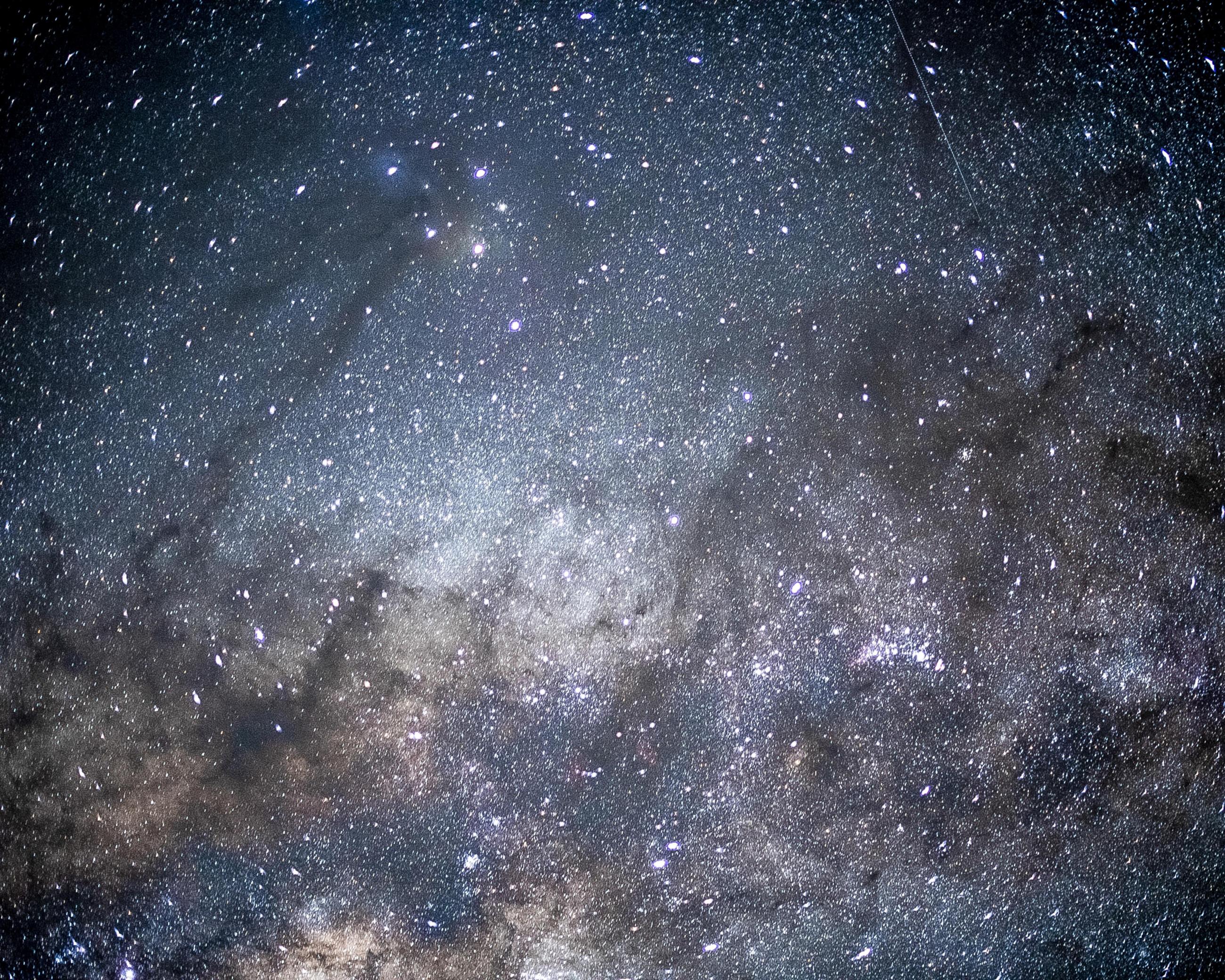
Untitled
The sky and stars at Cerro Tololo Observatory, Vicuña, Chile.
© Cristóbal Olivares, Chile, 3rd Place, Professional competition, Environment, 2025 Sony World Photography Awards

Untitled
The Cerro Tololo Observatory in Vicuña, Chile.
© Cristóbal Olivares, Chile, 3rd Place, Professional competition, Environment, 2025 Sony World Photography Awards
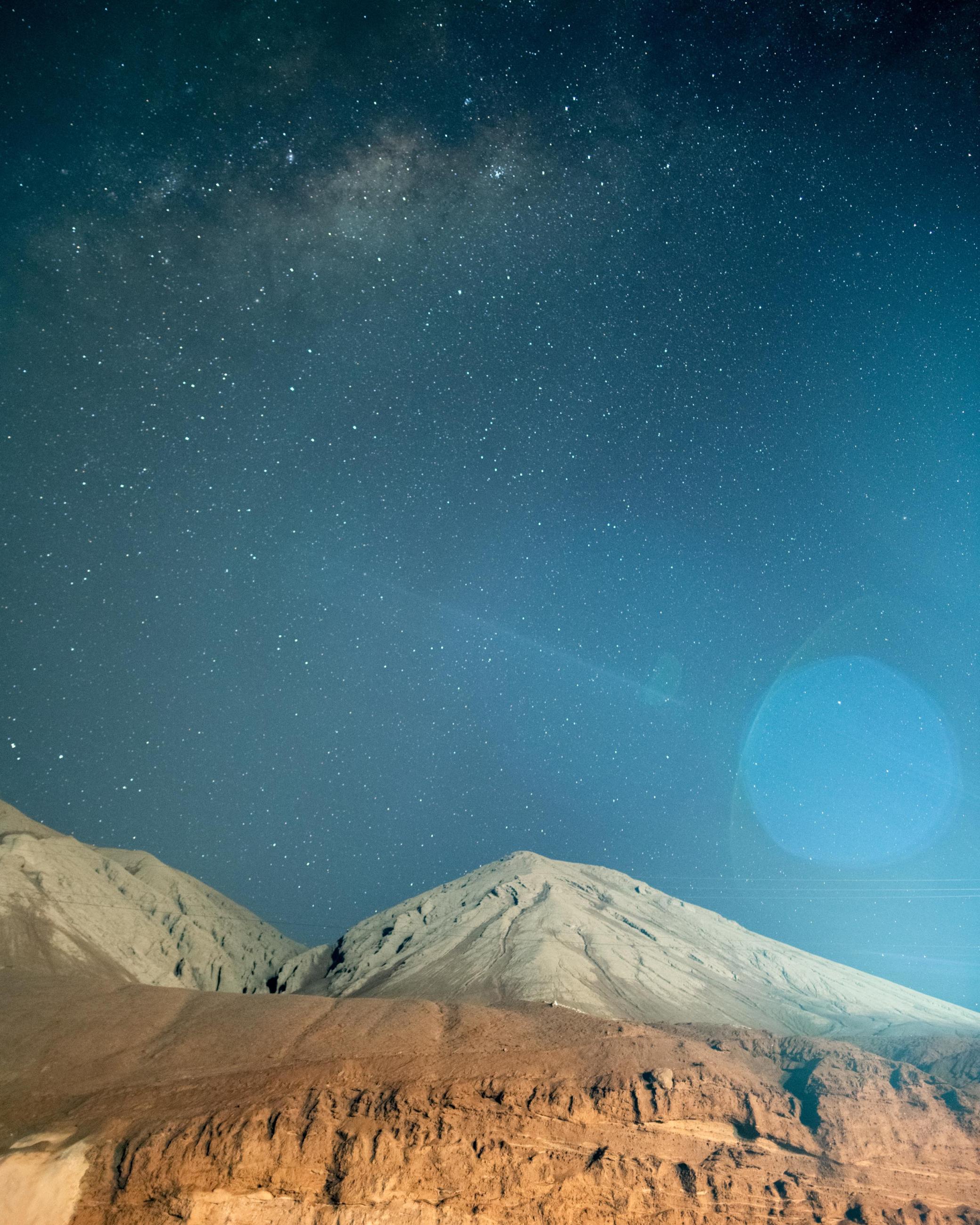
Untitled
The night sky, halo and stars seen outside Antofagasta, Chile.
© Cristóbal Olivares, Chile, 3rd Place, Professional competition, Environment, 2025 Sony World Photography Awards