

Series description
The fragile Wadden Sea is one of Europe’s last true wilderness areas. This immense wetland was designated a UNESCO World Heritage Site in 2009, and it was here, in the late 19th century, that modern ecology was born. Today, threatened by climate change, it has become a living laboratory for innovative eco-sustainable practices, as scientists grapple with the pressing challenges of the future. How can we adapt to rising sea levels? How can we protect native species? How can we reduce the impact of fishing and agriculture? How can we promote ever more responsible tourism?
Biography
Alessandro Gandolfi is a photojournalist interested in reporting on small and big changes in society. A graduate in Philosophy, he attended the Istituto per la Formazione al Giornalismo (IFG) in Urbino, Italy and worked at newspaper La Repubblica as a journalist before turning to photography. His photo reportages have appeared in newspapers all over the world and have been exhibited in various exhibitions and festivals, winning international awards such as the Sony World Photography Awards.
Untitled
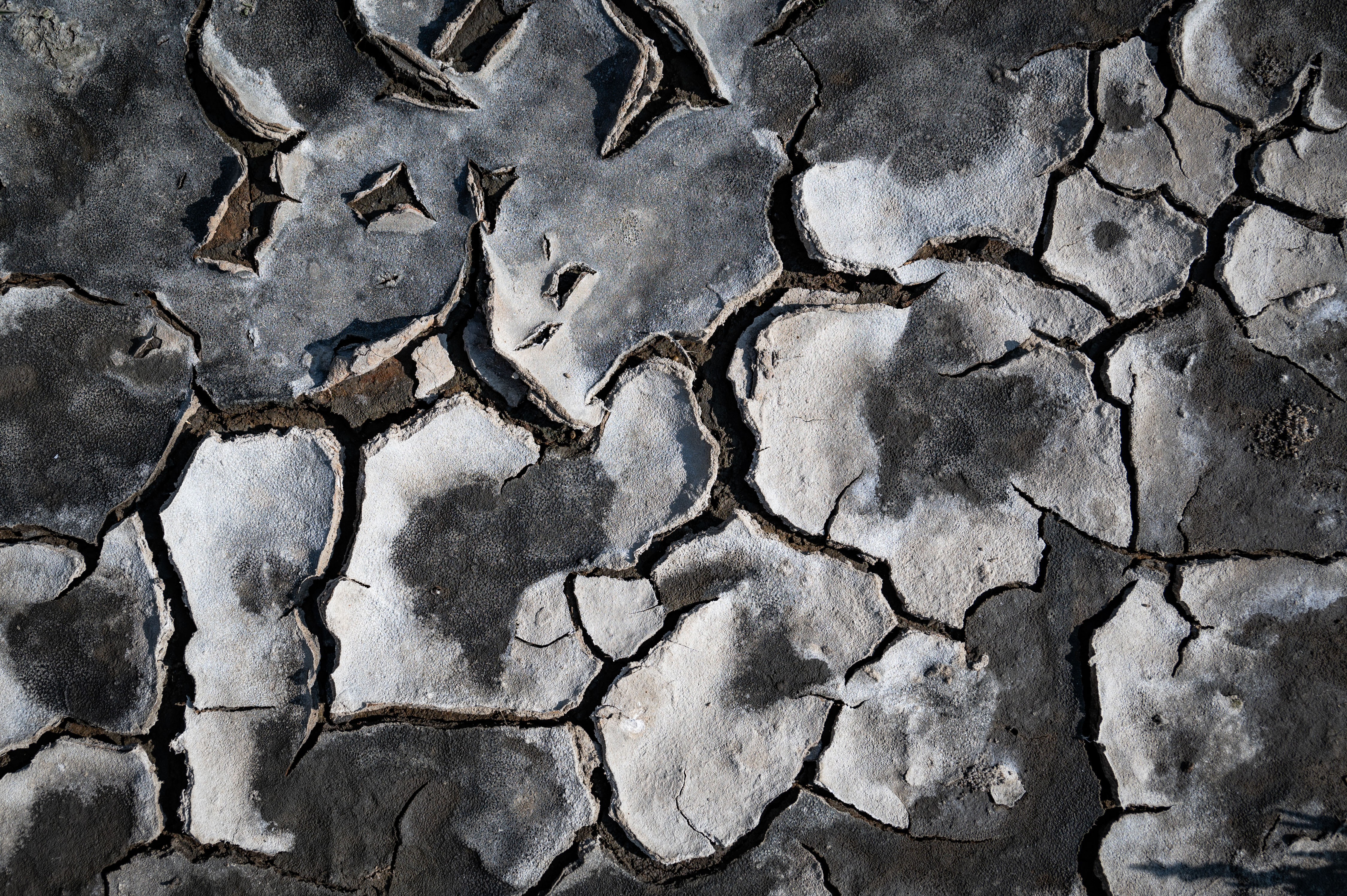
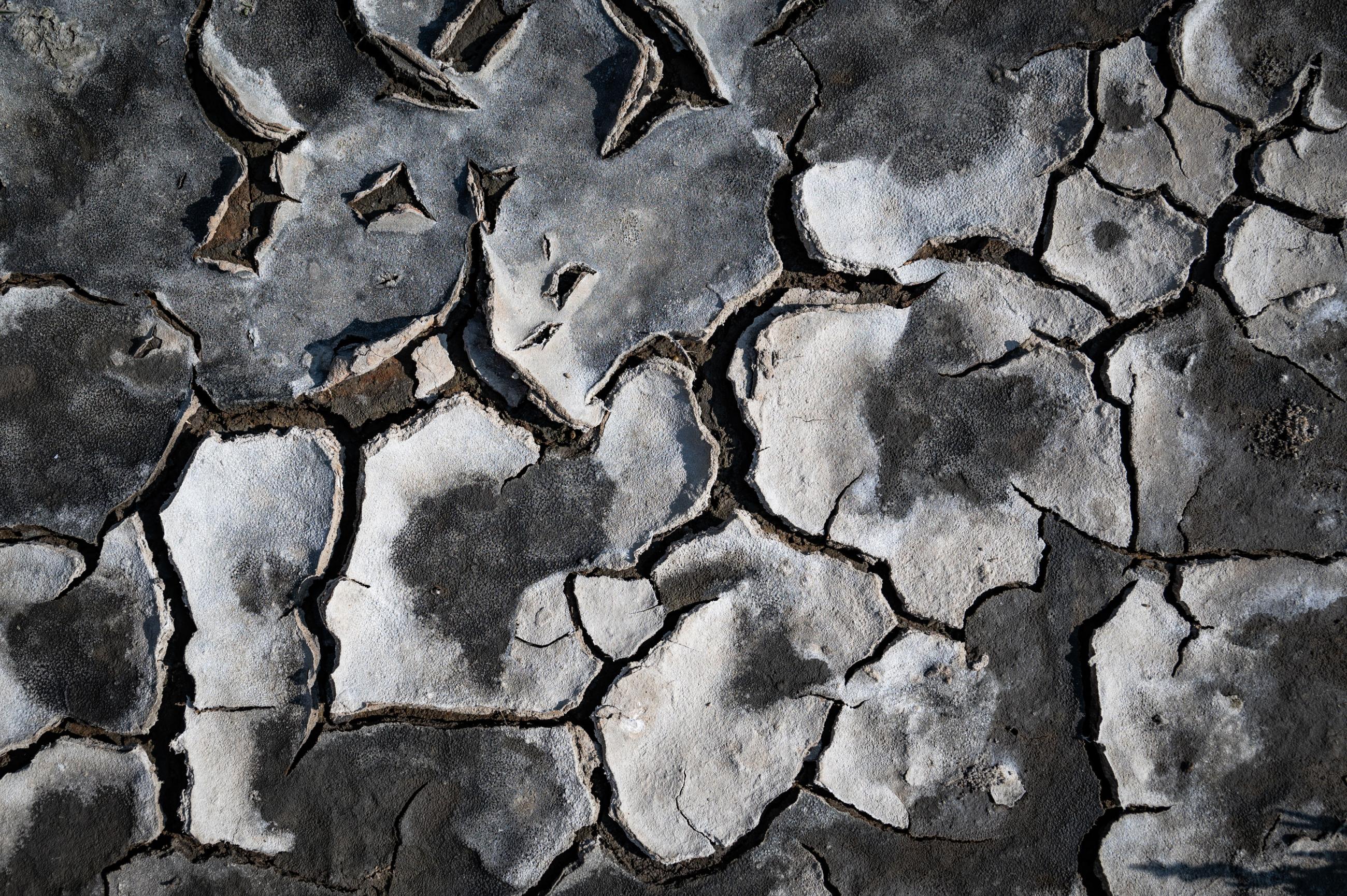
As the tides alternate between submerging and exposing the land along the Wadden Sea, nature, plants and animals interact and adapt to each other, creating a rich habitat that has existed since the last ice age.
Westerever, Germany.
© Alessandro Gandolfi, Italy, 3rd Place, Professional competition, Still Life, 2025 Sony World Photography Awards
Untitled
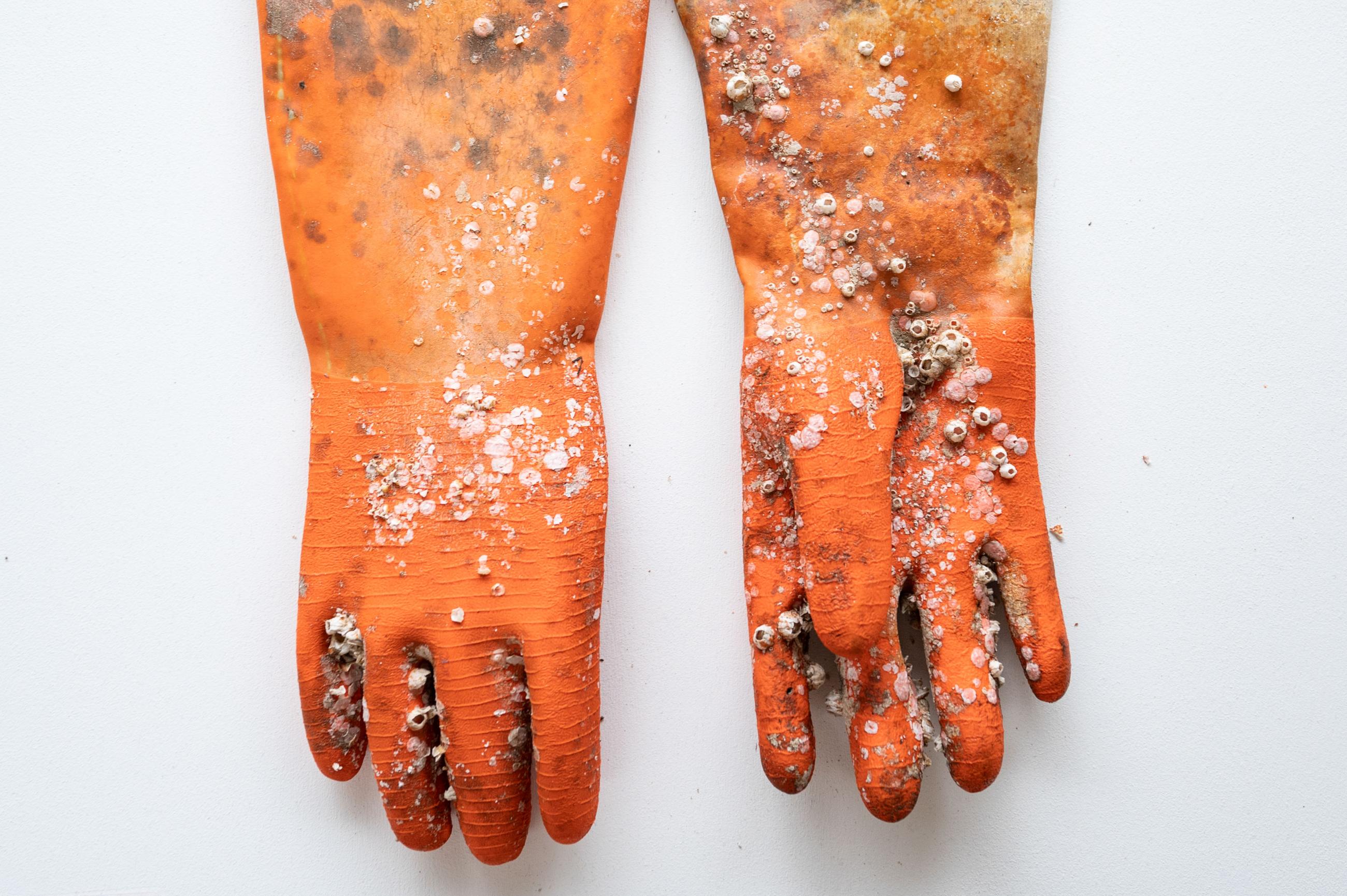
Barnacle encrustations on plastic gloves on display at the Vadehavscentret (Wadden Sea Centre). Here you can explore the multitude of life forms in this unique habitat, from migratory birds and seals to the algae and microorganisms that can be found in the mud flats.
Ribe, Denmark.
© Alessandro Gandolfi, Italy, 3rd Place, Professional competition, Still Life, 2025 Sony World Photography Awards
Untitled
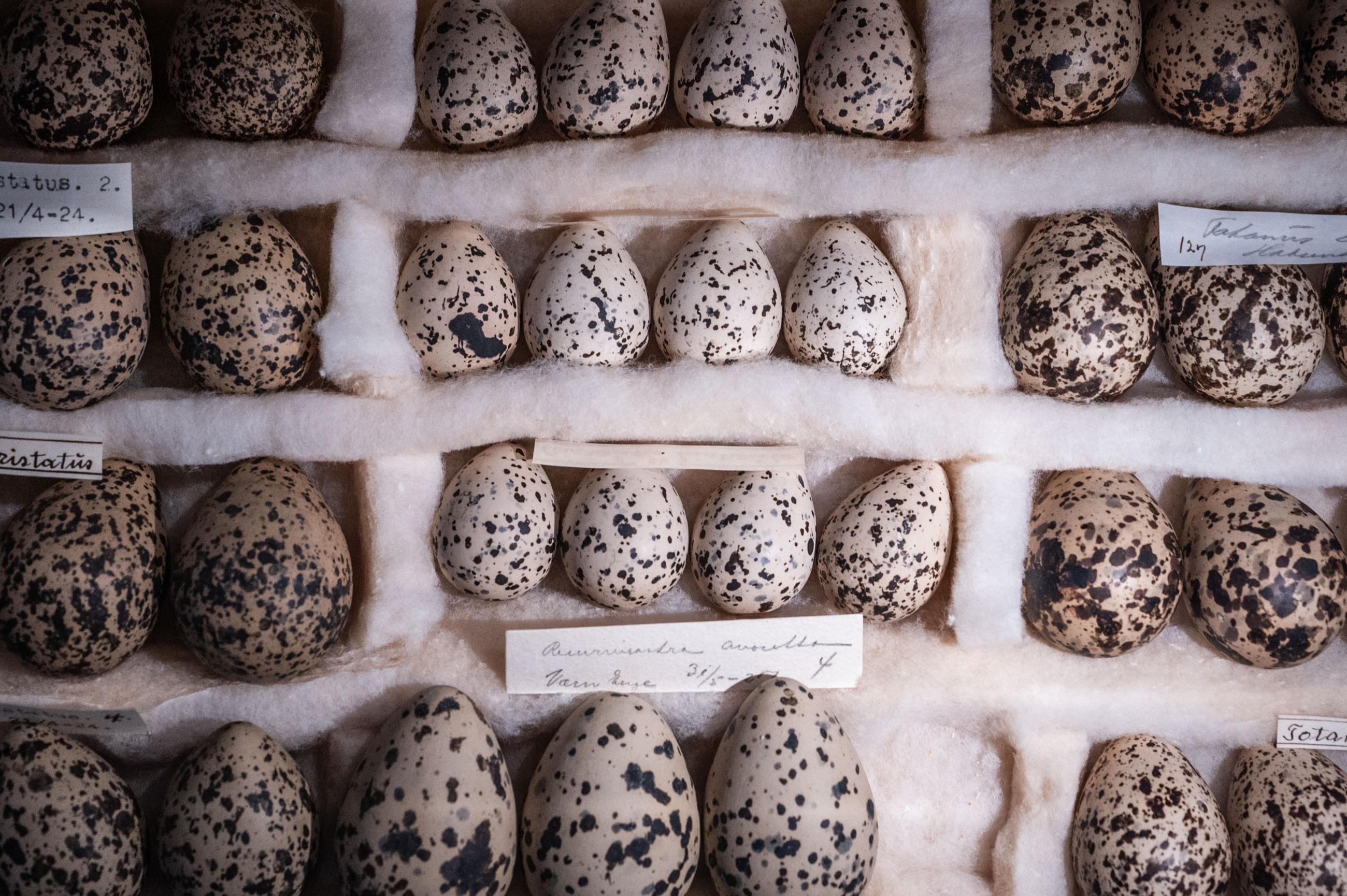
A collection of bird eggs on display at the Vadehavscentret (Wadden Sea Centre). The collection was made by a private individual before 1943 – wild bird egg collection has been banned in Denmark since 1994. Today, the Wadden Sea is a large nature reserve, and endangered breeding birds often find safer conditions here.
Ribe, Denmark.
© Alessandro Gandolfi, Italy, 3rd Place, Professional competition, Still Life, 2025 Sony World Photography Awards
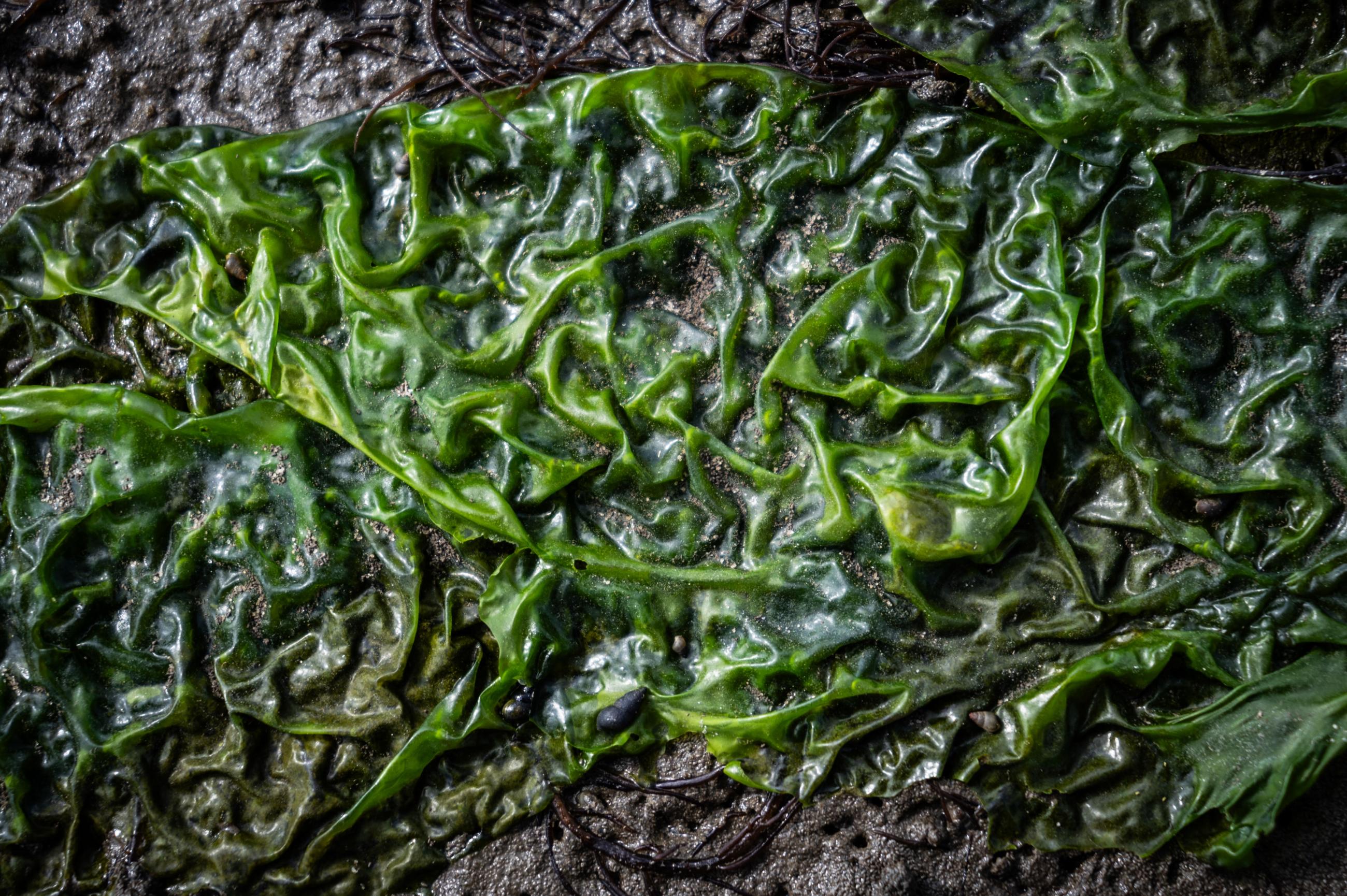
Untitled
Seaweed along the Wadden Sea. Driven by the tides, the plants and animals found here have been creating a rich habitat since the last ice age.
Westerever, Germany.
© Alessandro Gandolfi, Italy, 3rd Place, Professional competition, Still Life, 2025 Sony World Photography Awards
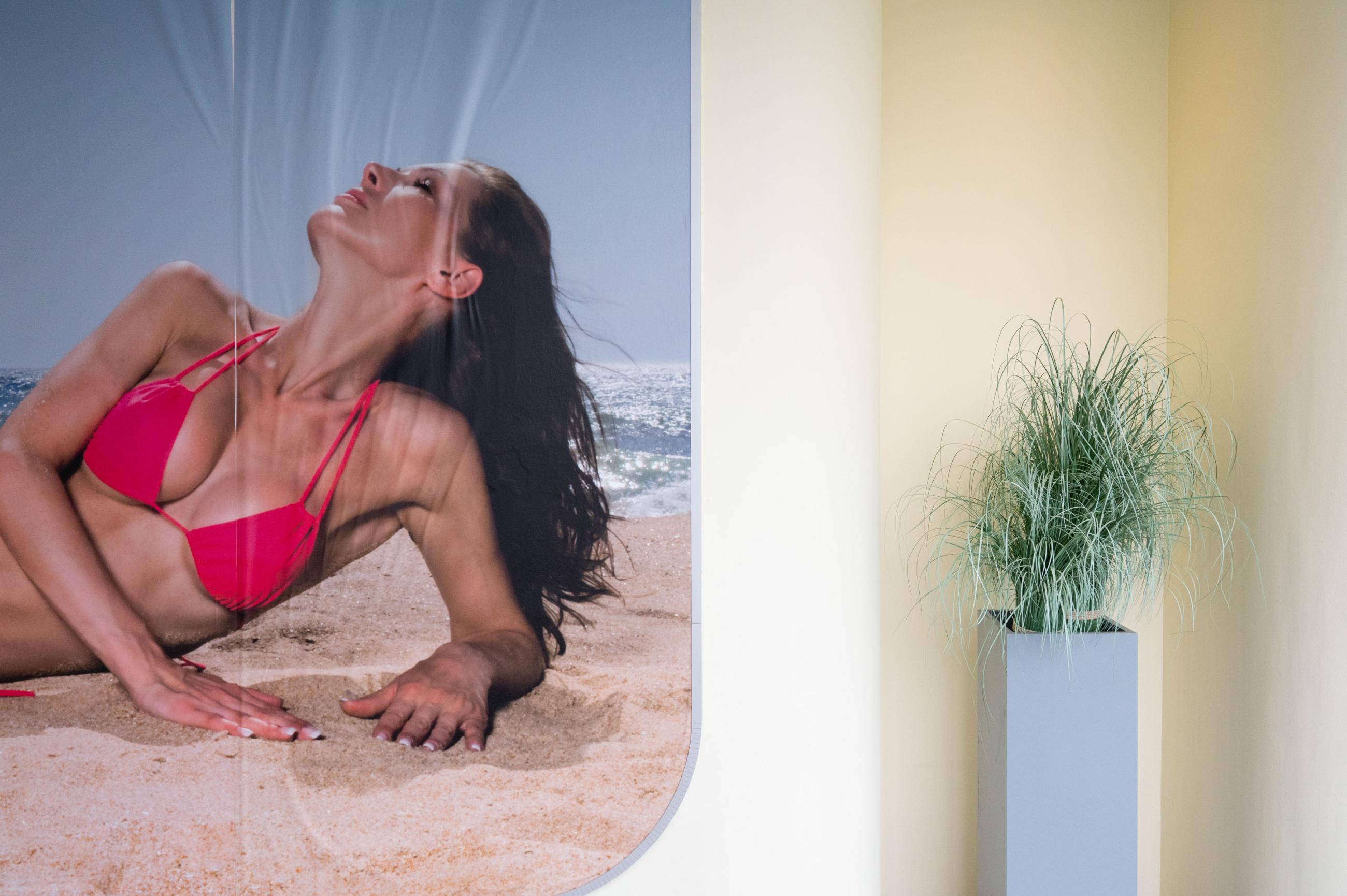
Untitled
An image of a woman sunbathing in the corridors of the Syltness Center, Sylt island's famous spa.
Sylt, Germany.
© Alessandro Gandolfi, Italy, 3rd Place, Professional competition, Still Life, 2025 Sony World Photography Awards
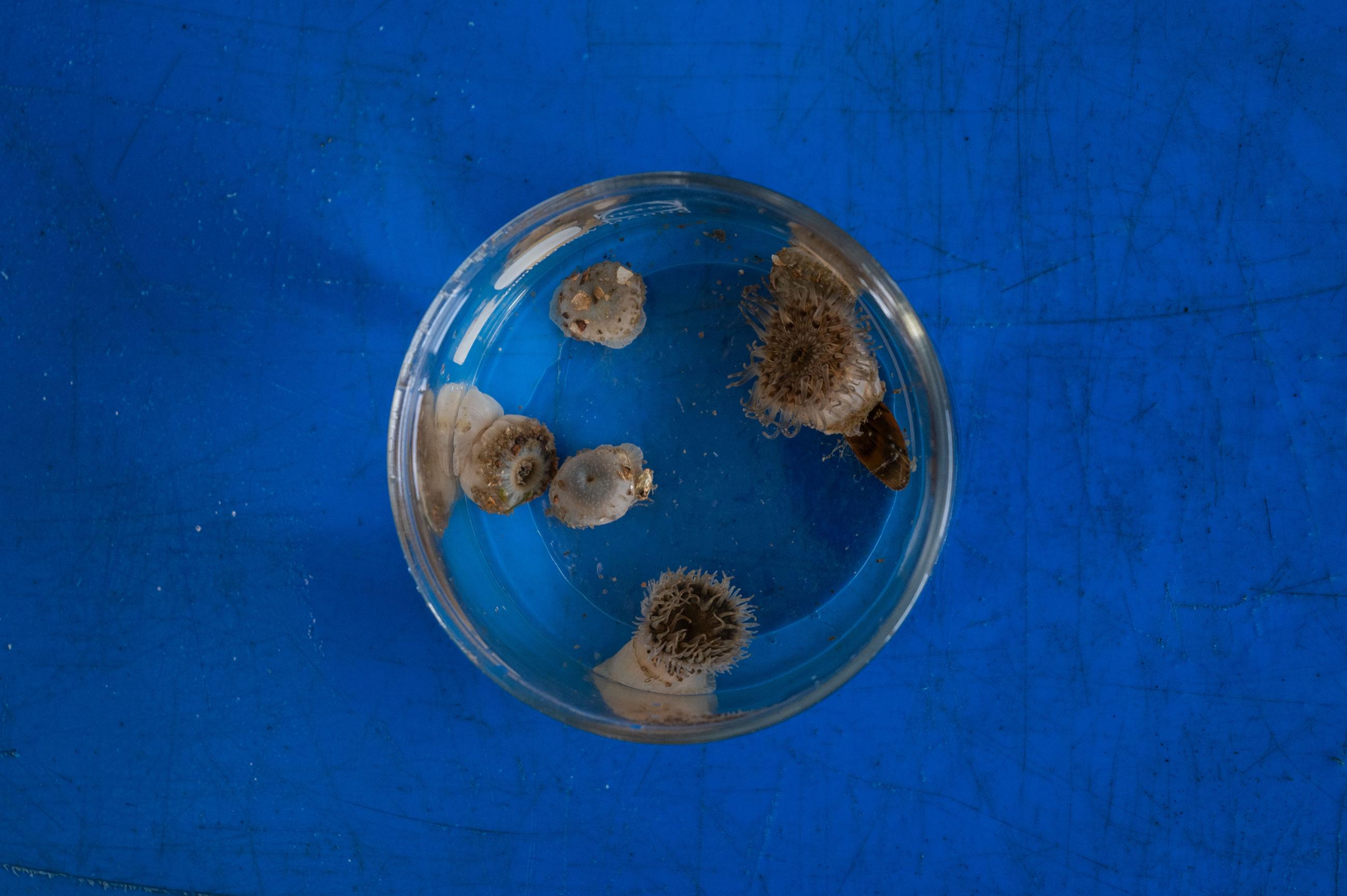
Untitled
Sea anemones are studied in the laboratories of the Coastal Ecology Division at the AWI (Alfred Wegener Institute). The Institute's Coastal Ecology Division studies Wadden Sea ecosystems, natural and human stressors and the sustainable use of shallow coastal seas.
List, Sylt, Germany.
© Alessandro Gandolfi, Italy, 3rd Place, Professional competition, Still Life, 2025 Sony World Photography Awards
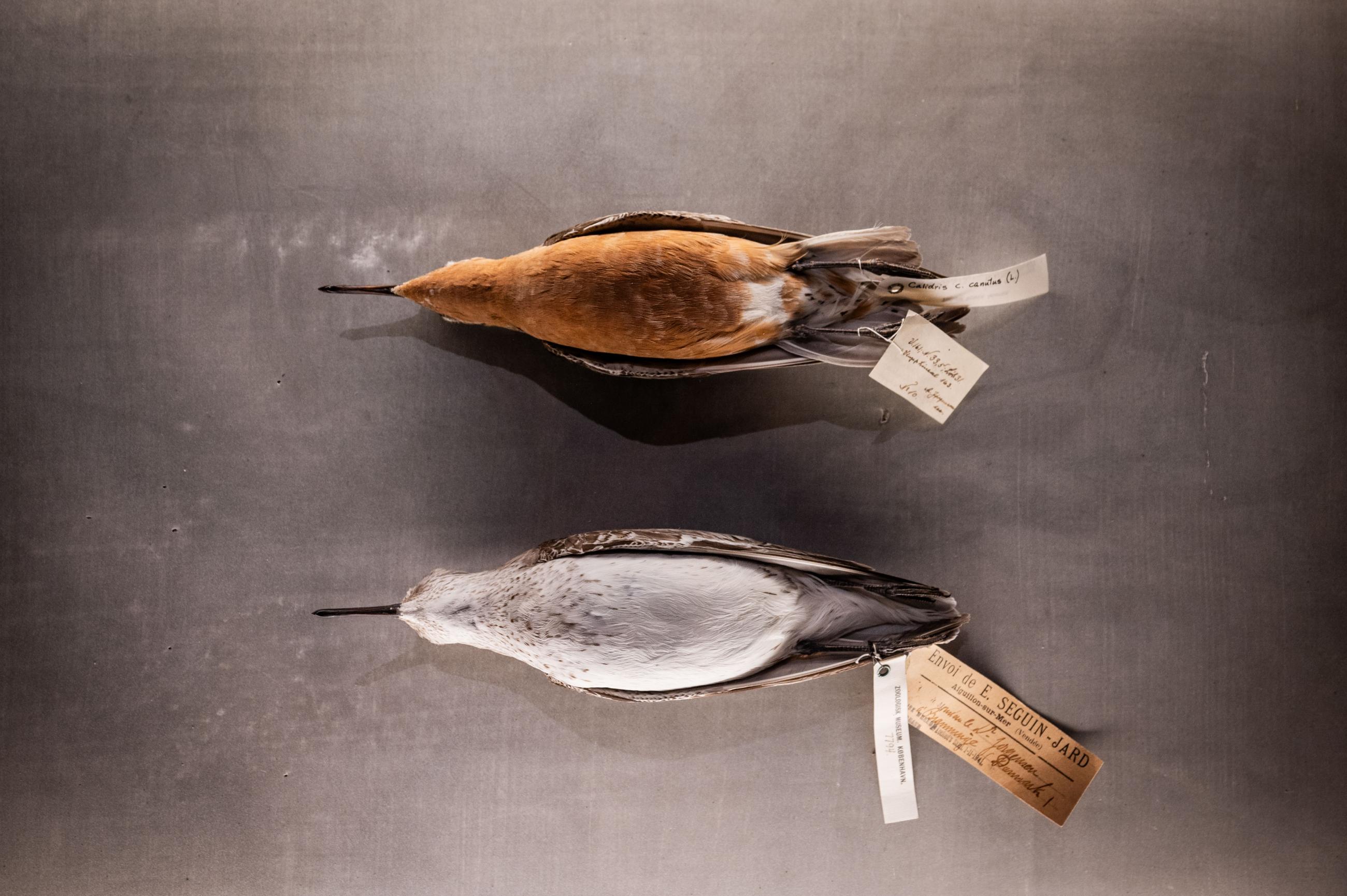
Untitled
Migratory birds displayed at the Vadehavscentret (Wadden Sea Centre). During their long journey, 15 million migratory birds stop along the Wadden Sea to feed on mussels, worms and snails, which in turn are fond of algae. This makes it one of the most important wetland areas in the world.
Ribe, Denmark.
© Alessandro Gandolfi, Italy, 3rd Place, Professional competition, Still Life, 2025 Sony World Photography Awards