

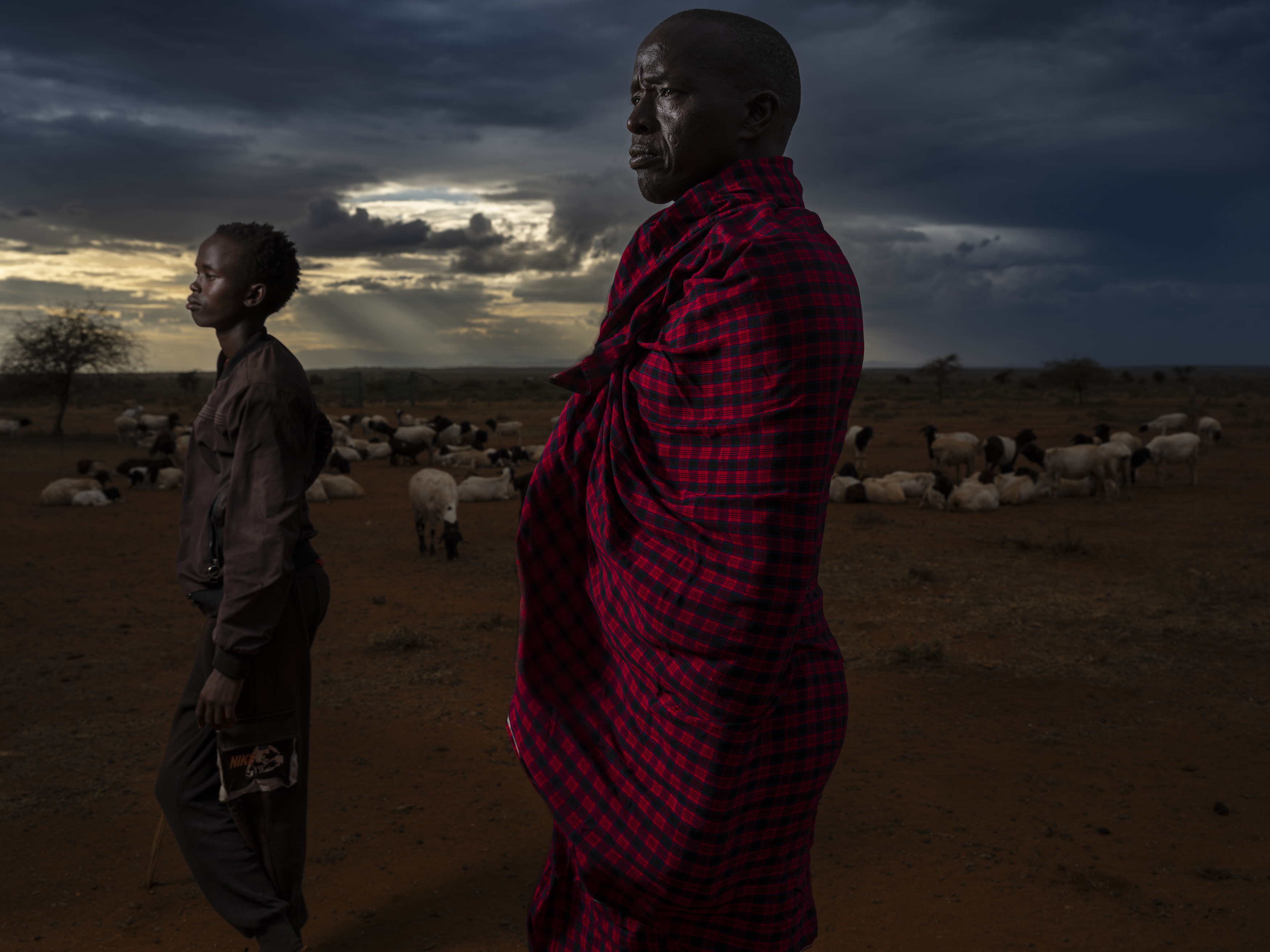
Series description
Kenya’s Amboseli ecosystem is under threat. The Maasai Group Ranch system that governed Maasai land rights for Amboseli has changed, and for the first time, individual members have the right to sell their land parcels. Factories, urban sprawl and large, water-hungry agricultural investments are now appearing in former elephant habitats, with fences cutting off vital animal corridors and indirectly killing bewildered animals who have followed the same routes for years. Climate change and increased competition for diminishing water resources are placing further pressure on the wild animals of Amboseli, as well as the Maasai, whose traditional way of life is also at stake. There is no guarantee that the younger generation will want to continue with a farming lifestyle in harmony with wild animals, but what does that mean for the future of the Amboseli ecosystem, a jewel in the crown of African wildlife conservation?
Biography
I am a photographer who specializes in the fields of sustainability, global health and the environment. I am employed as a special correspondent for Getty Images.
Amboseli Under Threat
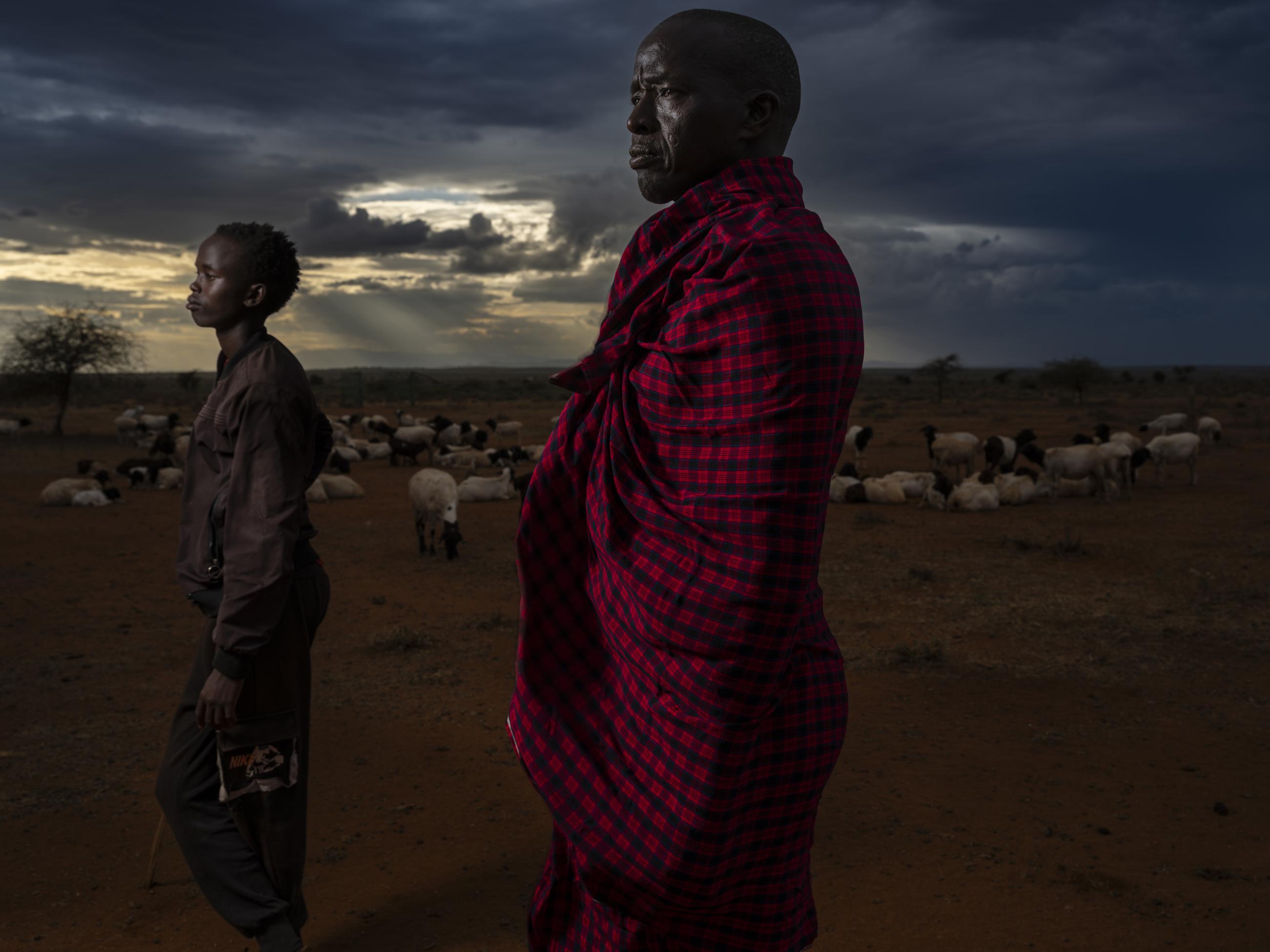
Njoroke ole Mpere, the Vice Chairman of the Nairrabala Conservancy. Eighty per cent of Njoroke’s community has decided to form their own conservancy, managing land use for a traditional way of life while also trying to take advantage of tourism and the land lease deal offered by conservation NGOs. Mpere believes in the benefits of protecting the land for wildlife and for his children's future, but he is also concerned that his children may want a different, more modern life.
© Brent Stirton, South Africa, Shortlist, Professional competition, Wildlife & Nature, 2025 Sony World Photography Awards
Amboseli Under Threat
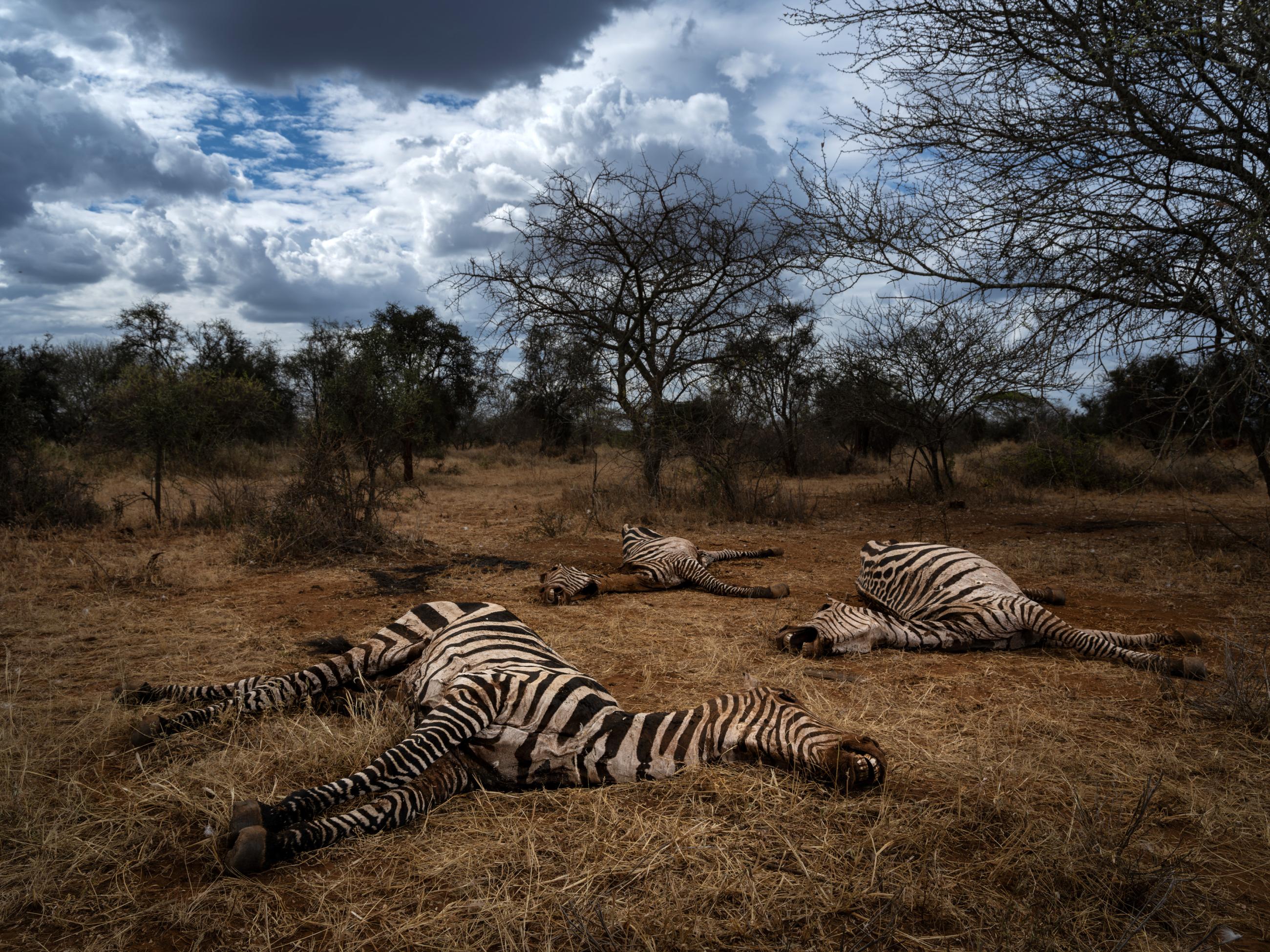
Zebras lie dead on a piece of land that used to be part of the communal Maasai area, but was sold and recently fenced without consideration for animals and their access to water. These zebras and other animals died of thirst before conservation rangers were able to cut the fence and let the animals out. Maasai traditional culture never had fences, and allowed the free movement of both cattle and wild animals.
© Brent Stirton, South Africa, Shortlist, Professional competition, Wildlife & Nature, 2025 Sony World Photography Awards
Amboseli Under Threat
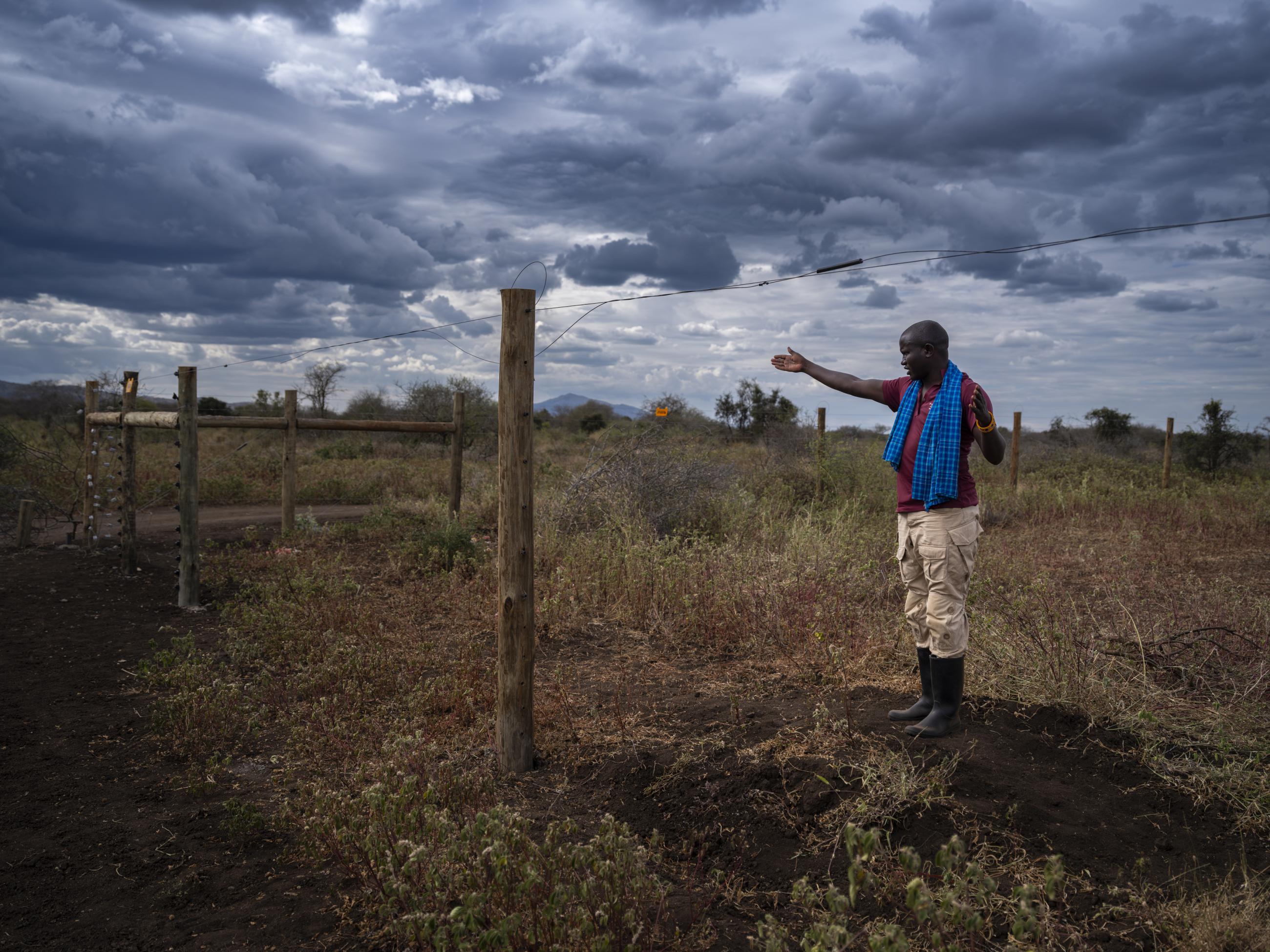
A conservation ranger points to where his team had to cut the fence on a recently fenced-off piece of land. The owner fenced the area so he could graze his animals in times of drought and keep other farmers out. Multiple animals died of thirst before the conservation NGO Big Life Foundation was able to cut the fence.
© Brent Stirton, South Africa, Shortlist, Professional competition, Wildlife & Nature, 2025 Sony World Photography Awards
Amboseli Under Threat
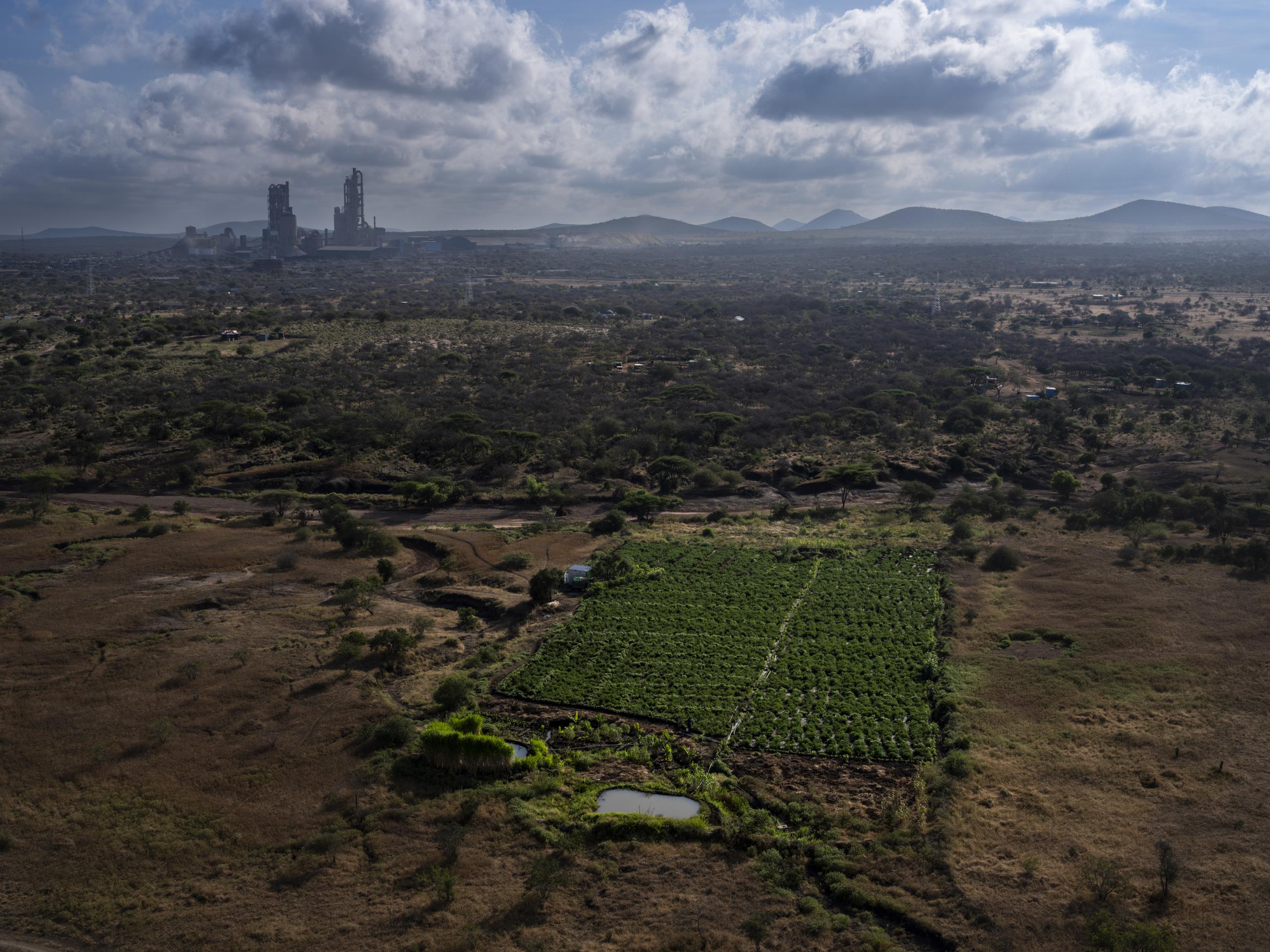
A huge cement factory and surrounding labour settlement lies on one side of an elephant corridor while on the other lie agricultural farms and the homes of farmers. As the population has grown in the area and some of the Maasai have sold off land that was traditionally utilised in harmony with animals, elephants and other animals find their movement increasingly restricted and access to grazing, water and breeding areas cut off.
© Brent Stirton, South Africa, Shortlist, Professional competition, Wildlife & Nature, 2025 Sony World Photography Awards
Amboseli Under Threat
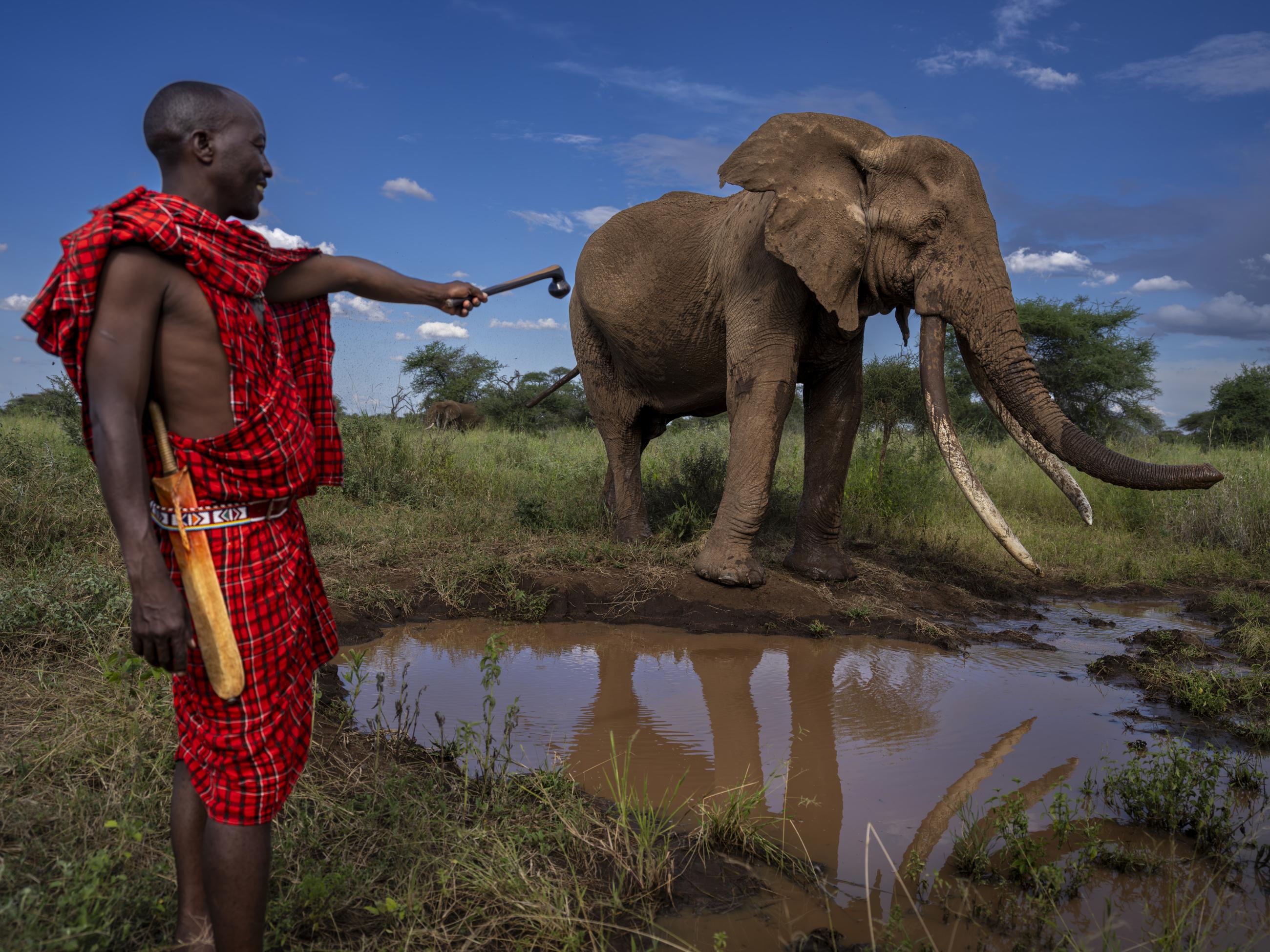
Craig, one of the most iconic of the tuskers of Amboseli, is seen on Kitende Conservancy, a local Maasai-run conservancy where land owners have chosen a traditional way of life as well as conservation land-leasing through conservation NGOs. This kind of elephant is one of a kind and worth millions of dollars in tourist revenue. People come from all over the world hoping to see him.
© Brent Stirton, South Africa, Shortlist, Professional competition, Wildlife & Nature, 2025 Sony World Photography Awards
Amboseli Under Threat
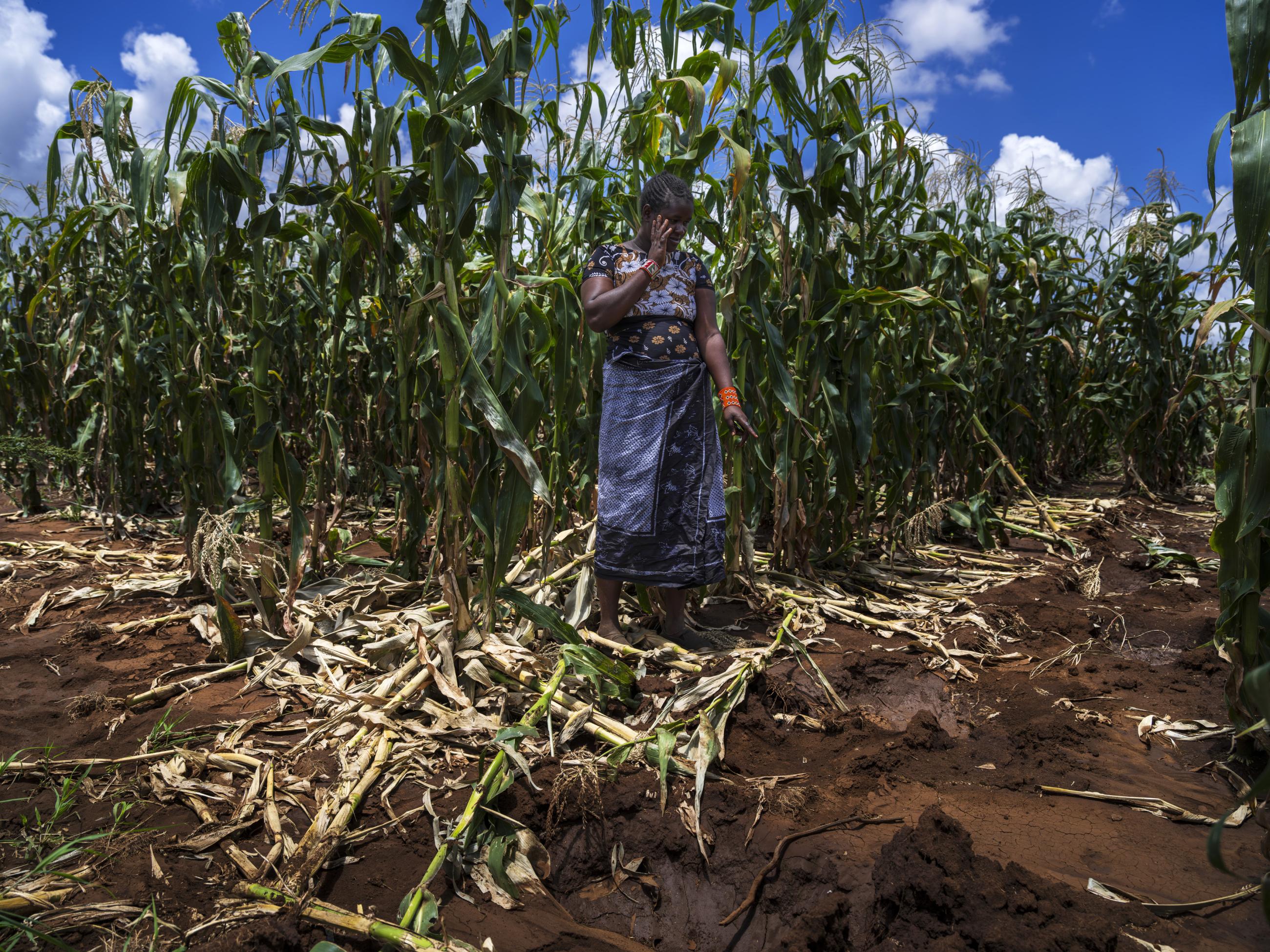
A farmer looks at the damage to her crops caused by an elephant the night before. The threat to animal corridors by new developments in Amboseli is creating more human/wildlife conflict as animals lose grazing areas and water. Private land sales are affecting elephant corridors, as fences often divert elephants into farming areas.
© Brent Stirton, South Africa, Shortlist, Professional competition, Wildlife & Nature, 2025 Sony World Photography Awards
Amboseli Under Threat
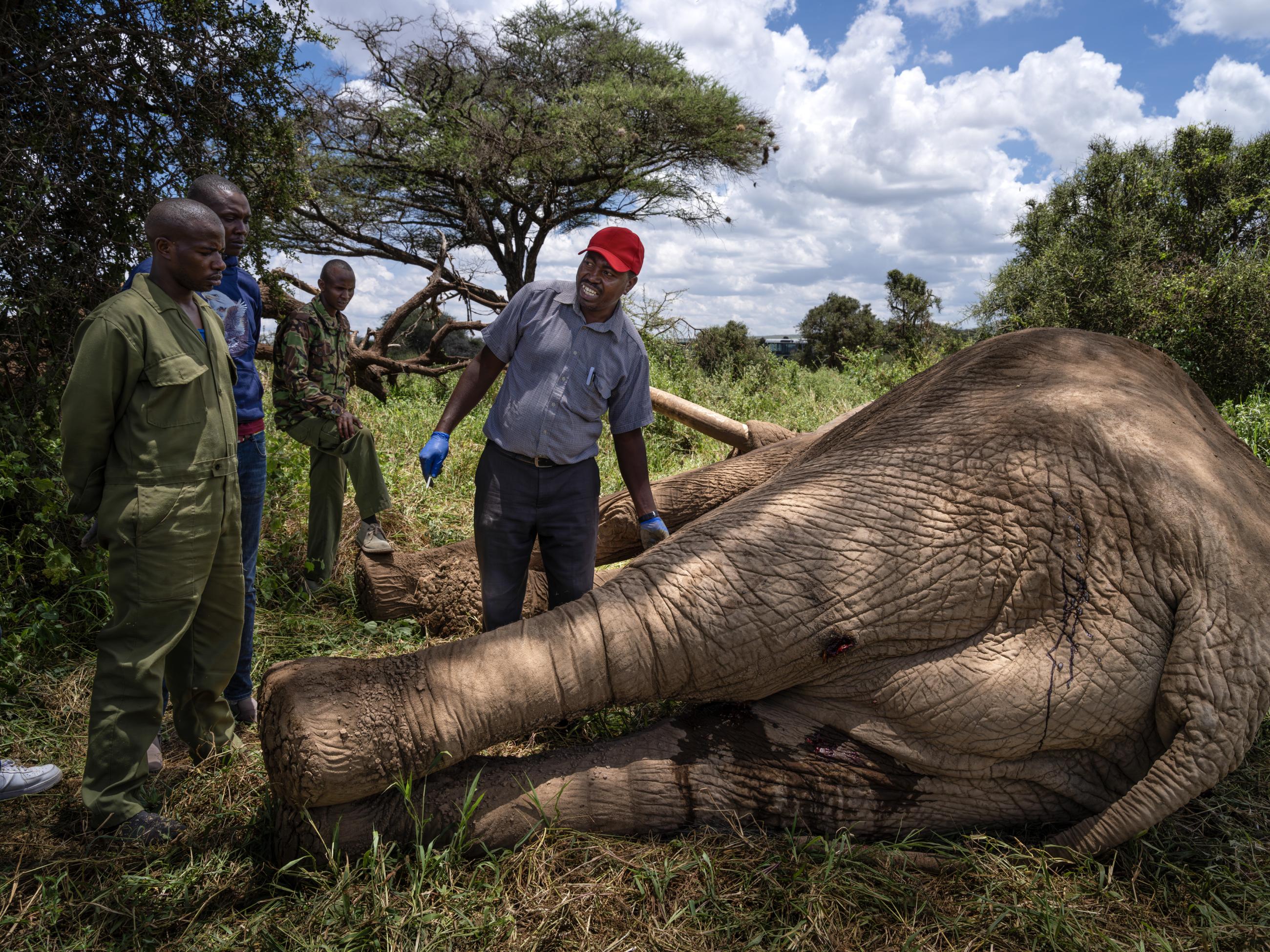
Bronski, a tusker close to Amboseli National Park, was speared in the leg due to crop raiding but KWS vet Dr Kariuki is more concerned with swelling in the joint of Bronski's hind leg. The vet speculates that he may have injured the joint fleeing the spearing site. The collapse of joints after many years is often fatal to elephants. It was necessary to use a rope and a vehicle to lift Bronski back to his feet after the anaesthetic.
© Brent Stirton, South Africa, Shortlist, Professional competition, Wildlife & Nature, 2025 Sony World Photography Awards
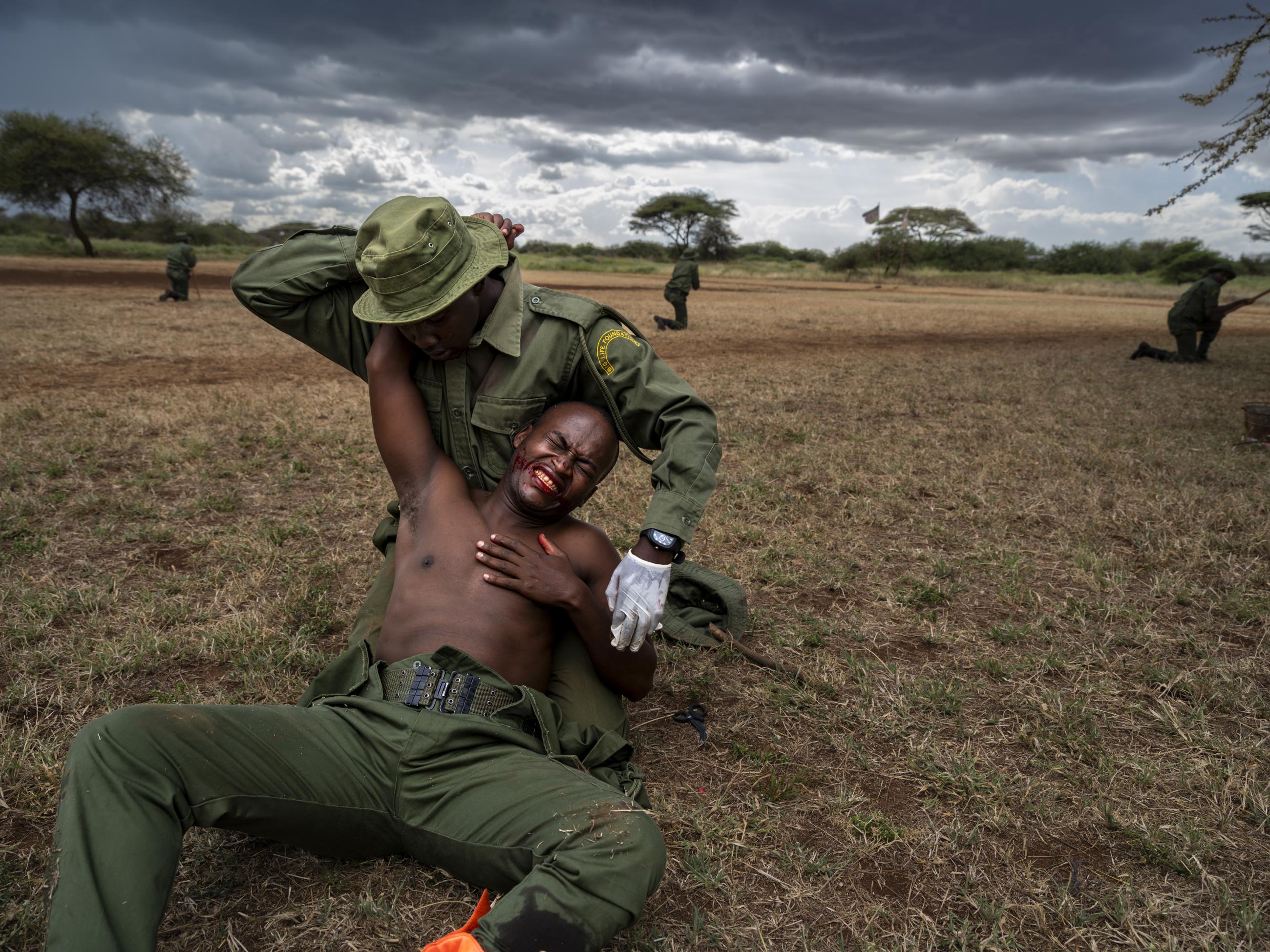
Amboseli Under Threat
A training image at Big Life Foundation’s ranger training academy. This is part of a programme that teaches people how to survive an elephant attack. Attacks are on the rise as elephants are being forced into closer contact with humans. Part of Big Life Foundation’s conservation strategy is the local recruitment of Maasai as rangers, not only to preserve nature, but also to offer the community employment opportunities.
© Brent Stirton, South Africa, Shortlist, Professional competition, Wildlife & Nature, 2025 Sony World Photography Awards