

Series description
Even the Night Has a Heart investigates the trauma Valentina Fusco inherited from her mother's life experiences, marked by the violence exerted by patriarchal family ties. The work is composed of multiple parts, combining the reworking of family photographs with the performative use of the photographer’s body, re-signifying it from the weight of the inheritance. The work particularly focuses on traumas that, although shrouded in silence, shape emotional and identity dimensions. This research is rooted in Fusco’s personal experience, shaped by living with a violent mother suffering from a personality disorder. This complex matrilineal inheritance, in which the women of her family have endured profound and often unheard pain, led her to understand how ‘pain, often denied or hidden by a patriarchal society, can leave deep scars. These women, in turn, internalised and made patriarchal violence their own, unconsciously perpetuating it and thus fuelling the mandate of masculinity, which I aim to dismantle.’
Biography
Valentina was born in Genoa in 1982.
After 10 years working in commercial photography she felt the need to redefine her visual vocabulary and in 2019 she moved to Buenos Aires where she began a research focused on issues of gender, memory and identity.
Her long-term projects are inspired by poetry and literature, especially the magical realism that pervades Latin America, and approach psychoanalysis and explore social issues such as migration, family and patriarchy.
Fire Walk with Me
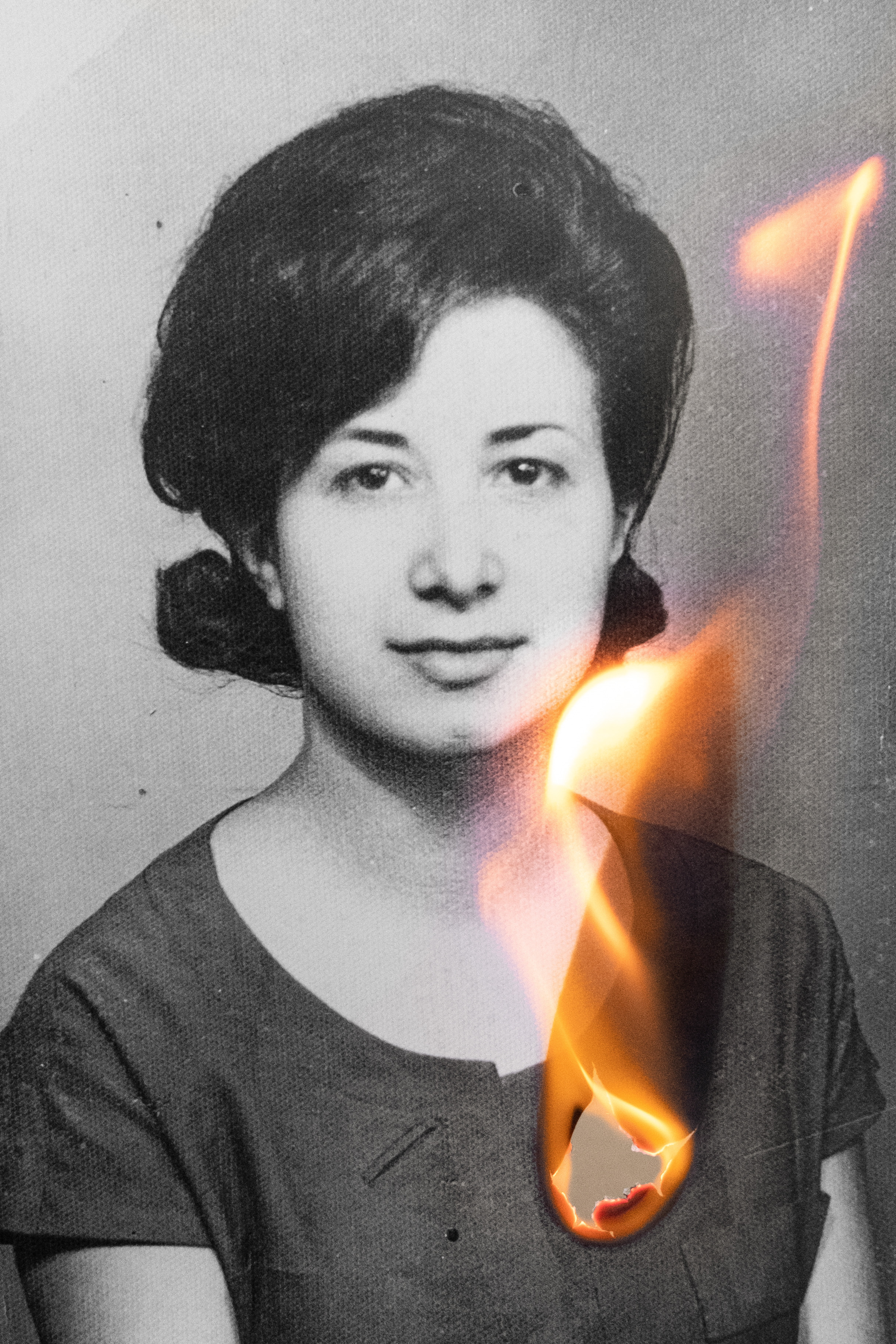
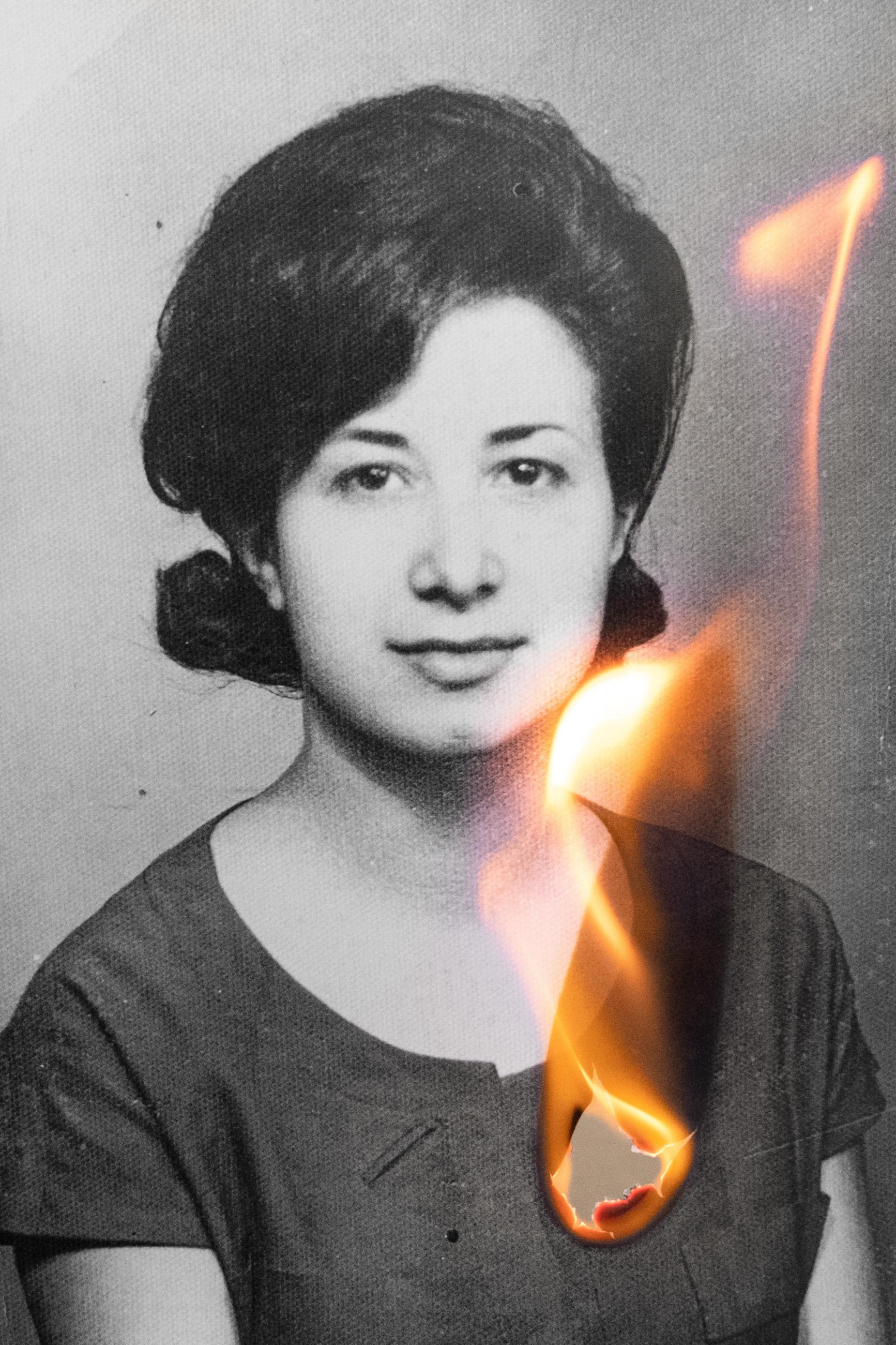
A burning archive photograph of Fusco’s mother, a woman who carried a burden that the photographer started exploring a few years ago. This picture was taken after her mother had just undergone heart surgery.
© Valentina Fusco, Italy, Shortlist, Professional competition, Creative, 2025 Sony World Photography Awards
The Banquet
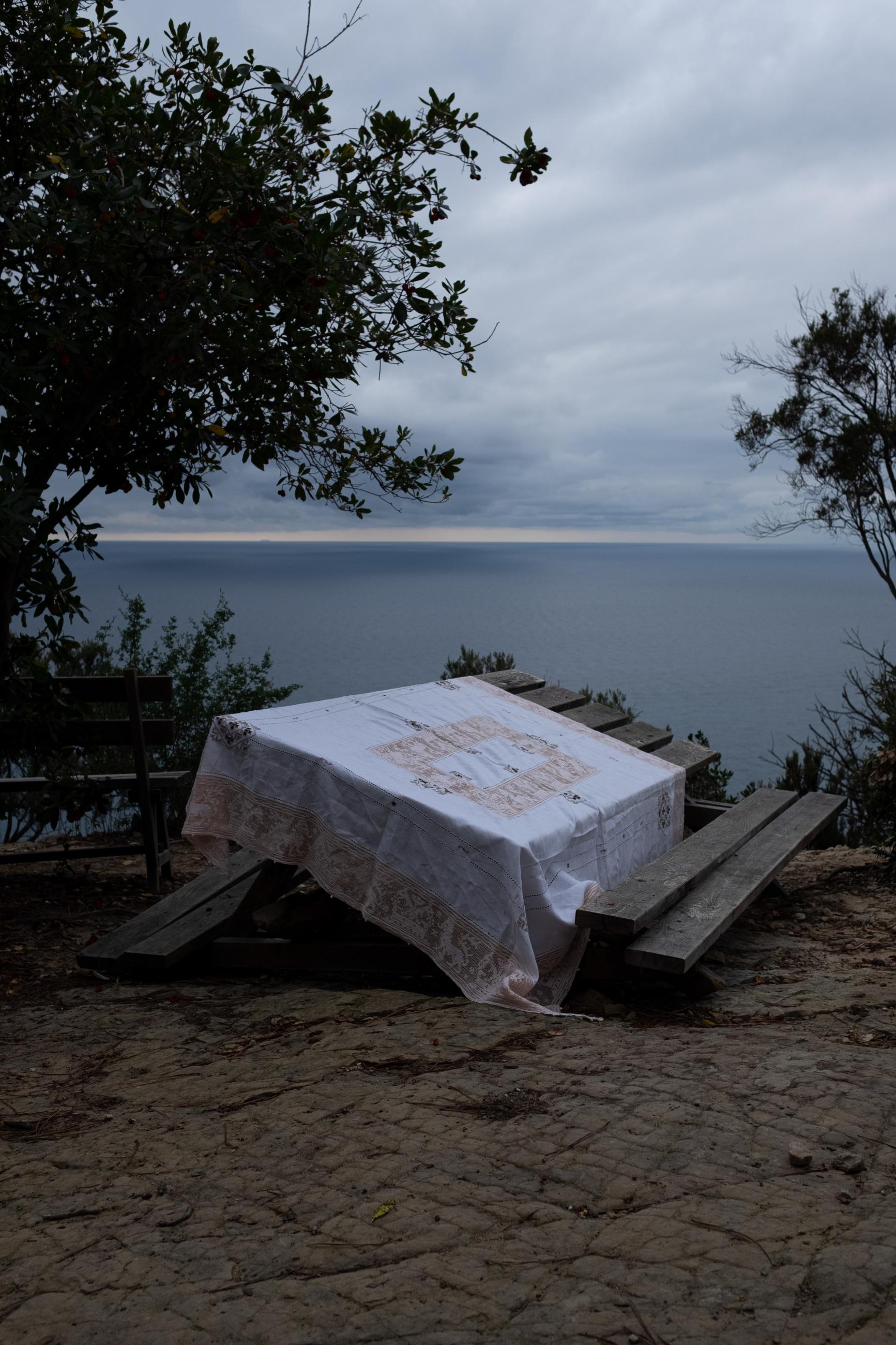
A tablecloth embroidered by one of Fusco’s aunts. The aunt took care of her mother when she ran away from home at the age of 14, having been assaulted by her parents during a harvest in the fields.
© Valentina Fusco, Italy, Shortlist, Professional competition, Creative, 2025 Sony World Photography Awards
Precarious Bonds
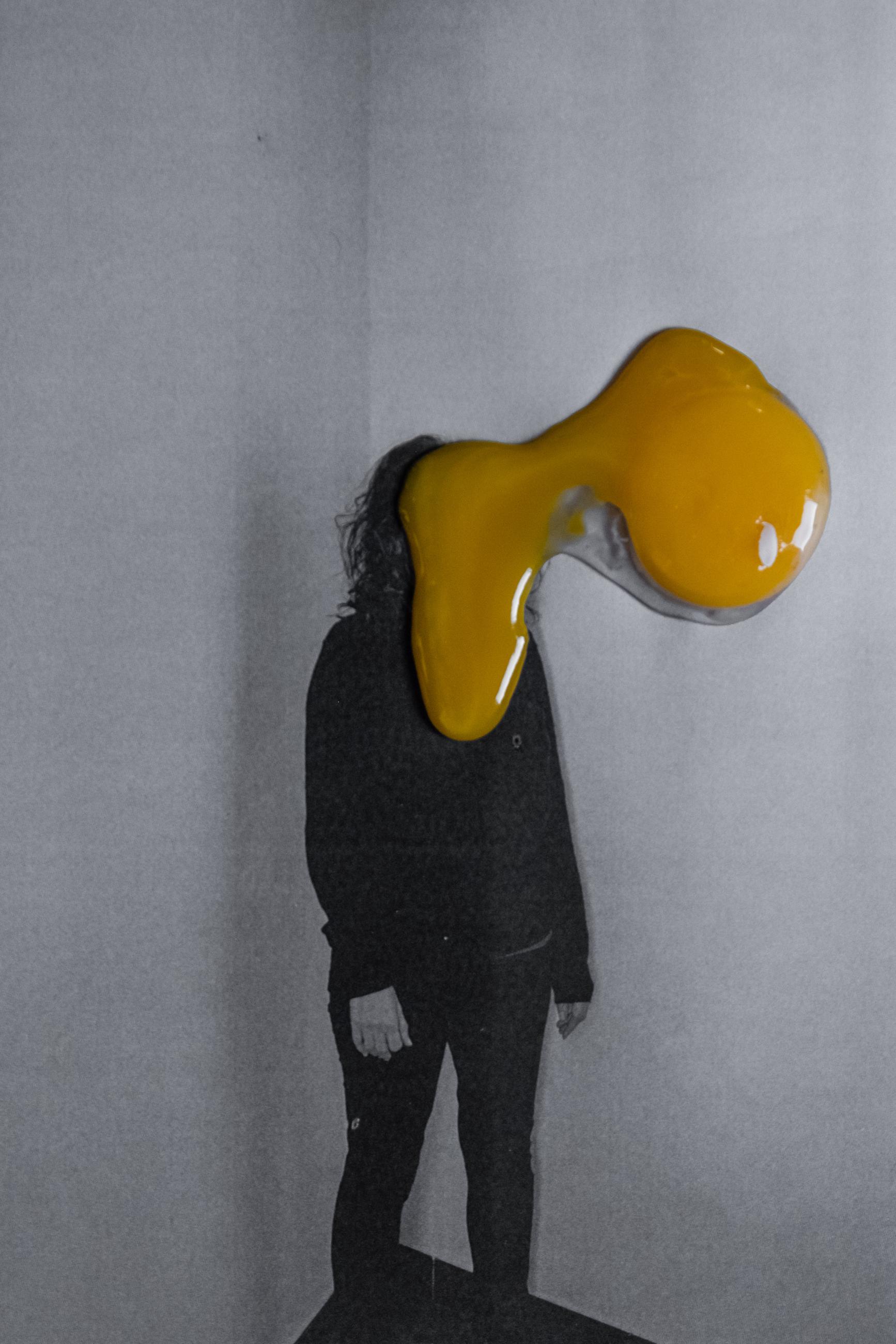
A self-portrait taken during a performance, with the addition of egg yolk as a nourishing and precarious element. ‘How much power do our ancestors have to influence our existence? How free are we?’
© Valentina Fusco, Italy, Shortlist, Professional competition, Creative, 2025 Sony World Photography Awards
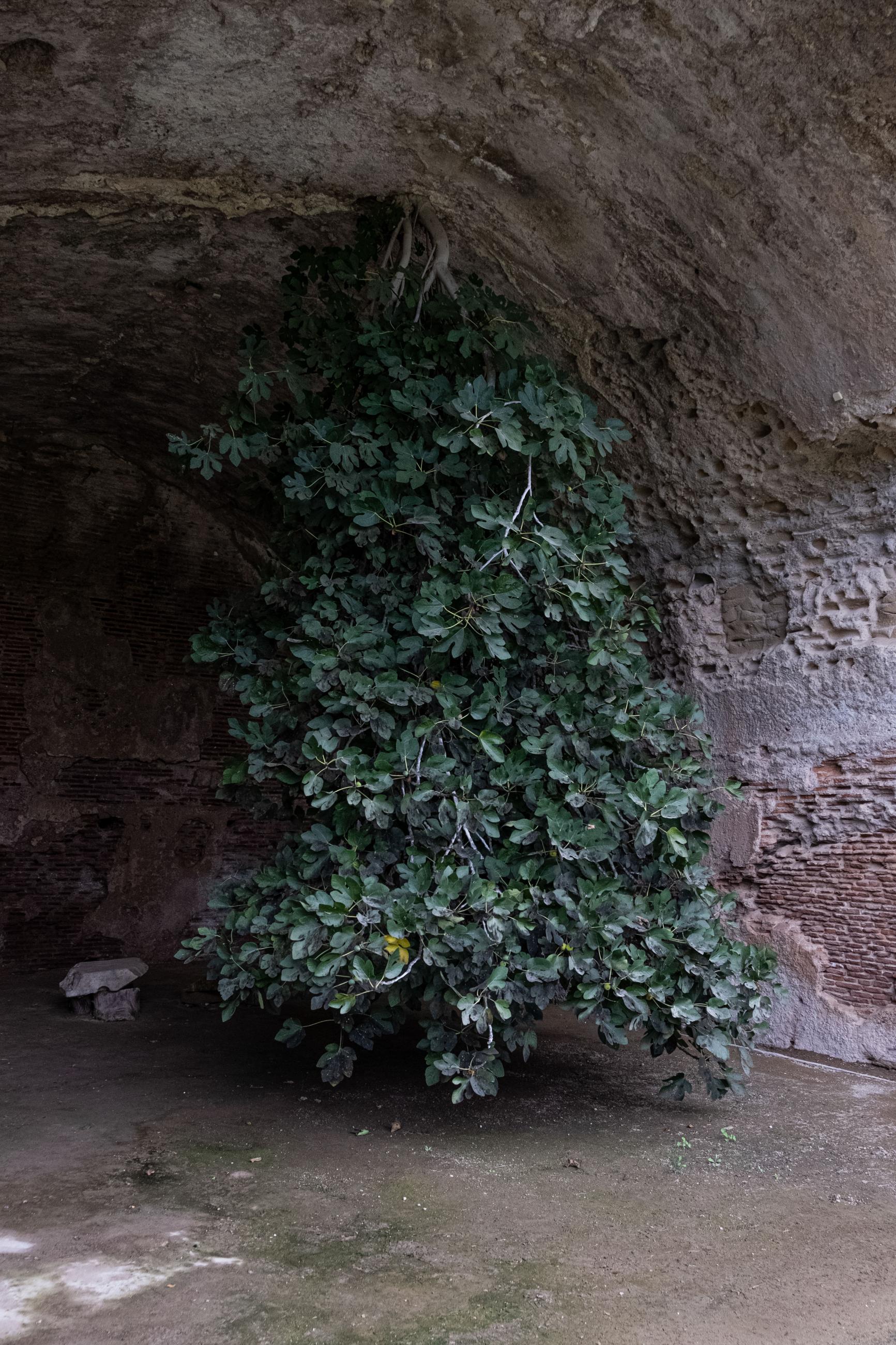
Roots
A fig tree with roots growing upwards. This photograph was taken in the Campi Flegrei region, Italy, close to where Fusco’s mother grew up and an area famous for its fertile and volcanic ecosystem.
© Valentina Fusco, Italy, Shortlist, Professional competition, Creative, 2025 Sony World Photography Awards
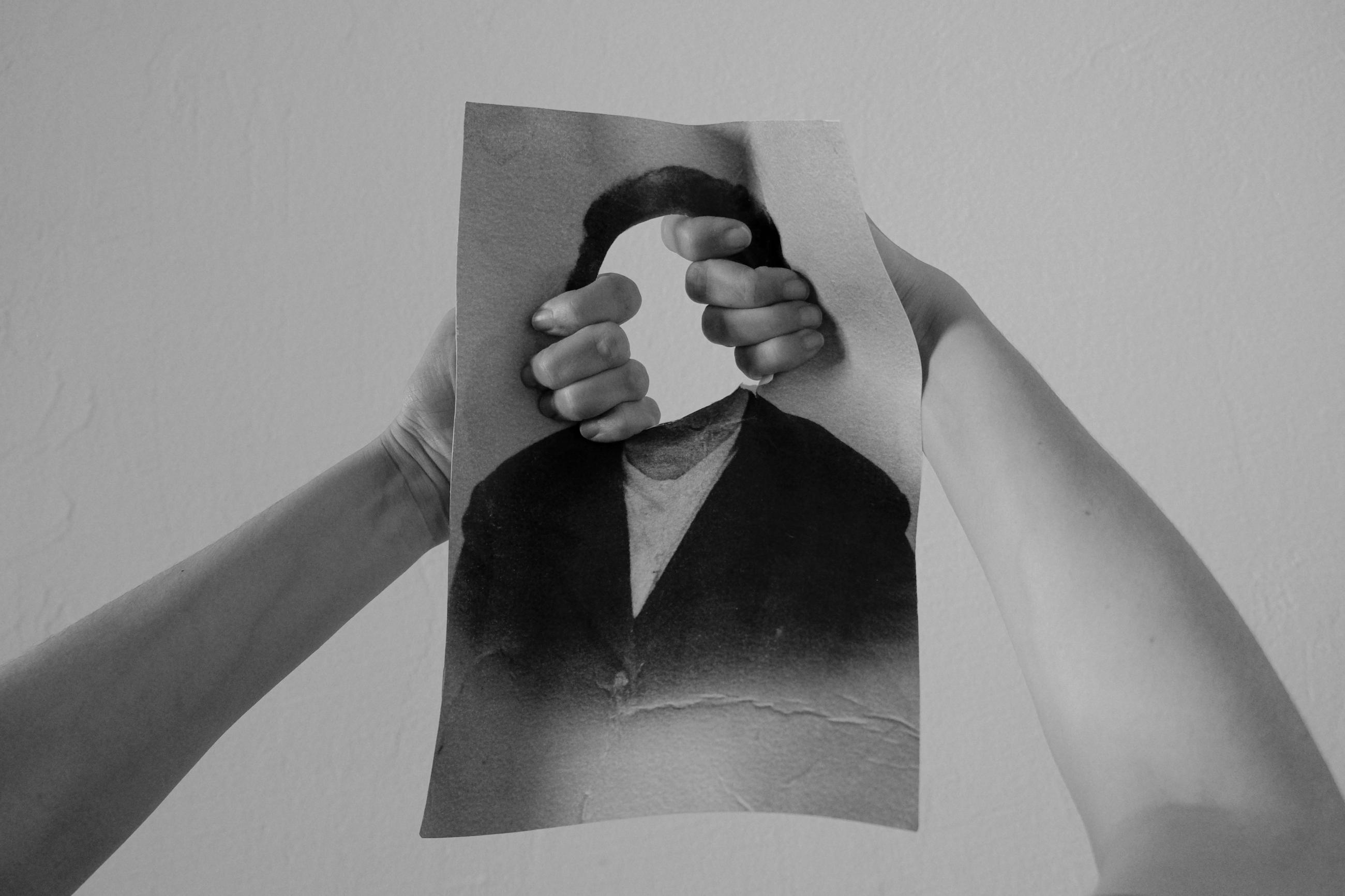
Hands in Blood
The only portrait of the photographer’s maternal grandmother, who everyone described as a violent mother who prioritised feeding herself and her husband before her daughters. The need to understand who she was became an obsession for Fusco.
© Valentina Fusco, Italy, Shortlist, Professional competition, Creative, 2025 Sony World Photography Awards
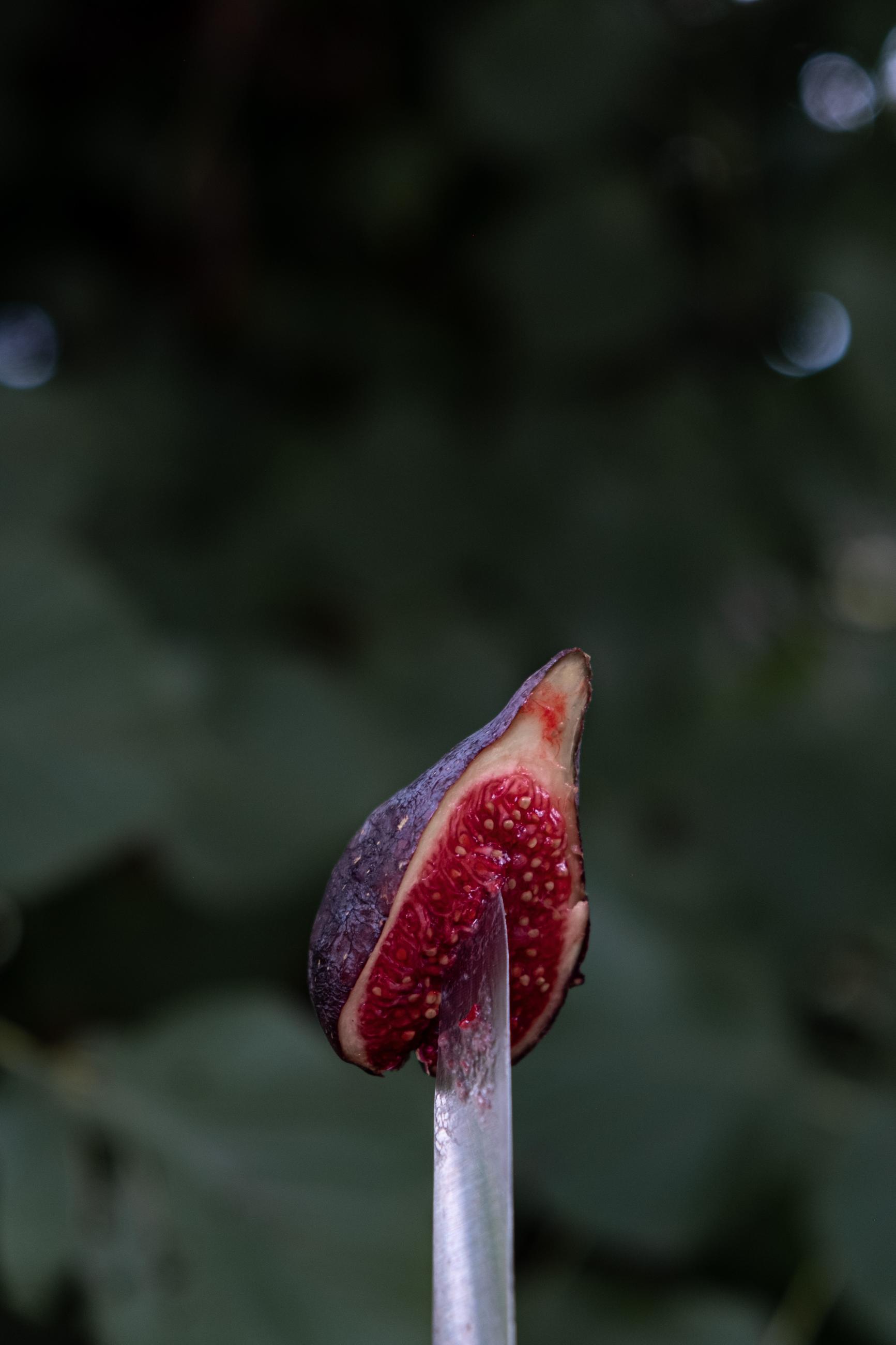
Personal and Collective Trauma
A fig fruit pierced by a knife. Fusco’s maternal grandfather spent 12 years in prison for murder after a promised marriage – intended to ‘repair’ the damage caused by the rape of one of her aunts – was never fulfilled. Historically, the ‘marriage repair’ was an institution that forced female victims of rape to marry their aggressor as a means of ‘repairing’ the damage that had been done. Fusco highlights that this practice was a way of ‘silencing the violence and legitimising the patriarchal culture that controlled the female body.’
© Valentina Fusco, Italy, Shortlist, Professional competition, Creative, 2025 Sony World Photography Awards
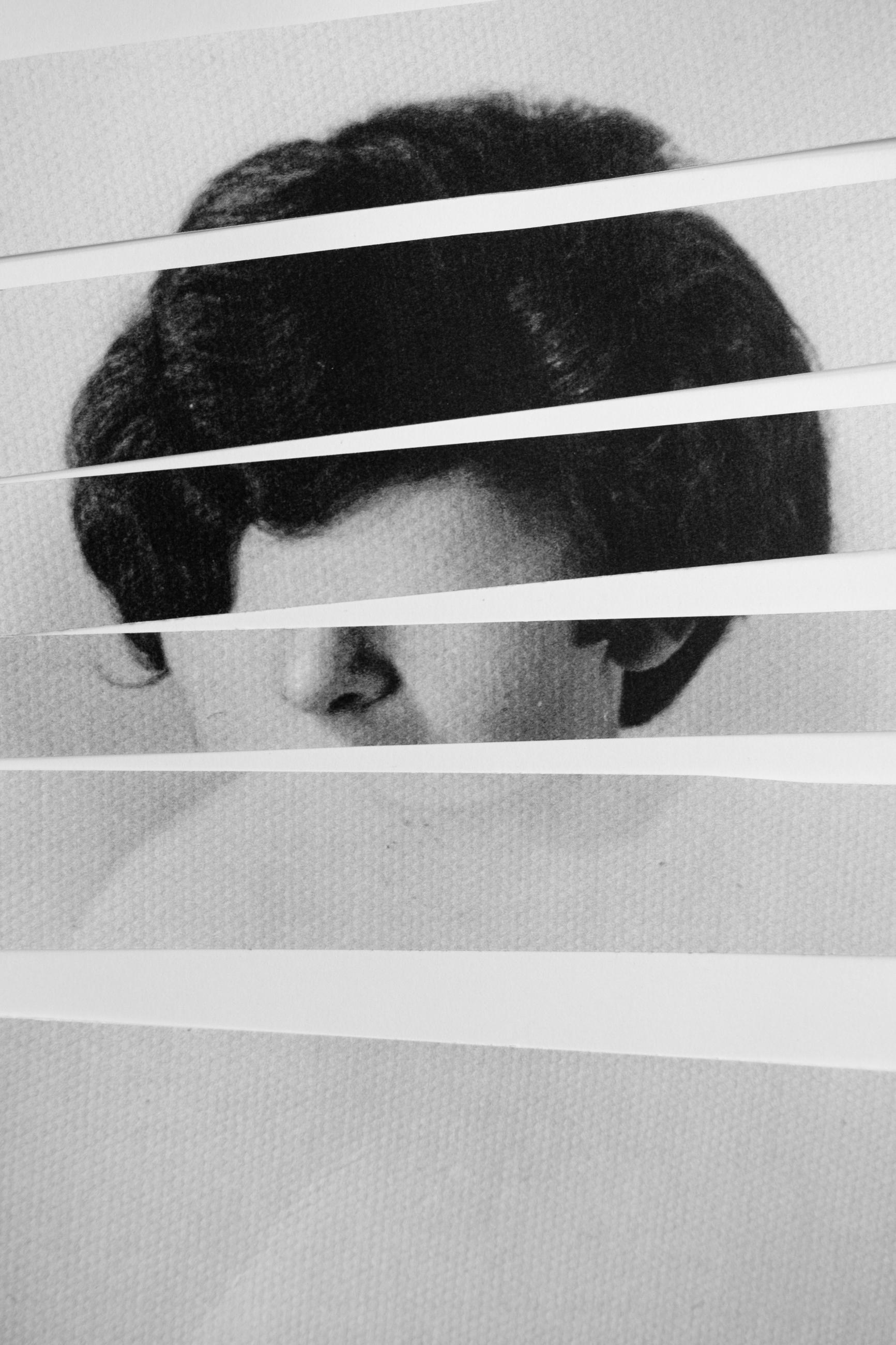
Don't
An archival image of one of Fusco’s maternal aunts who kept silent. Addressing the trauma of rape and reparative marriage not only involves recognition and support for victims, but also a process of collective awareness that breaks the cycle of denial and invisibility of these painful experiences.
© Valentina Fusco, Italy, Shortlist, Professional competition, Creative, 2025 Sony World Photography Awards
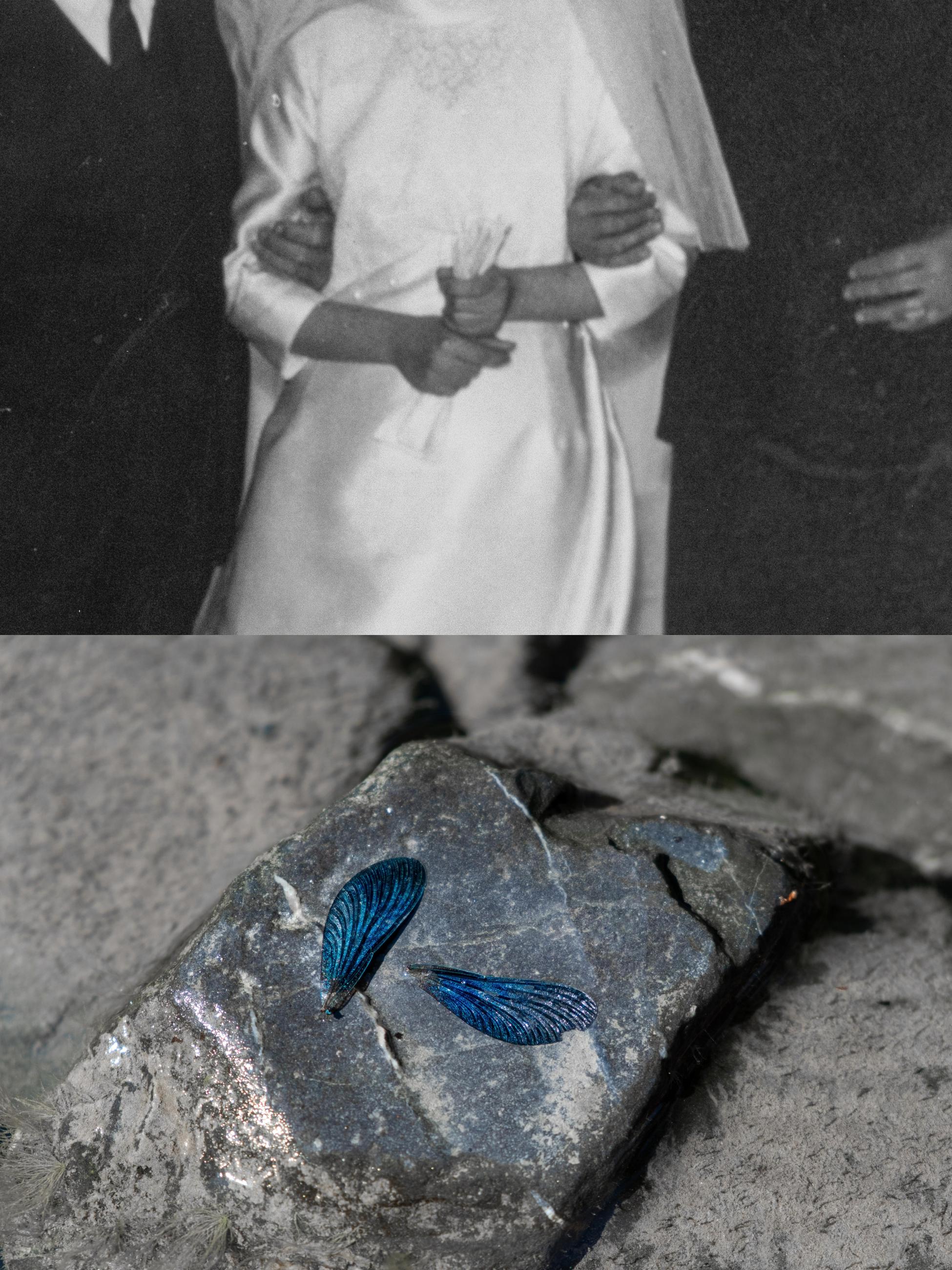
In the Name of Father
A family archive photograph shows Fusco’s mother, just hours before her wedding, held by her parents. Below that, dragonfly wings rest on a stone by a stream. Leaving home at 14 allowed Fusco’s mother to emancipate herself very quickly and find a man with whom she could build a family away from unhealthy family ties. Fusco’s parents moved from Naples to Genoa in 1968; only in 1981 was the common practice of the reparative marriage law abolished.
© Valentina Fusco, Italy, Shortlist, Professional competition, Creative, 2025 Sony World Photography Awards