

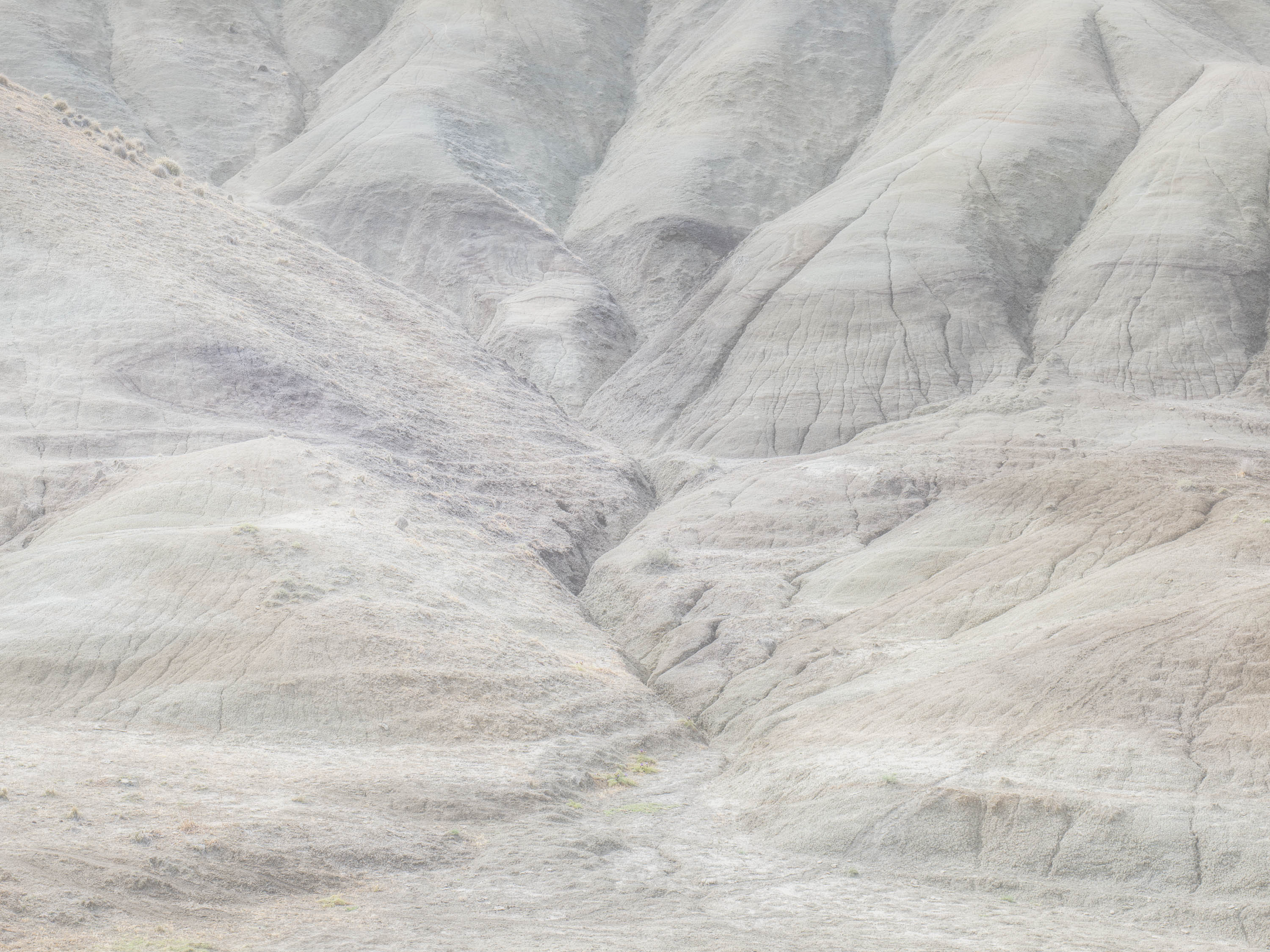
Series description
Greenhouse gas and aerosol emission scenarios are used to calculate climate evolution. Representative Concentration Pathways (RCPs) are created by the Intergovernmental Panel on Climate Change (IPCC) to represent greenhouse gas and aerosol concentrations in relation to specific climate targets, in terms of radiative forcing by 2100. Three main scenarios are used: RCP2.6, whereby significant measures are taken to protect the climate, and the temperature increase remains below 2°C; RCP4.5, whereby greenhouse gas emissions are partially contained, but their concentrations in the atmosphere continue to increase; the temperature is above 2°C; RCP8.5, whereby no measures are taken to protect the climate. Greenhouse gas emissions increase and temperatures rise up to 5°C.
This project was born from Daniele Vita’s encounter with a study entitled Risk Analysis: Climate Change in Italy, prepared by the Euro-Mediterranean Center on Climate Change (CMCC). With the help of CMCC and Unict (the University of Catania), the photographer translated today’s landscapes into a vision of what they could become in the near future (2100) according to the RCP8.5 scenario.
Biography
Daniele Vita is an Italian documentary photographer born in 1975.
In 2019, he won the "Crediamo ai tuoi occhi" award, the "1801 mavi" award, and received an honorable mention at the "Unicef Poy" in 2019 and 2020.
In 2021, he won the "World Report Award" for Fotografia Etica.
In 2022, he was a finalist for the Romano Gagnoni Award and the Gomma Grant, and won first place in the Daily Life Picture Story category at the "POY Pictures of the Year" and first place at the "BarTur Photo Award."
Untitled
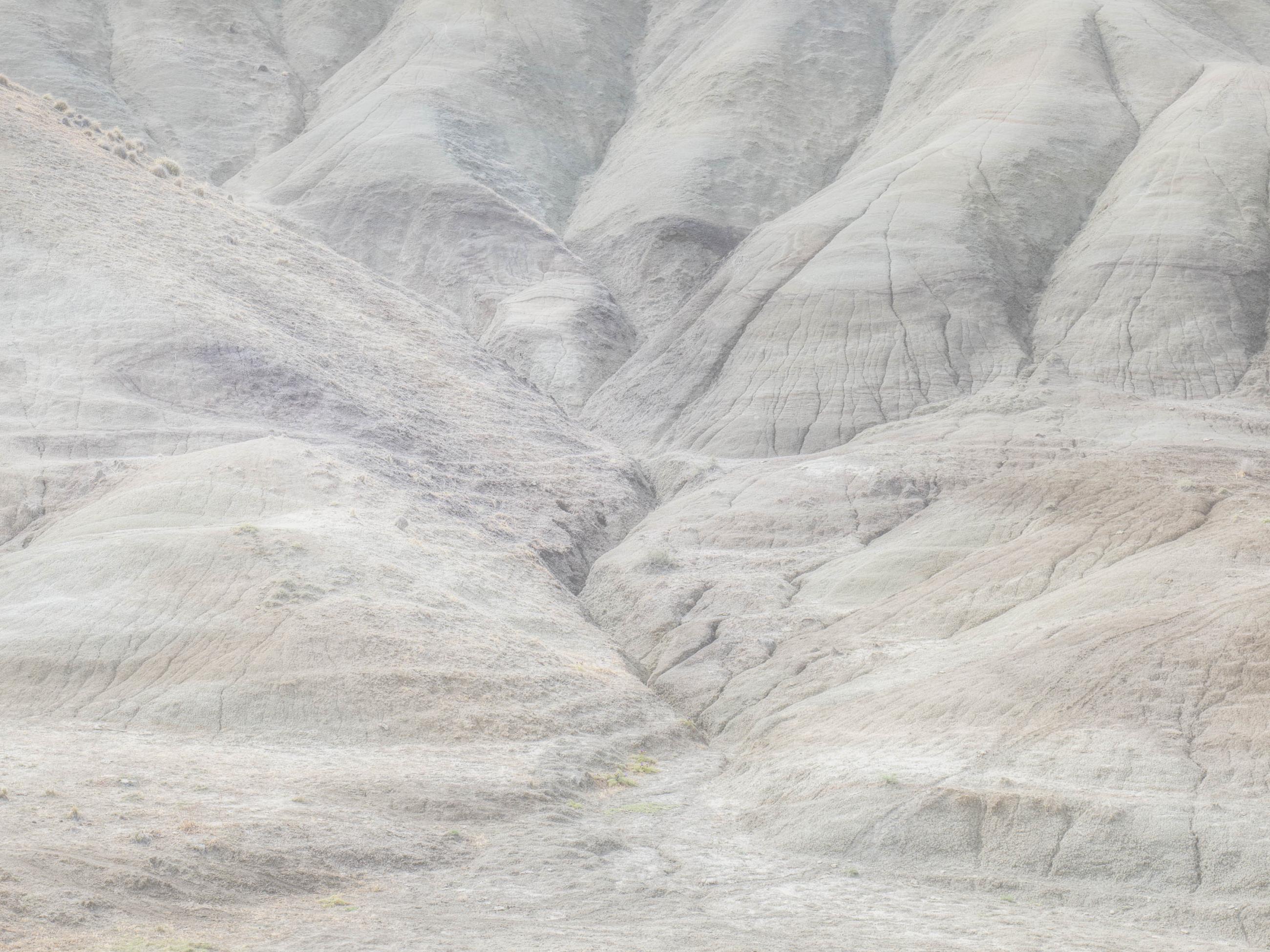
The Centuripe desert is a geomorphosite between the Erean mountains and Etna. The Cannizzola torrent drainage basin is characterised by the presence of clay soils and alluvial deposits. From a geomorphological point of view, the area has numerous gullies due to accelerated erosion. According to Legambiente, an Italian environmentalist association, 91 per cent of Italian municipalities are at risk of landslides and floods, while more than 7 million people live or work in areas that are defined as ‘high risk.’
© Daniele Vita, Italy, Shortlist, Professional competition, Environment, 2025 Sony World Photography Awards
Untitled
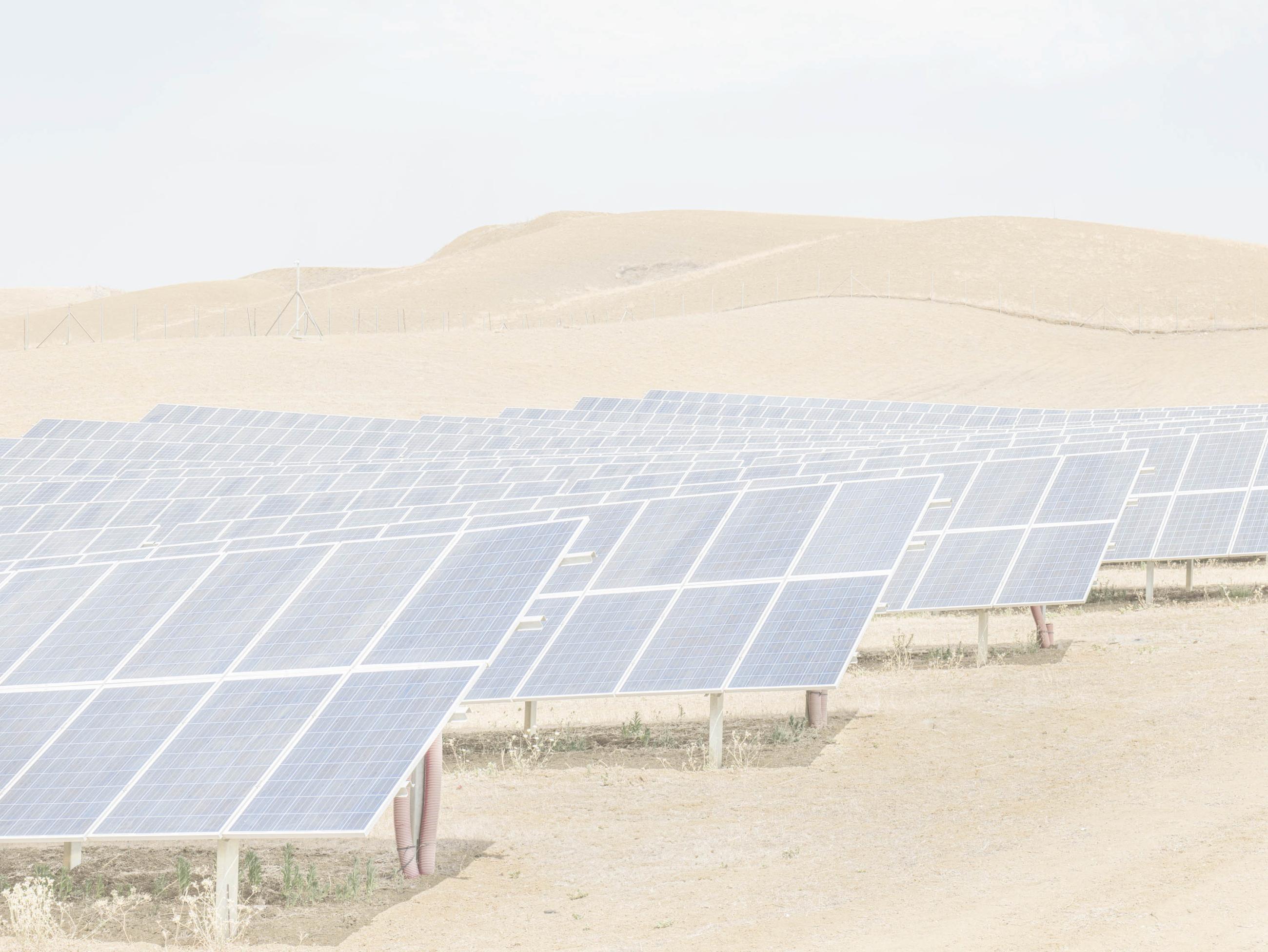
With 103,076 photovoltaic systems in 2023, Sicily has the sixth highest number of photovoltaic systems across all of the Italian regions. In Catenanuova, a photovoltaic system produces an average of 1,500 Kwh/kwp/year in optimal conditions, the highest absolute values in Italy. Catenanuova also holds the record for the municipality where the highest temperature in Europe was recorded: on 20 August 1999, the temperature reached 48.5°C.
© Daniele Vita, Italy, Shortlist, Professional competition, Environment, 2025 Sony World Photography Awards
Untitled
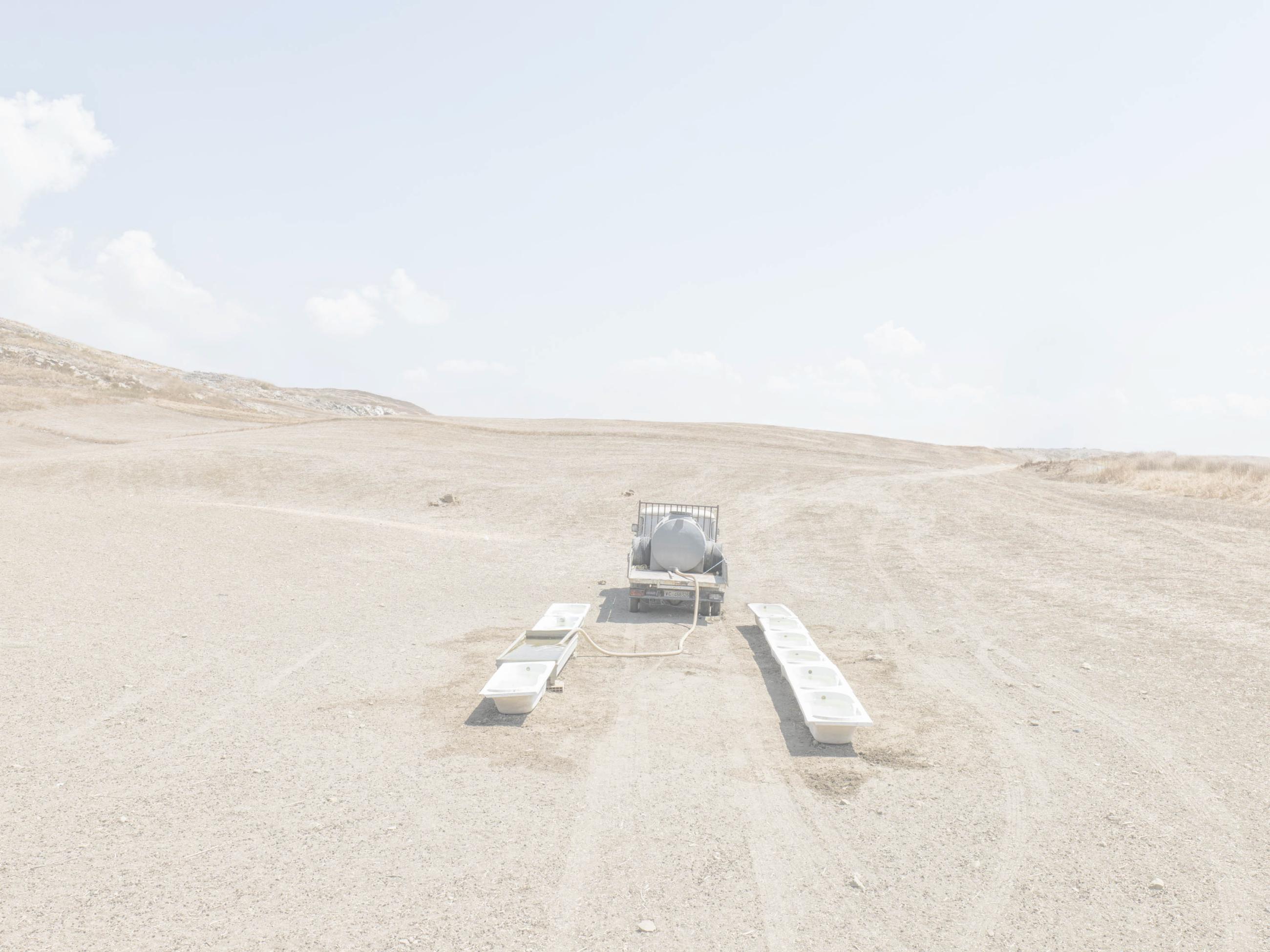
A van with a container full of water empties it into old bathtubs that will be used to water sheep. In the Agrigento area, where this photograph was taken, there has never been running water – it has always been transported to meet the needs of both people and animals.
© Daniele Vita, Italy, Shortlist, Professional competition, Environment, 2025 Sony World Photography Awards
Untitled
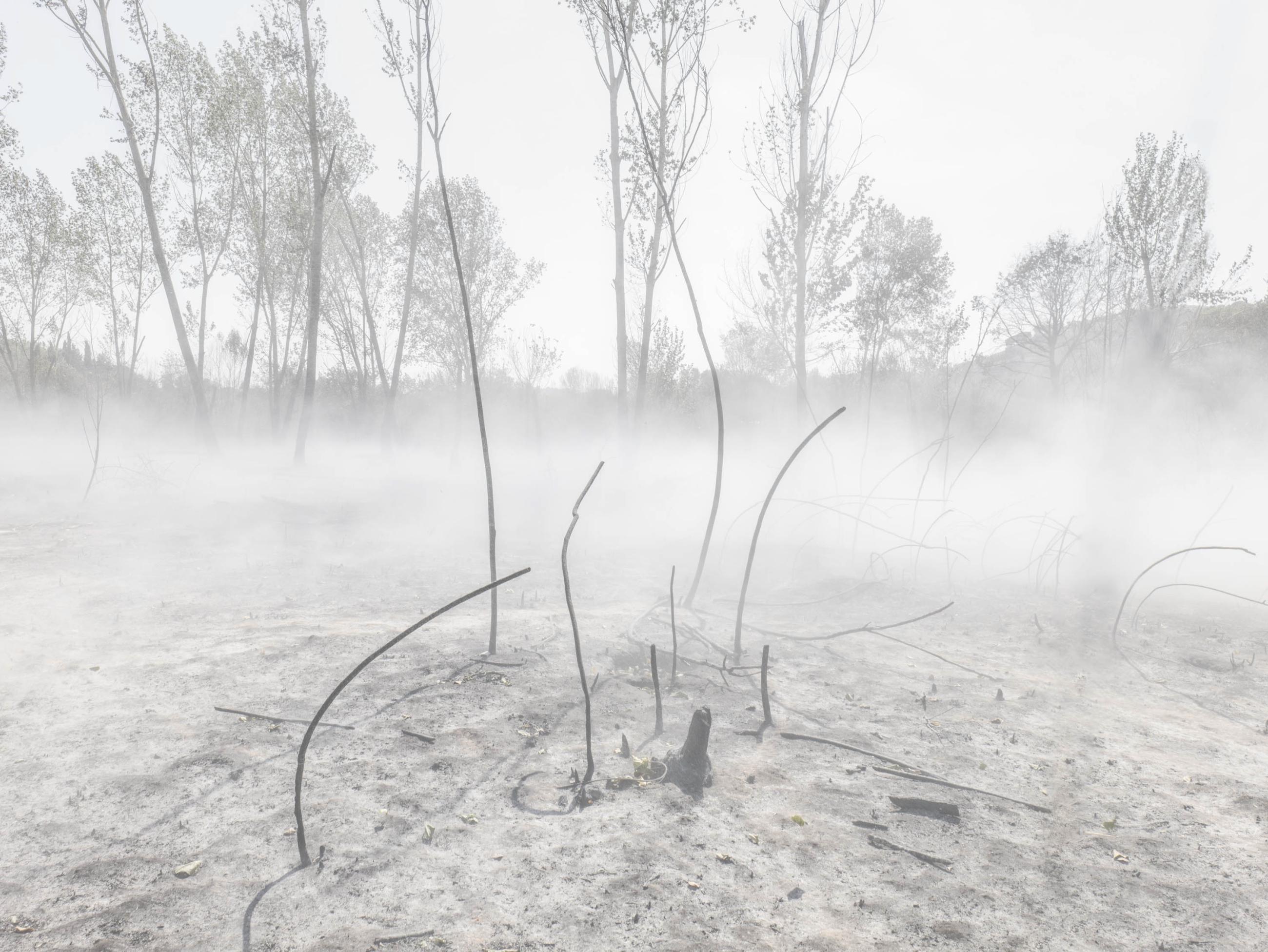
In the first ten months of 2024, more than 6,300 wildfires occurred in Sicily, and 45 per cent of the burned areas in Italy are located in the region. Nature today is a poisonous mixture of human negligence and malice. According to the CMCC, climate change is expected to further exacerbate specific components of fire risk, with consequent impacts on people, property and exposed ecosystems in the most vulnerable areas.
© Daniele Vita, Italy, Shortlist, Professional competition, Environment, 2025 Sony World Photography Awards
Untitled
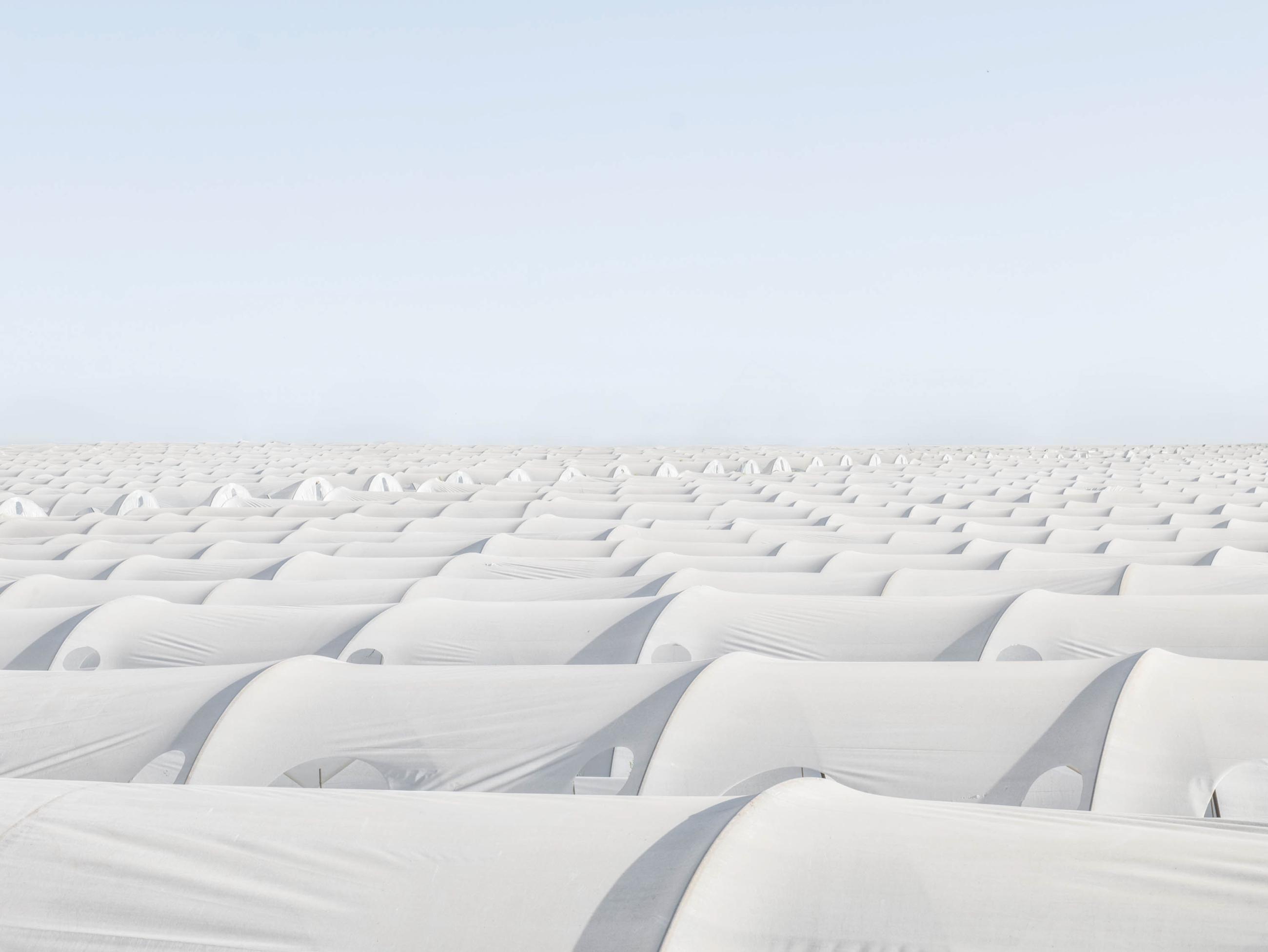
A landscape formed by greenhouses in the Pachino area. Currently, about 100 kilometres of Sicily’s coast are occupied by greenhouses where tomatoes and vegetables are produced. A 1000 square metre greenhouse uses about 20 cubic metres of water per day for irrigation. The consumption of each plastic greenhouse is very high, from its roof to the plastic pipes that are burned every May on the Sicilian coast, releasing dioxin and polycyclic aromatic hydrocarbons.
© Daniele Vita, Italy, Shortlist, Professional competition, Environment, 2025 Sony World Photography Awards
Untitled
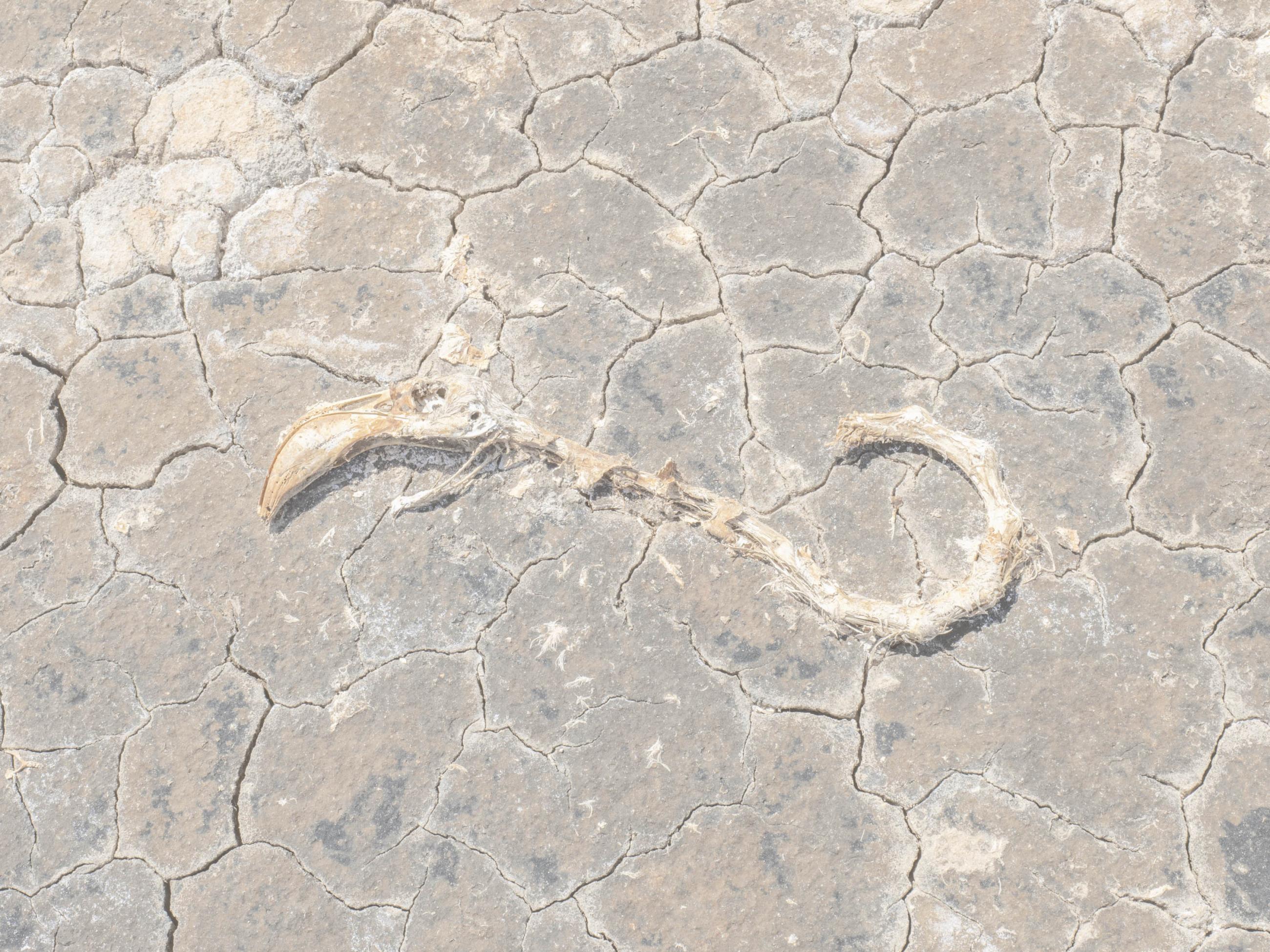
Lake Pergusa is the only natural lake in Sicily. The surface of the lake – which has a perimeter of 4.5 kilometres and an average depth of 3.5 metres – normally covers 1.8 square kilometres in July, but in 2024 it dried up completely due to drought. In this photograph you can see the carcass of a pink flamingo on the cracked lakebed.
© Daniele Vita, Italy, Shortlist, Professional competition, Environment, 2025 Sony World Photography Awards
Untitled
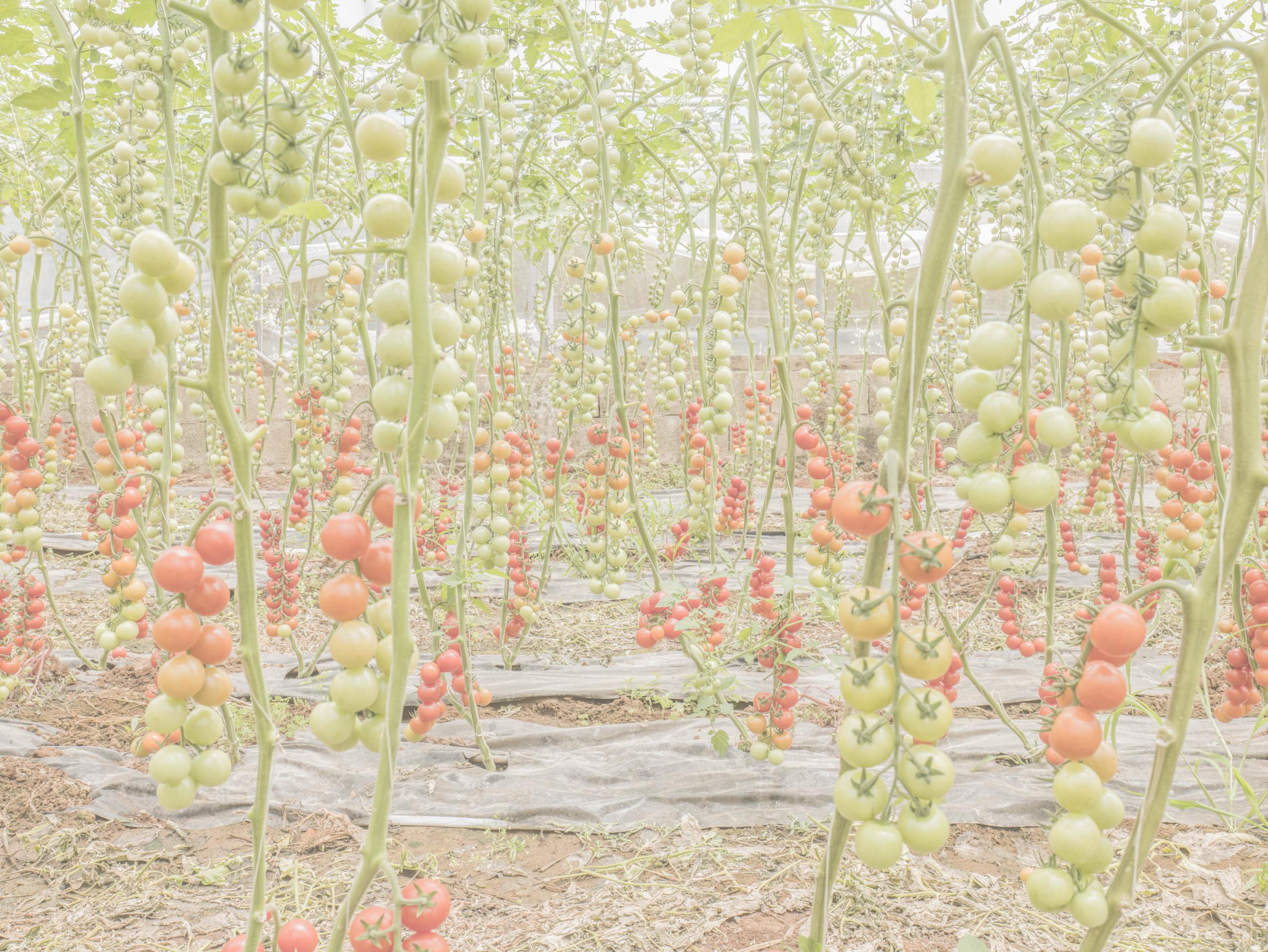
The Pachino tomato is a PGI (Protected Geographical Indication) vegetable originally from Sicily, but it actually comes from Israel. In 1989, Hazera Genetics, an Israeli seed company, introduced two new tomato varieties to Sicily: the Naomi cherry tomato and the Rita bunch variety, obtained with biotechnological techniques. Over the years, the success of Hazera seeds has grown through other varieties, such as the Lucinda datterino and the Shiren cherry tomato. This is how the cherry variety became the Pachino tomato.
© Daniele Vita, Italy, Shortlist, Professional competition, Environment, 2025 Sony World Photography Awards
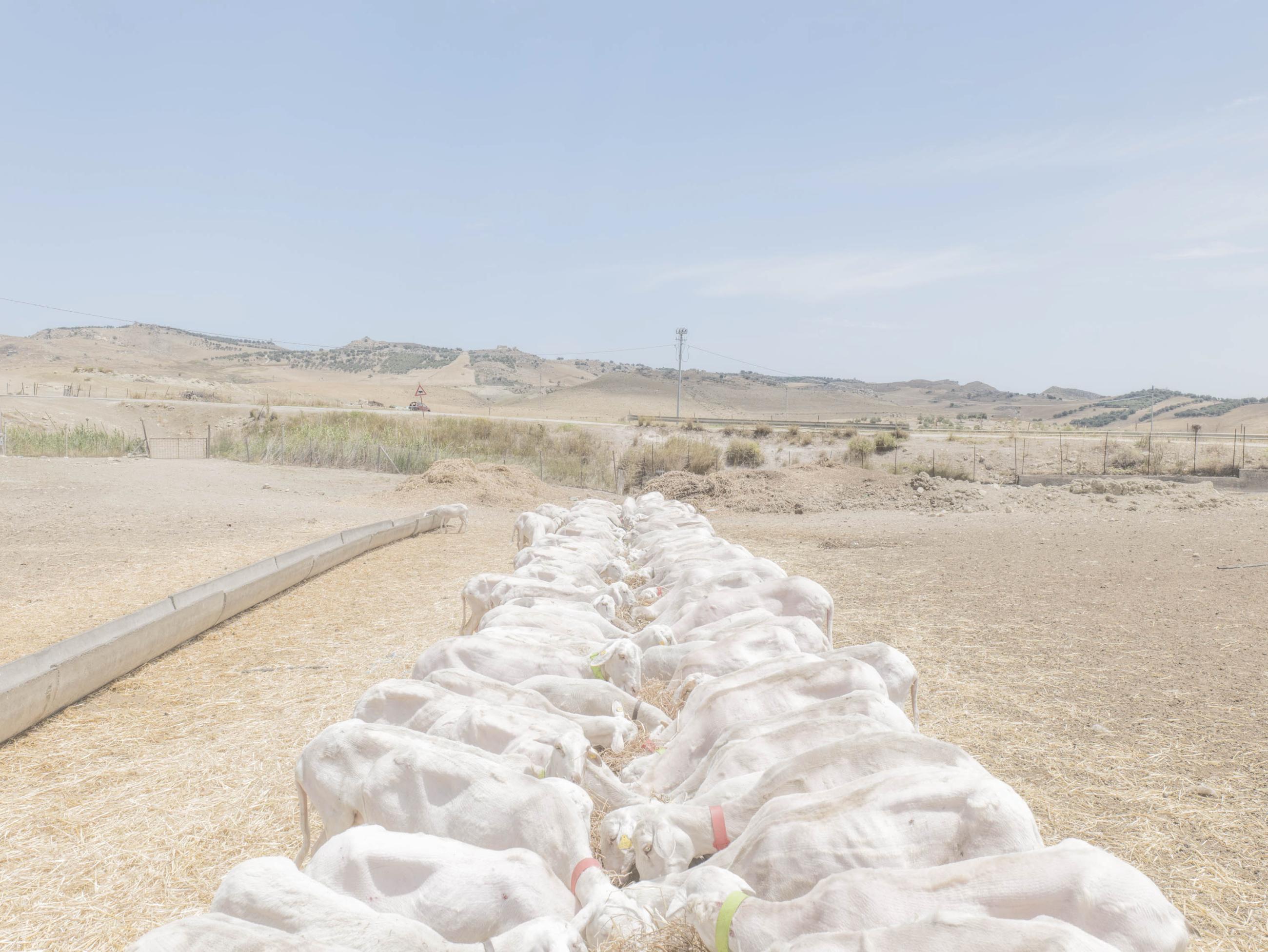
Untitled
Sheep eating hay after being sheared. Sicily suffered a severe drought in 2024, and in addition to the water and agricultural problems, animals were severely affected by the heat, especially those on extensive pastoral farms, such as sheep. According to the CMCC, in extensive farms, indirect impacts are mainly associated with the effect that climate change can have on the availability of fodder crops intended for livestock feed.
© Daniele Vita, Italy, Shortlist, Professional competition, Environment, 2025 Sony World Photography Awards