

Back to Creative
Creative 3rd Place
Reclaiming the Truth: Deconstructing Colonial Museums and Public Spaces
Julio Etchart and Holly Birtles
Series description
A collaboration between two practitioners – a photojournalist and a photographic artist – created by manipulating photographs of traditional colonial objects in museum and public spaces through ‘corrupt processes’ of restoration techniques. Materials such as gold leaf, varnish, wax-resin, archival glue, spit, polish and lacquering have been applied to large format negatives that are juxtaposed with the original documentation, subverting the notion of fixing or restoring. The resulting works are presented as diptychs, with the images paired with critical text quoted from a range of influential research sources. The photographers explain ‘the goal of this intervention is to challenge the toxic inheritance of the plunder of the colonial era by the agents of former imperial powers who took and sold their bounty to museums and private collections. Many of those relics are now the subject of a worldwide debate on reparation and restitution, a conversation that this project is aspiring to join.’
Reclaiming the Truth
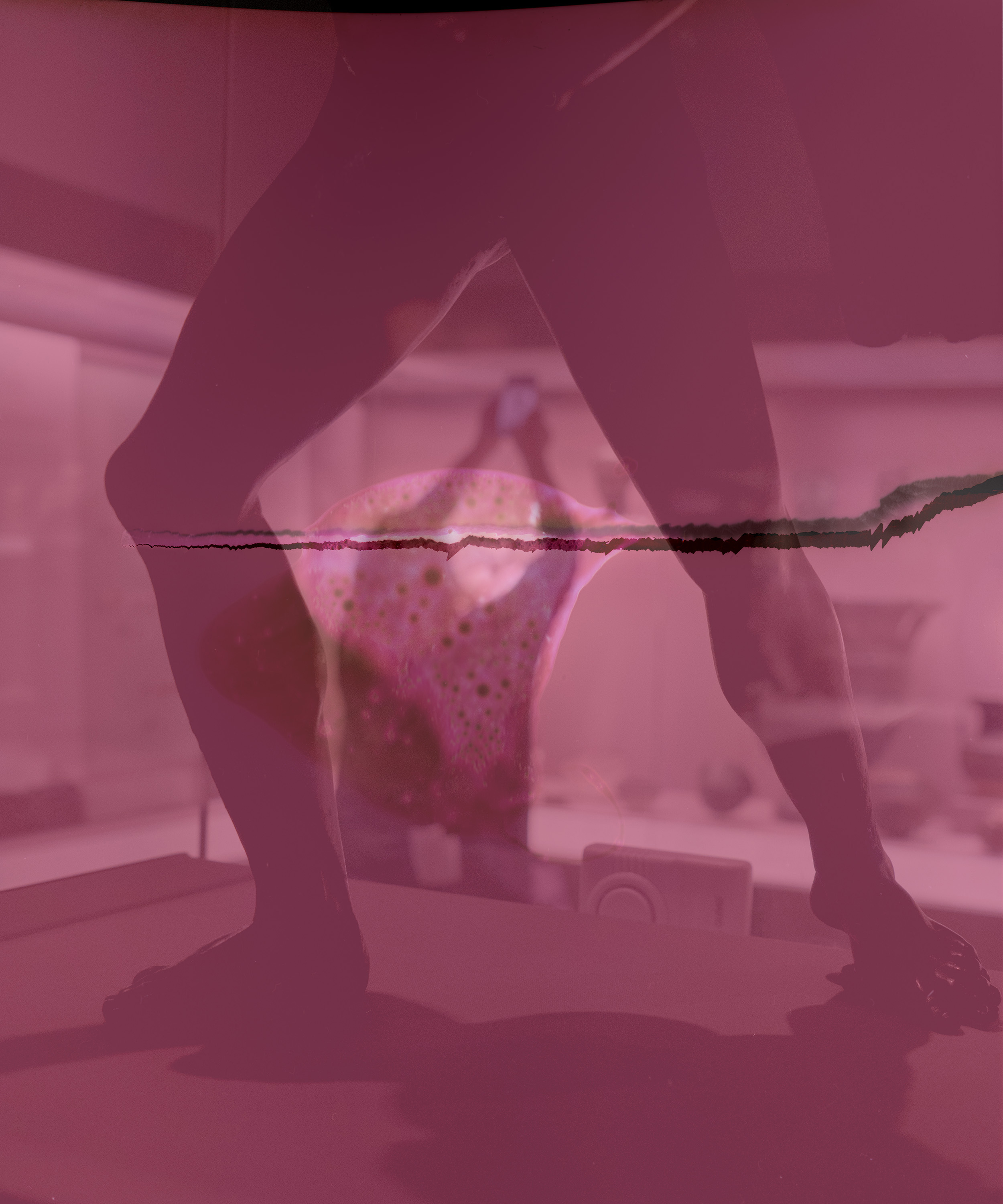
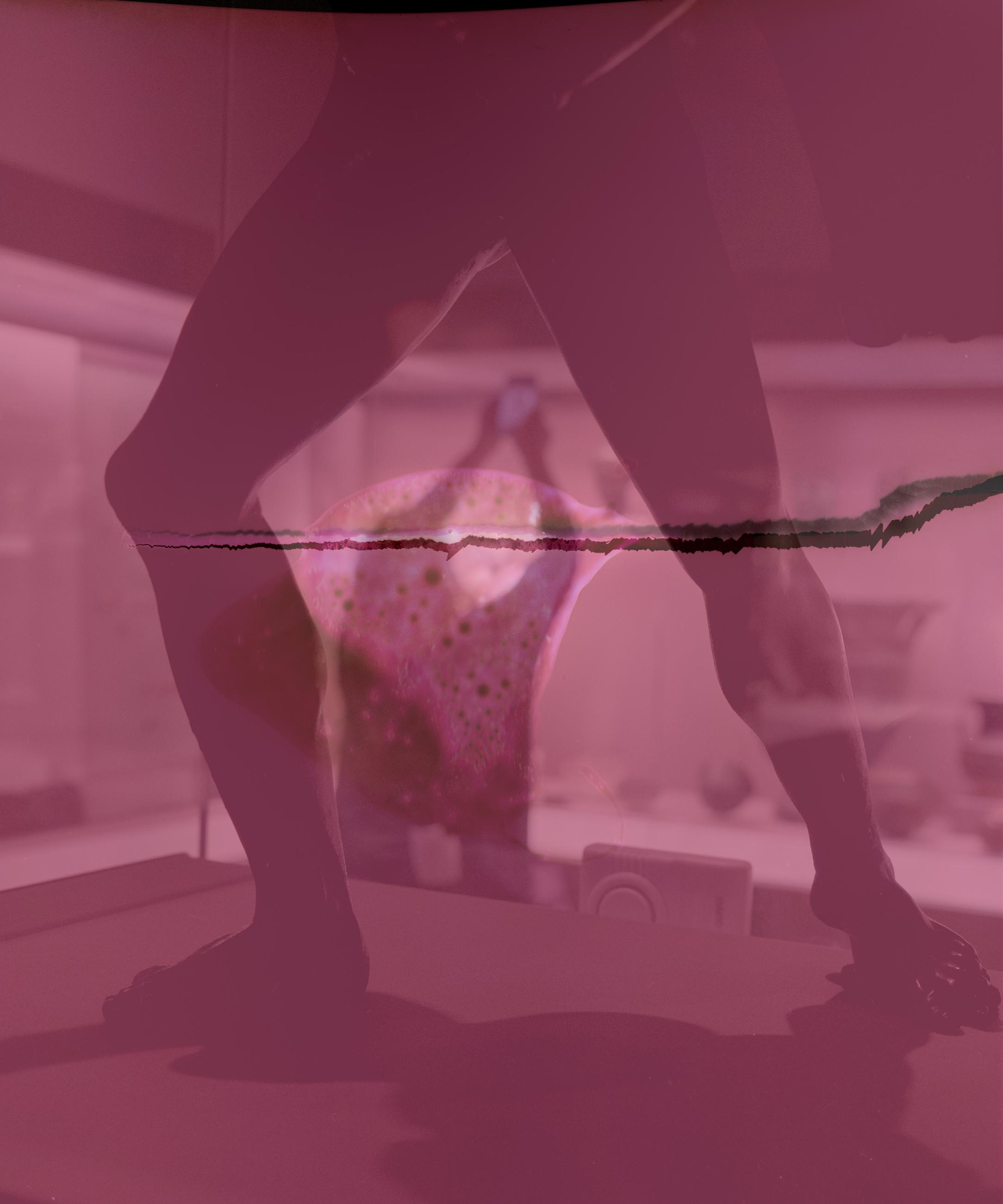
Visitors to the Parthenon Sculptures at the British Museum, London, England. The removal of the so-called ‘Elgin Marbles’ thus re-named after the Scottish nobleman Lord Elgin, who removed them from the ancient Acropolis in Athens in 1801, and sold them to the British government in 1816, has long been described as an ‘egregious act of imperial plunder.’ The photographer notes that ‘Greeks find it especially galling that Elgin negotiated the removal of such treasures with the Ottoman Empire, a foreign power that cared little for Hellenic heritage.’
© Julio Etchart & Holly Birtles, United Kingdom, 3rd Place, Professional competition, Creative, 2025 Sony World Photography Awards
Reclaiming the Truth
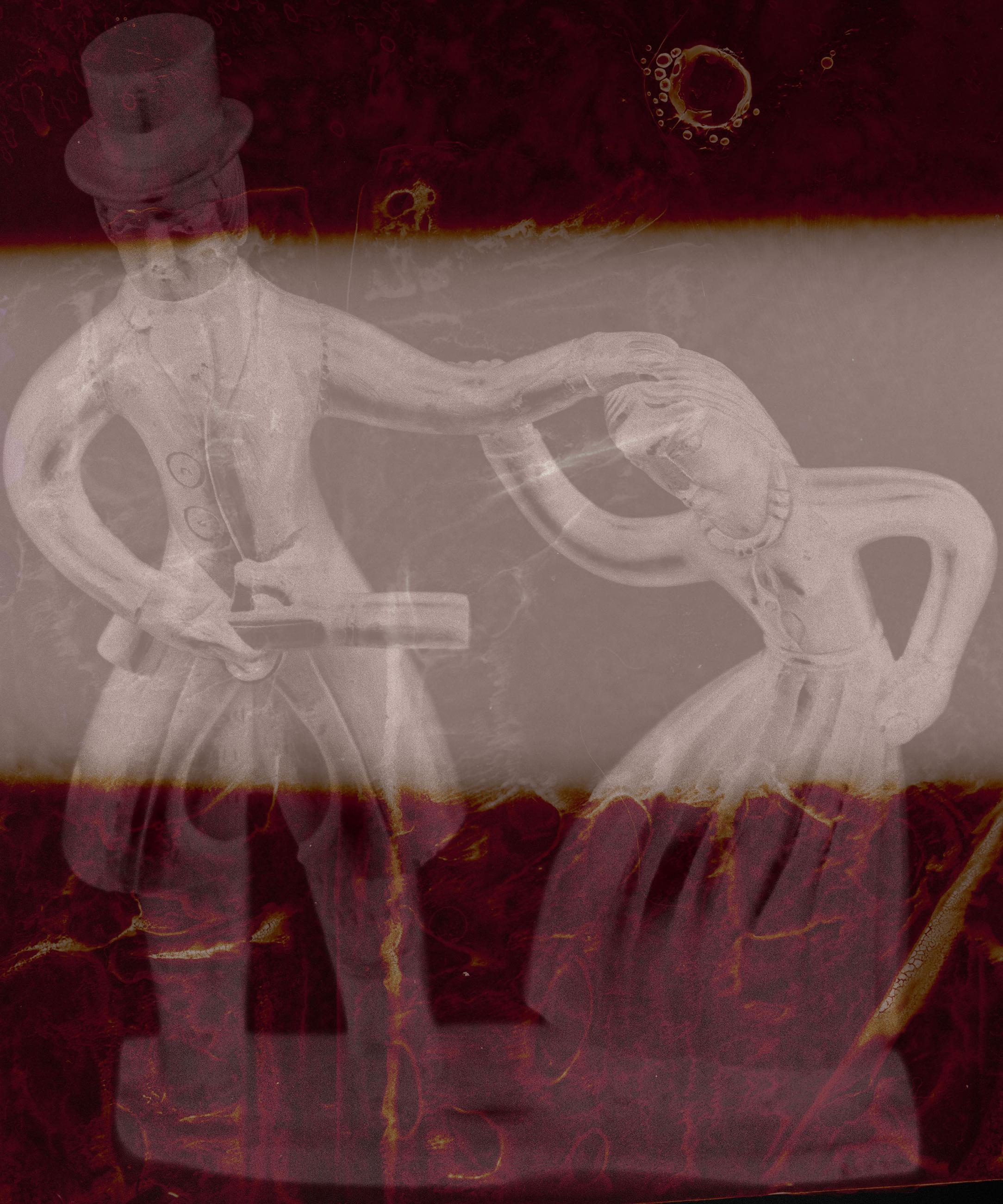
A Haida carving at the British Museum, London, England, in which a man grabs a woman by the hair. ‘She twists away from him, but he holds her tight. He is wearing Euro-American dress – top hat, greatcoat, pistol in hand. His face is bland, betraying none of the violence of the scene. He is almost smiling.’ From The Whole Picture by Alice Procter.
© Julio Etchart & Holly Birtles, United Kingdom, 3rd Place, Professional competition, Creative, 2025 Sony World Photography Awards
Reclaiming the Truth
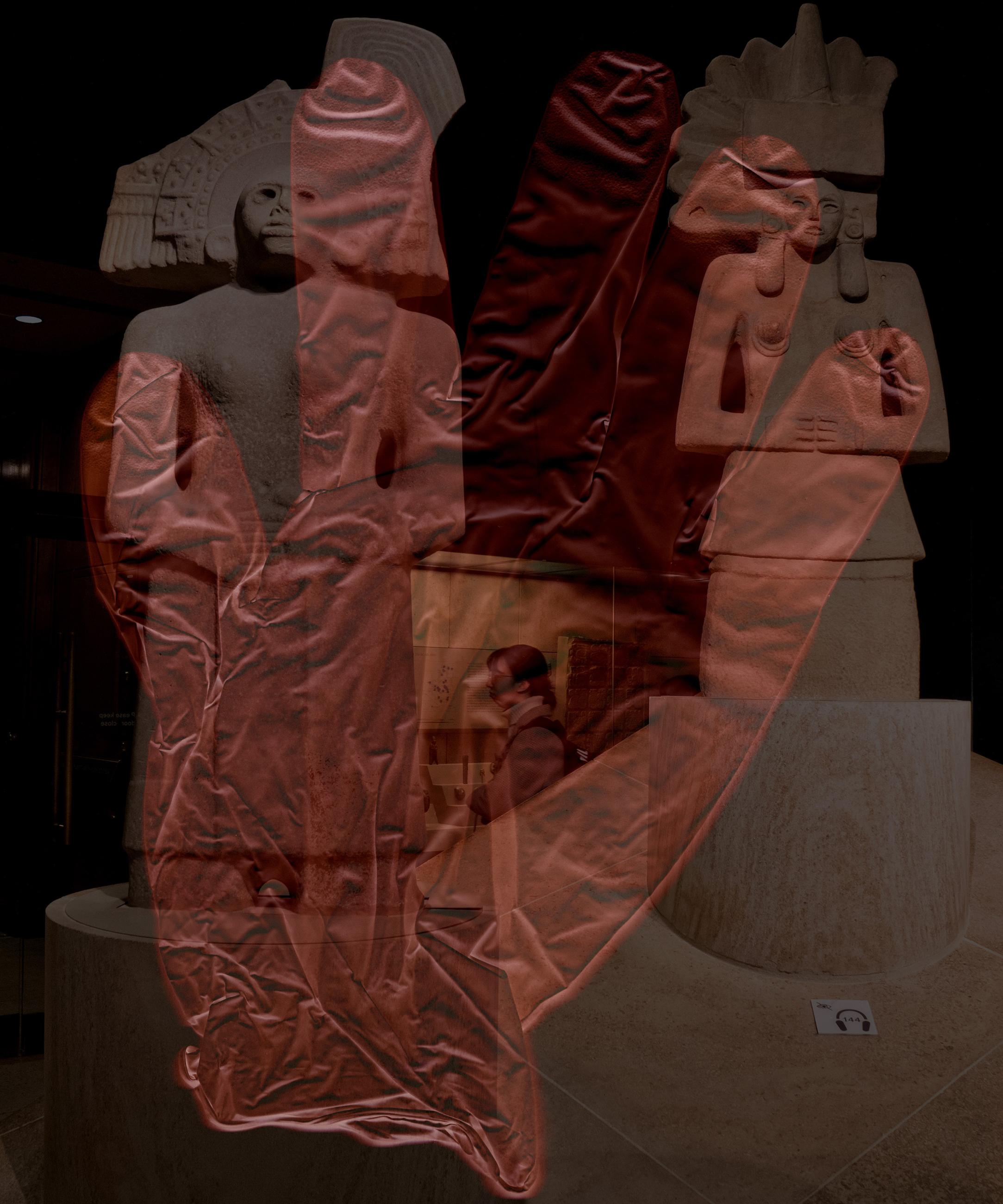
Olmec, Maya, Aztec and Mixtec statues at the Anthropological Museum in Mexico City, Mexico. The looting of precious relics went on for centuries after the Spanish invasion of Mexico, but many of those artefacts have been returned to be displayed at the First Nations galleries at the museum.
© Julio Etchart & Holly Birtles, United Kingdom, 3rd Place, Professional competition, Creative, 2025 Sony World Photography Awards
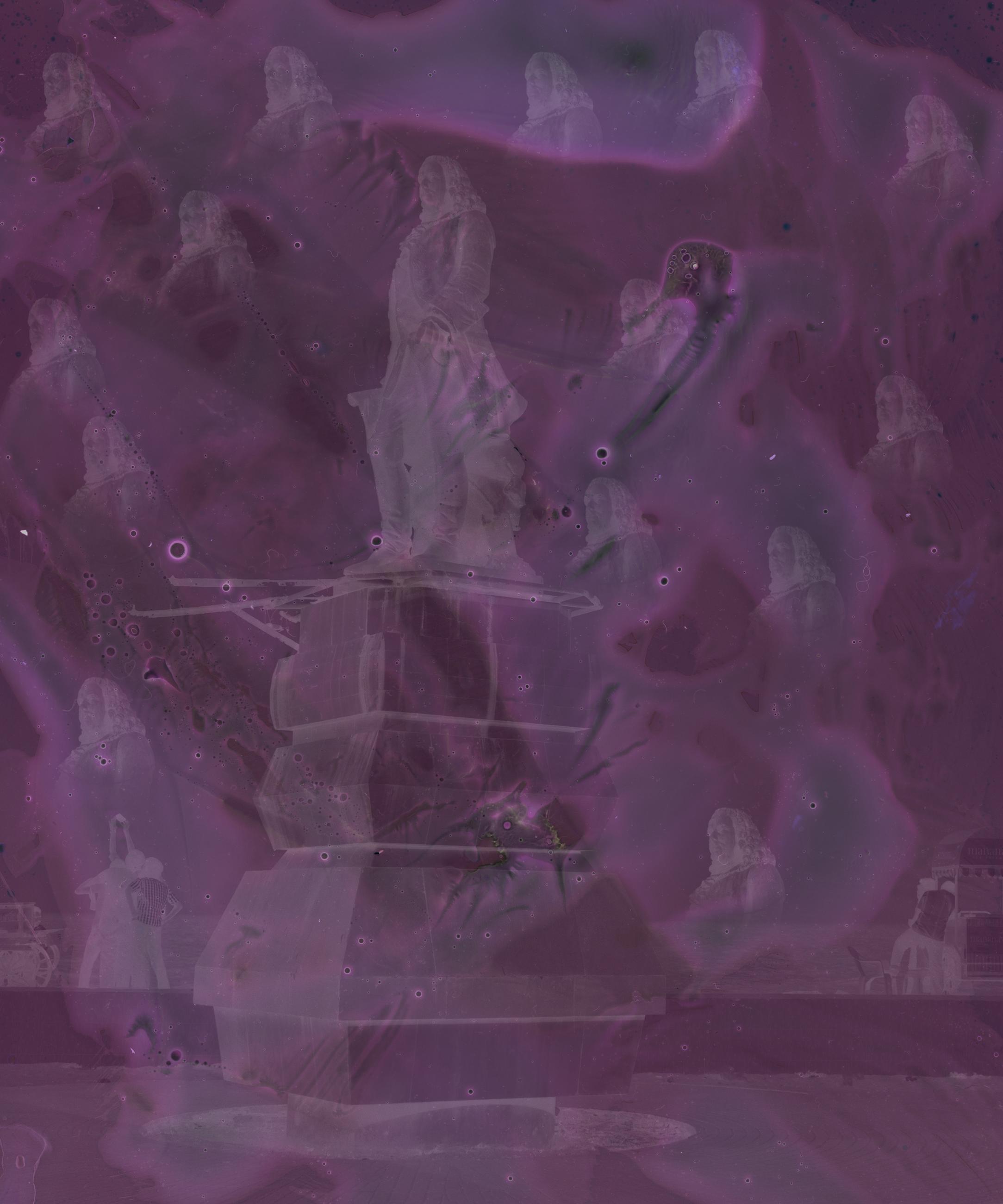
Reclaiming the Truth
A statue of the French coloniser Marquis Dupleix, on the seafront at Puducherry in Southern India. The former French East India Company made vast fortunes in the extractive industries in that region during the 18th and 19th centuries and traded in the jewellery and precious stones that had become highly fashionable in European courts.
© Julio Etchart & Holly Birtles, United Kingdom, 3rd Place, Professional competition, Creative, 2025 Sony World Photography Awards
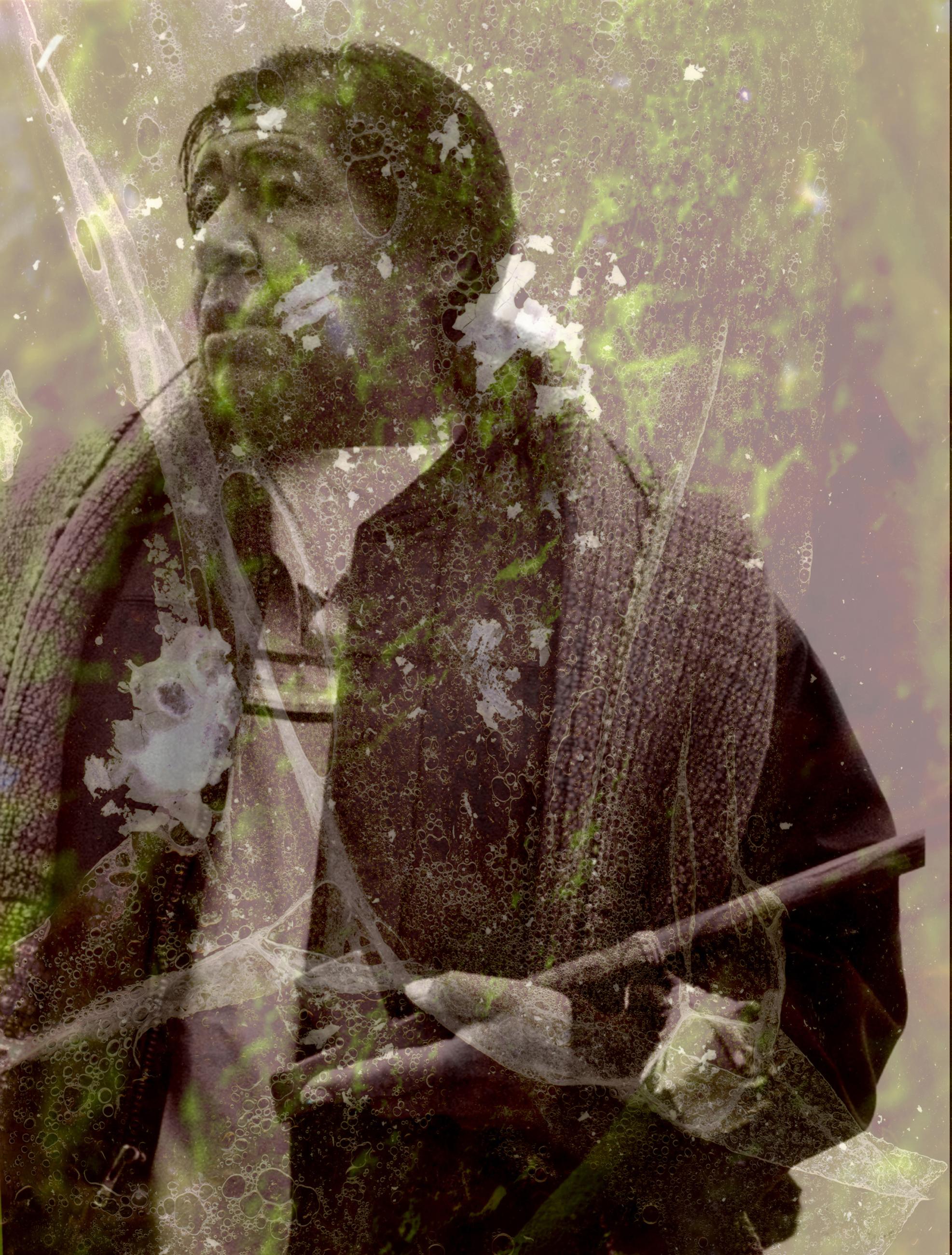
Reclaiming the Truth
First Nation American activist at a protest against the Smithsonian Museum in Washington DC, USA. ‘The Smithsonian alone has the remains of more than 18,000 Native Americans in its collection, demonstrating yet again that Native Americans are considered artworks on the same order as their baskets. No matter how recent, indigenous burial sites were regarded as legitimate sites for archaeological digs until Congress passed the Native American Grave Protection and Repatriation Act of 1990.’ From Storming the Gates of Paradise by Rebecca Solnit
© Julio Etchart & Holly Birtles, United Kingdom, 3rd Place, Professional competition, Creative, 2025 Sony World Photography Awards
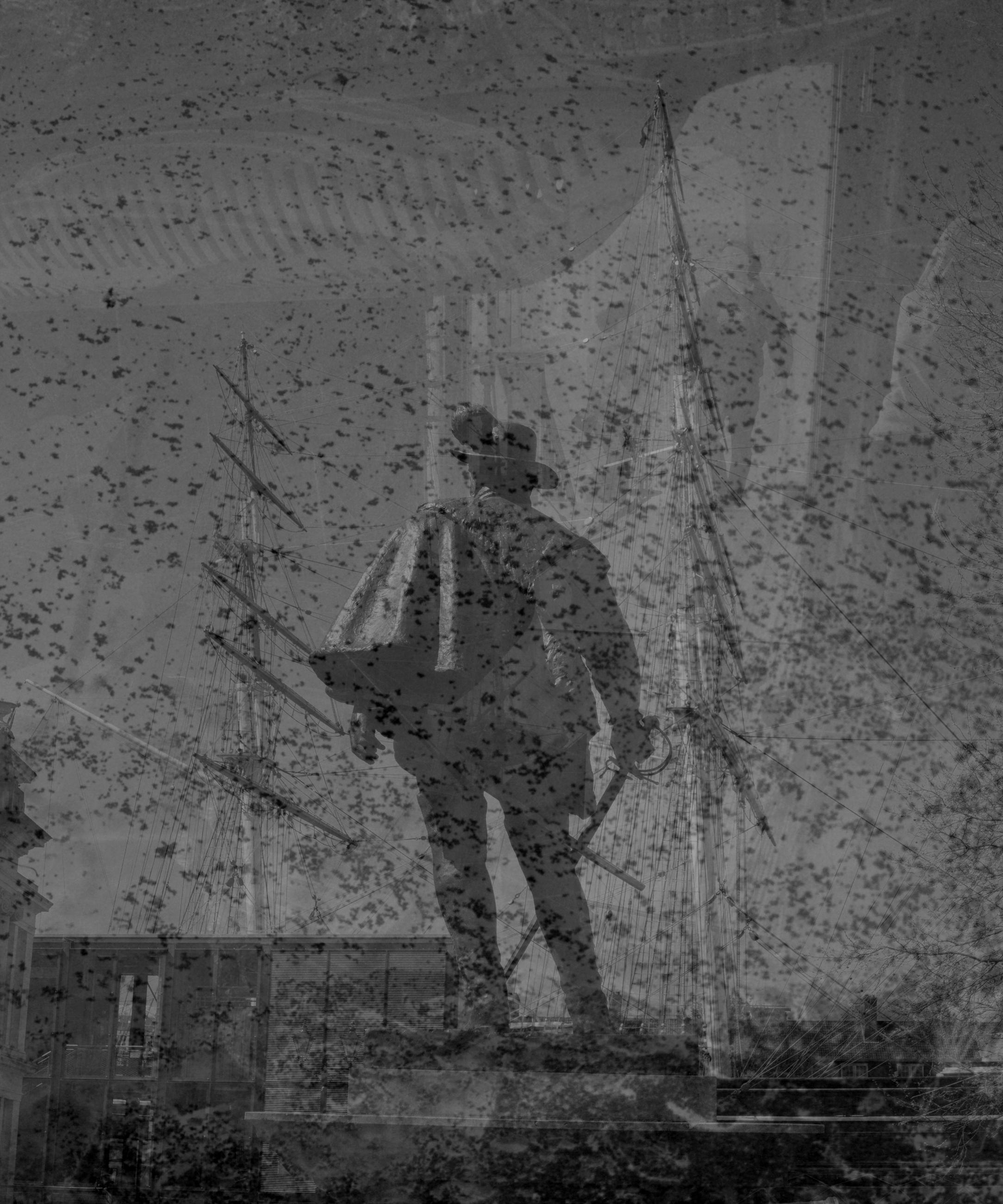
Reclaiming the Truth
Walter Raleigh statue in London, England. One of the most notable figures of the Elizabethan era, Raleigh played a leading role in the English colonisation of North America, and was a favourite of Queen Elizabeth I. He brought the addiction of tobacco to Europe, playing a major part in the development of the slave trade from Africa to provide forced labour to the plantations of the invaded.
© Julio Etchart & Holly Birtles, United Kingdom, 3rd Place, Professional competition, Creative, 2025 Sony World Photography Awards
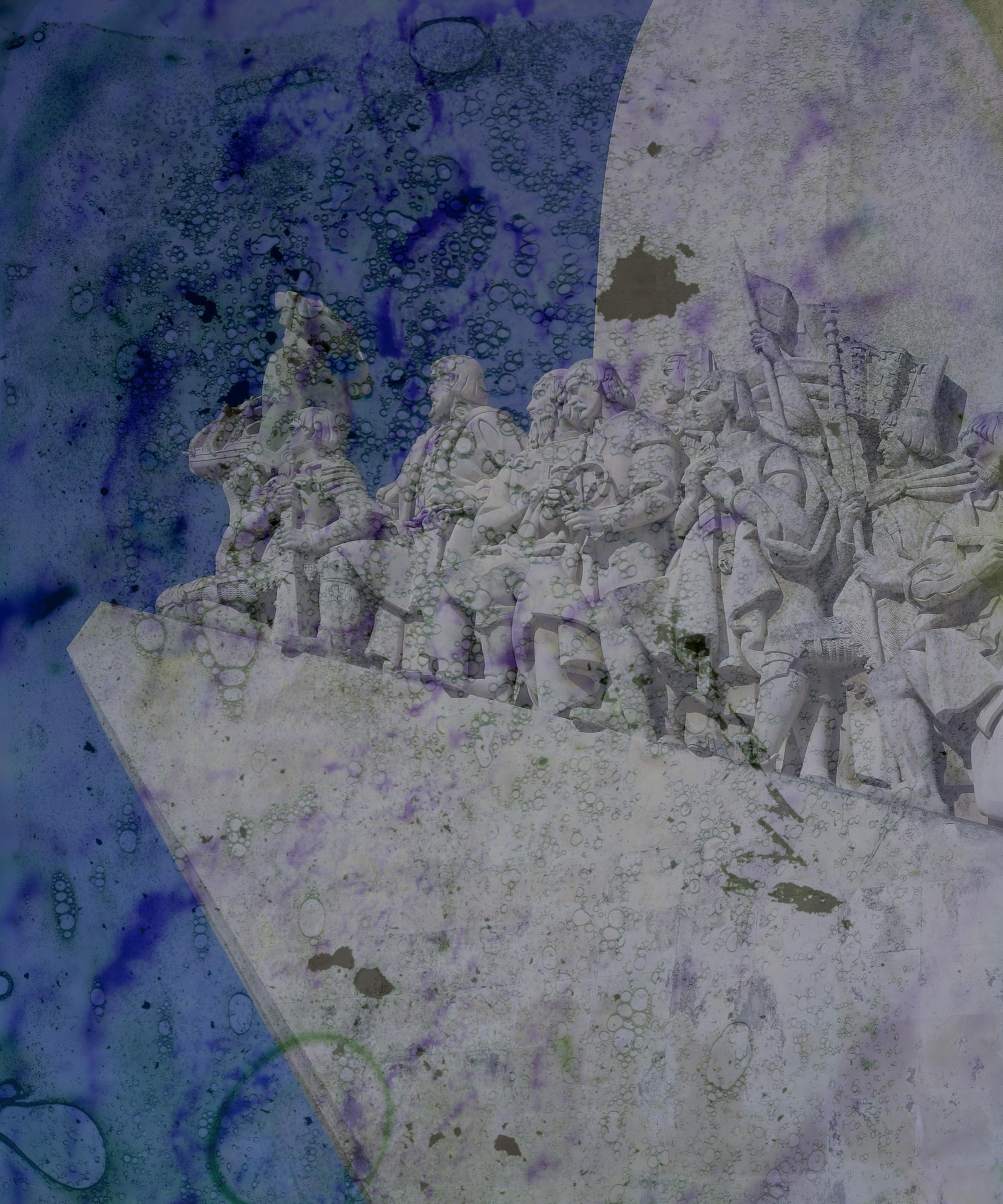
Reclaiming the Truth
A monument in Lisbon to Portuguese emigrants to Brazil, most of whom became plantation and slave owners. ‘Vast legions of slaves came from Africa to provide the sugar king with the large and free labour force he demanded: human fuel to burn. The lands were devastated by this selfish plant that invaded the New World,’ From The Open Veins of Latin America by Eduardo Galeano
© Julio Etchart & Holly Birtles, United Kingdom, 3rd Place, Professional competition, Creative, 2025 Sony World Photography Awards
Reclaiming the Truth
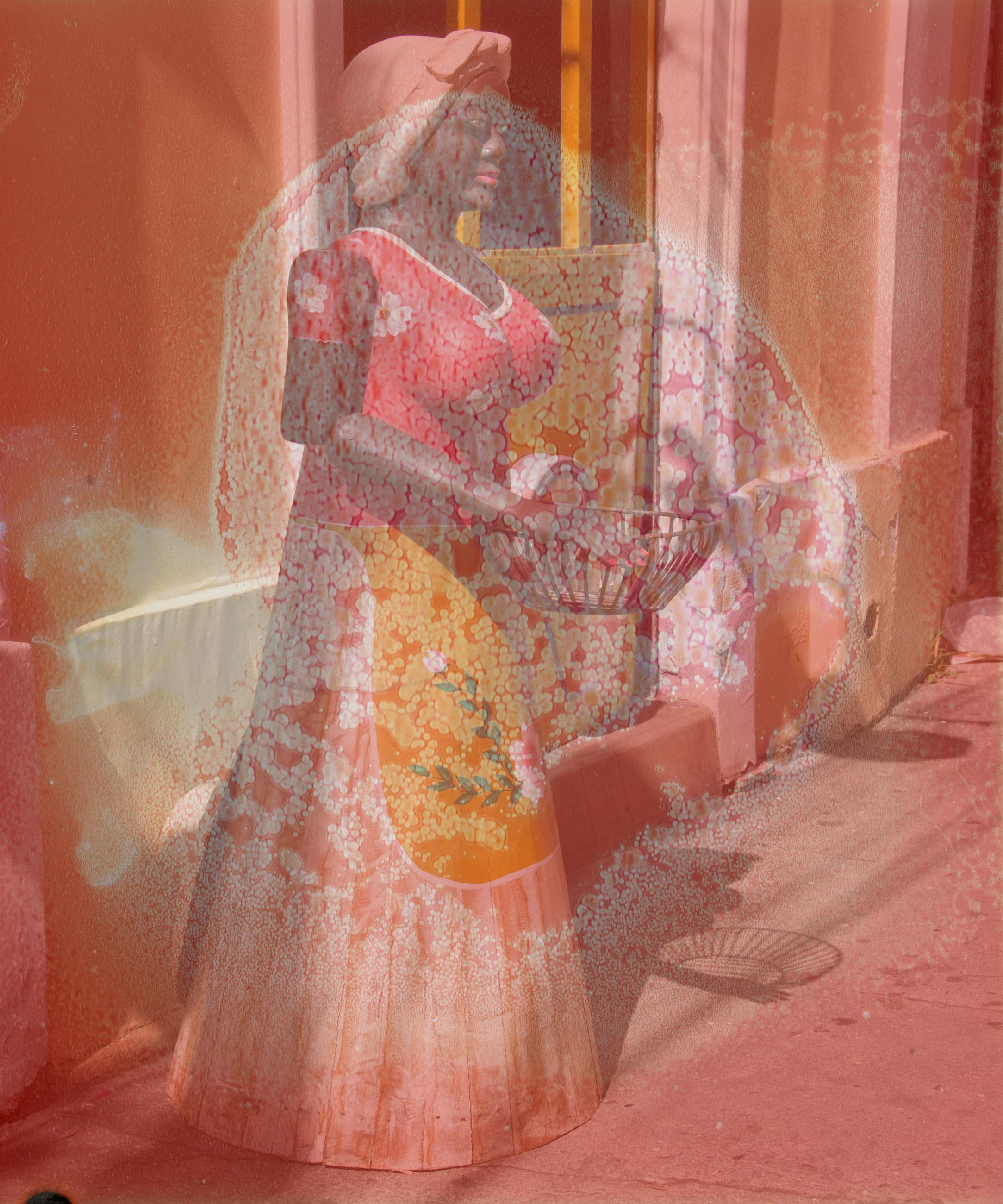
A wooden figure of an African-Brazilian woman offering a tray with food to visitors outside a former colonial mansion in Salvador, Brazil. ‘Racist stereotypes are still found in many of the territories of former imperial colonies, but the ability to prevail under the worst possible circumstance, slavery, is a gift of African descendants to Brazil.’ Award-winning Brazilian writer Jorge Amado.
© Julio Etchart & Holly Birtles, United Kingdom, 3rd Place, Professional competition, Creative, 2025 Sony World Photography Awards