

Series description
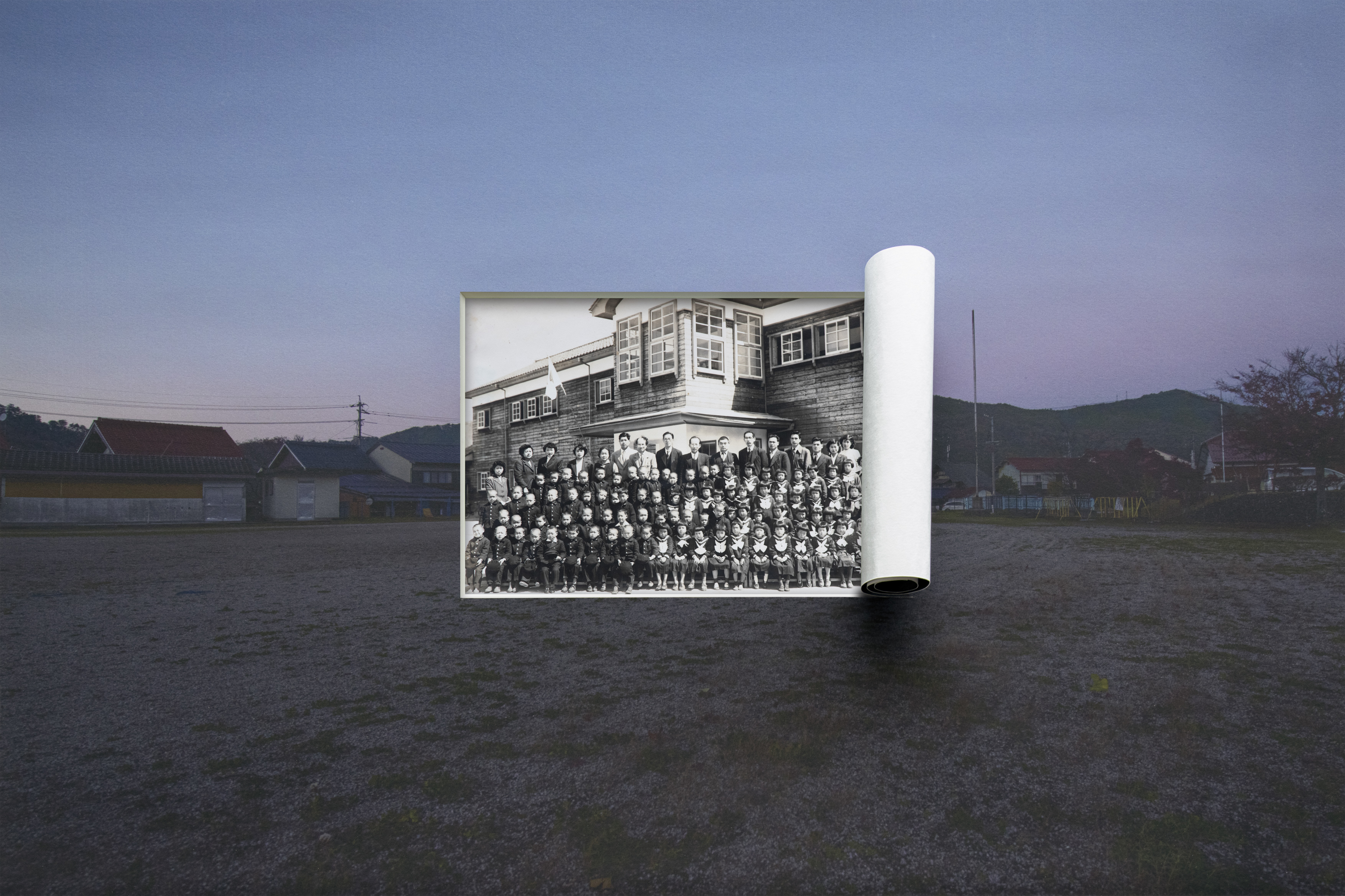
This project invites viewers to consider what it means for a country to grow, and the advantages and disadvantages linked to that growth, by overlaying archival photographs from the 1940s-60s within current scenes of the same location. Early in Japan’s period of rapid economic growth from 1945 to 1973, the trade-off for affluence was pollution in many parts of the country. As an island, its land and resource constraints also led to an uneven population distribution. The issues found in contemporary society are often the result of past activities, and there is a need to look at them closely. Fortunately, the photographer notes that ‘the Japanese are known for their love of photography, and many citizens have captured images of their country over time’. This documentation can help others look at growth and think about how to prevent problems from reoccurring.
Biography
Kino Seido was born in Nagoya, Japan in 1978. He majored in ferrous metallurgy at Kyoto University's Faculty of Engineering. His works are predicated on the notion that occurrences transpire at the "contact points" between individuals, objects, locations, time, and ideas. It is the interaction among these elements that provides us with awareness. He delves into the factors that shape Japanese culture, with a focus on how its residents confront the challenges. He is now based in Kyoto & Tokyo.
Depopulation
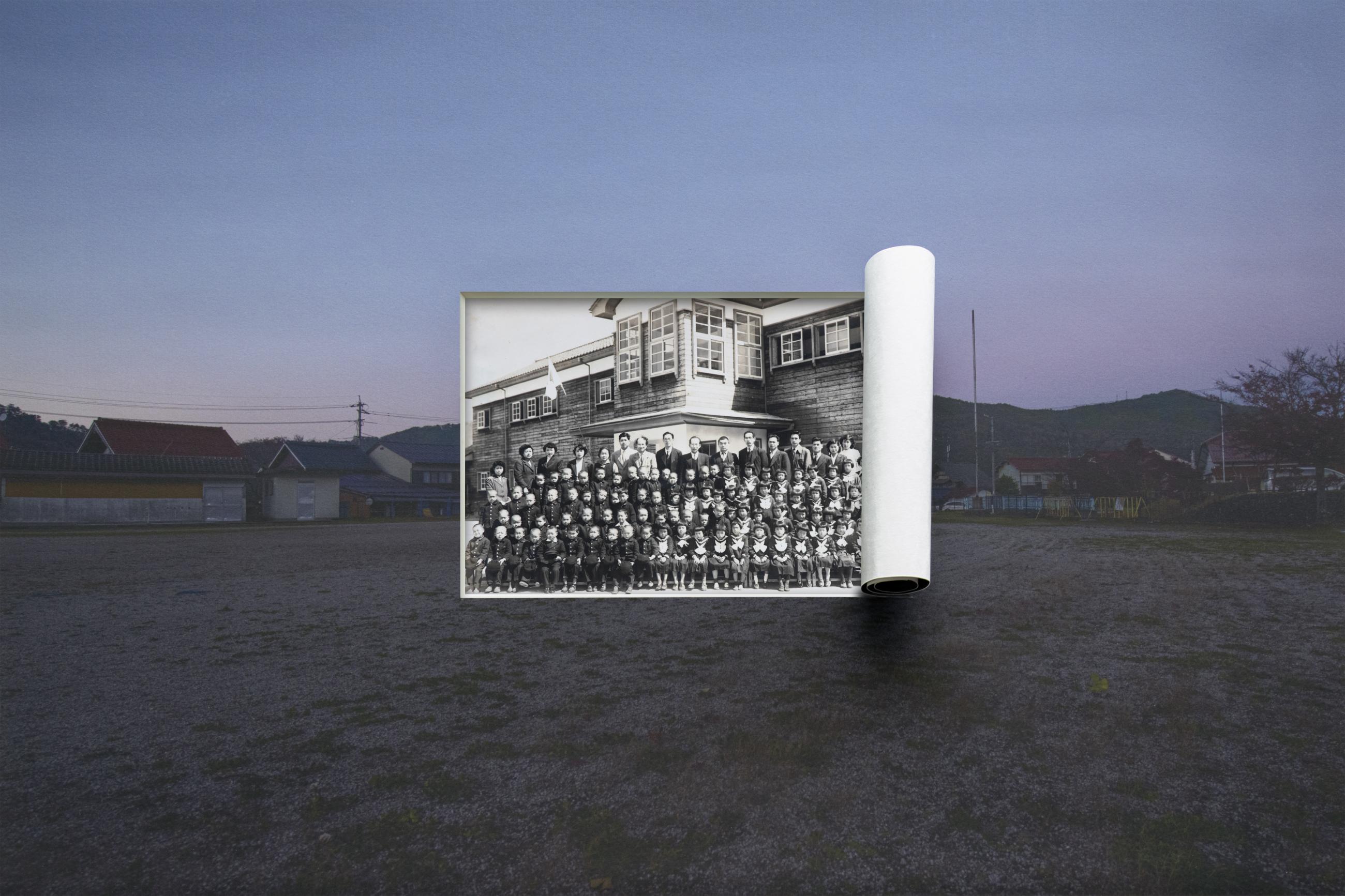
Several elementary schools in the mountainous areas of the San-in region are scheduled for consolidation shortly after their 150th anniversary. The number of students was once more than 100, and has drastically reduced to only a few students per grade. The town's population has decreased by half since Japan's rapid economic growth period, as young people have been moving to the cities. This photograph is combined with an archival image provided by Hiromu Saeki.
© Seido Kino, Japan, 1st Place, Professional competition, Landscape, 2025 Sony World Photography Awards
Depopulation
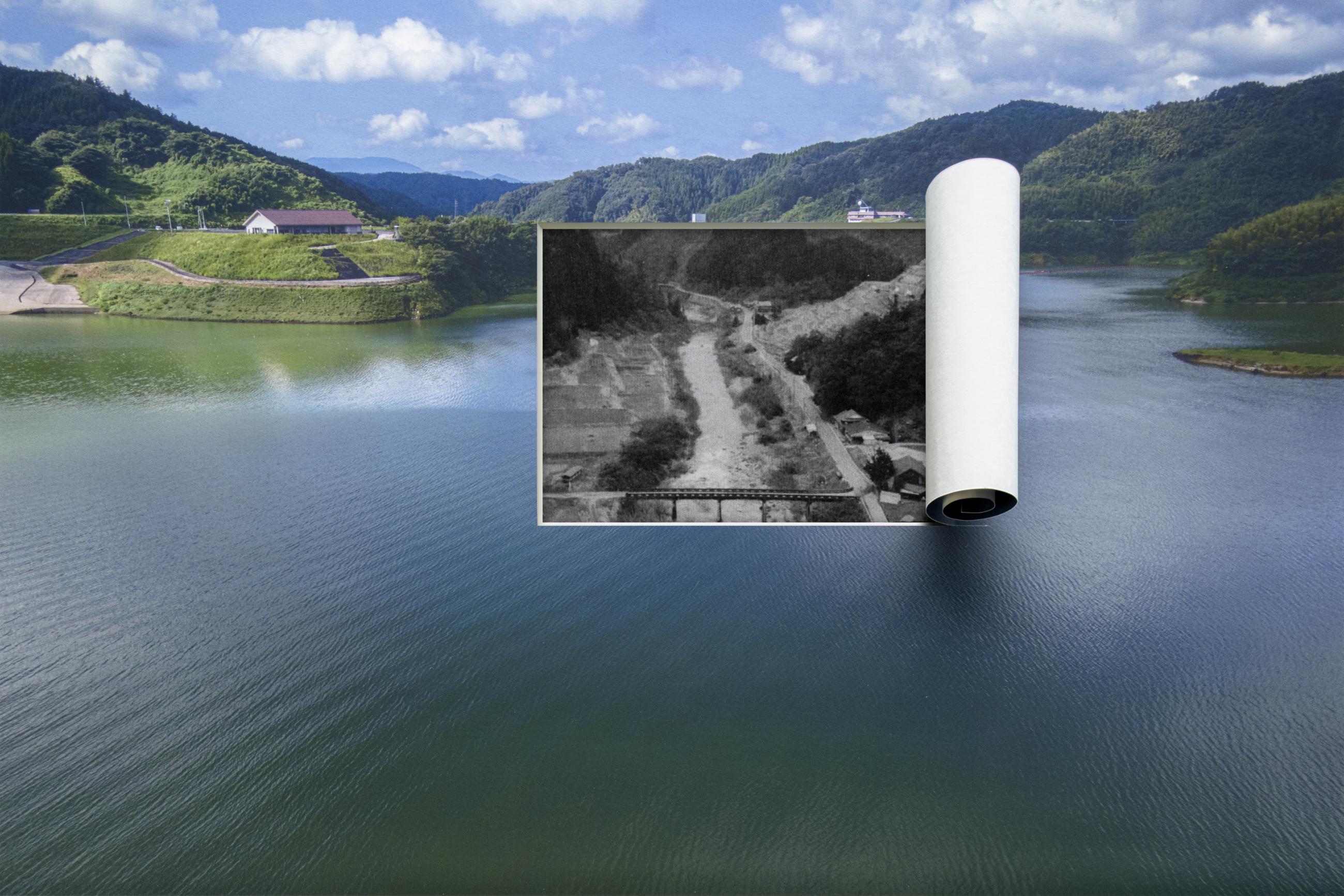
The Hii River, which flows through Shimane Prefecture, is a vast river that is compared to the mythical eight-forked serpent. The overflows were so great that dams have been constructed upstream for flood control and water utilization. The construction was completed more than half a century after it was conceived, and the residents of the area today are living away from the land of their ancestors. This photograph is combined with an archival image provided by Hiroshi Hashimoto.
© Seido Kino, Japan, 1st Place, Professional competition, Landscape, 2025 Sony World Photography Awards
Depopulation
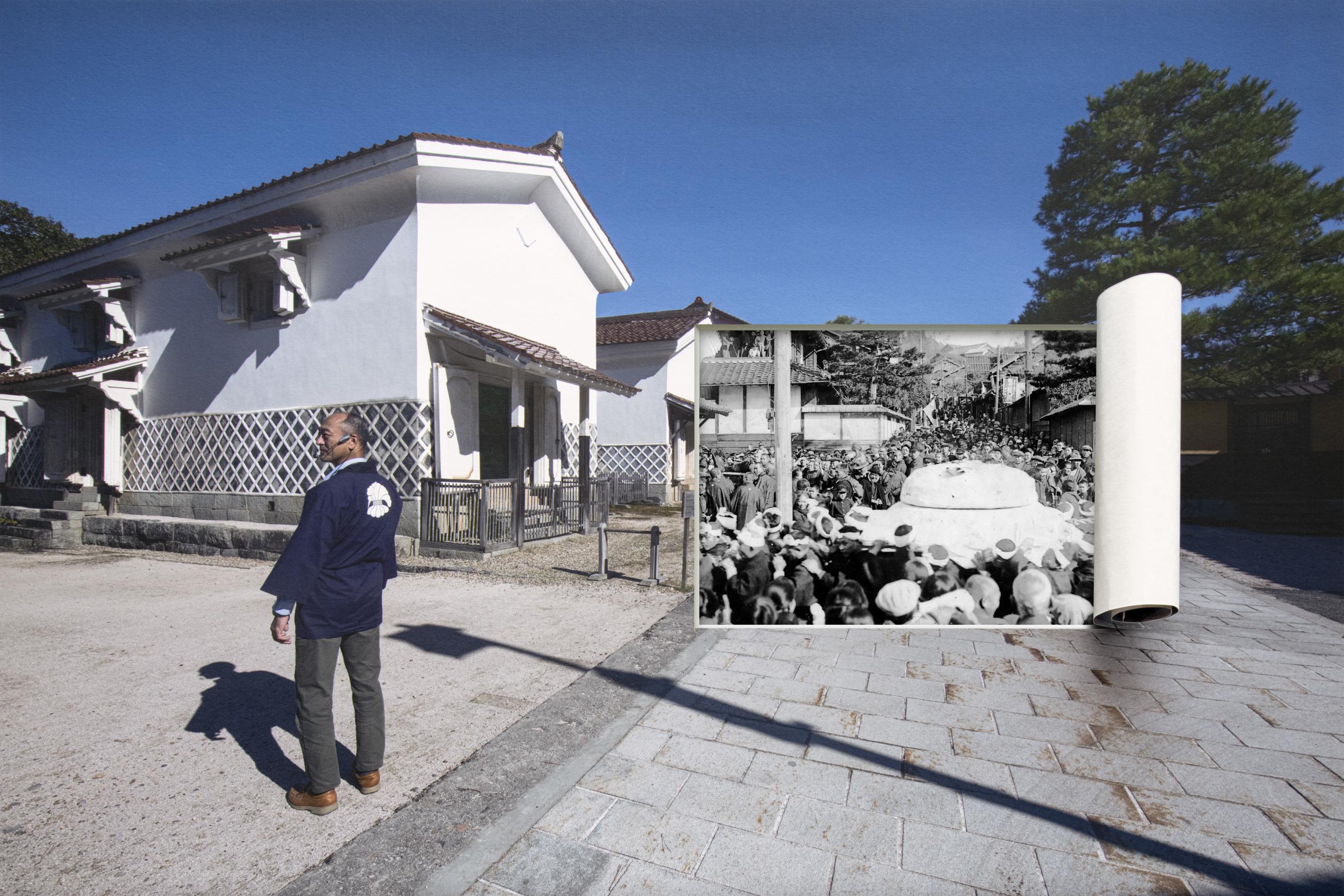
In Shimane Prefecture, the ancient iron manufacturing industry known as ‘tatara’ has created castle towns even in mountainous areas. The entire village was crowded with people making large rice cakes for celebrations. As Japan shifted to modern iron manufacturing using blast furnaces, the village now focuses on forestry, food, and tourism industries, and is enthusiastic about revitalising the community. This photograph is combined with an archival image provided by Yoshida Exchange Center.
© Seido Kino, Japan, 1st Place, Professional competition, Landscape, 2025 Sony World Photography Awards

Depopulation
The Hirose Railway opened in Shimane Prefecture in the 1920s. The line was planned by residents in the Hirose district, an area that prospered as Gassantoda castle town. Due to the development of motorisation during Japan’s rapid economic growth, combined with depopulation along the railway line, the number of passengers and freight decreased, and the aging facilities could not be renewed, so the train was discontinued. This photograph is combined with an archival image provided by Iwao Yamamoto.
© Seido Kino, Japan, 1st Place, Professional competition, Landscape, 2025 Sony World Photography Awards
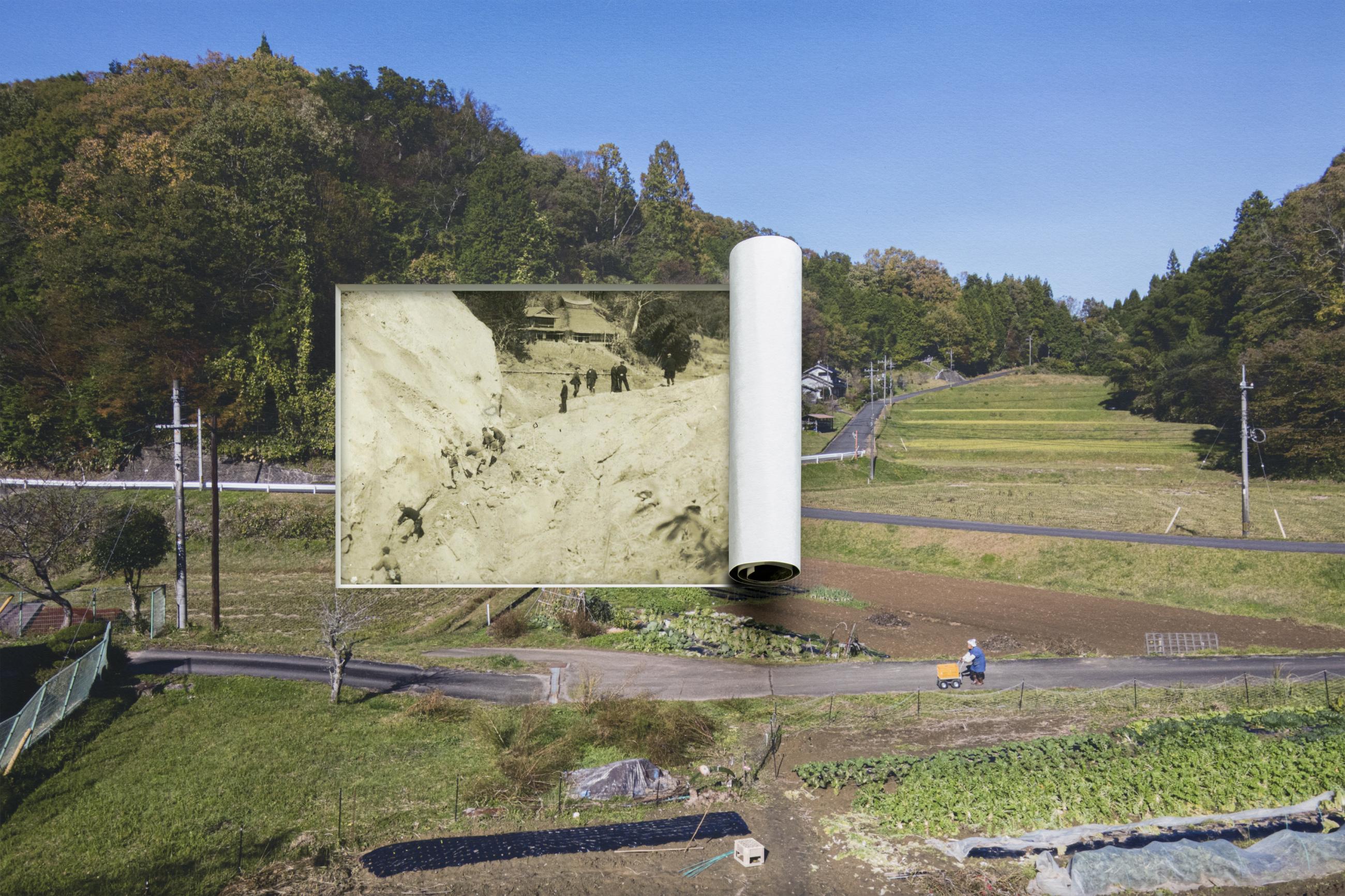
Depopulation
In order to extract the iron sand required for tatara iron manufacturing, iron pit sinking was widely practiced. The wasteland was not abandoned after mining was completed, but buckwheat and turnip was planted, and cattle and horses were set to graze to cultivate the soil, which was then used as rice fields.This photograph is combined with an archival image provided by Shungo Shishido.
© Seido Kino, Japan, 1st Place, Professional competition, Landscape, 2025 Sony World Photography Awards
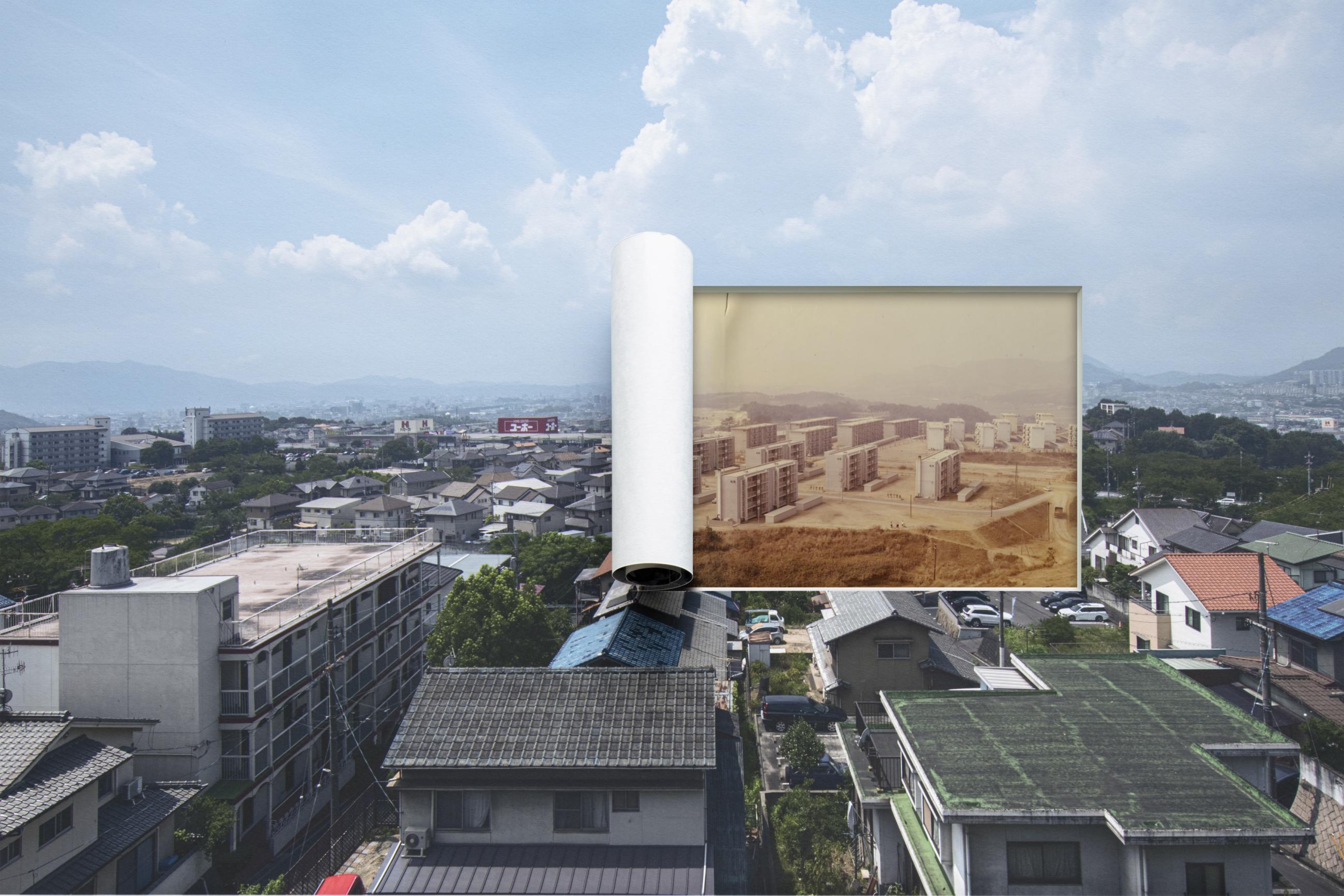
Urbanisation
The rapid economic growth in the coastal areas of the Sanyo region attracted large factories to the coastal areas and workers from all over Japan, causing the population to double. To secure housing, mountains were cut down and apartment complexes were built. Later, as Japan became more affluent, urban areas shifted from housing complexes to single-family homes, which is how the cityscape looks today. This photograph is combined with an archival image provided by Isegaoka Primary School.
© Seido Kino, Japan, 1st Place, Professional competition, Landscape, 2025 Sony World Photography Awards
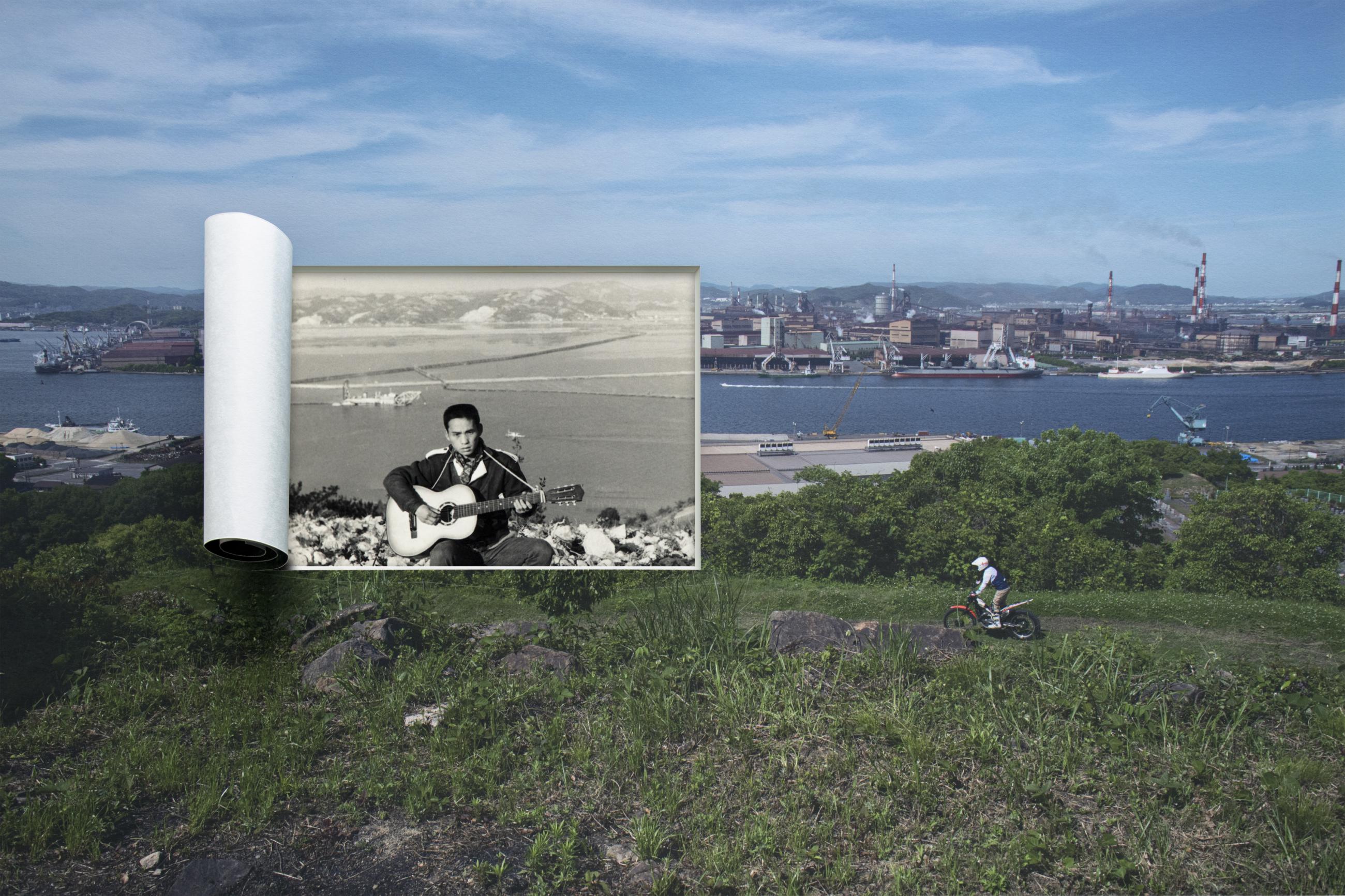
Urbanisation
Fukuyama City of Hiroshima Prefecture was chosen by Nippon Kokan Corporation as the construction site for a new steelwork facility. At the time, it was fashionable for provincial cities to invite corporations to and set up their factories. Fukuyama City was successful, but some local people were unhappy about the changes to the landscape. This photograph is combined with an archival image provided by Takayoshi Nagai.
© Seido Kino, Japan, 1st Place, Professional competition, Landscape, 2025 Sony World Photography Awards
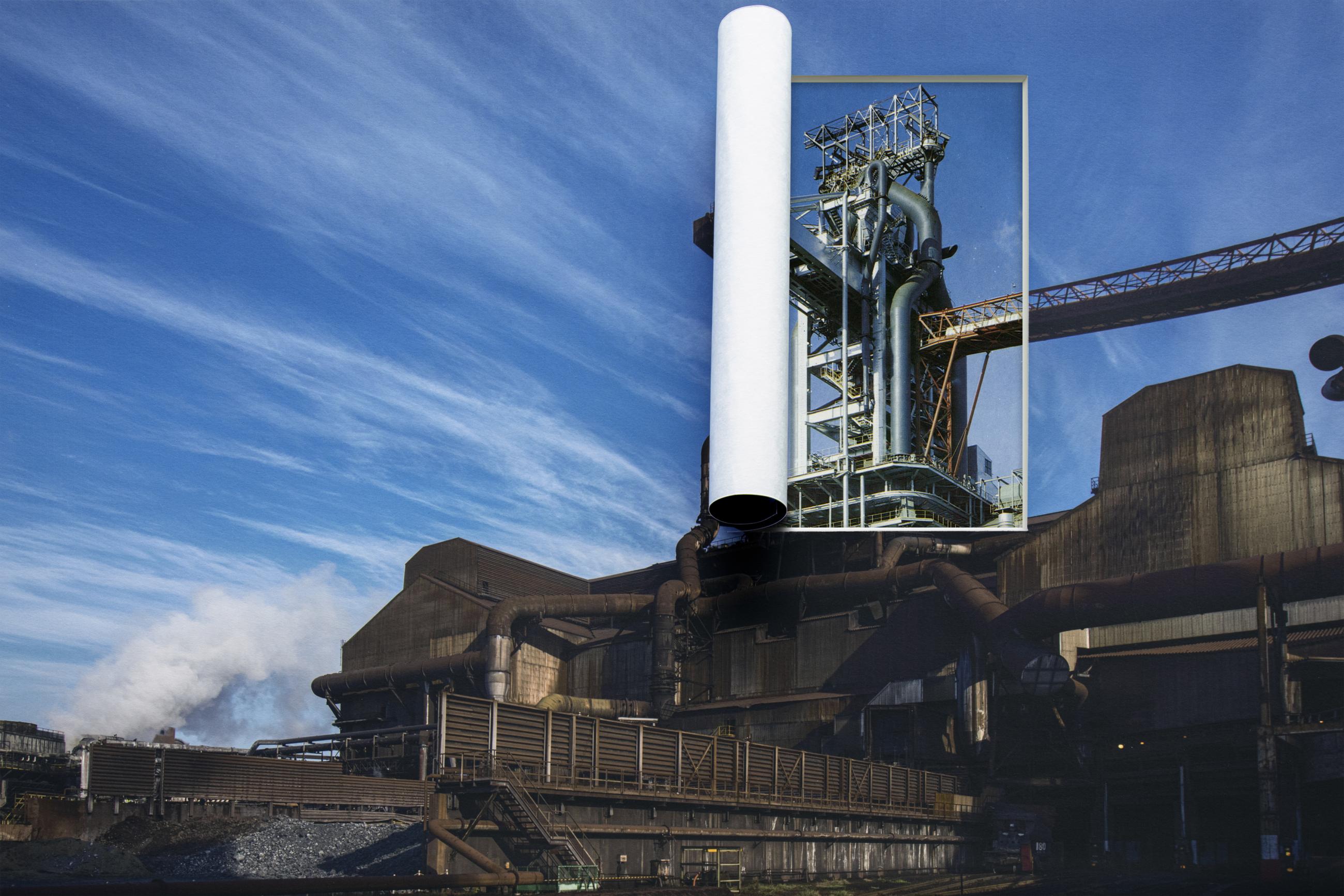
Urbanisation
In Hiroshima Prefecture in the Sanyo region, a modern steel mill, the largest of its kind in the world, was set in motion in the 1960s. Equipped with state-of-the-art facilities, the engineers used their expertise to improve productivity and safety. It became Japan's largest steel mill in terms of crude steel production and the company continues to maintain and improve its technological level. This photograph is combined with an archival image provided by JFE Steel Corporation.
© Seido Kino, Japan, 1st Place, Professional competition, Landscape, 2025 Sony World Photography Awards
Urbanisation
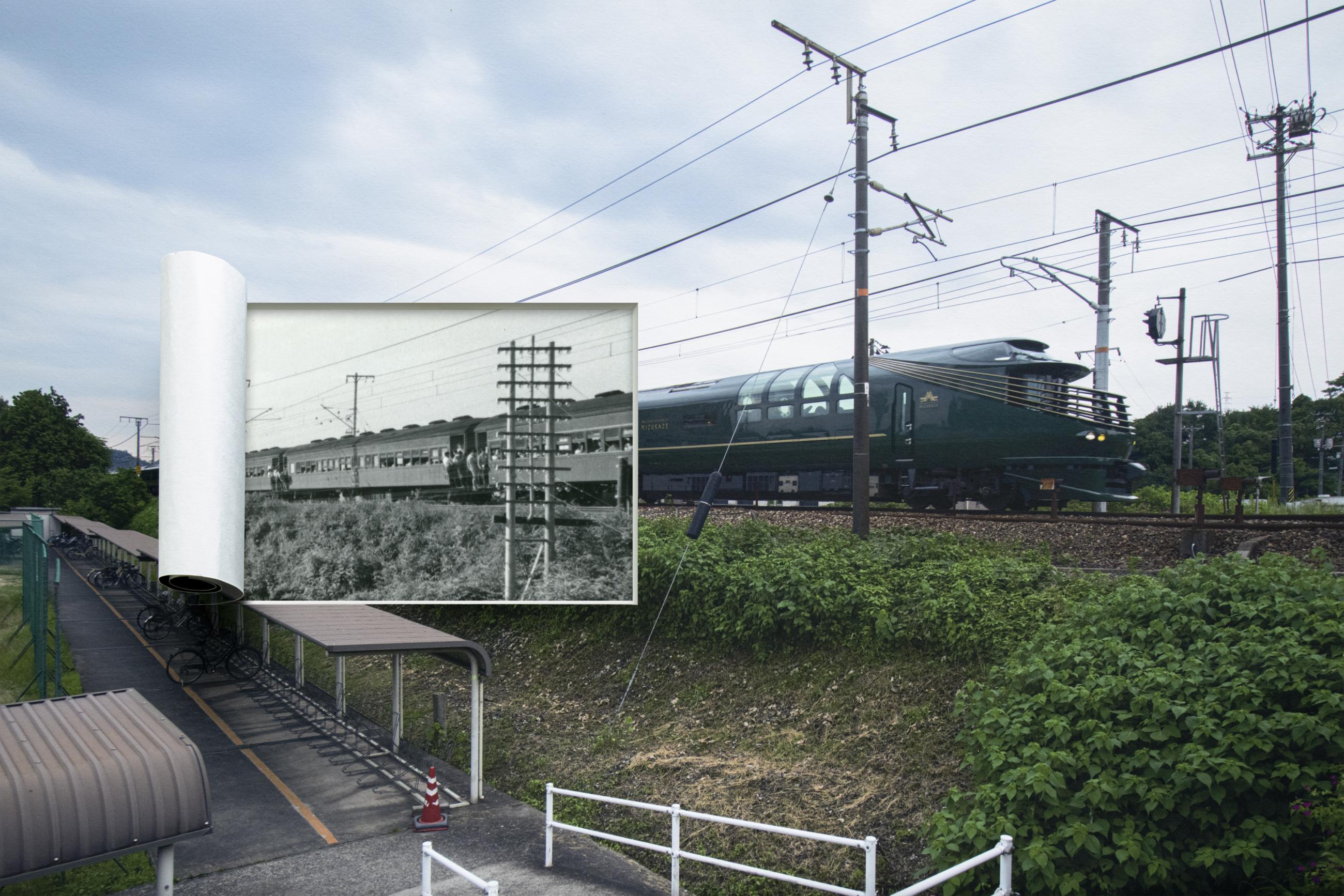
During the period of rapid economic growth, trains carrying people to the urban areas of Sanyo were filled with passengers. The number of train passengers exceeded that of today's packed trains in Tokyo, highlighting that Japan was a rapidly developing country. Recently, the luxury sleeper train Mizukaze regularly runs on the same track. This photograph is combined with an archival image provided by Kaneyuki Fujimoto.
© Seido Kino, Japan, 1st Place, Professional competition, Landscape, 2025 Sony World Photography Awards
Urbanisation
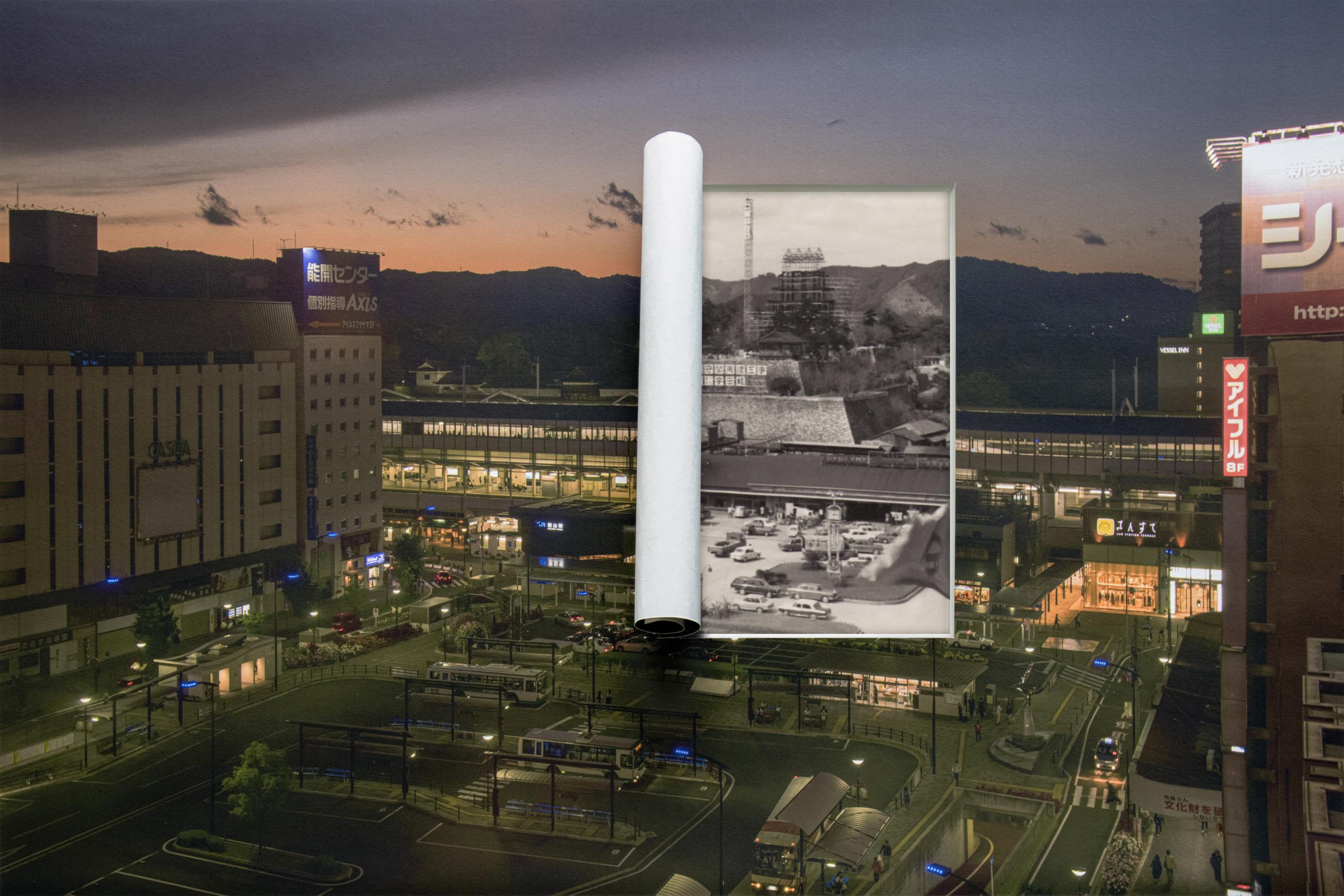
In Fukuyama City, 80 per cent of the area was bombed during the Second World War. One of the national treasures known as Fukuyama Castle was destroyed. After the war, the high economic growth of Japan dramatically changed the appearance of the city and it was estimated the city’s population would double. By riding the wave of industrialisation, Fukuyama City became wealthy and the Castle was rebuilt. This photograph is combined with an archival image provided by Tetsuo Nagasawa.
© Seido Kino, Japan, 1st Place, Professional competition, Landscape, 2025 Sony World Photography Awards