

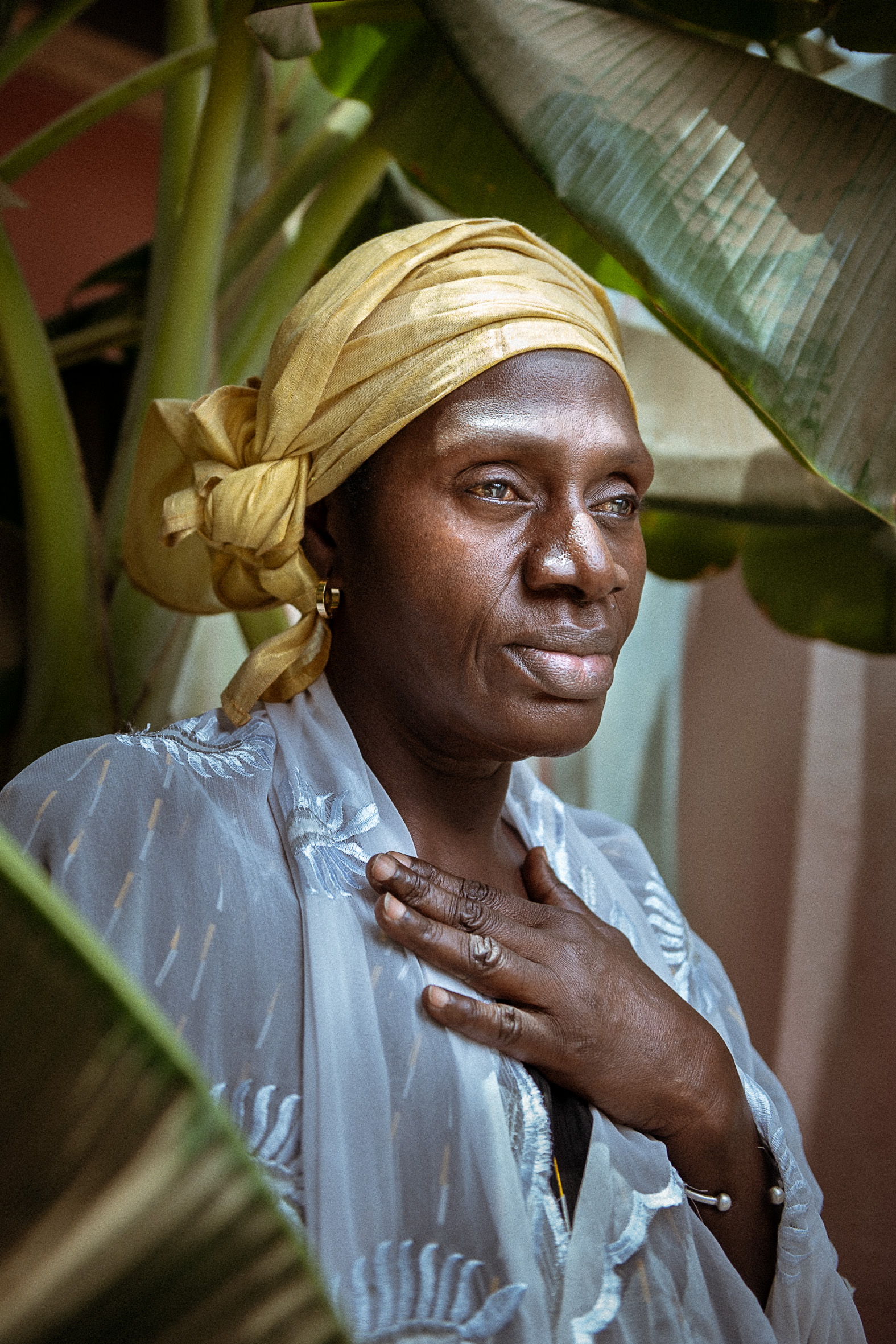
Series description
Under Gambia’s former dictatorship, countless victims endured severe human rights abuses, including executions, disappearances, torture and sexual violence. Women, in particular, faced direct abuse, societal stigma and the pain of losing loved ones, all within a patriarchal society lacking institutional support. In the absence of immediate justice, they found ways to survive, rebuild and advocate for change, often confronting silence and fear. By sharing their experiences and fostering mutual aid, these women heal from physical and psychological wounds while actively pursuing justice and prevention. They reclaim control over their lives, affirming their dignity and shaping their own narratives. Their image, their story and their future are now truly their own.
Biography
Documentary photographer Lorraine Turci weaves connections between societal issues, environmental protection, and human rights through an authorial approach. Her work has been showcased at the Maison de la Culture du Japon (Paris, France, 2025), the Head On Photo Festival (Sydney, Australia, 2024), the French National Library (Paris, 2023), the Belfast Photo Festival (Northern Ireland, 2023), and Visa pour l’Image (Perpignan, 2019). It is also a finalist for the prestigious Carmignac Prize 2025.
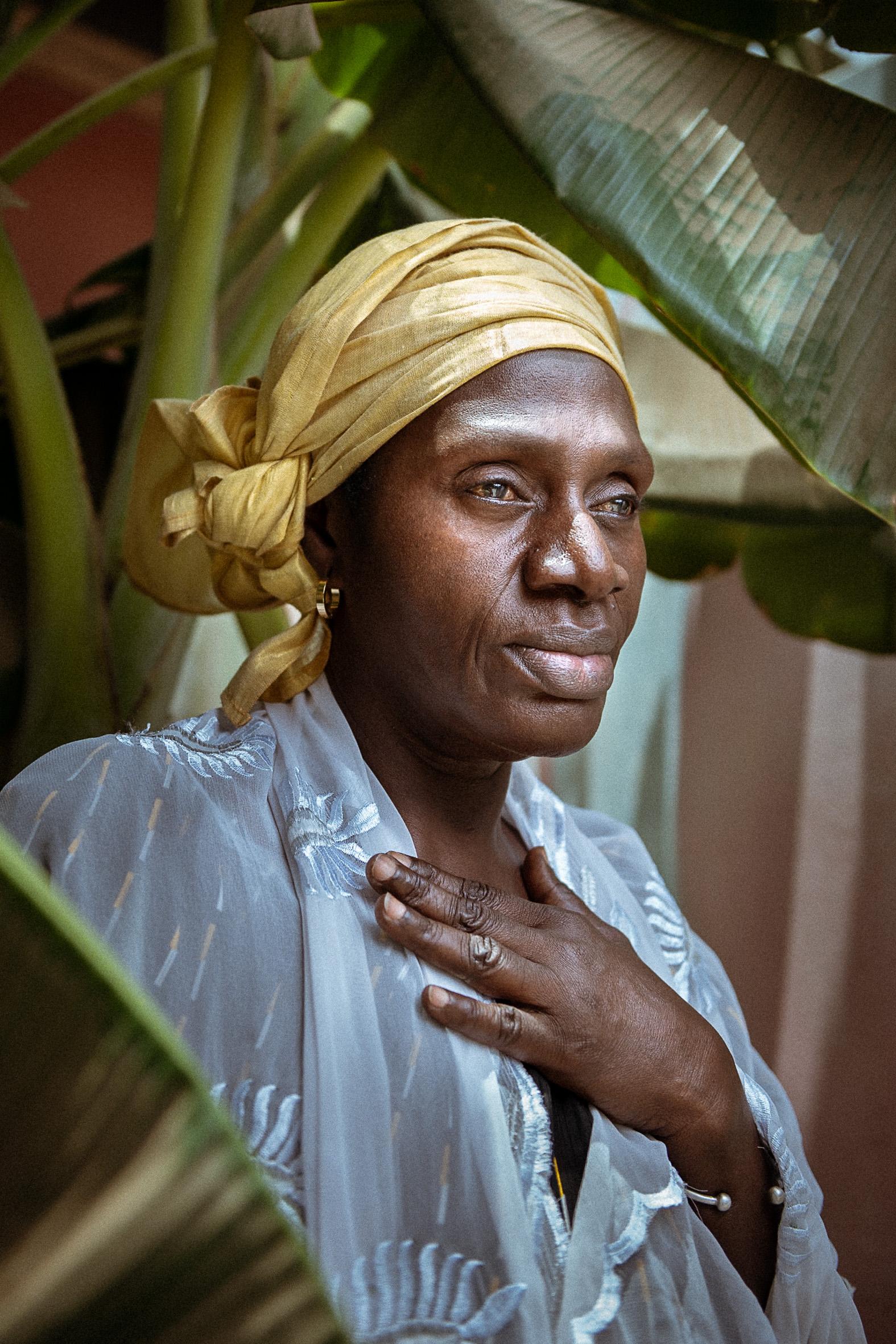
Untitled
‘He got up on a Friday, went for a walk and never came back. I was breastfeeding my second son at the time. He came but didn’t say anything to me, as he was too scared of the soldiers. After three days without any news from my husband, my family went to a newspaper to report his disappearance. The next day, an article declared that he had died in a gunfight at the Yundum barracks in an attempted counter-coup. It was only thanks to my uncle, who is also in the army, that I later learned the truth.’
© Lorraine Turci, France, Shortlist, Professional competition, Perspectives, 2025 Sony World Photography Awards
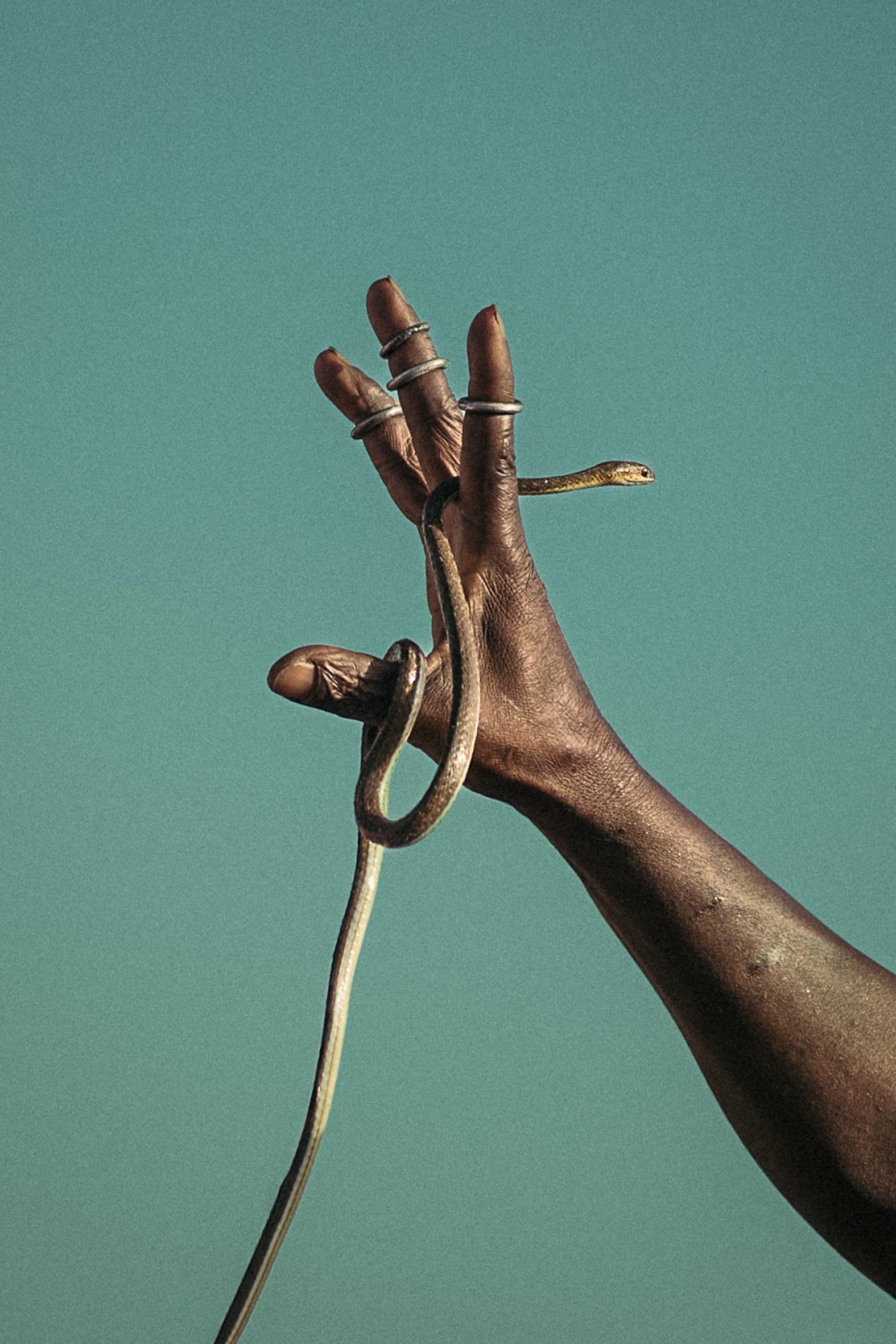
Untitled
‘We knew nothing about his disappearance. Rumours within the army said he had fled to Dakar. My brother-in-law was the family’s breadwinner thanks to his soldier’s salary. He fully funded my husband’s education, which he could not complete as a result. We only learned the truth about his murder years later, after the change of government. At the Truth, Reconciliation and Reparations Commission, a witness revealed that he had participated in his murder.’
© Lorraine Turci, France, Shortlist, Professional competition, Perspectives, 2025 Sony World Photography Awards
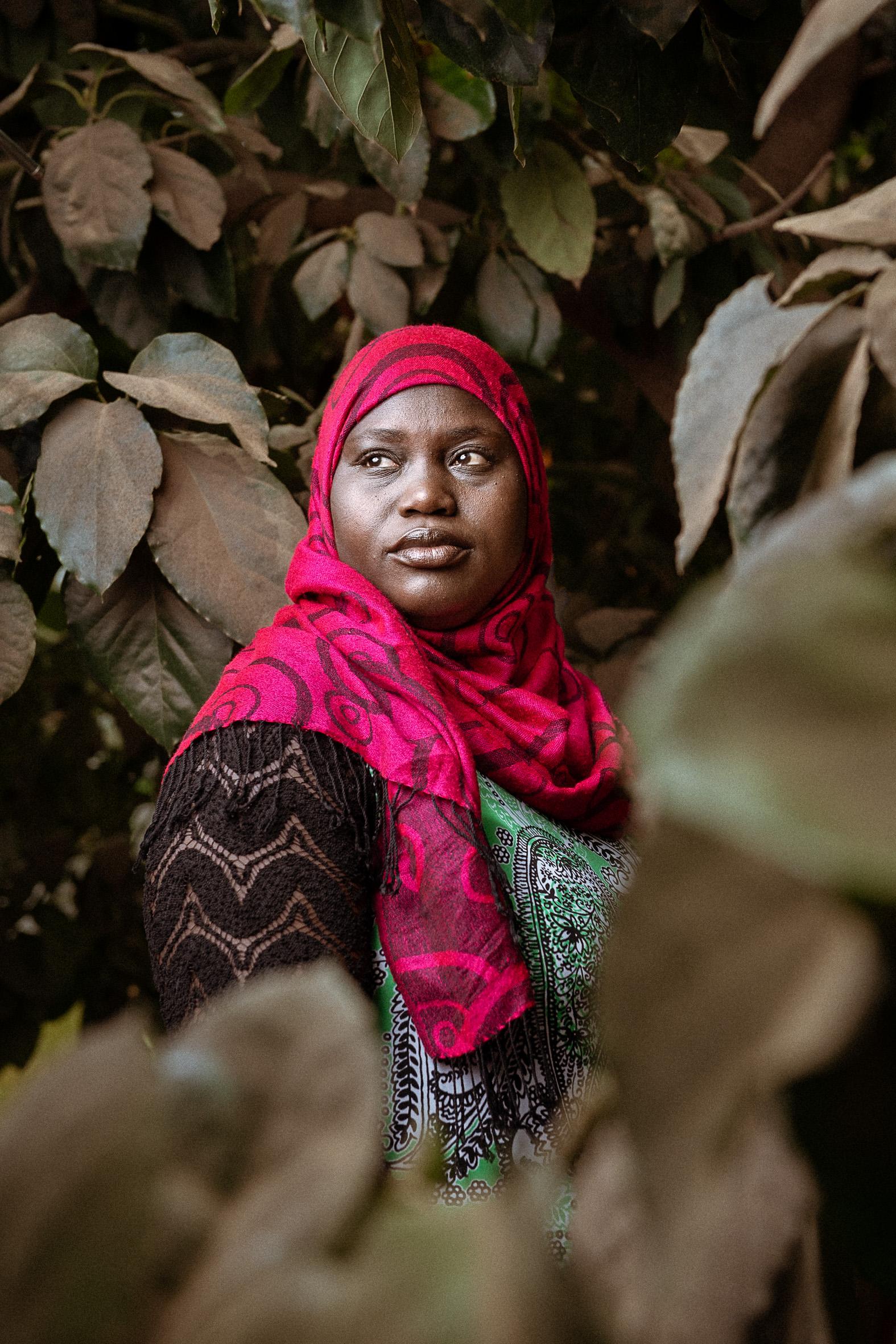
Untitled
‘In April 2000, a student was raped by a policeman and another killed. When the state failed to prosecute, a call to protest was issued. My 16-year-old brother and I were there that day. The soldiers charged. They killed 11 students. My brother was shot and given up for dead, but a doctor miraculously saved him. In 2014, my older brother was killed in another coup attempt and his body was put in a mass grave. We found it in 2019, thanks to DNA analysis by an expert who was able to identify him.’
© Lorraine Turci, France, Shortlist, Professional competition, Perspectives, 2025 Sony World Photography Awards
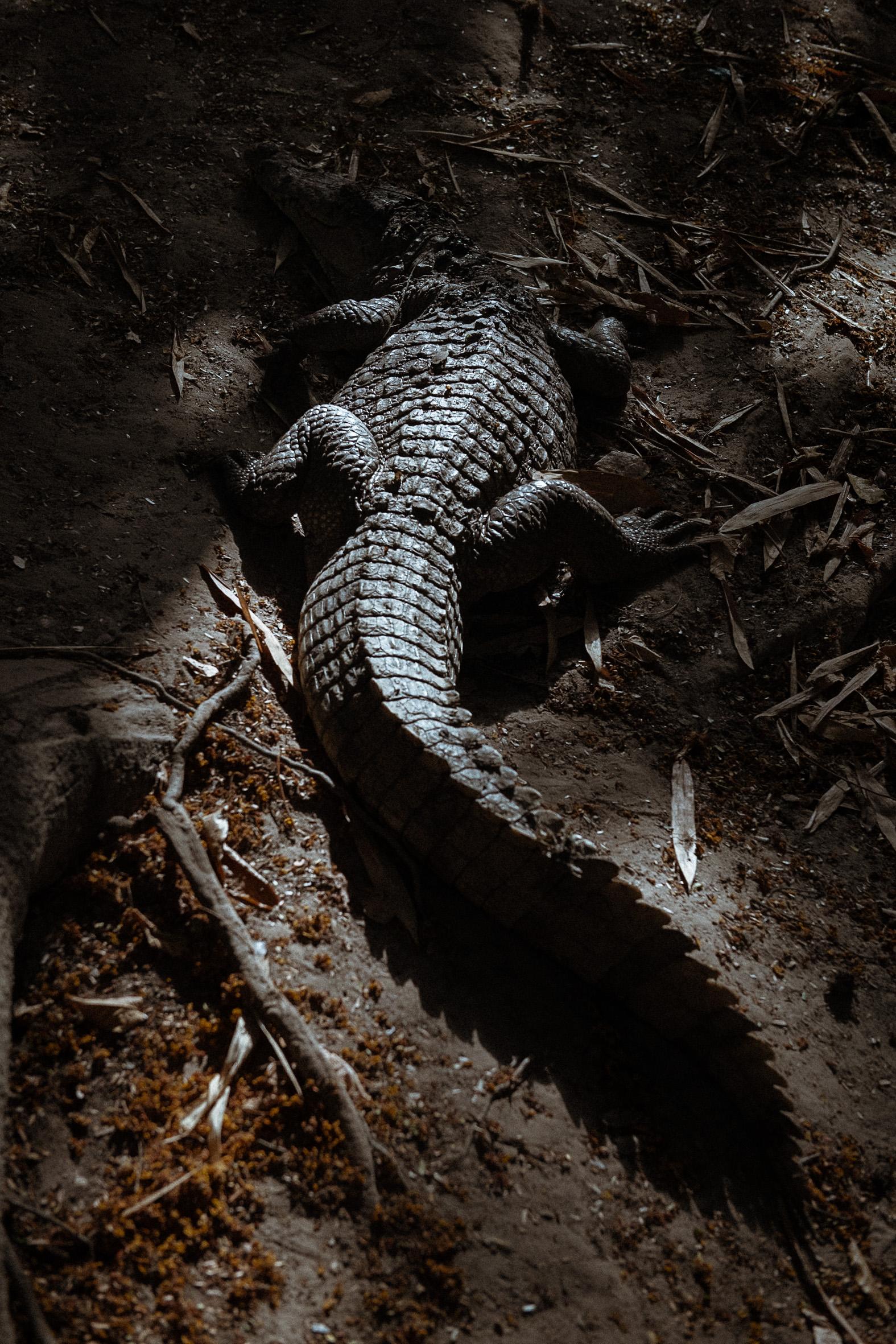
Untitled
‘I went to a protest. I was beaten, soldiers trampled on me, jumped on me. Later I was arrested. Police officers blindfolded me, stripped me naked and insulted me. I screamed and cried. They raped me. There wasn’t a spot on my body that didn’t hurt. The next day, one of the policemen took pity on me and helped me escape. I was so scared. Someone helped me so that I could finally have an operation, after three weeks without care. My husband blamed me for getting involved in politics and disowned me.’
© Lorraine Turci, France, Shortlist, Professional competition, Perspectives, 2025 Sony World Photography Awards
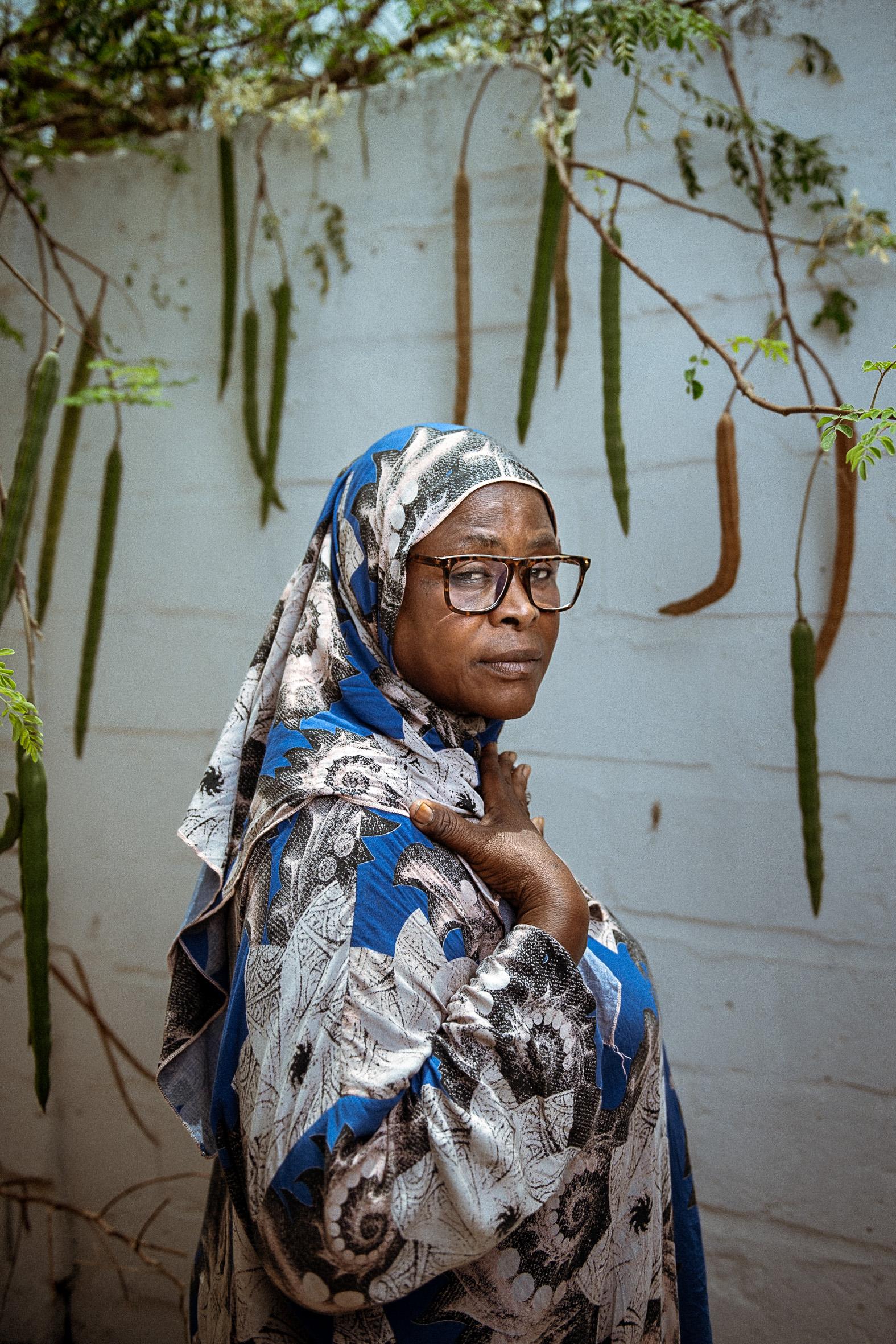
Untitled
‘My older brother, a lieutenant soldier, was killed in 1994. He was at my home when soldiers came to take him, stating that he needed to go on patrol. He had a wife and a three-month-old daughter at the time. We searched for him everywhere. It wasn’t until 2016 that we learned of his death through the media. His body remains with the others. Today, his daughter is getting married and lives in England – I am proud because I supported my sister-in-law and niece financially to make it possible.’
© Lorraine Turci, France, Shortlist, Professional competition, Perspectives, 2025 Sony World Photography Awards
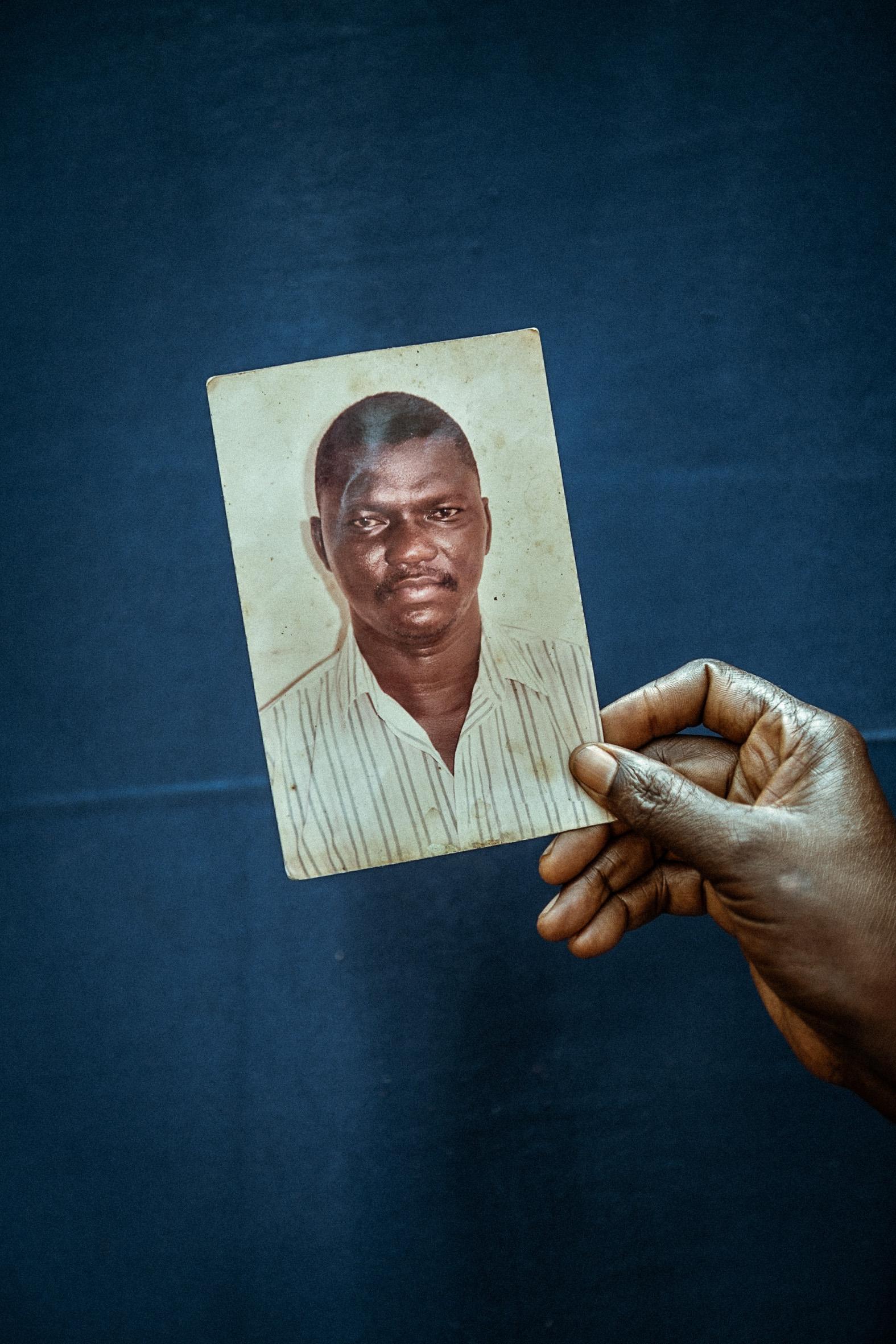
Untitled
‘I remember waking up and seeing my husband standing next to the bed. He picked up our young son, hugged him tightly, then put him down and left. I never saw him again. The next day, a policewoman privately called to tell me he was dead. During my mourning, six policemen came to threaten me. When one of them pointed a gun at my forehead, I told him, “Do what you want.” As I was no longer safe, I fled to Dakar. I crossed the border on foot with my eight-month-old son.’
© Lorraine Turci, France, Shortlist, Professional competition, Perspectives, 2025 Sony World Photography Awards
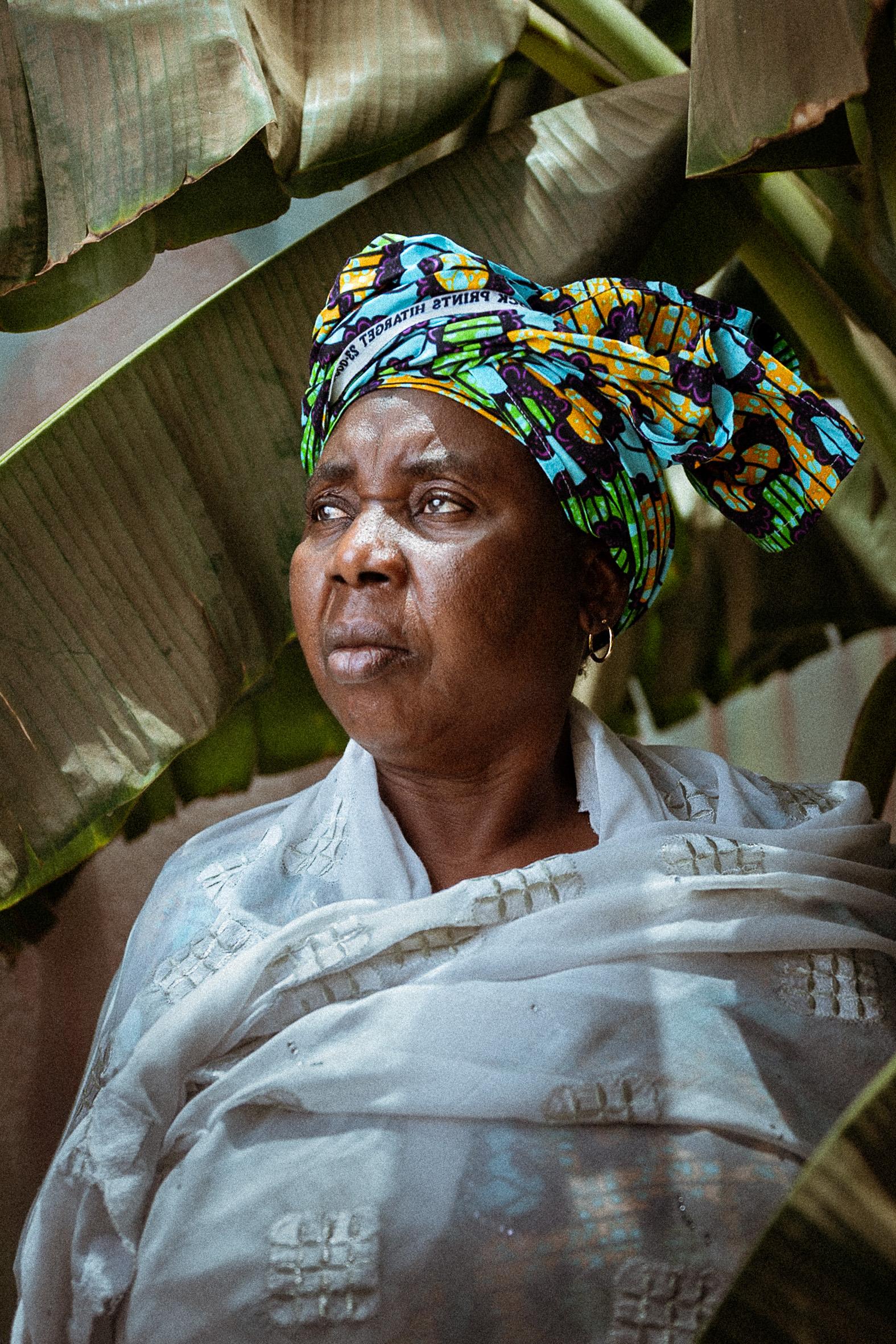
Untitled
‘I was the griot for the opposition party. I was arrested during a protest and sentenced to three years in prison. After eight months I was released – the party leader, who is a lawyer, helped me, and then the elections took place. The lawyers requested a trial, which eventually happened. I was acquitted but never received an apology. During my arrest, they stripped me naked and were violent, damaging one of my eyes. I was beaten so badly on my legs that I still have pain today, and it is very difficult to walk.’
© Lorraine Turci, France, Shortlist, Professional competition, Perspectives, 2025 Sony World Photography Awards
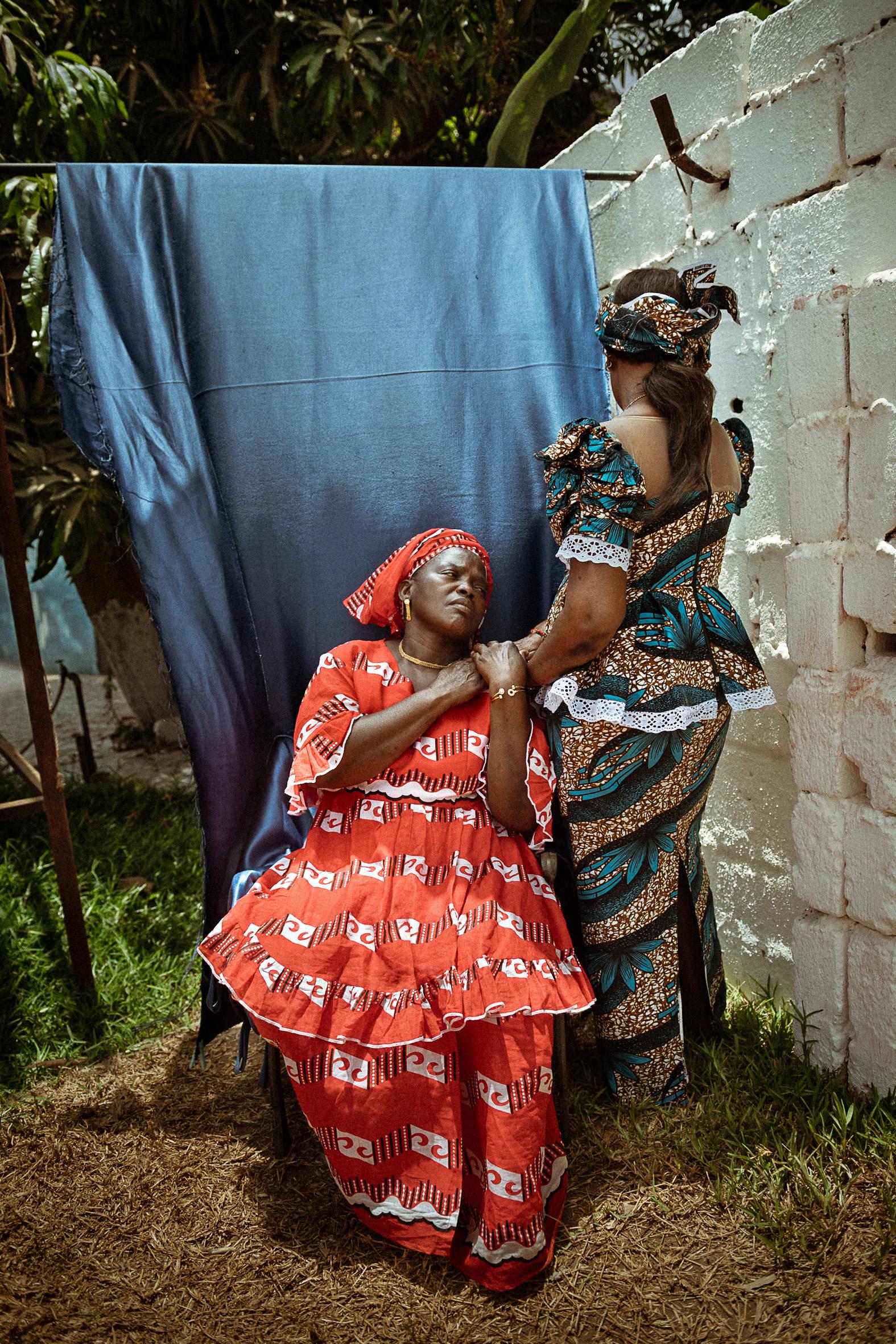
Untitled
‘The Minister of Justice says there will be a trial, but when? We’ve received no help from the state, no apologies, no official papers, nothing. It’s still difficult for me to talk about it today. This is the first place where I found help and someone to listen to me.’
© Lorraine Turci, France, Shortlist, Professional competition, Perspectives, 2025 Sony World Photography Awards