

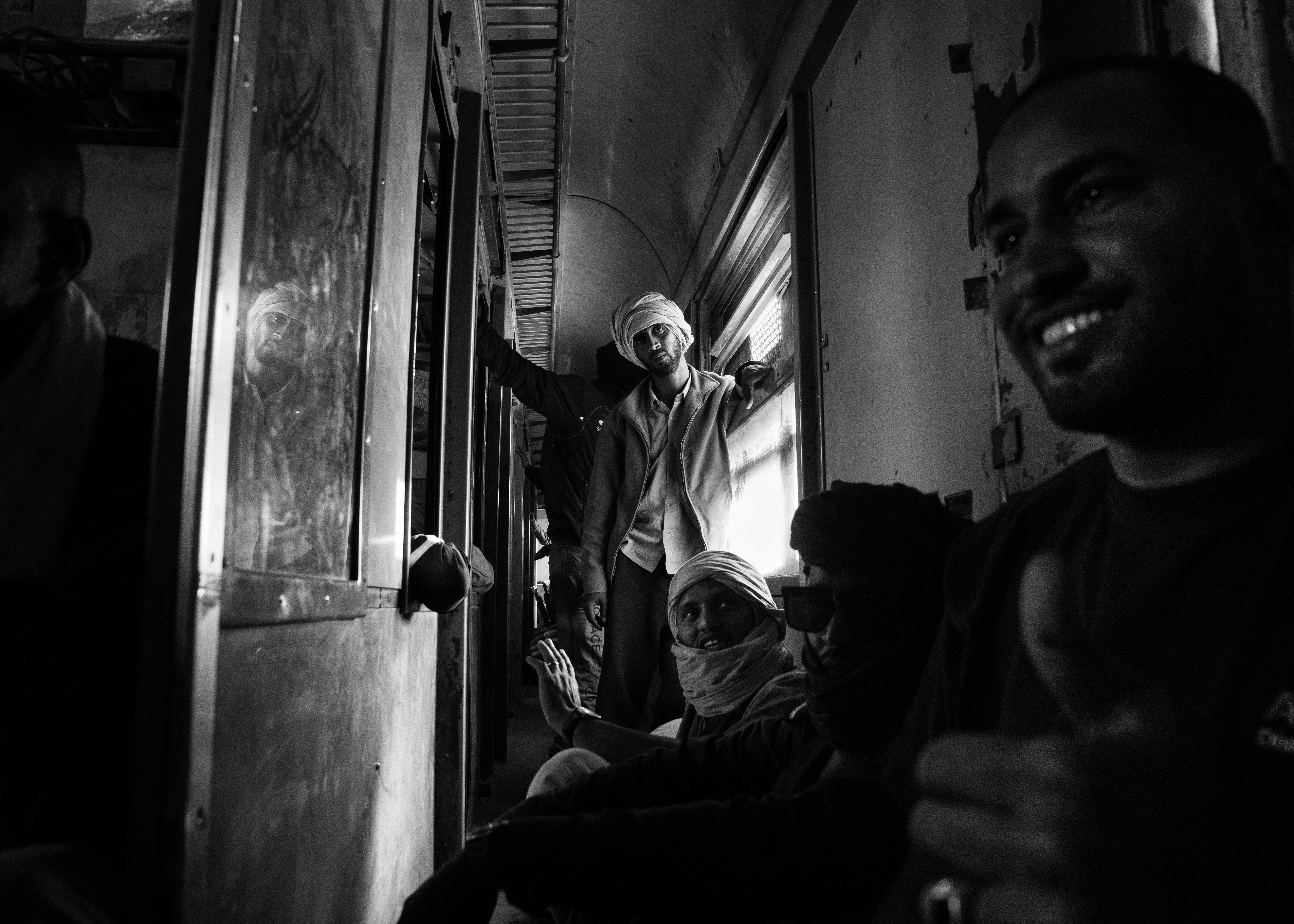
Series description
The longest train across the Sahara dates back to the 1960s, when rich deposits of iron ore were discovered in northern Mauritania. A railway was built to transport raw material from the mine in Zouérat to the port of Nouadhibou. Today, people travelling this route go about 704 kilometres through one of the world’s most inhospitable landscapes. With one passenger car, which is not affordable to all, many travel for twenty hours on mounds of iron ore, across the three kilometres of train carriages.
Biography
I am a documentary photographer studying at the Academy of Art in Szczecin, Poland. I focus on documenting world events and personal stories. My work has been recognized at the XXXVII Eddie Adams Workshop and shortlisted for the Ian Parry Photojournalism Grant. In Poland, I received first place in National Geographic’s 20th Grand Competition and awards at FotoArtFestival and Exhibit Yourself at the CCA. I believe that through my projects, I can help bring local issues to a wider audience.
Untitled
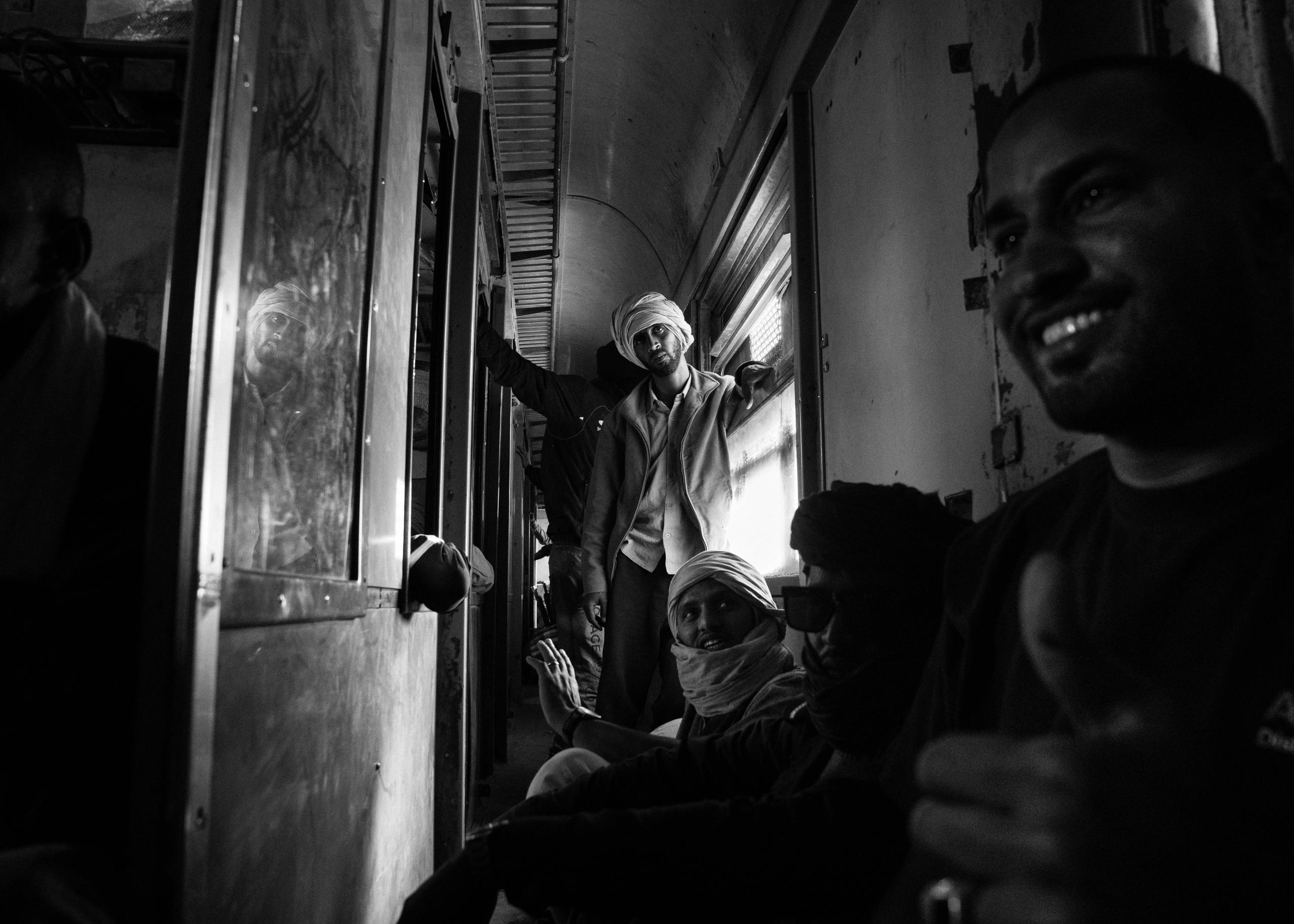
The corridor is packed with people every day. Due to the lack of space, those who were unable to board a passenger car travel in iron ore freight cars.
© Albert Słowiński, Poland, Shortlist, Student Competition, In the Beginning, 2025 Sony World Photography Awards
Untitled
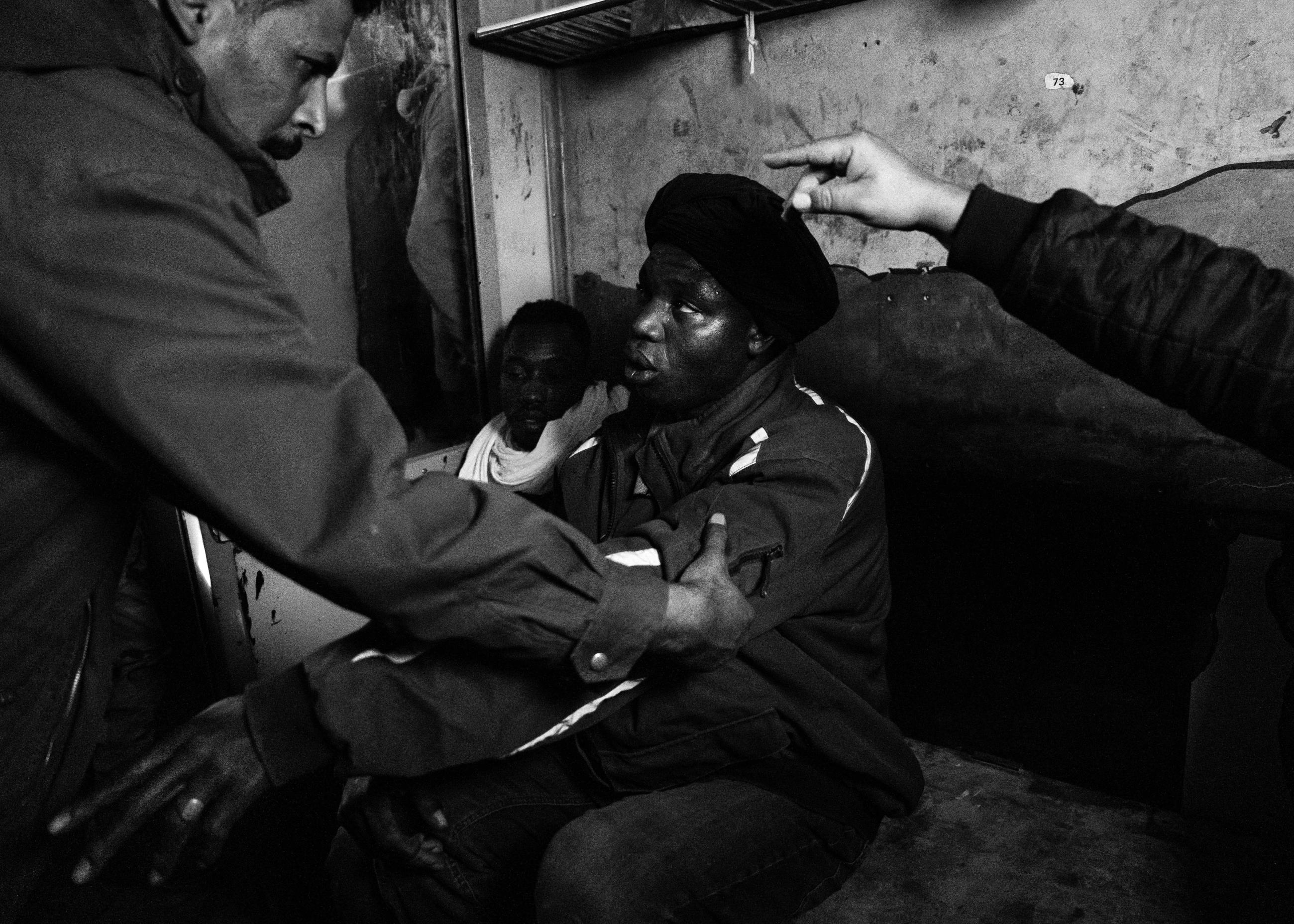
An argument over seat and ticket between a passenger and a soldier.
© Albert Słowiński, Poland, Shortlist, Student Competition, In the Beginning, 2025 Sony World Photography Awards
Untitled
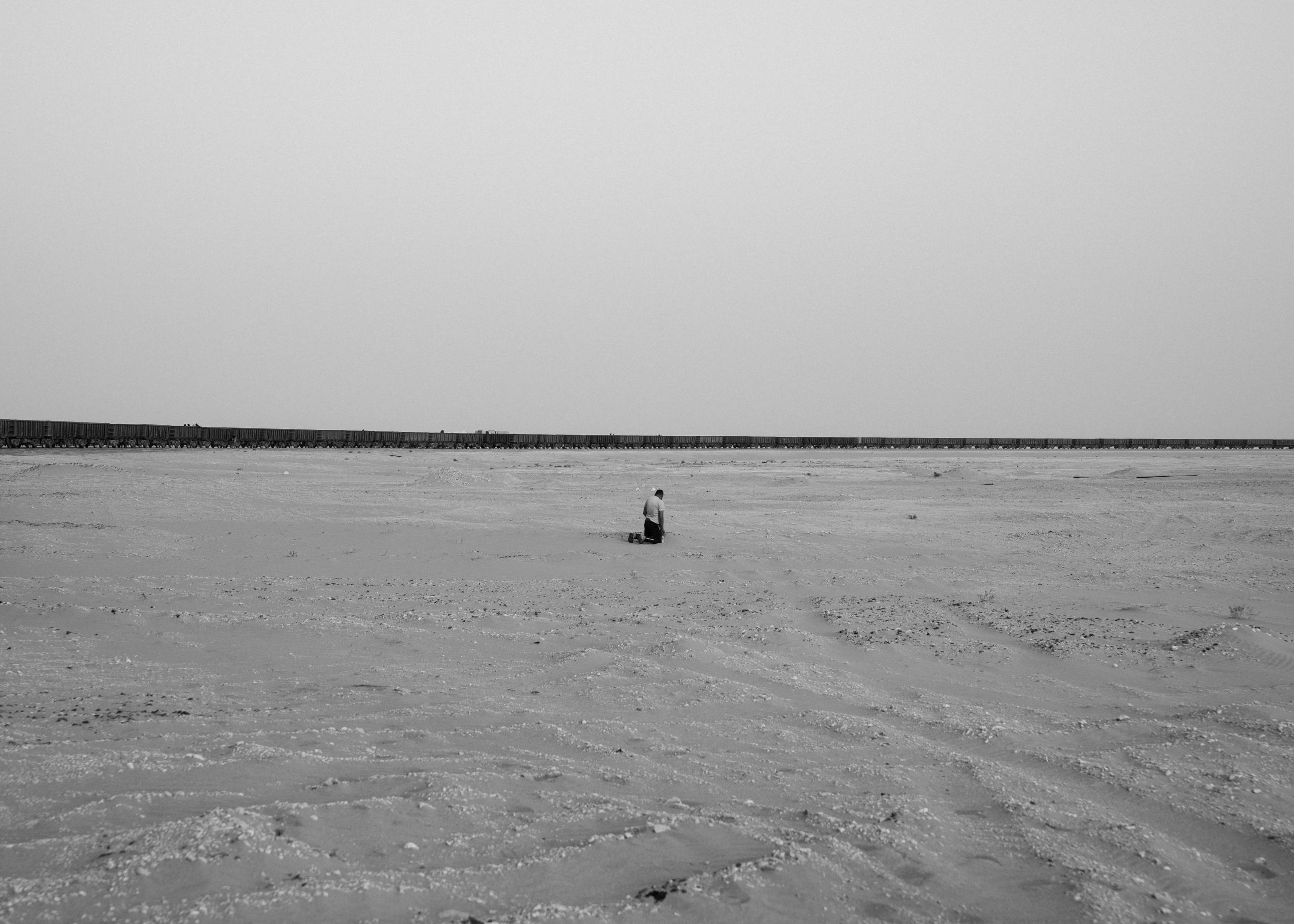
The first break on the route. A boy prays, and in the distance the rest of the train can be seen.
© Albert Słowiński, Poland, Shortlist, Student Competition, In the Beginning, 2025 Sony World Photography Awards
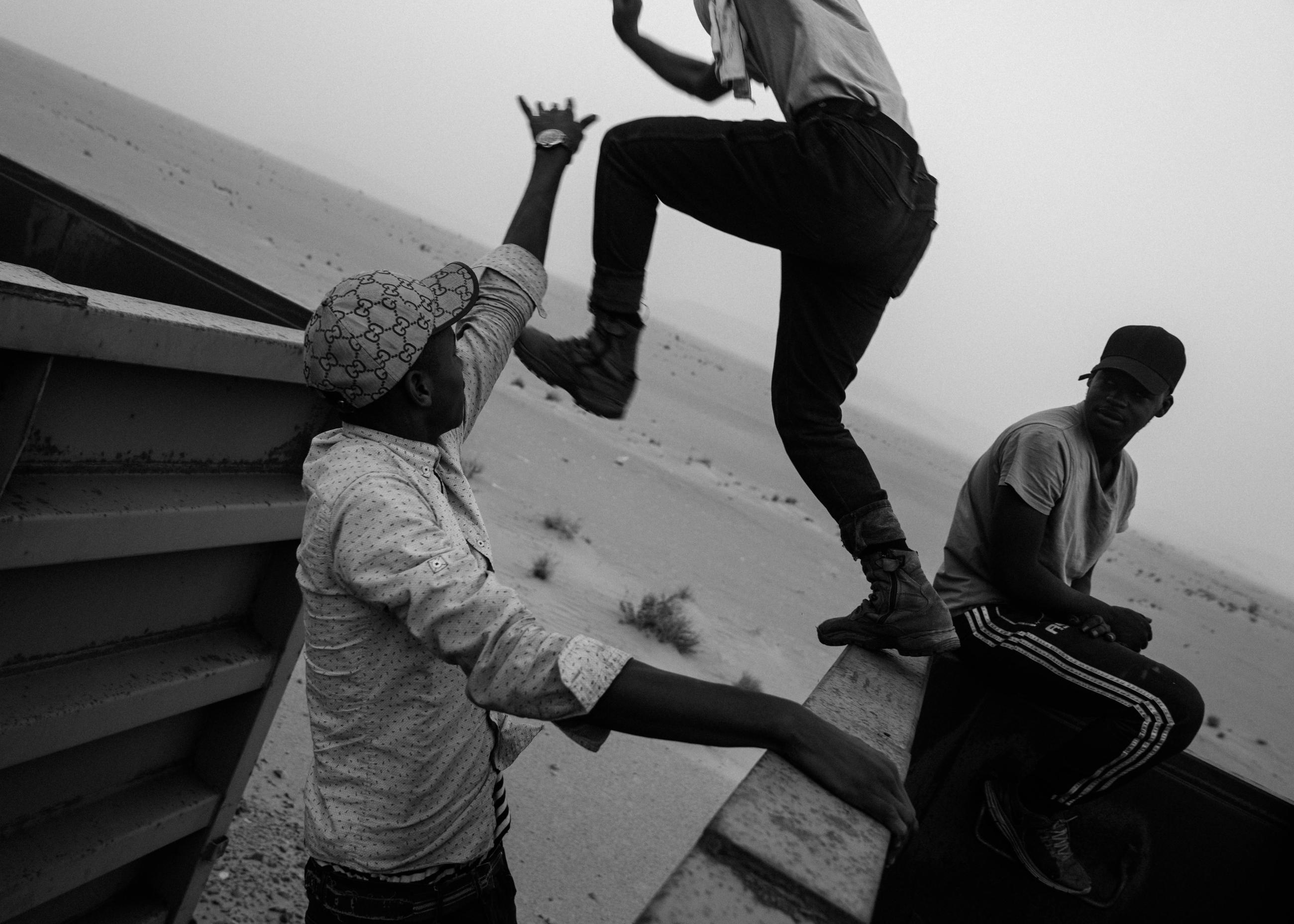
Untitled
A young boy, while travelling, jumps between the cars of the train.
© Albert Słowiński, Poland, Shortlist, Student Competition, In the Beginning, 2025 Sony World Photography Awards
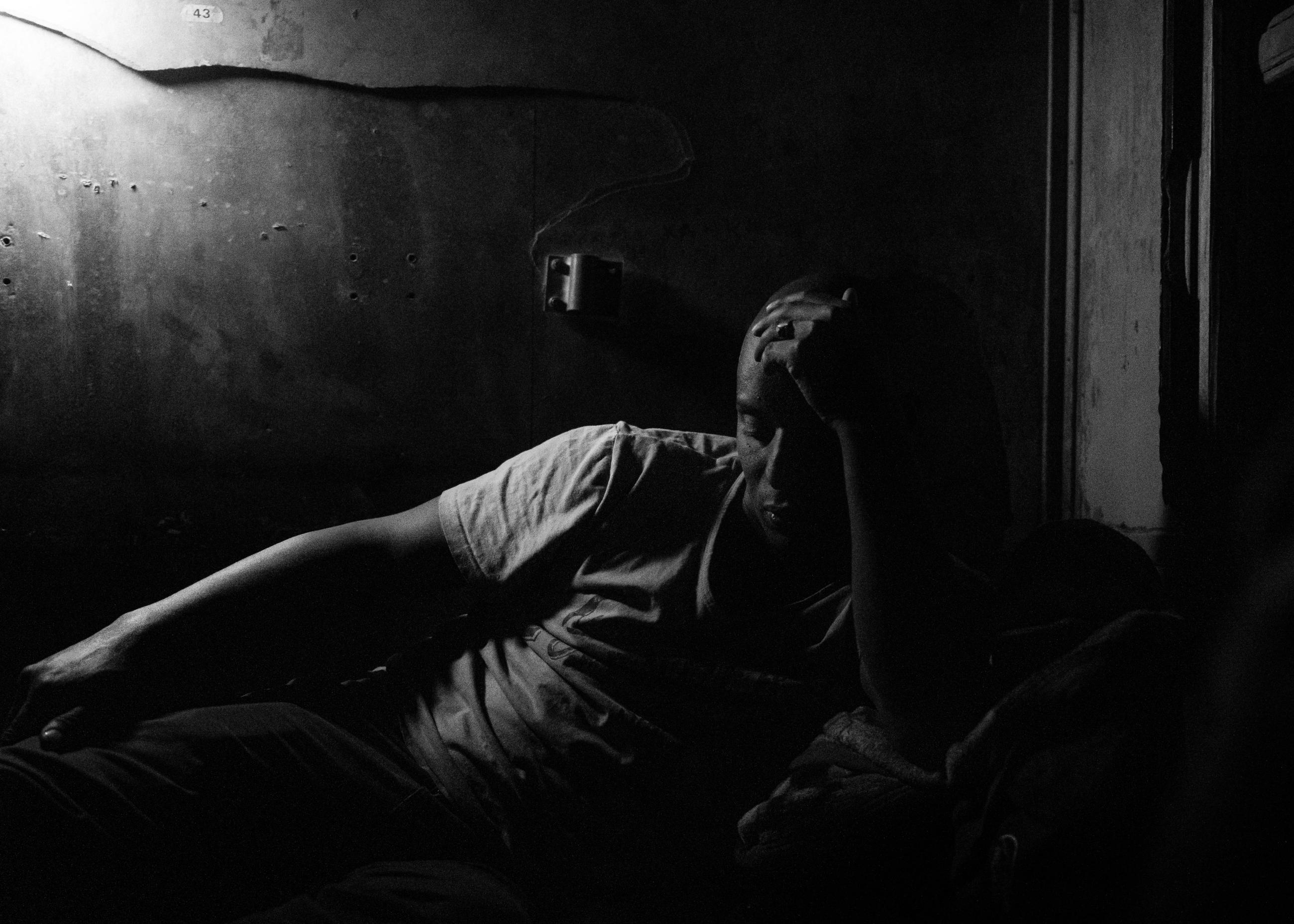
Untitled
Ahmed tries to fall asleep, but the swaying of the train does not help him.
© Albert Słowiński, Poland, Shortlist, Student Competition, In the Beginning, 2025 Sony World Photography Awards
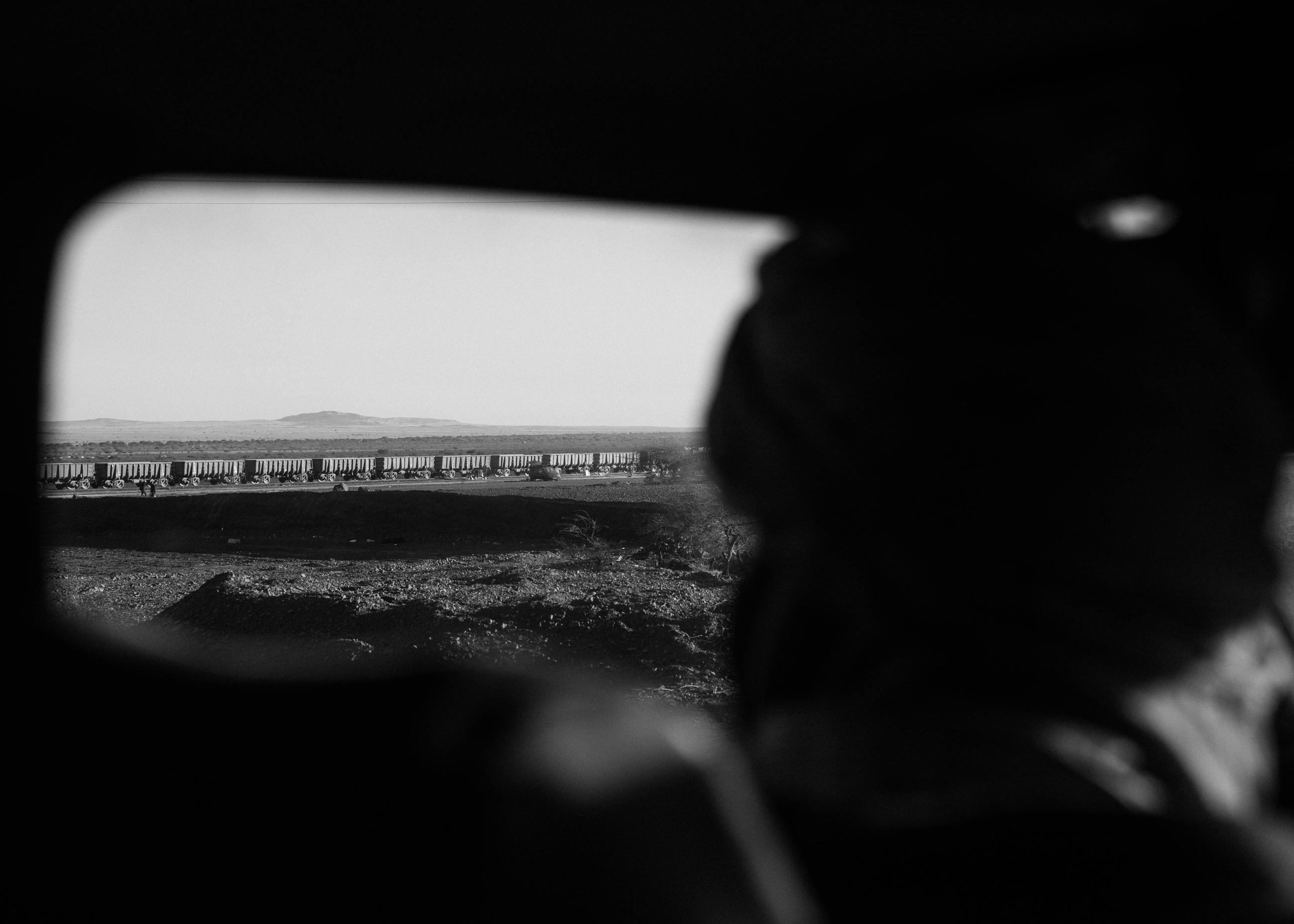
Untitled
The journey to the mine in Zouérat. From a distance, people coming down from the iron wagons can be seen.
© Albert Słowiński, Poland, Shortlist, Student Competition, In the Beginning, 2025 Sony World Photography Awards
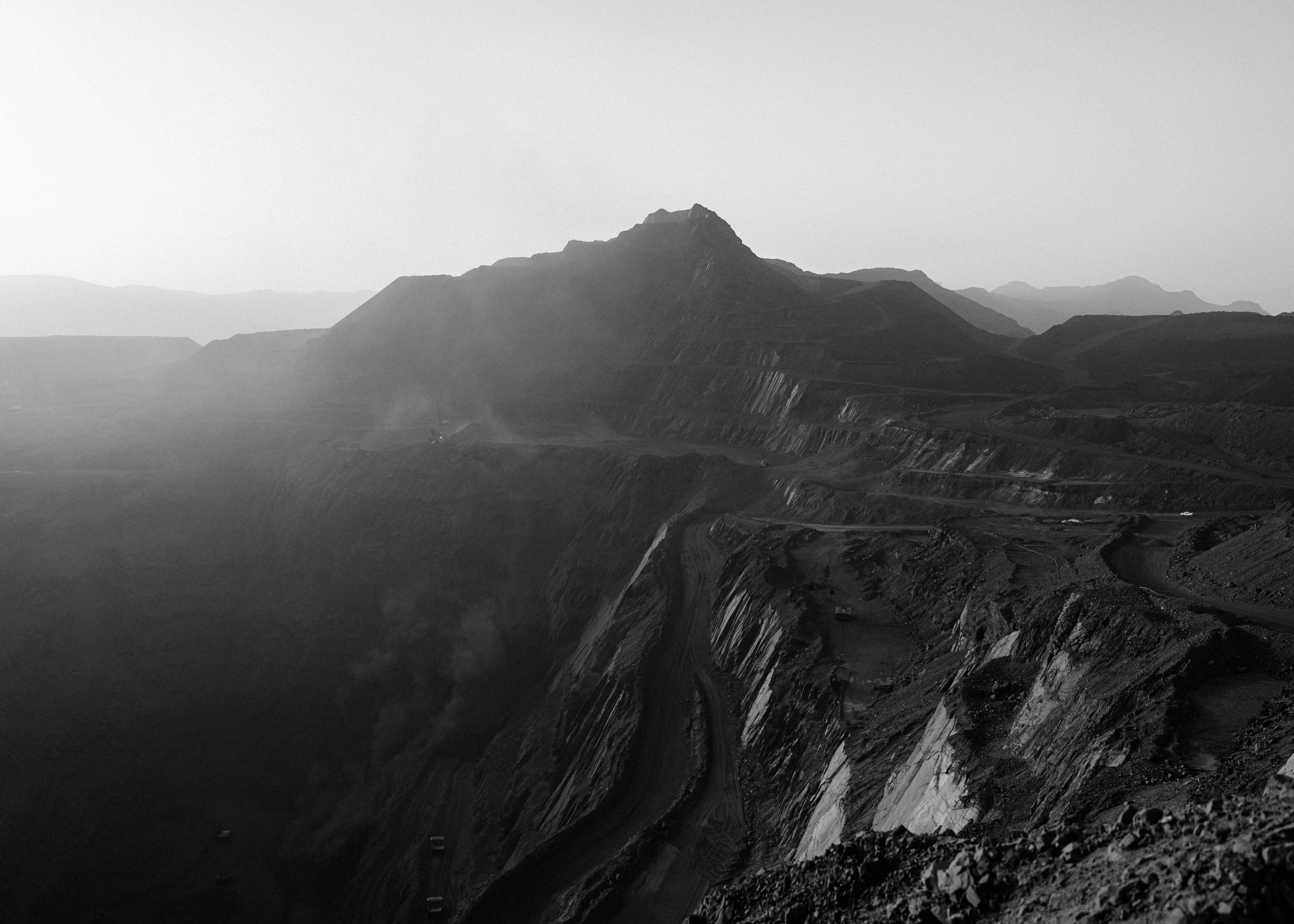
Untitled
The center of the mine in Zouérat, where iron deposits are extracted.
© Albert Słowiński, Poland, Shortlist, Student Competition, In the Beginning, 2025 Sony World Photography Awards