

Series description
Across Japan, traditional religious rites preserve figures who appear with hidden faces, manifesting as beings that are no longer human. Concealing their name and face, these figures signify solely the roles they fulfil. Since ancient times, Japan has held the belief that divine spirits dwell in all things. This profound reverence for nature has been carried and expressed through matsuri — rituals carried out by the human body. In this series, the photographer explores what the matsuri represent; he notes that ‘once a ritual’s movements and customs are lost, it can never return in the same form.’ Today, many rituals face extinction due to a shrinking population, a lack of participants and the pressures of modern life. In a society with more reasons to stop than to continue, the mask now functions as a means of protecting that which is at risk of disappearing.
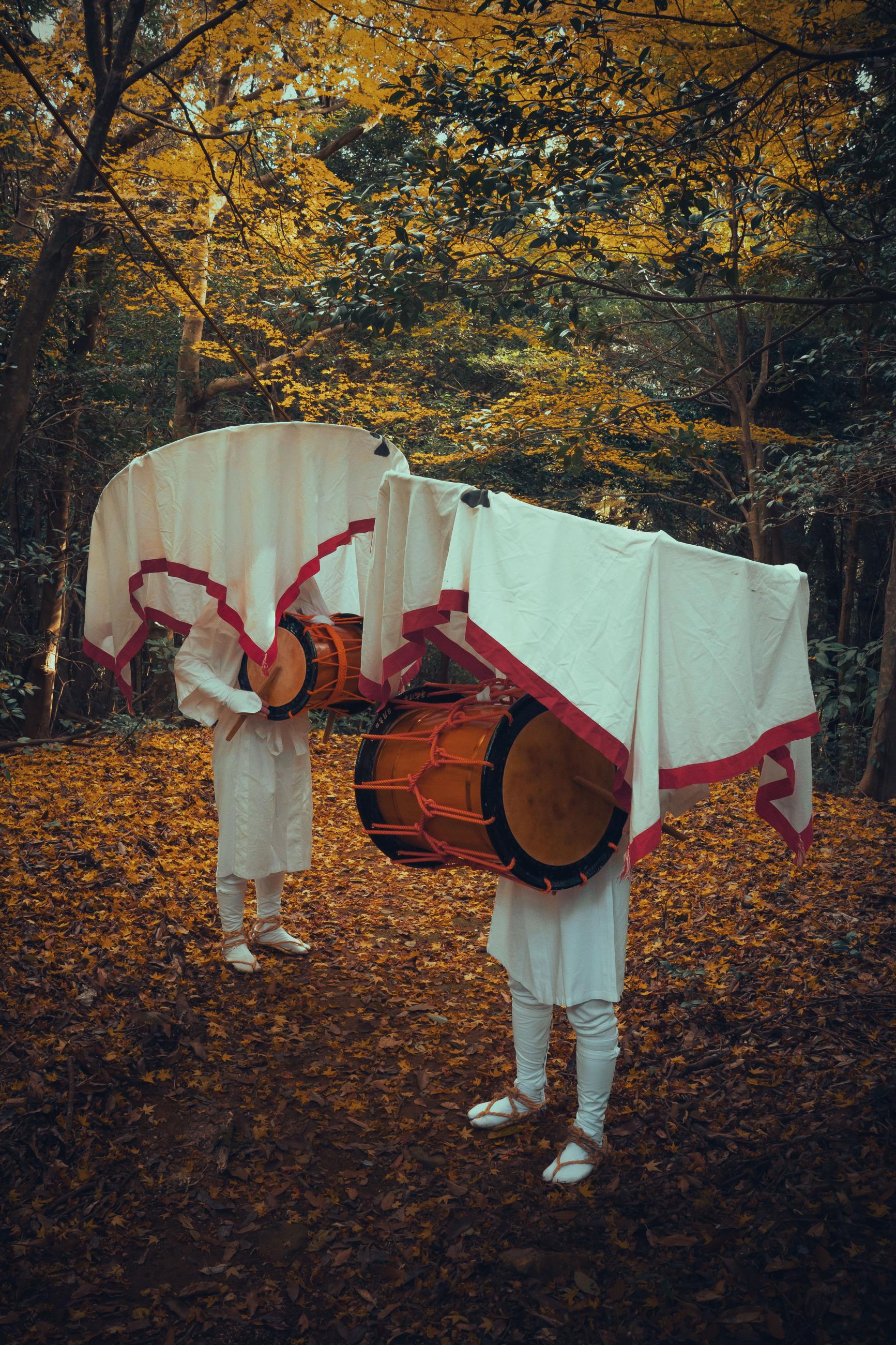
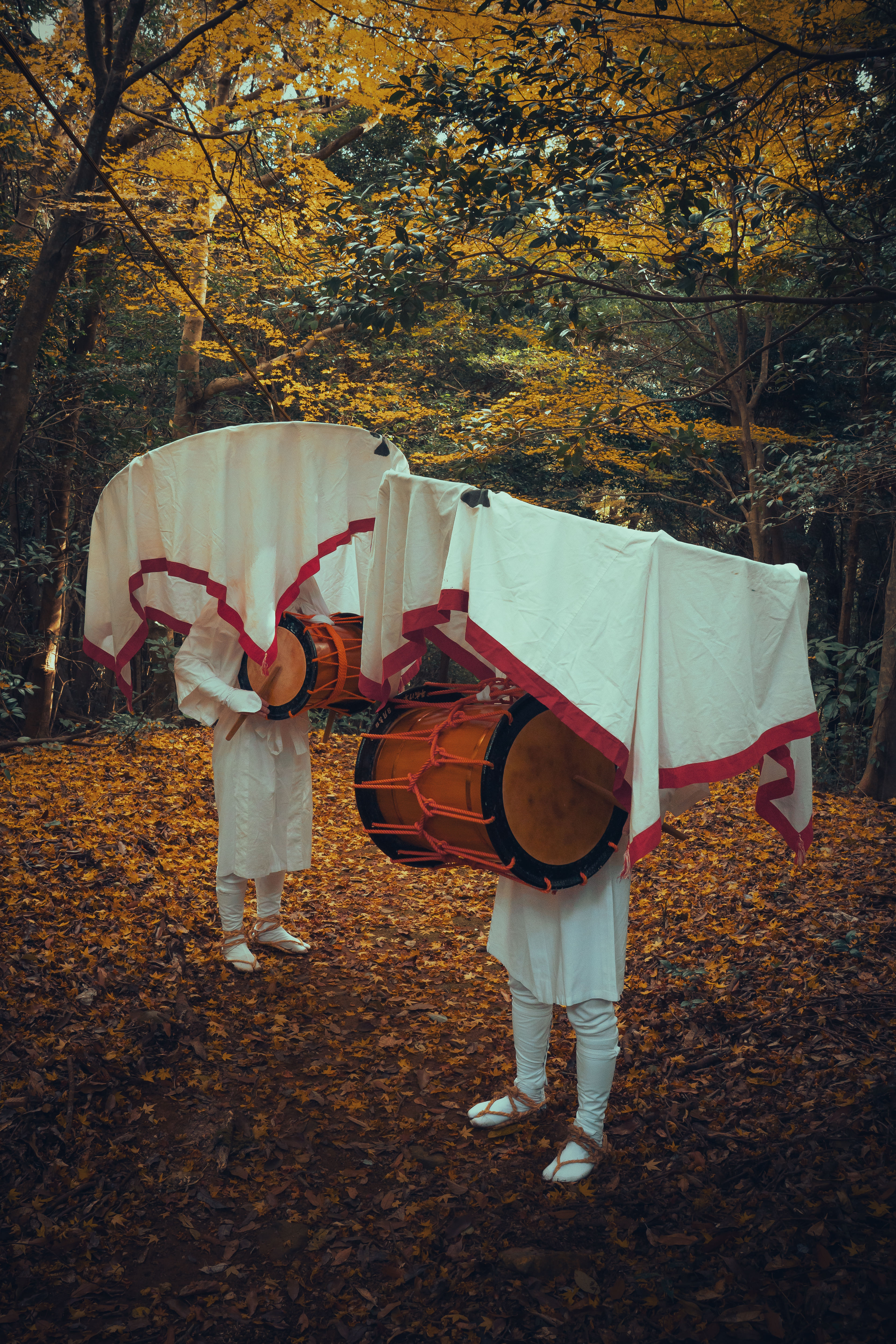
Wakino No Dai Nenbutsu
This rain ritual has continued for more than 900 years. Dressed in white robes and wearing circular horogasa hats measuring more than one metre in diameter, the drum players (tsutsumi-yaku) and gong players (kane-yaku) alternately form circles, slowly dancing as they surround several flute players and village elders at the centre.
© Hajime Hirano, Japan National Award, Shortlist, 2026 Sony World Photography Awards
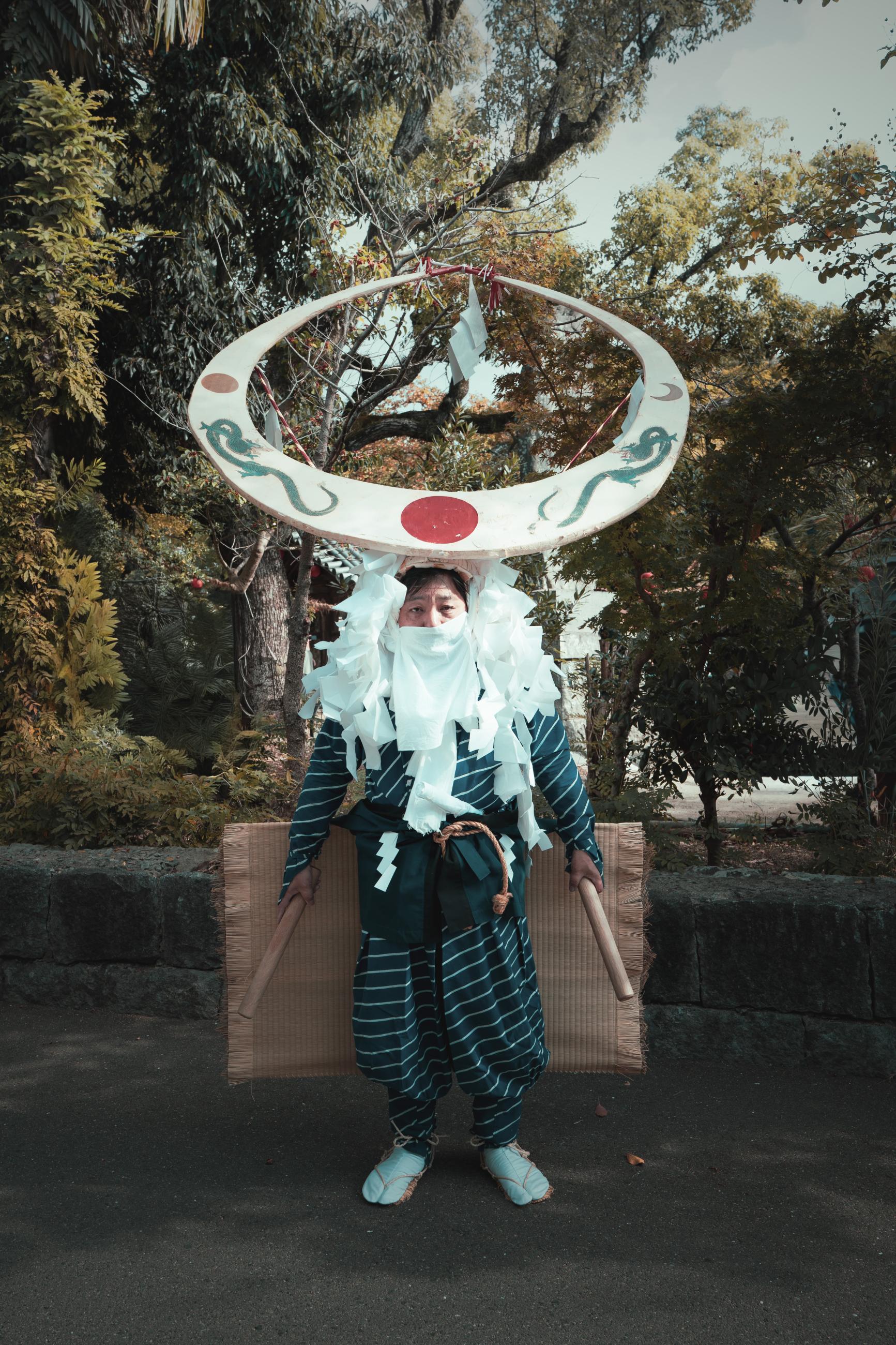
Furyu Genba Ichiryu
Tentuku-mai is a dance in which performers wear a paper-covered headpiece painted with images of the sun, the moon and cloud dragons. With straw mats hanging from their waists, they strike large taiko drums and dance to pray for abundant harvests, good health and peace. The Tentuku headpiece weighs approximately seven kilograms; every time it is repaired, additional layers of washi paper are added, gradually adding to the weight.
© Hajime Hirano, Japan National Award, Shortlist, 2026 Sony World Photography Awards
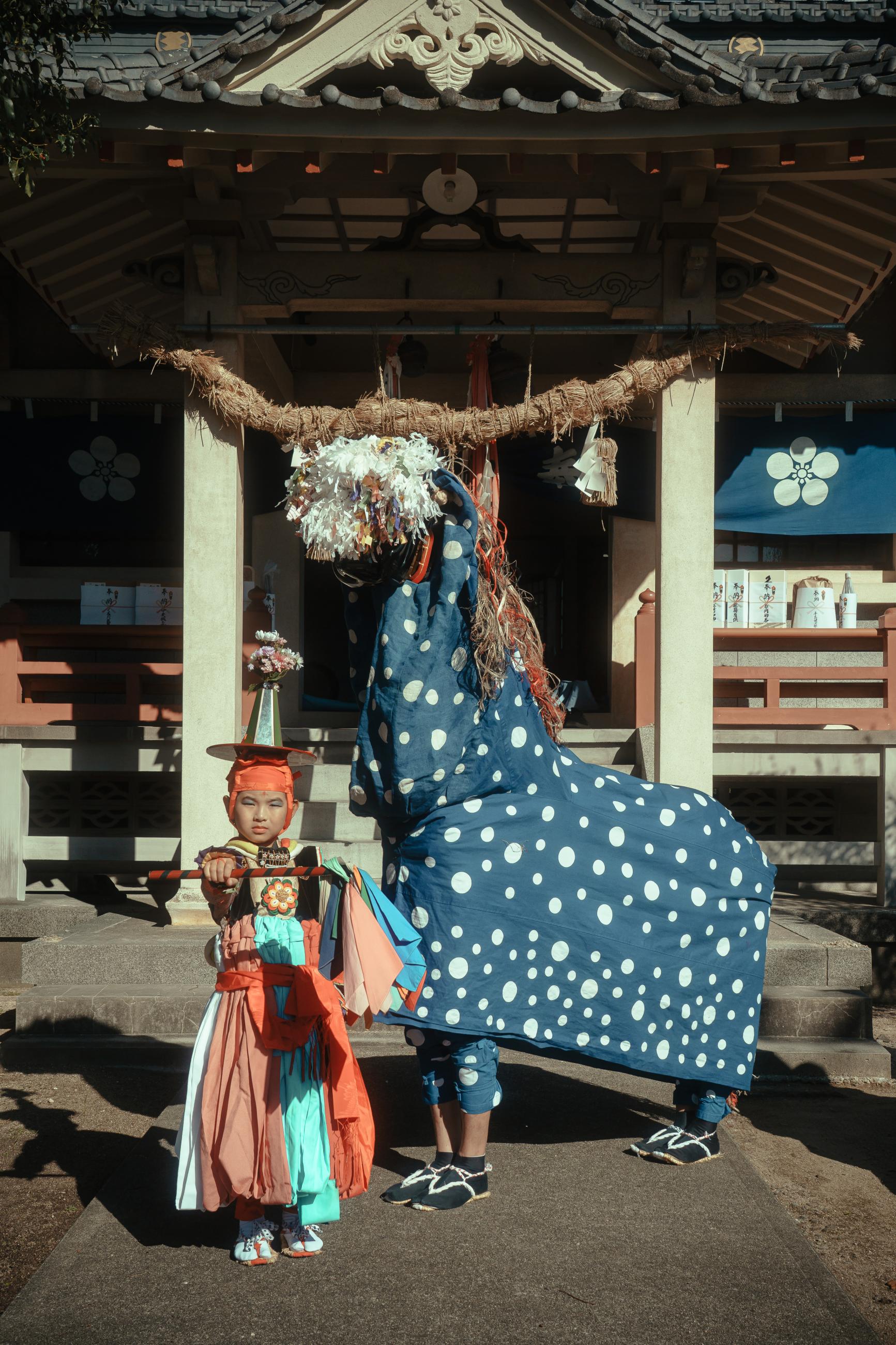
Fujiki No Shishimai
The costumes of Fujiki no Shishimai (Fujiki Lion Dance) were originally brought from the Korean kingdom of Baekje but later adopted in Japan and passed down through generations. It is a rare ritual in that it incorporates influences from foreign culture. The dance is performed by pairs: the male lion wears brown and the female lion wears navy blue.
© Hajime Hirano, Japan National Award, Shortlist, 2026 Sony World Photography Awards
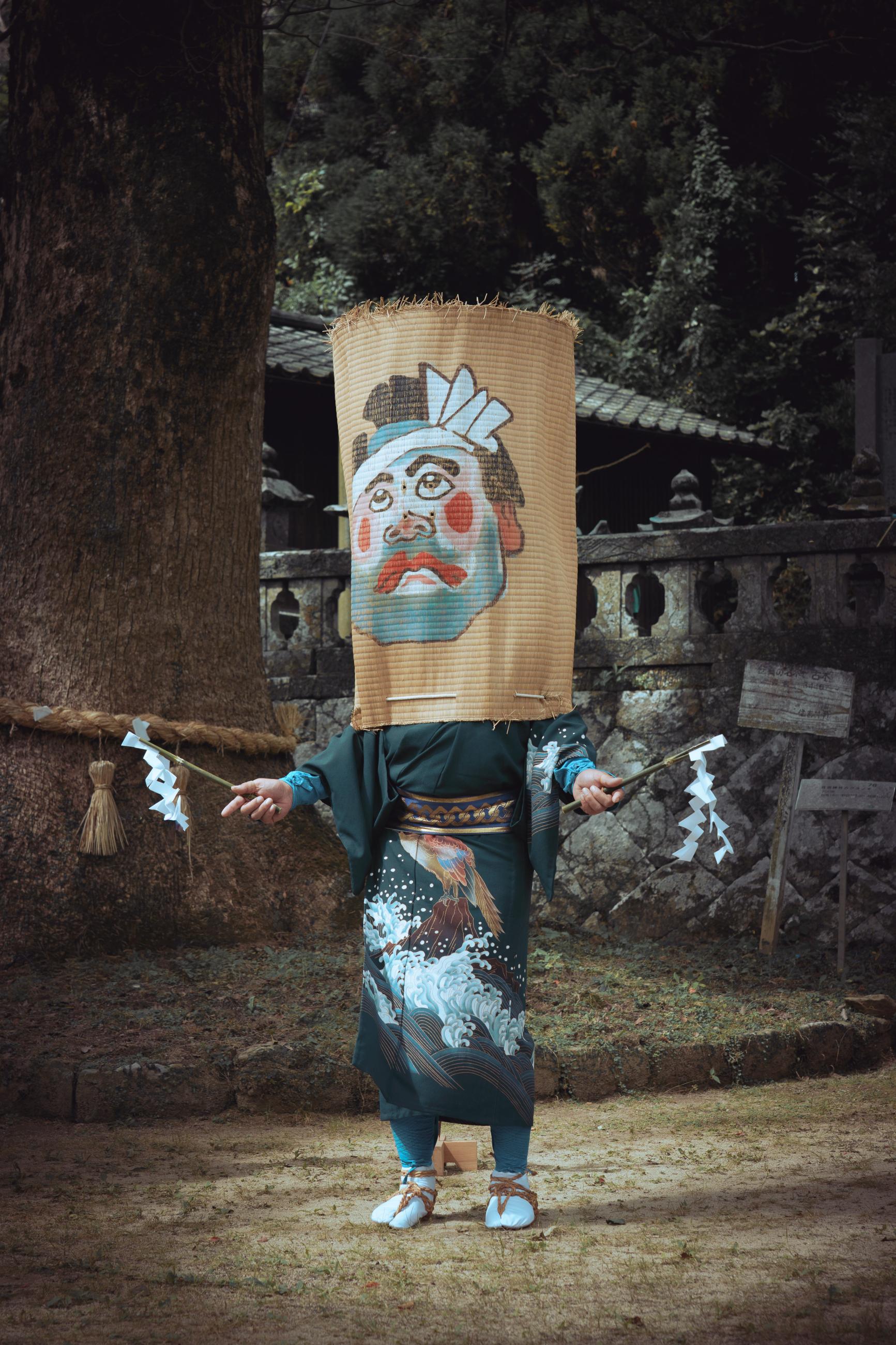
No-sa Kunchi
About 700 years ago, an old woman found a strange wooden board floating in the sea and picked it up. When it became too heavy to carry on her way home, she left it on a rock. After that, ships passing nearby began to sink, and disasters struck the area. It is said that this ritual began when people offered a dance to appease the god’s anger.
© Hajime Hirano, Japan National Award, Shortlist, 2026 Sony World Photography Awards
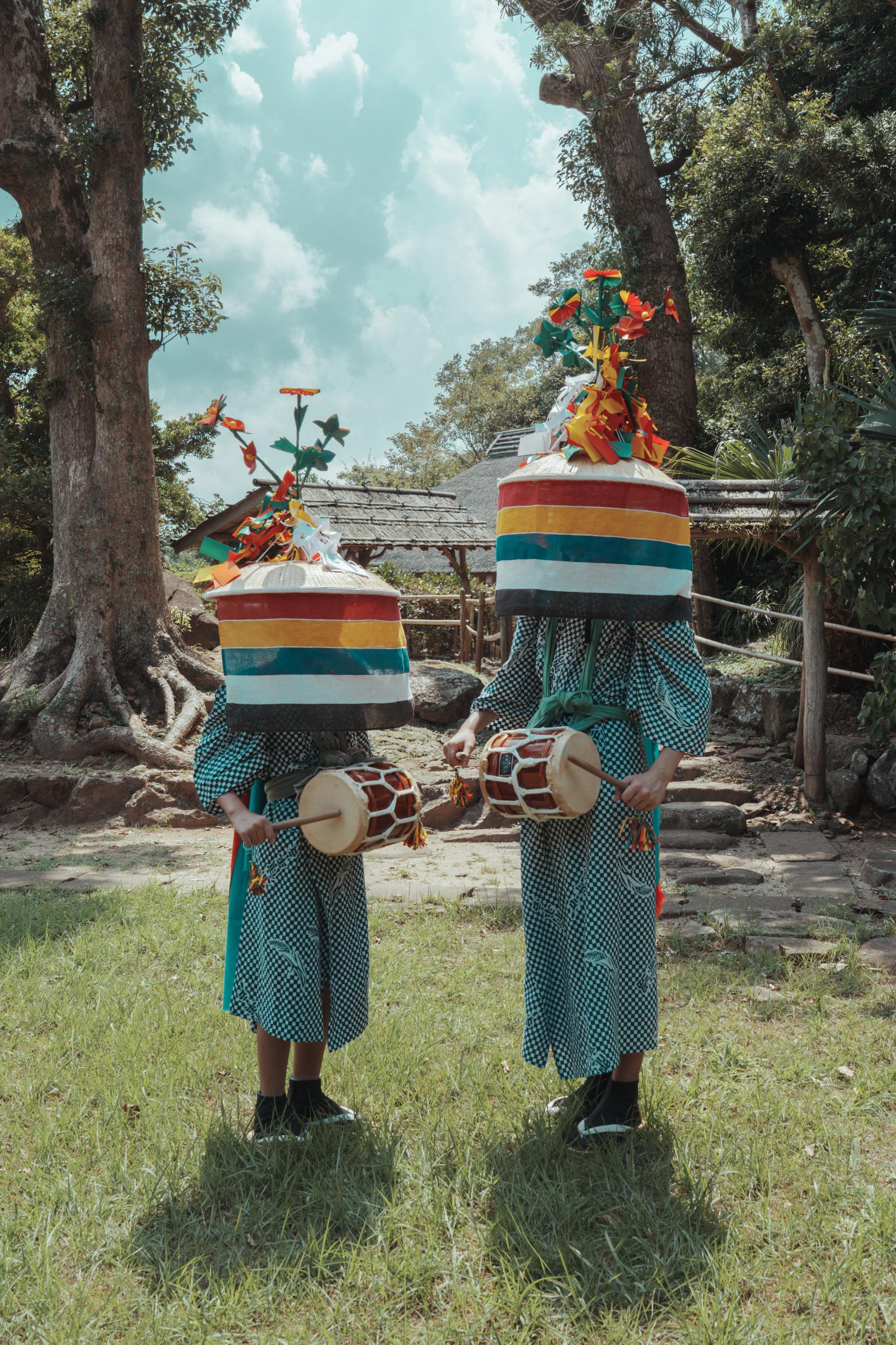
Jangara
At sunrise, dozens of boys form a procession and go from house to house — the homes where offerings are to be made — chanting words that pray for a bountiful harvest: ’Hōminago, Hōmide’ (May the ears grow long, may the grain bear fruit). They do not exchange many words but they continue to dance until the sun sets.
© Hajime Hirano, Japan National Award, Shortlist, 2026 Sony World Photography Awards
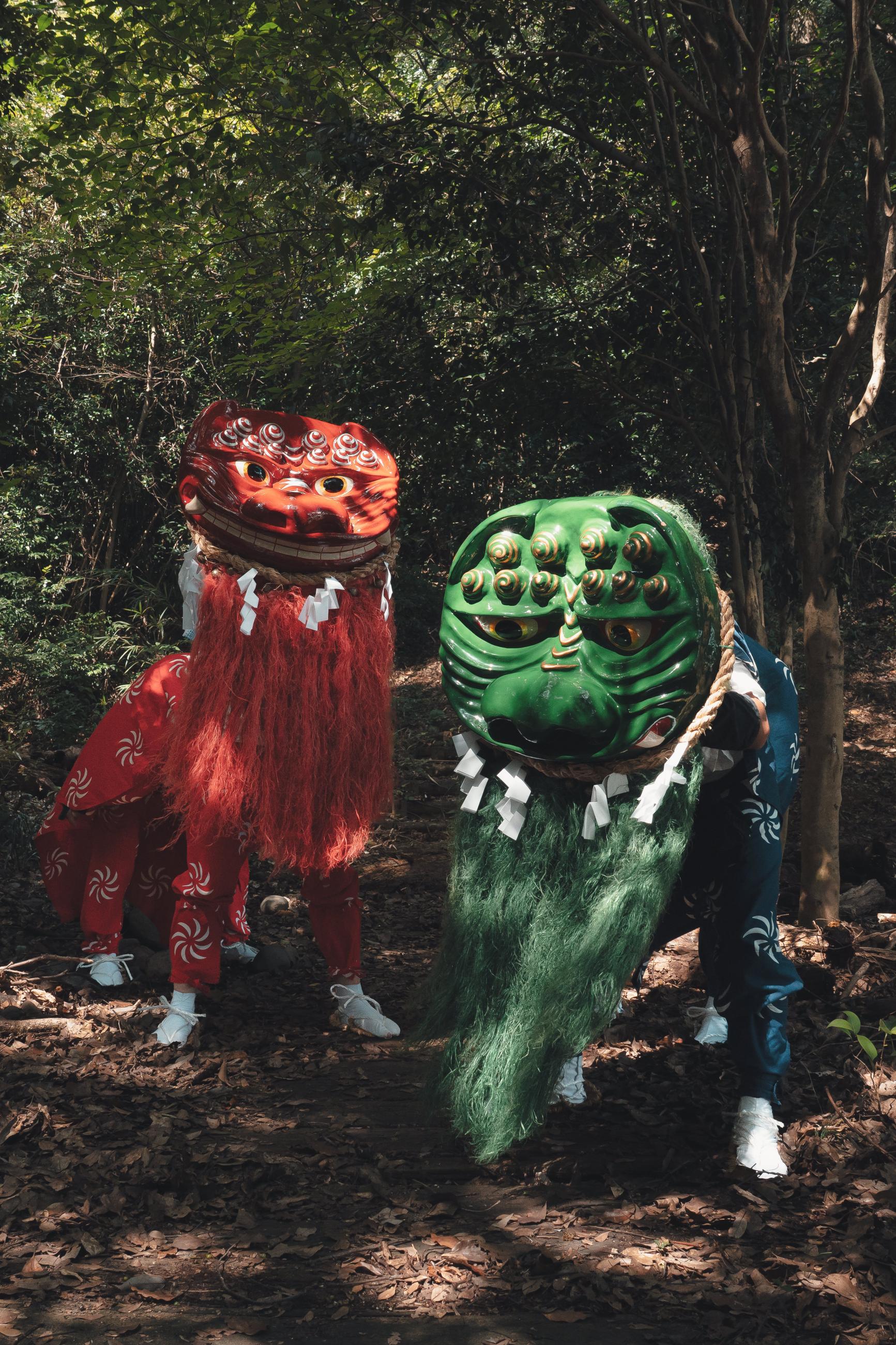
Nagahama Shishimai
Shishimai is a legendary creature modelled after a lion, although it has a thin, round face, which is extremely rare, even in Japan. The dancers wear lion heads and perform to the accompaniment of flutes and drums. Also known as the ‘wild lion,’ it travels throughout the community, letting out fearsome cries of ‘ababababababai.’
© Hajime Hirano, Japan National Award, Shortlist, 2026 Sony World Photography Awards
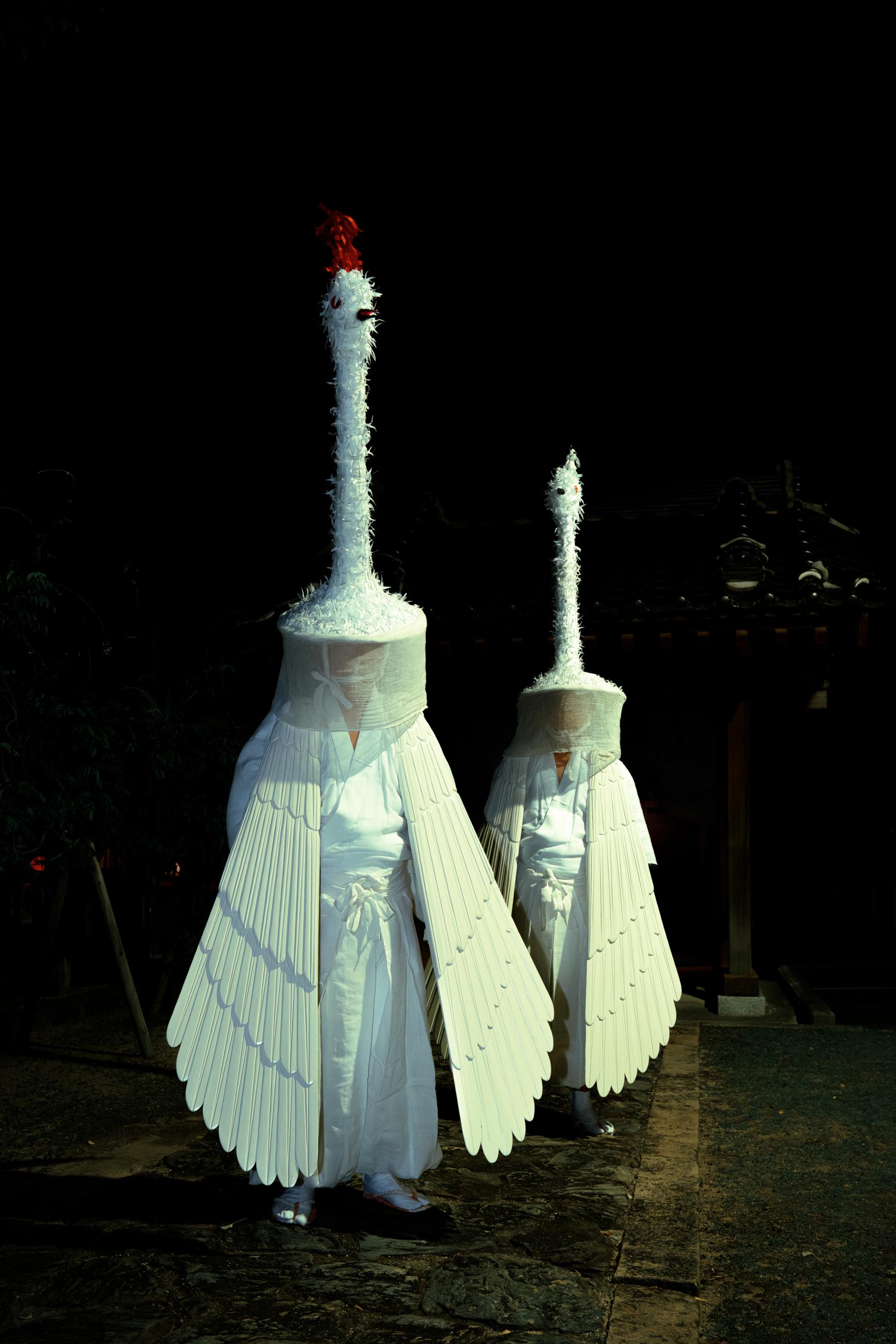
Sagimai
In Japan, herons have appeared in myths and legends as messengers of the gods and symbols of good fortune. In this Shinto ritual, which has been passed down for more than 640 years, two herons emerge from the darkness to perform a dance on summer nights in July.
© Hajime Hirano, Japan National Award, Shortlist, 2026 Sony World Photography Awards