

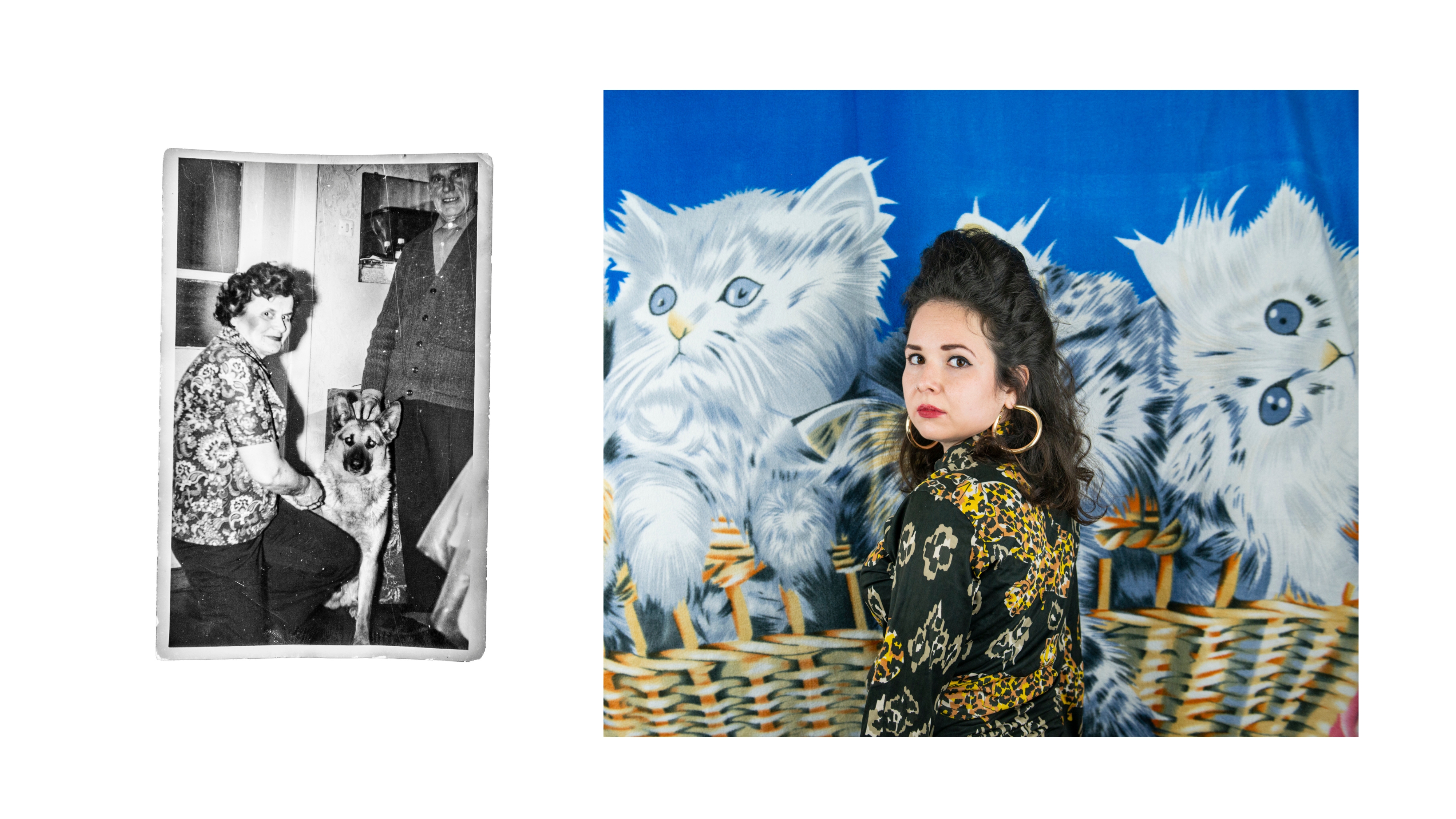
Series description
Becoming Herstory explores memory, family and migration. The photographer moved from Poland to the UK as a child, carrying a rupture between belonging and distance. Using self-portraits alongside archival images of female relatives, she engages with inherited garments and objects to trace intergenerational memory. The body becomes a site to negotiate absence, identity, and continuity, revealing how personal and collective histories are carried, performed, and transformed across generations. Using diptychs and triptychs, self-portraits are placed in dialogue with archival photographs of women from the photographer’s family.
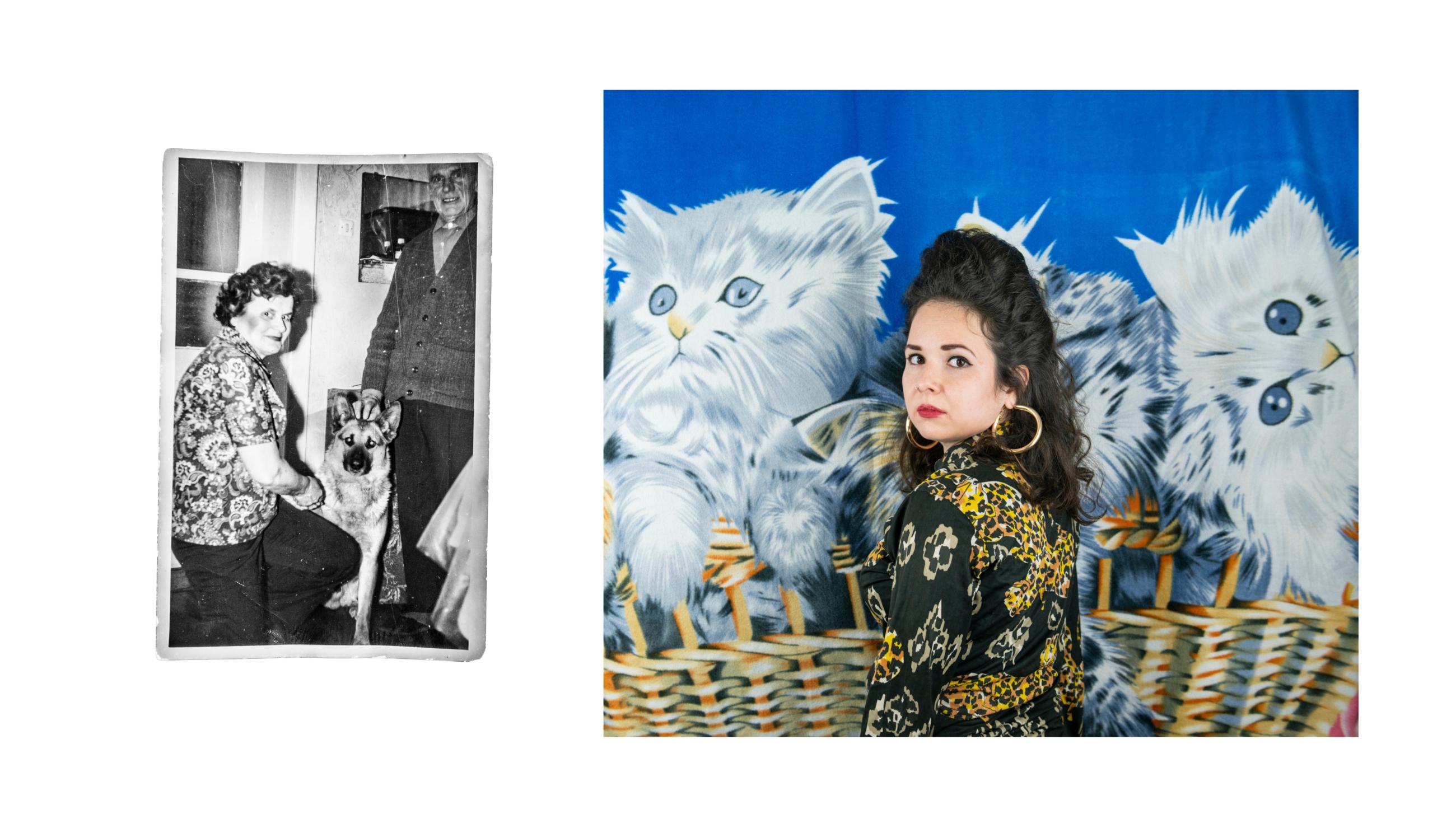
Nylon Revolution
The photographer wears her grandmother’s nylon blouse — a 1970s symbol of Western modernity. The cat-patterned blanket recalls her childhood. Beside it, an archival photograph of the photographer’s great-grandmother in Bzów, Poland, 1978, shows her in a similar blouse, impeccably dressed despite working the mines and fields.
© Zula Rabikowska, United Kingdom, Shortlist, Professional Competition, Creative, 2026 Sony World Photography Awards
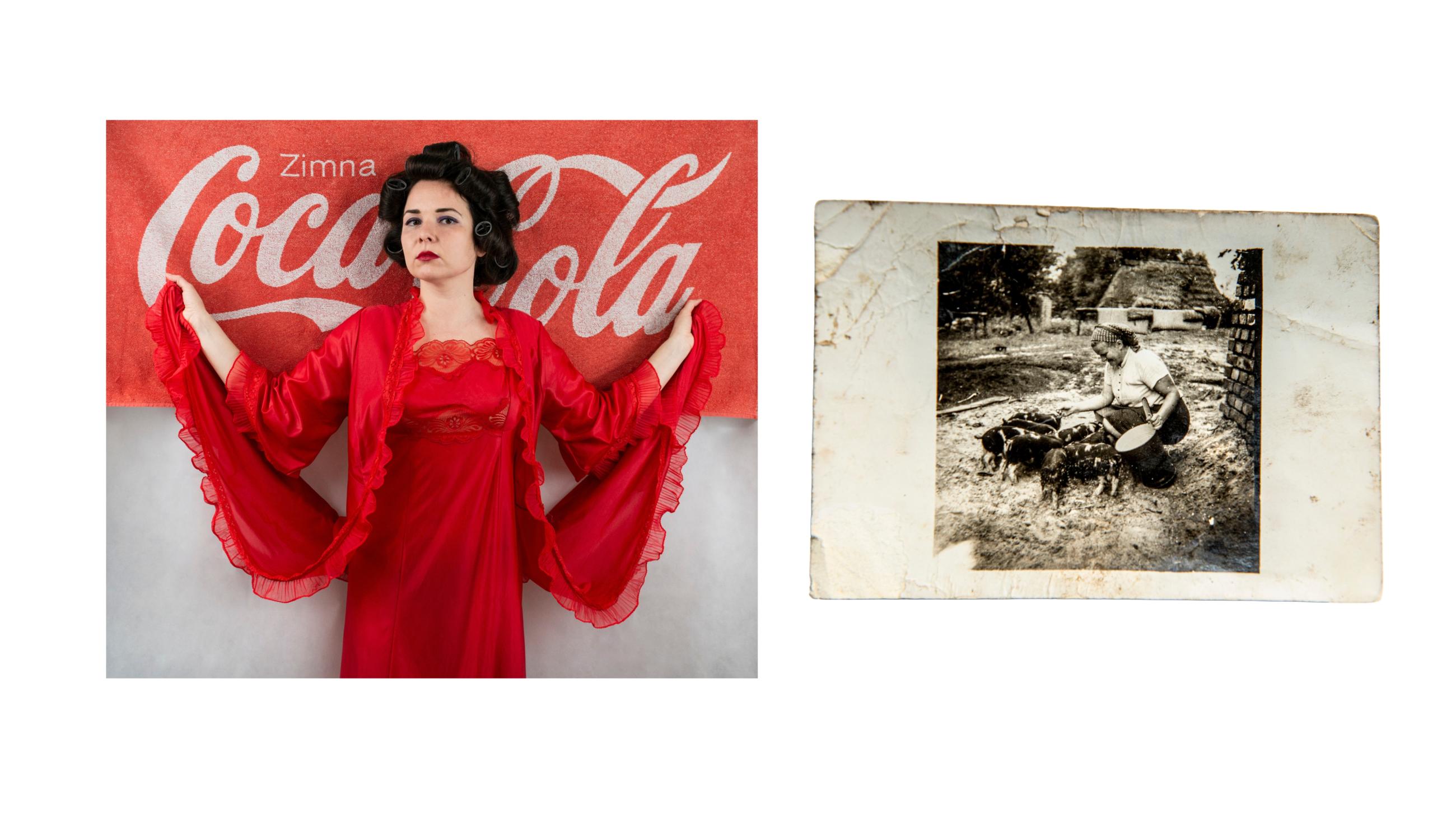
Show the Neighbours We Are Western
The photographer wears her grandmother’s red nightgown and a Coca-Cola towel — symbols of 1990s Western modernity. Beside it, a 1969 archival photograph shows her grandmother tending pigs, at a time when Poland was under a communist regime, reflecting the tension between daily survival and a quiet aspiration for progress, style, and a Western ideal that prevails in many post-communist countries to this day.
© Zula Rabikowska, United Kingdom, Shortlist, Professional Competition, Creative, 2026 Sony World Photography Awards
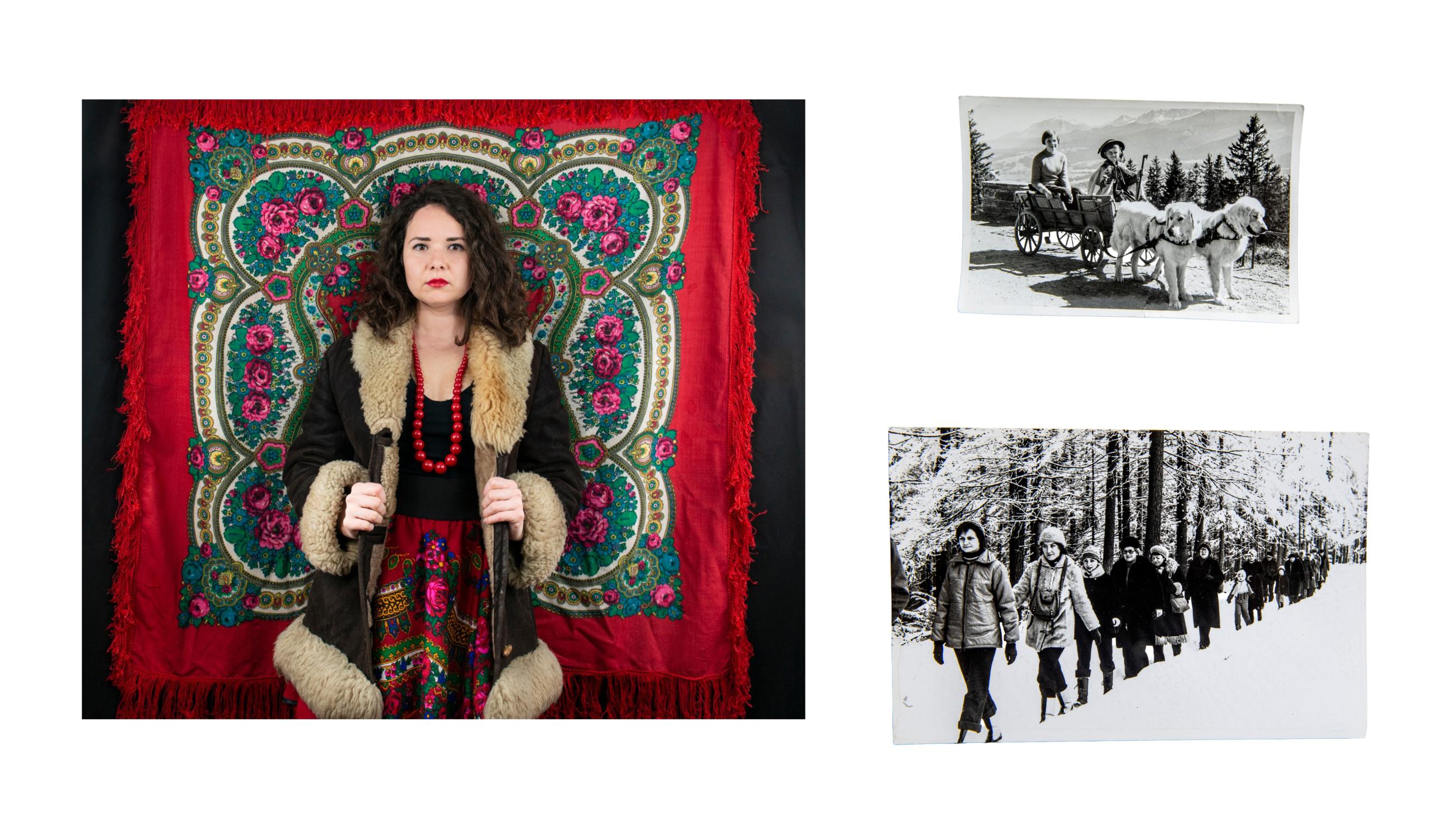
Everyone Kept Some Animals, Either for Eating or for Making Clothes
The photographer wears her aunt’s sheepskin coat against a folkloric scarf, echoing rural Poland’s harsh winters and scarcity. Beside it, archival photographs show her great-aunt hiking in winter and a Kulig sleigh ride in summer, reflecting endurance, adaptability, and the humour embedded in everyday traditions.
© Zula Rabikowska, United Kingdom, Shortlist, Professional Competition, Creative, 2026 Sony World Photography Awards
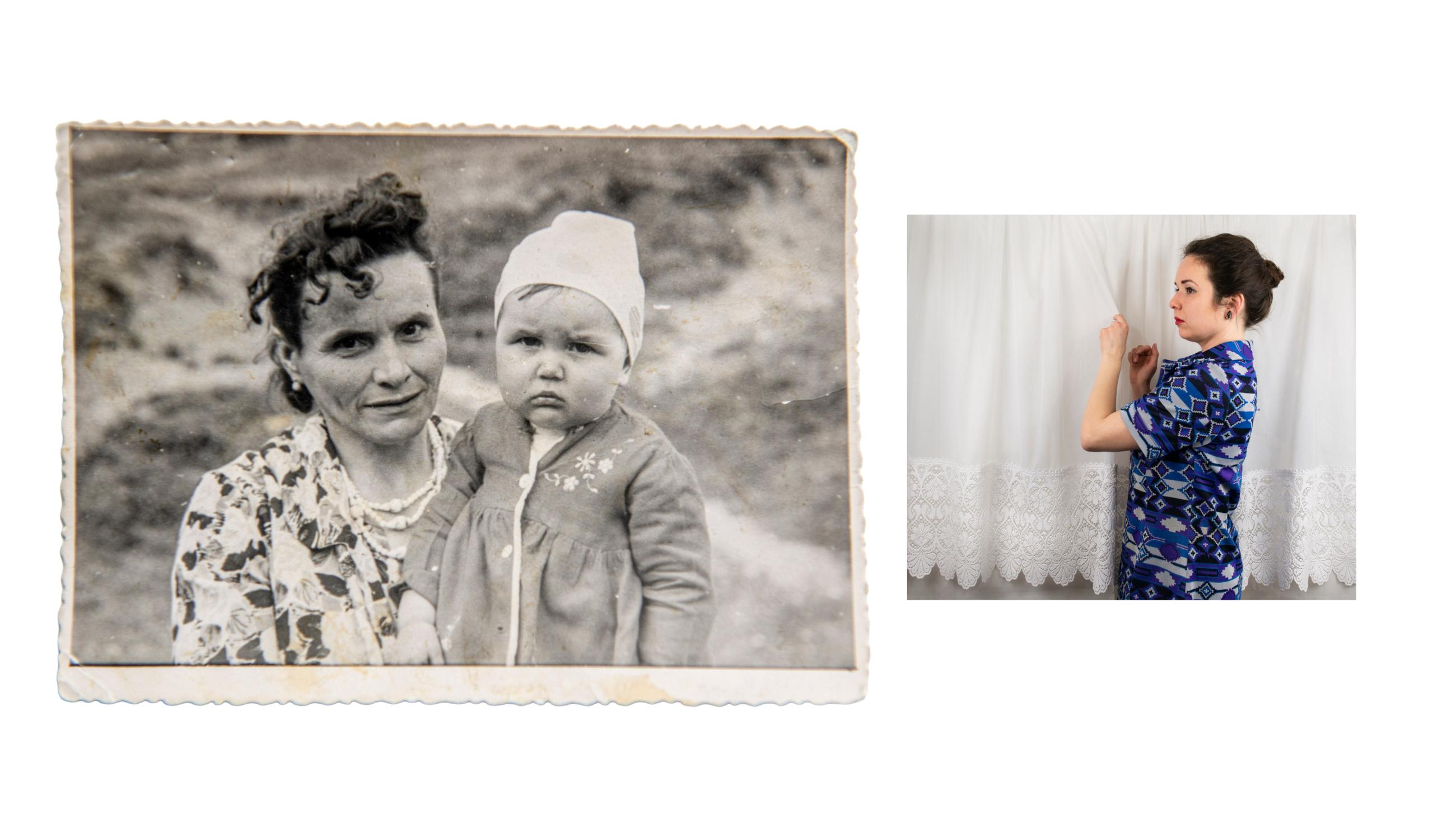
Make Sure You Close the Curtains
The photographer holds back a net curtain, a fragile barrier evoking surveillance, fear, and the Iron Curtain. Wearing her great-grandmother’s dress, she is caught between caution and curiosity. Beside the self-portrait, a 1947 archival photograph shows the photographer’s great-grandmother with her daughter, tracing memory and endurance, and hinting at the ongoing divide between Eastern and Western Europe.
© Zula Rabikowska, United Kingdom, Shortlist, Professional Competition, Creative, 2026 Sony World Photography Awards
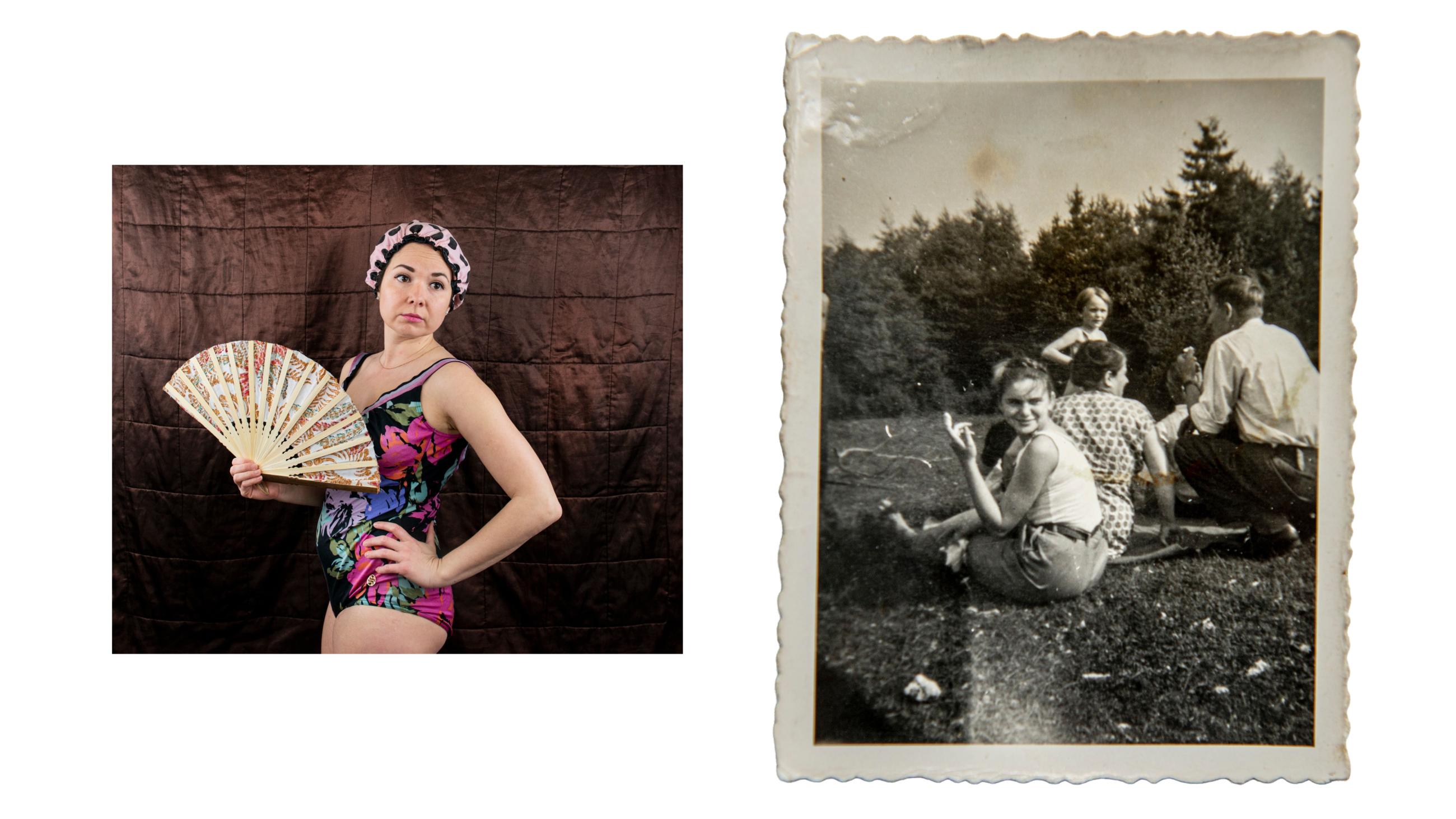
Save It for the Sanatorium
The photographer wears her grandmother’s swimsuit, reflecting the cultural significance of Polish sanatoria as spaces of care, rest, and social ritual. Beside it, a 1961 archival photograph shows the photographer’s grandmother with friends, capturing youth, companionship, and endurance across generations.
© Zula Rabikowska, United Kingdom, Shortlist, Professional Competition, Creative, 2026 Sony World Photography Awards
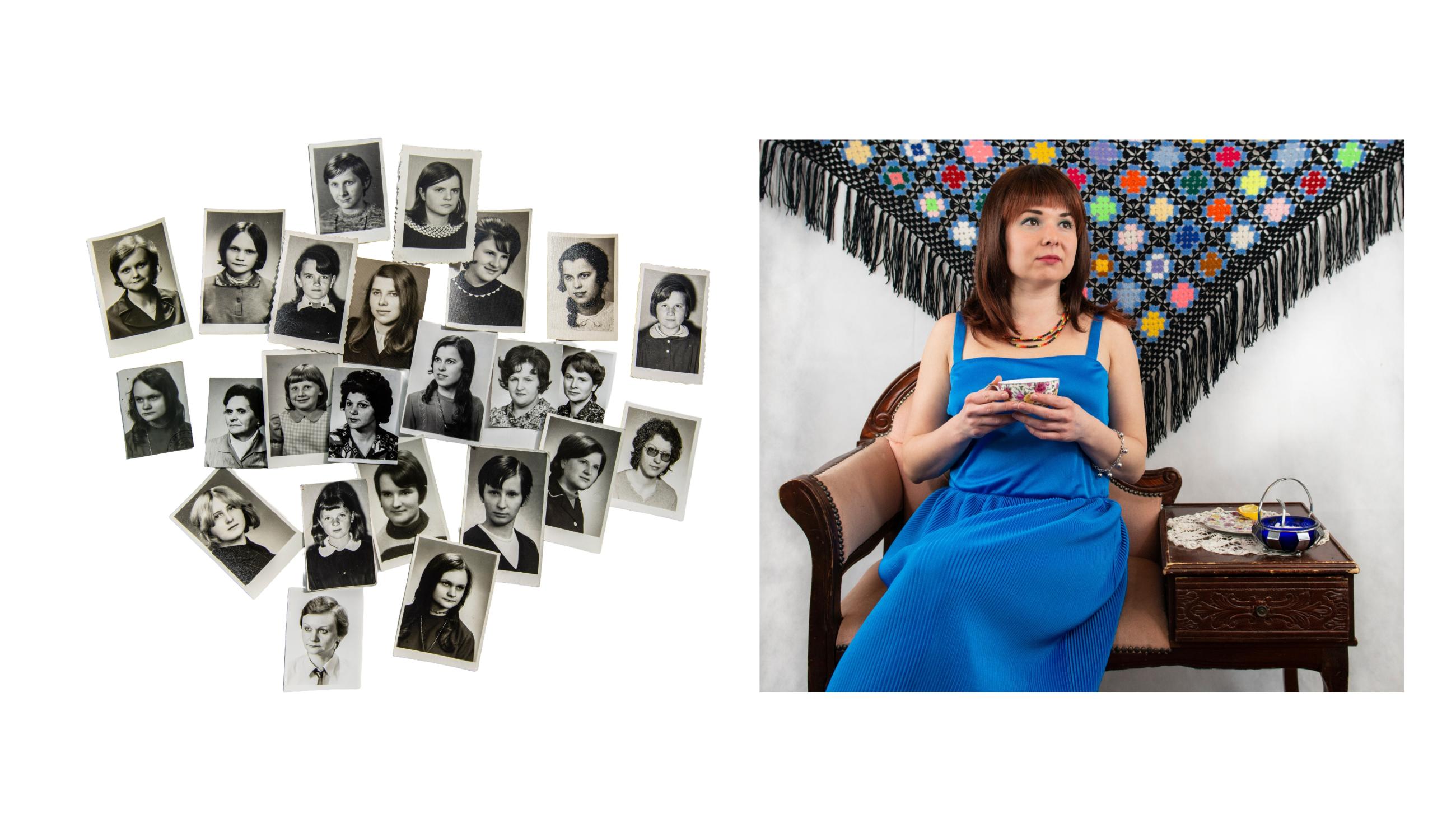
Waiting for the Guests
The photographer wears her great-grandmother’s 1940s dress against a handmade family shawl. She is holding a cup of tea with lemon — a nod to Polish tea traditions shaped by cultural exchange. Beside it, a collection of ID photographs of women from the photographer’s family from the 1940s–1980s traces continuity, memory, and the quiet passage of generations.
© Zula Rabikowska, United Kingdom, Shortlist, Professional Competition, Creative, 2026 Sony World Photography Awards
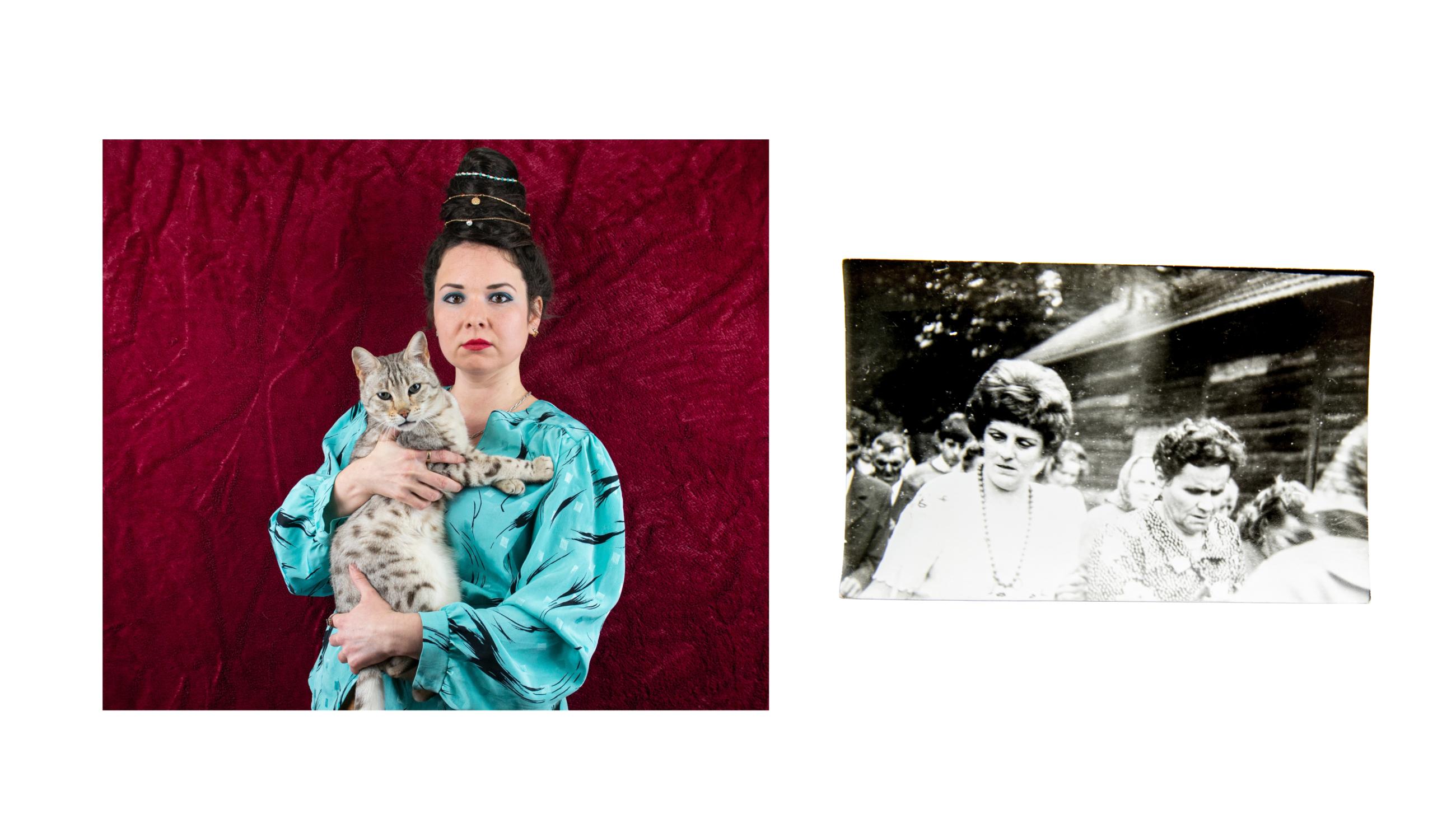
What the War Didn’t Take
The photographer wears an outfit inspired by her grandmother, with exaggerated hair, and is holding a cat, suggesting domestic intimacy. Beside it, a 1985 archival photograph shows her great-grandmother and her sister at a family gathering, linking personal memory with Poland’s history of loss, resilience and style.
© Zula Rabikowska, United Kingdom, Shortlist, Professional Competition, Creative, 2026 Sony World Photography Awards
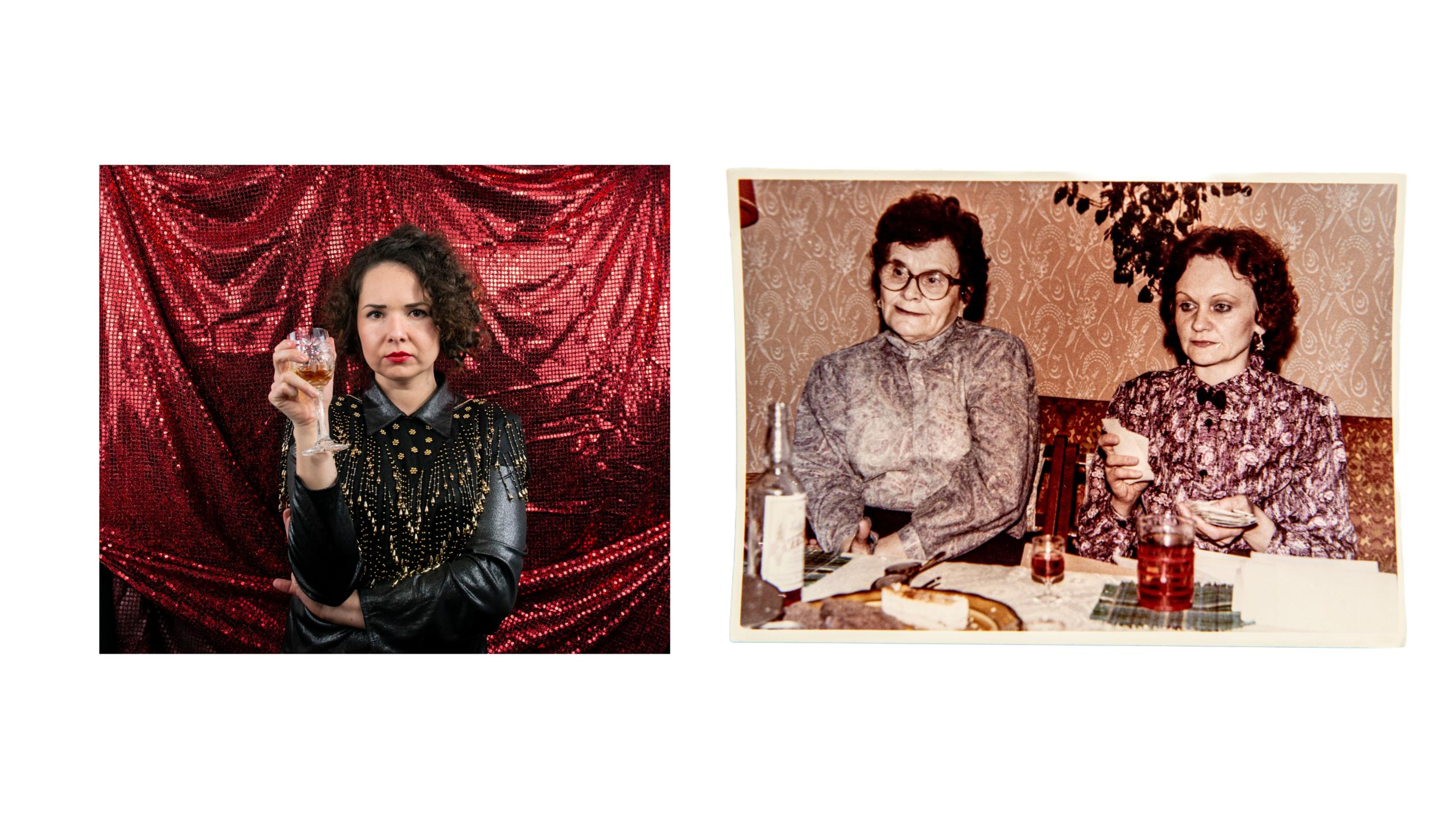
My Mother's Dowry
The photographer wears her grandmother’s ‘Nefertiti collar’ against a backdrop of red sequined fabric, holding a crystal glass from her mother’s dowry — objects linking celebration, memory and resilience. Beside it, a 1986 photograph shows her great-grandmother and aunt hosting a party, reflecting joy and social ritual despite scarcity.
© Zula Rabikowska, United Kingdom, Shortlist, Professional Competition, Creative, 2026 Sony World Photography Awards