

Series description
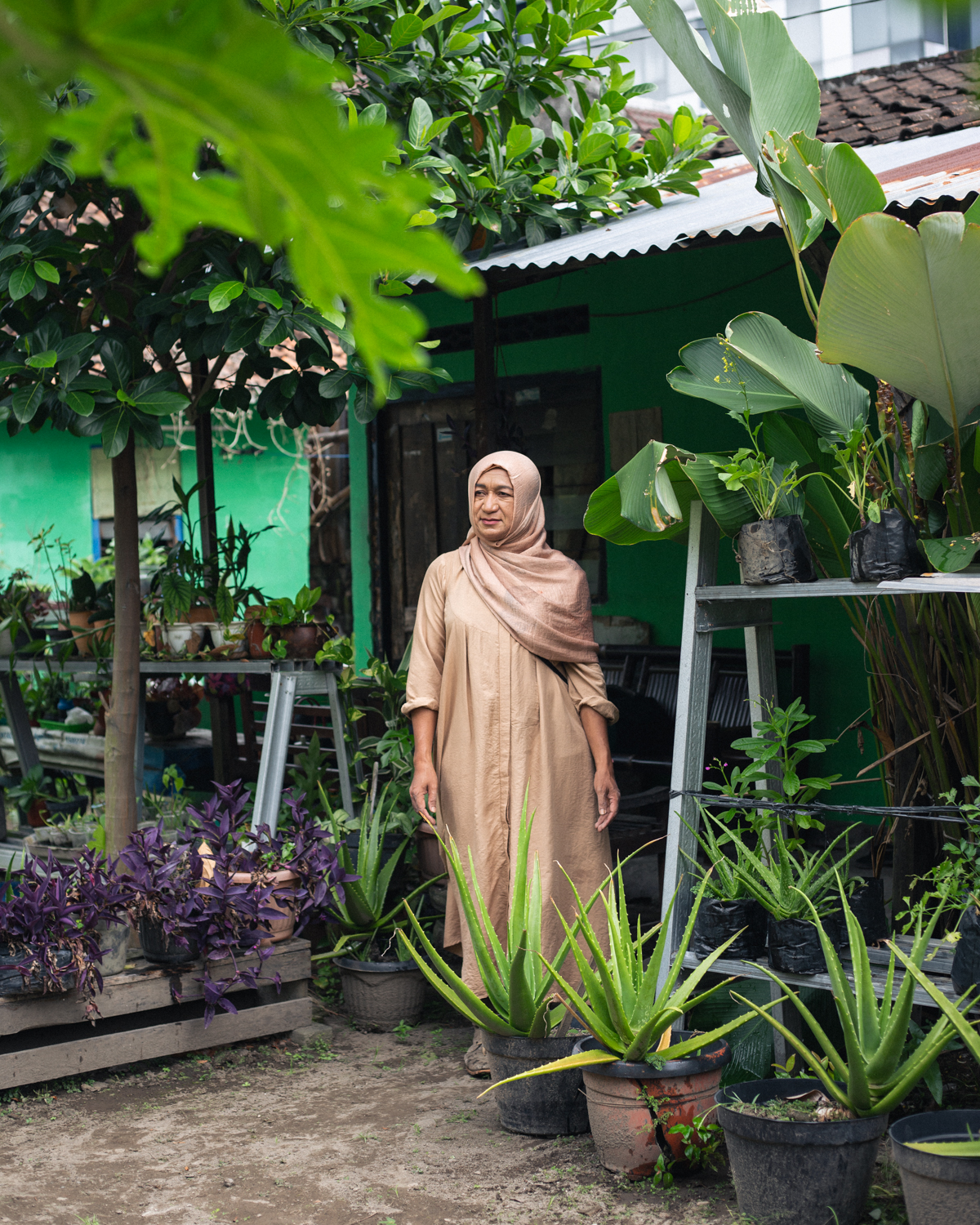
be:longing documents the lives of older Muslim trans people in Yogyakarta, Java, Indonesia. Religion plays a central role in Indonesian society, and nearly 90 per cent of the population is Muslim. People of the queer community are faced with the challenge of reconciling their faith, their identity and society's expectations. Although trans women, known as waria (a mixture of the words wanita (woman) and pria (man)), have long been part of Javanese culture, they are not recognised by conservative Muslims, are usually excluded from formal employment opportunities, and many lose the support of their families after coming out. Over generations, a strong trans community has established its own safe spaces in Yogyakarta. At Pondok Pesantren Al-Fatah they meet with friends to study the Quran and pray, while the Waria Crisis Centre (WCC) provides a home in old age, through illness or at difficult phases of life.
Biography
Marisa Reichert (b. 1987) is a portrait and documentary photographer based in Berlin. She graduated from the Ostkreuz School of Photography in Berlin in 2022. Her work focuses on socially relevant issues surrounding human rights, identity, gender and religion.
Rully Mallay
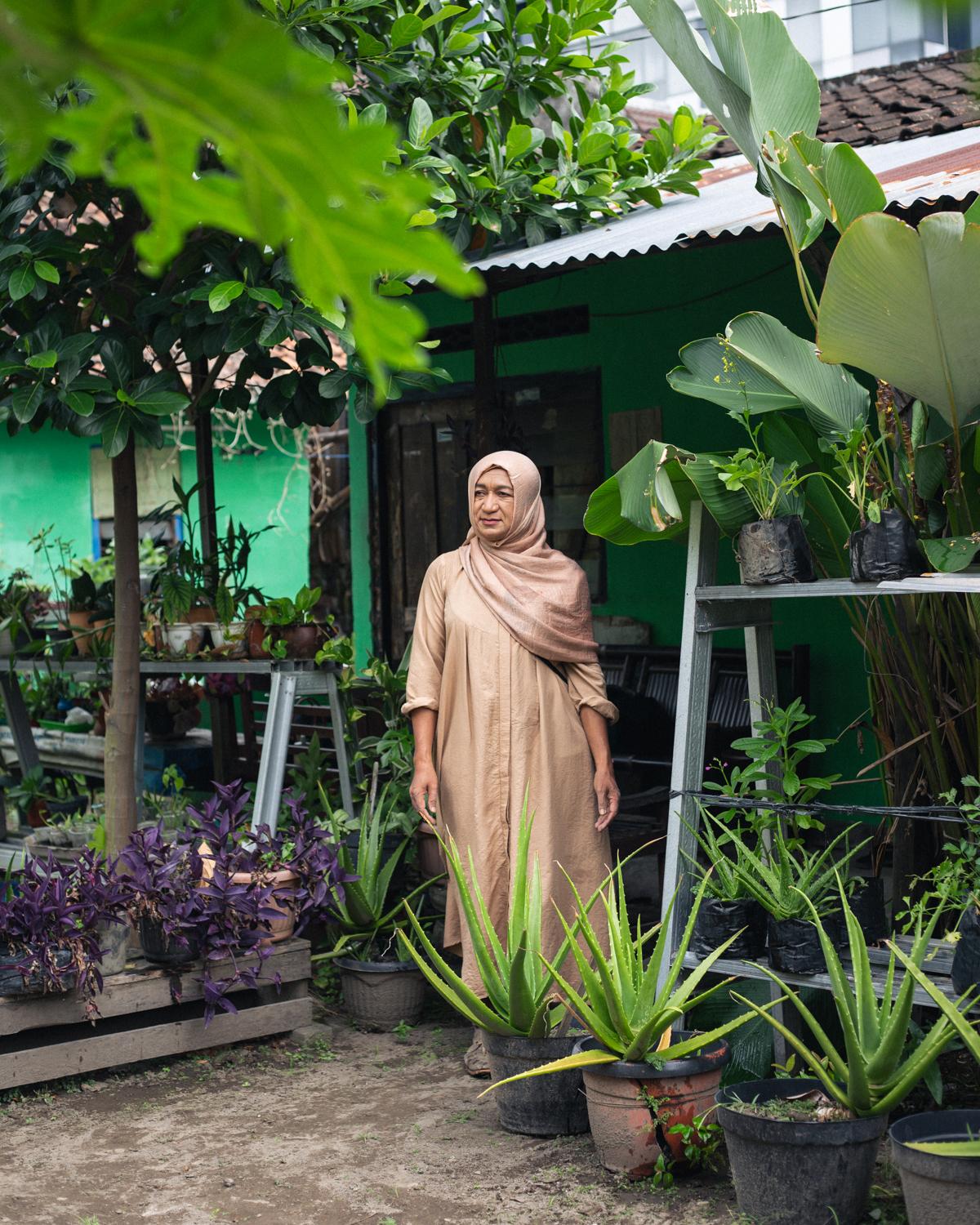
Rully Mallay (64) in front of her boarding house. Rully is a trans rights activist and founder of the Waria Crisis Center (WCC), a shelter for sick and elderly trans women in Yogyakarta. This is a much-needed setting, as many trans women live alone after coming out and have no relatives to care for them in old age or during difficult phases of their life.
© Marisa Reichert, Germany, 2nd Place, Professional Competition, Portraiture, 2026 Sony World Photography Awards
Rini
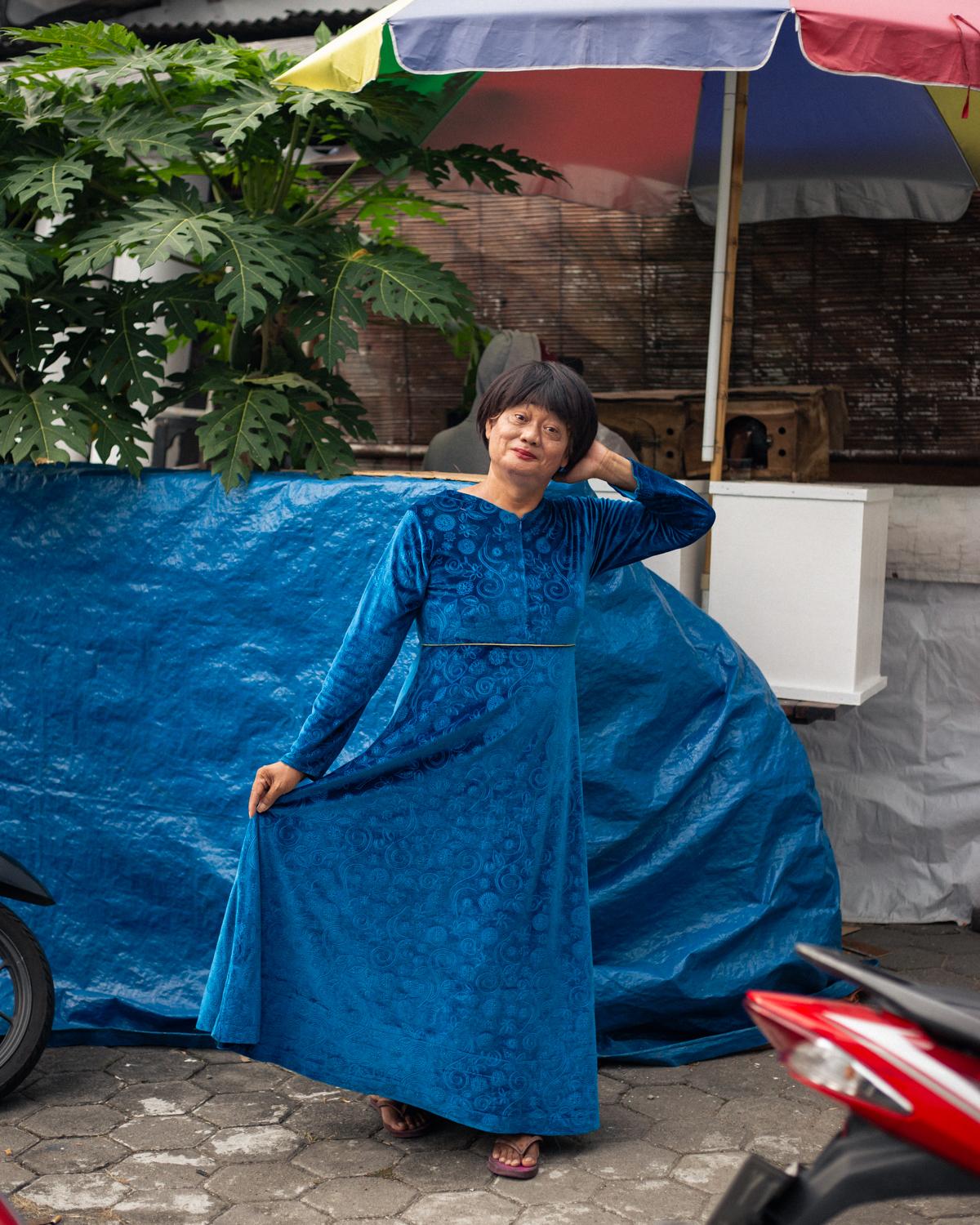
Rini (56) stands in the front yard of Pondok Pesantren Al-Fatah, a Quranic school for trans women. Rini earns her income as a street musician and regularly attends Pondok Pesantren Al-Fatah to study the Quran and pray with friends from the queer community.
© Marisa Reichert, Germany, 2nd Place, Professional Competition, Portraiture, 2026 Sony World Photography Awards
Nur
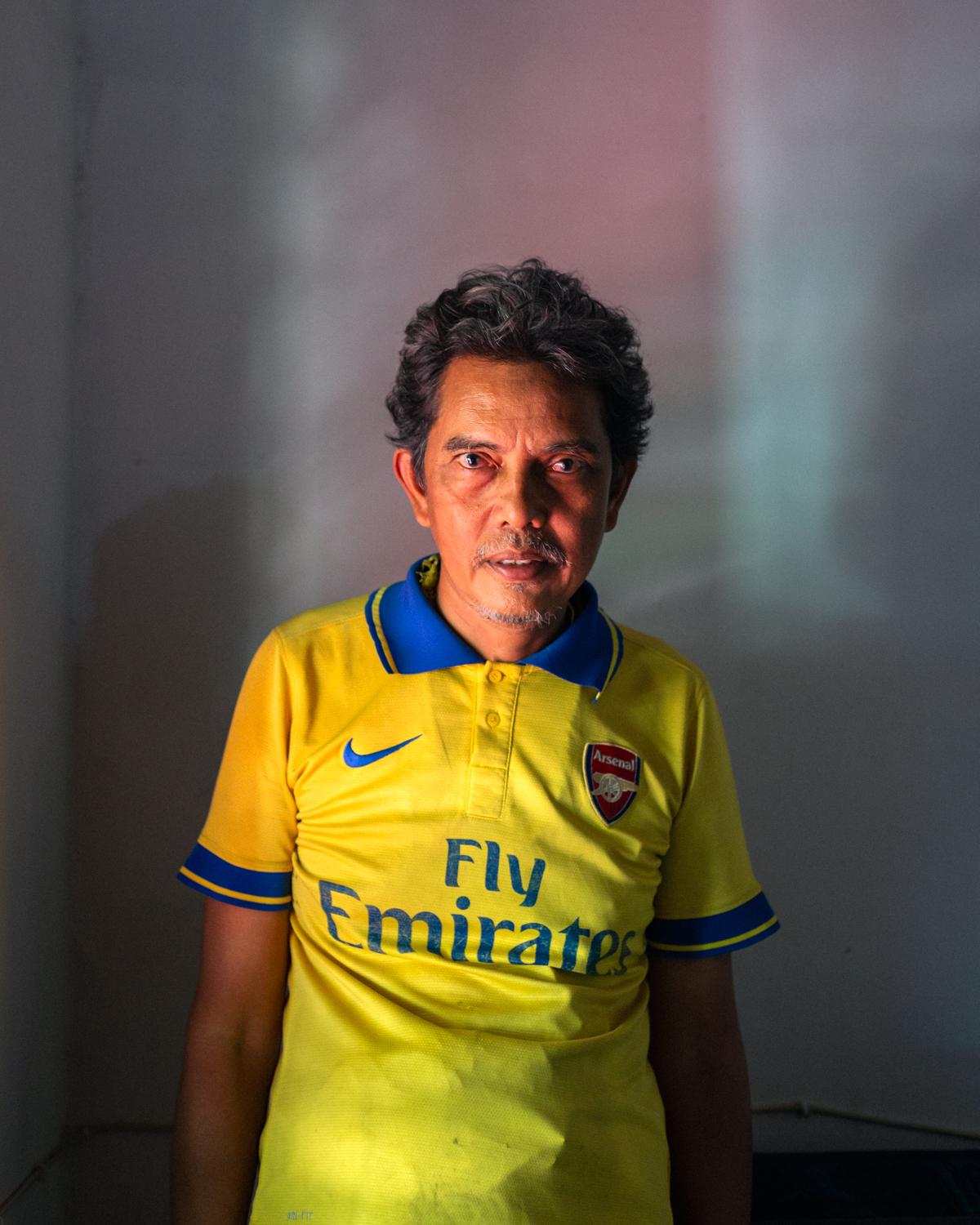
Nur (53) at the WCC. Nur has been living at the WCC for about two years, but dreams of one day owning a house and adopting children. This is a dream that is very difficult for people to fulfil in the queer community in Indonesia.
© Marisa Reichert, Germany, 2nd Place, Professional Competition, Portraiture, 2026 Sony World Photography Awards
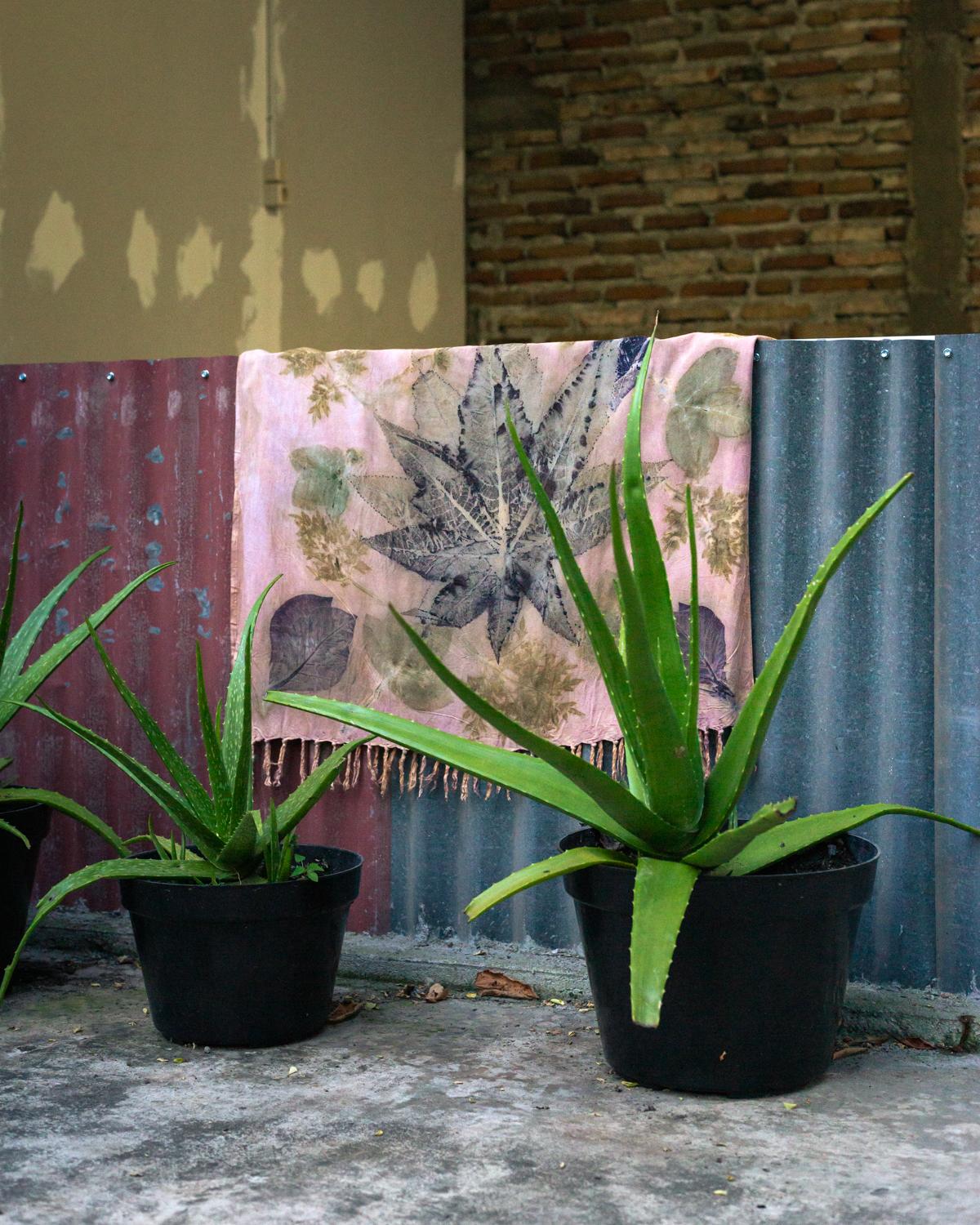
Eco-Print
A freshly produced eco-print hanging in the courtyard of the WCC. The residents also use aloe vera to make es cendol, an Indonesian dessert.
© Marisa Reichert, Germany, 2nd Place, Professional Competition, Portraiture, 2026 Sony World Photography Awards
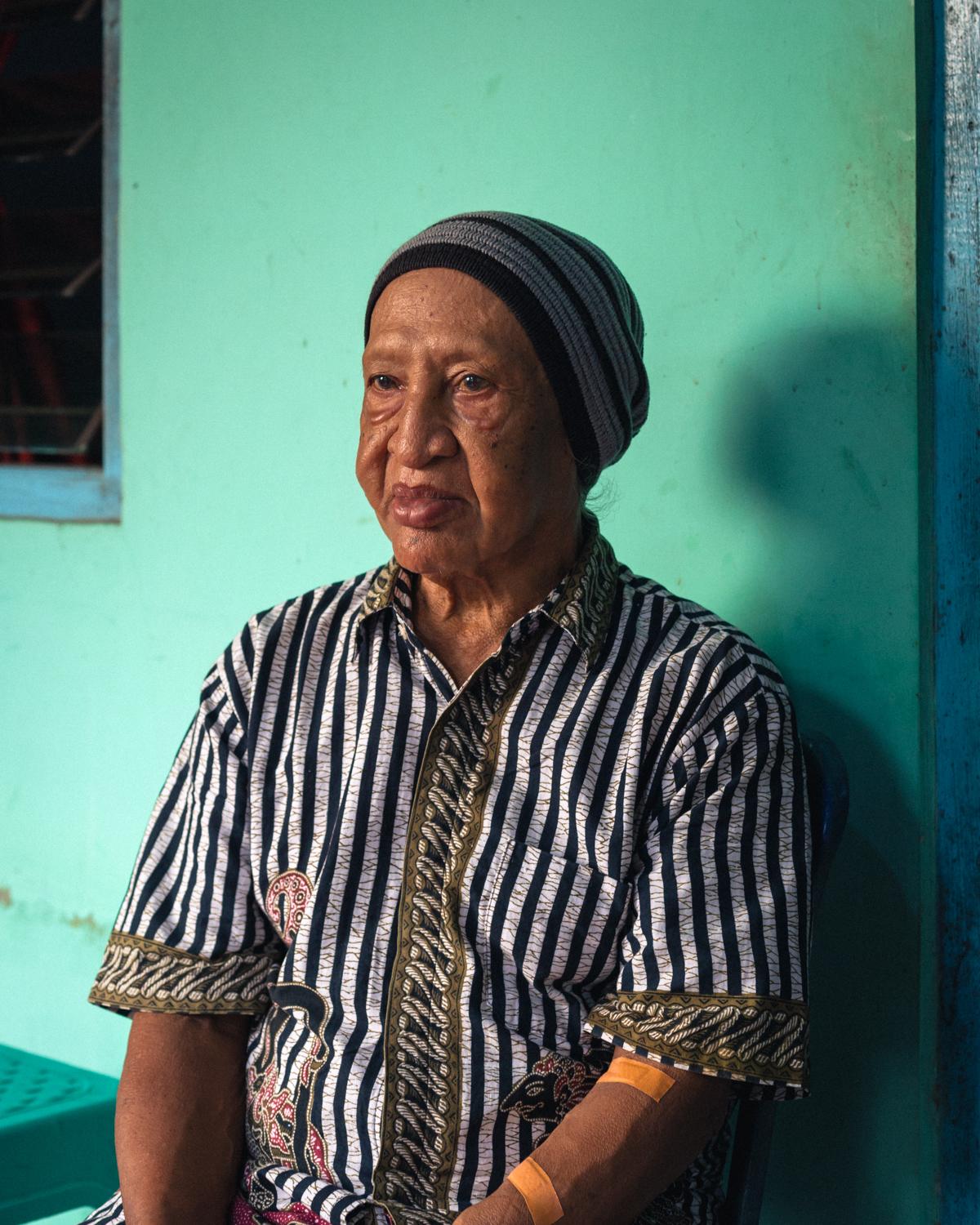
Eru
Eru (73) sits in front of the WCC. Eru used to be a street singer and has been living at the WCC for six years, as she suffers from chronic heart and kidney disease. The WCC has arranged health insurance for her and ensures that she is taken to the hospital twice a week for dialysis.
© Marisa Reichert, Germany, 2nd Place, Professional Competition, Portraiture, 2026 Sony World Photography Awards
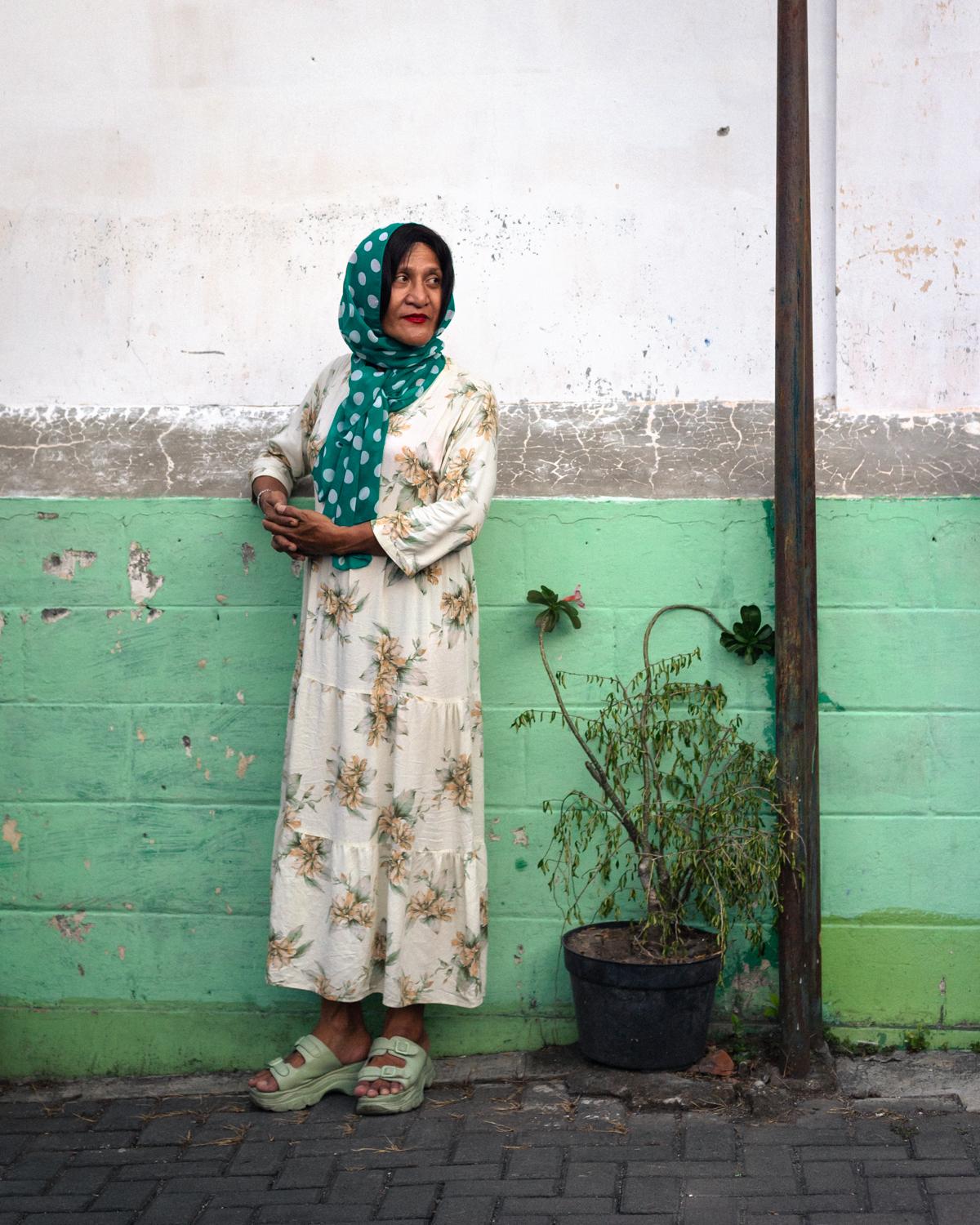
Yuni Shara
Yuni Shara (58) in the street outside Pondok Pesantren Al-Fatah, a Quranic school run by and for trans women. Yuni is the chairperson of the school. ‘We trans women have the right to practise our religion too! There are organisations that support the health and financial needs of the queer community. We focus on faith and spirituality,’ says Yuni.
© Marisa Reichert, Germany, 2nd Place, Professional Competition, Portraiture, 2026 Sony World Photography Awards
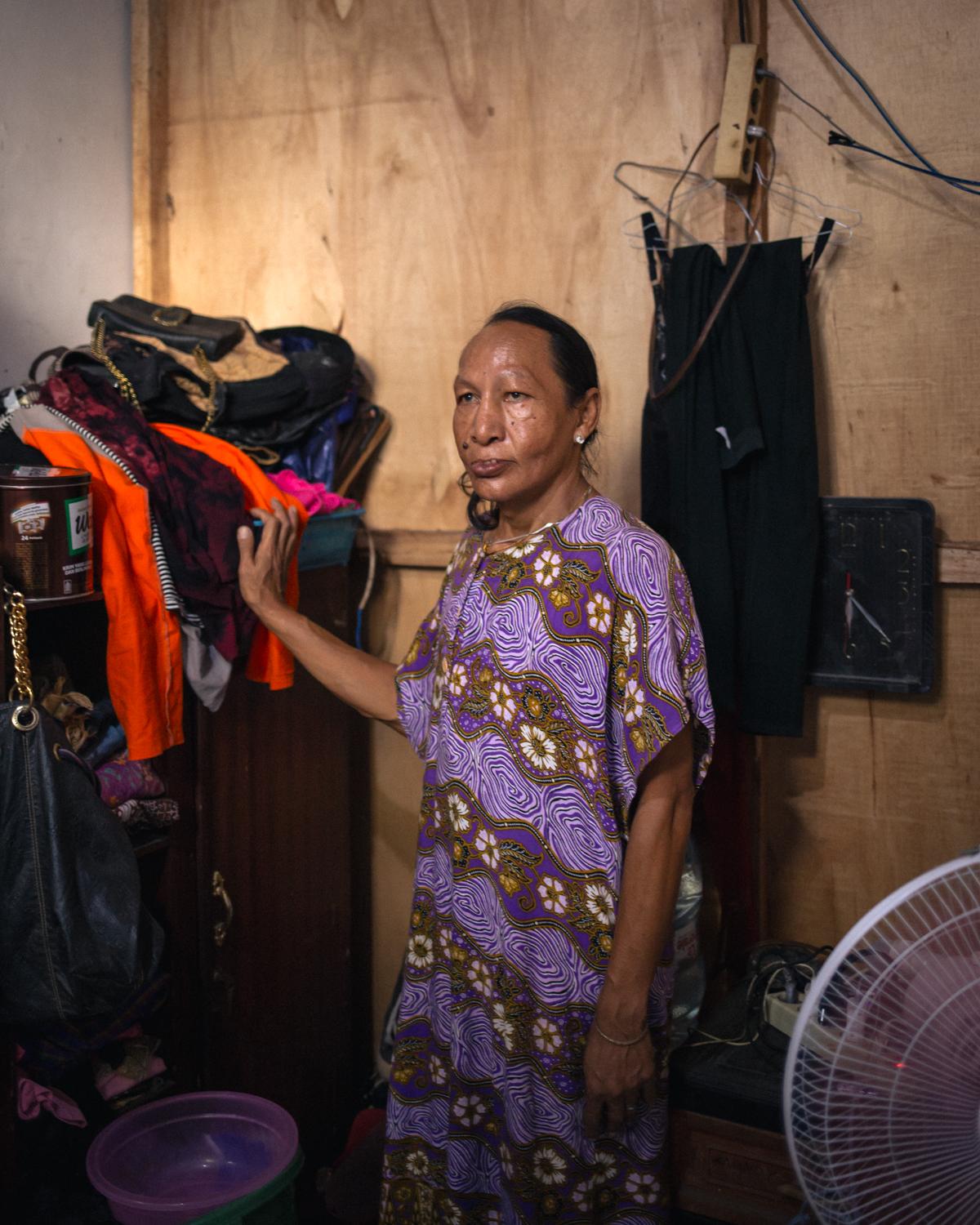
Erni
Erni (68) in her room at the WCC. She decided to move into the WCC due to her advanced age, and has now been living there for three years. Erni earns her living as a street musician. In Yogyakarta, busking is not recognised as art, but is criminalised as illegal begging. The WCC is campaigning for a change in the law.
© Marisa Reichert, Germany, 2nd Place, Professional Competition, Portraiture, 2026 Sony World Photography Awards
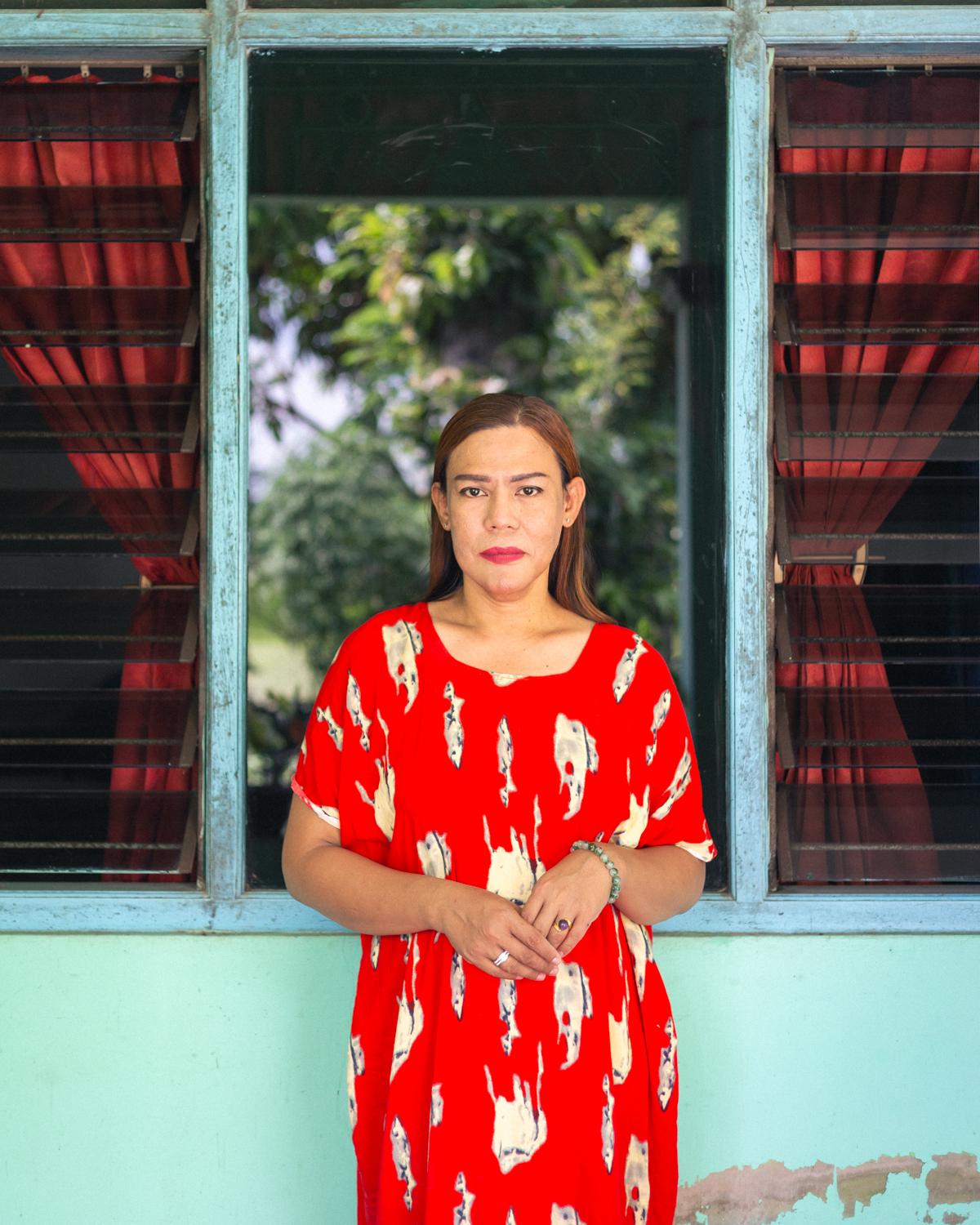
Syania
Syania (45) stands in front of the WCC. She is from Malaysia, where the situation for queer people is worsening. She had heard about the strong transgender community in Yogyakarta from online reports and videos. By chance, she met Rully Mallay, who helped her leave Malaysia. She has now been living at the WCC for several months.
© Marisa Reichert, Germany, 2nd Place, Professional Competition, Portraiture, 2026 Sony World Photography Awards