

Series description
For almost a year, Daniele Vita photographed the pistachios of Bronte, Sicily, from the trees to the harvested nuts. Studying them one by one, he realised that although they seemed alike, each was unique. This experience became a reflection on a society ‘that tends to standardise and erase differences’, and the photographer set out to capture the individuality of every natural element. In the final stage presented here, the pistachio stops being immediately recognisable and becomes an open image, where anyone can find their own perspective and meaning.
Biography
Daniele Vita is an Italian photographer. He won the World Report Award (2021), the Daily Life Picture Story category at Picture of the Year International (2022), and first prize at the BarTur Photo Award (2022) and the Kolga Tbilisi Photo Award (2025).
Untitled
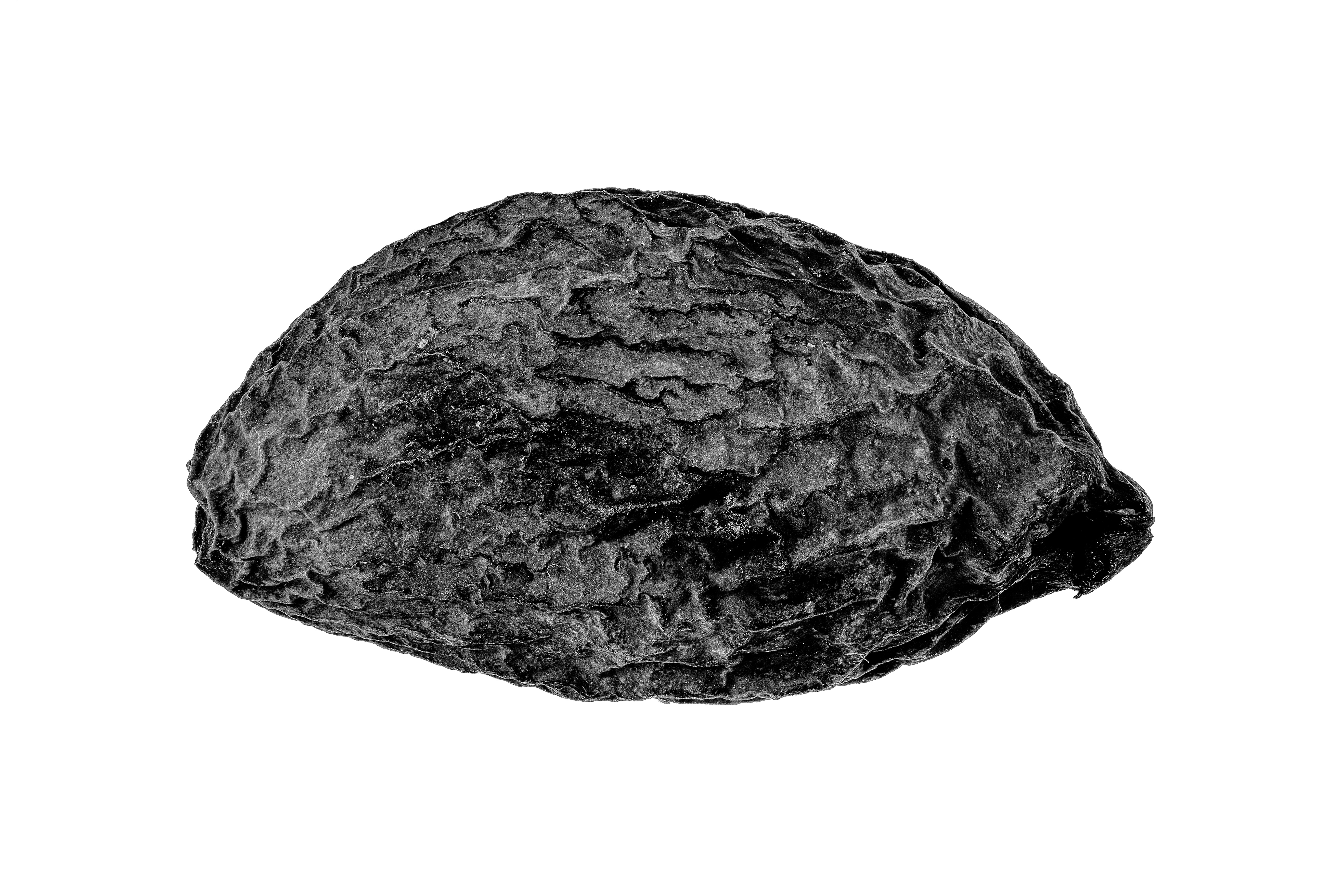
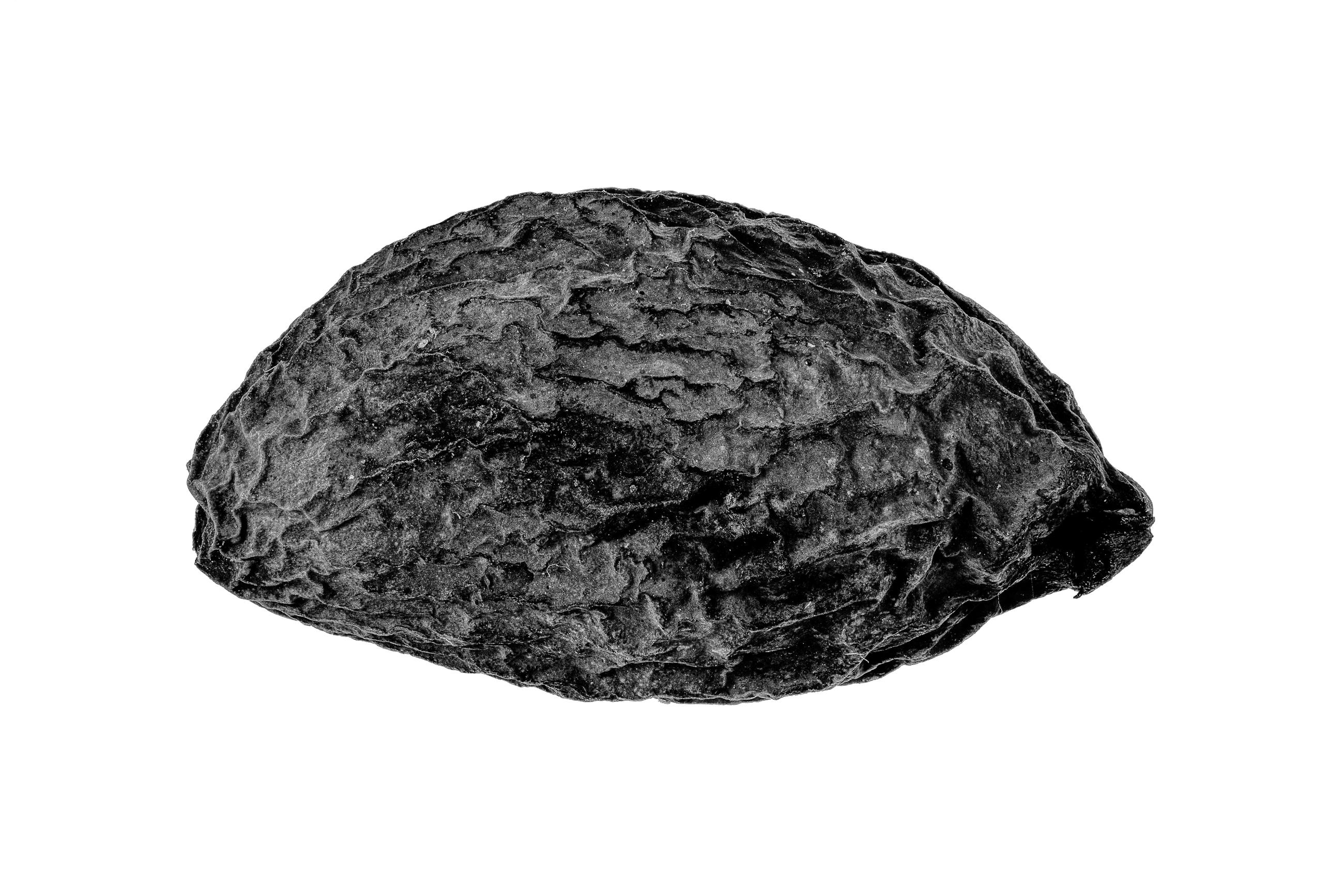
A pistachio remains encased in its natural husk, left on the fruit beyond its ideal time. The husk has gradually darkened and started to break down, showing wrinkles, irregularities, and the first signs of decay. The contrast between the pale shell and the darkened husk highlights the pistachio’s natural transformation, from fresh to weathered by time.
© Daniele Vita, Italy, 3rd Place, Professional Competition, Still Life, 2026 Sony World Photography Awards
Untitled
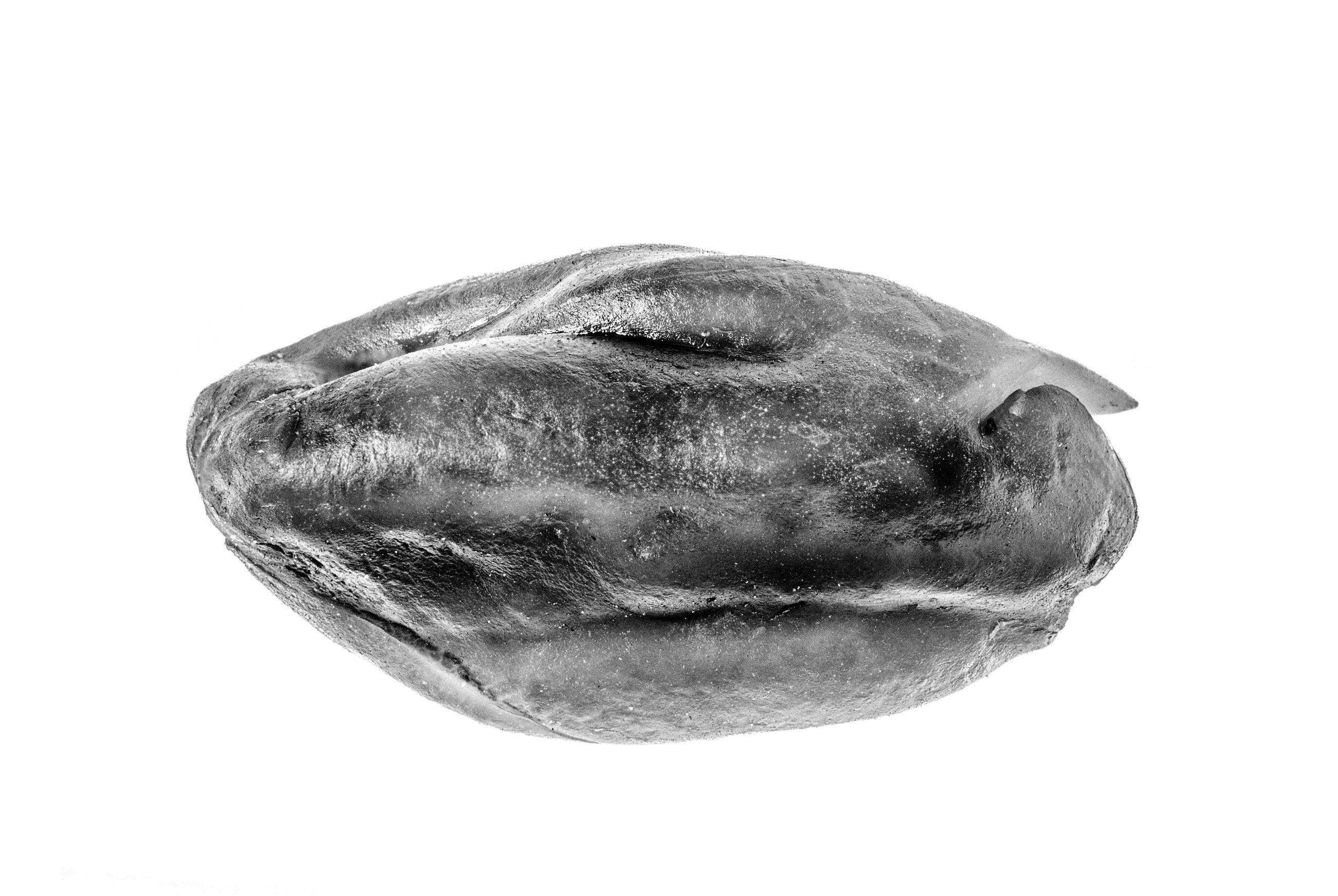
In this image, the pistachio’s thin skin has been removed by briefly blanching it in hot water. The photograph reveals the exposed seed, free from the natural outer layer that usually encases the nut.
© Daniele Vita, Italy, 3rd Place, Professional Competition, Still Life, 2026 Sony World Photography Awards
Untitled
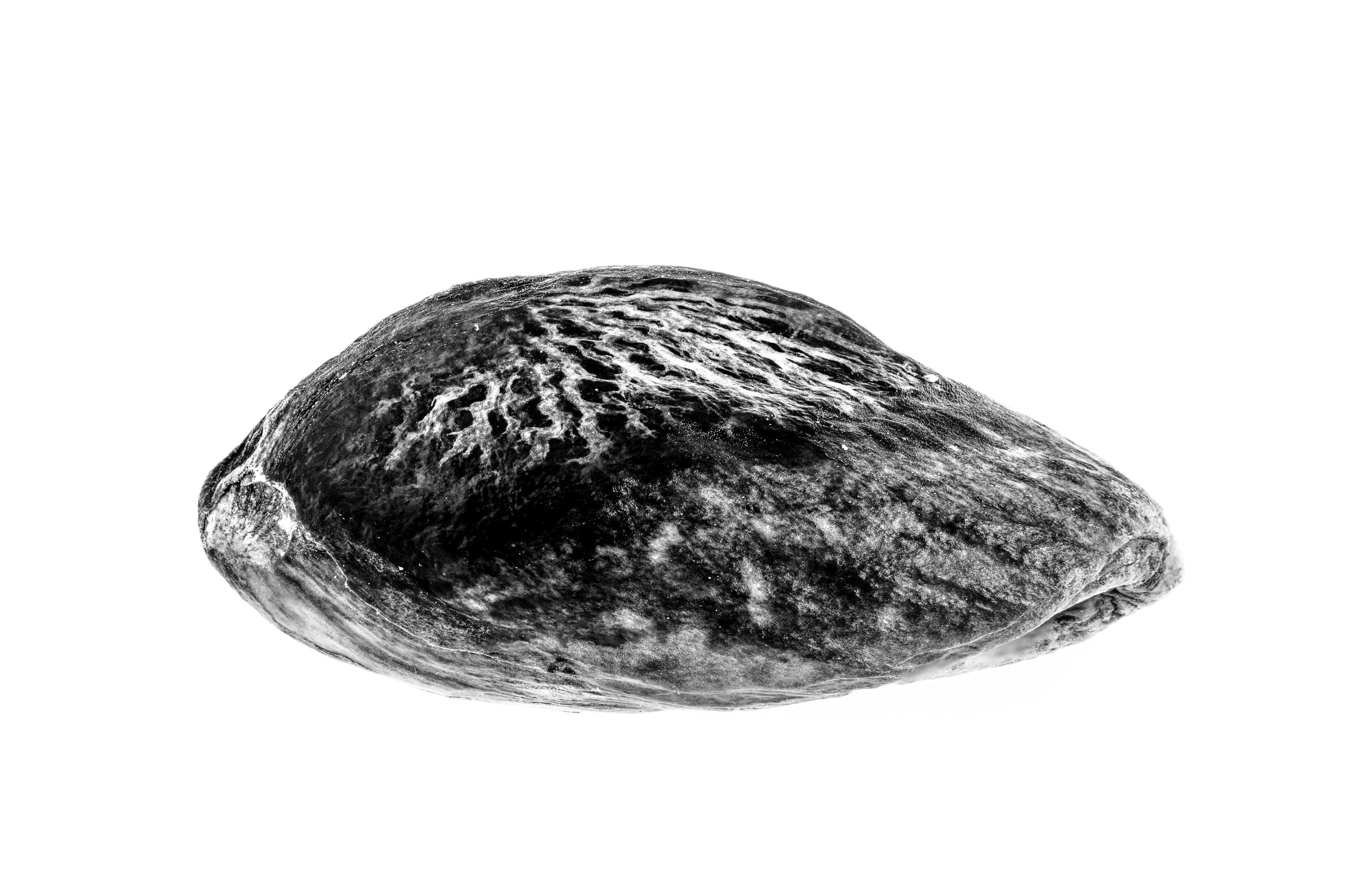
This pistachio was hulled, sun-dried in Bronte for three to four days and then shelled. The nut shown is ready to eat, perfectly dried and mould-free, enhancing its natural texture.
© Daniele Vita, Italy, 3rd Place, Professional Competition, Still Life, 2026 Sony World Photography Awards
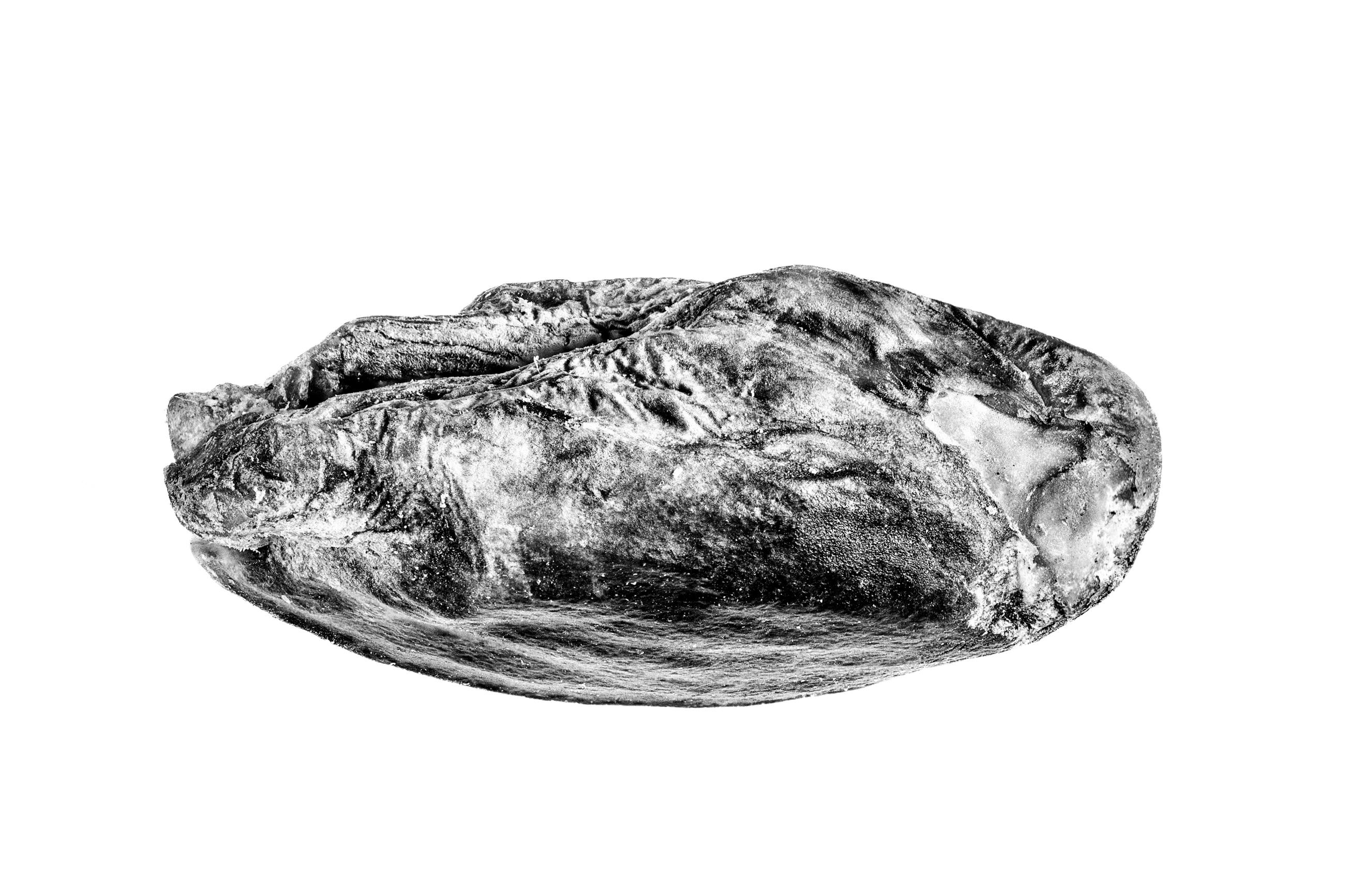
Untitled
This pistachio was hulled, dried and shelled, becoming the famous Bronte pistachio that is renowned worldwide for its quality and flavour.
© Daniele Vita, Italy, 3rd Place, Professional Competition, Still Life, 2026 Sony World Photography Awards
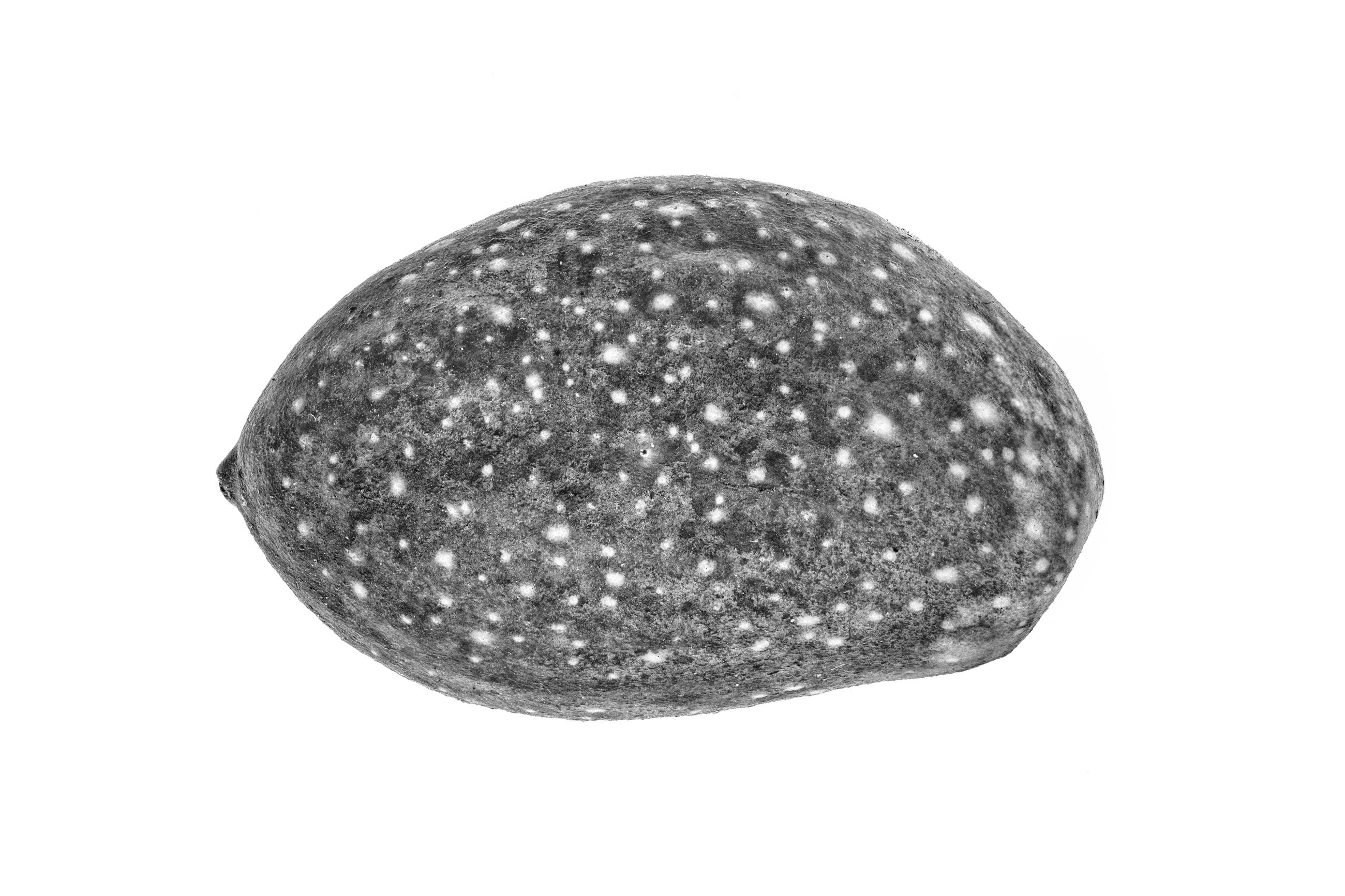
Untitled
This abandoned pistachio came from a neglected tree and has been damaged by weather and a lack of water. The fruit is much smaller than usual, with an almost petrified husk. Historically, pistachio trees were grafted by Arab people onto the terebinth tree, which was the original plant of the Etna pistachio; the Bronte pistachio is a man-made hybrid.
© Daniele Vita, Italy, 3rd Place, Professional Competition, Still Life, 2026 Sony World Photography Awards
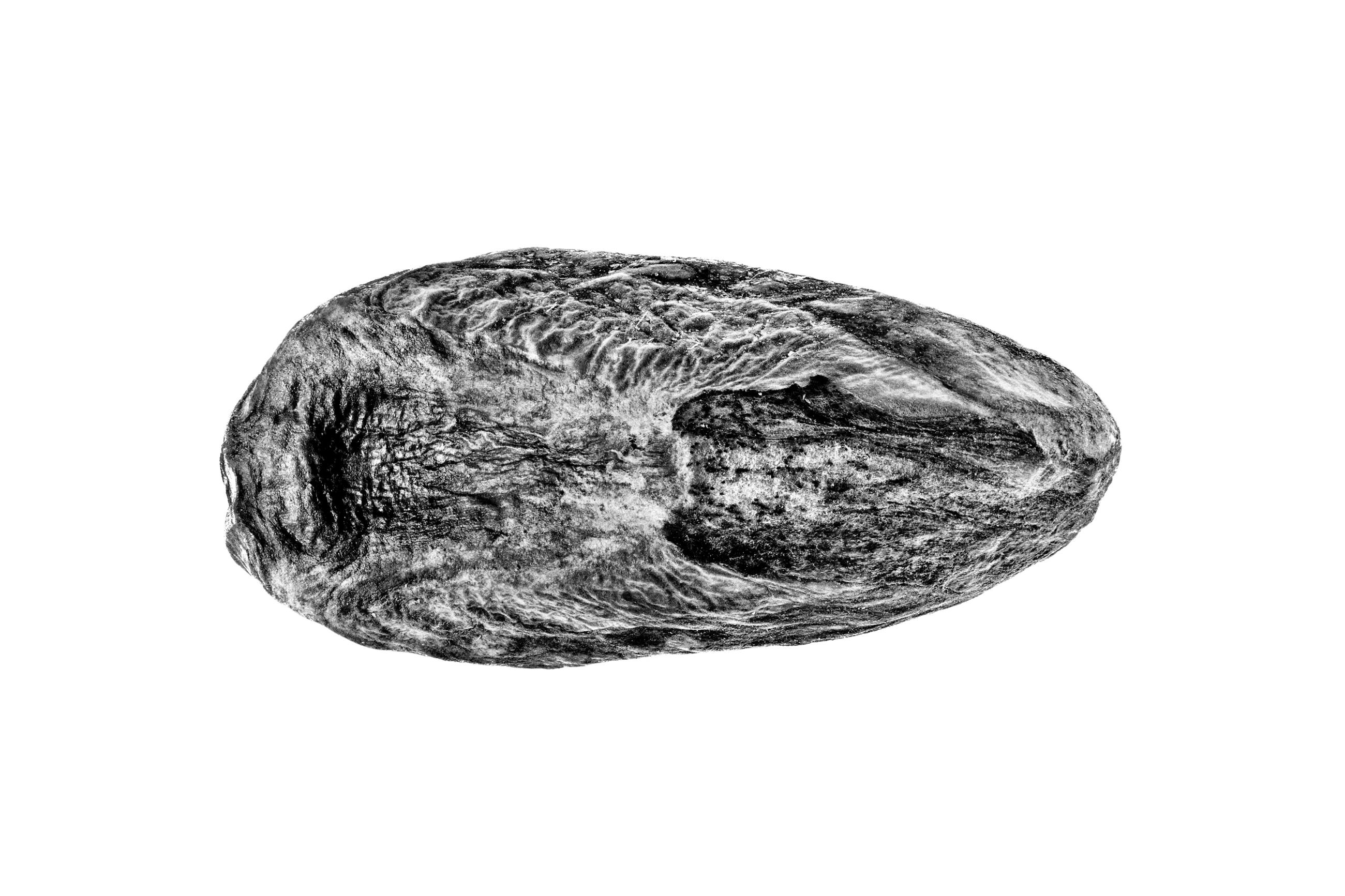
Untitled
This pistachio was first hulled, then dried in the Bronte sun for three-to-four days before it was shelled. Once that process was complete, it became the famous Bronte pistachio.
© Daniele Vita, Italy, 3rd Place, Professional Competition, Still Life, 2026 Sony World Photography Awards
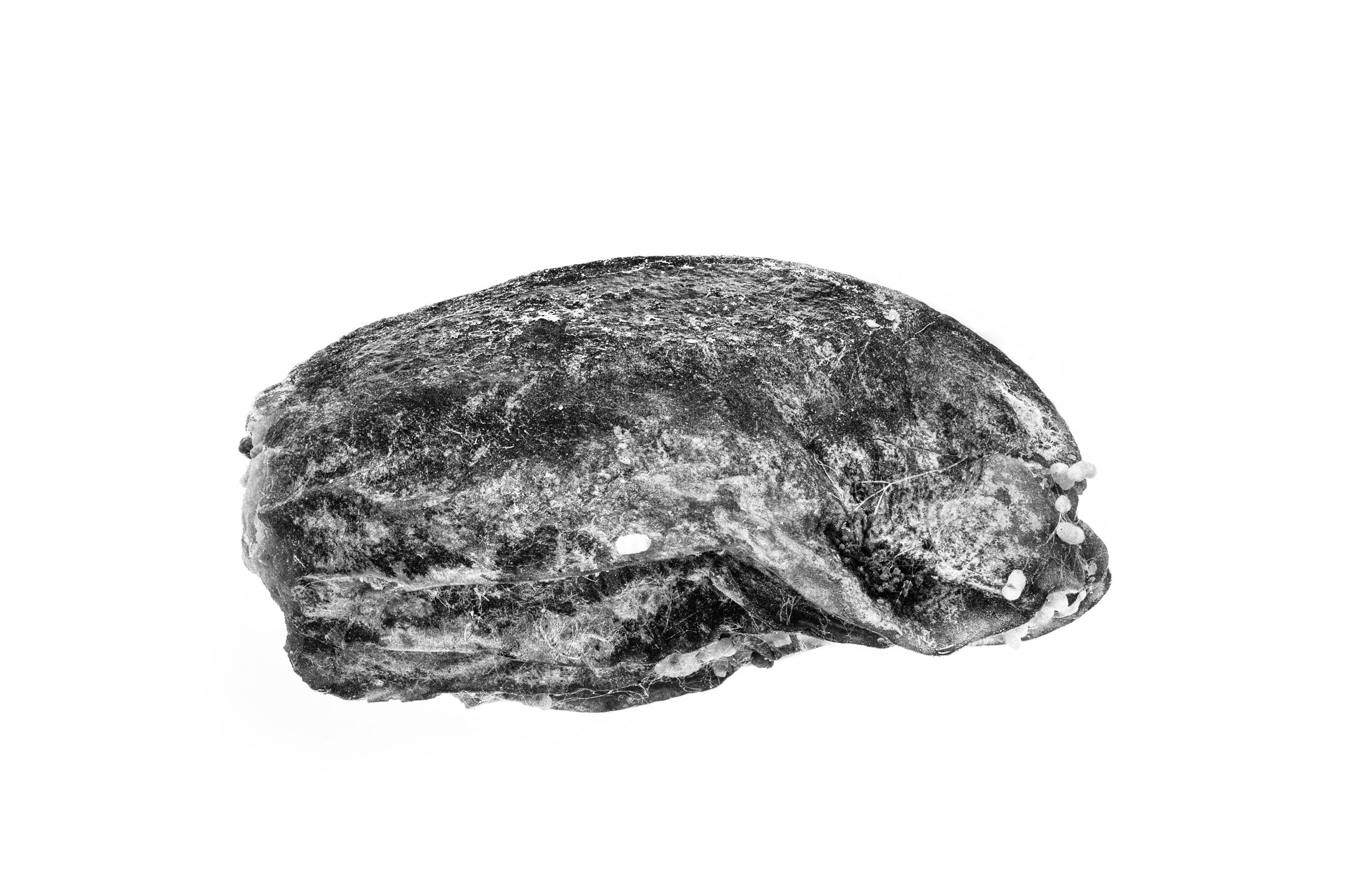
Untitled
This pistachio was properly hulled but poorly dried. It absorbed excess moisture, possibly from a cement surface or improper overnight storage, allowing visible mould to develop. The mould produces aflatoxins, carcinogenic substances that can cause liver tumours, especially if consumed repeatedly in small amounts.
© Daniele Vita, Italy, 3rd Place, Professional Competition, Still Life, 2026 Sony World Photography Awards